Platform for African – European Partnership in Agricultural Research for Development
Showing posts with label biopesticides. Show all posts

Monday, October 12, 2026

Making Biopesticides Work: Connecting Regulation, Scientific Evidence and Sustainable Pest Management


8 October 2026
| Online Webinar | GFAiR – EFARD – HSWT. Making Biopesticides Work: Connecting Regulation, Scientific Evidence and Sustainable Pest Management.

The webinar brought together two complementary research perspectives, examining how regulatory conditions and field-level effectiveness influence the development, commercialisation and adoption of biopesticides.

  • Krishna Gondaliya (HSWT) presented “Context-dependent effectiveness of biopesticides in field crop systems and implications for sustainable pest management: a structured evidence review.” The presentation examined how biopesticide performance varies across agricultural environments and field conditions. Unlike conventional approaches that assess efficacy under standardised experimental conditions, the review emphasised the importance of understanding the contexts in which biopesticides deliver reliable results. The review provided a basis for considering how scientific evidence can inform product development, farmer recommendations and the integration of biopesticides into sustainable pest-management strategies.
  • Dr Emmanuel Tetteh Jumpah (EFARD/HSWT) presented “Why Biopesticide Regulation Matters Globally,” drawing on a 2026 multi-stakeholder expert survey covering Europe, Asia, Sub-Saharan Africa, North America and the Middle East.

The survey examined the legal and regulatory frameworks governing biopesticides and identified several major challenges:

  • Unpredictable approval timelines and administrative inefficiencies that delay market access.
  • Regulatory requirements that may impose disproportionate burdens on lower-risk biological products.
  • Limited technical and institutional capacity for evaluating and registering biopesticides.
  • Barriers faced by small and medium-sized enterprises (SMEs) developing innovative biological pest-control products.
  • Insufficient regulatory harmonisation and mutual recognition across countries and regions.
  • Regulatory frameworks that do not always reflect local agricultural conditions and practical implementation needs.

The presentation explored the importance of proportionate, risk-based regulatory approaches that maintain safety and efficacy standards while facilitating innovation, investment and access to biological pest-management solutions.

Connecting regulation, research and agricultural practice

A moderated panel discussion and question-and-answer session brought together the two perspectives, exploring how regulatory systems, scientific evidence and local agricultural conditions interact. The central message was that biopesticides cannot be scaled successfully through technological innovation alone. Their effective deployment requires coordinated efforts involving researchers, regulatory authorities, agricultural extension services, private-sector developers and farmers.

Reliable field evidence can strengthen regulatory decision-making, while more predictable and proportionate regulatory procedures can encourage investment and facilitate access to effective biological products.

Resource:

Biosolutions in Afro-Eurasian Agriculture: Institutional Conditions for Scaling Biopesticides and Biofertilizers. A Technical Report for Policymakers, Regulators and Development Partners. Prepared from a thirteen-country comparative review and the EFARD/GFAiR/CAAE webinar of 21 July 2026. 11 p.

SADC (2025) Harmonized Guidelines for the Registration of Biopesticide Products and Biological Control Agents in Southern Africa, May 2025 42 p.

The draft SADC Biopesticide Guidelines promote safer alternatives to chemical pesticides, but their regulatory framework largely reproduces the conventional pesticide industry model, potentially replacing chemical inputs with proprietary biological inputs without transforming agricultural practices. QUESTION: Should Guidelines not try to explicitly establish a proportionate, risk-based regulatory pathway for farmer-produced, locally manufactured and non-proprietary biopesticides, including simplified testing, affordable or waived fees, recognition of traditional knowledge and publicly funded registration support?


Upcoming:


14-15 October 2026. Brussels. Farmers' Organisation-led Bio-inputs Systems - International Workshop
  • CSA, FWA-UAW and AgriCord organise two days in Belgium exploring how farmers' organisations can help build credible, accessible and sustainable bio-input systems, from the laboratory and the field to business models and policy.
  • Bio-inputs are a key lever for accelerating the transition towards more agroecological, regenerative and resilient agricultural systems. 
  • By helping restore soil fertility, improve crop health, reduce dependence on synthetic inputs and strengthen farmers' autonomy, they offer new ways to combine productivity, sustainability and resilience in the face of climate and economic pressures.
  • Bio-inputs (biofungicides, bioinsecticides, bioherbicides, biostimulants and compost) naturally emerge as an avenue worth exploring.
  • Farmers' organisations (FOs) have a central role to play in this transition: through experimentation, production, services to farmers, the dissemination of innovations, and dialogue with public and private stakeholders. 


Related:


The South African Bioproduct Organisation (SABO) was established in 2013 as a brainchild between
the Department of Agriculture, Forestry and Fisheries (DAFF), various Universities and research institutions as well as the bioproduct industry to improve the standards of bioproducts in the market in order to protect both the market and the end users. 

The purpose of SABO is to develop the agricultural bioproduct industry in South Africa and to regulate the activities of participants in accordance with high ethical and science-based standards.

SABO’s official membership directory lists several companies that operate internationally in agricultural biological products, crop protection and bioproducts, such as: Bayer, Corteva Biologicals, Syngenta, UPL OpenAg., Koppert Biological Systems, Lallemand Plant Care, Rizobacter, Suterra.

Related:


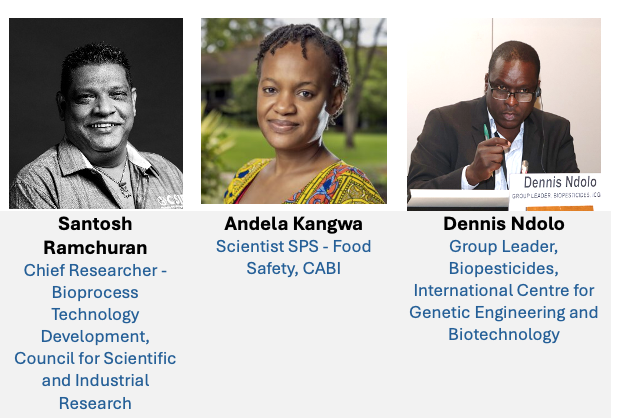
The International Centre for Genetic Engineering and Biotechnology (ICGEB) undertakes research, capacity development and technology transfer to advance the development and adoption of biopesticides and biofertilizers, particularly in Africa. Its Biopesticides Research Group in Cape Town, led by Dr Dennis Obonyo Ndolo, focuses on microbial biological control, integrated pest management and regulatory harmonisation. 

Through its Southern Africa Biopesticides Project (2021–2024), ICGEB supported six SADC countries—Botswana, Mozambique, South Africa, Tanzania, Zambia and Zimbabwe—in strengthening regulatory frameworks, developing regional registration guidelines and exploring biopesticides to reduce chemical pesticide residues in agricultural products. Its B-INOC AFRICA initiative, supported by the Italian Government, promotes research, innovation, entrepreneurship and commercialization of microbial bioinoculants, including biopesticides and biofertilizers. ICGEB also collaborates with FAO and other international partners on agricultural biotechnology, biosafety and biological crop protection.

ICGEB (2024) Advancing Regulatory Harmonisation and Biopesticide Innovation in Africa 04 – 08 March 2024, Cape Town, South Africa Workshop Report. 42 p.

The workshop on Advancing Regulatory Harmonisation and Biopesticide Innovation in Africa brought together 293 participants (82 in person; 211 joining virtually) from 23 countries.
Participants included regulatory professionals, researchers, industry experts, and policymakers.

The objectives of the workshop were to provide participants with a comprehensive insight into
Africa’s regulatory landscape for biopesticides, facilitate the identification of gaps and challenges
impeding biopesticide research and development, and harmonisation of regional and continental
guidelines.

Friday, August 14, 2026

Neem as an organic pesticide, fungicide, and nematicide for harmful insects and fungal infections

9 August 2026. Interview with  Linda Akeyate Issaka of Ntiligira Enterprise at the World Social Forum of Cotonou/Benin.

Ntiligira Enterprise is a Ghanaian agribusiness based in Tamale, led by Managing Director Linda Akeyate Issaka, that promotes sustainable and organic farming through the local production of environmentally friendly agricultural inputs. 

The enterprise produces neem-based pesticides, neem oil and neem cake, as well as compost, providing farmers with alternatives to synthetic pesticides and fertilizers while creating value from locally available neem resources. 

Ntiligira was selected for the Ghana Climate Innovation Centre (GCIC) Cohort 10 incubation programme and has also been profiled as a green-economy investment project, reflecting its potential to contribute to climate-smart agriculture, soil health and the expansion of biological crop protection in Ghana.


Linda Akeyate Issaka describes Ntiligira Enterprise as a company founded in 2020 to provide organic alternatives to chemical pesticides.
"Ntiligira means my redeemer"
The business specialises in producing neem oil for pest control and neem cake for nematode treatment and soil fertilisation. Additionally, the company engages in small-scale composting to support organic farming systems.

Production Capacity
  • Daily output with two machines: 50 to 60 bags (50 kg each) of neem seeds and approximately 450 litres of oil.
  • Monthly capacity: 10,000 bags of neem cake (50 kg).
  • Batch capacity: Approximately 20,000 bags of compost (50 kg).
Operational Challenges
  • She identifies significant barriers to scaling production and reducing costs to compete with inorganic fertilisers. A primary concern is that the price difference between organic and inorganic options discourages farmer adoption.
  • The company currently lacks essential machinery such as a chipper truck, water tanker, and a backhoe machine. Acquiring these would allow the business to lower compost prices from 110 cedis per bag to between 70 or 80 cedis. 
  • Furthermore, there is a critical need for dedicated cargo trucks to transport seeds from communities; this ensures the organic integrity of the seeds by preventing contamination from chemicals during transit in general market trucks.
Growth Potential
  • Despite current hurdles, Linda Akeyate Issaka remains optimistic due to the abundant availability of raw materials in the local region. 
  • The primary goal is to secure investment or acquire logistics to meet the high demand from farmers within the organic system.

Related: 


Monday, August 3, 2026

Biosolutions in Afro-Eurasian Agricultural Innovation Systems

 21 July 2026. The EFARD/GFAiR/CAAE webinar examined the institutional conditions required to scale biopesticides and biofertilizers across Africa, Asia, and Europe. Drawing on evidence from thirteen countries, the presentation demonstrated that successful adoption of biological agricultural inputs depends not only on their biological effectiveness but also on the strength of agricultural innovation systems.

The comparative analysis showed that countries possessing abundant biodiversity do not necessarily achieve successful commercialization. Instead, adoption is determined by coordinated investments in research, regulation, manufacturing, commercialization, extension services, and quality assurance.
The webinar emphasized that effective regulatory systems, functioning markets, strong public-private partnerships, and farmer confidence are essential prerequisites for scaling biological solutions. Experiences from Kenya, South Africa, Spain, the Netherlands, India, China, and other countries illustrate different pathways toward successful adoption as well as persistent institutional bottlenecks.

The webinar reinforced that the transition toward sustainable agriculture is fundamentally an institutional challenge rather than solely a technological one. While biological products have demonstrated considerable potential to improve agricultural sustainability, widespread adoption requires coordinated investments across research, regulation, commercialization, manufacturing, extension, and governance. The comparative evidence from Africa, Asia, and Europe shows that countries are unlikely to achieve successful scaling through isolated interventions. Instead, integrated agricultural innovation systems that align scientific research with policy, markets, and farmer needs provide the strongest foundation for sustainable adoption.

The discussion concluded that scaling biological inputs requires systemic institutional transformation rather than isolated technological innovation. Strengthening agricultural innovation systems is therefore central to achieving sustainable food systems while reducing dependence on synthetic agricultural inputs.

  • Moderator Darshika Senadheera, Asia-Pacific Association of Agricultural Research Institutions (APAARI)
  • Keynote Speaker Emmanuel Tetteh Jumpah, Executive Secretary, European Forum on Agricultural Research for Development (EFARD), Project Coordinator, Beyond BioPest Project, Weihenstephan-Triesdorf University of Applied Sciences (HSWT), Germany

Tuesday, July 14, 2026

Radiation entomology and the Sterile Insect Technique (SIT)

14 July. Irradiation Applications in Sterile Insect Technique (SIT) Programs for the Mediterranean Fruit Fly (Ceratitis capitata).

This webinar was organized in collaboration with AARINENA and the General Directorate of Agricultural Research and Policies (TAGEM), Ministry of Agriculture and Forestry of Türkiye. It brought together leading experts in radiation entomology and the Sterile Insect Technique (SIT) to discuss the application of irradiation in Mediterranean fruit fly management programmes.

The webinar covered the principles of SIT and its integration into pest management strategies, the use of gamma and X-ray irradiation to sterilize Mediterranean fruit flies, irradiation dose optimization, insect quality assurance, mass rearing, and operational aspects of SIT implementation. Speakers also shared experiences from national and regional SIT programmes, highlighted recent advances in radiation entomology, and discussed opportunities for strengthening regional collaboration in sustainable fruit fly control.
  • Moderated by Dr. Didem KÖKDEN, International Relations Coordinator at TAGEM.
  • Dr. Ümran Akkan Demirer, Head of the Biotechnical Control Department, Bornova Plant Protection Research Institute (TAGEM), who will present the operational implementation of SIT, including mass rearing, sterilization, quality control, and field application.
  • Dr. Dilan Özmen, Senior Researcher at the TENMAK Nuclear Energy Research Institute, who will present irradiation technologies for sterile insect production, dose optimization, and quality assurance.

Note: 

Türkiye's Sterile Insect Technique (SIT) programme progressed more slowly than anticipated because it remained in the research, development and pilot implementation phase for many years. The programme focused on developing domestic capacity—including mass rearing of Mediterranean fruit flies, genetic sexing strains, irradiation protocols, quality control, and release technology—before moving to operational field releases. In recent years, with continued technical support from the IAEA, Türkiye has accelerated implementation: in 2025 the Bornova Plant Protection Research Institute installed and calibrated a new ground-based sterile insect release system and began pilot releases in citrus orchards in İzmir, confirming that the national programme is actively expanding rather than being discontinued.

Jordan’s Mediterranean fruit fly SIT programme was interrupted mainly because it depended on sterile flies shipped from Guatemala, making it vulnerable to long transport times, flight cancellations, and stricter aviation security after September 2001, which sometimes caused shipments to arrive late or in poor condition. Regional political and security tensions also complicated coordination among Jordan, Israel, and the Palestinian Authority, while the absence of a nearby mass-rearing facility limited reliable expansion. The programme itself was technically successful in suppressing fruit fly populations, but these logistical and geopolitical constraints led to interruptions and encouraged a shift from eradication toward sustained suppression.

Note:

This CIRAD workshop aims to bring together key players to accelerate the operationalisation of SIT within an integrated health vision. It will bring together scientists, French public health stakeholders (Regional Health Agencies, Santé Publique France, Ministry of Health, Mosquito Control Services) and foreign stakeholders, international SIT experts and private vector control operators.

Note: 

The International Atomic Energy Agency (IAEA), through the Joint FAO/IAEA Centre of Nuclear Techniques in Food and Agriculture, supports several Sterile Insect Technique (SIT) programmes in Africa. 

These programmes use gamma- or X-ray irradiation to sterilize male insects before releasing them into the environment, reducing pest populations without pesticides. SIT is currently being applied primarily against tsetse flies, fruit flies, and, increasingly, disease-transmitting mosquitoes.


Success stories

  • The Joint FAO/IAEA Centre is testing induced genetic variation for insect pest resistance as an alternative to other techniques. Seven African countries are participating in this project, with a focus on the cowpea pod borer. Early success has already been demonstrated by one participating research group in India.
  • The IAEA, in cooperation with the FAO, has helped Morocco achieve its first victory in the ongoing campaign to suppress the Mediterranean fruit fly. Moroccan counterparts have received the training and equipment necessary to detect and respond in a timely manner to any incursion by other fruit fly pests, which is a prerequisite for sustained suppression using the SIT. 
  • The IAEA, in cooperation with the FAO, helped Senegal to suppress pest populations by applying the SIT. The disease that tsetse flies transmit can kill livestock or make them sick. The tsetse fly populations in the entire project area are suppressed by more than 97%, resulting in a very low prevalence of the disease trypanosomosis that the flies transmit. This resulted in a significant increase in milk yields, and a ten-fold increase in the use of imported, more productive, exotic cattle with a positive overall return on investment. 
  • A new fruit fly mass rearing facility in Mauritius went into service in August 2019, with the capacity to produce 15 million flies per week. The target is to release the sterile flies in fruit and vegetable production areas to suppress fruit and vegetable infestations in selected areas. 
  • The IAEA, in partnership with the FAO, has provided technical support to a false codling moth project in South Africa. The insects are produced locally in a mass rearing facility and released in the citrus production areas. The release period is from September to June over a period of ten months, with 40 million moths per week released throughout 16 500 hectares.


African Regional Cooperative Agreement for Research, Development and Training related to Nuclear Science and Technology (AFRA) network


AFRA is an intergovernmental agreement of 39 African Member States established in 1990. Supported by the IAEA, it strengthens peaceful nuclear applications in agriculture, human health, water resources, and industry.AFRA works directly with specialized regional networks and centers to build local expertise:
  • AFRA-NEST: The African Network for Education in Nuclear Science and Technology (AFRA-NEST) harmonizes curricula, awards scholarships, and facilitates the exchange of students and researchers across the continent.
  • RDCs: AFRA utilizes over 30 designated Regional Designated Centres (RDCs), such as the Graduate School of Nuclear and Allied Sciences (SNAS) in Ghana and the University of Alexandria in Egypt, to conduct master's fellowship programs.Thematic Focus: Cooperative projects span six main areas, including sustainable energy, radiation safety, and nuclear security.


Saturday, June 27, 2026

The growing investment potential of the organic fertilizer sector in Africa

25 June 2026. The Monthly Talks on Agroecology webinar focused on the growing investment potential of the organic fertilizer sector in Africa as a strategic component of the continent's agroecological transition. 

Drawing on a recent study by the Food and Agriculture Organization Investment Centre, experts presented evidence from Senegal, Tanzania, and Kenya demonstrating that organic fertilizers can improve soil health, increase resilience to climate change, and reduce dependence on imported synthetic fertilizers. 

The webinar emphasized that the rapid growth of livestock production, agro-processing, and municipal organic waste streams creates significant opportunities for developing profitable circular bioeconomy businesses based on compost, manure, biofertilizers, and other organic soil amendments.

The presentations examined the commercial dimensions of the sector, including the current and projected market size for organic fertilizers, emerging business models adopted by producers and distributors, investment requirements, access to finance, and the importance of quality assurance and certification. 

Speakers highlighted that while demand for sustainable soil fertility solutions is increasing across Africa, investors continue to face constraints such as fragmented supply chains, inconsistent product standards, limited technical capacity, and insufficient policy support. The discussion therefore proposed recommendations to strengthen enabling policies, improve regulatory frameworks, expand financing mechanisms, and encourage private-sector participation in scaling locally produced organic fertilizers.

  • A practical policy perspective was provided by Moses Abukari, IFAD Regional Programme Manager, who presented European Union-funded initiatives that promote farmers' access to fertilizers through electronic voucher (e-voucher) systems while progressively encouraging a shift toward organic and integrated nutrient management. 

The webinar concluded that investment in organic fertilizers is not only an environmental opportunity but also an economic one, capable of creating rural enterprises, improving soil fertility, strengthening food system resilience, and advancing agroecological food systems across Africa. By linking public investment, private entrepreneurship, and farmer incentives, the session illustrated how organic fertilizer markets can contribute simultaneously to agricultural productivity, climate adaptation, and sustainable rural development.

Highlight: OFIMAK the association of organic farm inputs manufacturers in Kenya. 

The Organic Fertilizers and Input Manufacturers Association of Kenya (OFIMAK) is the national association representing manufacturers of organic fertilizers, bio-inputs, and other sustainable agricultural inputs in Kenya. 

  • Established in 2023, the association seeks to accelerate the adoption of organic farm inputs by creating awareness among farmers, advocating for supportive policies, strengthening quality standards, and building partnerships with government, research organizations, development agencies, and the private sector. 
  • OFIMAK's vision is to empower farmers and manufacturers to champion sustainable plant and soil health solutions, while its mission is to lead Kenya's soil health agenda through increased use of locally produced organic inputs that contribute to food security, climate resilience, and environmental sustainability. The association also promotes research and innovation, provides training and networking opportunities for its members, and aims to increase the share of organic farm inputs in Kenya's fertilizer market from approximately 2% to 30% within five years.
  • OFIMAK has become an important platform for advancing Kenya's agroecological transition by bringing together manufacturers, researchers, regulators, and farmers around sustainable soil fertility management. The association works closely with organizations such as the Kenya Agricultural and Livestock Research Organization (KALRO), the African Fertilizer and Agribusiness Partnership (AFAP), and government agencies to integrate organic fertilizers into national soil health strategies and extension services. 
  • Its members promote circular economy approaches by converting agricultural and organic waste into high-quality composts, biofertilizers, soil conditioners, and biostimulants, thereby reducing waste, lowering agriculture's carbon footprint, and improving long-term soil productivity. Through advocacy, capacity building, and public-private collaboration, OFIMAK is positioning Kenya's organic input industry as a key contributor to resilient, low-emission, and commercially viable agrifood systems.

Transforming Agricultural Practices: In Kenya's highlands, farmers sought sustainable solutions; OFIMAK transformed practices with organic inputs, fostering environmental resilience.

Shared resources:

Ellssel, Pierre & Freyer, Bernhard & Posthumus, Helena & Hobart, Marius & Nyakanda, Fortunate & Amizero, Nadege & Abubakari, Fatimah & Saussure, Stéphanie. (2026). Exploring the state of ex situ organic fertilizer and soil amendment production: an innovation systems analysis across eleven African countries. Frontiers in Sustainable Food Systems. 10. 10.3389/fsufs.2026.1656284. 

  • Many farming systems across Africa suffer from insufficient recirculation and replenishment of nutrients and organic matter, contributing to soil degradation. 
  • At the same time the scant management of municipal organic waste, agro-processing residues, and human excreta creates substantial externalities. Valorizing organic waste and recycling it back to farmland could create a win-win situation.
  • South Africa stands out, with multiple functions institutionalizing and reinforcing one another, characterized by pronounced private sector R&D, established entrepreneur networks and professional associations as well as recycling targets and public support of knowledge brokers. 
  • Across all countries, disruptions in national and international value chains are acting as pull factors for increased experimentation, raising demand, and enhancing legitimacy. 

De Marinis, P., Ceriani, R., Rega, C., Schievano, A., Callenius, C., Alali, S., Mouratiadou, I., Rembold, F. Yield and economic performance of agroecological transitions in the Global South - A geospatially-augmented meta-analysis

  • The findings show an average 14.3% increase in crop yields, a 44.5% increase in gross income, and a 36.5% reduction in production costs when applying agroecological practices.
  • This study has been financially supported by DG INTPA under the Administrative Agreement on "Scientific and Technological Support to Regional Centres of Excellence related to Green Transition”.
  • This meta-analysis evaluates the multi-dimensional impacts of agroecological transitions on farm
    economic performance across the Global South, covering Sub-Saharan Africa, South/Southeast Asia, Latin America and Australia.
  • By drawing from a database of over 350 primary studies, the research quantifies the effect of transitioning from more conventional, input-intensive farming to more integrated agroecological systems.

Freyer, Bernhard & Ellssel, Pierre & Nyakanda, Fortunate & Saussure, Stéphanie. (2024). Exploring the off-farm production, marketing and use of organic and biofertilisers in Africa - A scoping study. 10.13140/RG.2.2.14042.56004. 

  • This comprehensive scoping study on the off-farm production, marketing, and use of organic and biofertilisers (OFBF) in 12 African countries reveals significant potential for improving soil health and food security. 
  • It highlights the urgent need for robust regulatory frameworks, quality control, and expanded circular-economy waste recycling.
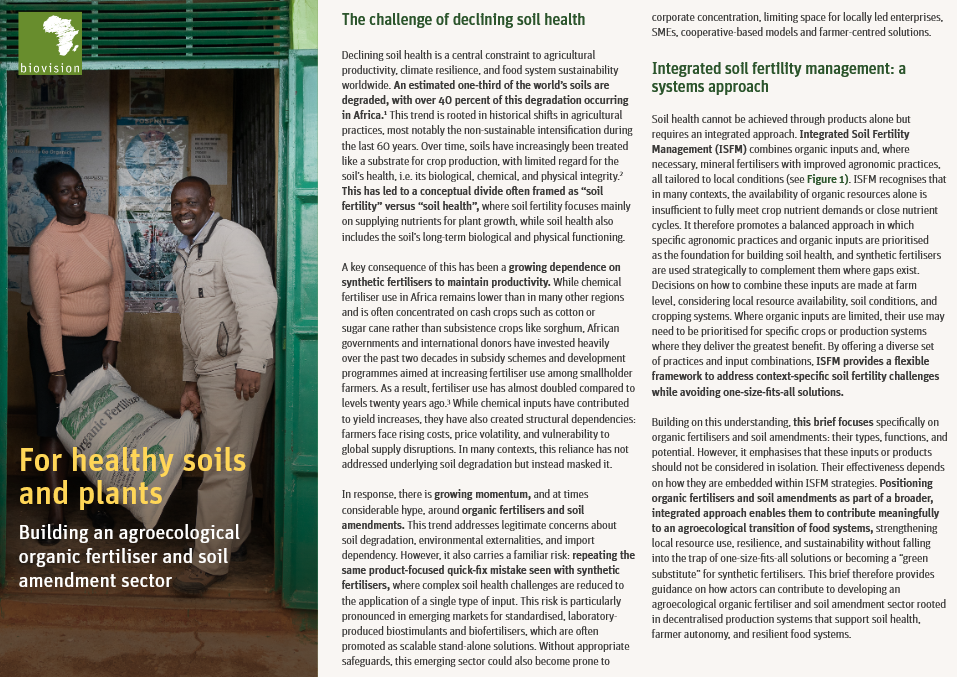
Biovision Foundation. (2026). For healthy soils and plants: Building an agroecological organic fertiliser and soil amendment sector [Policy Brief]. Biovision Foundation for Ecological Development.

  • Poor soil health is making it harder to grow food, adapt to climate change, and build sustainable food systems around the world. 
  • From compost tea, worm tea, plant extracts, bioslurry, and animal manure to insect frass, vermicompost, bokashi, compost, biochar, and more—these locally produced soil amendments can play a key role in restoring soil health and reducing dependence on synthetic inputs. 
  • But to support a transition to more sustainable and agroecological food systems, they need to be part of a broader approach that values local resources, builds resilience, and avoids one-size-fits-all solutions.

Wednesday, November 12, 2025

Innovative Approaches to Sustainable Pesticide Residue Mitigation


11 - 13 November 2025
. Johannesburg, South Africa Arturo Falaschi Conference “Innovative Approaches to Sustainable Pesticide Residue Mitigation”

Organizer: International Centre for Genetic Engineering and Biotechnology (ICGEB) – Cape Town & partner institutions

As Africa strengthens its position in global agricultural trade, the need to align food safety with sustainable farming has never been greater. This high-level international conference brings together researchers, policymakers, industry leaders, and technology providers to explore science-based solutions for managing pesticide residues, with a strong focus on biological solutions, regulatory innovation, and precision agriculture.

Extracts of the programma


Day 1 (11 Nov) — Regulatory Frameworks & Policy Development


  • Chair: Dennis Ndolo (Group Leader, Biopesticides, International Centre for Genetic Engineering
    and Biotechnology (ICGEB))
  • Opening remarks by: Dennis Ndolo
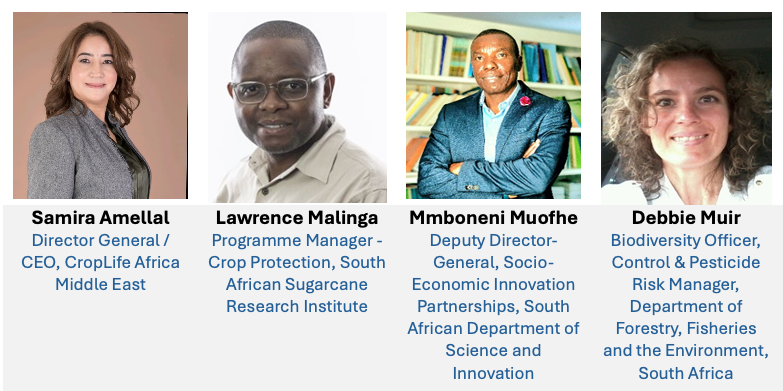
  • Samira Amellal (Director General, CropLife Africa Middle East)
  • Minshad Ansari (Chair, World Bioprotection Forum & CEO, Bionema Group Ltd)
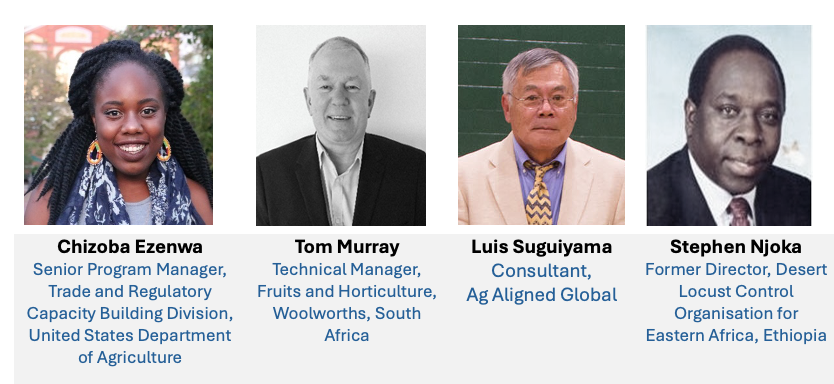
  • Keynote: Luis Suguiyama (Consultant, Ag Aligned Global) — Biopesticide solutions for facilitative trade
  • Michelle Lesur (CEO, Andermatt Madumbi Pty Ltd) — Regulatory challenges to biopesticide registration & commercialisation
  • Stella Simiyu (Director, Regulatory Affairs & Stakeholder Relations, CropLife Africa Middle East) — Are biopesticides’ harmonisation efforts paying off?
  • Travis Bui (Administrative Chair, UAPASTF) — UAV pesticide applications: Industry efforts to enable global regulatory frameworks (virtual)
Afternoon session included:
  • Murenga Mwimali (Chief Research Scientist, Kenya Agricultural & Livestock Research Org) — Challenges & opportunities in Kenya’s residue compliance.
  • Debbie Muir (Biodiversity Officer – Control & Pesticide Risk Manager, DFFE South Africa) — Key provisions of harmonised guidelines for registration of biopesticides in Southern Africa.
  • Mellon Kabole (Africa Regional Manager, Minor Use Foundation) — Minor Use Foundation priority setting results for Africa.

Day 2 (12 Nov) — Innovations in Biological Pest Control

  • Chair: Stephen Njoka (Former Director, DLCO-EA)
  • Keynote: Yrielle Roets‑Dlamini (Senior Researcher – Bioprocess Technology Dev., CSIR) — Scaling & commercialisation pathways: addressing barriers to the growth of biological solutions
  • Peter Kamuti (Deputy Director, Kenya Plant Health Inspectorate Service) — Rethinking the last spray: Biopesticides for residue mitigation
  • Fernando Cantão (Fundraising/Tech Transfer & Innovation, ICGEB) — The role of biostimulants & biofertilisers in mitigating pesticide residues
  • Kahsay Mawcha (Research Fellow – Biopesticides, ICGEB) — Microbes as pesticide clean-up agents: evidence from the literature
Panel: 
  • Moderator: Debbie Matteucci (Chair, South Africa Bioproducts Organisation) 
  • Cornelius Oosthuizen (GM, Koppert South Africa), Kenneth Chipere (Principal Research Officer, Pesticides Registration, Zimbabwe), 
  • Maurice Barasa (Head, Registration of Pesticides, Kenya) & Michelle Lesur (CEO, Andermatt Madumbi)

Day 3 (13 Nov) — Precision Agriculture & Data-Driven Solutions


  • Chair: Ramadhan Kilewa (Research Officer, Tanzania Plant Health & Pesticides Authority)
  • Keynote: Mmboneni Muofhe (Deputy Director-General, Socio-Economic Innovation Partnership, South Africa Dept. of Science & Innovation) — From data to action: scaling digital tools for farm-level biocontrol
  • Tom Murray (Technical Manager, Fruits & Horticulture, Woolworths, South Africa) — From farm to shelf: A retailer’s perspective on pesticide residues
  • Stella Simiyu (Director, Regulatory Affairs & Stakeholder Relations, CropLife Africa Middle East) — Regulatory readiness for the use of drones in Africa
  • Closing remarks by Minshad Ansari (Chair, World Bioprotection Forum) + Stella Simiyu + Dennis Ndolo

Activity: Launch of the African Bioproducts Community of Practice – led by Dennis Ndolo (ICGEB)


The Biopesticides Community of Practice (CoP) was established under the Collective Action on Agroecology (CA-AE) to accelerate the adoption of safe, effective biopesticides and promote agroecological pest management. It bridges research, industry, policy, and farmer practice to harmonize regulatory frameworks, coordinate innovation, and support evidence-based scaling of biological pest control solutions.

Objectives
  • Improve access to and farmer uptake of biopesticides through evidence, policy guidance, and market linkages.
  • Harmonize regulatory and Access and Benefit Sharing (ABS) approaches across regions.
  • Coordinate fragmented research and innovation across Africa, Asia, and Europe.
  • Support evidence-based scaling of biopesticides within Integrated Pest Management (IPM) systems.
  • Build a global network for continuous knowledge sharing and policy dialogue on biocontrol solutions.

Linking up with Asian Biopesticide experts:

The Asia‑Pacific Biopesticide Community of Practice (ABCoP), launched by APAARI in May 2024, is a vibrant cross‑sectoral platform that unites researchers, industry stakeholders, policymakers, regulators, NGOs and government agencies across the Asia‑Pacific region. Its primary mission is to promote knowledge exchange, foster collaboration, and accelerate the development, regulation, and trade of biopesticides—a sustainable alternative to conventional chemical pest control.


Related:

GFAIR's Collective Action on Agroecology (CA AE)–Biopesticides initiative took part in the Annual Biocontrol Industry Meeting (ABIM) 2025, held in Basel, Switzerland from 20-22 October 2025, as part of its commitment to advancing sustainable agricultural innovation. ABIM, recognized as the world’s leading biocontrol industry conference, brought together over a thousand experts, researchers, regulators, and industry leaders to exchange insights and foster collaboration on the future of biological crop protection. For CA AE–Biopesticides, this engagement marked an important step toward deepening its involvement in global dialogues that align with Africa’s agroecological transformation agenda.


Wednesday, July 9, 2025

AI and the African Food System

7 - 20 July 2025. The Food Indaba is an annual programme of talks and events that focus on the local food system. 


It brings together a wide range of speakers involved in shaping the food system, providing an opportunity for food growers, academics, activists, writers, nutritionists, policy makers, food lovers and anyone interested in sustainable approaches, to engage in key issues intimately connected to the food we eat, and find ways to work together in creating a better food future. With over 500 in-person attendees and a media audience reach over 50 million, Food Indaba has become a major platform for food systems awareness and transformation.

9 July 2025. AI and the African Food System African practitioners, scholars, and policy specialists were invited to provide inputs on the merits, risks, and ethical imperatives that need to be prioritised within African deliberations on the regulation of Artificial Intelligence, which is being rapidly and eagerly adopted by agro-industries and other food system role players in Africa. (See also press release: 11/07 Decolonising data: ensuring AI reflects Africa’s rich diversity in food systems and ethics

  • Gareth Haysom, senior researcher at the African Centre for Cities, as well as Associate Professor in food security from the University of Namibia

    Haysom introduced an AfriFOODlinks project, which looks at the city food systems in hub cities in countries like Burkina Faso, Tunisia, Uganda, Kenya and South Africa. Those cities then work with 10 more cities, and five European cities. They study what food systems in Africa need, feeding that information back to the public, and working with city officials. He questioned how we challenge the disposable nature of the food system, start to see our bodies as being just as polluted as our atmosphere, and how we could start valorising local and indigenous foods in different ways — the ways that were thrown out by colonialism because they did not suit the economic model. 

  • Ms Alison Pulker, PhD candidate and research assistant at the African Centre for Cities. Her current research interests are related to urban food insecurity and urban food systems governance.

    Pulker said that during her research they ran into an ethical consideration: how to protect data taken from people, and, during storage of that data, how to create long-term anonymity.“We need to ask the questions ‘what is our interest?’ and ‘what is our interest in the food system?’. AfriFOODlinks is a project that has managed to show that Africa’s food systems are not homogenous, in the same way that Africa is not homogenous,” said Pulker. 

  • Dr Dennis Ndolo, Leads the Biopesticides Research Group at the International Centre for. Genetic and Engineering and Technology (ICGEB), which focuses on information and data sourcing, collation, generation and dissemination to support the discovery, development, formulation and commercialisation of low cost, stable and effective biopesticides. 
  • Prof Ndeyapo Nickanor, Executive Dean, Faculty of Agriculture, Engineering & Natural Sciences at the University of Namibia
  • Dr Rike Sitas, Inter-disciplinary urban scholar at the African Centre for Cities, whose research focus includes culture, technology and African cities, with a particular interest in youth, democratic decision-making, and the future of work. 
  • Mr Russel Hlongwane, Cultural producer, research on the Young and Online in African Cities Project (afrotecha.urban). Work aims to understand how digital services and platformed practices are enabling new access to essential services and contributing to urban development.  
  • Prof Shari Daya, Director, Humanities Learning Support Unit at the University of Cape Town whose research focus includes food and ethics. (tbc if not replaced by Dr Anesu Makina)

Upcoming:

19 July 2025.  AI & the Food Systems Conference: A full day in-person conference anchored by key regional AI thought leaders and practitioners drawn from the Centre of Excellence in Food Security's Innovation Lab, the Data Science for Social Impact research group at the University of Pretoria, and the Global Centre on AI Governance. 

Background:

Launched in December 2022, AfriFOODlinks TRANSFORMING AFRICA’S URBAN FOOD
ENVIRONMENTS THROUGH STRENGTHENING LINKAGES BETWEEN FOOD SYSTEMS STAKEHOLDERS IN CITIES ACROSS EUROPE AND THE CONTINENT (1 December 2022 - 30 November 2026, Total cost € 11 816 305,09) is an EU funded project. Coordinated by ICLEI Africa, the project gathers 26 partners across the globe to improve food security and urban sustainability in 65+ cities in Africa and Europe

Related: 

25 June 2025. Advancing Urban-Rural Linkages for Resilient Food Systems. The session was set up with the following objectives: 
  • Discuss how strengthening urban-rural linkages through local, traditional, and farmers’ markets contributes to both food systems resilience and climate adaptation/mitigation. 
  • To exchange policy-relevant experiences and field practices linking local food systems and climate action through integrated urban-rural approaches 
  • Identify key messages to inform UN-Habitat and partners’ contribution to UNFSS+4, CFS 53 and COP30, particularly on sustainable urbanization, inclusive food systems, and climate resilience. 
The session brought together participants from a wide range of sectors, UN agencies, international organizations, local governments, market actors, development agencies, academia, and civil society, creating a rich space for dialogue and cross-sectoral learning. Download the main messages (4 pp.)
  • Remy Sietchiping UN-Habitat, PLGS 
  • Ann Trevenen-Jones (PhD) Global Alliance for Improved Nutrition (GAIN) 
  • Sensasi Boney Advocates for Public Spaces in Uganda 
  • J. Robin Moon (PhD) World Farmers Markets Coalition (WorldFMC) 
  • Giaime Berti Resilient Local Food Supply Chains Alliance (RLFSC) 
  • Sharon Gil Cities Lead, UN Environment Program (UNEP) 
  • Dennis Andaye Team lead, Regional Coalition for Farmers Market, MAMi project, Kenya 
  • Furaha Abwe (PhD) Urban Planning for community Change in Tanzania 
  • Grace Githiri UN-Habitat, PLGS


Monday, June 30, 2025

Biopesticide research in Sri Lanka and Russia

30 June 2025. APAARI Asia Pacific Biopesticides

The Asia‑Pacific Biopesticide Community of Practice (ABCoP), launched by APAARI in May 2024, is a vibrant cross‑sectoral platform that unites researchers, industry stakeholders, policymakers, regulators, NGOs and government agencies across the Asia‑Pacific region. Its primary mission is to promote knowledge exchange, foster collaboration, and accelerate the development, regulation, and trade of biopesticides—a sustainable alternative to conventional chemical pest control. 
  • Mr. Igor Rylkov, International Affairs Manager, All-Russian Plant Quarantine Center, under the authority of Rosselkhoznadzor (Ministry of Agriculture of the Russian Federation), Moscow Oblast, “Biological Crop Protection – Key Facts on the Current Situation in Russia.” rilkov.igor@vniikr.ru

    The All-Russian Plant Quarantine Center (ФГБУ «ВНИИКР»), under Rosselkhoznadzor in Moscow Oblast, actively promotes biological crop protection across Russia through several integrated approaches. As a core scientific institution within the Federal Service, it leads the development and deployment of biological control methods—such as introducing entomophagous insects, pheromone-based traps, and biovaccines—to combat quarantine and invasive pests in both field and greenhouse crops. 
    It also hosts forums and round‑table discussions with agricultural stakeholders, regulatory authorities, and research centers to refine regulatory frameworks and disseminate best practices in bio‑protection. In addition, VNIIKR serves as an educational hub: through its licensed Training and Methodology Department, it offers certification courses, practical seminars, and internships to Rosselkhoznadzor personnel and regional phytosanitary specialists in biological plant protection techniques and quarantine monitoring. By combining R&D, regulatory input, capacity-building, and stakeholder engagement, the Center fosters widespread adoption of safer, more sustainable biocontrol solutions throughout Russia’s agricultural sectors.

    The Union of Biological Producers in Russia (Союз биологических производителей России) is an industry association that represents the interests of companies and organizations involved in the development, production, and promotion of biological products in Russia.
  • Dr. A.D.N.T. Kumara, Senior Lecturer, Department of Biosystems Technology, Faculty of Technology, Southeastern University of Sri Lanka, “Advancements and Prospects of Biopesticides for Sustainable Agriculture: Global Trends and Insights from Sri Lanka.”

    Under integrated pest management frameworks, bio-agents can effectively suppress pests without harming non-target species, thus aiding in biodiversity conservation and food safety. Nonetheless, challenges such as inconsistent product quality, lack of farmer awareness, regulatory limitations, and higher initial costs are noted as barriers to large-scale adoption. Overall, the analysis calls for strengthened local research (often dependent on short term external research funding without follow up), improved regulatory pathways, targeted extension services, and public–private partnerships to fully realize the potential of biopesticides in Sri Lanka’s transition to a more sustainable agricultural future.

Background

Building on foundational work from a 2020–2023 STDF‑supported initiative led in partnership with AgAligned Global, ABCoP aims to harmonize regulatory frameworks (especially around Maximum Residue Limits), strengthen technical capacities in residue analysis, biopesticide production, and data validation, and thereby enhance safe trade opportunities. With monthly sessions open to all interested experts and newcomers, ABCoP ensures continuous regional engagement. The community supports APAARI’s broader vision of sustainable agriculture by bridging national decision‑makers and the private sector to advance biopesticides as a cornerstone of integrated pest management in the Asia‑Pacific

Tuesday, May 6, 2025

Agroecological transition of food systems in Africa

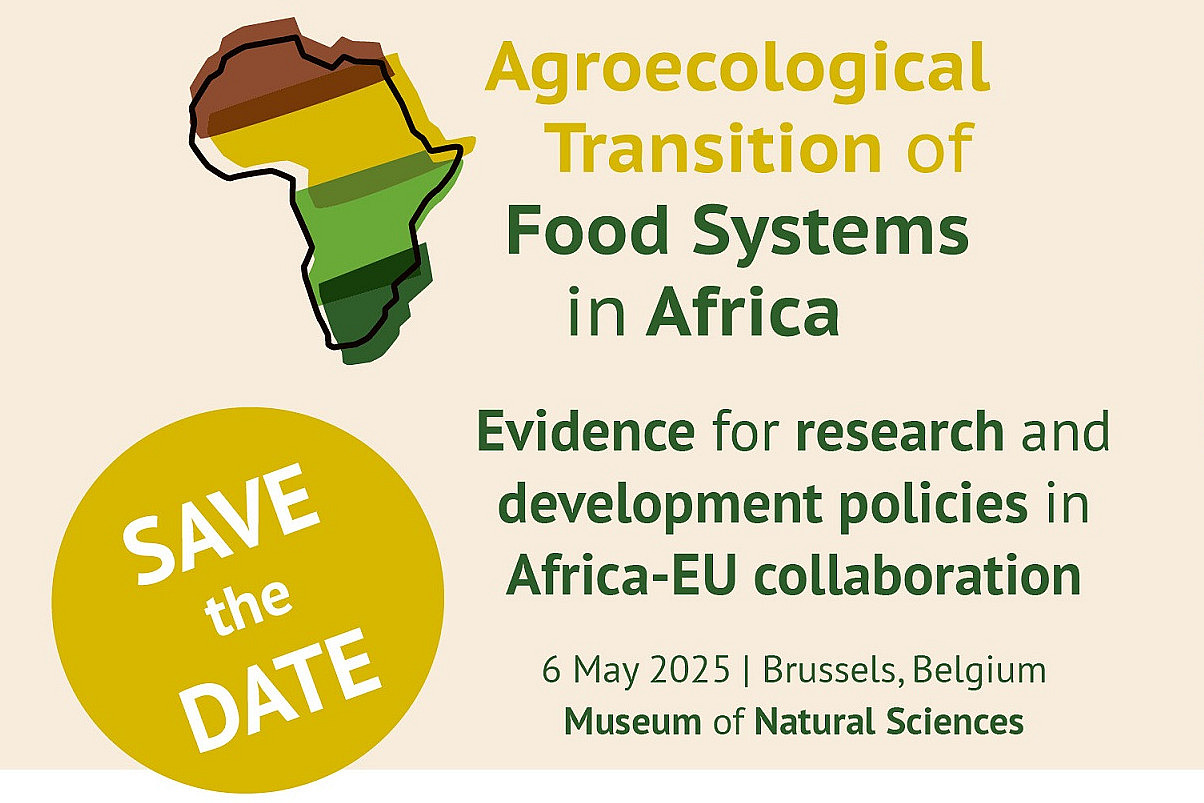
6 May 2025. Museum of Natural Sciences. Brussels. Agroecological transition of food systems in Africa: Evidence for research and development policies in Africa-EU collaboration

This event provided state-of-the-art scientific evidence on agroecological approaches for improved resilience of African smallholder farmers. It shared insights from nine EU-Africa collaborative projects, funded by Horizon 2020, DeSIRA EU and the Swiss Agency for Development and Cooperation. Implications of the project's findings for policymakers in both the EU and Africa were discussed. Priorities for future research and development programmes, in terms of agroecology, regenerative agriculture and organic agriculture were assessed.

Following  projects jointly coordinated this event: 
  1. EWA-BELT: Linking East and West African farming systems experience into a BELT of sustainable intensification. The EWA-BELT project aims at promoting food production systems through Sustainable Intensification (SI) in representative small-holder farming systems of different agro-climatic areas of East (Ethiopia, Kenya, and Tanzania) and West (Burkina Faso, Ghana, Sierra Leone) Africa and, consequently, to realize an interregional African “belt” able to promote SI by assessing and exchanging best practices and experiences among different contexts.​
    This project has received funding from the European Union’s Horizon 2020 research and
    innovation programme
     
     (Grant agreement ID: 
  2. FairSahel Fostering an Agroecological Intensification to improve farms Resilience in Sahel.
    This project has received funding from the European Union’s DESIRA call (2020) and complementary funding from The French Agency for Development (AFD)
  3. HealthyFoodAfrica Improving nutrition in Africa by strengthening the diversity, sustainability, resilience and connectivity of food systems.
    This project has received funding from the European Union’s Horizon 2020 research and innovation programme.  (Grant agreement ID: 862848 /  EU contribution € 7 499 456,25 / 1 October 2020 to 30 September 2025) 
  4. Soils4Africa The aim of Soils4Africa is to provide an open-access Soil Information System (SIS) with a set of key indicators and underpinning data, accompanied with a methodology for repeated soil monitoring across the African continent. The soil information system will become part of the knowledge and information system of FNSSA and will be hosted by an African institute.
    This project has received funding from the European Union’s Horizon 2020 research and innovation programme.  (Grant agreement ID: 862900 / EU contribution € 6 697 797,50 / 1 June 2020 - 31 May 2025)
  5. SustainSAHEL Focussing on the Sahel zone, the EU-funded SustainSAHEL project aims to enhance the resilience of smallholder agricultural farming systems to climate change as well as their intensification potential through scalable innovations on crop–shrub–livestock (CSL) integration.
    This project has received funding from the European Union’s Horizon 2020 research and innovation programme. (Grant agreement ID: 861974 / EU contribution € 7 499 930,00, 1 September 2020 - 31 August 2025)
  6. SustInAfrica Sustainable Intensification of Food Production through resilient farming systems in West and North Africa. SustInAfrica applies a transdisciplinary systems approach to testing and implementing landscape, soil, water and plant health management strategies and sustainable agricultural practices to ensure that the agricultural technologies being developed are sustainable, economic viable, resilient to current and future climate shocks and stresses, and provide ecological provisioning services across the targeted regions of Africa. 
    This project has received funding from the European Union’s Horizon 2020 research and innovation programme. (Grant agreement ID: 861924 / EU contribution € 6 997 318,70 / 1 September 2020 to 31 August 2025)
  7. SysCom The project "Farming Systems Comparison in the Tropics" (SysCom), implemented by the Research Institute of Organic Agriculture (FiBL), aims to establish a scientific basis for discussions on the performance and potential of conventional and organic agricultural production systems in the tropics. It has been running since 2007. In three tropical countries – Bolivia, India and Kenya – long-term farming systems comparison field trials have been established in concert with participatory on-farm research focussing on a different cropping system in each country. (Funder: Swiss Agency for Development and Cooperation (SDC), Liechtenstein Development Service (LED), Coop Sustainability Fund, Biovision Foundation
  8. UPSCALE Upscaling the benefits of push-pull technology for sustainable agricultural intensification of East Africa. The UPSCALE project addresses the critical challenges of yield gaps, food insecurity, changing climate, and the unsustainability of conventional agricultural intensification methods by expanding the scope, reach and impact of Push-Pull Technology (PPT) in East African Smallholder Agriculture.  (Grant agreement ID: 861998 / EU contribution: € 7 655 597,50  / 1 November 2020 to: 31 October 2025

Opening

Climate resilient production systems: Agroecology for enhanced productivity, soil and livestock


Agrobiodiversity strategies for improved food diversity and nutirtion


Inclusive growth and sustainable job creation: Comparative advantage of the economy of agroecology


Agroecology transition and adoption:Transforming agri-food systems


Synthesis Session - EU-Africa agenda for agroecological R&I priorities: Research and development agenda – Evidence for achieving sustainable and resilient livelihoods


  • Moderation: Markus Arbenz, FiBL CH
  • Beate Huber (FiBL)
  • Guy Faure (European Commission, DG International Partnerships)
  • Luis Vivas-Alegre (European Commision, DG Agriculture and Rural Development)
  • David Amudavi (Biovision Africa Trust)
  • Oluwole Fatunbi (FARA)
  • Hans-Jörg Lutzeyer (DG Research and Innovation)

Success story: Cassia nigricans

Neglected and Underutilized crop Species researched by the EWA - BELT project 
  • As part of the EWA-BELT project, the choice of species studied was made by the various partners about the development potential of the species, in terms of yield or nutritional properties, drought tolerance, disease resistance, and commercial value. 
  • The identified Neglected and Underutilized crop Species were: Anchote (Coccinia abyssinica) , Bambara groundnut (Vigna subterranea), Enset (Ensete ventricosum), Finger Millet (Eleusine coracana), Fonio (Digitaria exilis), Frafra Potatoe (Solenostemon rotundifolius), Lablab Bean (Dolichos lablab L), Tef (Eragrostis tef)
  • The identified Locally neglected species were Cowpea (Vigna unguiculata), Groundnuts (Arachis hypogaea), Lima bean (Phaseolus lunatus L), Cocoa tree (Macadamia integrifolia and M. tetraphylla), Pearl millet (Cenchrus americanus)

Cassia nigricans, known locally as "zandr kouka" in Burkina Faso, is traditionally used for post-harvest crop protection. However, over time, this knowledge has diminished, as many farmers no longer recognize the plant and no longer use it. 

Cassia nigricans, also known as Chamaecrista nigricans, is an erect, woody shrub native to Africa and India. It is known for its medicinal properties, including traditional uses for skin conditions, fevers, malaria, and stomach issues. The plant's leaves are sometimes added to food as an appetizer and can be dried for storage protection of pulses. 

Through interviews and collaboration with the INERA research institute, the ACRA Foundation based in Milan, reintroduced the use of Cassia nigricans for crop protection, initially focusing on cowpea and cotton. 
  • The results of their trials were promising, with the extracts proving as effective as Neem-based products and, in some cases, even more effective than untreated controls. This success encouraged farmers to adopt Cassia nigricans into their practices, with some extending its use to other crops such as maize.
  • During field trials, ACRA compared Cassia nigricans with neem-based extracts and widely used synthetic pesticides. While both herbal treatments performed well, Cassia nigricans showed significant advantages, particularly in its ability to control pests during the growing season. The results were even more pronounced during the second year of testing, where Cassia nigricans outperformed the neem extracts and was as effective as the synthetic pesticides. This comparison highlights the potential of locally sourced plants to reduce dependence on agrochemicals while providing sustainable and affordable solutions for farmers.
  • A key aspect of ACRA's research was testing these botanical solutions in diverse locations and under different conditions. In Burkina Faso, ACRA collaborated with the local cooperative "Tegawendé" to test Cassia nigricans extracts. After sharing the results with the farmers, the cooperative members decided to incorporate the extract into their farming practices. This type of community-based research ensures that solutions are adaptable to local conditions and needs.
  • In addition to the agronomic benefits, ACRA's research also incorporates economic analysis. A cost-benefit analysis conducted by Gramsci University revealed that Cassia nigricans has a higher cost-benefit ratio (CBR) than synthetic pesticides and neem extracts. The ability to harvest Cassia nigricans directly from the wild offers a significant economic advantage, as farmers can produce their own pesticide without having to purchase expensive chemicals. The analysis also highlighted the fact that the locally available biopesticide is more accessible and profitable for farmers in resource-limited environments.

Success story: use of biopesticides from neem plant and hot pepper

Tanzania Agricultural Research Institution (TARI), partner of the EWA-BELT Project (GA 862848), introduced the farmers of the Arusha region (Tanzania) to the preparation and use of biopesticides from neem plant, tephrosia vogelii, and hot pepper, collecting some testimonies about their main benefits, such as the cost-efficiency and environmental protection.