Platform for African – European Partnership in Agricultural Research for Development
Showing posts with label ghana. Show all posts

Friday, August 14, 2026

Neem as an organic pesticide, fungicide, and nematicide for harmful insects and fungal infections

9 August 2026. Interview with  Linda Akeyate Issaka of Ntiligira Enterprise at the World Social Forum of Cotonou/Benin.

Ntiligira Enterprise is a Ghanaian agribusiness based in Tamale, led by Managing Director Linda Akeyate Issaka, that promotes sustainable and organic farming through the local production of environmentally friendly agricultural inputs. 

The enterprise produces neem-based pesticides, neem oil and neem cake, as well as compost, providing farmers with alternatives to synthetic pesticides and fertilizers while creating value from locally available neem resources. 

Ntiligira was selected for the Ghana Climate Innovation Centre (GCIC) Cohort 10 incubation programme and has also been profiled as a green-economy investment project, reflecting its potential to contribute to climate-smart agriculture, soil health and the expansion of biological crop protection in Ghana.


Linda Akeyate Issaka describes Ntiligira Enterprise as a company founded in 2020 to provide organic alternatives to chemical pesticides.
"Ntiligira means my redeemer"
The business specialises in producing neem oil for pest control and neem cake for nematode treatment and soil fertilisation. Additionally, the company engages in small-scale composting to support organic farming systems.

Production Capacity
  • Daily output with two machines: 50 to 60 bags (50 kg each) of neem seeds and approximately 450 litres of oil.
  • Monthly capacity: 10,000 bags of neem cake (50 kg).
  • Batch capacity: Approximately 20,000 bags of compost (50 kg).
Operational Challenges
  • She identifies significant barriers to scaling production and reducing costs to compete with inorganic fertilisers. A primary concern is that the price difference between organic and inorganic options discourages farmer adoption.
  • The company currently lacks essential machinery such as a chipper truck, water tanker, and a backhoe machine. Acquiring these would allow the business to lower compost prices from 110 cedis per bag to between 70 or 80 cedis. 
  • Furthermore, there is a critical need for dedicated cargo trucks to transport seeds from communities; this ensures the organic integrity of the seeds by preventing contamination from chemicals during transit in general market trucks.
Growth Potential
  • Despite current hurdles, Linda Akeyate Issaka remains optimistic due to the abundant availability of raw materials in the local region. 
  • The primary goal is to secure investment or acquire logistics to meet the high demand from farmers within the organic system.

Related: 


Saturday, July 4, 2026

Rethinking Mushroom Production in Ghana Through the Cold Chlorine Method

- By  Gideon Adotey, Accra Technical University. His primary areas of research include biochemistry, enzymology, and related chemical and biological sciences (17/06/2026 Mushrooms for Africa International, WhatApp group, 237 members)

Ghana’s agricultural sector is being asked to do more with less. It must feed a growing population, create decent employment, reduce post-harvest waste, and adapt to a changing climate, all within a context of rising production costs and persistent energy challenges. Within this broader national agenda, mushroom cultivation presents a practical and underutilized opportunity.

Mushrooms offer an efficient way of converting agricultural residues into nutritious food and income. They require limited land, have relatively short production cycles, and can be integrated into both rural and peri-urban economies. Yet despite these advantages, the mushroom industry in Ghana remains small compared to its potential.

A major constraint lies in the preparation of growing substrates. Most producers rely on steam or pressure-based sterilization, or hot water pasteurization, to reduce contamination before inoculation. While effective, these methods are capital intensive. They depend on boilers, fuel, electricity, and skilled operation, all of which increase the cost of production and limit expansion, particularly for small and medium-scale farmers.

In response to these limitations, alternative approaches have emerged, among them the Cold Chlorine Method developed by Dr. John Holliday. This system introduces a chemical approach to substrate sanitation that avoids the need for heat-based treatment.

Rather than relying on temperature, agricultural materials such as straw, maize stalks, sawdust blends, and other crop residues are immersed in a chlorine solution at ambient conditions. The active chlorine compounds generate hypochlorous acid in water, which disrupts and destroys a wide range of microorganisms including bacteria, moulds, and fungal spores. The outcome is a substantially reduced microbial load that allows mushroom mycelium to establish dominance quickly.

For Ghana, the implications of this approach are significant.

One of the most immediate benefits is the reduction in energy demand. By eliminating the need for steaming or boiling, farmers can drastically cut fuel and electricity consumption. This is particularly important in an environment where energy costs are unstable and often high, especially for emerging agribusinesses.

Equally important is the accessibility of the system. The Cold Chlorine Method lowers the entry barrier into commercial mushroom production. Farmers and youth-led enterprises do not need to invest in expensive sterilization equipment before starting production. This opens up opportunities for wider participation, particularly among young people, women, and community-based organizations.

From an environmental perspective, the method also aligns with climate-smart agriculture principles. Reducing reliance on fuel-based sterilization contributes to lower greenhouse gas emissions and supports more sustainable production systems. At scale, such shifts in practice can contribute meaningfully to greener agricultural value chains.

Ghana also possesses a strong comparative advantage in raw materials. Large volumes of agricultural residues such as rice straw, maize stalks, cocoa pod husks, plantain leaves, sugarcane bagasse, and sawdust are generated annually, much of which is underutilized or burned. Mushroom production provides a pathway to convert these materials into valuable protein-rich food and economic activity.

The approach is particularly relevant for emerging climate-controlled mushroom farms, university-based production systems, and innovation-driven agricultural enterprises that are seeking cost-efficient methods of scaling production.

However, it is important to acknowledge that this method is not universally applicable. Highly enriched substrates used for specialty mushrooms such as lion’s mane, reishi, and shiitake often require stricter sterilization procedures due to their susceptibility to contamination. In such cases, conventional thermal sterilization may still be necessary.

A key technical consideration in the Cold Chlorine Method is the management of residual chlorine after treatment. While chlorine is effective in reducing contamination, any remaining chemical must be carefully addressed before inoculation. Excess chlorine can inhibit or damage mushroom mycelium.

For this reason, it is essential that residual chlorine levels are reduced to safe thresholds prior to spawning. This can occur naturally through aeration and time, but in more controlled production systems, chemical neutralization provides a more reliable solution. Sodium thiosulphate is widely recognized as an effective neutralizing agent, converting residual chlorine into harmless chloride compounds. This step is particularly important in commercial operations where consistency, spawn protection, and yield stability are essential.

Field reports and experimental observations suggest that properly treated substrates can support rapid colonization and reduced contamination rates. In some cases, production cycles may be shortened, allowing for faster turnover and improved overall productivity. These outcomes, while promising, still require systematic validation under Ghanaian conditions.

This is where the real opportunity lies. The question is not whether the Cold Chlorine Method should replace all existing systems, but whether it can be adapted, tested, and optimized within local production environments. Universities, research institutions, and commercial farms have a role to play in generating evidence on optimal chlorine concentrations, treatment durations, substrate suitability, and neutralization protocols using agents such as sodium thiosulphate.

Ultimately, the future of mushroom production in Ghana will depend on innovation that reduces cost while maintaining productivity and food safety. Technologies that simplify production without compromising yield deserve serious attention.

The Cold Chlorine Method is not a universal solution, but it represents a practical and thought-provoking approach to one of the most expensive stages of mushroom cultivation. In a country striving to expand agricultural entrepreneurship, improve food security, and create sustainable livelihoods, such innovations should not be overlooked.

A modern mushroom industry will be built not only on infrastructure, but also on the willingness to adopt, test, and refine simpler and more accessible technologies.


Announcement: The Applied Research Conference of Accra Technical University (ARCATU 2026) 

This is the premier annual research event at Accra Technical University, bringing together academics, researchers, industry experts, and students to discuss cutting-edge innovations and sustainable solutions for the future. This year, ARCATU 2026 will take place from September 16-18, 2026, at Accra Technical University, Ghana.

Side event: High Speed Culture Blender Technique to Advance Mushroom Production in Africa: ICMBMP 2026 Hands on Workshop at Accra Technical University

Mushroom Consulting LLC has introduced a new technical guideline on a high speed culture blender technique aimed at improving mushroom production efficiency, especially for growers in Africa. The method is designed to address common challenges in the region such as slow spawn production, contamination losses, and limited access to advanced laboratory facilities.

The technique is based on a simple idea. Instead of using multiple steps to multiply mushroom cultures on grain, a fully grown agar culture is directly turned into a liquid inoculum. This is done by blending the culture in a sterile solution under very clean conditions. The liquid produced contains small fragments of healthy mycelium that can be used immediately to inoculate grain or other growing materials. This removes several intermediate stages and saves a lot of production time.

The system uses basic equipment that is easy to find and use. A one liter or one quart glass jar serves as the blending container. The jar is filled with sterile water or a mild nutrient solution, fitted with a blender lid, and sterilized before use. After cooling in a clean environment, a selected agar culture is added and blended for a short time. The result is a smooth liquid inoculum that can be used right away for mushroom production.

This simple setup makes the method suitable for many African mushroom farms. Most growers already use tools such as pressure cookers, jars, and simple clean work areas. Because of this, the technique can be added to existing systems without major investment in expensive laboratory equipment. It offers a practical way to improve production speed and efficiency at both small and medium scale levels.

However, the guideline clearly stresses that cleanliness is very important. The blending process must be done in a sterile environment such as a laminar flow hood or a well prepared clean workspace. If contamination enters the system at this stage, it can spread quickly through the liquid inoculum and affect the whole production batch, leading to serious losses.

To help the culture recover quickly after blending, the method recommends adding a small amount of light malt extract, about twenty grams per liter, to the solution. This provides simple nutrients that help the mycelium recover and start growing faster. In places where malt extract is not available, other clean sugar sources may be used, but only if proper sterilization is followed.

One major advantage of this technique is the reduction in production time. By removing several traditional spawn expansion steps, growers can shorten the full cultivation cycle by several weeks. In good conditions, grain can be fully colonized within a few days after inoculation. Fast growing mushroom species may even reach fruiting much sooner than with conventional methods.

For African mushroom farmers, this can bring important benefits. It means more production cycles in a year, faster response to market demand, and improved income opportunities. It is especially useful for youth and women involved in small scale and community based mushroom farming.

Mushroom Consulting LLC has announced that practical hands on training on this technique will be offered at Accra Technical University as part of the ICMBMP 2026 pre conference workshop. The training will focus on sterile techniques, preparation of liquid inoculum, proper use of the culture blender system, and how to prevent contamination. The aim is to help African growers, technicians, and students learn how to safely apply the method in real production settings.

Even though the technique is simple in design, it requires careful handling and good discipline. Success depends mainly on maintaining strict cleanliness during every step. Without proper training, contamination can easily reduce its effectiveness.

Overall, the. By combining simple tools, faster biological processing, and practical training at Accra Technical University under ICMBMP 2026, it provides a clear pathway toward more efficient and modern mushroom farming across the continent.

Tuesday, June 16, 2026

Bambara Groundnut cultivation and processing: A Living Tradition in Ghana

12 June 2026. Field visit of GFAiR and Foodbridge (which leads GFAiR's Collective Action on Forgotten Foods) following the NUS Africa's regional stakeholders conference. (9 - 11 June 2026. Accra, Ghana). 

For generations, the Krobo people of eastern Ghana have cultivated bambara groundnut as an important food crop, carefully adapting their farming practices to the rhythms of the seasons. Farmers traditionally grow two varieties of bambara groundnut, selecting each according to rainfall patterns and growing conditions. One variety is planted during the major rainy season, taking advantage of abundant moisture to produce high yields, while the other is better suited to the shorter rains and drier conditions. This seasonal approach reflects the deep agricultural knowledge of the Krobo, who have long understood how crop diversity can reduce risk and ensure food security throughout the year.

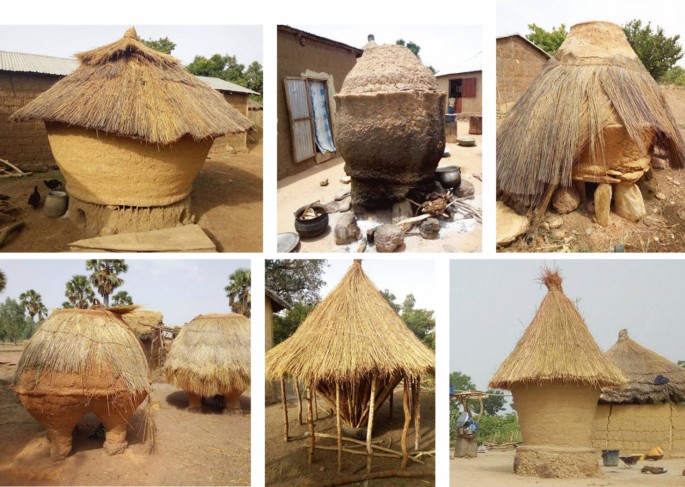
After harvest, bambara groundnut is stored using traditional methods that help preserve seeds for both consumption and future planting. Farmers carefully dry the pods before storing them in clay pots, woven baskets, or specially prepared granaries, often using natural materials to protect the crop from pests and moisture. These storage practices allow households to maintain a steady supply of nutritious food during the dry season while safeguarding valuable seed stocks for the next planting cycle. The crop's ability to remain viable in storage has contributed to its reputation as a reliable food reserve during times of uncertainty.

Beyond its agricultural value, bambara groundnut is woven into the cultural identity of the Krobo people. The crop is often associated with community celebrations and traditional festivals that mark harvests, express gratitude for nature's abundance, and strengthen social bonds. 

The main harvest festival of the Krobo people, is called the Ngmayem Festival, which means "Eating the New Millet" in the Krobo/Dangme language.

During these festive occasions, foods prepared from bambara groundnut are shared among families and visitors, symbolizing prosperity, resilience, and the enduring connection between people, land, and heritage. In this way, bambara groundnut is more than a crop—it is a living tradition that links Krobo farming knowledge, food culture, and community life across generations.

Interview with the ADA traditional chief

Interview with Nene Zotorvie 6th ADA traditional chief. As a chief carrying the "Nene" title in the Ada state, a leader of this stool is expected to: (a) Oversee development, land administration, and community welfare in the Tamatoku or Tehey areas; (b) Sit under the broader authority of the Paramount Chief of the Ada Traditional Area (the Ada Maŋtsɛ), currently Nene Abram Kabu Akuaku III; (c) Join the annual Ada Asafotufiam Festival to showcase the culture, military history, and unity of the Ada divisions.

Nene Zotorvie V passed away and became the subject of national media attention in September 2018.  During his funeral rites, a violent clash erupted between a faction of the Zotorvie family from Tamatoku and indigenes of Tehey over a land and burial space dispute. This tragically resulted in a rival faction attacking the funeral procession and torching the ambulance containing his remains.


Related: CSIR warns indigenous crops are fast disappearing in Ghana

10 June 2026. The article highlights a warning from Ghana's Council for Scientific and Industrial Research (CSIR) that indigenous crops such as water yam, African rice, cowpea landraces, bambara groundnut, and traditional leafy vegetables are rapidly disappearing due to changing consumer preferences, urbanization, climate change, and declining cultivation, threatening Ghana's food security, agricultural biodiversity, and cultural heritage despite growing international demand for many of these crops.

Related: Food Plant Solutions released a new resource for Ghana

Potentially Important Food Plants of Ghana has been produced to provide information on approximately 40 edible plants that are known to grow in Ghana. These plants come from all the major food groups and have been chosen because of their high nutritional value. Many of the plants in this book may be neglected and under-utilised plants. This means they may not be well known.

However, because they are high in many beneficial nutrients, and they are already adapted to the environment, and therefore likely to require minimal inputs, they could be important food plants that are likely to be superior to imported foods and plants. Commercially grown plants may also be included in the book, but only if they are significant foods for household consumption. 


Related: Can an underused legume transform food security in Ghana?


4 Sept 2025. In this deep dive, we travel to northern Ghana, where Grow Further and CSIR-SARI are developing the first commercial variety of Bambara groundnut, a highly nutritious, drought-tolerant crop traditionally grown by women. With the potential to reach 1.6 million farms in five years, this project is turning Bambara from a subsistence staple into a powerful tool for nutrition, income, and climate resilience.

Why Bambara Groundnut?

  • Indigenous, protein-rich, and perfect for dryland farming
  • Especially beneficial for infants and mothers
  • In demand by food companies like WhatIf Foods for plant-based milk

Women Leading the Way

  • Women farmers are central to this project, testing new varieties and setting priorities
  • Improved seeds unlock income, food security, and leadership opportunities

What You’ll See:

  • 🥔 How Bambara supports nutrition and soil health
  • 🥔 Why it’s a climate-smart solution for northern Ghana
  • 🥔 The future of Bambara as a commercial crop
  • 🥔 Sustainable practices like biochar and composting improving yields

Monday, June 15, 2026

Heirloom Seed Agriculture Company in Ghana

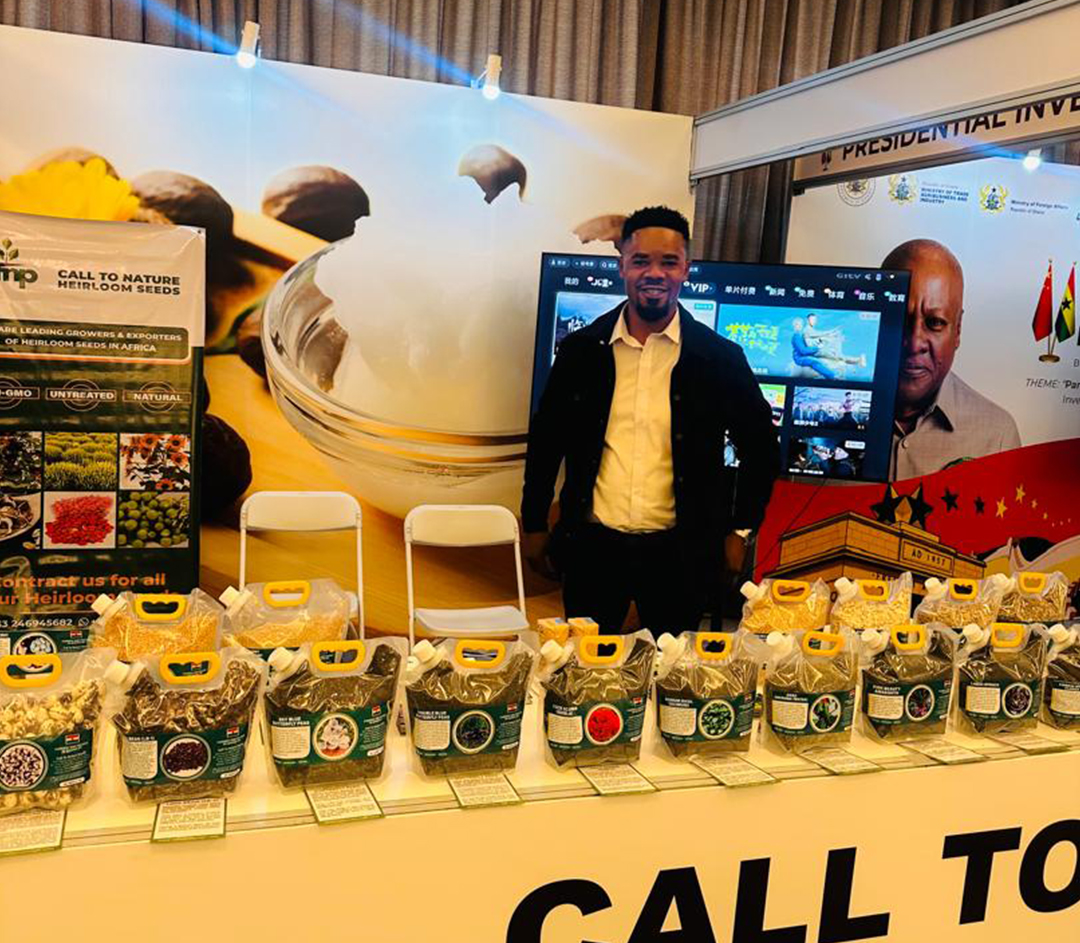
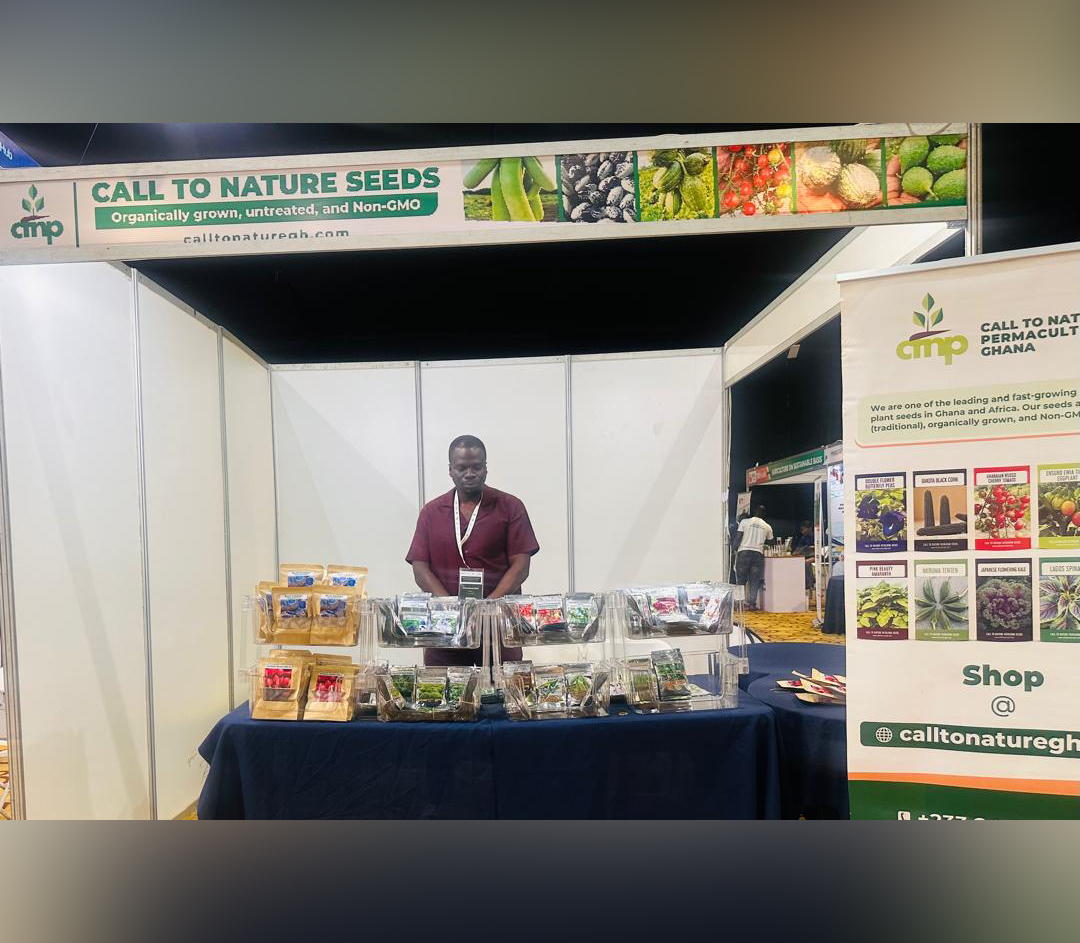
12 June 2026. GFAiR's Collective Action on Forgotten Foods visited Call To Nature Ghana. 

Call To Nature Ghana is a pioneering Ghanaian social enterprise and permaculture organization dedicated to promoting sustainable agriculture, heirloom seed conservation, environmental stewardship, and food security. 

Heirloom seed conservation is the practice of harvesting, drying, and safely storing seeds from open-pollinated plant varieties to prevent them from going extinct.

Founded by Solomon Amuzu, the organization operates on the permaculture principles of “Earth Care, People Care, and Fair Share,” combining seed production, farmer training, ecological restoration, and community education. Today, it is recognized as
one of Africa’s leading heirloom seed producers and was named Best Heirloom Seed Agriculture Company in West Africa and Seed Exporter of the Year 2023. Through its work, Call To Nature supports farmers with access to locally adapted seeds and knowledge that strengthen climate resilience, biodiversity conservation, and sustainable food systems.

The organization’s history dates back to Solomon Amuzu’s early engagement with farming at the age of 16. Motivated by concerns about the environmental impacts of conventional agriculture, he trained in permaculture and launched community initiatives focused on school gardens, tree planting, and ecological restoration. After further studies and practical experience in sustainable agriculture, he formally established Call To Nature with a vision of reconnecting people with nature and building resilient local food systems. Over the years, the organization has expanded from a grassroots permaculture initiative into a nationally and internationally recognized centre for heirloom seed production, farmer capacity development, and sustainable agriculture innovation in Ghana.

Sales figures for local market and for the export market

Ghana's seed market is expanding rapidly, driven by greater awareness of seed quality, climate-smart agriculture, government support programmes, and growing interest in nutritious and resilient crops. Industry forecasts estimate that the Ghana seed market will grow from about USD 125 million in 2026 to nearly USD 193 million by 2031, reflecting sustained growth in demand for improved and specialized seeds. In addition, market studies point to increasing consumer demand for healthy, locally produced foods and greater interest in indigenous crops, which is creating new opportunities for producers of heirloom and opportunity crop seeds.

The company's export positioning is particularly attractive to the U.S. market because it specializes in heirloom and rare seed varieties that are often difficult to source commercially. These include amaranths, African leafy vegetables, traditional legumes, butterfly peas, and other culturally significant crops. 

The growing interest in regenerative agriculture, biodiversity conservation, African heritage foods, and climate-resilient crops among U.S. consumers creates a niche but expanding market for such products. Call To Nature has also highlighted its status as a recognized seed exporter and participates in international seed and agribusiness exhibitions, where it markets its products globally.


Related:

14 October 2025. In Beijing, China, the Chief Executive Director of Call To Nature Ghana - Solomon Amuzu - attended the China-Ghana Investment Forum. The event, which focused on “Partnering for Prosperity: Unlocking Investment Opportunities in Ghana,” aimed to attract Chinese companies to invest in Ghana, highlighting areas like Agriculture and trade, electric vehicles (EVs), manufacturing, and infrastructure.

24-25 September 2025. Call To Nature Ghana participated as an exhibitor at the 2025 West Africa Agri Show, held at the Accra International Conference Center (AICC), where it showcased oits premium Heirloom Seeds. The West Africa Agri Show 2025 (WAAS 2025) was an agricultural event to showcase innovative and sustainable farming technologies. 


Ghana Investment Promotion Council

11 June 2026. The study titled “A Research on the African Diaspora Food Market in the United Kingdom: Understanding Market Dynamics, Opportunities and Indigenous Food Systems” (25 pages) was presented during a meeting with the Ghana Investment Promotion Centre (the GIPC was among others represented by Cherk Klutse - see picture).

The research – conducted between January and April 2026 – highlights that African food is not a niche or occasional choice, but a core component of daily diets – comparable to staple foods in national consumption patterns. This positions the African diaspora food market as a mature, stable, and scalable agro food sector. The estimated annual market value is £1.5 billion in the UK alone, with a projected €11.5 billion market across Europe.

"The Ghana Investment Promotion Centre is well positioned to host a Regional Diaspora Food SMEs Hub for West Africa due to its established mandate to attract and facilitate investment, its growing engagement with diaspora entrepreneurs, and Ghana's role as a regional gateway for trade and agribusiness. Building on its Diaspora Investment Desk, investor facilitation services, and partnerships with government agencies, financial institutions, and private-sector networks, GIPC could serve as a convening platform that connects diaspora investors with food SMEs, innovation hubs, research institutions, and market opportunities across the region. A regional hub hosted by GIPC could mobilize diaspora capital, expertise, technology, and international market linkages to strengthen food processing, value addition, and agrifood entrepreneurship, while supporting
the objectives of regional integration under Economic Community of West African States and the African Continental Free Trade Area. Such a hub would also position Ghana as a focal point for scaling diaspora-driven investments that contribute to food security, job creation, and resilient food systems across West Africa." 
Dr Maureen Duru of Foodbridge, Coordinator of GFAiR's collective action on Forgotten Foods


The Ghana Investment Promotion Centre

The Ghana Investment Promotion Centre plays a strategic role in promoting food-sector SMEs from the Ghanaian diaspora by creating an enabling investment environment and serving as a bridge between diaspora investors and local agribusiness opportunities. Through investment facilitation services, business registration support, policy guidance, and investor aftercare, the Centre helps diaspora entrepreneurs establish or expand food processing, packaging, distribution, and value-addition enterprises in Ghana. It also provides information on incentives, access to land and industrial zones, and links to government programmes that support agribusiness development.

In addition, the GIPC actively engages the diaspora through investment forums, roadshows, partnerships, and targeted outreach initiatives that showcase opportunities in Ghana's food and agriculture sector. By connecting diaspora investors with local SMEs, financial institutions, research organizations, and market actors, the Centre helps mobilize capital, technology, skills, and international market networks. This contributes to the growth of competitive food SMEs, job creation, value chain development, and increased participation of diaspora communities in Ghana’s agricultural transformation and food systems development.

  • 16–18 June 2026. Accra. Ghana–Italy Circular Economy Dialogue: Scaling Solutions for a Green Transition 
    16/06 Session 1: Circular Economy & Green Industrial Transformation: Ghana’s Landscape, Challenges and Opportunities - with Gianpiero Menza, Alliance Bioversity & CIAT
    16/06 Session 4: Circular Agribusiness & Green Entrepreneurship Unlocking opportunities in Ghana’s agro-industrial sector  - with Pierpaolo Crivellaro, Alliance Bioversity-CIAT 
  • 10 - 11 December 2025. In partnership with the International Organization for Migration Ghana, GIPC hosted a Diaspora Business Dialogue aimed at strengthening collaboration between returnees, diaspora entrepreneurs, investors, and Ghanaian businesses. The initiative focused on facilitating investment, business partnerships, and market linkages, including opportunities for SMEs in agribusiness and food processing. Such dialogues help diaspora-owned food enterprises access local networks, investment information, and business support services.
  • 10 June 2025. GIPC, together with government and development partners, supported the 2025 Ghana Diaspora Investment Forum, which brought together diaspora investors, entrepreneurs, financial institutions, and business support organizations to explore investment opportunities in Ghana. The forum highlighted sectors including agriculture, agribusiness, food processing, and SME development, providing diaspora entrepreneurs with opportunities to connect with local businesses and identify investment opportunities in food value chains.

Related: 

29 May 2026. In this debut episode, the CEO of the Ghana Investment Promotion Centre (GIPC), Mr Simon Madjie, explores the country’s changing investment landscape, highlights exciting opportunities across key sectors, and shares the vision behind the InvestGhana Podcast.

Podcast Episode 1: Why Ghana is a Top Choice for Investors 


Baibhav Biswas, Country Head & Senior Director of Olam Agri, shares how the company has expanded its footprint in Ghana, from wheat milling to operating the country’s only pasta plant, with more growth on the horizon.


Tuesday, May 26, 2026

Driving Demand for the Utilization of Underutilized Legumes for Health, Nutrition and Sustainable food Systems in Africa

25 May 2026. Driving Demand for the Utilization of Underutilized Legumes for Health, Nutrition and Sustainable food Systems in Africa 

36th Academic Lecture Series organized by the Society for Underutilized Legumes (SUL), a professional network that promotes research, awareness, and utilization of neglected and underutilized legume crops in Africa.

The lecture focused on how underutilized legumes can contribute to:
  • Improved nutrition and health,
  • More sustainable food systems,
  • Agricultural biodiversity,
  • Climate resilience and food security in Africa.


Dr Florence Adetutu Udofia, Research Assciate, Bioscience Centre, IITA, Ibadan, Nigeria
Organised by: The Society for Underutilized Legumes (SUL) - 36th Academic Lecture Series

Underutilized legumes are traditional crops that have long been cultivated by local communities but have received limited attention in mainstream research, markets, policies, processing, and consumption. Using Bambara groundnut as a case study, the speaker highlighted that despite growing scientific interest—with hundreds of studies demonstrating its contributions to nutrition, health, climate resilience, food security, and livelihoods—these crops remain largely absent from everyday food systems. This disconnect is particularly concerning in Africa, where hunger, undernutrition, and diet-related diseases such as diabetes and hypertension continue to rise despite the continent's rich biodiversity of nutritious crops. The key challenge is not a lack of evidence about their value, but rather their limited visibility and integration into consumer food choices.

The speaker emphasized that creating demand is the bridge between scientific evidence and actual use. For underutilized legumes to become widely consumed, factors such as availability, affordability, convenience, trust, safety, taste, and cultural acceptance must be addressed. Bambara groundnut, for example, is often difficult to find in markets, seasonal in availability, and requires long cooking times, making it less attractive to modern consumers. Evidence-based health promotion was presented as a powerful tool for increasing demand: community education on the nutritional benefits of Bambara groundnut, practical cooking demonstrations, and guidance on incorporating it into balanced diets led to increased consumption in participating communities. Drawing on the example of Moringa’s successful repositioning from a local traditional crop to a globally recognized health food, the speaker argued that similar efforts in awareness, marketing, processing, and value-chain development could transform underutilized legumes from overlooked crops into desirable and widely consumed foods that contribute to healthier and more sustainable food systems.


Dr Sandra Boatemaa Kushitor, Senior Lecturer, Ensign Global University Ghana, and Lecturer Extraordinary, Stellenbosch University, South Africa

The speaker focused on the role of underutilized legumes in improving dietary diversity and addressing malnutrition in Nigeria, while drawing lessons from experiences in Ghana and South Africa. Citing national health statistics, she noted that high rates of stunting, underweight, and wasting among Nigerian children are closely linked to poor dietary diversity, contributing significantly to child mortality and morbidity. Underutilized legumes offer a practical solution because they are nutrient-dense, affordable, and adaptable to widely consumed foods. The speaker highlighted opportunities to incorporate legumes such as Bambara groundnut into bread, noodles, fortified complementary foods, and other everyday products. Such innovations could improve nutritional quality, increase dietary fibre, lower glycaemic indices, and provide healthier alternatives for children and adults.

To create demand, the speaker emphasized consumer-oriented approaches that connect nutrition with everyday food practices. Examples from Ghana and South Africa demonstrated the value of food demonstrations, involvement of local chefs, technology-based promotion, and recipe development in encouraging adoption. Underutilized legumes can also serve as natural soup and sauce thickeners, reducing reliance on artificial seasonings while enhancing nutritional value. Another promising avenue is the use of legumes in micronutrient powders and supplementary foods for young children, where studies have shown strong acceptance among households and positive perceptions of child health benefits. The speaker concluded that promotion efforts must operate at multiple levels: households need training on preparation and recipes; health facilities can integrate food demonstrations into maternal and child health programmes; and national nutrition policies can support investment in the production, processing, and commercialization of underutilized legumes to strengthen food security and nutrition outcomes.


Respondent Maureen Nduru of the Foodbridge:

The speaker welcomed the discussion and linked it to recent conversations on forgotten foods and biodiversity during the 22 May 2026 event organised by GFAiR/Foodbridge. Tasting the Forgotten - the future of forgotten foods and neglected and underutilized species (NUS). 

Drawing from personal experience, they noted that Bambara groundnut can be successfully grown in East Africa and highlighted the need to move beyond traditional uses of the crop. While Bambara is commonly consumed in limited forms, examples from other countries show its wider potential. The speaker pointed to innovations such as Bambara milk being developed in Singapore and South Africa, arguing that demand creation should focus not only on nutrition but also on product innovation, value addition, and new market opportunities. They emphasized that Bambara groundnut’s appeal extends beyond its nutritional qualities to its climate resilience, environmental benefits, and potential as a functional food for growing vegan and vegetarian markets.

At the same time, the speaker cautioned against repeating mistakes seen with other globally promoted crops. While accessing premium and international markets is desirable, African producers must be equipped to capture a fair share of the value generated along the supply chain. Referring to examples such as moringa and quinoa, the speaker warned against a scenario in which increased global demand benefits actors outside Africa while local producers and consumers are marginalized. They stressed the importance of educating farmers, strengthening their bargaining power, and ensuring that commercialization strategies balance export opportunities with local affordability and access. The overall message was that innovation, market development, and equitable value chains should be central to efforts to promote Bambara groundnut and other underutilized legumes.

Key Message


The environmental impact of Bambara groundnut depends less on the crop itself and more on how it is scaled. When grown in diversified agroecological systems, intercropped with other crops, and supported by local value chains, Bambara groundnut can improve soil health, reduce fertilizer use, and strengthen climate resilience. The main environmental risks arise when commercialization leads to monoculture expansion, habitat conversion, loss of genetic diversity, and resource-intensive processing and supply chains. Because Bambara groundnut pods develop underground, harvesting often involves digging up the entire plant, which can disturb soil structure, increase erosion risk, and damage soil organisms if done intensively or on a large scale without proper soil management practices.

For GFAiR's Forgotten Foods agenda, this suggests that promotion of Bambara groundnut should be accompanied by safeguards for agrobiodiversity conservation, sustainable land use, farmer benefit-sharing, and local food security, ensuring that increased demand does not undermine the ecological and social values that make the crop important in the first place.

Saturday, May 16, 2026

EMBRAPA’s scientific and research expertise and ManejeBem’s digital innovation capabilities

ManejeBem is a Brazilian agri-tech company that devel
ops digital advisory and management solutions for livestock producers, focusing on sustainable pig and poultry farming through mobile, AI-enabled, and remote extension technologies.

EMBRAPA and ManejeBem are collaborating in Brazil to advance sustainable livestock production through digital agriculture and technical assistance tools for family farmers. Their partnership, led through EMBRAPA’s Swine and Poultry Unit, focuses on developing digital platforms such as “ManejeChat” and the “EcoPiggy” application to support pig and poultry producers with real-time technical guidance, environmental management, animal welfare practices, and production monitoring. 

The initiative aims to improve sustainability and compliance in livestock systems while reducing environmental risks linked to waste management in pig farming.

The collaboration combines EMBRAPA’s scientific and research expertise with ManejeBem’s digital innovation capabilities to strengthen remote agricultural extension services and climate-smart farming solutions. Through mobile and WhatsApp-integrated tools, farmers can access advisory services on animal health, nutrition, bio-inputs, waste utilization, and sustainable production practices, even in low-connectivity rural areas. 

The partnership has also expanded into broader discussions on precision agriculture, ESG innovation (Environmental, Social, and Governance principles),
and international cooperation involving Brazil, the UK, Ghana, and Nigeria, positioning the initiative as a model for inclusive digital agriculture and sustainable rural development. - see: Digital Agri-Tech Africa- Brazil Ecosystem Engagement (DATA-BEE) (2025, 23 p.)

  • DATA-BEE is one of 12 scoping projects in the Innovate UK Climate-Smart Agriculture Partnership, within the theme of Digital Agriculture and Precision Farming. These projects aim to building knowledge, networks and collaboration ideas between the UK, Brazil and Africa. 
  • DATA-BEE focuses on identifying opportunities for collaboration and understanding the specific challenges in adopting digital agriculture and precision farming technologies in Ghana and Nigeria. The project aims to bridge agricultural systems between Africa and Brazil, leveraging the latter’s advanced precision farming techniques to address climate-related challenges and improve food security in West Africa. 
The ecosystem networks built by DATA-BEE directly paved the way for larger innovation phases:
  • Climate-Smart Maize Initiative: A collaborative project funded as a direct output of DATA-BEE's cross-border missions, deploying advanced crop inputs like R-Leaf to lower chemical fertilizer requirements.
  • Dissemination Hubs: Operating continuous on-the-ground training, forums, and market access workshops alongside entities like the British High Commission to scale tech distribution.
Successful adoption of agri-tech requires strong farmer engagement through training programs, extension services, and digital literacy initiatives. Localised knowledge transfer, delivered through both digital platforms and community-based extension officers, will help farmers maximise the benefits of new technologies. Strengthening cooperatives and farmer networks can also enhance collective bargaining power and market access. (page 21)


Possible synergies

Collaboration between EMBRAPA, ManejeBem, and Access Agriculture could expand the reach of sustainable livestock and climate-smart agriculture knowledge to smallholder farmers through multilingual farmer-to-farmer training videos and digital extension platforms.

  • The partnership could combine EMBRAPA’s scientific research, ManejeBem’s digital advisory technologies, and Access Agriculture’s grassroots extension methodologies to create inclusive digital learning ecosystems for farmers with limited connectivity and literacy levels.
  • Joint collaboration could support capacity building for extension agents, youth agripreneurs, and farmer organizations by integrating interactive advisory tools, mobile applications, and practical training content tailored to local production systems.
  • The partnership could strengthen South–South cooperation by facilitating knowledge exchange between Brazil, Africa, and other regions on sustainable livestock production, agroecology, digital agriculture, and resilient food systems.
  • Access Agriculture’s extensive experience in rural communication and local-language video dissemination could help EMBRAPA and ManejeBem scale adoption of good practices in pig and poultry management, animal health, waste management, and biosecurity across Africa and Latin America.

Tuesday, December 2, 2025

Book launch Baobab & Marula: new solutions to global warming and Food security

1 - 5 December 2025
. RUFORUM 21ST ANNUAL GENERAL MEETING 2025

1 December. Book launch.

A. Adefila, A. Cheikhyoussef, A. Saarto, Joyce Lepetu, K.F. Egbadzor & R. Isomäki Baobab & Marula: new solutions to global warming and Food security 333 pp.

While global warming is accelerating, the green transition is being replaced by a new armament race in Europe and the US. At the same time, Amazonian rain forests and the boreal forest zone are turning from carbon sinks to new sources of carbon dioxide.

Luckily, two incredible African trees might still save us from a climate chaos.

Baobab (Adansonia digitata) and marula (Sclerocarya spp) can become large trees even in arid conditions where nothing else grows well. Baobab and marula cannot burn in forest fires, and they are extremely resistant to insect pests and plant diseases.

Both trees produce large amounts of nutritious and popular food and could be planted sparsely on vast areas of land without changing local land-use patterns.

The largest baobabs measured by the French and British during the colonial period were 18 or 20 meters in diameter. Baobabs and marulas could, within half a century, absorb a huge amount of carbon dioxide from the atmosphere.

This would also benefit food security. The nutritious value of one baobab fruit is twice the amount of an avocado, and a middle-sized marula typically produces half a ton of fruit in a year. One half of the fruit is edible and the other half consists of stones whose energy value is close to that of coal.

11 December 2025. Presentation of the book at the Residential Workshop on Transformative Teaching of Neglected and Underutilized Species (NUS): Linking Education, Innovation, and Enterprise Development.

The Baorula Network

The Baorula Network is an informal coalition of African and European universities, research centers, non-governmental organizations and environmental activists interested in promoting the large-scale planting of baobab and marula – and other neglected African tree species – as an important partial solution to the world’s pressing problems.

The members of the steering group are: 

  • Prof. Arinola Adefila (Buckinghamshire New University, UK), 
  • Prof. Ahmad Cheikhyoussef (University of Namibia), 
  • Prof. Kenneth Egbadzor (Ho Technical University, Ghana), 
  • Mr. Risto Isomäki (Into Publishing, Finland), 
  • Prof. Joyce Lepetu (Botswana University of Agriculture and Natural Resources) jlepetu@buan.ac.bw 
  • Doc. Annika Saarto (University of Turku, Finland).

Thursday, September 18, 2025

Improving Market Access for Women through Policy Instruments

17 September 2025. Improving Market Access for Women through Policy Instruments

Colorful Revolution Webinar Series. This webinar series built on a recent global study examining fruit and vegetable (F&V) research and development investments across nine countries.  

Women face systemic constraints in accessing markets, from limited mobility and time burdens to exclusion from formal systems. Investing in gender-responsive infrastructure, improved market information systems, and supportive policy environments can unlock women’s full economic potential in horticulture. 

  • Olivia Nyaidho Executive Director | Development in Gardening Kenya - With nearly 20 years of experience working alongside smallholder farmers, she has dedicated her career to advancing horticulture and agroecology as pathways to more equitable communities. For more than a decade, Olivia has led DIG’s programs in Kenya, which focus on training marginalized women farmers in agroecological vegetable production to strengthen food security, nutrition, resilience, and social cohesion. In her global role, she also provides technical support to DIG programs in Uganda and Senegal. Olivia holds a Bachelor of Science in Agriculture from Egerton University and a Master’s in Project Planning and Management from the University of Nairobi. She serves on the governing board of PELUM Kenya, a leading network of organizations promoting agroecology solutions for smallholder farmers. 
  • Dr. Freda Asem Senior Lecturer, Department of Agricultural Economics and Agribusiness | University of Ghana. She holds a PhD in Development Studies from University of Ghana, an MSc. in Agricultural and Resource Economics from University of Alberta, Edmonton, Canada, and a BSc. in Agricultural Economics from University of Ghana, Legon. Freda is also the Associate Director for the West Africa Horticulture Innovation Hub. Dr. Asem is an agricultural economist by training and a researcher with over 20 years of experience in the agricultural sector. She is passionate about agricultural development in Ghana and Africa at large; particularly in relation to smallholder farmers. Her research focuses on agribusiness, agrifood systems and agricultural value chain analyses and their implications for improving the livelihoods of all value chain actors; most importantly smallholder farmers. 
  • Dr. Janelle Larson Associate Professor, Agricultural Economics | Pennsylvania State University - Her research focuses on international rural development, with work primarily on gender in development, land markets, and value-chain analysis. She was involved in USAID-funded research projects on gender and horticulture in Honduras, (funded by the Horticulture Innovation Lab at UC Davis), on gender in Cambodia (Sustainable Intensification Lab at Kansas State) and on women’s time poverty in Ghana (Peanut Innovation Lab at Georgia). Larson was also the gender consultant for the Horticulture Innovation Lab at UC Davis and was co-Chair of the Innovation Lab Affinity Group for Gender. Through these projects and the PSU Gender Equity through Agricultural Research and Education (GEARE) initiative she has provided numerous workshops on gender in development and incorporating gender in research and outreach. In addition, she leads a multi- disciplinary collaborative effort to develop livelihoods for highly vulnerable youth in Kenya involving undergraduate students. Larson received Penn State Global’s Lifetime Achievement Award in 2025. 
  • Carla Legros Consultant | CGAP World Bank - Carla Legros is a strategy and finance professional with over a decade of experience shaping agricultural and food systems across Africa. At One Acre Fund, she led the internal consulting team, advising senior leadership on commercialization strategies for smallholder farmers. Previously at Dalberg Advisors, she advised development actors on investments in agribusiness, food systems, and inclusive finance. At Aceli Africa, Carla designed and operationalized blended-finance incentives that mobilized $300M in lending to agricultural SMEs. She is currently at CGAP at the World Bank, supporting financial institutions to design climate- and gender-responsive products. She is based in Nairobi, Kenya.

Friday, September 12, 2025

Elevating Nutrition and Consumer Demand for Fruits and Vegetables

10 September 2025. Elevating Nutrition and Consumer Demand for Fruits and Vegetables

Colorful Revolution Webinar Series. This webinar series built on a recent global study examining fruit and vegetable (F&V) research and development investments across nine countries.

Increasing demand for nutrient-rich F&Vs is essential to improve diets and stimulate inclusive market growth. Programs that integrate F&Vs into school feeding, public health campaigns, and social protection systems, particularly in Ghana, Guatemala, and the Philippines, can shift consumption patterns while supporting smallholder producers.

Dr. Ahmed Kablan, Executive President | WICE Consulting Collective

Dr. Ahmad Kablan, Executive President of WICE Consulting Collective, is a global leader in nutrition, food systems, and sustainable development with over 23 years of experience across academia, government, and international development. He has advanced research at the NIH, shaped global strategies on food, health, and policy, and taught public health and biotechnology at the University of Jordan. Recognized for building cross-sector partnerships, Dr. Kablan bridges evidence with practice to deliver transformative solutions. Through WICE, he advances strategic advisory services to strengthen food systems, improve nutrition and food safety, and champion responsible innovation in agri-food systems to achieve the SDGs.

Dr. Imelda Agdeppa, Director, Department of Science and Technology | Food and Nutrition Research Institute

Dr. Imelda Angeles-Agdeppa is a Fellow of the International Union of Nutritional Sciences (FIUNS). She has been conferred as Career Scientist IV and the Immediate Past Director of the Department of Science and Technology's Food and Nutrition Research Institute (DOST-FNRI). Currently, she serves as a Board Member of the Professional Regulations Commission for Nutrition and Dietetics. Throughout her career as a Scientist, she managed and led multiple National Nutrition Surveys, which provide crucial data for informing laws and policies. Her leadership in various research projects has led to significant outcomes, many of which have been translated into actionable legislations or laws. The manuals she developed are utilized by both hospitals and universities, and her extensive research has been published in several peer-reviewed journals. She earned her M.Sc. in Nutrition and her Ph.D. in Community Nutrition from the Southeast Asian Ministers of Education for Tropical Medicine (SEAMEO-TROPMED) Regional Center for Community Nutrition at the University of Indonesia. For the furtherance of her scientific productivity, currently, she is engaged in research projects with a private agency, continuing her advocacy that proper nutrition is a vital economic and social issue.

Dr. Eva Monterrosa, Programme Lead, Consumer Demand Generation | Global Alliance for Improved Nutrition (GAIN)

Dr. Eva Monterrosa is a nutritionist and scientist with two decades of research and professional experience in maternal and child nutrition. Her approach integrates scientific inquiry principles and professional ethical practices to develop innovations across public health and market sectors. With expertise in formative research, project design and planning, monitoring and evaluation, and demand creation, Dr. Monterrosa currently serves as Program Lead, Consumer Demand Generation at GAIN. In this role, she designs programmes for better consumer dietary choices in market delivery models. Dr. Monterrosa is a Founding Member of both the Society for Implementation Science in Nutrition and co-founder of the Food Culture Alliance. She holds a Bachelor’s degree in Nutrition and Food Science and a Master of Science in Human Nutrition and Metabolism from the University of Alberta, Canada, and a PhD in Nutrition from Cornell University.


Wednesday, July 23, 2025

Forgotten Foods: A GFAR/GFAiR Collective Action Success Story

The Collective Action on Forgotten Foods represents one of the most impactful and forward-looking partnerships under GFAR (now GFAiR)—reviving neglected and underutilized crops (NUS) to transform food systems, improve nutrition, and empower marginalized communities. Its story spans over two decades, beginning with the early recognition of "forgotten foods" as a global agri-innovation frontier.
 

Origins: A Global Innovation Priority (1999–2000)


The term “forgotten foods” began gaining traction in 1999–2000, when GFAR convened dialogues on rethinking agricultural innovation to serve smallholders, especially in marginal environments. At the GFAR2000 Global Conference in Dresden, neglected and underutilized species (NUS) were formally acknowledged as a global priority for research and innovation. These species—locally adapted, nutrient-dense, and often resilient to climate stress—had long been marginalized by mainstream agricultural R&D. GFAR partnered with actors like Bioversity International and the CGIAR NGO Committee to elevate the status of NUS in policy, research, and funding agendas.

Rising Momentum: From Advocacy to Collective Action


Through the 2000s and 2010s, GFAR supported global awareness-raising on the role of forgotten foods in combating hunger, biodiversity loss, and the erosion of traditional knowledge. These efforts laid the groundwork for the formal establishment of the Collective Action on Forgotten Foods, launched as part of GFAR’s restructured Collective Action mechanism in the late 2010s.

Key milestones included:
  • Formation of a multi-stakeholder partnership, including farmer organizations, public research institutes, NGOs, UN agencies, private sector, and youth;
  • A 2021–2022 global dialogue series on forgotten foods, led by GFAR and partners, identifying barriers and opportunities across regions;
  • The “Forgotten Foods Manifesto” (2022), calling for co-research, policy support, and investment in neglected crops;
  • Country-level engagement, such as support to India’s Odisha Millet Mission and integration of forgotten foods in school feeding, biodiversity policy, and climate resilience programs.

A Paradigm Shift in Food Innovation


Today, the Forgotten Foods Collective Action is:
  • Restoring indigenous food systems, valuing women's and communities’ knowledge;
  • Stimulating demand and markets for climate-resilient local crops;
  • Rebalancing agri-research priorities toward diversity, equity, and sustainability;
  • Driving policy shifts at national and global levels.
In September 2024, 3 consortia were selected among 21 applications for the GFAiR call for "Letters of Intention (LoI) on Forgotten Foods”: Swaminathan Foundation (India) the University of Ghana (Ghana) and The Food Bridge (Belgium). The 3 selected consortia focus on farmer-led conservation practices which are central to reviving forgotten foods. The Food Bridge (Belgium) manages a Food Heritage Project in Nigeria and Ghana with the intention of leveraging the access to the African diaspora food market, to promote consumption of indigenous African food, support rural farmers to start growing these food crops and access to premium market - see: 8th African Diaspora Agrofood Forum on Forgotten Foods. 

Food Bridge coordinates the Collective Action on Forgotten Foods. 


The Food Bridge (Belgium) coordinates the Collective Action on Forgotten Foods because of its leadership in bridging African diaspora markets with rural African farmers, its proven experience in food heritage projects in Ghana and Nigeria, and its ability to connect traditional knowledge, entrepreneurship, and policy advocacy—making it uniquely positioned to lead a global movement to revive and scale indigenous foods across continents. 

It identified two specific pathways to promote the consumption - and hence the demand for - forgotten foods: 
  1. the increased demand by the diaspora of nutritious forgotten foods of their country of origin and 
  2. the role of African Diaspora Food SMEs which offer new market niches for farmers’ organizations and agri-food SME’s. 

Between January and June 2025, the Collective Action on Forgotten Foods mobilized a diverse and dynamic set of activities—including proposal writeshops in Ghana and Nigeria, intercontinental consortium building, pilot deployments of the GAMAAL app, and high-level advocacy campaigns—that demonstrated how traditional knowledge, digital tools, and inclusive partnerships can converge to elevate opportunity crops. By centering women-led enterprises, diaspora engagement, and regional research capacity, these efforts serve as a scalable model for integrating biodiversity, nutrition, and cultural heritage into food systems transformation—offering a compelling blueprint for global action on neglected and underutilized crops.

The market study conducted in London was a pivotal step in understanding the demand, cultural relevance, and commercial potential of forgotten foods within the African and Caribbean diaspora communities. By analyzing consumer preferences, purchasing behavior, and existing supply chains, the study will provide critical insights into how opportunity crops—such as fonio, bambara groundnut, and African leafy vegetables—can be positioned in diaspora markets as both culturally resonant and nutritionally superior alternatives. 

These findings cannot only inform product development and branding strategies but can also strengthen the case for policy support and investment in transcontinental value chains that reconnect African smallholder producers with diaspora consumers seeking to reclaim food heritage.

See for further information on this market study following blog posts:

Multi-donor funded initiative to promote the use of so-called opportunity crops


Crop Trust has launched (19/03/2025) the Power of Diversity Funding Facility (PDFF). This  transformative multi-donor funded initiative will promote the use of so-called opportunity crops across Africa, Asia, the Pacific, and Latin America and the Caribbean. 

Initially, the PDFF will focus on 14 high-potential opportunity crops in seven countries,: Colombia, Kenya, India, Nigeria, Tanzania, Uganda and Zambia. Additional funding can extend the project’s reach to more countries, driving a shift towards resilient and sustainable agrifood systems worldwide.

Backed by an initial investment of €10 million from Germany (the German Federal Ministry for Economic Cooperation and Development (BMZ) through KfW Development Bank) and €2 million from Ireland, the PDFF will empower farmers to diversify their agricultural systems with resilient and nutritious alternatives to mainstream crops. The German funding will come via KfW, the German Development Bank, and Ireland is providing funding through its Department of Foreign Affairs.

To provide a foundation of knowledge, the Crop Trust has launched an Opportunity Crop Knowledge Base with key information on the crops prioritized by BOLDER partners.
  • The BOLDER (Building Opportunities for Lesser‑known Diversity in Edible Resources) initiative—funded by the Government of Norway under the broader BOLD program—aims to conserve underutilised, nutritious crops and make them accessible to smallholder farmers. Funded by the Government of Norway, BOLDER works to secure the diversity of these crops, and make it available to smallholder farmers in four African countries.
  • Budget: USD 22.4 million.
  • Project period: 2024 to 2030.
  • Target countries: Benin, Ghana, Tanzania, and Uganda.
BOLD (Biodiversity for Opportunities, Livelihoods and Development) is a 10-year global initiative funded by the Government of Norway, coordinated by the Crop Trust to protect and utilize crop diversity for food and nutrition security. 
  • Budget: now carries a total budget of ≈ USD 80 million (up from the initial USD 58 million committed at launch).
  • Project Period: 2021 to 2030—a full decade-long initiative.
  • Partner Countries: The core implementation, centers on 15 national genebanks spread across Africa, Asia, Latin America and the Near East. Allied work centres on crop improvement, seed systems and “opportunity crops” in four pilot countries: Uganda, Tanzania, Ecuador, and Bhutan.

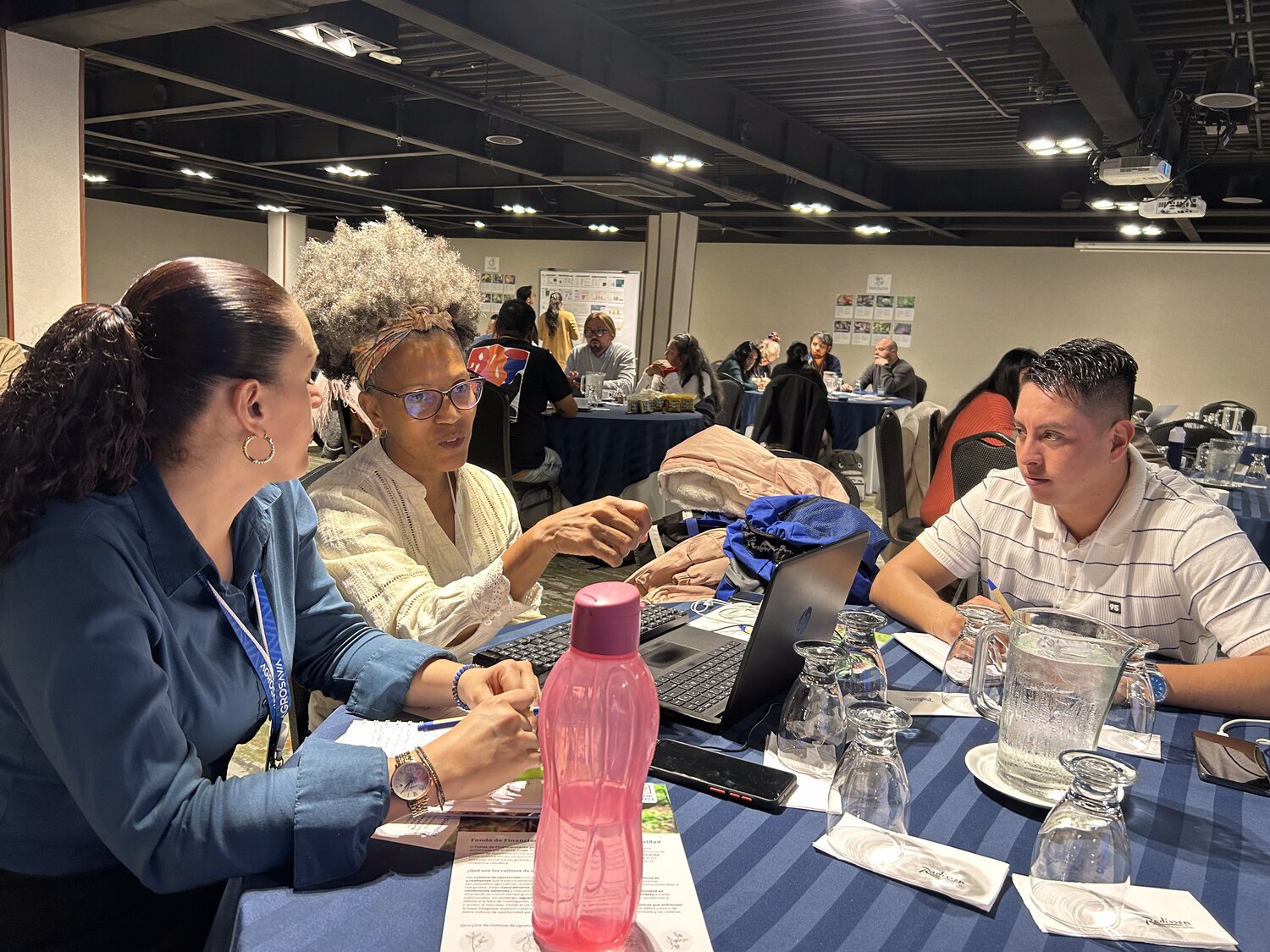
The Power of Diversity Funding Facility selection workshop took place in Bogotá, Colombia, on 15-16 July, co-hosted by Agrosavia, the Alliance of Bioversity International and CIAT and the Crop Trust. The Funding Facility is financially supported by the German Federal Ministry for Economic Cooperation and Development (BMZ) through the KfW Development Bank, and the Department of Foreign Affairs of Ireland.