Platform for African – European Partnership in Agricultural Research for Development
Showing posts with label Horizon 2020. Show all posts

Monday, January 22, 2024

Research needs and priorities for the transformation to Sustainable Food Systems (SFS) at European and global level

23-25 January 2024. Joint SCAR workshop: “Research needs and priorities for the transformation to Sustainable Food Systems (SFS) at European and global level”

For more information read the CONCEPT NOTE 

Relying on the advanced knowledge on international research and on food systems, the ARCH, Bioeconomy and Food Systems Strategic Working Groups (SWG) of SCAR is organizing an International Expert Consultation (workshop) on the issue of SFS. The aim is to identify major and priority research questions that shall be addressed in the short, medium and long terms and to support the delineation of urgently needed measures for successful policy development and implementation towards a Sustainable Global Food System. International cooperation should be considered while tackling the challenge of global interdependencies of food systems. 

Report released on 28/06/2024: Research needs and priorities for the transformation to sustainablefood systems at European and global level # 12 p.

Workshop outcomes: 
  • List of priority research themes for international cooperation, highlighting scale and scope of actions, methodologies and actors required; 
  • Creation of a better understanding of the skills, knowledge and evidence gaps currently holding back action to transform food systems at different scale, and consequently to kick start the list of priority research themes; 
  • Fostering attention to the international aspects that are already included in the SRIA of the FutureFoodS partnership (in particular by contributing to WP 8) 
  • Reflection (or Position) paper 
  • List of actors and networks to be taken into account and contacted by the partnership.
Over 3 days participants will discuss the following set of questions during the breakout sessions:
  1. Question Set 1. Research gaps on safe and nutritious food and sustainable and healthy diets at global level
  2. Question Set 2: Research gaps to support an equitable and fair global transformation of food systems
  3. Question Set 3: Research gaps to improve resilience and food security at European and global scales
  4. Question Set 4: Research gaps related to governance and policies

Extract of the programme

  • 23/01 Science diplomacy and the link of R&I policy to the Global Gateway Strategy Nienke Buisman - Head of Unit, International Cooperation Policy, DG RTD 

    She referred to the website Turning ideas into opportunities. Africa's and Europe's development opportunities depend on science, technology and innovation (STI). But STI won't automatically lead to new opportunities without concerted effort. This story describes how the African Union and the European Union aim to unlock and scale up tangible growth through the AU-EU Innovation Agenda. Existing projects for food and nutrition security and sustainable agriculture (FNSSA) were prioritised to support new ventures across the whole food value chain. As the most mature partnership of its kind, the lessons from FNSSA will guide similar future efforts in the energy and healthcare sectors. 

    During 2021, the European Commission Directorate-General for Research and Innovation led a process assessing the 261 projects included in the FNSSA database at the time. This list excluded many new projects that were subsequently added to the database, but which are still only in their early stages. These 261 projects were screened according to their business and innovation potential, based on which a subset of 47 projects were further filtered qualitatively based on their project outputs. From these, 34 projects were identified based on the fact that they had tangible outputs with sufficient detail to be scored using Key Performance Indicators (KPIs) of potential impact on business, society, and the environment. The 34 projects were included in a quantitative assessment. 

    The Joint Research Centre's Africa Knowledge Platform mapped the 14 FNSSA priority projects to identify regional patterns to inform localised support strategies.

  • 23/01 DG INTPA’s engagement in Global Food Systems transitions Leonard Mizzi - Head of Unit, Sustainable Agri-Food systems and Fisheries, DG INTPA 
  • 23/01 Short introduction of SCAR SWGs: role and mission Agenda for the workshop Siegfried Harrer, SCAR ARCH SWG chair Minna Huttunen, SCAR FS SWG co-chair Luka Juvancic, SCAR BIOECONOMY SWG chair 
  • 23/01 FutureFoodS-Sustainable Food Systems Partnership for People, Planet and Climate Gilles Feron, coordinator of FutureFoodS partnership, ANR, FR 
  • 23/01 Keynote Presentation: Research needs for sustainable food systems – concepts and priorities Joachim von Braun, Professor, University of Bonn, DE

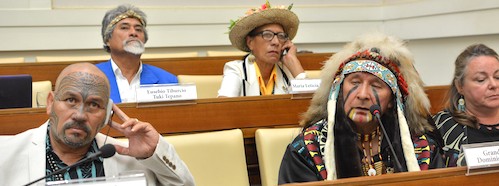
    He referred to the UNFSS and the importance to include indigenous knowledge. See: 14-15 March 2024. Indigenous Peoples' Knowledge and the Sciences. Combining knowledge and science on vulnerabilities and solutions for resilience

  • 24/01 Keynote presentation: Irene Annor-Frempong, Director for R&I at ‘The Forum for Agricultural Research in Africa’ (FARA); LEAP4FNSSA project coordinator - Advances of the AU-EU FNSSA Partnership towards Food Systems Transformation

Irene presented among others the Consortium Europe-Africa on Research and Innovation for Food Systems Transformation (CEA-FIRST) project

CEA-FIRST, the Consortium Europe Africa on Research and Innovation for Food Systems Transformation, consists of 21 partners from Africa and Europe, partly from the former LEAP4FNSSA, extended with new public and private network partners. CEA-FIRST will operationalise the International Research Consortium (IRC) as a long-term platform on food and nutrition security and sustainable agriculture (FNSSA) in line with the FNSSA Roadmap of the AU-EU High-Level Policy Dialogue (HLPD).

The IRC is a member-based, multi-actor platform and will work towards increasing synergies and coherence while reducing fragmentation and duplication of research efforts. Its aim is to promote higher returns on investments and impact on business development in Africa and Europe, by linking actors, research and innovation projects, initiatives, and funding programmes.

CEA-FIRST will:
  1. provide public access to a large knowledge platform, 
  2. offer a sound method for analysis of R&I activities, 
  3. support the updating of the FNSSA Roadmap, 
  4. establish operational working groups and thematic research calls.

    The final output will be a fully functional IRC, including governance bodies. CEA-FIRST will also support its liaison with the High-Level Policy Dialogue (HLPD). It will create a learning environment, including communication channels, to support multi stakeholder networks and to strengthen R&I coordination. The IRC will also serve related AU-EU policy priorities, such as the Climate Change and Sustainable Energy and the Innovation Agenda of the HLPD, as well as the European Green Deal priorities (and farm to fork strategy) and the AU priorities like the African Free Trade Area.
  • 25/01 Research gaps related to governance and policies in Agrifood systems transformation Maximo Torero, Chief Economist, FAO 

    He shared the resource: FAO (2023) Achieving SDG 2 without breaching the 1.5 °C threshold: A
    global roadmap, Part 1
    #50 p.
    FAO's roadmap involves an extensive process that spans three years, starting with COP 28 in 2023. It commences with a global vision for what ails agrifood systems today and goes on to explore financing options for the actions required, before culminating in a discussion of how to attract concrete investment and policy packages by the time COP 30 takes place. It also examines how to integrate technical assistance into our strategies while supporting sustainable investment plans. FAO's roadmap objective is to create a repository of both bankable and non-bankable projects in various domains. The In Brief version of the roadmap contains the key messages and main points from the report, and is aimed at the media, policy makers and a more general public


The organisation team:

Siegfried Harrer (BLE, DE); Emmanuel Albina (CIRAD), Anastasiya Terzieva (INRAE); Alexandre Dubois (FORMAS); David Kranjac (Faculty of Agriculture in Osijek, HR); Jessie Doppler (JPI HDHL) Johanna Kohl (LUKE); Luka Juvančič (University of Ljubljana, SI ); Maroun El Moujabber and Claudio Bogliotti (CIHEAM Bari); Maeve Henchion (Teagasc); Martin Behrens (FNR); Michaela Theurl (Environment Agency, AT); Niels Fold (University of Copenhagen, DK); Vera Musch (Ministry of Agriculture, Nature and Food Quality, NL)

Participation:

On invitation only (European and non-European researchers, regional and sub-regional research fora, as for example CIHEAM, PRIMA, UFM, CGIAR, FAO, FARA, ASARECA, CORAF, IICA, WFP, WHO and others organisations, SCAR ARCH, SCAR BSW and SCAR FS members, 80 participants)

Bibliography: 


Additional resources:

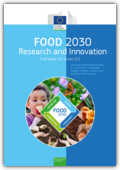
EC (2023) Food 2030 Research and Innovation – Pathways for action 2.0: Research and innovation policy as a driver for sustainable, healthy, climate-resilient and inclusive food systems # 160 p.
  • This publication provides an update on the European Commission’s Food 2030 initiative and aims to guide future research and innovation policy reflections related to Horizon Europe, the farm-to-fork strategy, the European Green Deal and beyond. It sets out eleven pathways for action where research and innovation can concretely deliver co-benefits related to nutrition, climate, circularity, and communities, at multiple levels: from local to international. See extracts from the report in a blogpost.

EC (2022) Report on Feedback and Input from the Public Consultation on the Working Document of the Joint “African Union (AU) European Union (EU) Innovation Agenda” #48 p.
  • Prepared by the Task Force of the Ad of the Bureau of the High-- hoc Innovation Agenda Working Group Level Policy Dialogue (HLPD) on Science, Technology and Innovation (STI) October 2022
  • A stakeholder consultation process was initiated in 2022, which aims at gathering feedback and input from citizens and organisations on the working document of AU-EU Innovation Agenda by the means of an online public consultation and a Stakeholder Event, to take place on 23 and 24 November 2022 in Nairobi, Kenya.
  • Related PAEPARD blogpost: Commission publishes results of public consultation on EU-Africa Innovation Agenda
  • This comprehensive report presents the results of a comparative study of food systems research and innovation (R&I) investment levels in the EU, considering public and private R&I spent at both national and EU level.
  • The compendium is in both English and French
African Union Research Grants Success Stories
  • This leaflet highlights a number of success stories from the African Union Research Grants programme on Africa-Europe collaboration in research and innovation on food and nutrition security and sustainable agriculture

White paper on Future Research Needs in Sustainable Crop Production - 2023, # 8 p.
  • Knowledge generation in relation to nutritional value and health benefits of protein/niche crops 
  • Knowledge generation and transfer on multi-stress resistance for stable yield
  •  Innovation pipeline: Protein/niche crops for food and feed value chains: How to build up a value chain for uncultivated protein/niche crops
  • Impact assessment and trade-offs
USAID (2023) Operationalizing USAID’s Climate Strategy to Achieve Transformative Adaptation and Mitigation in Agricultural and Food Systems
# 101 p.
  • Effective operationalization of the Climate Strategy within USAID’s agricultural and food security portfolio requires significant organizational change. Five recommendations describe changes that will better position USAID to achieve Climate Strategy objectives through its agrifood systems programming based on an informed understanding of the status quo, the ambition of the Climate Strategy, and significant consultation with USAID staff across the Agency. 
  •  The report presents high-potential leverage points: • Empower Women, Youth, and Other Underrepresented Groups to Drive Locally Led, Climate-Resilient Agrifood Systems • Increase Finance for Climate Adaptation and Mitigation and Expand its Inclusivity • Enable the Use and Sustained Provision of Weather and Climate Services • Partner with and Strengthen Local Research and Development Systems • Expand Integrated Soil and Water Resources Management • Expand Integrated Forest and Agricultural Land Management • Reduce Livestock Emissions while Increasing Production Efficiency • Reduce Food Loss and Waste
Joachim von Braun, Kaosar Afsana, Louise O. Fresco, Mohamed Hag Ali Hassan (editors) (2023) Science and Innovations for Food Systems Transformation. Springer International Publishing. # 931 p.
  • This Open Access book compiles the findings of the Scientific Group of the United Nations Food Systems Summit 2021 and its research partners. The Scientific Group was an independent group of 28 food systems scientists from all over the world with a mandate from the Deputy Secretary-General of the United Nations.
  • The chapters provide science- and research-based, state-of-the-art, solution-oriented knowledge and evidence to inform the transformation of contemporary food systems in order to achieve more sustainable, equitable and resilient systems.
FAO (2022) FAO Science and Innovation Strategy # 928p.
  • Science and innovation are emerging as key components of the evolving global development agenda. A wide range of approaches, technologies and practices can contribute to transformation of agrifood systems. These range from digital tools and biotechnologies to innovations in agroecology and agroforestry. Science and innovation underpin them all.
  • This report introduces the vision, rationale, scope and methods for new knowledge products FAO will launch as part of a new Agrifood System Technologies and Innovations Outlook (ATIO).
  • Related PAEPARD blogpost: FAO Science and Innovation Forum 2022 (3)
WEF (2024) 100 Million Farmers: Breakthrough Models for Financing a Sustainability Transition #39 p.
  • This new report by the 100 Million Farmers initiative outlines how to support and work alongside farmers, with a specific focus on speeding up the adoption of regenerative agriculture pathways. 

Funding


EAT Food Europe launched a competitive, open Impact Funding Framework to promote ambitious,long-term collaboration that will lead to food systems change to benefit us all.
  • EAT Food Europe wants its co-investment to have a real impact. 
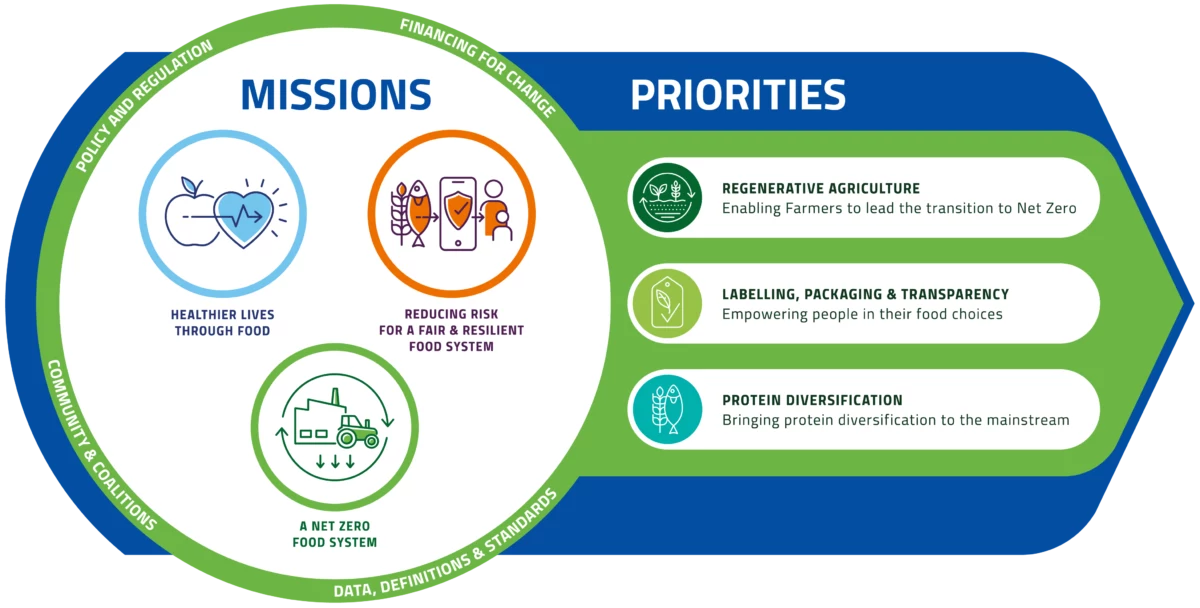
  • EAT Food Europe is looking for proposals from consortia based around lead organisations who can work effectively, move quickly, and are supported by high-quality research, communications and impact assessment expertise.
  • The funding is focussed on two separate areas – larger-scale collaborative programmes, and innovative single projects.
Next submission deadline is 14 March 2024, 12:00 CET.

Related

16 January 2023. Brussels Prima infoday 2024
Insightful sessions with a comprehensive overview of the PRIMA Annual Work Plan 2024, to dive into the specifics of the 2024 call topics, and rules of participation, and gain valuable insights from PRIMA Project Coordinators and Officers.

  • Angelo Riccaboni & Mohamed El Shinawi, PRIMA Co-Chairs 
  • Nasser Kamel, Secretary General of the Union for the Mediterranean 
  • Elisabetta Balzi, Head of Unit, Deputy Director European Commission DG RTD 
  • Luis Sánchez Alvarez, EC AGRI F2 Mission A Soil Deal for Europe

The PRIMA Annual Work Plan 2024
  • Eda Demir, Fabrice Dentressangle, Marco Orlando, Ali Rhouma and Mohamed Wageih, PRIMA Project Officers
  • Submission and evaluation of proposals, Fabrice Dentressangle 
  • How to write a good PRIMA proposal, Mohamed Wageih 
  • PRIMA Partnering Platform – building your networks, Ali Rhouma 
  • How to prepare the budget for a PRIMA proposal, Pau Güell Torrent PRIMA Financial Manager 
  • PRIMA Grant Agreement, Julià Rebés, PRIMA Legal Officer

Tuesday, May 30, 2023

Congress of the Southern African Research and Innovation Management Association


30 May - 2 June 2023
. (Durban, South Africa) INORMS Congress - Theme: Towards a Utopia in Research and Innovation Management


The Southern African Research and Innovation Management Association (SARIMA) hosts the 2023 INORMS Congress. SARIMA is a membership organization for research and innovation professionals and managers. Its purpose is to strengthen research and innovation (R&I) in Southern Africa and ensure that there is social and economic development of the region. 

SARIMA provides a platform for engagement between R&I managers coming from a variety of organisations that are involved in the R&I in the region. It operates at an institutional, national and international level, as well as across the value chain, from research through to successful innovation. SARIMAs key focus areas include research management, innovation and technology transfer and Africa engagement. 

SARIMA’s mandate stretches from management of research through the continuum to innovation, and its presence in the fast developing African continent, makes it and it’s sister African organisations like EARIMA, WARIMA, etc. fairly unique. 

30/05 Exploring the Scenario Thinking Platform for the European Commission’s next Framework Programme for Research and Innovation (FP10)


The EU’s Research and Innovation (R&I) Funding Programme Horizon Europe, as one of the largest such programmes in the world, is a steppingstone into tackling the sustainability challenges globally and the strategic planning of the next Framework Programme (FP10) is about to start. 
  • If it is to tackle both known and, as yet, unknown global challenges, what should it look like and what relevance and importance might this have for other national or international R&I funding programmes?
  • This workshop, used four possible scenarios of the world in 2028 defined by representatives of the League of European Research Universities in their preparation for the strategic planning of the European Commission (EC).
Four international delegates were invited as “Agents of Change” to develop and discuss with the participants four different potential structures of FP10. Each “Change Agent” represents a different global region offering their specific lens on the upcoming programme.  They were supported by four facilitators, experienced in scenario thinking.
  • Ms Annika Glauner, ETH Zurich & University of Zurich (Switzerland) 
  • Mr Daan du Toit, South African Department of Science and Innovation (South Africa) 
  • Ms Angela Noble, Leiden University (Netherlands) 
  • Ms Jennifer Ponting, University of Chicago (United States)
  • Mr Bruno Wöran, Paracelsus Private Medical University (Austria) 
  • Ms Doris Alexander, Trinity College (Ireland) 
  • Ms Kimberly Cornfield, University College London (United Kingdom) 
  • Ms Tania Tambiah Swinburne University of Technology, Australia
Resources: 
LERU (2023) LERU key messages for the current and future European R&I Framework Programmes # 9 p.
In its contribution to the European Commission (EC)’s consultation on “past, current and future R&I Framework Programmes”, the League of European Research Universities (LERU) presents recommendations aiming at improving the functioning and impact of Horizon Europe and launches some ideas for the future.

CULT (2023) The European Universities Initiative (EUI): first lessons, main challenges
and perspectives.
 Policy Department for Structural and Cohesion Policies Directorate-General for Internal Policies # 106 p.

To assess the future development of the EUI, EUI created three scenarios that reflect the main driving forces behind the shaping of higher education in Europe: the Bologna Process, the development of the EEA, and innovations in learning and teaching. For each driving force, EUI developed a scenario of the future development of the EUI. Scenarios were assessed by an expert panel.

30/05 Horizon Europe: Spotlight on opportunities and partnerships for research funding


Dr Vincenzo Lorusso, European Commission, DG Research & Innovation (DG RTD) :
  • The AU-EU cooperation in Research & Innovation 
  • The AU-EU Innovation Agenda and the AU-EU Innovation Festival (15 June, Cape Town) 
  • Horizon Europe and its ‘Africa Initiative II’ 
  • Opportunities for researchers’ mobility and training: Marie Skłodowska-Curie Actions, Erasmus+ and EURAXESS Africa  

30/05 Best practice and knowledge exchange on embedding equitable partnerships in collaborative research

Equitable research partnerships between institutions in the Global North and South are crucial to improving the quality and uptake of evidence addressing global challenges. However, power dynamics create challenges in achieving equity within partnerships, often impacting the extent to which Southern partners can shape research priorities and how research evidence is used. Recognising the crucial role for the research management function in supporting equitable partnerships, this collaborative learning session explored how research managers can drive equity when facilitating multi-partner collaborations in different contexts.

Resource:
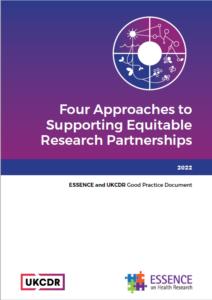
  • UK Collaborative on Development Research (UKCDR) and ESSENCE on Health Research published a Good Practice Document. 
  • The guidance was developed in consultation with a taskforce of international research funders and draws on the experiences of funders, research organisations and researchers in low-, middle-and high-income countries. 
  • It aims to support equity in research partnerships by assisting funders, research organizations and researchers to improve their ways of working in multi-country research partnerships, particularly in relation to low- and middle-income country (LMIC) contexts.
  • UKCDR & ESSENCE hosted a virtual session ‘The role of funders in enabling equitable research partnerships for development’ as part of the Science Summit at United Nations General Assembly 77 (UNGA77) on the 26th September 2022.
These recommendations are grounded in lessons learned in a series of case studies and pertain to one of four interconnected approaches:
  • Support the research partnership ecosystem
  • Strengthen research relationships and research systems
  • Budget for partnership building
  • Implement processes and procedures that sustain partnerships

01/06 Equity and sustainability in international partnerships: experiences and perspectives from FSNet-Africa

This panel session used the case of the Food Systems Research Network for Africa (FSNet-Africa) to consider a diversity of perspectives on how to establish and sustain truly equitable boundary-spanning partnerships that can contribute to developmental impact through research.  
  • Prof Claire Quinn, University of Leeds (United Kingdom) 
  • Dr Melody Mentz-Coetzee, University of Pretoria (South Africa) 
  • Ms Louise Heery, University of Leeds (United Kingdom) 
  • Dr Petronella Chaminuka, Agricultural Research Council of South Africa (South Africa) Petronella is the Acting Head of Impact and Partnerships and the Economic Analysis Unit of the Agricultural Research Council of South Africa. She is currently serving as a Global South Scaling Advisor for Science on the Canadian International Development Research Centre (IDRC) scalingXchange project. 
  • Dr Tshilidzi Madzivhandila, FANRPAN (South Africa)  

31/05 Partnerships supporting open research - How funders and publishers can help researchers choose open throughout research lifecycle

This session focused on the partnership between the Science for Africa Foundation (SFA) and F1000 to develop an open research publishing platform, Open Research Africa. Our speakers will discuss how the Open Research Africa Platform is working in partnership to support the reach, sharing, and potential impact of African research to the world, and examine the considerations, challenges,  opportunities, and learnings in applying open research methodologies. The Science for Africa Foundation (Kenya) (SFA Foundation), is a pan-African, non-profit and public charity organisation, is catalysing and strengthening Africa's science and innovation ecosystems to respond to Africa's sustainable development challenges and to positively impact lives.

31/05 How Can International Funding Agencies Best Support African Research Management?  

Funding bodies from the UK, Europe and North America have supported several initiatives to help develop African research management in recent years. This sessions addressed 3 questions: (a) Impact – Is there evidence to suggest that such projects have changed the development of African research management? (b) Objectives – Have the aims of donor funding changed over time? (c) Future Priorities – What objectives should donors prioritise in any future support for African research management.

01/06 Professionalisation of Research Management in Africa

Implementing its vision to contribute to the professionalisation of research management in Africa, the Southern African Research and Innovation Management Association (SARIMA) developed a Professional Competency Framework, identifying key competency areas for research managers and administrators, and then facilitated the establishment of the International Professional Recognition Council (IPRC) through leveraging strategic partnerships and funding opportunities.

01/06 Prospects for Transformative Innovation Policy in Africa 

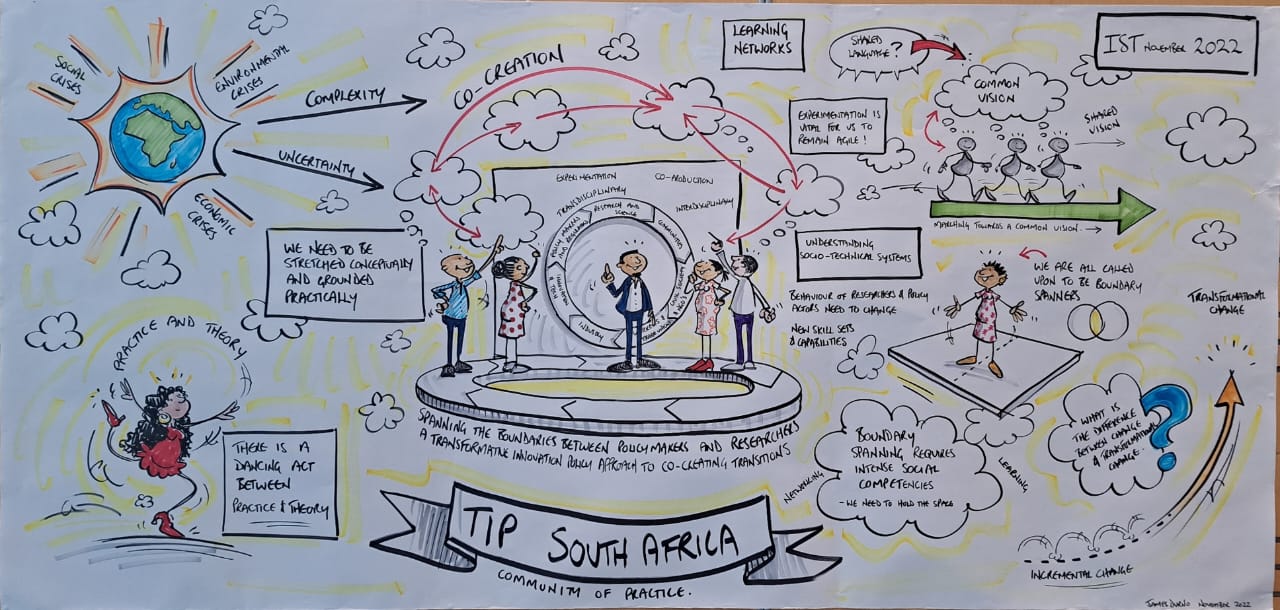
There is an urgent need for countries in sub-Saharan Africa to develop new systems that will effectively mobilise the power of innovation for addressing a wide range of societal challenges including poverty, climate change and inequality. To this end, there is an ongoing need to experiment, research, evaluate, disseminate and communicate new science, technology and innovation practices that support development of sustainable solutions. 

Transformative Innovation Policy (TIP) proposes a new approach to support innovation that addresses societal and environmental challenges. It builds on the possibility of alternative futures, the potential of citizen movements, firms, governments, and knowledge organisations, and the co-creation of solutions through participatory approaches. 

Resource: Transformative Innovation Policy in the South African context
This panel shared useful lessons on the prospects for transformative innovation and possible pathways to the formulation, implementation, evaluation and governance of transformative innovation policies across four countries in Africa, namely Ghana, Kenya, Senegal and South Africa. 
  • Dr Priscilla Mensah, Nelson Mandela University (South Africa) 

  • Dr Chux Daniels, University of Sussex (United Kingdom) 
  • Dr Sepo Hachigonta, National Research Foundation (South Africa) Prior to joining the NRF, he was a programme manager at FANRPAN, 
  • Dr Glenda Kruss, Human Sciences Research Council (South Africa) 
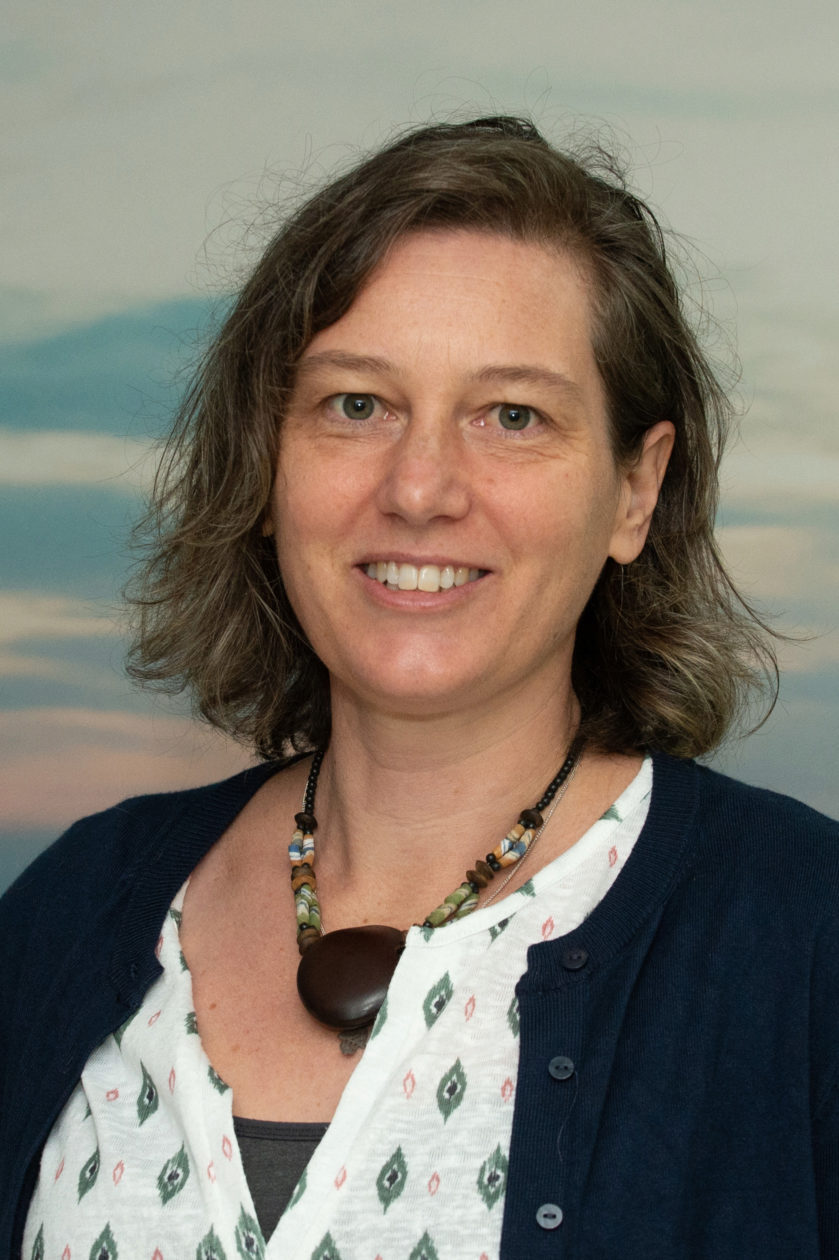
  • Prof Rebecca Hanlin (picture), University of Johannesburg (South Africa). Her latest book looks at building science systems in Africa and technological capabilities in renewable electrification. 
Resource:

R. Lema, M. Holm Andersen, R. Hanlin and C. Nzila, et all (2022) Building Innovation Capabilities for Sustainable Industrialisation. Renewable Electrificatioin in Developing Economies  # 303 p

This book offers a novel input into the debate on development of capabilities for sustainable industrialisation and delivers key insights for both researchers and policy makers when it comes to the question of how to increase the economic co-benefits of renewables expansion. 
  • The chapters in the book use a tailored analytical framework in their studies of renewable electrification efforts in Kenya and other countries in sub-Saharan Africa. 
  • They draw on a mix of project, sector and country level case studies to address questions such as: What capabilities are developed through on-going renewable electrification projects in developing economies? How can the expansion of renewable electrification be supported in a way that also encourages sustainable economic development? What role do international linkages (South-South and North-South) play and what role should they play in the greening of energy systems in developing economies? 
  • The authors provide a new understanding of how green transformation and sustainable industrialisation can be combined, highlighting the opportunities and constraints for local capability building and the scope for local policy action.

01/06 The international impact of an INORMS project

INORMS endorses and supports a range of projects that advance the profession of research management and administration and generate an impact internationally.
  • Incl: Mr Vincent Nkundimana, Science for Africa Foundation (Kenya)
    The SFA Foundation takes a holistic approach to science. Its programmatic initiatives are crafted to cater to the entire science ecosystem and span across the value chain from early discovery sciences to translation sciences and targeted cross-cutting gaps.


01/06 Leadership in Research Management Associations  

  • The West African Research and Innovation Management Association (WARIMA) Mr Dembo Kanteh (The Gambia) 
  • Eastern African Research and Innovations Management Association (EARIMA) Dr Edwinus Lyaya (Tanzania) 
  • Northern African Research and Innovation Management Association (NARIMA) Prof Amal Amin (Egypt)
Related

23/05 Data Ethics Policy in Higher Education


The Association of African Universities (AAU), the University of Nottingham and the Ethical Data Initiative (EDI) are joining forces to campaign for the inclusion of data ethics in data science education on a global scale. The campaign begins with a series of informative webinars on ethical data that explore the pressing ethical questions inherent in digital technology, data collection and data-driven research.

This webinar looked into key research questions on:Who owns the data?
  • Who benefits from my data?
  • With data capitalism becoming an increasingly recognised concept, how do we avoid the pitfalls of feudalism and colonialism in this new landscape?
  • With the increase in data intensive research, and focus on data law and ethics in general, do you think it is time that data ethics should become an integral part of the education curriculum in schools and universities? Why?
  • How can we build capacity for data ethics in universities and industry?


Monday, March 27, 2023

INCiTiS-FOOD Practitioner and Expert Virtual Round Table Discussion

27 March 2023. INCiTiS-FOOD Practitioner and Expert Virtual Round Table 

INtegrated and Circular Technologies for Sustainable city region FOOD systems in Africa (INCiTiS-FOOD)

Supporting innovative food systems and innovators:
Living Labs for Africa’s food systems
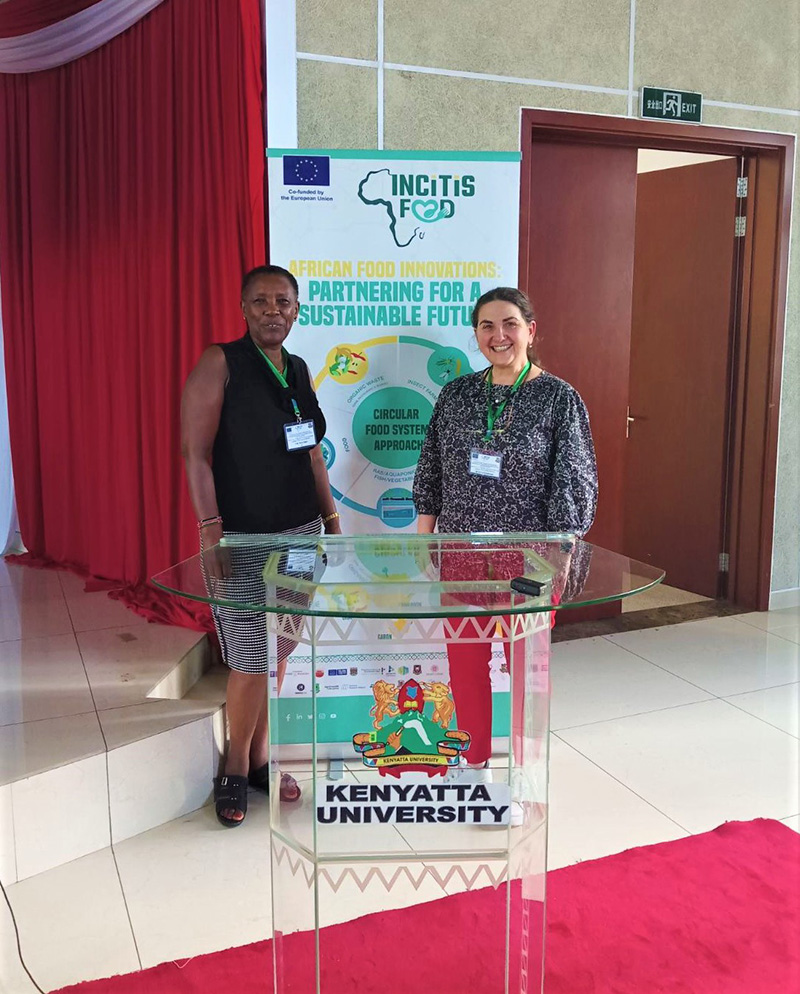
  • The INCITIS-FOOD Project (www.incitis-food.eu) is working on improving innovative circular food system in 6 countries across 3 African regions: East (Kenya), West (Ghana, Nigeria and Sierra Leone) and Central (Cameroun and Gabon). These countries also host living labs that act as innovation accelerators.
  • Living labs are innovation networks in which the participant’s roles and rules are freely defined by themselves. They essentially exchange information according to a defined research strategy and a digital infrastructure in order to transform this information into new knowledge; comparable to a lean innovation approach in which the end users define the contents of the project.
  • What are the benefits of participating as a food system actor? 
The objective of the eight living labs in six African countries is to map the landscape of food
providers, manufacturers, marketers, and consumers and to help identify bottlenecks and challenges that can be addressed by the living labs.

This consortium exceptionally involves a financial partner (AFRACA) to upscale innovation.
  • The African Rural and Agricultural Credit Association (AFRACA) is a leading pan-african network of financial and non-financial institutions involved in promoting access to rural and agricultural finance in Africa. AFRACA was established in 1977 as a lead advocate and coordinator on rural and agricultural finance in Africa. AFRACA members include: Central Banks, Commercial Banks, Agricultural & Development Banks, Microfinance Institutions, Universities and Training Institutions.
  • AFRACA is the banking expert in the consortium and will contribute to the Business Model Development and Financial Capacity Building for Circular Agri-food Entrepreneurship, INCiTiS-FOOD Roadshow Events and investment financing.

The project will also empower communities through the Open Calls funding, led by the Foodscale Hub, organization experienced in running large-scale international acceleration programs. One million euros will be given to 8 external Local Innovation Hubs (both from countries that participate in the INCiTiS-FOOD project and beyond) and 24 Independent Innovators from 6 countries from 3 African regions (East: Kenya; West: Ghana, Nigeria, Sierra Leone; Central: Cameroon, Gabon) as financial support from the InCiTiS-FOOD project. 

Beneficiaries of the Cascade Fund will be surveyed to generate empirical evidence on the co-benefits of the INCiTiS-FOOD project technologies and business models, which will guide urban food policy roadmaps.

The INCiTiS-FOOD project is co-funded by the European Union’s Horizon Europe research and innovation programme and all the information is available on project’s website, as well as Facebook, Linkedin, Twitter, Instagram and Youtube.
“We will set up 8 Living Labs in 6 African countries. Living labs will be turned into incubators of innovation and their mission will be to improve food and nutrition security in African city regions. Since current African food systems are experiencing severe challenges in delivering desired outcomes and a quarter of those who inhabit African cities remain food insecure and malnourished, we need to redefine and modernize the production. There are different methods to prevent food instability: availability of nutritious and safe food through local production, food access – affordability, food utilization, reduction of food waste, and food stability at all times.” Prof. Dr Gertrud Buchenrieder, Universität der Bundeswehr München – project coordinator (see pictures, right)

Wednesday, March 8, 2023

AERAP Africa-Europe Science and Innovation Forum


7 - 10 March 2023
. This Forum informed and engaged with policymakers to ensure that the role and contribution of science, enabled through digital technologies, is reflected in European Union and its Member States’ policies concerning Africa. 

The Africa-Europe Science Collaboration and Innovation Platform (AERAP) is a stakeholder forum convened to define priorities for science and innovation cooperation between Africa and Europe. It provides a framework for stakeholders from industry and academia to define research action plans across the wide range of technological areas that will be essential for addressing common challenges and future. This framework will enable major research and technological advances that will drive socioeconomic development and competitiveness in both Africa and Europe.

The meeting addressed a range of themes, including Biodiversity Health, Medicine, Life Sciences, Geoscience, ICT, Digital Transformation, the Green Agenda, Women and Girls in science, Astronomy, reskilling and upskilling and Agri-food systems.

Extracts of the programme:

08/03 Microbial sciences for a sustainable future

Microbial science is a vital field that has important applications in many areas of science, medicine, agriculture, and industry, and continues to have a significant impact on our daily lives. Microbial science is important for a number of reasons:
  • Understanding the role of microbes in the environment: Microbes play a vital role in the earth's ecosystem, breaking down organic matter and returning vital nutrients to the soil. By studying microbes, we can better understand their role in the ecosystem and how they impact the environment.
  • Developing new medicines: Microbes are the source of many of our most important antibiotics and other medicines, and ongoing research in microbial science is crucial for developing new treatments for diseases.
  • Improving food production and safety: Microbes play a role in the production of fermented foods like yoghurt, cheese, and bread. Understanding the microbial processes involved in food production can help improve the quality, taste, and safety of these products.
  • Bioremediation: Certain microbes can be used to clean up toxic waste, such as oil spills and groundwater contaminated with heavy metals. Microbial bioremediation offers a cost-effective and environmentally friendly solution for addressing environmental pollution.
  • Advancing industrial processes: Microbes are used in a number of industrial processes, including the production of biofuels, chemicals, and bioplastics. Studying microbes can lead to the development of new, more efficient industrial processes.
Speakers:
  • Dr. Stefano Bertuzzi is the Chief Executive Officer of the American Society for Microbiology (ASM).
    Resources: Microbes and Climate Change: a Research Prospectus for the Future

    Soil: Science’s Last  Frontier Scientists conducted 2004-2009 systematic study of the last great unexplored territory of the globe: the few centimeters of soil beneath our feet. With a $26,000,000 grant, researchers in seven countries studied during five years the tiny, unknown plants and animals that make the rest of the world work. The nations in the UNEP-backed program were Ivory Coast, Uganda, Kenya, Indonesia, India, Brazil, and Mexico. It was coordinated by the Tropical Soil Biology and Fertility Institute, based in Nairobi. Jonathan Anderson is professor of ecology at the University of Exeter. He was consultant to the UNEPGEFTSBF soil biodiversity programme

  • Juan Miguel González-Aranda CTO, LifeWatch ERIC
  • Eugene Lottering National Research Foundation South Africa
  • Zeinab Osman Director General, National Center for Research Sudan

08/03 Science for Climate Resilient food systems in Africa

The state of Africa’s agriculture and its vulnerability to climate risk is an ongoing matter of importance, not only for the continent but the global world. Climate change-related hazards such as drought, shifting patterns of pests and disease incidence, and the reduction of areas suitable for agricultural production threaten agricultural and food systems and affect the food security status of millions of people on the African continent. These challenges impact peace and stability on the continent and the attainment of Sustainable Development Goals.

Agricultural Research and Innovation play a pivotal role in developing climate-resilient food systems and enabling Africa to reduce the agricultural productivity gap and deliver on the SDGs.

The session will showcase some of the key scientific innovations emerging from Agricultural Research organizations in Africa and also in collaboration with global North partners. In addition, the session will identify the key priorities to accelerate the science-led climate-resilient food systems in Africa.

avatar for Petronella Chaminuka

Petronella Chaminuka

Head of the Economic Analysis Unit, Agricultural Research Council of South Africa
avatar for Intisar Soghayroun

Intisar Soghayroun

Professor, Khartounm
Professor of Archaeology, University of Khartoum 1991-2022, Sudan. Minister of Higher Education and Scientific Research from 2019 to October 2021. Read More →
avatar for Jose Manuel Avila

Jose Manuel Avila

Environmental Scientist, Agroecology Technical Officer, LifeWatch ERIC
He is an Environmental Scientist who specialized in Biodiversity and Conservation Biology and has a PhD in Environment and Society. Read More →


LifeWatch ERIC is a European Research Infrastructure Consortium providing e-Science research facilities to scientists investigating biodiversity and ecosystem functions and services in order to support society in addressing key planetary challenges.
LifeWatch ERIC was established as a European Research Infrastructure Consortium by the European Commission in 2017.

Click here to read about Research Infrastructures and here to learn more about ERICs.

An interactive map of all Research Infrastructures, including ERICs, is available at this link. See all the other members of the European Research Infrastructure Consortium (ERIC Landscape) here.

09/03 Key Developments in EU support for science collaboration with Africa

  • Overview of EU-SA Science Technology and Innovation Cooperation - Mr Daan du Toit, Deputy Director General International Cooperation and Resources, South African Department of Science and Innovation + Ms Maria Cristina Russo, Director Global Approach and International Cooperation in R&I, Directorate-General for Research and Innovation (DG R&I), European Commission
  • Horizon Framework Programme, AU/EU Innovation Agenda and Africa Initiative Call - Dr Vincenzo Lorusso, Policy Officer, Science, Technology and Innovation Cooperation with Africa and bilateral cooperation with ASEAN countries, Directorate-General for Research and Innovation (DG R&I), European Commission
  • Support mechanisms to enable participation of SA researchers in Horizon Europe - Ms Tugela Matubatuba, Director: Strategic Partnerships, South African Department of Science and Innovation
  • Spanish Presidency priorities in the area of science and technology - Paco Colemar, former director at Jive, now coordinator for the Spanish presidency in the Ministry for science and innovation in Madrid

09/03 Science for Food Systems Transformation in a Conflict Area

The session discussed how we can jointly develop a Centre of multi-disciplinary training and research in Food Systems Transformation in a Fragile Zone. This Centre would be a regional hub for data, science, innovation and lifelong learning dedicated to Sahelian challenges and opportunities. A virtual focal point where researchers, policymakers, private sector, CSOs and development practitioners can easily obtain and co-create relevant information on transformation pathways.

Speakers will be from the Sahel research community, Sahel Coalition, Club du Sahel, EC, Wageningen University & Research and other.

09/03 Opportunities for African Researchers in Horizon Europe

09/03 Plant Molecular Pharming in Africa

“Plant Molecular Pharming in Africa” is to enable low- and middle-income countries to develop their own sustainable and scalable manufacturing capacity for biopharmaceuticals based on innovating drug discovery, leading to lower dependency from global supply chains.
  • Mr Declan Kirrane ISC Intelligence, Moderator
  • Dr George Owusu Essegbey Council for Scientific and Industrial Research, Ghana, Co-Moderator
  • Prof Kurt Zatloukal Medicines4Future (M4F) and Medical University of Graz, Austria
  • Ms Belinda Shaw Cape Bio Pharms, Cape Town, South Africa
  • Prof Josef Glössl M4F and University of Natural Resources and Life Sciences, Vienna (BOKU), Austria

09/03 Living labs: an emerging area of collaboration between Africa and the EU

Africa is building its own way to a digital society. A new generation of entrepreneurs, policy officers, and social innovators are working on setting up new African digital innovation ecosystems.

The EU can collaborate with this effort, sharing experiences peer-to-peer and learning with African colleagues. One of the areas identified by African Countries for creating more sustainable and collaborative digital societies in innovation ecosystems is to envisage open living labs as a strategy.

A panel debated how to foster future collaborations and support the creation of open innovation ecosystems in Africa while sharing the experiences of existing running projects.
  • Martina Desole, ENoLL director - moderator
  • Mamadou Ndir, Alboury Ndao, Ndeye Astou Sene, FDSUT Senegal
  • Artur Serra, i2cat Foundation, Barcelona
  • Samia Chelbi, DigiArtLiving Lab, Tunisia
  • Karim Sy, Jokkolabs network

HIGHLIGHT 

FDSUT Senegal veut promouvoir l’accès des populations rurales, à faibles revenus ou défavorisées, aux services de communications électroniques afin d’améliorer leur intégration dans le développement économique et social du pays et contribuer à leur épanouissement.

Le projet Living Lab. ou « laboratoire vivant » est un projet d’innovation digitale. C’est une méthode de recherche en innovation ouverte qui vise le développement de nouveaux produits et services. Il promeut un processus de cocréation avec les usagers finaux dans des conditions réelles et s’appuie sur un écosystème de partenariats public-privé-citoyen.
  • Dans le cadre de ce projet, des espaces physiques et virtuels sont mis en place afin de permettre la construction d’une communauté autour d’un living lab. et de favoriser la cocréation ainsi que l’expérimentation de nouveaux produits ou services.
  • Ce dispositif permettra également de favoriser l’innovation ouverte, partager les réseaux et impliquer les utilisateurs dès le début de la conception.
  • La phase pilote (financée par ENABEL, Belgique) s’étale sur trois (03) ans correspondant à la phase de maturation d’un living lab (cf.Livre Blanc du Living lab) et fait focus sur le secteur primaire (agriculture, pêche et élevage) de même que santé/Environnement.
  • Pour le périmètre d’intervention, le projet va être déployé dans sa phase expérimentale dans les régions de Saint Louis, Ziguinchor et Diourbel.
  • L’objectif principal de ce projet est de favoriser l’inclusion sociale et territoriale des populations dans l’innovation portée par les TIC.
  • A travers ce projet, le FDSUT veut également créer une communauté qui s’engage à la mise en place et à l’appropriation de ce nouveau concept. Par ailleurs, l’objectif est d’impacter de manière considérable les bénéficiaires directs et indirects.

Thursday, February 2, 2023

Horizon Europe Launch Events – Focus on WP 2023-2024 and Africa Initiative II

Under the “Africa Initiative II” a series of calls for proposals were published which are open to/requiring the participation of African scientists. 

In the course of January - February several events provided information about opportunities for researchers and African research institutions through the Horizon Europe Work Programme for 2023-24. 

The events explained how to apply to these calls for proposals. Below are the Africa-specific calls for proposals for  Cluster 6 (Food, Bioeconomy, Natural Resources, Agriculture and Environment) and Cluster 5 (Climate, Energy and Mobility)

Food, Bioeconomy, Natural Resources, Agriculture and Environment (Cluster 6)

Horizon Europe (2022) Work Programme 2023-2024 Food, Bioeconomy, Natural Resources, Agriculture and Environment # 595 p.

Deadline: 12 April 2023

  • HORIZON-CL6-2023-FARM2FORK-01-17: EU-African Union cooperation – linking the activities of the Food and Nutrition Security and Sustainable Agriculture (FNSSA) partnership and those of the Pan-African Network for Economic Analysis of Policies (PANAP) (page 181)
  • HORIZON-CL6-2023-FARM2FORK-01-18: Support for the implementation of a sustainable platform for the EU-African Union cooperation under the Food and Nutrition Security and Sustainable Agriculture (FNSSA) partnership  (page 183)
  • HORIZON-CL6-2023-FARM2FORK-01-20: EU-Africa Union – food safety  (page 188)
  • HORIZON-CL6-2024-FARM2FORK-01-10: EU-African Union cooperation on agroforestry management for climate change adaptation and mitigation  (page 213)
  • HORIZON-CL6-2024-FARM2FORK-01-11: EU-African Union – towards climate-neutral, social just fair trade food systems. (page 216) 

Climate, Energy and Mobility (Cluster 5)


Deadline: 18 April 2023 
  • HORIZON-CL5-2023-D1-01-11: Needs-based adaptation to climate change in Africa (page 51) 
    Enhance planning, implementation and evaluation of climate adaptation strategies and measures (including ecosystem-based adaptation and nature-based solutions, as well as integrated adaptation and mitigation actions) and the understanding of their socio-economic determinants and benefits. Promote better understanding and enhanced cooperation between various actors such as regional climate centres, national meteorological services, intermediaries, and end-users. Direct participation of relevant entities in the projects is strongly encouraged. 
Deadline: 05 September 2023
  • HORIZON-CL5-2023-D3-02-16: Accelerating the green transition and energy access in Africa (page 211) 
Deadline: 16 January 2024
  • HORIZON-CL5-2024-D3-01-09: Africa-EU CO-FUND action - Strengthening of the joint EU-AU Climate Change and Sustainable Energy Collaborative Partnership efforts (page 242) 

Overview of the events

  • Mr. Jacob Kamwaria Njagih, Ag. Deputy Director, Resource Mobilisation and Partnerships, National Research Fund / Horizon Europe NCP - Ministry of Education 
  • Prof Walter O. Oyawa, Director General/CEO National Commission for Science, Technology and Innovation (NACOSTI) 
  • Prof Izael Pereira Da Silva, DVC - Research and Innovation, Strathmore University
Kenyan Scientists Talk
  • Dr. Joanes Atela/Dr. Charles Tonui, Africa Research and Impact Network (ARIN), partners of the Horizon Europe project RURALITIES coordinating the actions of local and regional authorities in support of rural innovations; 

    RURALITIES aspires to support the rural development. Mainly by delivering expertise as well as creating a learning framework of living labs by September 2027. This will be done via real-scale practicing (demonstrators) in six simplified rural socio-ecological systems (SIMSES), located in Italy, the United- Kingdom, Slovenia, Spain and Romania. The project’s main objective is to provide expertise and a learning framework that will improve the ecosystem and act on climate change through various innovative methodologies.

    The African Research and Impact Network (ARIN) is an impact platform that brings together a network of scholars and policymakers across Africa. Areas of focus include natural resource management, climate change, agriculture, forestry, energy, water, and cities to leverage their knowledge and experiences in promoting research excellence and impact pathways.

UPSCALE project (Upscaling the benefits of push-pull technology for sustainable agricultural intensification in East Africa);
  • Dr Shem Kuyah, Senior lecturer, Department of Botany, JKUAT, Task leader of UPSCALE project 
  • Prof. George Odhiambo, Senior Lecturer, School of Agriculture, Maseno Univesity. UPSCALE project 
UPSCALE aims to take key steps to realize the transformative potential of push-pull technology, to address food security, livelihoods and climate change resilience in the sub-Saharan region of East Africa, while reducing the environmental impact of agricultural practices. For this, it fosters the design, adaptation and adoption of strategies for integrated agro-ecological management based on push-pull technology for wide-spread and climate-resilient sustainable intensification.

The project activities will be conducted in five main study regions within East African countries (Ethiopia, Kenya, Uganda, Rwanda, Tanzania), each of these regions being selected to encompass different biophysical (including climate, soils, topography) and farming system characteristics. 
"Imported seeds of Desmodium intortum are expensive and their availability is limited, presenting another challenge in up-take of the technology (...) Desmodium incanum (push) and Xaraes (pull), were used to develop a new third generation PPT. In the current study, effectiveness of the new version in controlling stemborers, fall armyworm (FAW), and striga weed is evaluated in comparison with the earlier version of climate-smart PPT, common farmer practices (FPs). (...) One of the major challenges in adoption of the technology is shortage of inputs especially desmodium seed, which is expensive for the resource-constrained farmers" See: Field evaluation of a new third generation push-pulltechnology for control of striga weed, stemborers, andfall armyworm in western Kenya

Coordinator: GOTTFRIED WILHELM LEIBNIZ UNIVERSITAET HANNOVER Germany

  1. THE INTERNATIONAL CENTRE OF INSECT PHYSIOLOGY  (ICIPE) AND ECOLOGY LBG Kenya
  2. BAYERISCHE FORSCHUNGSALLIANZ BAVARIAN RESEARCH ALLIANCE GMBH  Germany
  3. EASTERN AFRICA FARMERS' FEDERATION SOCIETY (EAFF) Kenya
  4. JOMO KENYATTA UNIVERSITY OF AGRICULTURE AND TECHNOLOGY Kenya
  5. KENYA AGRICULTURAL AND LIVESTOCK RESEARCH ORGANISATION KALRO Kenya
  6. MASENO UNIVERSITY Kenya
  7. FH ASSOCIATION  Switzerland
  8. RWANDA AGRICULTURE AND ANIMAL RESOURCES DEVELOPMENT BOARD  Rwanda
  9. INOSENS DOO NOVI SAD Serbia
  10. UNIVERSITY OF KWAZULU-NATAL South Africa
  11. LUNDS UNIVERSITET Sweden
  12. SVERIGES LANTBRUKSUNIVERSITET  Sweden
  13. UNIVERSITAT ZURICH  Switzerland
  14. TANZANIA AGRICULTURAL RESEARCH INSTITUTE  Tanzania
  15. NATIONAL AGRICULTURAL RESEARCH ORGANISATION Uganda
  16. INSTITUTE FOR SUSTAINABLE DEVELOPMENT Ethiopia
  17. JULIUS-MAXIMILIANS-UNIVERSITAT WURZBURG  Germany

  • Prof. John Mugubi, Senior Lecturer, Department of Communication, Media, Film and Theatre Studies working on projects: 1) Transcultural Perspectives of Art Education (TPAAE) and 2) Communities and Artistic Participation in Hybrid Environment (CAPHE)

    The TPAAE project aims to investigate contemporary art and forms of art education in Europe and East Africa. The profound research in transcultural perspectives on art and art education will be realized within the TPAAE project by the Consortium containing academic and non-academic institutions from Poland (Academy of Art in Szczecin – AASZ, National Museum in Szczecin – NMS), Italy (University of Macerata – UNIMC), and Kenya (Pwani University – PUC, Kenyatta University – KU, Beneath the Baobabs. Distant Relatives Events Limited – BtB). All the institutions investigate culture and cultural heritage, and have complementary competences, allowing for research and implementation of the effects into practice.

    The aim of this Horizon MSCA funded CAPHE project is to investigate and perform the possibility of elaboration of an enhanced model of interaction and somatic participation between artists and communities, coming from different cultural backgrounds, both traditional and virtual ones in hybrid environment, including physical, and virtual layers. 

1 February 2023. Launch event Horizon Europe Launch Event – Focus on WP 2023-2024 and Africa Initiative II

This event was co-organised by Directorate-General for Research and Innovation, European Commission, the EU Delegation to the African Union, and EURAXESS Africa.

  • Horizon Europe Launch Event – Focus on WP 2023-2024 and Africa Initiative II.pdf
  • English (123.05 KB - PDF) Download
  • 2023-02-01_Horizon Europe WP 23-24_Africa Initiative FINAL.pdf English (5.84 MB - PDF) Download

Opening EC and AUC

  • Ambassador Birgitte Markussen, Head of Delegation of the EU Delegation to the AU 
  • Dr Monica Idinoba, Principal Research Scientist, Department of Education, Science, Technology & Innovation, African Union Commission 
  • Ms. Nienke Buisman, Head of Unit, International Cooperation, DG Research and Innovation, EC
Results of Africa Initiative I and future strategic priorities Horizon Europe and Africa Initiative II
  • Dr. Piero Venturi, EU Science Counsellor to the AU, DG Research and Innovation, EC

Researchers Mobility 

  • Marie Skłodowska-Curie Actions (MSCA) Ms. Marija Mitic, Policy Officer, DG Education and Culture 
  • EURAXESS Africa Dr. Ahmed Maalel, Region Representative for Africa – EURAXESS Worldwide
African Scientists Talk and NCPs: The points of view of African scientists who participated in European R&I programmes and National Contact Points

  • Mr. Okalany Emmanuel, RUFORUM (Uganda) 
  • Dr Solomon Benor, Horizon Europe NCP for Ethiopia 
  • Shem Kuyah, Jomo Kenyatta University of Agriculture and Technology (JKUAT) Kenya


1 February 2023. Événement de lancement d'Horizon Europe - Focus sur le WP 2023-2024 et l'Initiative Afrique II

Retour d’expérience de scientifiques ayant participé à des projets soutenus par le Programme-Cadre
  • Prof. Ousmane Koita, Directeur du Laboratoire de Biologie Moléculaire Appliquée à la Faculté des Sciences Techniques de L’Université des Sciences et Techniques et des Technologies (USTTB) de Bamako, Mali
  • Dr. Charles Kabore, Chercheur de l’Institut de Recherche en Sciences de la Santé (IRSS) Burkina Faso 
  • Mr. Mohamed Abdillahi Aden, Office de Développement de l'Energie Géothermique (ODDEG), Djibouti 


6 February 2023. Virtual Event “Horizon Europe – Africa Initiative II: Focus on Rwanda”

Rwandese Scientists Testimonials
  • Dr Elizabeth Krebs, University of Rwanda & HPR (Horizon Europe TRANS-SAFE project) 
  • Dr Alphonse Nkurunziza, University of Rwanda (Horizon Europe TRANS-SAFE project & Horizon 2020 SESA project and SOLUTIONSplus project) 

    In addressing the HORIZON-CL5-2021-D6-01-11 call topic, TRANS-SAFE leverages on existing partnerships to collaboratively design sustainable interventions that aim to radically transform road safety systems in Africa.

  • SOLUTIONSplus - Integrating Urban Electric Mobility Solutions in the Context of the Paris Agreement, the Sustainable Development Goals and the New Urban Agenda. Demonstration actions will be launched in Hanoi (Vietnam), Pasig (Philippines), Lalitpur/Kathmandu (Nepal), Kigali (Rwanda), Dar es Salaam (Tanzania), Quito (Ecuador), Montevideo (Uruguay), Madrid (Spain), Nanjing (China) and Hamburg (Germany).

    Smart Energy Solutions for Africa (SESA) is a collaborative project between the European Union and nine African countries (Ghana, Kenya, Malawi, Morocco, Namibia, Nigeria, Rwanda, South Africa and Tanzania ) that aims at providing energy access technologies and business models that are easily replicable and generate local opportunities for economic development and social cohesion in Africa

8 February 2023. Horizon Europe Nigerian National Contact Points’ Network Launch Event & Presentation of Work Programme 2023-2024 and its Africa Initiative II – Focus on Nigeria

Testimonials by Nigerian scientists who are participating in Horizon Europe or who participated in Horizon 2020
  • Prof Michael Faborode, Horizon Europe NCP Coordinator 
  • Dr Maruf Sanni, Research Officer, National Centre for Technology Management (Horizon 2020 Marie Skłodowska-Curie Action grantee)

9 February 2023. Webinar sur le programme-cadre Horizon Europe pour la Recherche et l’Innovation – Focus sur le Programme de travail (PT) 2023-2024 et l'Initiative Afrique II et les opportunités pour le Sénégal

Les points de vue des scientifiques du Sénégal ayant participé aux programmes européens de R&I
  • Prof Ousman THIARE, Université Gaston Berger de Saint Louis (Projets WAZIUP, Open Innovation Platform for IoT Big Date in Sub-saharan Africa, Enabling Tech Hubs to Support Developers and Startups in building low cost end-to-end IoT solutions, and One Health Approaches to Support Agroecolocial Transformations of Peri-Urban Farming - URBANE)

    WAZIUP is a European Union-Africa project developing IoT technologies in Africa. “Wazi” is a Swahili word for “open”: WAZI-UP opens-up new IoT technologies for African countries. It develops cutting edge IoT, cost-effective communications and big data technologies for the needs of the developing countries.

    URBANE- will design real-world case studies that cover different agroecological zones focused on Western Africa. Through sustainable agroecological practices in the peri-urban environment, URBANE aims to make cities more sustainable and inclusive, while boosting the productivity of small-scale food producers located in the peri-urban environment.


  • Dr Cheickh Sadibou FALL, Bureau d'Analyses Macro-Economiques (BAME) Institut Sénégalais de Recherches Agricoles (ISRA) (Projet AgfoodTrade, FP7)
  • Dr Xavier BERTHET Directeur scientifique Institut Pasteur de Dakar (projets ZikaPlan, Zikalliance, EVA G, MediLab Secure, LabPlus Africa)

9 February 2023. Horizon Europe Launch Event – Focus on WP 2023-2024 and Africa Initiative II - Focus on Ethiopia

The points of view of Ethiopian scientists who participated in European R&I programmes and National Contact Points
  • Dr Solomon Benor, Horizon Europe NCP for Ethiopia
  • Dr Adane Mihret, Armauer Hansen Research Institute, Addis Ababa (AHRI)

14 February 2023. Horizon Europe Launch Event – Focus on WP 2023-2024 and Africa Initiative II, Mauritius

The points of view of scientists who participated in European R&I programmes
  • Nadine Laguette from Mauritius is Group Leader - Molecular Basis of Inflammation Lab chez Institut de Génétique Humaine, Montpellier, France, Nominated by. European Research Council (ERC)
Sharing experience and best practice from a South African Perspective:
  • Experience by one NCP. (Dr Barend Taute, Former NCP for Security) 
  • Experience by Researcher #1. (TBC) 
  • Experience by Emerging Researcher #2. (Ms Sumeera Gopal, MSc (PhD candidate) Nuclear Physics, University of Western Cape