

- University of Essex
- University of Nottingham
- University of Reading
- Institute for Development Studies, University of Sussex
- University of Birmingham
- University of Sheffield
It is an annual event that brings together researchers, practitioners, policymakers, and advocates working at the cutting edge of food systems research and practice. In 2026, the symposium took place under the theme Food Systems at a Crossroads: Local Action, Global Change, reflecting the urgent need to connect place-based knowledge and community-led innovation with the broader systemic transformations required to build equitable, sustainable, and resilient food futures.
Book of Abstracts - Food Systems at a Crossroads: Local Action, Global Change 29 p,
This year's symposium spans an extraordinary breadth of topics, from agri-food sustainability and Indigenous food sovereignty, to community food resilience, public dining, coastal food challenges, nutrition and health inequalities, and the growing role of data and artificial intelligence in food systems. Together, the tracks reflect a shared conviction: that meaningful change in food systems requires collaboration across disciplines, sectors, institutions, and borders.
Extracts of the programme
14/09 Positive Agri-Food Futures for People and Planet
- Luh Putu Kartini, Putu Diah Sastri Pitanatri, Bali Tourism Polytechnic - Beyond Food Waste: Women's Culinary Mediation and Circular Food Futures in Rural Bali
- Shreya, Sijo Abraham, Nimisha Mittal, Independent Researcher - Seed Commons as Integrated Infrastructure for Climate-Resilient Food Systems: Evidence from Eastern India
- Alampik Debbarma, Tripura University - Food, Forests, and Sustainability: Indigenous Tipra Culinary Practices in Northeast India
- Nma Goran Dhahir, Water Diplomacy Center - Governing Water, Governing Nutrition: Transboundary Water Governance Failures, Water Quality Degradation, and Nutritional Vulnerability in the Kurdistan Region of Iraq
- Alice Mauchline, University of Reading - Working in Partnership: How can farmers best inform peer-reviewed science and scientists best inform farmers?
- Ada Freaney and Claire Mac Evilly, Airfield Estate - Cultivating Sustainable Futures: The Living Classroom Model at Airfield Estate
- Carina Manitius, University of Vermont - Stranded Assets and Stranded Livelihoods in Agriculture: Identifying Barriers to Change to Support Just Transformation
14/09 Community-Based Approaches to Tackling Food Insecurity
- Anton Rosenfeld and Bruce Pearce, Garden Organic - Growing resilience through culturally relevant varieties
- Connie Dalton, Pamela Louise Graham, and Richard Lee, Northumbria University - Beyond Nutrition: A Mixed-Methods Study of Children, Families, and School Staff's Experiences of Free School Meals Across the UK
- Neal Haddaway, University of Amsterdam - Commensality: exploring agricultural migrant workers'relationships with food and cooking
- Nia Coupe, Hollie Walsh, Zahra Mulla et al., University of Manchester - Getting nutritious food into food aid: the Food Aid Mapping Manchester (FAMM) study
- Purva Bahadkar and Anita Dighe, Foundation for Mother & Child Health India - Beyond Food: Strengthening Food Security Through Timely Behaviour Change Communication During the First 1,000 Days
- Sharon Mada, Thuenen Institute - Approaches to Food Waste Reduction in Urban Sub-Saharan Africa: Practices and Initiatives for Circular Food Systems
Data were collected from 400 households and 39 street market vendors in Hatcliffe, Zimbabwe, through a face-to-face questionnaire survey. In addition, semi-structured interviews were conducted with 11 experts from Mauritius, Nigeria, Botswana, Kenya, Ethiopia, Tanzania, South Africa, and Zimbabwe.
14/09 Resilience and Community Food Projects
- Lucy Shepherd, Heritage Seed Library, Garden Organic - Growing Resilience from the Ground Up: Community Conservation of Heritage Crops for a Changing World
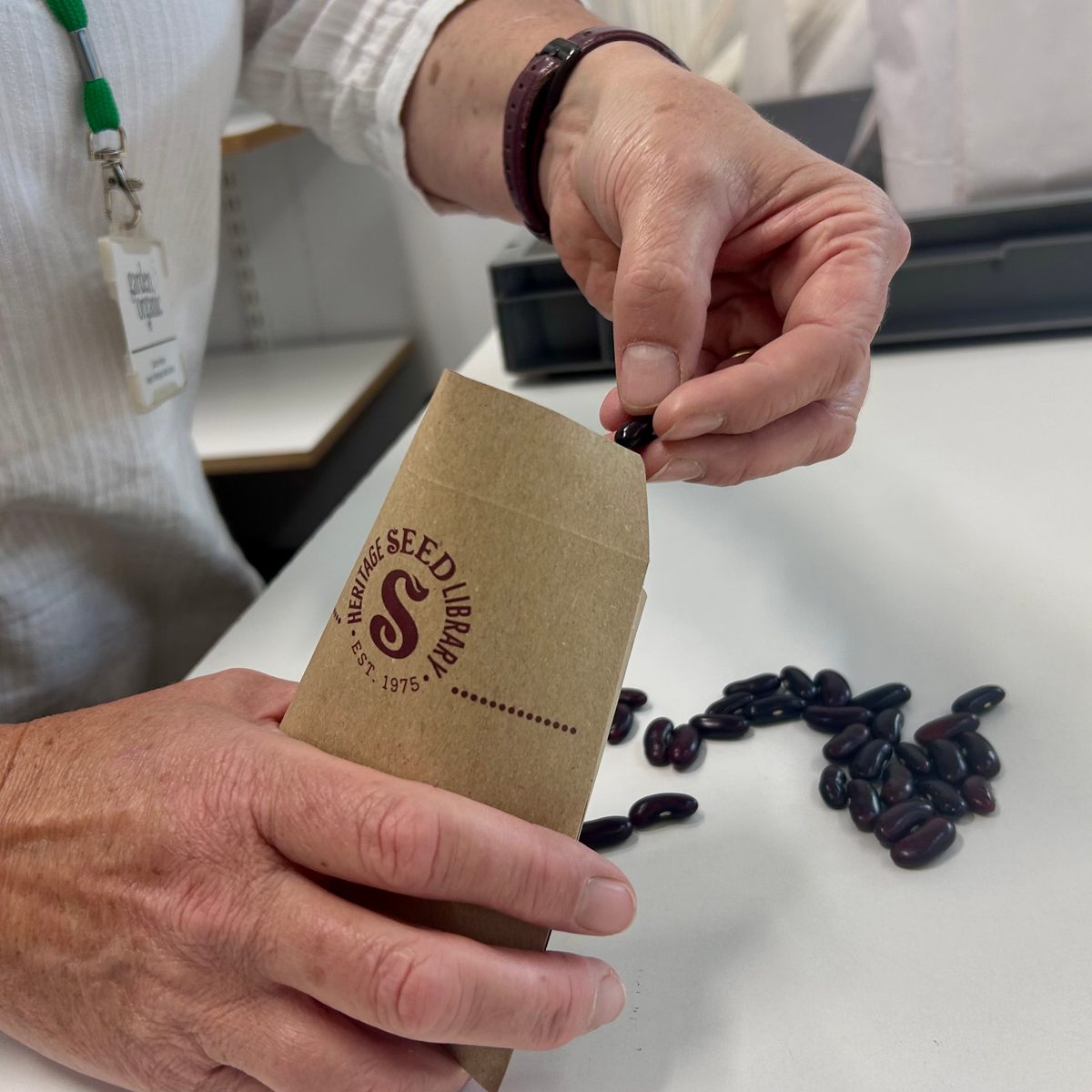
This work presented findings from Sowing Your Seeds: Heritage Crops for a Resilient Future, a National Lottery Heritage Fund project led by Garden Organic's Heritage Seed Library. Working across the Midlands, the project identifies, documents and conserves locally maintained edible crop varieties. Through seed-saving workshops, community events and seed swaps, growers are encouraged to share both seeds and the stories behind them, recognising that cultural knowledge and lived experience are inseparable from the genetic resources themselves. By bringing little-known collections of heritage crops back into active cultivation, ‘Sowing Your Seeds’ helps ensure that locally adapted varieties, together with their cultural heritage, remain living components of our food system. This presentation offered attendees opportunities to consider community seed conservation and will suggest a model for participatory conservation that strengthens biodiversity, celebrates community custodianship, and equips food systems with the diversity needed to respond to an uncertain future.
15/09 Decolonising Food Systems & Sovereignties [Panel Debate]
- Track Chair: Dr. Belinda Zakrzewska (University of Birmingham)
- Shyra Barberstock, Co-founder of Kebaonish Inc / Queen's University (Canada)
- Rye Barberstock, Co-founder of Kebaonish Inc / Queen's University (Canada)


No comments:
Post a Comment