Platform for African – European Partnership in Agricultural Research for Development
Showing posts with label SME. Show all posts

Thursday, January 25, 2024

East African Business Council Webinar on Sustainable Agriculture Practices

25 January 2024
. Webinar series on Sustainable Agriculture Practices

The East African Business Council (EABC), in collaboration with the Agency for Business and Economic Development(AWE) funded by the German Federal Ministry for Economic Cooperation and Development (BMZ), is organizing a webinar series on Sustainable Agriculture Practices, in a bid to strengthen agricultural value chains and bolster the food security of Agri-actors in the East African Community (EAC) Region.

Speakers:

  • John Bosco Kalisa CEO EABC

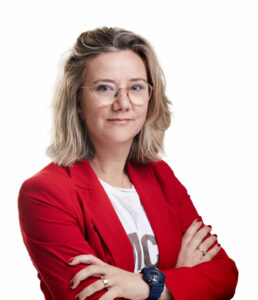
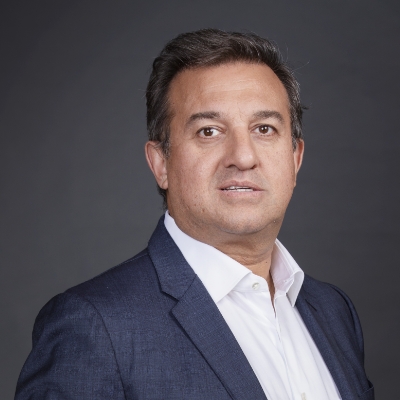
  • Lydia Koch (picture), Business Scout for Development, GIZ Tanzania
    In behalf of Agency for Business and Economic Development (AWE)
    In her remarks, Lydia Koch, Private Sector Advisor at the Agency for Business and Economic Development (AWE), reiterated the commitment of Germany to work with the government and private sector to fight hunger and ensure food security across the globe amidst global crises and shocks.

  • Yarama Dakwa Ndirpaya Director, Plant Resources Department at Agricultural Research Council of Nigeria, Abuja; Technologies for African Agricultural transformation TAAT-IITA: Eastern Africa representative - Climate smart agricultural technologies

    "We had 24/01/24 a big meeting between the Islamic Development Bank, AFDB and TAAT"

    Resource: https://taat-africa.org/e-catalogs/
    To scale agricultural technology across Africa, TAAT connects technology holders with decision-makers who can adopt and deliver technologies to the farmers and processors who need them.

  • Mr. Vishnu Reddy - IDH India Improving the income resilience of coffee farmers through blended service delivery, diversified farming systems
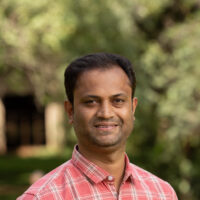
    IDH, The Sustainable Trade Initiative has been working in India since 2009 to promote sustainable value chains across sectors including cotton, tea, spices, grapes, palm and apparel, by bringing together government, companies and CSOs in action-driven coalitions to jointly set ambitious targets and formulate co-investment plans that unlock scaling of sustainable production & trade to deliver large scale impact on the Sustainable Development Goals.

  • Ms. Marianne Walpart Simusolar, Tanzania - Adaptation to climate change 

    Solar Irrigation Systems . Simusolar makes irrigation simple and effective with customized systems that require no fuel, with payment plans for affordability. We have been providing the services and equipment farmers need to be more productive and to be independent of rain patterns and rising fuel prices, since 2016.


  • Ms. Nandi Mkwanazi Nanloy organic farm South Africa - Transitioning to sustainable agriculture: Opportunities and challenges

    Nanloy organic farm is an Agri-start up that aims to combine innovation and indigenous African knowledge to produce high value organic fresh produce. By using regenerative farming techniques, Nanloy organic farm is creating social impact through sustainable food security solutions for our customers and clients.


Agriculture plays a pivotal role in the East African Community (EAC), providing livelihoods to millions and serving as a key contributor to the regional economy. The East African Business Council is pleased to invite companies and agri-value chain players to register and profile their products and services on the online Business-to-Business directory of the East Africa Agro Investment Profiles & Directory enabling access to agro market & investment opportunities in East Africa. Visit: https://agro.smesoko.com/

The East Africa Agro Investment Profiles & Directory is developed by EABC in partnership with the Agency for Business and Economic Development (AWE), funded by the German Federal Ministry for Economic Cooperation and Development (BMZ), in a bid to strengthen trade and investment ties in agricultural value chains and bolster food security in the East African Community (EAC) Region.

Register and profile your company, business, organization, products, and services in the B2B directory.

Once registered you can hold B2B chat with other agri-value chain players registered in the B2B Directory. Registration is free of any charge.

Related:

  • Jan 29, 2024 Time 3pm WAT - West Africa Building Sustainable Agribusiness Models: Balancing Profitability and Environmental Impact.  
  • Jan 30, 2024 Time 5pm EAT - East Africa Building and Scaling Successful and Sustainable Agribusiness in East Africa. 
  • Jan 31, 2024 Time 4pm SAST - Southern Africa The Future of Food in Southern Africa: Unlocking Opportunities for Global Impact  
  • Feb 1, 2024 Time 4pm CAT - Central Africa Market Trends and Agri-Food Opportunities: Identifying Profitable Pathways for Growth. 
  • Feb 2, 2024 Time 4pm CAT - North Africa Driving Green Growth, Innovation and Sustainability in the North African Agribusiness Landscape. 

Related:


Tuesday, December 12, 2023

Building a Resilient Agricultural Sector for a Food-Secure EAC Region


Agriculture plays a pivotal role in the East African Community (EAC), providing livelihoods to millions and serving as a key contributor to the regional economy. However, the sector faces numerous challenges, including the impact of global crises on food security. 

To address these challenges and chart a path toward a food-secure EAC region, the East African Business Council (EABC) in partnership with GIZ -Sequa gGmbH under the Business Scouts Fund is organizing a High-Level e-Conference on Building a Resilient Agricultural Sector for a Food-Secure EAC Region.
  • Mr. Stephen Muchiri, Chief Executive Officer (CEO), Eastern Africa Farmers Federation & e-Granary initiative
  • Hon. Francoise Uwumukiza, East African Legislative Assembly (EALA)
  • Nega Wubeneh, Head of Inclusive Markets and Trade, Alliance for a Green Revolution in Africa (AGRA)
  • Robin Walter, Manager German Agribusiness Alliance
  • Mr. Joe Mzinga, Regional Coordinator, Eastern and Southern Africa Small Scale Farmers’ Forum (ESAFF)
  • Priya Chana, General Manager - Group Strategy, Equity Bank

Monday, November 20, 2023

Assessment of the 20 top food and beverage companies in India


22 November 2023.
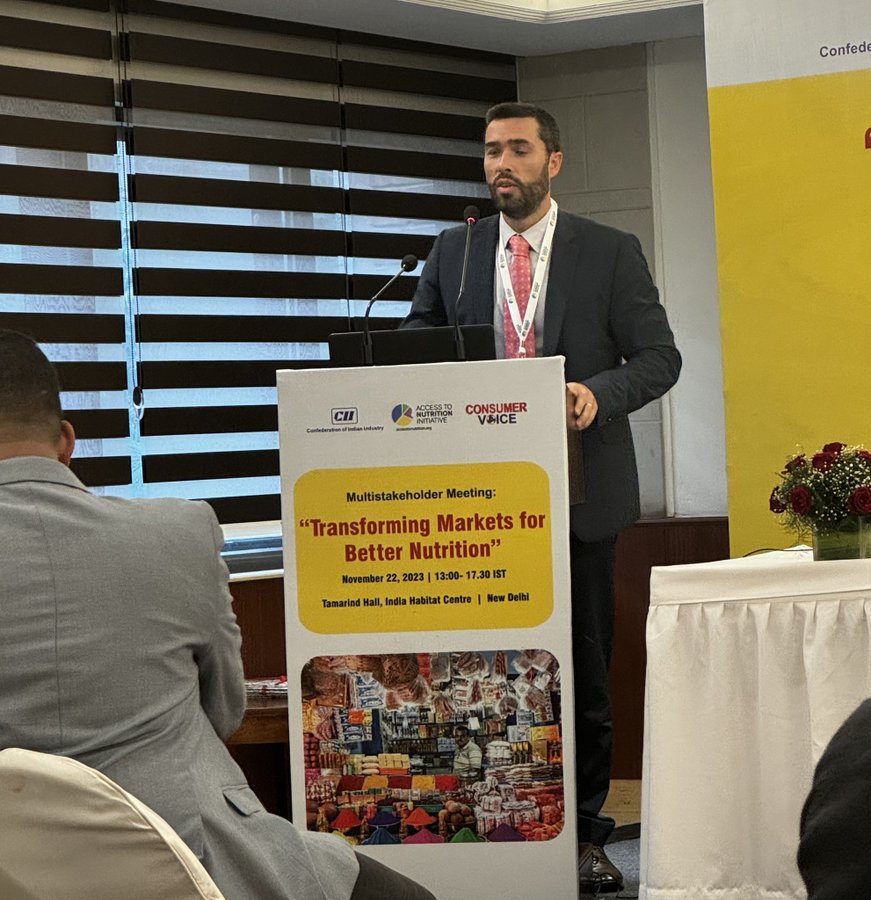
 10:00 am CET. 14:30- 17:00 IST/New Delhi.  Multistakeholder meeting on "Transforming Markets for Better Nutrition". 


Organised by the Access to Nutrition Initiative (ATNI) and co-convened with support from Eat Right India- FSSAI, NIN, Consumer Voice and CII (TBC). 
During the event, ATNI launched its 2023 India Index, assessing the 20 top food and beverage companies in India on their performance to increase the accessibility of healthy foods in the Indian market.
  • The 2023 iteration, with a renewed methodology, creates higher impact through not only aiming to change company behavior directly, but also through wider levers for market transformation. 
  • This includes more active engagement with a wider range of stakeholders such as relevant policy makers, such as the Food Safety and Standards Association of India (FSSAI) and potentially also, for the first time, institutional investors in India.
  • The India Index 2023 has the highest level (70%) of active company engagement in ATNI’s history of developing India Indexes.
  • It describes industry best practices and highlights food fortification as well as innovations in the healthy food sphere.
  • Leading up to the completion of the India Index, ATNI developed policy briefs to guide relevant policymakers in making informed decisions.
  • After the online launch (22/11), ATNI will hold individual consultations with the 20 companies on the findings and recommendations.
Speakers:
  • Opening remarks and setting up the context Mr. Greg Garrett Executive Director ATNI

    He referred among others to the Nature study (20/11: Powerful study. Life expectancy can increase by up to 10 years following sustained shifts towards healthier diets: The largest gains are obtained from consuming more whole grains, nuts and fruits and less sugar-sweetened beverages and processed meats. Understanding the contribution of sustained dietary changes to life expectancy can provide guidance for the development of health policies.

  • Keynote address: Shri. G Kamala Vardhana Rao (see picture) - CEO FSSAI Processed food: Regulatory interventions to improve healthiness of products
  • Guest speech – Mr. Dhruv Sharma Principal Investment Specialist. Invest India - Recent ESG mandate in India and Nutrition in ESG reporting
  • Guest Speech – Dr. Hemalatha, Director National Institute of Nutrition (NIN) Healthiness of products available in Indian Market.
  • Mark Wijne, ATNI Research Director - Presenting of India Index 2023 results
Panel discussion on how to improve the business case for better nutrition
  • Mr. Gaurav CHAUDHRY Founder & CEO  Earshot

    "Decentralisation of processing food may be an approach to be closer to the consumers' concerns" "Greater attention should be given to start-ups which are innovating"

    [note: see Millet: How to Create a Business Around Neglected and Underutilized Species?]

  • Dr. Arlappa N. Scientist National Institute of Nutrition
  • Ms. Bhuvaneshwari Balasubramanian – Country Director GAIN 
  • Mr. Ashim Sanyal CEO Consumer Voice
  • Ms. Jane Karkada Executive Director Confederation of Indian Industry CII
  • Mr. Anand Prasad Invest India
  • Closing by ATNI board member Dr. Rajan Sankar
During the debate Mr. Greg Garrett  referred to  Nutritious Foods Financing (N3F)
To reach the nutrition targets of SDG 2 on 'Zero Hunger' and ensure that all people can afford a healthy diverse diet, innovative methods of resource mobilisation that focus on nutrition and SMEs are needed. The Nutritious Foods Financing Facility – N3F – aims to address these problems through a blended finance approach that focuses on improving nutrition by supporting SMEs in Sub-Saharan Africa to scale up the production and sale of locally produced nutritious, safe foods destined for domestic markets.

Impact

Regarding the impact of this report: ATNI had an investor launch 21/11. The investor group (ATNI’s Investors in Nutrition and Health - AINH) has USD 20 trillion in assets under management (AUM). Additionally a group of these investors are going to be using their role as shareholders in the companies and conducting collaborative investor engagement with the companies, including both global and local institutional investors.

Report

ATNI (2023) India Index 2023. Full report. November 2023. #115 p. 

The findings of the 2023 India Index show that the influence of the F&B industry is growing. It has both the responsibility and the opportunity to further embed nutrition into its core business improving product offerings for consumers. Actioning the Index recommendations is critical in the current context and will facilitate F&B manufacturers to play a more vital part in addressing pressing nutrition-related concerns and ensuring that a healthy, affordable diet is available to all.

Extracts:
Between 2018 and 2022, revenue for the Indian online food delivery market has increased five-fold, from $5.01 billion to $25.12 billion (...) The growing role companies play in shaping consumers’ food environments and diets, comes with business opportunities but also responsibilities (page 9)

With increasing interest in utilizing True Cost Accounting for food systems, including as an investment screening tool,39F27 and for assisting policymakers40F28, companies with unhealthy portfolios face growing risks to their business. Companies who are instead proactive in measuring the full externalities of their products, and accordingly shifting towards a healthier portfolio, should see commercial benefits over time. (page 10)

ATNI’s Investor Expectations on Nutrition, Diets and Health is a framework used by 84 institutional investors to integrate nutrition concerns into their responsible investment approaches. (...) For the first time, in 2023 a group of investors in ATNI’s Investors in Nutrition and Health (AINH) representing USD 3.6 trillion in assets under management (AUM) have signed on to actively use the Expectations to drive company progress on nutrition in India through their stewardship practices.  (page 10)

Requiring reporting on workforce nutrition in India would ensure that the private sector invests in safe and healthy food choices at work which, in turn will feeds into higher returns over the long term by reducing the risk of poor nutrition and diet-related diseases and boosting employee productivity in the workplace.  (page 11)

Nutrition information for a total 1,901 packaged foods and beverages products sold by 20 of the largest companies in India were selected to be included in the Product Profile assessment. The sales of these companies combined accounted for an estimated over 36% of all Indian packaged food and beverage sales.  (page 14)

Of all products assessed from all companies in the India Index, 17% met the ‘healthy’ threshold, (having an HSR of 3.5 or more), corresponding to 24% companies’ combined sales in 2021. One company (Heritage) has over 50% of sales from ‘healthy’ products (52% of 44 products total).   (page 17)

Companies are encouraged to publicly disclose on an annual basis the percentage of their product portfolio that meets criteria for healthy products in India, as well as changes over time, using an internationally recognized nutrient profiling model.   (page 25)

To drive more systematic progress on improving the healthiness of their portfolios and addressing micronutrient deficiencies in India, and thereby improving consumers’ diets, companies are strongly encouraged to: (...) Produce more products which are fortified following government standards– or use fortified staple foods as ingredients – to contribute to addressing specific micronutrient deficiencies in India according to government priorities, while ensuring that there are strict internal policies and procedures in place to prevent the fortification or enrichment of less healthy products.  (page 36)

A transparent definition of processed foods, standards for High in Fats, Sugar and Salt (HFSS), and a government-endorsed Nutrient Profiling Model (NPM) would help align the sector. The government, in consultation with other stakeholders, can finalize the establishment of a clear and transparent definition of processed foods (including thresholds for salt, sugar and fat), and an NPM system. (page 47)

It is vital that companies carefully consider all aspects of their commercial business that can have positive or negative impacts for public health, and develop a cohesive strategic plan to improve its operations in relation to nutrition (i.e., a ‘nutrition strategy’). While improving the healthiness of their product portfolios is the obvious starting point, it is crucial that companies consider the sales of these products, for which pricing, marketing, and labelling are important.  (page 50)

Companies are recommended to engage with independent experts and stakeholders, such as independent public health-oriented civil society organizations, academic institutions, and (inter-)national organizations to inform their nutrition strategy. These engagements, including the impact they had on the company’s strategy, should ideally be disclosed on the public domain.  (page 58)

To improve their diet quality, lower-income consumers must therefore have access to nutritious products at affordable prices.  (...) The Indian rural market has been estimated to be worth USD 1.5 trillion,87F75 consisting of 833 million consumers typically served by smaller, traditional ‘kirana’ stores, rather than supermarkets.88F76 Evidence shows that this market is increasingly penetrated by branded products, including foods and beverages.89F77 Companies must therefore adopt innovative approaches to ensure that their healthy products are provided at an appropriate price to lower-income consumers, while also being physically accessible to them. (page 60)

It is important that companies are able to show they use a clear process to ensure that their ‘affordable nutrition’ products are actually affordable, to avoid a situation whereby it is claimed that they are ‘affordable’ without this being so. (page 64)

To ensure that products that are considered by the company to be ‘healthier’ are being priced affordably for lower-income consumers, companies are recommended to:  (...) ensure that such products are defined as ‘healthy’ through the use of a nutrient profiling model (NPM) (ideally one that is closely aligned with an internationally recognized and/or government-endorsed definition), or other clear nutrition criteria, such that less healthy products (HFSS) are specifically excluded. (page 66)

Companies are advised to commission regular third-party audits of compliance to their responsible marketing policies in India.  (page 77)

In order to support the nutrition and health of its employees, (...) develop workforce nutrition programs that include providing access to healthy food at work, nutrition education, nutrition-related health checks, and breastfeeding support, being available to all employees, including those at manufacturing sites. (page 88)

Government could ensure clear and transparent labelling guidelines are in place that incorporate the definition of highly processed foods and criteria for HFSS thresholds.  (page 97)

All companies are also recommended to include clear definitions of how it defines ‘advocacy interactions’ (for example, whether or not this includes participation in policy-related multistakeholder meetings, responding to public consultations, and any other interactions with policymakers). (page 105)

Companies are encouraged to work with their value chain partners to reduce both FLW (food loss and waste) and plastic use. This should go beyond requirements set out in mandatory waste management regulations. (page 112)

Upcoming report 19/12/2023

GAIN, IFPRI, FAO (2023) The State of Food Systems Worldwide: Counting Down to 2030. December 2023.

  1. Kate Schneider & Jessica Fanzo & Lawrence Haddad & Mario Herrero & Jose Rosero Moncayo & Anna Herforth & Roseline Reman & Alejandro Guarin & Danielle Resnick & Namukolo Covic & Christophe B'en'e & And, 2023. "The State of Food Systems Worldwide: Counting Down to 2030," Papers 2303.13669, arXiv.org, revised Mar 2023.

Background


ATNI works on three levels to transform markets and achieve improved access to healthier products and diets: 
  1. tools that assess the private sector on their nutrition commitments and products; 
  2. policy support and alliances including through ATNI’s Investors in Nutrition and Health; 
  3. and action research which underpins market change for nutrition.
A video was created as part of the second edition of the World Bank – FAO Knowledge Session series
on the nexus of food systems, nutrition, and climate change.
  • Marije Boomsma, Director, Strategic Alliances & External Affairs presents how ATNI is accelerating progress to improve the affordability and accessibility of diets in a sustainable way using data-driven tools, such as country-specific indexes that incorporate environmental and nutritional indicators. 
  • Annoek Van den Wijngaart highlights how ATNI’s India Index 2023 provides information on food and beverage companies to improve private sector accountability. She outlines how the Index assesses the nexus through the integration of environmental indicators such as India’s rate of greenhouse gas emissions, efforts to reduce food loss and waste and improvements to packaging.
 
Companies evaluated in the index include:

Adani Wilmar, Agro Tech Foods, Britannia Industries, Coca-Cola India, Dabur India, GCMMF AMUL, Haldiram’s Snacks Private Limited, Hatsun Agro Products, Heritage Foods, Hindustan Unilever, ITC, KMF Nandini, Lactalis India, Marico, Mondelez India Foods, Mother Dairy Fruit & Vegetables, Nestlé India, Parle Products, Patanjali Foods, and PepsiCo India.

Upcoming events

7 December 2023. Nairobi. 8:45AM- 1:30 PM EAT/ 6:45AM- 11:30AM CET. Allocating Impact Investing in Emerging Markets

During the event ATNI will present its business case for investing in nutrition and metrics for impact investors and learn from others in the impact investing space. The event brings together stakeholders with expertise on the topic including donors, development finance institutions, impact investors, Agri-SMEs, NGOs, intergovernmental organizations, health professionals and more. 

  • This summit is the only dedicated summit in India which provides a common platform for the Food & Nutrition industry to come together to discuss the key challenges. learn from the best practices adopted across the country. India Food & Nutrition Summit is India’s the most authoritative congregation of the Food, Dairy, Nutraceuticals, Dietary Supplements and Health Foods Industry in India.

Past events

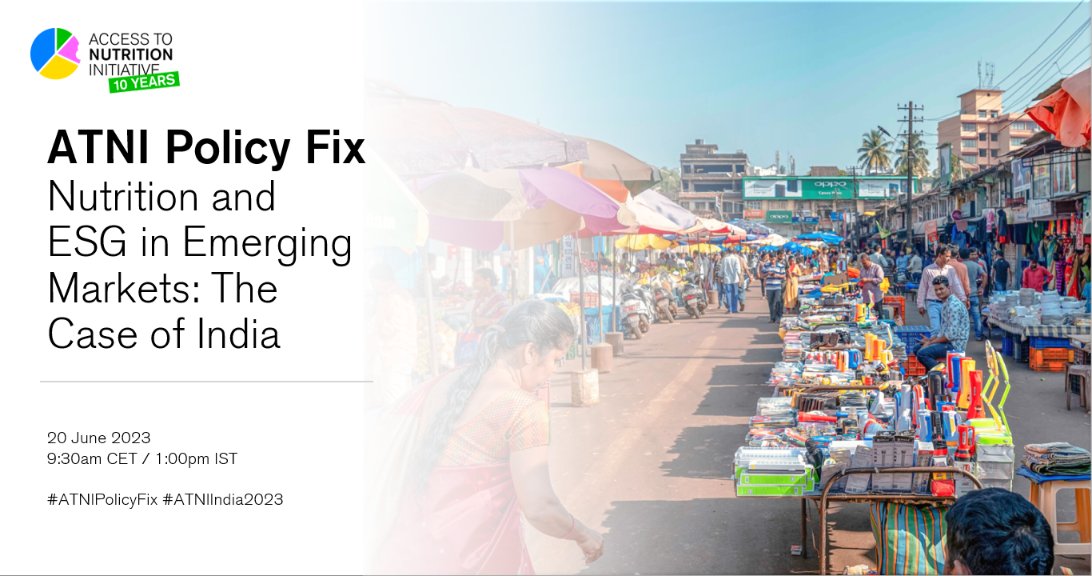
20 June 2023. Environmental, Social, Governance (ESG) is increasingly shaping corporate and investor
activity in markets around the world. However, currently nutrition lacks prominence in these frameworks, even though it is a crucial component of sustainable development and national prosperity. 

In this webinar a panel of experts discussed the opportunities and challenges of embedding nutrition within ESG, with a particular focus on opportunities for India, which is particularly exposed to the impacts of malnutrition, while being well placed to benefit from action in this area.
  • Opening from Greg S. Garrett, Executive Director, ATNI
  • Keynote Speaker - Dhruv Sharma, Principal Investment Specialist at Invest India
  • Introductory Speaker - Joseph Martin Chazhoor Francis, Markets Leader, ESG, at PwC
  • moderator Suneera Tandon, Assistant Editor at the Hindustan Times 
  • Mint Vinita Bali, Chairperson for the CII National Committee on Nutrition
  • Tarun Vij, India Country Director, at GAIN
  • Janendra Kumar, Investment Specialist at Invest India
  • Tejash Shah, Lead Analyst at Avendus Spark


27 September 2023
. 2nd digital conference: Nutrition across the lifespan, for better health and sustainability by Friesland Campina Institute. Presentation Dr Victor Ajieroh (board member ATNI) 


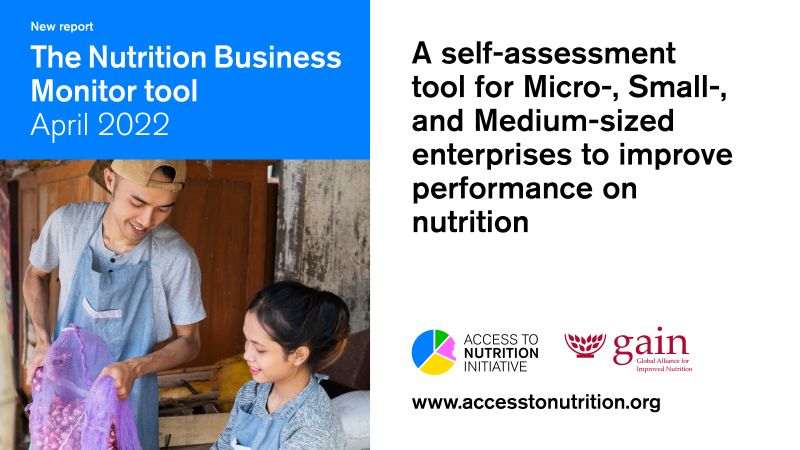
The Nutritious Business Monitoring Tool - A new self assessment tool for SMEs

SMEs are at the frontline when it comes to supplying food to low-income groups and have the capacity to drive change in food consumption patterns at a rapid pace – e.g., SMEs are found to provide 70% of food to low-income populations in Africa.3 They therefore have enormous potential to improve the diets and health of consumers on a global scale through incorporating nutrition into their business models and practices, in turn improving the availability and accessibility of healthy nutritious foods for consumers in their local markets.

The NBM tool consists of 27 scored and unscored indicators, grouped into 5 thematic areas – products
& management, marketing, workforce programs, labeling, and engagement. Depending on the answer option selected, tailored recommendations – including relevant information and resources for follow-up – are generated.

The final report for the NBM project showcases the methodology, aggregate results from the tool’s testing phase, and the output from capacity building workshops. The report delves into lessons learnt and recommendations moving forward.

5th Conference on Land Policy in Africa


21 - 24 November 2023. Addis-Ababa, Ethiopia. The 5th Conference on Land Policy in Africa. 

20/11 There are several pre-events lined up, just before the conference.
  • This is a tripartite consortium consisting of the African Union Commission (AUC), the African Development Bank (AfDB) and United Nations Economic Commission for Africa (ECA)
  • Conference in the context of the ‘Year of AfCFTA: Acceleration of the African Continental Free Trade Area Implementation’, which is the AU Theme of the year.
  • Zoom links are accessible for registered participants

Extracts of the agenda

21/11: Opening Ceremony 

MC: Dr. Janet Edeme, African Union Commission

Speakers

  1. H.E. Josefa Leonel Correia Sacko, AU Commissioner for Agriculture, Rural Development, Blue Economy, and Sustainable Environment 
  2. Ms. Leontine Kanziemo, Lead Advisor, Natural Resources Management, AfDB

  3. H.E Hans Lundquist, Ambassador of Sweden to Ethiopia and Djibouti, and Permanent Representative to AU, IGAD and UNECA.

  4. Hon. Judith Nabakooba, Minister of Lands, Housing & Urban Development, Uganda 
  5. Mr. Antonio Pedro, Deputy Executive Secretary, United Nations Economic Commission for Africa (ECA)

21/11: Technical Session 

Location: Nelson Mandela Conference Hall
Zoom Link to Nelson Mandela Conference Hall
Chair: Dr. Elizabeth Mirika Musvoto, University of Cape Town, South Africa; liz.musvoto@uct.ac.za


Assessing transparency, inclusiveness, and sustainability in large-scale land acquisitions in Africa

Marie Gradeler1, Dr. Jeremy Bourgoin1,2, Angela Harding1, Dr. Christoph Kubitza3, Dr. Ward Anseeuw1

1: International Land Coalition, Italy; 2: CIRAD, France; 3: German Institute for Global and Area Studies, Humboldt-Universität zu Berlin, University of Göttingen


Medium Scale Commercial Agriculture and its Role in Structural Transformation, Wealth Creation and Enhanced Livelihoods in an African Context: Evidence from Contemporary Zimbabwe

Dr. Clement Chipenda

University of South Africa, South Africa

The cohort of medium scale farmers created by the fast track land reform programme (FTLRP) has become pivotal in the country’s reconfigured agrarian structure with the State identifying them as key drivers of its agricultural transformation strategy. In an economy that is heavily reliant on the agricultural sector, medium scale commercial farmers are considered as agents of change, bridging the gap left by the predominantly white owned large scale commercial farming sector, decimated by the FTLRP. The predominate black medium scale Zimbabwean farmers are increasingly being considered as critical in spearheading agricultural commercialisation trajectories, facilitating accumulation and as catalytic agents for socio-economic transformation and development. 


Potential Livelihood Benefits of Entitling Customary Rights to Land in Africa: Evidence from Farm Households in Nigeria

Prof. Adebayo Musediku Shittu1, Dr. Mojisola Olanike Kehinde2

1: Federal University of Agriculture, Abeokuta, Nigeria; 2: Landmark University, Omu-Aran, Kwara State, Nigeria


Scaling bottom-up land governance interventions: including local institutions to increase (perceived) tenure security

Dr. Wytske Chamberlain-van der Werf

Utrecht University, The Netherlands, 


23/11: Technical Session 
Location: Nelson Mandela Conference Hall
Zoom Link to Nelson Mandela Conference Hall
Chair: Prof. Uchendu Eugene Chigbu, Namibia University of Science and Technology, Namibia; echigbu@nust.na


Scaling-up Community Participatory Mapping and Land Use Planning to reinforce customary land governance for multi-stakeholder engagement on sustainable investments and trade on land in Southwest Cameroon.

Harrison Nnoko, Dr. Ndjounguep Juscar, Solomon Brown

AJESH (AJEMALEBU SELF HELP), Cameroon


Post independence land policies in southern Africa: Improving agricultural productivity and value chains for export

Dr. Charles Chavunduka, Marcyline Chivenge

University of Zimbabwe, Zimbabwe


A National Land Policy in Crisis: The Case of Ghana

Eunice Naa Odarley Lamptey, Prof. John Tiah Bugri

Department of Land Economy, KNUST, Ghana


A review of the Enabling Environment for Transformative Land Investment in Ethiopia, Ghana and Mozambique

Dr. Ermias Aynekulu Betemariam1, Dr. Endalkachew Wolde-Meskel1, Dr. Emily Jeanne Gallagher1, Dr. Tamiru Amanu3, Dr. Delia Catacutan1, Dr. George Christoffel Schoneveld1, Eunice Matey Offei2, Divine Appiah2, Nana Ama Yirrah2, Dr. Osvaldo Matessane2, Dr. Anne Larson1

1: Center for International Forestry Research and World Agroforestry (CIFOR-ICRAF), Kenya; 2: SNV; 3: Wageningen University Research


24/11: Technical Session

Impacts of Land Registration and Cash Grants on Agricultural Investment and Trade: Evidence from Women Farmers in Uganda

Joao Montalvao, Michael O'Sullivan

World Bank, United States of America

The findings of this study indicate that tenure insecurity and credit constraints are important barriers hindering African women's participation in higher-value, agricultural trading. They also show that it is possible to alleviate these barriers through policy design, and that doing so can have important impacts on women's empowerment.


Related: AFSA PUBLICATIONS


 November 21, 2023 – We are excited to announce the launch of a series of five national land policy study reports on Senegal, Mali, Togo, Ghana, and Cameroon, as part of AFSA’s "Our Land is Our Life" initiative. This landmark release underscores AFSA’s commitment to promoting sustainable land rights and governance in Africa.
 

Key Insights and Objectives of the Reports:

Recommendations for Advocacy Strategy: They offer recommendations to inform advocacy strategies for land rights, identifying key policy spaces, entry points, and actors best placed for advocacy.

Policy Barriers and Advocacy Opportunities: The reports aim to identify barriers to land rights and opportunities for policy advocacy, including strategies for challenging opposing narratives.

Stakeholder Analysis: They provide an analysis of key stakeholders in land policy, identifying allies for protecting small-scale farmers and pastoralists’ rights, and examining the influence and narratives of those who favor privatization and investment in land rights.

Implementation of International Guidelines: The reports assess how international guidelines on land governance, such as those from the UN, AU, and RECs, are being implemented at the national level.

Large-Scale Land Acquisitions: They evaluate the extent and impact of large-scale land acquisitions by both national and international investors on local land users.

I
mpact Assessment on Land Users: The reports assess how current land governance frameworks impact various groups such as family farmers, indigenous peoples, women, and youth. This includes examining human rights, land rights, access to and control of land, protection of customary land rights, and involvement in land policy decisions.

Examine Land Policies and Governance: They seek to understand the national land policies and governance structures, focusing on how these policies affect peasants’ rights, women’s rights, and food sovereignty.

Millet: How to Create a Business Around Neglected and Underutilized Species?

 20 November 2023. Millet: How to Create a Business Around Neglected and Underutilized Species? 

How innovative approaches and creative thinking can reintroduce sustainable, nutrient-dense ingredients like millet and sorghum into children's diets. Discover the potential of neglected and underutilized species and learn how to turn innovative ideas into successful businesses.

Speakers:

  • Ms Shauravi Malik: Co-founder of Slurpp Farm, an Indian startup 
    Slurrp Farm was born from the concern of two mothers who realised that the current food system is broken, and requires innovation and creativity to re-introduce sustainable, nutrient dense and diverse ingredients back into our children’s diet. This we thought is the best way to ensure that kids, farmers and the planet stay happy.

    Shauravi's passion is to get her own children to gobble up all the exciting and healthy food she makes. She loves food, eating it and making it! Shauravi brings over a decade of finance experience. She worked in the Consumer, Healthcare, and Retail Advisory team and the Leveraged Finance team at J.P.Morgan. She was an Investment Manager at Sir Richard Branson's Group Holding entity at the Virgin Group in London. She holds a Master's degree in Economics from Cambridge University and a BA in Economics from St. Stephen's College, Delhi University.

  • Ms Joanna Kane Potaka: Deputy Executive Director for Strategy, Engagement, and Impact at the International Rice Research Institute (IRRI).

Recording


Related:


Recognizing the value of millet and millet-based products in Kenya

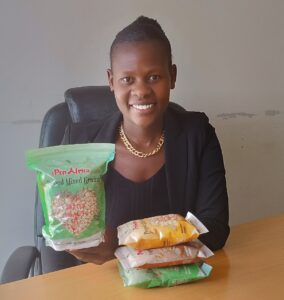
Dorah Momanyi, is the founder of the Nutritious Agriculture Network in Kenya. In her work, she re-establishes the use of indigenous grains, such as sorghum, amaranth and millet, by making plant-based snacks.
Millets are still considered food for people experiencing poverty. Millennials and Generation Z actually cannot even identify the type of millet in Kenya. They shy away and scorn millet as food for our ancestors. In the Kisii and Luo community, millet is a significant crop used in traditional ceremonies that lead up to weddings.
Despite the availability of many cereal options, people still tend to choose alternative cereals. In Kenya, for example, maize is the staple food, and it is challenging to change the consumption patterns of a population.Moreover, millet planting, harvesting, threshing, and storage are all done manually, which makes it a tedious process. Due to the lack of adequate markets and low returns, many large-scale farmers avoid cultivating it. The consumption of common millet-based products, such as porridge and ugali, is low as they are not attractive to eat. Additionally, they are typically only consumed as a main meal and porridge is only eaten occasionally.
Some research institutes, including the Kenya Agricultural and Livestock Research Organization (KALRO), are focusing on traditional indigenous grains and African leafy vegetables. The momentum geared towards funding startups in the indigenous food space is just beginning to take its footing. 
During the International Year of Millet, the Ministry of Agriculture developed and showcased millet-based food products. The National Flour Blending Policy requires millers to add alternative grains to maize flour, increasing the use of millet.

Wednesday, August 23, 2023

XV BRICS Summit & agriculture

22 – 24 August 2023
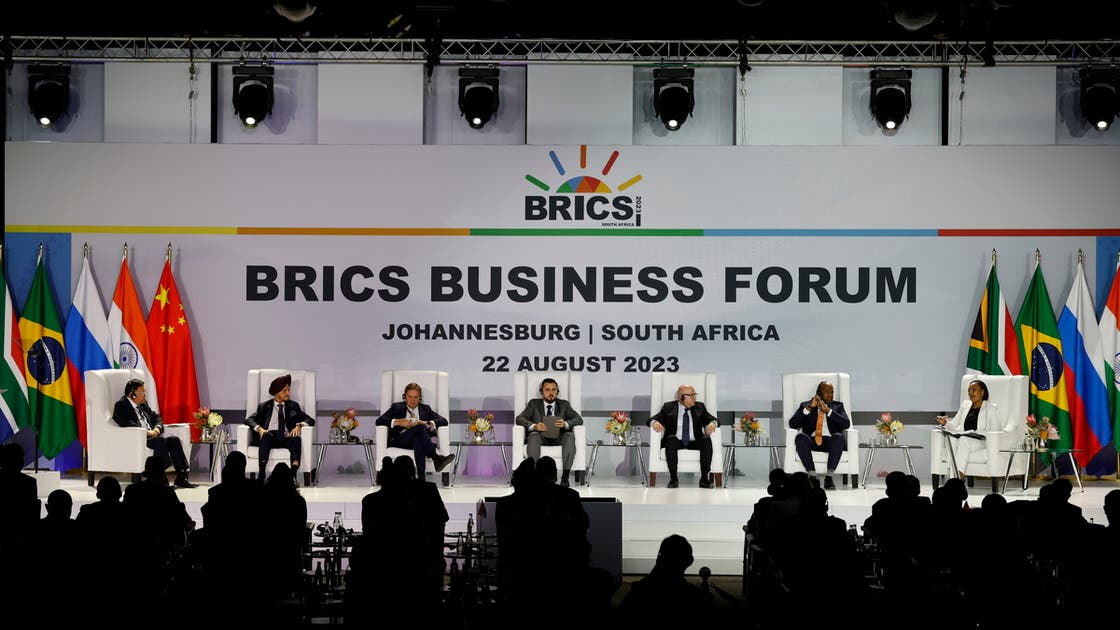
. XV BRICS Summit. Johannesburg, Gauteng. South Africa.  While the BRICS Summit is a meeting of Heads of State and Government and not open to the public, there was an extensive business programme arranged around the Summit culminating in the BRICS Business Forum.

The BRICS summit kicked off with an agenda to tackle agricultural trade and develop SMEs.

22/08 BRICS Business Forum

The business forum saw representatives from Brazil, Russia, India, China and South Africa. They highlight key issues such as enhancing agricultural trade within the bloc along with developing small and medium scale enterprises (SMEs) and economic cooperation. The representatives addressed the disparities among member nations to boost collective agricultural trade and suggested an increase in import-export activity of agricultural goods within the bloc.
“As a group (BRICS), we import just over $300 billion of agricultural products but a lot of this trade happens outside the bloc,”  “India and China import roughly 85 percent of that (value) and we think they can import some of these products from Brazil and South Africa and increase trade within the bloc.” Wandile Sihlobo, Chairperson of the South Africa Agro-business working group.
“Agriculture is the “most important sector” in the BRICS. Countries in the group buy $315 billion of agricultural products and only 20 percent of this trade takes place with BRICS members. There is a huge potential to realize within our allies and interact with other countries in the African continent when it comes to agricultural trade,” Sergey Katyrin, Russia’s representative at the forum. 
“We (BRICS) need to take a more dominant role in addressing agricultural policies. The trade barriers within the bloc are going to hugely impact agricultural productivity and the protectionist attitude among member nations might impact agricultural prosperity.” Jai Shroff, member of India’s BRICS Business Council

The business forum was also attended by the New Development Bank (NDB). This is a multilateral development bank established by Brazil, Russia, India, China & South Africa (BRICS) to finance infrastructure & sustainable development projects. The New Development Bank was formed to support infrastructure and sustainable development efforts in BRICS and other underserved, emerging economies for faster development through innovation and cutting-edge technology. The bank will partner nations through capital and knowledge, achieving development goals with transparency and empathy and creating an equal opportunity for the development of all countries.


XV BRICS Summit Open Plenary Session


Thursday, August 3, 2023

UN Food Systems Summit +2 Stocktaking Moment

24 to 26 July 2023 in Rome. UN Food Systems Summit +2 Stocktaking Moment

The UN Food Systems Summit +2 Stocktaking Moment took place in Rome, Italy from 24 – 26 July 2023, at the premises of the Food and Agriculture Organization of the United Nations (FAO). It was hosted by Italy, in collaboration with the Rome-based UN Agencies (FAO, IFAD, WFP), the UN Food Systems Coordination Hub and the wider UN system.
12 Heads of State, 40 Ministers, and 400 other country delegates as well as 200 representatives of non-state actors gathered in Rome to share their updates in implementing their national food systems transition pathways. The outcomes of the Stocktaking Moment will be taken to the SDG Acceleration Summit in September.


Extracts of the recordings


24/07 High-level Session of the UN Food Systems Summit : Financing food systems transformations


Since the Food Systems Summit in 2021, the global economy has continued to face multiple shocks and uncertainty. Countries are operating under volatile conditions dominated by crises and extreme weather disasters, tight fiscal conditions, increasing interest rates, and gloomy global growth prospects. Countries and the multilateral community are striving to finance emergency responses without losing track of the need for transformative investments into food systems. Low-income countries are the most challenged. Only the joint mobilization of public and private capital supported by innovative financing solutions will deliver high-performing food systems within the sustainable development agenda.

  • Hassan Sheikh Mohamud President of Somalia 
  • Rigathi Gachagua Deputy President Kenya 
  • Mutale Nalumango Vice President Zambia President of IFAD
  • Alvaro Lario President of IFAD 
  • Indermit Gill World Bank VP & Chief Economist 
  • Ali Bety Minister 3N, Niger 
  • Anne Tvinnereim Minister of International Development, Norway 
  • Segundo Regulado Vice-minister of Agriculture, Peru 
  • Chrysoula Zacharopoulou Secretary of State, France 
  • Muhammad Sulaiman Al Jasser President, Islamic Development Bank 
  • Hassatou N’Sele Vice President of Finance, AfDB 
  • Reji George Vice President, OLAM 
  • Rodger Voorhies Gates Foundation, Vice President


Agriculture and food systems are increasingly vulnerable and impacted by climate change and its effects, with cascading effects on food security and nutrition, poverty and livelihoods, particularly in Africa and Small Island Development States (SIDS). Food systems represent up to 42% of global emissions, meaning that a sustainable food systems transformation is fundamental to achieve the Paris Agreement and the Sustainable Development Goals. Only 1.7% of the global “climate finance” is targeted to smallholder farmers, reflecting the need to increase the inclusivity of climate finance mechanisms.
  • Kaveh Zahedi Director of the Office of Climate Change, Biodiversity and Environment, FAO 
  • Antonio Tajani Deputy Prime Minister and Minister of Foreign Affairs and Development Cooperation, Italy (Co-Chair) 
  • Mariam Almheiri Minister of Climate Change and Environment (Co-Chair), United Arab Emirates 
  • Qu Dongyu Director-General FAO 
  • Ibrahim Assane Mayaki African Union Special Envoy for Food Systems 
  • Cary Fowler US Special Envoy for Global Food Security 
  • Simon Stiell Executive Secretary of the United Nations Climate Change Secretariat 
  • Louise Mabulo Founder, The Cacao Project 
  • David Laborde Director of Agri Food Economics Division, FAO 
  • Mohamed Ould Cheikh El Ghazouani President of Mauritania 
  • Kaies Saied President of Tunisia 
  • Sheikh Hasina Prime Minister of Bangladesh 
  • Abiy Ahmed Prime Minister of Ethiopia 
  • Fiame Naomi Mataafa Prime Minister and Minister for Foreign Affairs of Samoa 
  • Mostafa Kamal Madbouly Prime Minister of Egypt 
  • Abdoulkader Kamil Mohamed Prime Minister of Djibouti


24/07 Side Event: Towards healthy and sustainable food systems 


With over 1/3 of the Earth’s surface being degraded, the ecosystems’ ability to produce healthy and nutritious food is limited. A powerful lever, agroecology provides sustainable solutions to issues of soil degradation, climate, biodiversity, food security and nutrition, including precarious livelihoods and social inequalities, faced by farmers and food system workers. 

 Featuring country experiences and approaches, this Side Event aimed to better understand linkages between healthy soil and healthy food and the role of agroecology and bio-circular economy in producing food that is healthy for people and the planet. It hopes to inspire actors to take aligned actions, strategies and policies that embrace integrated approaches and leverage synergies.
  • Moderator Oliver Oliveros, Agroecology Coalition 
  • Moderator Nancy Aburto, Deputy Director FAO
  • Phrang Roy Coordinator Indigenous Partnership for Agrobiodiversity and Food Sovereignty 
  • Patrizia Fracassi Senior Nutrition and Food Systems Officer FAO
  • Leigh Ann Winowiecki Soil and Land Health Research Lead at CIFOR-ICRAF Coalition of Action 4 Soil Health, CA4SH 
  • Berry Martin Food is Never Waste Coalition Member of the Managing Board Rabobank Group 
  • Fernanda Machiaveli Min. of Agrarian Development and Family Agriculture (Brazil) 
  • Ms. Irish Baguilat Coordinator for UN Decade of Family Farming and Women Farmers’ Agenda at the Asian Farmers' Association
  • Amadou Oury Diallo Technical Advisor at the Ministry of Higher Education, Research and Innovation (Senegal) 
  • Madeleine Kaufmann Senior Policy Advisor at the Swiss Federal Office for Agriculture (Switzerland) 
  • Cem Özdemir Federal Minister for food and Agriculture (Germany) 
  • Mariam Bint Mohammed Saeed Hareb Almheiri Minister of Climate Change and Environment, (United Arab Emirates) 


25/07 Building Africa's Food Sovereignty and Resilience through Sustainable Investments 


The Inter Departmental Task Force on African Affairs meeting's objective was guided by Africa's quest to identify pathways and key drivers that enable sustainable and quality investments to build efficient agri-food systems to shape Africa's food sovereignty and resilience that hinges on the African Common Position on Food Systems as desired by the Malabo Declaration.
  • H.E. Ms. Amina J. Mohammed UN Deputy Secretary-General 
  • H. E. Dr. Hassan Sheikh Mohamoud President of the Federal Republic of Somalia 
  • H.E. Dr. Bernard Goumou Prime Minister of the Republic of Guinea 
  • H.E. Dr. Fitsum Assefa Minister of Planning and Development of the Federal Democratic Republic of Ethiopia 
  • Hon. Ildephonse Musafiri Minister of Agriculture and Animal Resources of the Republic of Rwanda 
  • H.E. Ambassador Josefa Leonel Correia SACKO Commissioner for Agriculture, Rural Development, Blue Economy, and Sustainable Environment, AUC
  • Dr. Qu Dongyu FAO Director-General 
  • Mr. Alvaro Lario President of IFAD
  • Ms Cindy McCain Executive Director WFP 
  • H.E. Dr. Ibrahim Assane Mayaki AU Special Envoy on Food Systems 
  • Dr. Agnes Kalibata President of AGRA 
  • Dr. Babafemi Oyewole Chief Executive Officer, PAFO 
  • Ms Ndidi Nwuneli Founder/Executive Chair - African Food Changemakers 
  • Ms. Folly Bah-Thibault Journalist


25/07 Value Chains for Resilient Food Systems 


Food supply chains and the livelihoods of agrifood systems’ actors face increasing disruption from a range of shocks, such as droughts, floods, armed conflict and climate change. These shocks, along with long-term stresses like environmental degradation introduce risks and uncertainty throughout the agrifood systems. Building resilient agrifood systems is now imperative to respond to various shocks and unforeseen crises. 

The session increased the global community's awareness of the importance of prioritizing value chain development approaches as well as recognizing the importance of nutritious, diverse and indigenous crops and the need for adaptation measures to enhance their resilience and protect them from future shock.

  • Mr Máximo Torero Cullen Chief Economist FAO 
  • David Laborde Director of Agrifood Economics Division, FAO 
  • Mohamed Sadiki Minister for Agriculture, Maritime Fisheries, Rural Development and Water and Forests, the Kingdom of Morocco 
  • Bryan Acheampong Minister for Food and Agriculture, The Republic of Ghana 
  • Muhammad Abdur Razzaque Minister for Agriculture, Bangladesh 
  • Fernanda Machiaveli Morão de Oliveira Vice-Minister of Rural Development and Family Farming, the Federative Republic of Brazil 
  • Cary Fowler Special Envoy for Global Food Security, United States of America 
  • Jean Balié Director-General, International Rice Research Institute 
  • Mr. Roy Steiner Senior Vice-President, Rockefeller Foundation - Food initiative Gerrit-
  • Jan van Uffelen Senior Advisor Food Systems and Resilience in Protracted Crisis, Wageningen University, the Netherlands
  • David Kaatrud Director Programme, WFP


25/08 Side event: Achieving sustainable food systems in a time of multiple crises


Bridging humanitarian and system change agendas, this side event recognizes the global food crisis as a major hurdle to SDG2. It serves as a call to action to urgently enhance the resilience of financial, health and environmental systems, and accelerate food systems transformation. At its core is the launch of Hesat2030, a visionary global roadmap dedicated to developing and implementing costed and evidence-based solutions that effectively transform food systems to deliver healthy diets for all in a sustainable way. 

This side event synthesized lessons from the global food crisis, profile pertinent research embedded in country contexts and showcase joint advocacy to break the cycle of crises. At its core was the launch of Hesat2030, a visionary global roadmap dedicated to developing and implementing costed and evidence-based solutions that effectively transform food systems to deliver healthy diets for all in a sustainable way. It will synthesise lessons from the global food crisis, profile pertinent experiences embedded in country contexts and showcase joint advocacy to break the cycle of crises. 

See also Global Donor Platform for Rural Development : The Global Donor Platform for Rural Development (GDPRD) is a key partner of Hesat2030 and will provide guidance and decision-making to the project through the SDG2 Road Map Working Group. Read more about the virtual workshop held by the GDPRD and Ceres2030 in 2022 to shape this next phase of the initiative.
  • Ms. Carin Smaller Shamba Centre for Food and Climate 
  • HE. Harifidy Ramilison Minister of Agriculture & Livestock, Madagascar 
  • Dr. Felix Phiri Dept of Nutrition, HIV and AIDS, Gov of Malawi 
  • Mr. Martin Hoppe Federal Ministry for Economic Cooperation and Development, Germany 
  • Mr. Roger Voorhies Bill & Melinda Gates Foundation 
  • Ms. Asma Lateef SDG2 Advocacy Hub 
  • Mr. Charles Gwegwe World Vision Malawi 
  • Dr. Jaron Porciello University of Notre Dame & Hesat2030 
  • Dr. David Laborde Agrifood Economics Division, FAO 
  • Ms. Francine Picard Mukazi Shamba Centre for Food and Climate & Zero Hunger Coalition


A coherent policy framework, coordinated institutional approach and stakeholder involvement are crucial for the livestock sector to meet rising demand for animal-based food and achieve positive social, economic, and environmental outcomes. The session discussed international consensus on livestock issues and priorities and offer insights into on-the-ground developments. By adopting a food system lens and sustainable practices, the sector can drive transformative change towards more productive, equitable and sustainable food systems.

  • Moderator Ms Cynthia Mugo ILRI
  • H.E. Mario Arvelo Steering Committee of the UN Decade of Family Farming 
  • H.E. Carlos Bernado Cherniak FAO Committee on Agriculture Sub Committee on Livestock 
  • Ms Josiane Irakarama WFO Young Farmer & INGABO Syndicate, Rwanda 
  • Mr Bernard Kimoro Ministry of Agriculture & Livestock Development, Government of Kenya 
  • Shri Parshottam Rupala Government of India 
  • Dr Thanawat Tiensin FAO Animal Production and Health Division 
  • Mr Arnold Puech D’Alissac World Farmers’ Organisation WFO 


Sustainable Livestock forum part 2


25/07 Side Event: Scaling up multi-stakeholder investments in the food systems in Nigeria


The Government of Nigeria is committed to the implementation of the food systems transformation pathways focused on collaborative and all-inclusive implementation strategy leveraging strong multi-sectoral and multi-stakeholder consultations through decentralized coordination and reporting across all the six Geo-political Zones including Federal Capital Territory. This is in addition to setting up National Steering Committee involving all the six Geo-political Zones, Multi-stakeholder Technical Working Groups and Implementation Task Team.

This Side Event gave visibility on the on-going efforts, provide learnings opportunities, galvanize technical assistance, mobilize private sector and diaspora support towards implementation of Nigerian food systems transformation pathways.
  • Dr Michael Ojo Global Alliance for Improved Nutrition (GAIN)
  • Dr Sanjo Faniran Federal Ministry of Finance, Budget and National Planning – Nigeria
  • Ms Bernadette Okonkwo President, Nigerian Fish Trawlers Owners Association – Nigeria
  • Mr. Akinyinka David Akintunde AFEX Commodities – Nigeria
  • Mr David Stevenson WFP – Nigeria
  • Ms Nemat Hajeebhoy UNICEF - Nigeria


26/07 Partnerships for food systems convened by the Sahel and West Africa Club 


The high-level leadership dialogue on Partnerships for food systems convened by the Sahel and West Africa Club and the Global Network against Food Crises shared national and regional success stories of how regional partnerships through humanitarian-development-peace nexus (HDP-N) approaches can accelerate the implementation of National Pathways in food crises contexts. In the framework of the Action Track on Resilience and the SDG pillar Partnership, the event renewed high-level political commitment to the HDP-N processes and the National Pathways, elevating regional solutions to global action to sustainably transform our food systems.


26/07 Mobilizing Means Of Implementation for food system transformation 


The United Nations Food Systems Summit identified five means of implementation as key enablers in the acceleration of the transformation: finance, science and innovation, data, trade, and governance. This session looked at the challenges and opportunities for development financing for transformation and how finance and the other means of implementation should align and interact to strengthen transformative actions.


26/07 Private Sector


The private sector plays an essential role in scaling up investment needed to achieve the Sustainable Development Goals (SDGs). Accordingly, the UN Food Systems Summit called for private sector investments, market-based solutions, and innovations to step up financing and shift towards healthier, inclusive, more equitable and sustainable food systems. This session looked at the achievements and challenges to scale up transformative private sector investment in food systems.


26/07 Trade


Trade is an integral part of our agrifood systems. The event's central message was the importance of a comprehensive approach that integrates trade, agriculture, nutrition, and health holistically. The primary goal was to identify priority actions, specifically in relation to the overall connection between agrifood systems and trade, in order to maximize its contributions to food security and nutrition while minimizing its potential negative effects. Additionally, the session emphasized how trade must be a central component of the necessary transformation of agrifood systems and identified the policies, regulations, and investments that must be implemented.


26/07 Side event: Science and innovation for people, planet and nature


This event outlined how international cooperation on priority technology areas identified as part of the Breakthrough Agenda can sustainably increase agricultural productivity and incomes, reduce GHG emissions, safeguard soil, water resources, and natural ecosystems, and build climate resilience. It looked at how the enabling environment–changes in governance, policy and investments—can accelerate the transformative potential of these innovations and the flow of international climate finance to deliver the SDGs and a nature-positive food-secure future.
  • Moderator Mr Marcel van Nijnatten The Kingdom of the Netherlands 
  • Dr Ana Maria Loboguerrero CGIAR 
  • Dr Aditi Mukherji CGIAR 
  • Ms Leanne Zeppenfeldt Clim-Eat 
  • Dr Jyotsna Puri IFAD
  • Dr Rachel Waterhouse Foreign, Commonwealth and Development Office, United Kingdom 
  • Mr Daniel Mailutha Kenya National Farmers' Federation 
  • Dr Rebecca Brooks Climate Champions Team


26/07 Side Event: Multi-stakeholder collaboration for FS transformation. From concepts to action


This side-event shared good practices and country experiences on how to effectively operationalise cross-sectoral and multi-stakeholder collaboration for sustainable food systems transformation. Representatives of selected countries in Africa, Asia and Europe shared their experiences in fostering collaboration between stakeholders in the context of the development, refining and implementation of the national pathways and related policies for sustainable food systems. 

The session provided space for exchange about the practical use of concepts and approaches to facilitate multi-stakeholder collaboration. Panelists brought hands-on experiences in multi-stakeholder initiatives to discuss how national governments and partners can strengthen inclusive governance mechanisms that support sustainable food systems transformation.
  • Session facilitator Mrs. Nicole Metz Netherlands Food Partnership 
  • Dr. Corinna Hawkes Food Systems and Food Safety Division, FAO 
  • Panel moderator Mr. Andrew Bovarnick Food and Agricultural Commodity Systems, UNDP 
  • Mr. Alwin Kopse Federal Office for Agriculture, Switzerland 
  • Dr. Augustino Atillio Ministry of Agriculture and Food Security, South Sudan 
  • Mrs. Joyce Akpata Global Alliance for Improved Nutrition (GAIN), Nigeria 
  • Dr. Truong Tuyet Mai National Institute of Nutrition, Vietnam 
  • Mrs. Wangeci Gitata-Kiriga Foresight 4 Food, Kenya 
  • Mr. James Lomax Ecosystems Division, UNEP


26/07 Side Event: Youth Leading Transformation. Accelerating Inclusive Food Systems with UNFSS 


This event assessed progress made by young people, highlights the Youth Declaration on Food Systems, and explores challenges faced by young people in creating change in food systems transformation. It discussed roadblocks and innovative solutions for sustained youth engagement, aligning with the UNFSS objective of inclusivity. The focus on systemic barriers supports the FSS integrated narrative. The event contributed to national food systems transformation and UNFSS National Pathways. Outcomes included a youth coalition, a roadmap for youth inclusion and enhanced collaboration among youth leaders.
  • Lana Weidgenant Campaigns and Policy Manager, ProVeg International & Youth Vice-Chair from UNFSS 2021 
  • Lina Mahy Technical officer in the Food Systems Unit of Nutrition and Food Safety, WHO
  • Azeez Salawu Youth Representative of the Nigerian Government Delegation 
  • Inaya Ezzeddine Lebanon National Convener, Chair of the Sustainable Development Authority House of Representatives 
  • Glindys Virginia Luciano Network & Strategic Engagement Manager, Young Professionals for Agricultural Development (YPARD)


26/07 Side Event: Agrifood Transformation for the SDGs: Innovations and SMEs as the gamechangers 


The event served as a platform to exchange about scalable instruments between different stakeholders and initiatives in the agrifood system. Together with partners from Governments, international organisations and business partners, the event demonstrated the importance of well-designed collaborations and the necessity to enable and catalyse innovations for an effective food system transformation, while contributing to accelerating SDG implementation in the local context. 

The initiatives proposed by this event will be taken up by the FAO-SEED SDG-Agrifood Accelerator Programme.

  • Arab Hoballah Executive Director,  SEED 
  • Ms. Anne Laure Léger, General Representative Government of Flanders, Belgium 
  • Mr. Ralf van de Beek Ministry of Agriculture, Nature and Food Quality, Netherlands 
  • Mr. James Lomax, Programme Officer UNEP
  • Ms. Hajnalka Petrics, Programme Officer FAO 
  • Mr. Rassarin Chinnachodteeranun, CEO Listen Field, Thailand 
  • Mr. Harry Malichi, CEO, Wuchi Wami, Zambia 
  • Mr Pradeep Punarka Shajan Farmers Fresh Zone