Platform for African – European Partnership in Agricultural Research for Development
Showing posts with label aquaculture. Show all posts

Tuesday, April 21, 2026

Info session RUFORUM Integrated Aqua-Agriculture (IAA) online course

17 April 2026. Info session RUFORUM Integrated Aqua-Agriculture (IAA) online course.

The Agroecology and IAA course was developed by partners of the Potentials of Agroecological Practices in East Africa with a focus on Circular Water-Energy-Nutrient Systems (PRAECTICE) project https://praectice.eu/. The course is hosted at the RUFORUM E-learning platform.

Target public:

  • Aspiring to be or already an entrepreneur investing in agroecology and integrated agriculture-aquaculture?
  • Studying agroecology and integrated agriculture-aquaculture
  • An extension worker
  • An agroecology or aquaculture university/college faculty
  • A smallholder farmer engaged in agroecology and aquaculture?

Objective:

  • Applying agroecological indicator frameworks to guide agroecological practice?
  • Implementing integrated aqua-agriculture (IAA) and agroecological practice and principles in real-world interventions?
  • Training others on how to deploy integrated aqua-agriculture (IAA) and agroecological principles and practices?
  • Networking and building your professional and practice experience in agroecology and IAA?

Course content

Enroll into the course through this link https://elearning.ruforum.org/course/view.php?id=116 

  1. Module 1: Introduction to Agroecology
    • Lessons 1 - 5: Introduction to Agroecology
  2. Module 2: Fundamentals of Integrated Aqua-Agriculture (IAA)
  3. Module 3: Monitoring and Evaluation indicator frameworks in agroecology and IAA systems in East Africa
    • Lessons 1- 8 : Monitoring and Evaluation indicator frameworks in agroecology and IAA systems in East Africa

Thursday, July 17, 2025

E- discussion of Indigenous Plants in Soilless Systems


  • What experiences or examples can you share about growing indigenous African plants in hydroponic or other soilless systems?
  • ​Which “plants” have shown promise in your context?​How have ‘digital tools’ or platforms helped identify, monitor, or optimise their performance?​
  • Are there mobile apps, databases, or knowledge-sharing portals that ‘support decision-making’ for plant selection and care?​
  • What are the ‘current barriers and challenges’ scaling these crops via digital innovation ecosystems?​
AGLOBE Development Center: The African Eggplant leaves, also known as Garden Egg leaves (Efo Igbo) and scientifically referred to as Solanum macrocarpon, have been successfully cultivated using a soilless system (specifically aquaponics) at the ADC Living Lab. The results from this trial have been highly encouraging, demonstrating the crop’s adaptability and promising performance under these innovative growing conditions.

Sylvere MBOUMBA Lecturer: At our Living Lab, we experimented with soilless cultivation of black nightshade (Solanum nigrum). We obtained acceptable results, but we believe these results can be improved. In fact, the cultivation was carried out in a greenhouse with a covered roof in a strict aquaponic system. We plan to experiment with other African plants such as eggplant. We are currently experimenting with amaranth, which seems to be performing well, and in a few days we will evaluate the yields.

Annmarie Bangura: Indigenous African crops - specifically Okra (Abelmoschus esculentus) and Amaranthus tricolor - have been cultivated sustainably in NFT Aquaponic and hydroponic systems at Njala University Living Lab. These crops are not only culturally significant but also highly nutritious and are consumed almost daily in Sierra Leone. Our experience with cultivating these crops in soilless systems has been excellent, indicating high performance and adaptability which demonstrates the potential of these innovative systems in promoting sustainable agriculture in urban and peri-urban settings in Sierra Leone

Rolf Morgenstern: I was wondering, is there any real world experience in growing Moringa in hydroponics? I’m very curious whether that works. Growing Moringa (Moringa oleifera) hydroponically is an area of increasing interest, and while traditional cultivation is primarily soil-based, there are some reports and experiments exploring hydroponic cultivation of Moringa.

Annmarie Bangura: While not yet widespread or extensively documented in scientific literature, growing Moringa hydroponically is feasible and has been successfully demonstrated by some growers. It’s a promising avenue for urban farming and commercial production, especially where soil conditions are unsuitable.

INCiTiS Food Ibadan Living Lab University of Ibadan: At UI LL, we cultured African Eggplant Solanum macrocarpon successfully on the following hydroponics soilless systems; Garrasfas pet, chop and flip. We had high yield in terms of biomass, speed of growth, and palatability of the produce. We are currently testing it on the aquaponics grow beds.

Francois Stepman Advisor GFAiR: K-TOMFonio-Project. Ponic Technologies for Developing Human and Poultry Diets from Fonio Seeds and King Tuber Oyster Mushroom led by Dr I.Charles Okoli (Tropical Animal Health and Production Research Lab. Department of Animal Science and Technology, Federal University of Technology, Owerri (FUTO), Nigeria.

The research project produces innovative ponic technologies for producing human and poultry diets from forgotten crops such as fonio and KOM at urban and peri-urban environments in Nigeria. The technologies are cost-effective and utilize minimal space and time to produce highly nutritious diets in the study environments. The project creates potential income channels for urban and peri-urban farmers, new research skills for the participating researchers and introduce highly nutritious human and poultry diets to end users.

Wednesday, July 16, 2025

PrAEctiCe project & the INCiTiS-FOOD: Living Labs & Aquaponics practices

27 June 2025. 
The PrAEctiCe living lab serves as action-oriented sites in Kenya, Uganda, and Tanzania, carrying out various agroecology activities to optimise water, energy, and nutrient use for sustainable food production.

The project organised its third open day of the living lab at the National Agricultural Research Organisation (NARO) centre in Kajjansi, Uganda.

The living lab in Uganda was established at the research center, featuring food systems that integrate multiple techniques, including deep-water culture (DWC), media bed systems, and nutrient film technique (NFT), to enhance efficiency and sustainability. A low-cost sensor system was implemented to ensure optimal water quality and nutrient balance, thereby supporting data-driven decision-making.

The open day served as an avenue to showcase the lab’s activities and promote conversation on agroecology among stakeholders. With over 150 attendees, the event had participants from colleges, universities, World Aquaculture Safari, food and agriculture organisations, farmers associations, local government representatives, the Fisheries Training Institute, and NGOs.
Through the PrAEctiCe project, we are not only showcasing the technical potential of aquaponics but also demonstrating its economic and social relevance for smallholder farmers. Integrated systems like these represent the future of sustainable and resilient aquaculture inour community, Dr. Cassius Aruho, Program Leader National Agricultural Research Organisation (NARO) centre in Kajjansi, Uganda
The event also included tours around the lab, including the integrated aquaponics site showing the synergy between fish and vegetable production, a showcase of the sensor-based water quality monitoring system in action, and a visit to the nutrient cycling station, demonstrating how fish waste is transformed into plant nutrients.

11 June 2025. PrAEctiCe project co-organised workshop with the INCiTiS-FOOD on research commercialisation

The workshop held in Lagos, Nigeria, had academia in agriculture, economics, farmers, and agrotech startups in attendance, including representatives from the federal Ministry of Agriculture.
Director, Federal Ministry of Agriculture and Food Systems, Mrs Omolara Abimbola Oguntuyi, spoke on behalf of the Honourable Minister of Agriculture, Senator Abubakar Kyari, the Federal Ministry of Agriculture and Rural Development. She highlighted that these projects align closely with the Ministry’s priorities, particularly in promoting sustainable agricultural practices among women farmers in Nigeria, who are mostly into subsistence farming. Therefore, they need support to transition to agroecology practices through affordable, easy-to-implement solutions.
“Since its development, the living lab has been a site for capacity building, research site, and most importantly, where economically viable approaches to food insecurity are developed and tested.” Blessing Sorinola, Communication specialist at Apodissi, the partner in charge of the project’s communication activities
During a presentation on the INCiTiS-FOOD project. A project that promotes best-fit agri-food technologies in Africa, Dr Oyebola Olusegun, a senior lecturer at the Department of Aquaculture & Fisheries Management at the University of Ibadan and a member of the project consortium, highlighted how the project is addressing food security through its living labs in Ibadan by promoting circular Agri-food technologies, cascade funding opportunities, co-creation activities, healthy food production, and fertiliser production.

The project’s commercialised produce includes a simplified, low-energy pump aquaponic set up such as the waste water from fish tanks that is drained to the sump with a low-energy water pump that lifts the waste water to the plants’ grow beds of the aquaponic system, and solid waste, which accumulates Inside the blue digester tank collected as sludge for fertilizer production. Zero-pump manual aquaponic Iteration attached to sawdust-bag yam/tuber crop production unit, and Liquid fish wastewater for uptake by crop farmers from the stagnant Renewal fish production, amongst others.

The PrAEctiCe decision support tool will be developed in the form of three applications and is currently at TRL 7, aiming at TRL 8 by Q1 of 2026.
“The project has installed a monitoring system at all three living labs. These systems will provide real-time data monitoring and analysis of key parameters such as water quality, soil conditions, and crop health, which will serve as the basis for a decision support tool for farmers and their Integrated Aqua-Agriculture farms. Margherita Trestini 
A semi-autonomous photovoltaic (PV) system was implemented to supply power to the entire Living Labs, addressing socio-economic challenges in the East African region, and a membrane bioreactor was installed to monitor critical water and soil parameters, which give real-time monitoring and analysis feeding into the Decision Support Tool (DST) that will be useful for farmers, advisors and data scientists. 

These collaborative efforts between both projects demonstrate the tangible potential of Horizon Europe initiatives in driving Africa’s agricultural transformation and encourage a more sustainable, inclusive, and innovation-driven future for food systems in Africa.

The workshop was concluded with an information sharing session on Horizon Europe Africa III Initiative, specifically for the Call for Proposals under the Food, Bioeconomy, Natural Resources, Agriculture & Environment Cluster, allowing participants to discuss potential collaborations.

Watch below the knowledge exchange organised by prAEctiCe in collaboration with the INCiTiS-FOOD project. You will hear the perspectives of each project partner on the topic titled: "Addressing food and nutrition security: A knowledge Exchange session on Living Labs & Aquaponics practices". The main objective of the session was to:

  • Facilitate experience sharing between PrAEctiCe and INCiTiS-FOOD.
  • Discuss successes, challenges, and lessons learned in implementing living labs and aquaponics practices.
  • Strengthen collaboration and identify future opportunities.

Presenters:

  • Moderator: Sorinola Blessing, PrAEctiCe Communication Specialist APODISSI
  • Daniella Rios PrAEctiCe, Project Manager Steinbeis Europa Zentrum
  • Nasser Kasozi PrAEctiCe, National Agriculture Research Organisation, Uganda
  • Olivera Stojilović Trivunić INCiTiS-FOOD, Head of Ecosystem Development, Foodscale Hub
  • Micheal Reuter INCiTiS-FOOD, Aquaponik manufaktur GmbH
  • Emmanuel Abarike, INCiTiS-FOOD, Department of Aquaponics and Fishery Sciences, University for Development Studies Living Lab, Ghana


Related:

28 May 2025. PrAEctiCe and the CaReForAfrica project signed an agreement to work together in fostering sustainable agriculture.

The collaboration includes the development of training curricula targeting different stakeholders in the agricultural sector. It also includes combining resources to provide integrated training programs for students, farmers, and extension workers on sustainable agroecological practices, climate-smart agricultural practices, and value chain development and community demonstration farms through the PrAEctiCe living labs.

The Capacity Building for Climate-Resilient Food Systems in Africa (CaReFoAfrica) project offers a range of degrees in the field of climate change and agriculture. The project has a consortium of 6 six universities in Maseno University, Makerere University, The University of Free State (UFS), Université Evangelique en Afrique, The University of Eldoret, and Université d’Abomey-Calavi offering scholarship courses, PH.D, and M.Sc. in courses such as sustainable Agriculture, soil science, and agrometeorology. 

This agreement was facilitated by Dr. Erick Ogello, Project Principal Investigator, Maseno University signed on behalf of the PrAEctiCe project, and Dr. Caroline Wambui, CaReFoAfrica Principal Investigator signed on behalf of the project. This partnership will not only strengthen capacity development but also reinforce a shared commitment to sustainable agriculture, climate resilience, and food security for Africa’s future. Additionally, in the coming months, the PrAEctiCe project will host some of CareForAfrica’s research students at the living lab site in Uganda.xxx

Tuesday, June 3, 2025

World Fish Science Fair

3 - 6 June 2025. World Fish Science Fair

The themes of the congress are designed to align with the UN Decade of Ocean Science for Sustainable Development and the overarching goal of aiding decision-making, as well as the global discussions and negotiations scheduled for the following United Nations Conference on the Ocean (UNOC3).

Aligning the themes of the Congress with the Ocean Action Panels of UNOC3 will foster greater coherence between the scientific deliberations at the One Ocean Science Congress and the international and national commitments, initiatives, and discussions that will take place at UNOC3.
  1. Theme 1: Integrating knowledge systems, with a focus on responsibility and respect for the ocean
  2. Theme 2: Effectiveness, equitability and safety of ocean-based approaches to reach the mitigation and adaptation goals of the Paris Climate Agreement
  3. Theme 3: Protection and restoration of marine and coastal ecosystems to ensure sustainable and equitable management
  4. Theme 4: Knowledge of the deep ocean and ways to enable its sustainable use
  5. Theme 5: Marine genetic resources: from discovery to equitable access and sharing of associated benefits
  6. Theme 6: Transparency in the fisheries sector, including illegal, unreported and unregulated fishing
  7. Theme 7: Sustainability, equitability, and safety of ocean-based food systems
  8. Theme 8: Marine plastic pollution
  9. Theme 9: Environmental footprint of maritime transport and decarbonization of shipping
  10. Theme 10: Vibrant science to inform and support ocean action  

Sunday, March 9, 2025

FOOD 2030 and Beyond: Competitive, Sustainable, and Resilient Food System

6 March 2025.  “FOOD 2030 and Beyond: Competitive, Sustainable, and Resilient Food Systems” workshop in Brussels, hosted by the European Commission’s DG Start-ups, Research, & Innovation.

This event gathered key policymakers, researchers, and industry leaders to discuss EU policy priorities, innovation gaps, and the future of sustainable food systems. Engaging plenary panels and breakout sessions explored solutions for strengthening resilience, sustainability, and competitiveness in the sector.

The goal of this event was to lay the groundwork for a new vision for Food2040 and tackle the challenges ahead.

One of the discussion tables, explored key topics: 

  • how to make the sector more competitive and resilient, 
  • how to maximize the impact of research and innovation, 
  • and which areas of innovation to prioritize for the future.

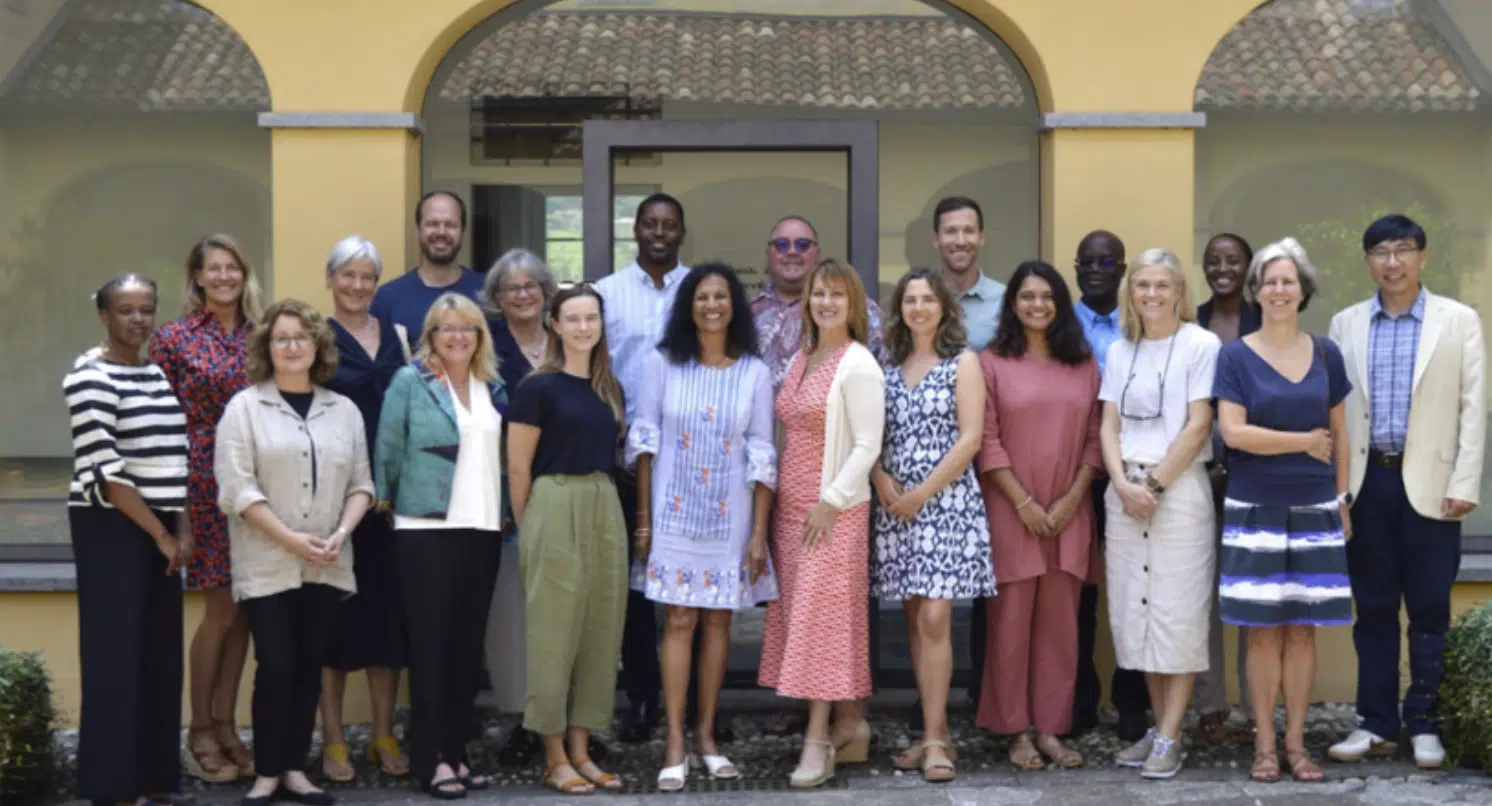
The participants to this workshop included:

The INCiTiS-FOOD project was showcased by  Mladen Radisic (Foodscale Hub) and Gertrud Buchenrieder (Bundeswehr University Munich).

Related: 

5 March 2025. The INCiTiS-FOOD Open Call for Local Innovation Hubs - Webinar for Q&A

  • Dr Emmanuel Olatunbosun Benjamin - Co-coordinator of the INCiTiS-FOOD project and Research Fellow at the University of the Bundeswehr Munich, Germany. He is also the Technical Advisor for Aglobe Development Center, Nigeria. His research focus encompasses agribusinesses financial inclusion, climate change mitigation and adaptation, climate-smart agriculture and aquaculture, energy economics as well as gender analysis. During the webinar, he introduced the INCiTiS-FOOD project and its objectives.
  • Dr Oyebola Oyediran Olusegun - Senior Lecturer at the University of Ibadan, Nigeria, and Co-PI for the INCiTiS-FOOD project. With over a decade of experience in food systems, aquaculture, and fisheries management, he leads the University of Ibadan Living Lab, which has developed food system innovations and held trainings for numerous farmers, and practitioners. In the webinar, he shared insights on the innovative technologies used in the Incitis Living Labs, with a focus on the University of Ibadan Living Lab.
  • Maja Radišić - Head of Operations at Foodscale Hub, with 15+ years of experience in business acceleration and international project management. During her career, she has been involved in numerous large-scale international projects, with a project portfolio of over 100M EUR (involved in project implementation and/or proposal preparation). As the Open Call Manager, she guided participants through the application process and give key details to help them apply successfully.


Related: 

12 March 2025. CLEVERFOOD project organise the first of a training series about the power of mapping the food systems. 
  • Join an interactive one-hour session exploring the power of mapping in food systems. Learn how to identify key stakeholders, assess vulnerabilities, and uncover critical management points that shape the way food flows within a system. 
  •  Using a real-world example from the Amsterdam Metropolitan Area, we’ll demonstrate how mapping can drive transformation—and discuss the barriers that come with it. 
  • You’ll also gain hands-on insights into practical tools for system and stakeholder mapping, helping you navigate the complexities of food systems in your own context. 

Friday, February 2, 2024

Advancing Regenerative Aquatic Foods


1 February 2024
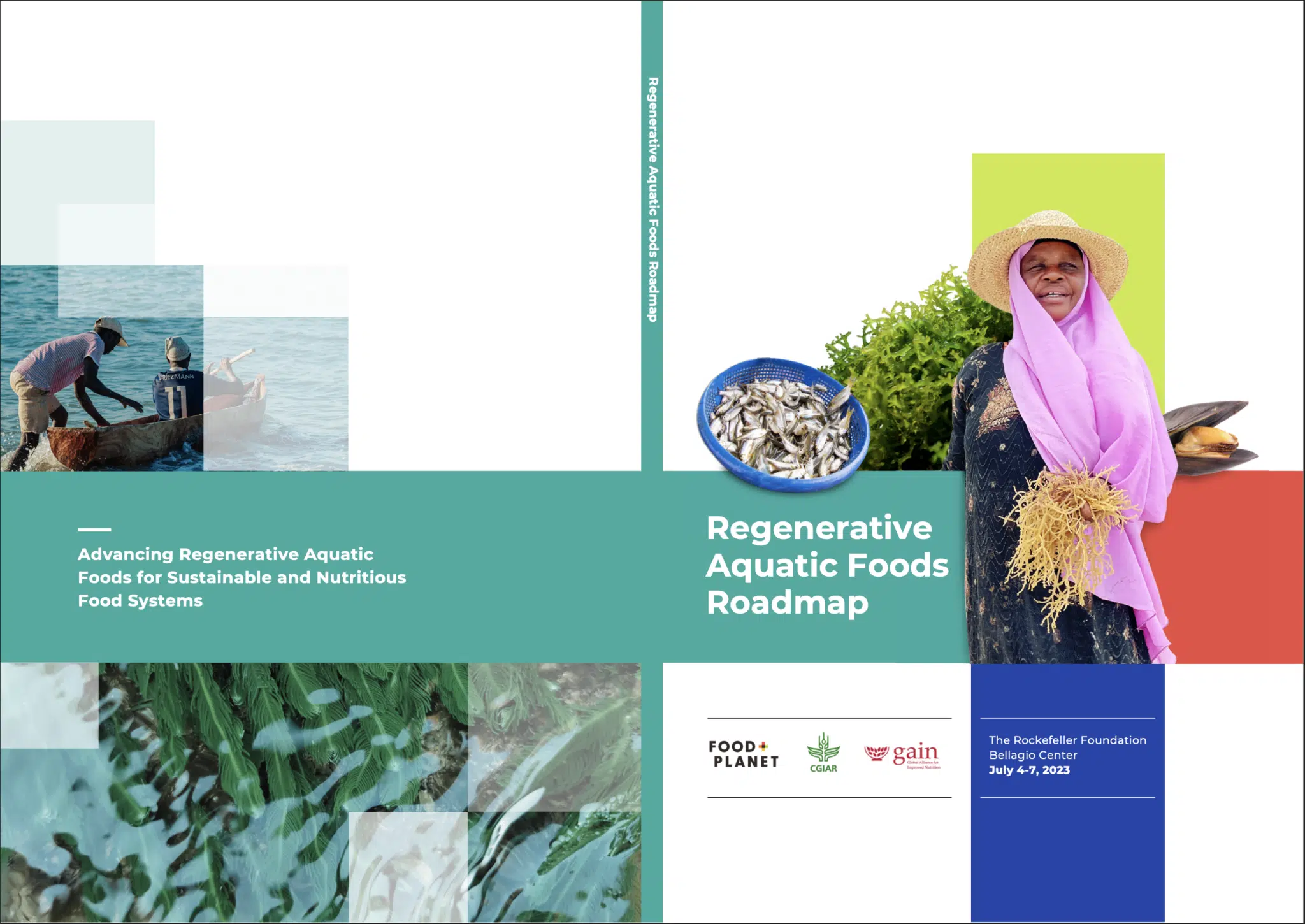
. Global Collaboration Leads the Way for Advancing Regenerative Aquatic Foods

Roadmap Release: 
Food Planet, GAIN (2024) Regenerative Aquatic Foods: A Roadmap to Action # 18 p.

Host Organizations: Food + Planet; GAIN; CGIAR; with convening support from The Rockefeller Foundation's Bellagio Center

Global food security and nutrition trends reveal a mix of progress and setbacks. While agricultural productivity, technology, and policies show improvement, food insecurity, declining diet quality, and reduced diversity currently result in over two billion people experiencing vitamin and mineral deficiencies. In addition, our food system is putting the planet's health in jeopardy, marked by biodiversity loss, degraded soil, poor air and water quality, and extensive greenhouse gas emissions, accelerating climatic changes.

Regenerative aquatic foods such as seaweeds, bivalves (clams, oysters, mussels), and small pelagic fish emerge as a promising solution towards improving nutrition and enhancing aquatic ecosystems.

This Regenerative Aquatic Foods Roadmap goes beyond being a document; it's a call to action. 

By collating top strategies from leading global experts, this roadmap provides a structure for advancing regenerative aquatic foods within sustainable and nutritious food systems across five high-level thematic areas. 

Policymakers, researchers, implementers, and the public are invited to explore and utilize this roadmap. Accelerate the transformation of our aquatic systems to benefit both people and the planet globally, across diverse geographical and contextual settings.

Convening Participant Organizations 

(listed in alphabetical order): African Development Bank; CGIAR; Conservation International Ventures; Environmental Defense Fund; Food + Planet; German Federal Institute for Risk Assessment; Global Alliance for Improved Nutrition (GAIN); Incheon National University; Indigenous Aquaculture Collaborative and Kuaʻāina Ulu ʻAuamo; Rockefeller Foundation; The Good Ocean; The Nature Conservancy; United Nations Food and Agriculture Organization; University of British Columbia

Tuesday, January 30, 2024

Propelling Africa's blue economy forward.

BlueInvest Africa 2024

3 - 4 July 2024. Kenya, Kwale County. BlueInvest Africa 2024
BlueInvest Africa is an important business event, initiated by the European Commission in 2022.
 
The objective of BlueInvest Africa is to facilitate meetings between African entrepreneurs seeking financing and international investors scouting for opportunities, all centred around projects capable of propelling Africa's blue economy forward.

Pitchers' submission deadline extended to 2 February 2024

Related:


30 January 2024. European Parliament. Blue Economy. From Science to Policy and Regulatory solutions


The BlueBio ERA-NET Cofund , gathering 30 partners from 17 European countries, aspires to strengthen Europe’s position in the blue bioeconomy. By funding 49 projects, Bluebio Cofund aims to identify new approaches and improve existing ones for introducing biobased products and services to the market, thereby extracting value from the blue bioeconomy.

Building on the findings of the projects funded by the BlueBio Cofund partnership, this event highlighted the latest developments and potentials in the blue bioeconomy. It offered an opportunity to identify and discuss policy and regulatory solutions essential for fully unlocking the potential of Europe’s blue bioeconomy by making the aquaculture and fisheries value chains more circular.
 
It aimed at providing clear policy and regulatory recommendations on the following issues:
  1. Authorising algae as an ingredient
  2. Valorising aquaculture and fisheries side-streams
Agenda
Policy brief # 5 p.

Short presentations of 3 projects funded by the BlueBio ERA-NET Cofund.

  • BlueBioChain : Microalgae to Assets: Identifying Regulatory and Social Hurdles in Turning Wastewater into Valuable Products, presented by Dr Panagiotis Kougias, Hellenic Agricultural Organization - Demeter Soil and Water Resources Institute, Project Coordinator 
  • Marigreen : Barriers in the valorization of BLUE residues for the production of fertilizers and biostimulants, presented by Dr Oana Cristina Parvulescu, University NUST Politehnica Bucharest, Project Coordinator 
  • AquaHealth: Investigation of bioactive compounds from microalgae microbiomes for sustainable health management in aquaculture, presented by Dr Kerstin Kuchta, Hamburg University of Technology

Related:


Thursday, April 13, 2023

Enhancing Agro-Industry for Productive and Decent Work for Youth and Women In Uganda

EPRC (2023) Enhancing Agro-Industry for Productive and Decent Work for Youth and Women In Uganda: The Case for Fish and Cotton Value Chains # 36 p.

This study uses desk reviews, secondary data, and qualitative (Barazas forums and key informants) approaches to answer questions on the nature of jobs (old and potential), skills and technology requirements and investment opportunities in two critical value chains of fish and cotton. 

In addition, the study explores the extent to which the prevailing environment within each sector is conducive to facilitating the growth of these value chains. Of note is that the fish value chain is heterogeneous depending on the fish variety. In this study, we place emphasis on three lucrative fish varieties, i.e., Silver fish (mukene), Nile Perch (mpuuta) and Tilapia (ngege).

Friday, February 25, 2022

Enhance the viability of small-scale fisheries (SSF) in Asia and Africa.

25 February 2022. 
The Vulnerability to Viability Global Partnership (V2V) is a transdisciplinary global partnership and knowledge network aimed at the co-creation of knowledge and the development of a community-based capacity to reduce vulnerability and enhance the viability of small-scale fisheries (SSF) in Asia and Africa.

In this presentation hosted by V2V and led by WorldFish’s Director of Science and Research, Edward Allison will discuss how current research and policies are sufficiently well developed to support viable pathways to enable small-scale fisheries and fisherfolk to thrive. However, there has been a systematic under-investment in implementing the proposed reforms, which will lead to systemic failings at the research-policy-practice, further exacerbating vulnerability and hindering the path to viability.

Systemic failings at the research-policy-practice
  1. shortcomings in the data and information required by decision-makers and investors, 
  2. lack of effective partnerships with other food-system and ‘blue economy’ actors outside the fisheries sector, 
  3. continuing exclusion of small-scale aquatic food system actors from large-scale water resource and coastal zone management planning, 
  4. failure to recognize common-cause with sustainable aquaculture that complements (rather than displaces) fisheries and; 
  5. exclusion of the aquatic food systems from national systems of innovation in agriculture and food. 
In all these areas, a failure to address social and power differentials within the sector – gender, class, ethnicity and landlessness – exacerbates vulnerability and hinders the path to viability.

This argument is the basis for the CGIAR’s new USD 35 million 3 year- research initiative on ‘Resilient Aquatic Food Systems for Healthy People and Planet’ (RAqFS)– which seeks to galvanize policy action and investment to address key systemic failings identified. During the presentation, Allison will highlight the RAqFS initiative’s proposed program of work and invites collaboration and welcomes participants’ insights and discussion.

Speaker:
Edward H. Allison is an interdisciplinary scholar with over 30 years of academic and policy experience, who works closely with researchers across social and natural sciences and the humanities, as well as a steward of natural resources in communities, civil society organizations, development actors, governments and the private sector. Allison’s influential livelihoods and food systems work spans the globe thanks to his research, teaching, and policy experience in fisheries and aquaculture with links to sustainable development in sub-Saharan Africa, Asia, Oceania, Latin America, North America, and Europe. In 2020, he was listed by Clarivate/Web of Science in the top 0.1 percent most cited of the world's researchers in the cross-disciplinary category.

Click here to watch the event live on the day

Related:
The aquaculture industry has responded to the volatility of fishmeal by substituting soybean meal, but has found that a diet based on plant proteins can lead to gut inflammation, disease, and other adverse side effects in numerous commercially important species. It’s clear the industry needs new sources of dietary proteins like the SCP independent of pelagic fish or terrestrial plants that are better purposed to feeding humans. In addition to reducing pressure on declining wild fish stocks and creating healthier fish, a SCP Meal is sustainable. A 100-acre KBM fermentation facility can produce more high quality protein than a 10,000-acre soy farm, dramatically reducing the environmental impact, eliminating the need for fertilisers and pesticides, and reducing energy use.  
Source: Single cell protein: Promising new protein for fish

Friday, May 14, 2021

VIRTUAL EVENT: New Strategies to Promote Inclusion and Transparency in Aquaculture Management in West Africa

14-16 May 2021
in Ghana.  2021 Aquaculture Conference in West Africa (WASACWAR) hosted by the Chamber of Aquaculture Ghana, with a hybrid event. The conference aims to look for a strategy to improve aquaculture governance for the region.

There is a huge policy gap in aquaculture in West Africa that prevents the sustainable growth of the industry. These gaps are the result of policies and regulations structured to manage farmed species that do not regulate all aspects of the value chain and the opinions of those who know the real problems facing the industry are not reflected in management decisions.

To address these problems, several regional and global organizations, such as the FAO and the UN, recommended inclusive, accountable and transparent governance as a tool in achieving sustainable aquaculture. Member states must all improve on their governance structure by learning from each other and also by implementing global recommendations.

“To enable member states to learn from each other and improve their management structure, we need a platform where stakeholders in the various West African nations can veritably discuss pressing issues and experiences and also, a strategy that will facilitate the implementation of global recommendations in the member countries,” 

The main topic of the conference is New Strategies to Promote Inclusion and Transparency in Aquaculture Management in West Africa. It will serve as a platform where member states can fully understand the real meaning of inclusive governance from recent research and also, how they can tailor global guidelines and recommendations to help them build robust and inclusive institutions in their various countries. The link of each session refers to the recorded video links   

Day 1:

Friday, May 7, 2021

REPORT + WEBINAR: The role of aquatic foods in sustainable healthy diets

7 May 2021
. 2:00pm to 3:30pm CEST. Launch event - The role of aquatic foods in sustainable healthy diets.

The webinar will be recorded and published online on the event page. 

WorldFish, (2021) The role of aquatic foods in sustainable healthy diets  UN Nutrition discussion paper, 64 pp. 

This new UN Nutrition discussion paper aims to build consensus on the role of aquatic foods in sustainable healthy diets, presenting the breadth of evidence available to inform and steer policy, investments and research to make full use of the vast potential of aquatic foods in delivering sustainable healthy diets and meeting the Sustainable Development Goals (SDGs).

Aquatic foods are part of the solution to building resilient food systems and sustainable healthy diets for all, but for this to be fully achieved, they need to be available, accessible, affordable and desired. To this end, the paper presents a number of strategies such as, promoting changes in consumer behavior, ensuring sustainability of productions systems, and improving the governance of aquatic resources for food security and nutrition.

The event featured speakers from several UN Nutrition member agencies as well as WorldFish, the Committee on World Food Security (CFS), the African Union Development Agency (AUDA-NEPAD) and the Global Action Network on Sustainable Food from the Ocean and Inland Waters for Food Security and Nutrition, who reacted to the main findings of the discussion paper and shared insights on the role of aquatic foods in their specific contexts.
  • Moderator Stineke Oenema Coordinator United Nations Standing Committee on Nutrition
  • Introduction - Dr. Naoko Yamamoto, UN Nutrition Chair and Assistant Director General for Universal Health Coverage, WHO
  • Keynote address - Dr. Gareth Johnstone, Director General, WorldFish
  • Dr. Shakuntala Thilsted, Global Lead, Nutrition and Public Health, WorldFish
  • Ms. Molly Ahern, Food Security and Nutrition Specialist, FAO
  • Mr. Thanawat Tiensin, CFS Chair and Permanent Representative of Thailand to the UN Agencies in Rome
  • Ms. Kefilwe Moalosi, Nutrition and Food safety Specialist, AUDA-NEPAD
  • Dr. Fatiha Terki, Country Director, WFP Senegal
  • Mr. Richard Abila, Senior Technical Specialist in Fisheries and Aquaculture, IFAD
  • Ms. Anita Utheim Iversen, Leader of the Global Action Network on Sustainable Food from the Ocean and Inland Waters for Food Security and Nutrition

Friday, April 30, 2021

UNFSS: Transforming food systems with aquatic foods

30 April 2021.Transforming food systems with aquatic foods: Access to sustainable, safe and nutritious food for all
The events, co-hosted by the Norwegian leadership of the Global Action Network and WorldFish, aim to bridge the UN Decade of Action on Nutrition and the Decade of Ocean Science to deliver on the Sustainable Development Goals.

In the lead up to the 2021 UN Food Systems Summit, the Global Action Network, Sustainable Food from the Oceans and Inland Waters for Food Security and Nutrition will hold a series of three Independent Dialogues in an effort to include aquatic foods as key solutions for food and nutrition security. The events, co-hosted by the Norwegian leadership of the Global Action Network and WorldFish, aim to bridge the UN Decade of Action on Nutrition and the Decade of Ocean Science to deliver on the Sustainable Development Goals.

In this first dialogue, experts and high-level representatives from research, policy and development will showcase possible solutions and discuss ways to scale good ideas as part of the summit’s Action Track 1, which aims to ensure access to safe and nutritious food for all. The panelists will take a holistic approach combining knowledge on different aspects of food systems and consider key actions needed for aquatic foods to be a central part of a sustainable food systems transformation.
  • Sir Odd Emil Ingebrigtsen, Minister of Fisheries and Seafood, Norway- Opening remarks 
  • Prof Hettie Schönfeldt, Director, Centre of Excellence for Food Security, University of Pretoria
  • Merete Tandstad, Senior Program Coordinator of the EAF-Nansen Programme, FAO
  • Dr. Arun Padiyar, Project Manager, Sustainable Aquaculture, WorldFish, India
  • Dr António Marques, Project Coordinator, Portuguese Institute for the Sea and Atmosphere
Connecting research and policy: How do we scale up good solutions
  • Prof Sissel Rogne, Managing Director (CEO), The Institute of Marine Research (IMR)
  • Lana Weidgenant, Vice Chair, Action Track 2: Shift to sustainable consumption patterns
  • Dr. Naoko Yamamoto, Assistant Director General for Universal Health Coverage; Chair, UN Nutrition
  • Dr. Manuel Barange, Director, Fisheries and Aquaculture Policy and Resources Division, FAO
  • Closing remarks: Dr. Lawrence Haddad, Chair, Action Track 1: Access to safe and nutritious food for all
  • Moderator: Kristian Teleki, Director, Head of Secretariat, High Level Panel for a Sustainable Ocean Economy
This event will be opened and closed by Head of the Global Action Network Sustainable Food from the Oceans and Inland Waters for Food Security and Nutrition, Senior Adviser at the Norwegian Ministry of Trade, Industry and Fisheries, Anita Utheim Iversen. She leads the Global Action Network’s efforts in facilitating the disseminating knowledge and experiences between Member States on effective policies and actions to ensure sustainable fishery and aquaculture practices.

Follow Global Action Network, WorldFish and the hashtag #aquaticfoods

Friday, May 15, 2020

Zambia's first locally produced multi-crop threshers.

Fabricators build a multi-crop thresher using the skills
and training from the FirstWave-hosted SIL thresher
fabrication workshop. Photo credit: Anson Knausenberger
14 May 2020. The majority of agricultural production in Africa comes from smallholder farmers. Yethave access to a thresher. 
for a crop like soybean, traditional labor and threshing methods end up leading to as much as 10 percent post-harvest loss, as compared to as little as 0.2 percent loss when farmers

In addition, threshing soybean by hand is not just primarily driven by women and children who inhale soy particulate matter, but it can be up to 40 times slower than using a Soybean Innovation Lab (SIL)-designed multi-crop thresher.

Reduced product quality from breakage and contamination introduced during manual threshing further minimizes demand for local supply for farmers already at the mercy of an opaque supply chain, which forces them to take low prices offered by “briefcase buyers”. In the end, farmers are less motivated to grow a crop that should transform household incomes, and more conscientious buyers are forced to pay an unnecessary premium on the product that ends up in the market.

Thresher manufacturing
SIL’s multi-crop thresher is an innovation designed to address the gap between output and labor. With training from the Soybean Innovation Lab (SIL), FirstWave Group (FWC) was able to set up an operation with a local manufacturing partner, Tanelec Zambia, to create dozens of threshers in the coming months.
FirstWave Group hosted a thresher fabrication workshop
in Nodola, Zambia in early March 2020.
Photo credit: Anson Knausenberger

In just 3 weeks, FWC, SIL and Tanelec manufactured 17 multi-crop threshers, which FWC has already begun to field test, modify and deploy to smallholder farmers. The goal is to manufacture and deploy 100 threshers by the end of the 2020 harvest season.

As FirstWave begins to piece together the challenges of scale, to get this product – multi-crop threshers – that they know people need to advance productivity, and make it simple and affordable, they will procure grain and other commodity feed from smallholders to meet the significant demand for soybean that makes up nearly 50 percent of fish feed for Yalelo Zambia. Their target by July 2020 is to source and secure 10,000 tons of soya from over 800 smallholder farmers in concentrated areas through an efficient operation.

This efficiency begins with threshers, continues through to the utilization of the latest technology to aggregate supply, secure farmer payments before and during harvest, and moves towards greater digitization of the agricultural ecosystem so as to provide visibility from both a business planning and risk management perspective.
FirstWave Group.
In 9 years, FirstWave Group has built and operates the largest, most technically advanced, vertically-integrated aquaculture firm in Africa. They have over 1,300 dedicated team-members across Zambia, Uganda, Kenya, South Africa and Europe, and were founded with the distinct purpose to sustainably provide an abundant supply of affordable protein to the growing African markets.

And this mission isn’t just driven by the convenient fact that the feed-to-protein conversion ratio for fish is up to 10 times better than beef, and almost 1.5 times better than chicken.
Their activities are currently comprised of four operational companies. In Zambia, Yalelo fish farm, Aller Aqua aquafeed factory, and FirstWave Commodities (FWC), an aquaculture input company designed to procure grain and other commodity feed primarily from smallholder farmers.

Driving greater efficiencies across this value chain will, from a commercial operations perspective, allow FirstWave to achieve its mission of becoming the lowest cost producer of animal protein globally and the largest producer of animal protein in Africa. Central to achieving that vision is moving far beyond the simplistic notion of corporate social responsibility, and instead developing a sustainable approach to corporate strategy through a lens of achieving total societal impact.


Tuesday, September 25, 2018

PanAfrican Fish and Fisheries Association

24-28 September 2018. Mangochi, Malawi. Sixth International Conference of the PanAfrican Fish and Fisheries Association (paffa). The organisers have received 230 abstracts to be presented by contributors from 37 different countries.

Prof. Kaunda: The meeting provides an ideal platform
for exchange of key fisheries research information
and ideas critical for the growth of fisheries and
aquaculture industries in Malawi
The 2018 PAFFA program was sponsored by the Fisheries Integration of Society and Habitats Project (FISH) which is made possible by USAID and implemented by Pact.

Subthemes
  • Fish systematic, biodiversity research and data management
  • Biology, ecology and behavior 
  • Aquatic conservation and management 
  • Fish and food security in the 21-st century in Africa
Theme: Fish and food security in the 21st century
  • Enhancing the contribution of fisheries to food and nutrition security in Africa - Julia de Bruyn 
  • Consumer Analysis of fresh caged tilapia in Malawi, A case of Lilongwe urban: A discrete choice experiment approach Presenter - Francis Jiva
  • Trade in Africa and its implication to aquatic biosecurity in the Great Lakes Region - John Walakila
  • Advances in capacity building for training and research in health of aquatic resources in East and South African region: A case of Sokoine University of Agriculture, in Morogoro, Tanzania - Robinson Mdegela
  • Towards challenges for sustainable fisheries management and beyond in Burkina Faso, West Africa - Raymond Ouedraogo
  • GIZ Baseline report for Aqua value chain in Malawi - Ladislao Di Dominica /Baird Chilora
  • What Makes farmers try new aquaculture technologies? Predictors of adoption behaviour among smallholder farmers in Kenya, Eastern Africa - Kevin Obiero
  • Sustainable aquaculture as an alternative to overfishing: valorization of local by-products in the diet of Clarias gariepinus - Hamed O. Odountan
  • Constraints and opportunities of artisanal fish farming in rural high and low altitude areas of South Kivu Province (DR Congo). - Justin Akilimali 

Friday, June 29, 2018

Report on the survey among fishers in Benin

30 May 2017. ACED has been awarded a research grant from the Food and Business Applied Research Fund of the Netherlands Organisation for Scientific Research (NWO) to implement this project. A report has been published (68 pages) on the survey among fishers around Lake Nokoué and Porto-Novo Lagoon in Benin

Despite its contribution to the livelihoods of more than 300,000 individuals, to food security and nutrition in Benin, the fishery sector receives less attention from research and policymakers compared to other agricultural sectors. A study conducted among 1,066 inland fishers (including 227 fisherwomen) provided critical information about their activities, vulnerability, resilience and water sharing rules.

The study recommends the development of a well-established platform where fishermen can timely express their needs, are actively involved in formulation of policies and receive regular feedback from the association concerning their proposals.

Furthermore, such a platform should:
  • be representative for the fishers involved;
  • be operational at the level of inland lakes;
  • use technical, material and financial capacities to implement mechanisms for concerted action; and
  • regularly and timely provide feedback to the fisher community.
It is recommended that the government releases resources and facilitates this transdisciplinary process by (re)-establishing such a platform to formalise and facilitate the contact between the fisher association, its members and other stakeholders.

Furthermore, technical and financial support is needed to develop aquaculture activities, finance capacity building initiatives, increase credit access, organise fishers’ associations to cooperatives and facilitate school attendance to fishers’ children.

Tuesday, November 28, 2017

Opportunities and challenges for aquaculture in developing countries

Opportunities and challenges for aquaculture in developing countries
April 2017. 25 pages

The interest in aquaculture projects is growing. Considering the specificities of aquaculture and the potential challenges linked to the development of this sector, the Commission’s Directorate-General for International Cooperation and Development (DEVCO), Agence Française de Développement (AFD) and the German International Development Agency (GIZ) commissioned this common reference document for use by colleagues in European Union Delegations (EUDs) and in GIZ/AFD country offices. 

The purpose of the document is to highlight the opportunities and the challenges of sustainable aquaculture development in developing countries. This reference document should not be considered as a set of guidelines, but rather as a compendium of established concepts and past experiences useful for those interested in developing, funding or managing aquaculture projects. As will become apparent, there are no simple, universal solutions to developing sustainable aquaculture in all its different forms; this document is intended to outline the fundamentals required when considering possible interventions.

A key process in this document’s preparation was a two-day meeting of aquaculture experts in Brussels over 12–13 September 2016, where the concepts in this reference documents were framed and discussed. 

Wednesday, September 27, 2017

Project backs sustainable African aquaculture

20 September 2017. A new initiative that aims to promote inclusive and sustainable aquaculture in Africa as a means to achieve human development, food and nutrition security has been launched this week.

Backed by WorldFish and the CGIAR Research Program on Fish Agri-Food Systems (FISH), the Cape Town Call to Action proposes concrete actions to engender greater collaboration and evidence-based guidance that
takes into account recent innovations with proven pro-poor benefits - especially in terms of nutrition, employment and income generation.

The 3-page document, which is in line with the UN’s Sustainable Development Goals (SDGs), is a result of deliberations that took place at the African Aquaculture Policy day during the World Aquaculture conference on 26–30 June. It includes proposals for regional collaboration on research and development with the establishment of centers of excellence, investments in capacity building and the dissemination of best management practices for profitable, productive, environmentally-sustainable and nutrition sensitive aquaculture.

Organizations currently supporting the Call to Action are: The African Union Inter-African Bureau for Animal Resources (AU-IBAR), the East African Community Lake Victoria Fisheries Organization (EAC-LVFO), the Food and Agriculture Organisation of the United Nations (FAO), the Intergovernmental Authority on Development (IGAD), the New Partnership for Africa's Development (NEPAD), the Southern African Development Community (SADC), the World Aquaculture Society and WorldFish.

Tuesday, July 11, 2017

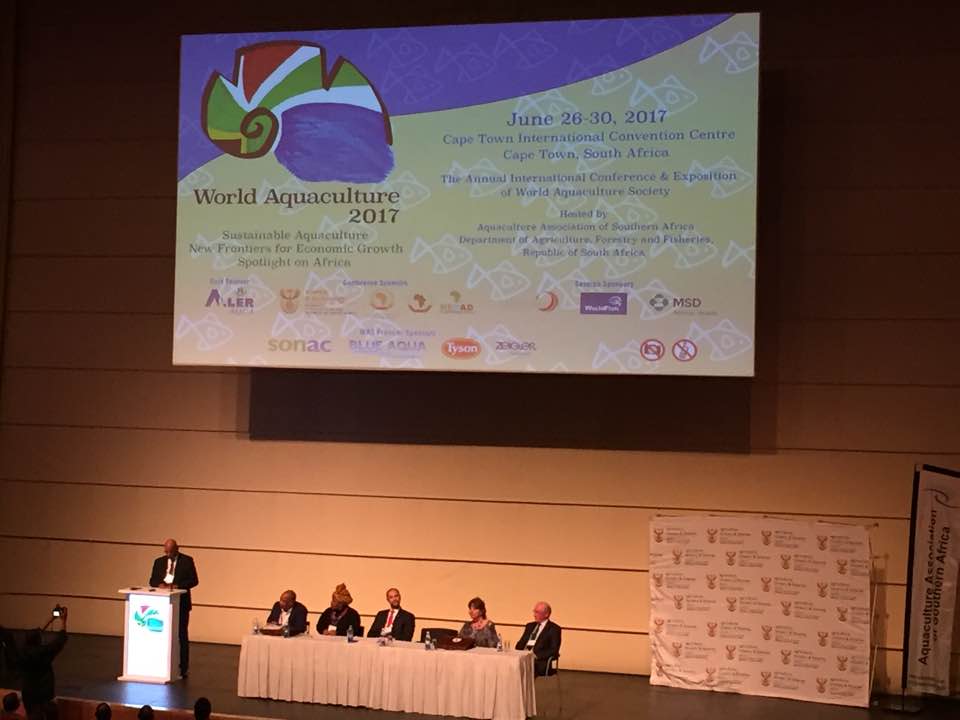
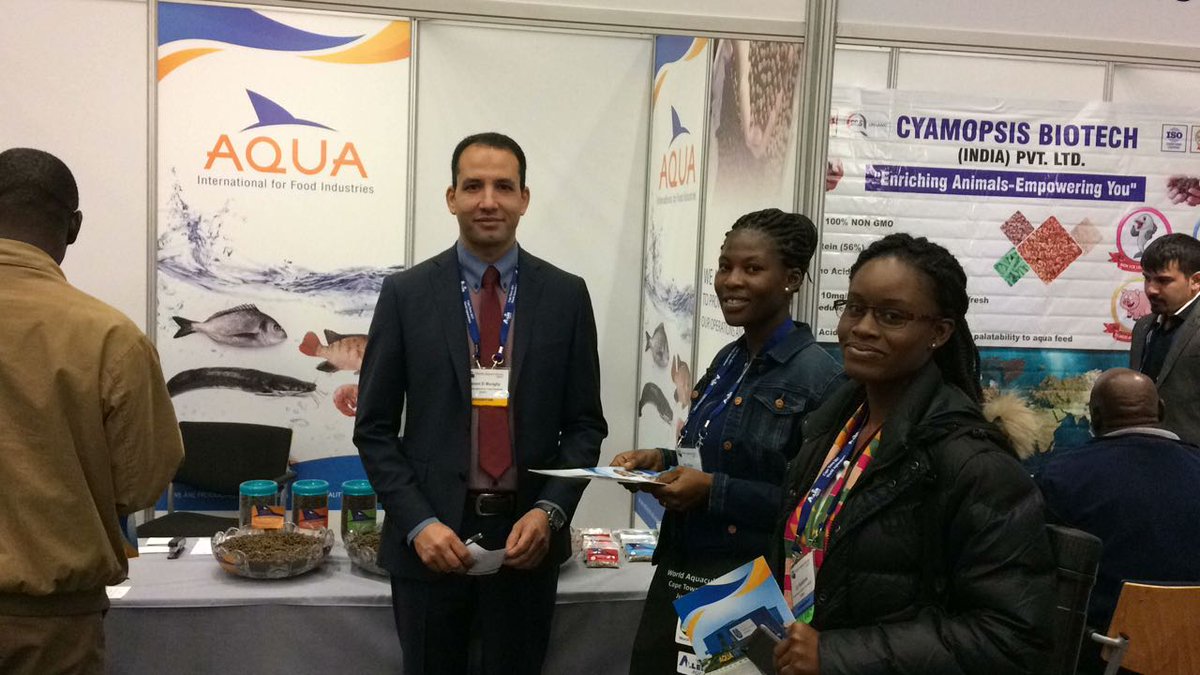
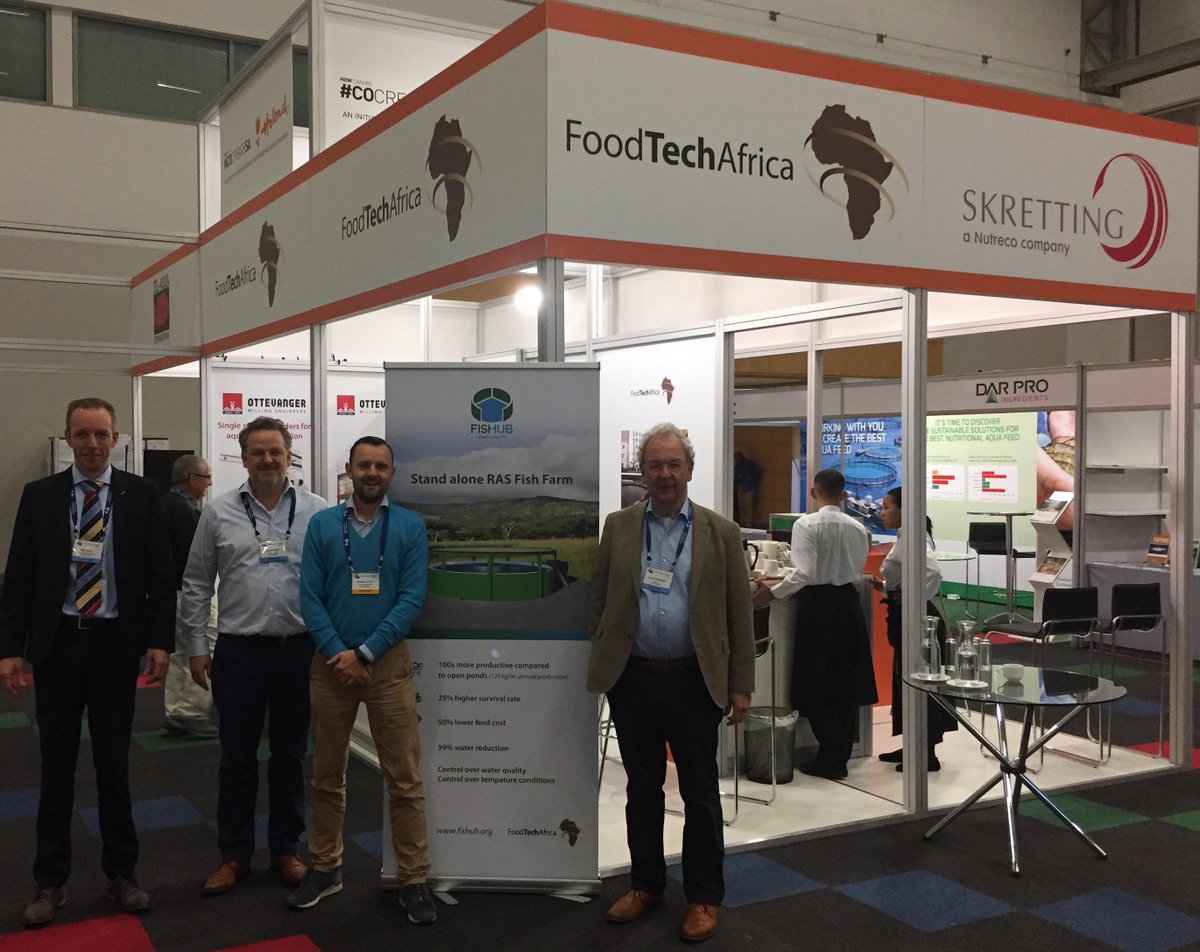
World Aquaculture 2017

26-30 June 2017. Cape Town, South Africa. Themed “Sustainable Aquaculture – New Frontiers for Economic Growth – Spotlight on Africa”, World Aquaculture 2017 brought together some 3,000 industry, academic and government delegates from the 100 member countries of the World Aquaculture Society (WAS).

 The conference was hosted by the Aquaculture Association of Southern Africa and the South African Department of Agriculture, Forestry and Fisheries.

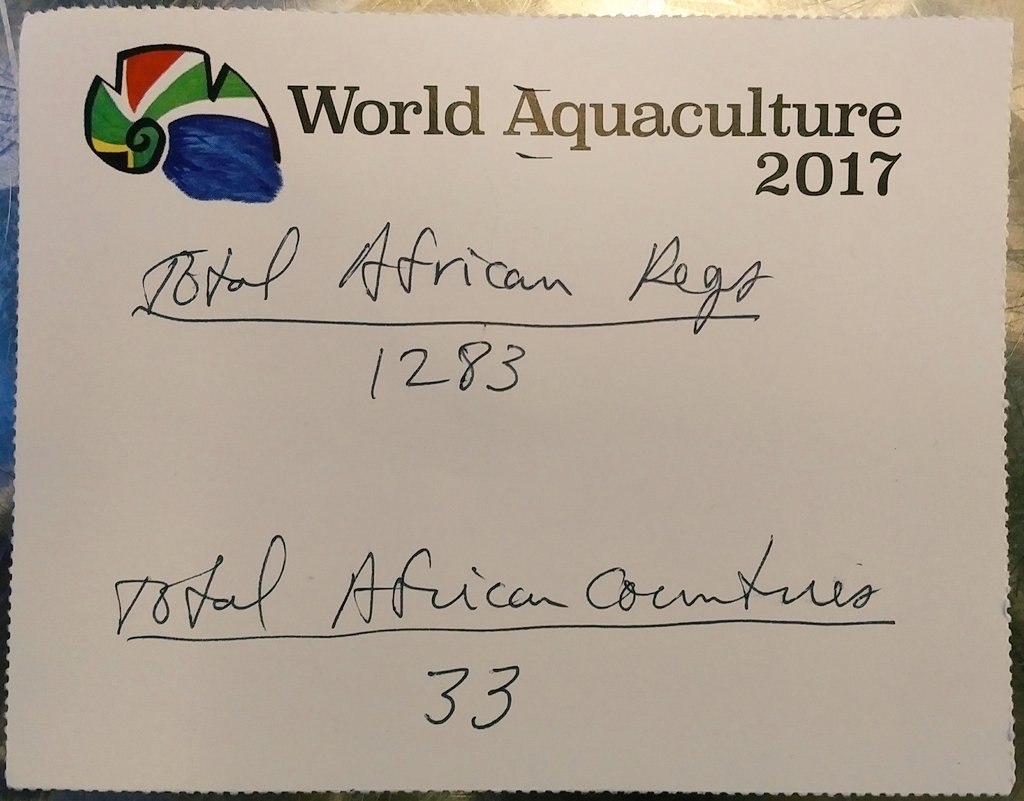
The meeting was attended by 11 SADC Member States, viz. Angola, Botswana, Malawi, Mauritius, Namibia, Seychelles, South Africa, Swaziland, Tanzania, Zambia and Zimbabwe. Other countries which participated in the meeting include Kenya, Nigeria and Uganda. 

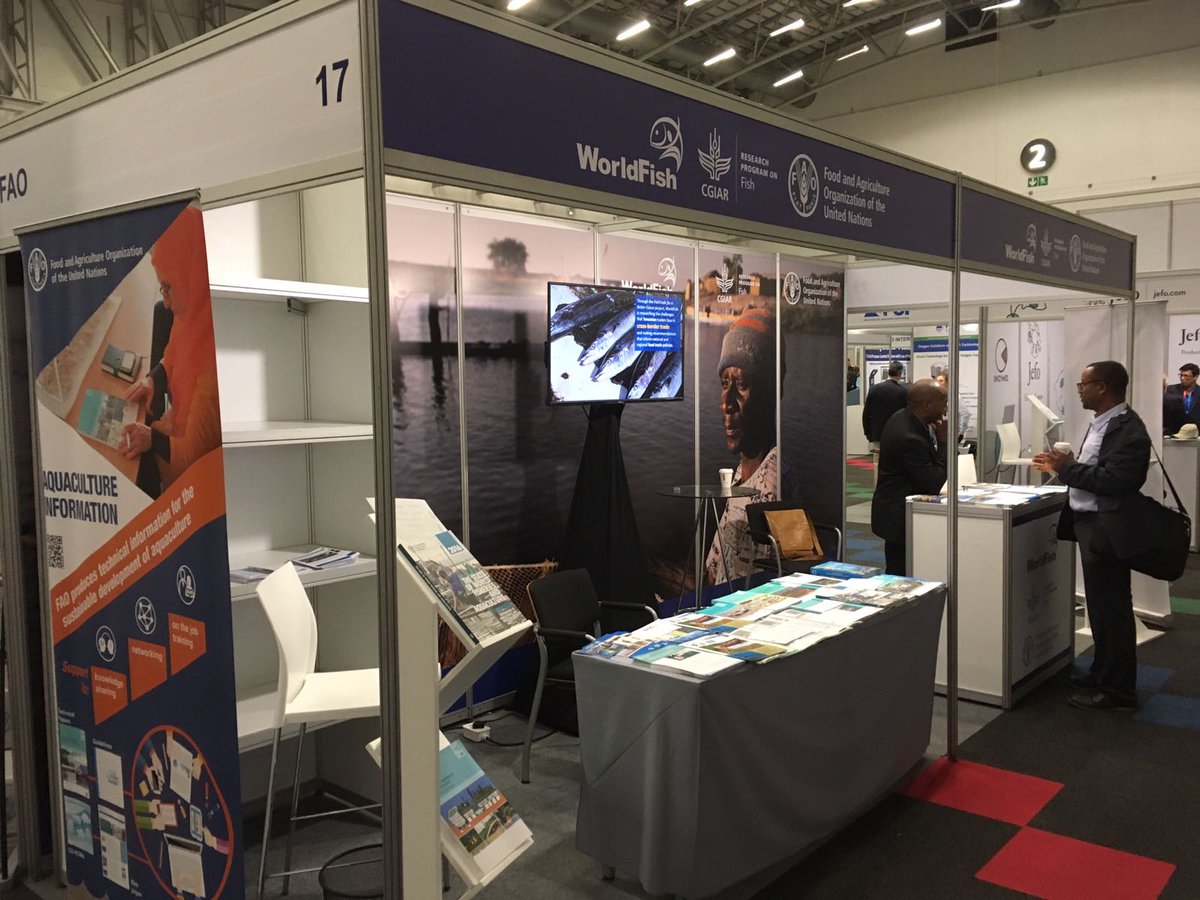
Development partners in attendance included the African Union Inter-African Bureau for Animal Resources (AU-IBAR), Centre for Coordination of Agricultural Research and Development in Southern Africa (CCARDESA), the Food and Agriculture Organization of the United Nations (FAO), Intergovernmental Agency for Development (IGAD), Indian Ocean Commission (IOC) SmartFish Programme, NEPAD Planning and Coordination Agency (NPCA), Bill and Melinda Gates Foundation, and WorldFish.
The World Aquaculture Society took its annual conference to Africa for the first time in 2017 – turning the spotlight on the potential of aquaculture production to support economic development and investment opportunities in the world’s second-fastest growing regional economy. 

Aquaculture is increasingly important as an environmentally sustainable way to meet global demand for fisheries products, while Sub-Saharan Africa’s vast inland waters and coastlines – home to a small but rapidly growing aquaculture sector – present a largely untapped opportunity to contribute to the nutrition and socio-economic development needs of the region. 

Key programmes which were discussed and adopted include:
  • an “Environmental Management Framework for Sustainable Aquaculture Development in Southern Africa” that provides the basis for sectoral policy and management, which is a collaboration with the African Union Inter-African Bureau for Animal Resources (AU-IBAR). The framework will enable Member States to i) apply the principles of ecosystems approach to aquaculture (EAA) at the sectoral level; and ii) identify key components to develop and implement appropriate mechanisms for specific regional and national environmental management of aquatic animal production systems; and
  • Secondly, drawing lessons from key success factors on growth of the aquaculture sector in a number of SADC countries, including Malawi, South Africa, Tanzania, Zambia and Zimbabwe, a “Science-Based Aquaculture Development Model” together with a mechanism for a regional “Aquaculture Scientific Mentorship Scheme” for young scientists were proposed, which will involve collaboration with WorldFish, and also between universities and research institutions, governments, private sector and communities in the region.
Keynote Speaker profiles
African Extrusion Seminar Aquatic Feeds
Discussions on African Aquaculture, Extrusion Cooking, Drying, Coating and related functions for production for all styles of aquatic feeds centered on profitability. Feed ingredient selection, grinding, methods of producing floating, sinking and slow sinking feeds. Related products include pet foods, ingredient creation, breadcrumbs for fish coating before frying giving a full review of extrusion possibilities.
Aquaponics workshop
Biofloc Technology Short Coures
Explore Sideways Catalogue 2017
Biosecurity Sessions Workshop
A special session has been organized for the WAS Annual Meeting in Cape Town, RSA to review the status, growth potential and risk profiles of African aquaculture investments, with a focus on the amounts and types of capital needed to help the sector produce revenues, jobs and fish for a growing continent. The session will feature presentations from aquaculture specialists from a range of financial and development institutions interested in African aquaculture, and plenty of time for questions and discussion with a view to helping farmers better understand the constraints for bankers, and helping bankers understand the opportunities in the aquaculture sector.

Sustainable Aquaculture - New Frontiers for Economic Growth.
The African Union – Interafrican Bureau for Animal Resources (AU-IBAR) chaired this session.,The transformation in the continent’s aquaculture development approach is enshrined in the ‘Policy Framework and Reform Strategy for Fisheries and Aquaculture in Africa’. This strategy that is currently under implementation serves as the continent’s blue print for aquaculture development. The strategic objective for aquaculture under this strategy is to jump-start market-led sustainable aquaculture based upon sound scientific principles and evidence-based strategies and implementation plans.

Related:
AQUA Spark, the Dutch based aquaculture investors, announced a $15 million Africa fund on the first day of the World Aquaculture Society conference in Cape Town. In a partnership with Msingi, an East African economic organisation, the fund will focus on tilapia and catfish producers, and will invest in all farming aspects.

Aqua Spark’s Amy Novogratz, launching the fund during a seminar on financing African aquaculture, said she and her partner Mike Velings were looking for additional investors to come on board.
The aim is to build infrastructure ‘for a thriving sub-Saharan aquaculture sector’, and help provide farmers access to global markets and to Aqua Spark’s portfolio of companies, which includes feed manufacturers. Aqua Spark is the only investment fund in the world dedicated to aquaculture, said Novogratz, and it considers thousands of applications before deciding which companies to support.
It already backs a tilapia farm in Mozambique and has interests in Indonesia and in an Indian Ocean sea cucumber farm, among others.

Highlight:
Impact of Mycotoxins on Aquaculture Fish Species: A Review
As the use of ingredients of plant origin has increased in aquaculture, the potential for mycotoxin poisoning in fish has increased accordingly. Feeding fish with mycotoxin-contaminated feed can lead to a breakdown in health, manifested as tissue damage or through immunosuppression. Both effects can lead to an increase in mortality. To date, however, there have been few reports of mycotoxins in feed at toxic concentrations. The aim of this study was to describe the effects of those toxic mycotoxins most commonly found as contaminants in fish feed. In terms of fish health, the most harmful mycotoxins are aflatoxin B1 and Fusarium mycotoxins. The most sensitive fish species was rainbow trout, Oncorhynchus mykiss. Future research in the field of mycotoxicosis in fish should be focused on the effects of combinations of mycotoxins.

Tuesday, April 25, 2017

The Cultivate Africa’s Future (CultiAF) Expanding Business Opportunities for African Youth in Agricultural Value Chains

Fish processor explaining benefits of CultIAF technologies
12 April 2017.  Ivy Nyambe Inonge, 35, is the treasurer of Mbeta Island Integrated Fish Farm in Senanga district. Her group won the first prize in Zambia under the Cultivate Africa’s Future (CultiAF) Expanding Business Opportunities for African Youth in Agricultural Value Chains in Southern Africa. She is excited at the prospect of what 5,000 dollars can do for her group, and ultimately, the whole community of Mbeta Island.

By research and business grants, Inonge refers to a symbiotic relationship between the CultiAF research project focusing on post-harvest processing of fish to reduce losses and its complimenting agribusiness component seeking to generate and test novel, creative and bold business models in the fish value chain. According to the group’s winning proposal, they want to turn the 60,000 fingering capacity Malengaula lagoon on the island into a fish pond, and integrate it with livestock and vegetable production. The idea is to have an uninterrupted source of income, which is not the case at the moment due to a number of reasons.

The two projects are jointly funded by Canada’s International Development Research Centre (IDRC) and the Australian Centre for International Agriculture Research (ACIAR) and implemented by the Department of Fisheries and the Africa Entrepreneurship Hub (AEH), respectively. 
The CultiAF Expanding Agribusiness value chains in Southern Africa main objective is to increase youth participation in the Agribusiness value chain through creative ideas. The idea is to develop ways that will help youth get attracted into agriculture and stop seeing it as a profession for the retired.”Dr. Jonathan Tambatamba, Coordinator of the project.