14 October 2026 | Webinar organised by the The Society for Underutilized Legumes (SUL).
Dr Juliana Cheboi, Senior Lecturer in the Department of Plant Science and Crop Protection at the University of Nairobi, Kenya, and Vice-Chair of the Kenya Plant Breeders Association (KPBA), was the featured speaker in the session “Bridging the Gap Through Community Engagements and Outreach Services: Underutilized Legumes Researchers on Call.”
The session addressed the important challenge of bridging the gap between agricultural research and farming communities, with particular attention to underutilized legumes. These crops offer considerable potential for improving nutrition, soil fertility, biodiversity and climate resilience, yet often receive insufficient attention from agricultural research, extension services and markets.
Community engagement and researcher-led outreach can help translate scientific knowledge into practical solutions, strengthen farmer–researcher collaboration and support the conservation, cultivation and wider use of these valuable crops.
Related:
14 African partner universities across 9 countries, together with global research and academic partners — including ICRISAT, IFPRI, University of Southampton, Humboldt-Universität zu Berlin and others — have developed a 7 free, open-source course blocks on Neglected and Underutilised Species (NUS), spanning agronomy to nutrition, markets, climate and policy.
The courses are now under pilot from 5 to 31 October 2026 — and you are welcome to take part.
1 October 2026. AgrEcoNUS+ Officially Launched: Scaling Up Neglected and Underutilized Species More than 110 participants from over 14 countries across Africa, Europe, and Asia gathered online to celebrate the international launch of AgrEcoNUS+, a programme that aims at making Neglected and Underutilized Species (NUS), a driver of agroecological transition across Africa.
More than 110 participants from over 14 countries across Africa, Europe, and Asia gathered online to celebrate the international launch of AgrEcoNUS+, a programme that aims at making Neglected and Underutilized Species (NUS), a driver of agroecological transition across Africa.
AgrEcoNUS+, Enhancing value chains and markets of Neglected and Underutilized crop Species to contribute to Agroecological transition in Africa, is a 4-years-programme funded by the European Union and implemented through a consortium led by the Italian Agency for Development Cooperation (AICS), the International Fund for Agricultural Development (IFAD), SWISSAID, and CIHEAM Bari. The programme operates in nine countries: Ghana, Côte d’Ivoire, Burkina Faso, Niger, Guinea, Mauritania, Senegal, Tanzania, and Zimbabwe. It aims at strengthening production, value chains and markets for NUS, supporting farmer-managed seed systems, and promoting agroecological practices to contribute to more resilient, sustainable, and sovereign food systems.
The international launch of the programme brought together key speakers from the European Commission; the Director of AICS; the Director of the Production, Markets and Infrastructure Division from IFAD, from the Swiss Agency for Developpment and Cooperation, as well as from AFSA (the Alliance for Food Sovereignty in Africa) and CORAF (Conseil Ouest et Centre Africain pour la Recherche et le Développement Agricoles), to discuss the growing role of NUS and agroecology in addressing climate change, biodiversity loss, malnutrition, and market shocks. Contributions from speakers highlighted the importance of placing locally adapted crops, farmer knowledge, and inclusive food systems at the centre of Africa’s agricultural transformation.
Related:
Neglected and underutilised species (NUS)—resilient, nutrient-dense, and culturally significant crops—are fast emerging as opportunity crops. They withstand climate shocks, require minimal inputs, enrich local diets, and create viable revenue streams for smallholder farmers, especially women and youth.
To unlock their potential, the European Union and the Italian Agency for Development Cooperation (AICS) have launched a €2.7 million call for proposals under the AgrEcoNUS+/LEAP initiative.
Over 36 months, the selected consortium will drive value chain development by:
Supporting at least 60 cooperatives, producer groups, and small businesses (30+ per country)
Building capacity in business management, technical skills, and entrepreneurship
Providing tailored financial assistance (up to €60,000 per organization)
Expanding market access through 10+ strategic partnerships, awareness campaigns, and regional food fairs
This initiative builds on frameworks like SUSTLIVES, CROPS4HD, and ORPH-CROP, with international actors including CIHEAM Bari, SWISSAID, and the Alliance of Bioversity International & CIAT.
Who Should Apply?
Lead Applicant: NGOs with 7+ years’ experience in agriculture/rural development and proven financial management capacity (~€1M annually)
Consortium Requirements: Must include local co-applicants in both Ghana & Côte d'Ivoire. Cooperatives, farmer organizations, BDS providers, financial institutions, and local NGOs are encouraged to join.
Guidelines & annexes: Enhancing value chains and markets of Neglected and Underutilized crop Species to contribute to Agroecological transition in Africa - AgrEcoNUS+ Guidelines for grant applicants (42 p.)
5–7 October 2026. Eswatini. The African Union Inaugural Africa Seed Summit is taking place under the theme “Resilient Seed Systems for a Food Secure Africa.”
Africa’s research organisations have developed large numbers of improved and locally adapted crop varieties, yet many farmers still struggle to obtain affordable, timely and appropriate quality seed. At the same time, climate change, biodiversity loss and changing food and nutrition needs are increasing interest in a much broader diversity of crops, including indigenous, neglected and underutilised species, alongside Africa’s major staples.
From continental policy to farmers’ fields
A central theme of the Summit is therefore the gap between seed policy, research and delivery. Discussions examine how African Union and regional seed frameworks can translate into functioning national regulatory systems, stronger seed enterprises and better access for farmers.
The programme addresses the implementation of seed policy and regulatory instruments, increased public and private investment, alignment of seed-sector development with the Kampala CAADP agenda, more inclusive seed systems and the role of innovation and technology in accelerating agricultural transformation.
Importantly, the Summit does not consider the commercial seed sector in isolation. A strong strand of the discussions concerns farmer-managed seed systems (FMSS) and how they can complement formal seed systems while protecting crop diversity, farmers’ knowledge and locally adapted varieties.
Days 1 and 2 combine the official sessions with technical sessions, side events and exhibitions, while 7 October is primarily the Heads of State Summit.
Message of H.E. Mosses Vilakati, AU Commissioner for Agriculture, Rural Development, Blue Economy and Sustainable Environment (ARBE)
Towards a more pluralistic African seed system
The significance of the inaugural Africa Seed Summit ultimately extends beyond seed production. Seeds sit at the intersection of agricultural research, biodiversity, climate adaptation, nutrition, markets, farmers’ rights and food sovereignty.
Africa therefore needs a pluralistic seed system in which commercial seed companies, public breeding programmes, genebanks and farmer-managed seed systems can complement one another. Improved varieties need pathways to reach millions of farmers, while the enormous diversity maintained by farming communities must remain available for future breeding, adaptation and food-system transformation.
5 October — 14:00–15:00 | Mobilizing Investment for Inclusive and Resilient Seed Delivery in Africa
Organised/hosted by CIMMYT. The discussion examines how investment and partnerships can close the gap between the large number of improved varieties being developed and farmers' actual access to quality seed.
Africa's seed sector has made real progress on reform, yet millions of farmers still cannot reliably get improved varieties and quality planting material. High costs, limited availability, weak distribution networks, scarce finance and too little information keep good seed out of reach. Shaping the sector's future calls for decisive action on two fronts:
Investment: more strategic public and private investment in inclusive seed systems that reach underserved farming communities, using private-sector participation and digital innovation to deliver at scale.
Policy: enabling policies and harmonized regulatory frameworks that speed up the movement of improved varieties from research to farmers' fields. Better seed only changes lives once it actually reaches the farmer.
5 October — 15:00–16:00 | Strengthening seed systems and improving smallholder access to quality seed
Convened by AATF. The session focuses on enabling policies, last-mile seed distribution, digital platforms, women- and youth-led seed enterprises, finance, information and markets, drawing particularly on experiences from Kenya and Zimbabwe.
Technologies for African Agricultural Transformation (TAAT), IITA, ASARECA, SACAU, African Seed Trade Association (AFSTA), Eswatini Seed Association, Uganda Seed Trade Association, Seed Trade Association of Kenya, Zimbabwe Seed Association, Zambia Seed Company, CIMMYT, Alliance of Bioversity International and CIAT, AfricaRice, CIP, FANRPAN, COMESA, SADC, East African Community and the African Union. The announcement also identifies Sylvia Horemans and Dr Nizam Kuxdorf-Alkirata
5 October — 16:00–17:00 | Turning Policy into Practice: Strengthening Inclusive Seed Systems in Africa
Co-hosted by SeedNL and Nigeria's National Agricultural Seeds Council (NASC), with participation from the World Vegetable Center, Oxfam Novib and Seeds for Food Coalition. LinkedIn
Falaq Tidjani — SeedNL
Gigi Manicad — Seeds for Food Coalition
Sognigbe N'Danikou — World Vegetable Center
Maya Piotrowska — Oxfam Novib
The discussion covers policy harmonisation, movement of genetic resources for conservation and use, public-private cooperation, farmer-managed seed systems and equitable partnerships.
6 October — 14:00–15:00 | What it takes for continental seed instruments to work in national regulatory practice
Organised by FANRPAN together with the Ministry of Agriculture of the Kingdom of Eswatini and CANGO. FANRPAN
Eswatini National Seed Committee
Ministry of Agriculture, Eswatini
rural women farmers
farmers' union
FANRPAN
CANGO
A Relaunch of the National Seed Committee: The Revival of a CANGO/MoA/FANRPAN Partnership Is a Significant Moment.
On 10 August 2026, Eswatini took a major step forward for its agriculture sector: the inaugural meeting of the relaunched National Seed Committee, held in Ezulwini and convened by CANGO and the Ministry of Agriculture, with support from and the FANRPAN Regional Secretariat under the CS PILLAR Project. After several years of inactivity, the Committee is back restoring a national platform for policy guidance, coordination, stakeholder engagement and resource mobilisation across the seed sector.
6 October — 15:00–17:00 CET. Advancing Farmer-Managed Seed Systems in Africa: Strengthening Governance, Accelerating Policy Domestication, and Mobilizing Investments for Implementation
The principal convenor is the Forum for Agricultural Research in Africa (FARA), working with the African Union Ecological Organic Agriculture Initiative (EOA-I) Continental Secretariat, Biovision Africa Trust, the Alliance for Food Sovereignty in Africa (AFSA) and SWISSAID, in collaboration with the African Union.
This is primarily an implementation and investment meeting, rather than another discussion about whether farmer-managed seed systems should be recognised. Its starting point is the African Union's emerging policy framework for FMSS and the need to translate continental commitments into practical action at regional and national levels. LinkedIn
The meeting is intended to produce progress in four interconnected areas:
1. Governance and coordination — establish or strengthen a governance structure for implementation of the AU FMSS agenda and clarify the respective roles of continental, regional and national actors.
2. Policy domestication — translate the AU FMSS framework into Regional Agricultural Investment Plans (RAIPs) and National Agricultural Investment Plans (NAIPs), as well as relevant national seed policies and regulations.
3. A 12-month action plan — agree concrete activities, responsibilities and next steps rather than leaving the strategy at the level of continental policy.
4. Financing and resource mobilisation — identify financing mechanisms, partnerships and investment opportunities capable of supporting implementation.
6 October — 14:00 | How to Implement the African Union's Strategy Framework on Farmer-Managed Seed Systems?
Convened by the International Community of Practice for Farmer-Managed Seed Systems. The session draws on practical experience concerning:
participatory breeding and breeding for farmers' needs;
climate resilience and crop diversity;
community seed banks;
seed laws and regional regulations;
policy pathways for implementing the new AU Strategy Framework on Farmer-Managed Seed Systems (FMSS).
At the heart of the four-day programme was Terra Madre Salone del Gusto 2026, the sixteenth edition of Slow Food’s international gathering, organised by Slow Food together with the Piedmont Region and the City of Turin. Events took place across some of Turin’s iconic central locations, bringing together food producers, farmers, fishers, cooks, researchers, activists, Indigenous communities, educators and policymakers.
This year’s theme, Biodiversity – Be Diversity, placed biodiversity at the centre of conversations about the future of food. The programme explored the connections between biodiversity, climate resilience, food justice, culture, education and peace. Rather than treating food simply as a commodity, the discussions highlighted food as something deeply connected to communities, landscapes, knowledge and livelihoods. More than 1,500 people from 125 countries were involved in the opening of the 2026 edition, illustrating the international character of the gathering.
African Slow Food delegates and networks united at the 16th edition of Terra Madre Salone del Gusto 2026 in Turin
Themed Discussions: African delegates gathered for dedicated sessions like the Africa Delegates' Network Meeting and panels on African and Afro-diasporic Food Systems and Biodiversity to defend biodiversity and build stronger community networks.
Leadership Call: Slow Food President Edward Mukiibi emphasized unity, telling delegates that cooperation across networks is vital and declaring that "the future belongs to Africa".
Cross-Cultural Connections: Programming highlighted trans-continental food heritage, featuring specialized events such as Breads of the World: The Ark of Taste Between Africa and Asia and Cassava Across the Atlantic: Food that Connects and Creates Identity.
Food as a meeting place
One of the distinctive features of Terra Madre was the opportunity to bring different kinds of knowledge together. Farmers and food producers meet researchers; cooks engage with communities; activists and educators exchange experiences with policymakers. Across conferences, debates, educational activities and encounters, the programme created space for conversations about how food systems can respond to some of the major challenges facing societies today.
The 2026 programme included discussions on food justice and the distribution of power within food systems, the role of food education, the protection of marine biodiversity and the relationship between land, agriculture and peace.
Speakers included:
Slow Food President Edward Mukiibi
chef and food activist Alice Waters
researcher and author Raj Patel
ecological thinker Satish Kumar
philosopher and journalist Julian Baggini
journalist Eric Schlosser
marine biologist Helen Scales
United Nations Special Rapporteur on the Right to Food Sofía Monsalve Suárez, among others.
Biodiversity beyond the field
A central message of the event was that biodiversity is not only about protecting plant and animal species. It is also about maintaining diverse agricultural practices, food cultures, local knowledge and ways of producing and sharing food. Slow Food’s work around the Presidia, Ark of Taste, Slow Food Farms and Cooks’ Alliance reflects this broader understanding of food biodiversity.
The theme also invited participants to think about diversity in a wider social sense. In the Slow Food programme, biodiversity was presented as a source of resilience and as an alternative to different forms of monoculture—not only in agriculture, but also in social and cultural life. This perspective connected questions about seeds, soils and ecosystems with questions about communities, cultural heritage and inclusion.
A global Slow Food community in Turin
Alongside Terra Madre Salone del Gusto, Turin hosted the Slow Food Participants’ Assembly bringing together around 800 voting delegates from more than 120 countries. Held every four years, the Assembly provides a space for the global Slow Food network to discuss the movement’s strategic and organisational direction. The 2026 gathering was particularly significant because it was the first Participants’ Assembly under the legal framework of the Slow Food Foundation.
For four days, Turin therefore served not simply as a destination for tasting and celebrating food, but as a place for dialogue about the systems behind it. The encounters in September 2026 demonstrated the breadth of the Slow Food movement: from small-scale producers and Indigenous communities to chefs, researchers, educators and civil-society organisations. Together, they brought different experiences and perspectives into conversations about how food can contribute to healthier ecosystems, stronger communities and more resilient livelihoods.
Looking beyond Turin
The importance of events such as Terra Madre lies not only in what happens during four days in one city. The ideas, relationships and experiences shared in Turin can travel back with participants to farms, universities, kitchens, communities and organisations around the world.
For anyone working on sustainable agriculture, food systems, biodiversity, rural development, food education or inclusive innovation, the Turin gathering offered an important reminder: transforming food systems requires more than technological solutions. It also requires collaboration, recognition of local knowledge, protection of biodiversity and meaningful participation by the people who produce, prepare and consume food.
Turin’s Slow Food week thus offered a space to celebrate food while asking larger questions about its future—and about the kind of food systems that can support both people and the planet.
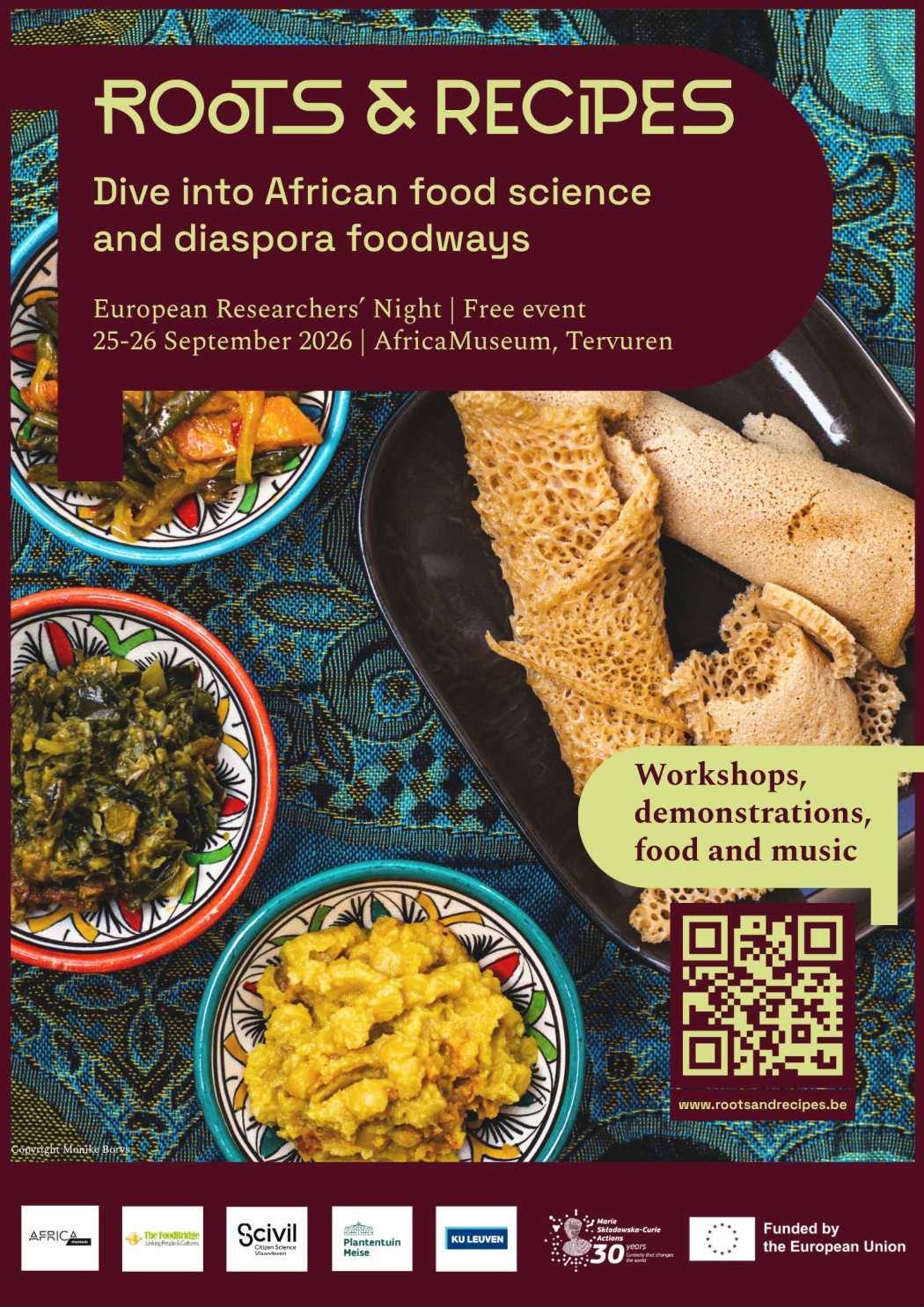
Organised in the framework of the European Researchers’ Night, the two-day programme combined research with food, film and public engagement. The programme also included an African menu prepared by Cheffe Jumah of Jumah’s Corner and concluded with a music concert. Importantly, the project’s Citizens’ Committee—six experts from African diaspora communities with backgrounds ranging from education to food entrepreneurship—has helped guide project decisions, putting community knowledge at the heart of the initiative.
ROOTS AND RECIPES is particularly relevant to efforts to reconnect agrobiodiversity, food heritage and innovation. The Food Bridge is already engaged in promoting neglected and underutilized species and African food heritage, including through activities linked to GFAiR’s Collective Action on Forgotten Foods.
It was followed by a roundtable moderated by Sarra El Massaoudi, with researchers Nicole Grégoire and Sese Kabanyegeye and culinary experts Suzanne Badiane and Roger Dushime, discussing food both as an object of scientific research and as a marker of identity and community.
The second day placed citizen science and innovation centre stage through an African Food Science Fair. Researchers, African diaspora agrifood organisations, entrepreneurs and food enthusiasts showcased initiatives and exchanged knowledge through demonstrations, workshops and educational activities. The project brings together The Food Bridge vzw, AfricaMuseum, Meise Botanic Garden, KU Leuven and Scivil, working with a Citizens’ Committee representing African diaspora communities. Its ambition is to connect scientific research with community knowledge and explore the relationships between
The initiative demonstrates how diaspora communities can contribute not only to preserving culinary heritage but also to research, innovation, market development and knowledge exchange around indigenous and underutilized foods. By bringing scientists and communities together as knowledge partners, ROOTS AND RECIPES offered an interesting model for making food-system research more inclusive and for strengthening connections between African food heritage and European research and innovation.
In Cotonou, Benin, the 2026 World Social Forum hosted an exhibition space dedicated to agroecology, bringing together producers and organizations from several countries. Participants showcased a diversity of local food products and farmers’ seeds, highlighting local agricultural practices, crop diversity and farmers’ knowledge and expertise.
The exchanges emphasized the importance of farmers’ seed systems for food and seed sovereignty, including the ability of farming communities to conserve, use, exchange and further develop crop varieties adapted to their environments and food needs.
1 September 2026. Young changemakers selected for the Second Cohort of the 2026 Collective Action on Forgotten Foods (CAFF) Youth Challenge.
The 2026 Collective Action on Forgotten Foods (CAFF) Youth Challenge is a youth-led innovation initiative of GFAiR’s Collective Action on Forgotten Foods, coordinated by The Food Bridge, that supports young people aged 18–30 in Africa and the Caribbean to rediscover, promote and innovate around indigenous, neglected and underutilized foods.
Through small project grants, mentorship and capacity building, young changemakers implement practical initiatives on university campuses and in semi-urban communities that connect traditional and intergenerational knowledge with nutrition, biodiversity conservation, climate resilience, entrepreneurship and stronger local food systems.
More broadly, the Challenge seeks to develop a new generation of biodiversity champions who can turn forgotten foods into “foods of the future,” creating livelihoods and new products and value chains while preserving food heritage and strengthening links among youth, communities, research organisations and other food-system actors.
Across Africa, young people are taking action to revive forgotten and indigenous foods, improve nutrition, preserve traditional knowledge and strengthen local food systems.
The Second Cohort Winners are:
2026 — Second Cohort: 4 winners
Country
Winner / initiative
What the project does
Kenya
Serah Masika Samuel – Uji Wa Tano: Restoring Indigenous Nutrition for Child Health
Revives an indigenous porridge and associated food knowledge to use locally available foods to improve child nutrition and health.
Uganda
Omony Polycarp – Reviving Finger Millet for Improved Nutrition Among Women Farmers
Promotes the cultivation and consumption of finger millet among women farmers in Palenga Town Council, Omoro District, connecting an indigenous cereal with household nutrition.
Ghana
Sakina Abdulai / Fulani Youth Association of Ghana (FuYAG) – Reviving Forgotten Fulani Foods
Creates youth–elder knowledge exchange in Wulugu to preserve and revive traditional Fulani foods and the cultural knowledge surrounding them.
DR Congo
Nevile Matabaro Gaddiel – Vita Root Africa
Engages urban youth in Goma, North Kivu, in rediscovering nutritious and medicinal indigenous foods and reconnecting traditional knowledge with contemporary urban food systems.
These projects demonstrate that forgotten foods are not simply foods of the past. They can contribute to the future of nutrition, biodiversity, livelihoods, cultural heritage and resilient African food systems.
Taken together, the 13 initiatives show an evolution from the 2025 proof-of-concept focused on food heritage and awareness in Nigeria and Ghana toward a broader African youth innovation programme in 2026.
The portfolio now covers indigenous vegetables, Bambara groundnut, purple beans, grains, leafy foods, seaweed, orphan crops, finger millet, traditional Fulani foods and medicinal indigenous foods, while combining nutrition, biodiversity conservation, intergenerational knowledge transfer, youth entrepreneurship, education and community resilience. This reflects CAFF's broader ambition to develop young people not only as beneficiaries but as biodiversity champions and custodians of indigenous knowledge who can turn “forgotten foods” into foods of the future.
Across 2025 and 2026, 13 projects have so far been selected through the CAFF Youth Challenge: four pilot winners in 2025, followed by five winners in the first 2026 cohort and four in the second cohort. The programme has also expanded geographically—from Nigeria and Ghana in 2025 to Nigeria, Ghana, Kenya, Cameroon, Uganda and the Democratic Republic of Congo in 2026. (GFAiR)
Reconnects university students with indigenous leafy vegetables through cultivation, seed distribution, awareness activities, cooking and a campus Indigenous Food Festival.
Nigeria
NAgriFoRD youth group, FUTO – From Elders to Youths: Preserving Igbo Food Heritage in Imo State
Brings young people and elders together to document, cultivate and transmit Igbo traditional foods and associated knowledge, making food heritage relevant to a new generation. Chimezie Marvellous presented the initiative at the 2026 World Social Forum.
Ghana
Emmanuella Akumtu Caesar – “Aboboe” Revival: A School Farm for Nutrition, Skills and Indigenous Crop Heritage
Uses a school farm in Ghana’s Eastern Region to introduce children to Bambara groundnut (Aboboe), combining improved nutrition with agricultural skills and preservation of indigenous crop heritage.
Ghana
Joel Teye – Reviving Akortormor Purple Beans
Revives the Akortormor purple bean, an indigenous food of the Krobo people, linking on-farm conservation and renewed consumption with cultural heritage and livelihood opportunities.
2026 — First Cohort: 5 winners
Country
Winner / initiative
What the project does
Nigeria
Dalis Favour Apollos / Gwomshar Initiative – ROOTS & REVIVAL
Mobilizes young people in Plateau State around forgotten foods, using indigenous crops and knowledge to strengthen food heritage and community resilience.
Ghana
Wisdom Kofi, with Philomena Blankson & Kwame Asante – From Farm to Feast
Seeks to bring Ghana's forgotten grains and leafy foods back into the diets of urban youth, connecting food heritage with nutrition and food innovation.
Kenya
Damaris Adhiambo Adoyo & Quinter Aoko Ogwonyo, Pwani University – Revitalizing Seaweed as a Nutritional Powerhouse in Kwale County
Repositions locally produced seaweed from primarily an income/export commodity towards greater use as a nutritious food within coastal communities.
Cameroon
Enongene Beltin Epie – ROOTS REVIVAL: Youth-Elder Action for Forgotten Foods and Community Resilience
Uses intergenerational youth–elder engagement to recover forgotten-food knowledge and strengthen community resilience and indigenous food heritage.
Uganda
Suzan Amoit, Makerere University – Reviving Forgotten Foods: A Youth-Led Innovation for Orphan Crops
Mobilizes youth around orphan crops, promoting their revival as part of more diverse, nutritious and sustainable food systems.
Taken together, the 13 initiatives show an evolution from the 2025 proof-of-concept focused on food heritage and awareness in Nigeria and Ghana toward a broader African youth innovation programme in 2026.
The portfolio now covers indigenous vegetables, Bambara groundnut, purple beans, grains, leafy foods, seaweed, orphan crops, finger millet, traditional Fulani foods and medicinal indigenous foods, while combining nutrition, biodiversity conservation, intergenerational knowledge transfer, youth entrepreneurship, education and community resilience. This reflects CAFF's broader ambition to develop young people not only as beneficiaries but as biodiversity champions and custodians of indigenous knowledge who can turn “forgotten foods” into foods of the future.
The colloquium, themed “Preserving Our Heritage, Nourishing Our Future,” brought together academics, community representatives, youths and traditional custodians to highlight the nutritional, economic, environmental and cultural value of forgotten foods.
Dalis Favour Apollos (picture right)—through the Gwomshar Initiative—subsequently became one of the first five winners of the 2026 CAFF Youth Challenge with “ROOTS & REVIVAL: A Youth-Led Forgotten Foods Initiative in Plateau State, North-Central Nigeria.” Her earlier initiative was enabled by a grant secured through T-CEIPEC: TETFund Centre of Excellence for Innovative Teaching and Learning in Primary and Early Childhood Education (T-CEIPEC) at the Federal University of Education, Pankshin (FUEP) in Plateau State, Nigeria.
Highlight 2: Revitalizing Seaweed as a Nutritional Powerhouse in Kwale County / Kenya
Damaris Adhiambo Adoyo & Quinter Aoko Ogwonyo, Pwani University – Revitalizing Seaweed as a Nutritional Powerhouse in Kwale County. She repositions locally produced seaweed from primarily an income/export commodity towards greater use as a nutritious food within coastal communities.
On 9 September 2026, CIHEAM Bari convened a Mediterranean Breakfast Dialogue in Brussels, bringing together representatives of different organisations for an informal exchange on the future of cooperation between the European Union and Mediterranean countries.
The meeting was opened by Biagio di Terlizzi, Director of CIHEAM Bari, and centred on a moderated roundtable led by Eduardo Cuoco, Director of IFOAM Organics Europe.
The discussion addressed two central questions:
what priorities should guide future EU cooperation with Mediterranean countries on sustainable agriculture and food systems, and
where stronger cooperation among European institutions, international organisations and Mediterranean partners could create the greatest added value.
Against the backdrop of shared challenges across the Mediterranean—from climate change and natural-resource pressures to the need for more resilient and sustainable food systems—the dialogue provided a space to identify common priorities and potential areas for joint action.
A key purpose of the meeting was therefore to identify areas of convergence for future cooperation and explore how better coordination among international organisations, cooperation actors and Mediterranean partners could translate into concrete added value. The format, combining a focused roundtable with informal bilateral exchanges, also provided an opportunity to build relationships and identify possible follow-up collaboration around sustainable agriculture and food systems in the Mediterranean.
Interview
Interview with Claudi BOGLIOTTI of BARI CIHEAM. SUSTLIVES is an EU-funded agricultural project under the DeSIRA initiative focused on improving local crop patrimony, livelihoods, and ecosystems in Burkina Faso and Niger. This project was extended through AgrEcoNUS+ https://capacity4dev.europa.eu/media/...
SUSTLIVES (Sustaining and Improving Local Crop Patrimony in Burkina Faso and Niger for Better Lives and Ecosystems) was an EU-funded project under the DeSIRA (Development Smart Innovation through Research in Agriculture) initiative, implemented from 2021 with the Italian Agency for Development Cooperation (AICS) and CIHEAM Bari. Working in Burkina Faso and Niger, it promoted sustainable and climate-resilient food systems by bringing neglected and underutilized species (NUS) back into research, production, diets and markets. Its approach combined conservation of local agrobiodiversity with stronger NUS value chains, research and innovation capacity within Agricultural Knowledge and Innovation Systems (AKIS), and participatory work with farmers and other stakeholders. Particular attention was given to food and nutrition security, rural livelihoods, and economic opportunities for women and young people.
The experience and approaches developed through SUSTLIVES are being taken further through AgrEcoNUS+ (Agroecological Transition and Community Resilience through Neglected and Underutilized Species in Africa). Rather than treating NUS merely as “forgotten crops,” this follow-on initiative places them within a broader agroecological transition and resilience agenda, linking agrobiodiversity, food sovereignty, ecosystem sustainability and equitable market opportunities. AgrEcoNUS+ therefore provides an avenue for scaling lessons generated by SUSTLIVES beyond its original Burkina Faso–Niger focus and strengthening collaboration around African opportunity crops and resilient food systems across the Sahel and wider Africa.
On 31 August, the AFS Kigali delegation travelled to Huye for an inspiring field visit focused on one of Rwanda’s most important development assets: its agricultural research and innovation ecosystem.
The visit provided an opportunity to experience first-hand how scientific research, technology, conservation, and farmer-focused innovation are contributing to the transformation of Rwanda’s agricultural sector.
The visit demonstrated a powerful connection between research institutions and the realities faced by farmers — from conserving valuable genetic resources to developing improved planting materials, strengthening soil fertility, and increasing the productivity and resilience of agricultural systems.
RAB Rubona Station: history, infrastructure and challenges
Established in 1935 in Rwanda’s Southern Province (formerly Butare), RAB Rubona Station is the country’s oldest agricultural research station and the historic foundation of Rwanda’s National Agricultural Research System. Initially created during the Belgian colonial period as the Institut National pour l'Étude Agronomique du Congo (INEAC), Rubona became a centre for research on food crops, soils and livestock adapted to the highland agroecosystems of Central Africa.
Following Rwanda’s independence, the station evolved through successive national research institutions before becoming a flagship centre of the Rwanda Agriculture and Animal Resources Development Board (RAB) in 2011. Over the decades, Rubona has played a pivotal role in developing improved varieties of beans, maize, cassava, sweet potato and potato, while conserving indigenous crop genetic resources and supporting farmer-oriented agricultural innovation.
Today, Rubona Station comprises extensive experimental fields, crop breeding and seed multiplication facilities, soil and plant laboratories, greenhouses, irrigation infrastructure, livestock research units, offices, conference and training facilities, and one of Rwanda’s principal national genebank collections for agricultural biodiversity. The station hosts multidisciplinary teams of breeders, agronomists, soil scientists, plant pathologists, entomologists, livestock specialists, laboratory technicians and extension-oriented researchers who collaborate closely with universities and international partners such as CGIAR centres. The BioCap/COECB [Rwanda Biotech Capacity Building (BioCap) / Centre of Excellence for Crop Biotechnology] investment is a major current infrastructure development.
Launched in December 2025, it goes beyond conducting individual crop trials: it is intended to build permanent national biotechnology capacity at Rubona. Particularly significant is the planned Centre of Excellence for Crop Biotechnology (COECB). CIP (International Potato Center) and RAB are currently developing the facility at Rubona, for biotechnology, genome editing and capacity building, particularly for potato and cassava. It is supported by a $15 million grant from the Bill & Melinda Gates Foundation. The Donald Danforth Plant Science Center is part of this international initiative. Despite its strategic importance, Rubona faces significant challenges including ageing laboratory and irrigation infrastructure, limited long-term funding for research maintenance, shortages of advanced analytical equipment, the need to attract and retain highly qualified scientists, and increasing pressure to develop climate-resilient and nutrition-sensitive innovations that respond to Rwanda’s rapidly evolving agrifood system.
Discovering Rwanda’s Agricultural Research Ecosystem
At RAB Rubona Station, participants explored a remarkable collection of more than 100 conserved banana varieties. The collection illustrates the importance of agricultural biodiversity and the role of research institutions in protecting genetic resources that can support future breeding, adaptation, and food security.
The visit also introduced participants to advanced technologies supporting early-generation seed production and germplasm conservation across a diverse range of crops, including: Cassava, Sweet potato, Banana, Coffee, Passion fruit and Tree tomato. Seeing these systems in practice offered a valuable perspective on the science behind the crops that sustain rural livelihoods. Conservation is not simply about preserving varieties for the future; it is also about maintaining the genetic diversity needed to respond to emerging challenges such as climate change, pests, diseases, and changing market demands.
From Innovation to the Farmer
A particularly important aspect of the visit was learning about rapid cassava seed multiplication and customized soil-fertility management systems.
These innovations demonstrate how agricultural research can be translated into practical solutions. Producing quality planting material more rapidly can help farmers access improved varieties, while soil-fertility approaches adapted to specific conditions can support more efficient use of nutrients and improve productivity.
Together, these technologies illustrate a broader principle: agricultural transformation requires more than introducing a new crop or technology. It requires sustained investment in research, experimentation, conservation, knowledge transfer, and systems that allow innovations to reach farmers at scale. The experience at Rubona showed how this long-term investment can contribute to higher productivity, greater resilience, and scalable solutions for farmers.
Advancing research and development of Bambara groundnut
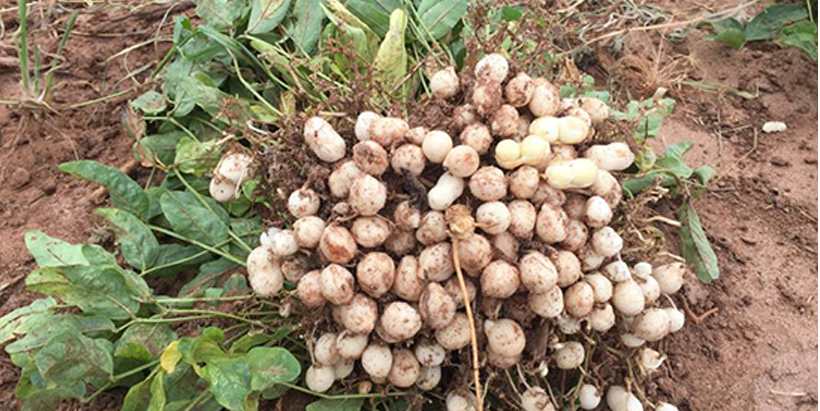
The Society for Underutilized Legumes (SUL), which emerged from IITA's Genetic Resources Center and collaborates closely with IITA-CGIAR, is expanding research on Bambara groundnut (Vigna subterranea) and other underutilized legumes into East Africa. Recent research includes collaboration with scientists from the University of Rwanda, complementing wider IITA work on Bambara groundnut genetic resources, breeding, nutrition, climate resilience and value addition.
The Bambara groundnut (BGN), once labeled an orphan crop, has now assumed the status of an important underutilized nutritious, drought-resistant legume crop, and is now positioned as a promising future crop that is serving a varied choice of culinary purposes, including local delicacies, and more recently, plant-protein-based milk alternatives. Despite the numerous benefits of BGN, processing its seeds into valuable food products generates wastes (such as husks, shells, haulms, and offal), which are often disposed of carelessly into the environment, thereby creating environmental hazards.
With this growing environmental challenge, comes the growing interest in adding value to the wastes generated from BGN and converting them into products that are useful for industrial purposes, as well as food and feed, and researchers from Nigeria, Rwanda and South Africa are unlocking new economic and environmental opportunities and exploring potential value-added products from Bambara groundnut waste, transforming what was once discarded material into valuable resources that support sustainable growth across Africa’s food systems.
Picture: Dr Adegboyega Taofeek T [Kneeling] of the Society of Undertutilised Legumes (IITA) and Dr Adeyemo Rasheed O. [Standing] on the Bambara groundnut field at the University of Rwanda, Huye Campus. The field trial was conducted with the support of Lecturers and Colleagues from the University of Rwanda.
The journey continued at Songa RAB Station, where agricultural innovation took on a different dimension through livestock.
The Rwanda Dairy Development Project – Phase 2 (RDDP-2) is a major dairy-sector transformation programme implemented by the Rwanda Agriculture and Animal Resources Development Board (RAB) with financing from IFAD and other partners. Launched on August 30, 2024, the Rwanda Dairy Development Project – Phase 2 (RDDP 2) , funded by IFAD and implemented by RAB,will benefit 175,000 dairy farmers nationwide. The revitalization of the Songa Sement Production Centre is part of a broader $125 million USD initiative aimed at transforming the dairy sector over the next five years. Between $8 million and $10 million of the $125 million allocated for RDDP 2 will go directly into establishing and operationalizing the upgraded semen production centre. It aims to improve the income, nutrition and resilience of rural households by creating a more inclusive, climate-resilient, digitalized and competitive dairy sector, targeting around 175,000 rural households. Of particular relevance to RAB Songa Station, RDDP-2 is upgrading the Songa Semen Production Centre into a modern hub for bovine genetic improvement, with:
technologies for semen and embryo production,
in-vitro fertilization (IVF),
artificial insemination and embryo transfer,
alongside improved forage production,
dairy performance recording and specialized training
30 high-quality bulls are already at Songa, with a longer-term target of 60. Approximately US$8–10 million is expected to be invested directly in establishing and operationalizing the upgraded Songa centre, positioning the station as an important national centre for dairy breeding, genetics and farmer/veterinarian capacity development
Participants discovered modern approaches to livestock breeding and semen collection, gaining insight into how reproductive technologies and improved genetics can contribute to greater livestock productivity.
At the same time, the station offered an encounter with an important part of Rwanda’s cultural heritage: the iconic Inyambo royal cattle.
The contrast — and connection — between advanced breeding technologies and these culturally significant cattle provided a powerful illustration of how innovation and heritage can coexist. Rwanda’s livestock sector is not only about improving production; it is also about preserving and valuing traditions that form part of the country’s identity.
The Inyambo therefore represents more than a livestock breed. They offered a living connection between Rwanda’s past and its agricultural future.
For the AFS Kigali delegation, which included a GFAiR representative, the field visit was an opportunity to see agricultural research not as an abstract scientific process, but as a living ecosystem involving researchers, genetic resources, technologies, farmers, institutions, and cultural heritage.
3 September 2026. Interview with Isoulfou Kapran (Niger) Director of Seed Systems Group.
Agriculture is at the heart of food security, livelihoods, and economic development. Yet, farmers can only reach their full potential when they have access to quality seeds, reliable inputs, knowledge, and strong agricultural markets. This is where Seed Systems Group plays an important role.
Seed Systems Group is focused on strengthening seed systems and supporting the development of more productive, resilient, and sustainable agricultural sectors. By working with farmers, businesses, institutions, and other stakeholders, the organization seeks to improve access to quality seeds and contribute to better opportunities across agricultural value chains.
The organization is directed by Isoulfou Kapran, whose leadership supports its mission of promoting stronger and more effective seed systems. Through collaboration and practical solutions, Seed Systems Group aims to help create agricultural systems that better serve farmers and contribute to long-term food security.
As agriculture continues to face challenges such as climate change, population growth, and changing market demands, strong seed systems are more important than ever. Seed Systems Group is committed to being part of this transformation—connecting knowledge, innovation, and partnerships to help build a more sustainable future for agriculture.
2 September 2026. AFS Kigali. Interview with Epaphras Milambwe KT Manager Tanzania.
East-West Seed has built its work around helping smallholder farmers access quality vegetable seeds alongside the knowledge and skills needed to use them effectively. In Tanzania, the company and its Knowledge Transfer Foundation support farmers through training, demonstrations and improved access to agricultural technologies. East-West Seed also recognizes the important role of informal seed systems, particularly in reaching smallholder farmers in remote communities.
East-West Seed's focus on quality seeds and farmer knowledge, alongside community seed banks' role in conserving local diversity, demonstrates how different parts of the seed system can complement one another. Together, these approaches can help farmers access appropriate planting material while protecting the genetic diversity needed to build more productive, sustainable and climate-resilient food systems.
Is there a resistance towards indigenous seed banks?
2 September 2026. AFS Kigali. Interview with Dr. Taofeek Tope Adegboyega.
He is a researcher and advocate for the development and wider utilization of underutilised legumes in Africa.
SUL was established in 2016 at the Genetic Resources Centre, International Institute of Tropical Agriculture (IITA) under the mentorship of Prof Micheal Abberton. Dr. Adegboyega and his team has contributed to research on the nutritional value, conservation, and potential of indigenous legumes such as Bambara groundnut, African yam bean, and Winged bean.
As President of the Society for Underutilized Legumes (SUL), Dr. Adegboyega has championed collaboration among researchers, farmers, government agencies, and other stakeholders to promote these crops as important resources for food and nutrition security, climate resilience, and sustainable livelihoods.
His leadership has also focused on increasing awareness, strengthening research, and supporting the commercialization of underutilised legumes in Africa and beyond.
Following up on the success of the participation at the inaugural CGIAR Science Week, in this interview he gives some more background on the webinars organised by SUL as well as expansion into East Africa particularly Rwanda where a field trial has just been completed on Bambara groundnut, African yam bean and winged bean. This was accomplished in collaboration with researchers from the University of Rwanda and Rwanda Agricultural Board (RAB) at the Huye campus. The team is interested in development strategies for novel medicinal products for related NCDs, climate resilience and food safety.
The Society of Underutilised Legumes, Genetic Resources Center, International Institute of Tropical Agriculture (IITA) is an important platform for promoting the awareness, conservation, and use of lesser-known legume crops. Underutilised legumes, such as bambara groundnut, African yam bean, and other indigenous legumes, have significant nutritional, environmental, and economic value but often receive less attention than major crops. Through research, knowledge sharing, and collaboration, the society helps highlight the potential of these crops to contribute to food and nutrition security.
One of the key roles of the Society is to encourage research and innovation around underutilised legumes. These crops can provide valuable sources of protein, vitamins, minerals, and other nutrients while also supporting sustainable agricultural practices. Many legumes are well adapted to local environmental conditions and can improve soil fertility through biological nitrogen fixation. By bringing researchers, students, farmers, and other stakeholders together, the Society creates opportunities to exchange ideas and develop practical approaches for increasing the production and consumption of these important crops.
The Society of Underutilised Legumes at IITA therefore represents more than an academic or research initiative; it is a step towards building resilient and sustainable food systems. Greater investment in underutilised legumes can help diversify diets, strengthen farmers’ livelihoods, preserve agricultural biodiversity, and improve resilience to climate change. With continued research, public awareness, and collaboration, these often-overlooked crops can become an important part of Africa’s agricultural future.
The conference is expected to provide a major platform for researchers, academics, students, policymakers, farmers, breeders, food scientists, entrepreneurs and other stakeholders to discuss the development and wider utilization of underutilised legumes.