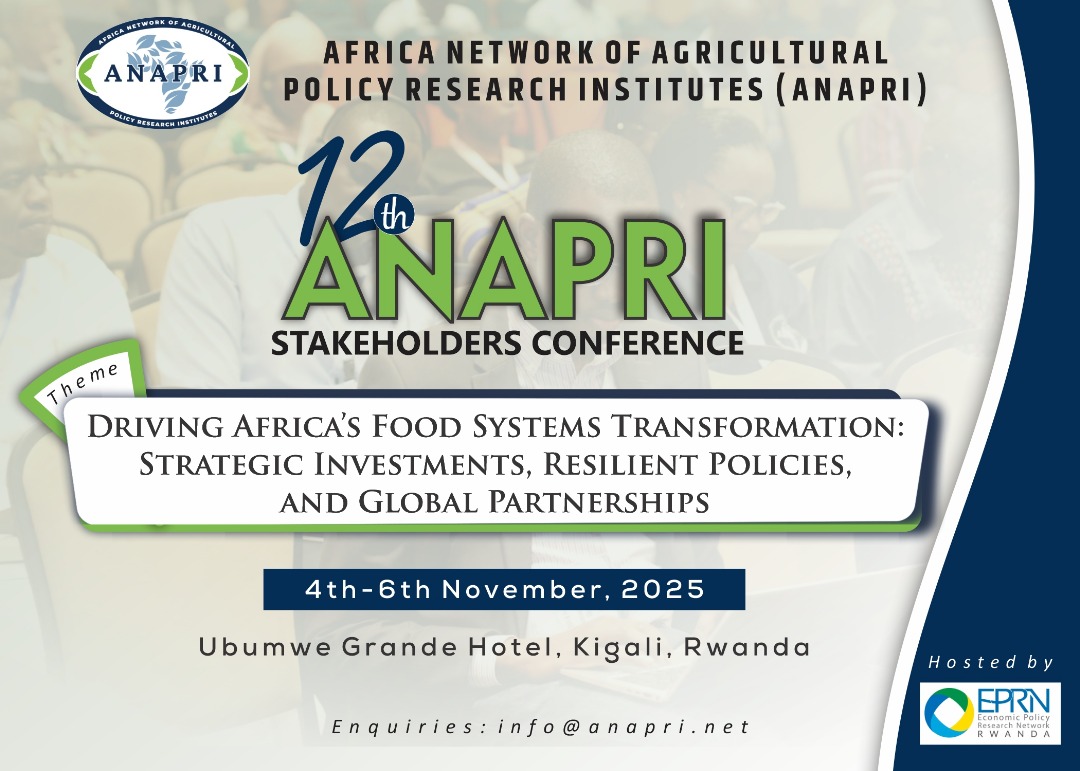
This conference revolved around three overarching thematic areas that reflect Africa’s pressing priorities in food systems development.
Creating Resilient Food Systems: Jobs, Equity, and Inclusion. This thematic area focuses on building food systems that are capable of withstanding and adapting to both man-made and natural shocks, while generating decent jobs, promoting equity, and ensuring inclusive participation across all levels.
Investment, Innovation, and Financing for Transformation. This thematic area explores how Africa can mobilize and direct strategic investments toward priority areas of food system transformation by aligning public, private, and development finance with coherent policy frameworks. It draws on ANAPRI’s work under the Policy and Priority Value Chains Initiative (PPVC II), which supports governments in identifying high- potential value chains and designing integrated policy responses grounded in evidence, modelling, and stakeholder consultation.
Sustainability, Trade, and Climate Action. Frameworks such as the Africa Fertilizer and Soil Health Action Plan (AFSH-AP), the Comprehensive Africa Agriculture Development Programme (CAADP 3.0), and the Africa Continental Free Trade Area (AfCFTA) provide critical pathways for aligning national priorities with continental goals. Since the launch of the Farmer Know Your Soil campaign at the last ANAPRI conference in 2024, efforts have intensified to raise farmer awareness and adoption of sustainable soil management practices through localized soil data, digital advisory tools, and field-level engagement.
Extract of the programme
Day 0 – Monday 3 November 2025 (Pre-Conference)
A special side event on the topic “Leveraging the Agrifood System for Jobs”, organised jointly by ANAPRI and the World Bank.
Academic-paper sessions: selected papers will be presented by researchers on themes such as job creation in agrifood systems, off-farm employment, MSMEs, digital services, youth and women inclusion.
Networking and preparatory workshops that help set the stage for the main conference.
Day 1 – Tuesday 4 November 2025
Opening Ceremony & High-Level Plenary: Setting the global and African context of food systems transformation under the conference theme “Driving Africa’s Food Systems Transformation: Strategic Investments, Resilient Policies, and Global Partnerships”.
Thematic Panel: Creating Resilient Food Systems – Jobs, Equity & Inclusion: Discussion on governance, youth and women’s roles, off-farm value chain jobs, territorial and community-led resilience.
Interactive Café/Breakout Sessions: Smaller group sessions for peer exchange on job creation, inclusion strategies, and resilience building.
Day 2 – Wednesday 5 November 2025
Keynote and Panel: Investment, Innovation & Financing for Transformation: Focus on directing public, private and development finance into value-chains, digital tools, blended finance, institutional alignment.
Workshop/Exhibition: Showcasing innovation tools (e.g., the PPVC modelling services of ANAPRI) and interactive sessions on building investment-ready food systems.
Parallel Tracks / Thematic Workshops: Possible breakout tracks on topics such as digital agriculture, value chain finance, MSME linkages, youth entrepreneurship.
Panel Discussion: Aligning National & Continental Frameworks: Topics may include implementing the Africa Fertilizer & Soil Health Action Plan, CAADP 3.0 alignment, cross-border coordination.
eprnrwanda.org
Closing Plenary & Synthesis: Summary of insights, agreement on next-steps, commitments from stakeholders, launch of any joint statement or roadmap.
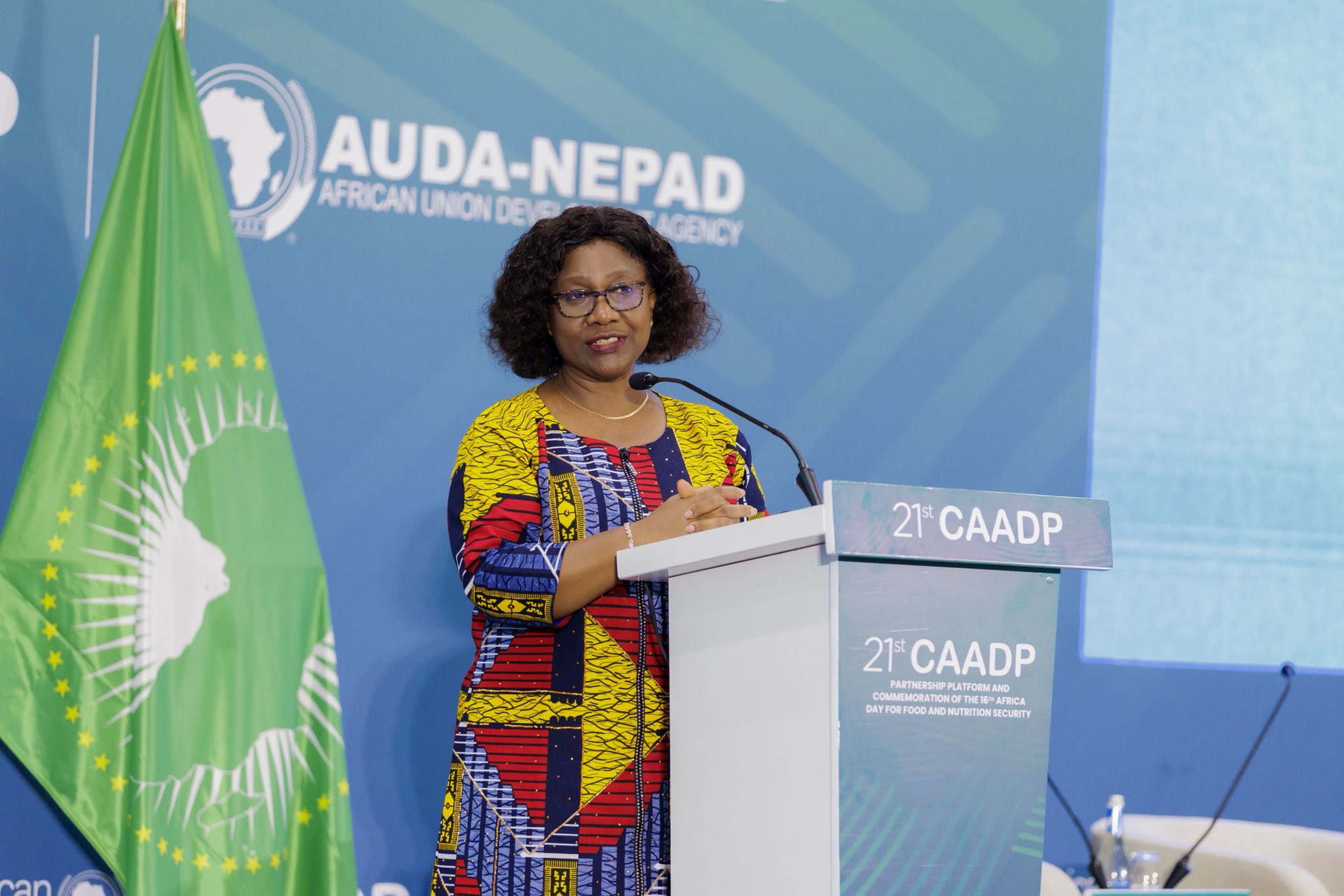
Organized under the Department of Agriculture, Rural Development, Blue Economy and Sustainable Environment (ARBE), the gathering spotlighted Africa’s commitment to advancing food security and nutrition through sustainable agriculture.
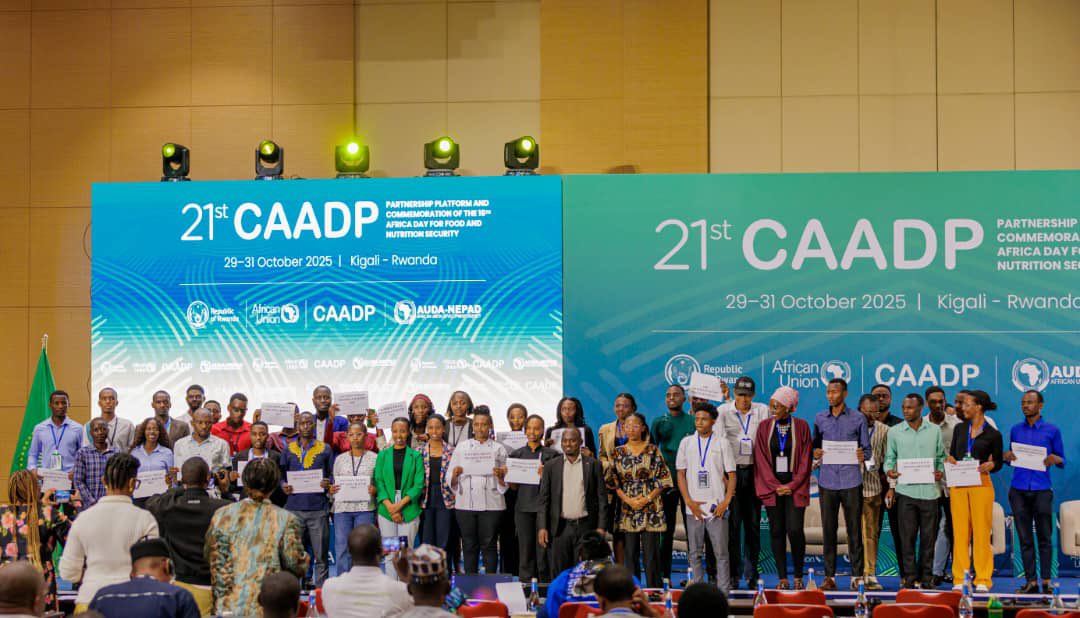
The three-day high-level gathering, held under the theme “From Malabo to Kampala: Accelerating Just, Resilient Agrifood Systems Transformation for Nutrition and Sustainable Growth,” marked a pivotal transition from the Malabo Declaration (2014) to the newly adopted CAADP Strategy and Ten-Year Action Plan (2026–2035), setting a bold agenda for the next decade of Africa’s agricultural transformation.
It brought together African governments, policymakers, regional economic communities, civil society, farmers’ groups, private sector actors and development partners to:
Address Africa’s food and nutrition security challenges in line with Agenda 2063 and the SDGs.
Strengthen nutrition-sensitive agricultural systems and value-chain development.
Enhance resilience of food systems in the face of climate change and global supply chain disruptions.
Promote policy coherence, accountability, and financing through CAADP processes.
Elevate the role of youth and women farmers in driving agricultural transformation.
Organisers: African Union, CAADP Non-State Actors Group (CNG), African Food Systems Parliamentary Network (AFSPaN), Zero Hunger Coalition.
The session emphasised that parliaments across Africa must move from passive oversight to active financing and legislative leadership in agrifood-systems transformation. It called for parliamentary mandates to align national budgets and laws with the forthcoming CAADP 2026–2035 Strategy, prioritising investments in inclusive value chains, youth and women empowerment, climate resilience, and intra-African trade.
The outcomes included a call to establish parliamentary food-systems caucuses, legislate coherent food-systems laws, adopt transparent budget-tracking dashboards tied to agrifood investment, and reaffirm that MPs hold the power to accelerate the agrifood revolution—not just endorse it.
The session launched
a CAADP Non-State Actors Group “Magazine of Impact”
Chikondi Chabvuta-Mkawa, Chair, CNG (CAADP Non-State Actors Group) “Ten years ago, we stood under the Malabo Declaration. Now, as we embrace the Kampala Declaration, we must renew our commitment, not just to participation, but to transformation. We have seen governments make strides, women rise to leadership, and the private sector move from the margins to the center of dialogue. Yet, 307 million Africans still go hungry. The next decade must be about action: to rise, and rise again, for Africa’s future.”
Agnes Kirabo, Chair, East African Community (EAC) “Many communities still can’t access CAADP materials because of language barriers and limited capacity. We are trying to take the message to the grassroots, but without sufficient resources, it’s not easy. We need investment in translation, training, and local ownership.”
Scene-Setting: Dr John Ulimwengu, Senior Research Fellow, International Food Policy Research Institute (IFPRI) "The Theory of Change underpinning the Kampala Declaration is built on three pillars: Leadership and Policy Coherence; Evidence-Based Decision-Making, and Mutual Accountability, as well as Inclusive Participation of Civil Society and Private Sector."
Constance Okeke, ActionAid International
Hon. Agho Oliver Bamenju, African Food Systems Parliamentary Network (AFSPaN) "From Maputo to Malabo, parliaments were observers. From Kampala onward, we are actors. We are no longer on the sidelines. We are implicated, engaged, and accountable. The new Policy Framework for Parliamentary Action, will ensure that commitments made in Kampala are implemented through legislative processes and national oversight. We must not have another decade of speeches without action. Parliament must translate the aspirations of non-state actors into tangible results."
Joe Mzinga, East & Southern African Small-Scale Farmers’ Forum (ESAFF) “When farmers are organized locally and demand accountability, that’s when we see change. We must decentralize implementation and keep farmers, especially smallholders, at the heart of the process.”
Zainab Isah Arah, African Kilimanjaro Women Farmers Forum (AKIWOFF) “We cannot transform Africa’s food systems without women at the center: from the soil to the seed, from health to education. Our soil is our life, our seed is our future, and our hands are our power,”
Precious Jacdonmi GIZ “Non-state actors have been given work without money. To achieve our strategic objectives, we need to rethink how we mobilize and manage resources by blending public, private, and development funding.”
This session advocated institutionalising strategic foresight in agriculture policy/investment cycles (via national foresight hubs, youth leadership, and quality standards) so planning, research and financing.
Foresight must be embedded in planning, investment and policy systems — not treated as a one-off workshop.
Inclusive partnerships are essential, with youth, women, local knowledge-holders and private-sector actors actively co-designing the future of food systems.
Foresight outputs must lead to action — linking research, innovation, value-chains and investment, rather than remaining conceptual.
The draft oversight tool — the Guide on Quality Criteria & Impact for Food-Systems Foresight — provides practitioners with practical measures to ensure foresight is inclusive, rigorous, context-appropriate and measurable.
Foresight capacity-building, institutional mechanisms (e.g., national foresight hubs), and youth leadership are indispensable for achieving a lasting impact.
The Guide, developed by FARA, AFA, and Foresight4Food, offers a practical resource for governments, institutions, practitioners, and partners. It emphasises:
Working principles & quality criteria: inclusivity, contextual relevance, action-orientation, methodological rigour and ethics.
Evaluation & impact framework: providing indicators and learning questions to assess how foresight contributes to change (capacity built, policy uptake, investment relevance).
Procedural guidance: step-by-step processes from scoping and stakeholder mapping through to scenario design and embedding in policy/investment cycles.
Institutionalisation & multi-actor engagement: guidance for embedding foresight in ministries, research systems, youth networks and value-chain partnerships.
The CAADP Fertilizer and Soil Health Action Plan calls for tripling fertilizer consumption (both organic and inorganic) by 2034, restoring at least 30% of degraded soils, and ensuring 70% of smallholder farmers have access to extension and soil management services.
The session concluded that soil health is a foundational pillar for resilient agrifood systems, linking soil degradation directly to lower food yield, poorer nutritional outcomes and weaker climate adaptation. As Dr Edeme emphasised: with about 65% of Africa’s agricultural land degraded and annual losses of around US $4 billion in soil nutrients, the continent must prioritise investment in soil health to unlock the potential for up to 58% more food production. She quoted Indian agricultural scientist M.S. Swaminathan, who once said, “Soil anemia breeds human anemia.”
It was further argued that soils must be treated as a national asset — requiring diagnostics (soil health monitoring), targeted interventions (organic & inorganic fertiliser, restoration practices) and integration into policy/investment frameworks (e.g., the CAADP Fertiliser & Soil Health Action Plan). Dr Haddad stressed the shift from plan to performance. In short: invest in soils now, align with national development plans, mobilise finance and monitor results, to secure people’s health, nutrition and planetary sustainability.
Dr Janet Edeme, Head, Rural Development Division (Acting Head, Agriculture & Food Security) at African Union Commission (AUC)
Dr Lawrence Haddad, Executive Director at Global Alliance for Improved Nutrition (GAIN)
30/10 Financing Inclusive Partnerships and Food Supply Chains for Nutrition, Health and Food Sovereignty in Africa
This side event explored how inclusive partnerships are necessary for mobilising public and private sector investment for strengthened climate-resilient, nutrition-sensitive, research driven and health-enhancing agri-food local value chains. Such value chains minimize the distance between producers and consumers, involve fewer intermediaries, have closer connections and they support local economies by reinvesting money into the producing (farmer, fisher, pastoral) communities.
Keynote Speakers
Minister or high-level govt. official – Key Partnerships for Investment in Local Food and Nutrition Supply Chains for increased food production – Government of Rwanda
Emmanuel Maboneza, Head Commercial Banking – Private Financing Institutions and Local Food Value Chains Transformation in Africa – Ecobank Rwanda
AUDA-NEPAD - Catalysing Inclusive Partnerships across Africa for the implementation of Strategic Objective 5 - ‘Building Resilient Agri-Food Systems’ of the Kampala CAADP Strategy and Action Plan - 2026-2035) -
Panellists
Dr Aggrey Agumya, Executive Director – FARA
Dr Sloans Chimatiro, President – African Union Policy Research Network for Fisheries & Aquaculture in Africa, PRNFAA
Dr Beatrice Kiage – Food Systems, Nutrition, Climate Change and Health, African Population Health Research Centre, APHRC
Ms Sakina Usengimana, Chairperson, Rwanda Youth in Agribusiness Forum (RYAF), Managing Director of Agri-foods, Rwanda
Ms Cynthia Ndayishimiye, Head of Operations, JR FARMS, Rwanda
Mr Tobie Manga Ondoa – CAADP Focal Point/National Food Systems Convenor, Cameroon
Africa should drive the momentum toward data-driven youth empowerment in agrifood systems, riding on the idea that progress must be measured, inclusive, and accountable.
Moderated by Dr. Olawale Olayide of the University of Ibadan
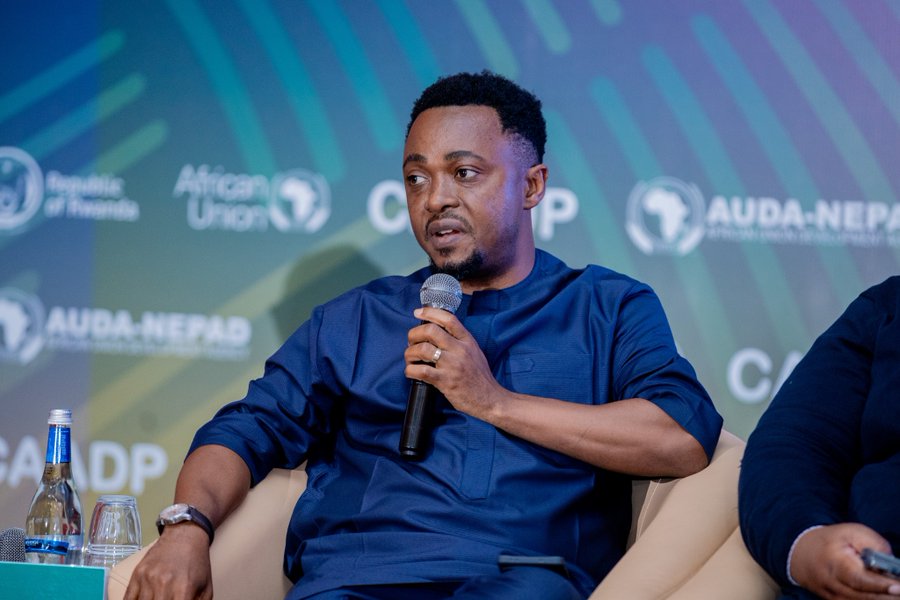
Dr. Janet Edeme, Head of Rural Development and Acting Head of Agriculture and Food Security Division at the African Union Commission (AUC) Dr. Edeme introduced the Youth in Agri-Food Systems Performance Index (YAPI)—a new, comprehensive framework jointly developed by the AUC, AUDA-NEPAD, and regional economic communities to track youth participation, entrepreneurship, and employment across Africa’s agrifood systems.
Dr. John Ulimwengu, Senior Research Fellow, Development Strategies and Governance Unit, International Food Policy Research Institute (IFPRI). Dr. Ulimwengu explained that YAPI builds on the Agribusiness Youth Strategy (AYS) and is designed around five domains: Education, Skills, and Technology, Productive Resources and Services, , Economic Opportunities, Policy Engagement and Governance, Sustainability and Resilience
Haile Abebe (AUC) Mr. Haile Abebe emphasized the AUC’s determination to move from commitment to action, noting that only 11 countries are currently on track to meet the 30% youth-in-agriculture target.
Mr. David Adama (picture) Senior Specialist, AGRA He highlighted ongoing youth initiatives such as GoGettaz, Value4Her, and WIRE, while emphasizing the need for evidence-based programming. He noted that YAPI will provide critical insights to help align and scale up youth agripreneurship programs across the continent.
Mr. Duncan Samikwa Senior Programme Officer for the Southern African Development Community (SADC)
Mr. Emmanuel Onos Federal Ministry of Agriculture and Food Security, Nigeria
Ms. Baliqees Salaudeen-Ibrahim (CEO, Green Republic Farm). She shared her experiences as a youth-led agribusiness leader, emphasizing that access to finance, mentorship, and markets are some of the barriers hindering youth participation in agribusiness. She called for youth-driven innovation, digital inclusion, and stronger partnerships between governments and the private sector.
30/10 Sovereign and Scalable: Innovative and Gender-Inclusive Risk Financing for Africa’s Agrifood Resilience and Transformation
Organisers: Government of Rwanda (MINAGRI) & African Risk Capacity (ARC).
This session urged embedding gender-responsive disaster-risk financing (e.g., sovereign parametric insurance) in NAIPs to speed the 2026–2035 CAADP Strategy—so climate shocks don’t derail transformation; called for predictable public finance that reaches women and youth.
allAfrica.com
Olivier Kamana (Permanent Secretary, MINAGRI, on behalf of the Minister);
ARC leadership incl. Dr Christiana George (Head of Gender)
Hon. Aimée Marie Ange Tumukunde (Pan-African Parliament).
31/10 The 2025 Africa Food Systems Report Key Takeaways
The Africa Food Systems Report 2025 (2025, 154 pp) formerly the Africa Agriculture Status Report, was launched in September 2025. It acts as a roadmap for transforming Africa's food systems, emphasizing systemic, rather than fragmented, progress. Key recommendations include:
African food systems must transition from fragmented efforts to integrated, food-system-wide strategies, linking production, nutrition, trade, environment and climate resilience.
The Report highlights that new policy pathways are required: moving from incremental improvements to transformational change—through investments in data systems, value-chain development, intra-African trade, youth & women engagement, and alignment with the upcoming CAADP 2026-2035 strategy.
Panelists underscored that adoption of the Report’s findings requires national food-systems-thinking, not just agricultural thinking—embedding food processing, loss reduction, nutrition outcomes and market access into investment plans. They stressed actionable steps: adopt the Report’s recommendations in national investment plans (NAIPs), mobilise matched funding (public + private), and operationalise the monitoring frameworks proposed in the report to ensure accountability and progress.
Finally, there was a call to use the Report as a continental benchmark, enabling countries and stakeholders to compare performance, benchmark progress and accelerate sharing of best practices across regions.
Organisers: AUDA-NEPAD, AUC, GIZ, CIFOR-ICRAF, Coalition of Action 4 Soil Health (CA4SH), NORAD.
This event made the case that robust soil-health monitoring systems are essential to policy, finance and program delivery under the new CAADP cycle, showcasing tools, briefs and hubs to embed soil data in national investment plans and scaling land-restoration practices. The call was for governments, development partners and private sector to commit to the “soil health decade” through measurable commitments, shared indicators, and regional platforms (e.g., CA4SH hubs) that support national implementation and accountability.
H.E. Moses Vilakati — Commissioner for Agriculture, Rural Development, Blue Economy & Sustainable Environment, African Union Commission (AUC)
Esterine Fotabong — Director of Agriculture, Food Security & Environmental Sustainability, African Union Development Agency – NEPAD (AUDA-NEPAD)
Teklu Erkossa — Program Manager, Soil Health Project, Deutsche Gesellschaft für Internationale Zusammenarbeit (GIZ), Ethiopia; Member, Soil Health Action Working Group
Elvis Weullow — Senior Lab Enterprise Manager, Soil & Land Health Theme, CIFOR‑ICRAF; Member, Soil Health Action Working Groups 2 & 4
Portia Pohlo — Sustainable Agriculture Researcher, Trace & Save, South Africa; Co-Chair, Soil Health Action Working Group
Alice G. Nyaga — Chief Superintending Engineer, Agricultural Land Management Unit, Agricultural Engineering Services, State Department for Crops, Government of Kenya
Blessing Akhile — Food & Agriculture Programme Advisor, ActionAid Nigeria; Member, Soil Health Action Working Group
A representative from the Government of Norway
31/10 Strengthening Africa’s Seed Systems
The session’s through-line was that Africa won’t hit Kampala-era targets without stronger, better-financed seed systems built on partnerships and hard evidence. Seed is the system’s first mile—treat it as national infrastructure and fund/measure it accordingly. Priorities highlighted were:
using rigorous diagnostics (e.g., national seed system assessments) to target evidence-based investments in breeding, early-generation seed, certification/quality control, and market development;
policy and regulatory harmonization (regional seed rules, faster variety release, trade facilitation) to cut time-to-farmer;
deploying digital tools (catalogues, traceability, dashboards) for transparency and performance; and
channeling capital (public + blended) with clear accountability so women, youth and SMEs can scale delivery.
30–31/10 Food, Culture & Nutrition — The Youth Chef Challenge for Africa’s Future
Youth & culture side-event.
This session used culinary competition to spotlight nutrition education, local foods and youth leadership as levers for healthier diets and cultural pride in food systems transformation.
The event was promoted by the CAADP Youth4Nutrition initiative with the tagline “‘Youth Chef Challenge for Africa’s Future’”.
It featured young chefs, cultural food elements and nutrition discussions, tying youth activity with food systems transformation.
Engaging youth through culturally-grounded food and nutrition challenges helps raise awareness, build skills, and link heritage foods to healthier diets and agrifood system transformation.
31/10 Partnering with farmers organization for Investment
Speakers converged on the idea that farmer organizations (FOs) must be treated as co-investors and delivery partners, not just beneficiaries. The session highlighted four priorities: (1) use solid diagnostics to channel evidence-based investment into FO governance, services, and value-chain links; (2) embed FO-targeted lines in next-generation NAIPs, with transparent budget-tracking and parliamentary oversight; (3) expand blended finance and risk-management (e.g., guarantees/insurance) so FOs and their SMEs can scale; and (4) leverage digital tools for market access and performance dashboards so funds translate into measurable outcomes for women and youth.
30–31/10 Parliamentary engagement at CAADP PP
Organisers: Pan-African Parliament (PAP) with AFSPaN and partners.
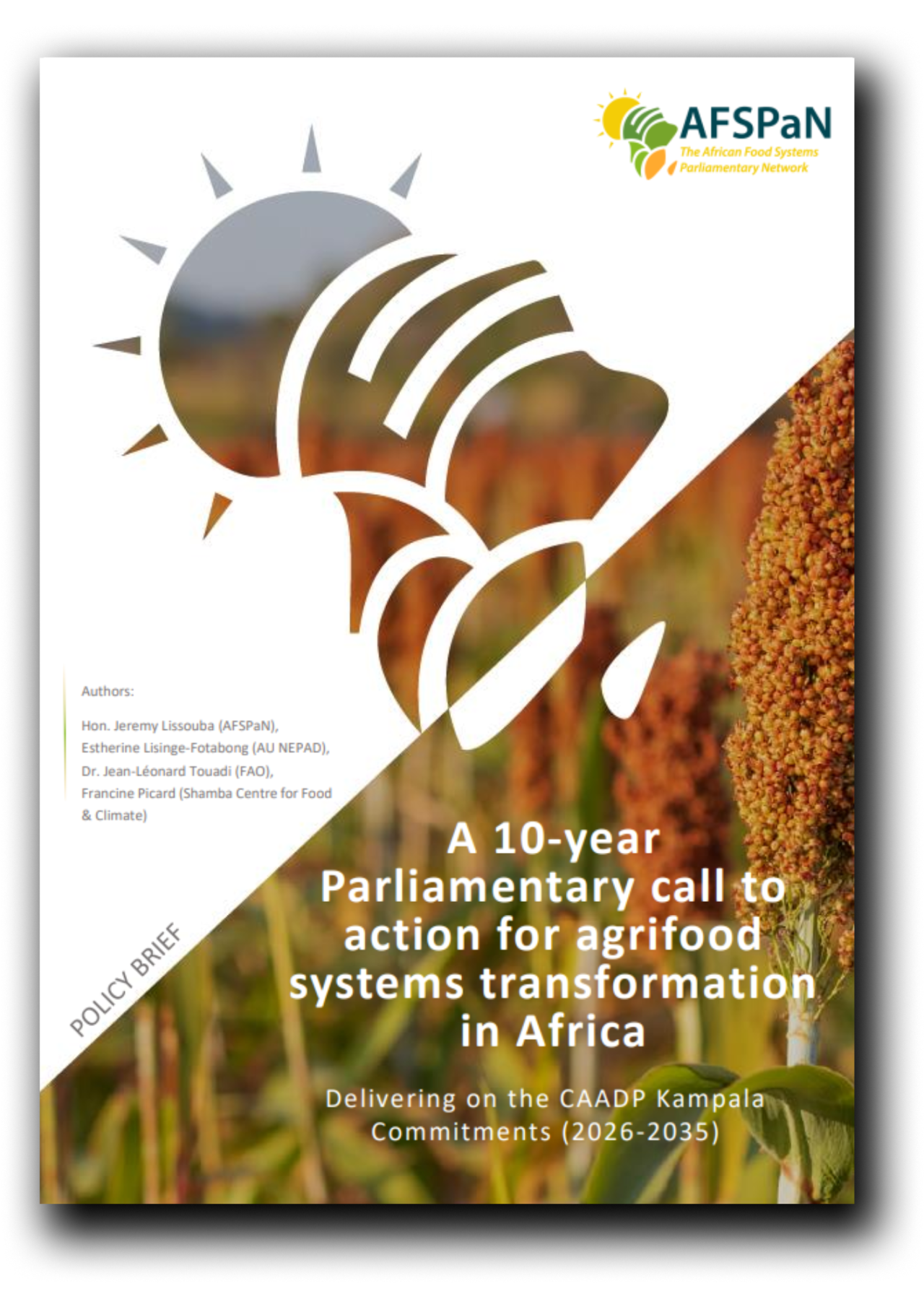
The sessions underscored parliamentary leadership for policy coherence and financing, echoing AFSPaN’s 2026–2035 policy brief to place legislatures at the centre of accountability for agrifood transformation.
Hon. Aimée Marie Ange Tumukunde
Pan-African Parliament (PAP) committee members
31/10 Getting to the $100 Billion CAADP Kampala target
The session emphasized the need for: scaling public and private investment rapidly, aligning national investment plans with the Kampala-era targets; strengthening results-based financing; tapping innovative financing instruments (blended finance, risk-mitigation); and leveraging regional cooperation to pool resources and bring down unit costs. Progress hinges on "the progressives in government and private sector" working together, aligning around specific value chains, and tackling the bottlenecks that limit enterprise growth. The solution requires seamless integration and coordination of investments across priority value chains and ecosystems, ensuring efforts address binding constraints and deliver tangible results. Ultimately, unlocking the $100 billion ambition is more than an economic goal - it calls for political will, ethical leadership, and inclusive growth models. Read the full AFSR report - the essential roadmap for achieving the Kampala Target.
AGRA’s Vice President for the Center of Technical Expertise, Jonathan Said, reminded participants of Africa's immense potential - citing success stories like Ethiopia's rapid growth in flower exports. However, Dr. Said cautioned that the real constraint isn't a lack of ideas or financing, but fragmented coordination and weak delivery.
From Tanzania, Dorcas Mwakoi presented the rollout of the Agriculture Growth Corridor of Tanzania (AGCOT) - driving commercialization through cluster-based investments, private sector co-ownership, and spatial development that links infrastructure, irrigation, and agribusiness ecosystems.
From Ethiopia, Dr. Yifru Tafesse Bekele shared the Agriculture Commercialization Cluster (ACC) model, now reaching 4.4 million farmers across 311 woredas. By organizing smallholders into production clusters, the model is enhancing productivity, strengthening market access, and attracting investment into agro-industrial value chains.
Together, these experiences highlight how Commodity Cluster Compacts are driving the implementation of the CAADP Kampala Commitments - turning strategy into coordinated, market-led action for Africa’s food systems transformation.
31/10 Multi-sectoral Governance to Tackle Malnutrition, SUN Movement Secretariat
The session underscored that achieving nutrition outcomes in Africa demands strong multisectoral governance—involving agriculture, health, education, social protection, trade and finance sectors—operating through a nationally-mandated platform (often a SUN country platform). Key takeaways included: the necessity to embed nutrition objectives in national agricultural investment plans and sectoral budgets; to build robust data and monitoring systems that span sectors; to strengthen legislative and budgetary oversight of nutrition outcomes; and to engage civil society, private sector and youth as partners in governance, not just as implementers.
31/10 Pathways for achieving CAADP Kampala Targets
31/10 Closing Plenary and OFFICIAL CLOSING
Mrs. Estherine Lisinge-Fotabong, Director of Agriculture, Food Security and Environmental Sustainability, AU-NEPAD
"The future of Africa’s agrifood systems will not be written in conference halls, but in the fields, laboratories, and markets where our people live and work. The Kampala CAADP Declaration gives us the roadmap. Now, it is up to us to build the road. Let the spirit of Kigali—a spirit of resilience, unity, and purpose—accompany us as we translate conversation into coordinated action".
ACAT is the foremost forum that focuses on game-changing novel agricultural technologies, ideas, and policies that foster agricultural transformation on the continent. The Conference is an agriculture technology transfer platform that promotes innovative and practical solutions to catalyse more efficient, inclusive, and resilient agriculture in Africa.
It brought together government representatives, industry thought leaders, policymakers, technical experts, private institutions, farmers, women and youth across the globe to discuss and define practical actions and solutions to the challenges of technology access and use faced in the agriculture sector in Africa.
This panel session explored how a user-centered design approach
can revolutionize the development and deployment of Science, Technology, and
Innovation (STI) in agriculture, with smallholder farmers and other key stakeholders
as integral members of the innovation team.
Sequence 1: How can we better understand and prioritize the specific needs of smallholder African farmers to ensure that technological solutions are truly impactful and sustainable?
Dr. Milindi Sibomana, Chief Agriculture Officer, One Acre Fund
Ms. Margaret Awinja, Coordinator, Western Region Farmers Network
Mr. Anthony Kioko, CEO, CGA
Prof. Maggie Gill, Board of Trustees Member, AATF
Dr. Kayode Sanni, Project Manager and Director of The Alliance for Hybrid Rice in Africa (AHyRA), AATF
Sequence 2: How can we create effective partnerships between researchers, policymakers, private sector actors, and farmers to design scalable farmer centric agtech solutions?
Prof. Richard O. Oduor, Research, Innovation and Outreach, Kenyatta University
Prof. Hlami Ngwenya, Head of Research Chair, Communication for Innovation Center for Sustainable Food Systems and Development, University of Free State
Prof. Bernard Slippers, Board of Trustees Member, AATF
Prof. Firew Mekbib, Chair, National Variety Release, Federal Democratic Republic of Ethiopia
Dr. Jean Claude Rubyogo, Director, Pan-Africa Bean Research Alliance (PABRA)
09/10 Building robust digital infrastructure in rural areas
This session explored a two-pronged approach: establishing resilient and accessible infrastructure for present impact and proactively developing the robust and interconnected infrastructure required to harness the transformative potential of AI, robotics, precision agriculture, and data analytics.
Sequence 1: How can digital solutions be leveraged to accelerate the adoption and
application of agricultural innovations?
Dr. Bellancile Uzayisenga, Plant & Microbial Biotechnology Programme
Coordinator Senior Principal Research Fellow, Rwanda Agriculture and Animal
Resources Development Board, (RAB)
Mr. Deo Massawe, CEO, Bank of Kigali (BK) TecHouse
Mr. Emmanuel Assiak, Chief Investment Officer, Fund for Export Development
in Africa (FEDA)
Dr. Ndambe Magnific, Deputy Vice Chancellor of Research, RICA
Sequence 2: What are the key challenges and opportunities in deploying digital tools in remote rural areas, and how can these challenges be overcome?
Mr. Pierre Kayitana, General Manager, Zipline Rwanda
Mr. Gabriel Macharia, Data Management Officer, AATF
Mr. Paul Kwengere, Board Member, International Trade Council
Mr. Faissal Sehbaoui, CEO, AgriEdge
09/06 Digital divide and promoting Ag-tech literacy
This panel addressed the critical issue of farmers’ voices to the forefront and exploring practical solutions to promote tech literacy and the adoption of farmer-centric agricultural technologies.
Sequence 1: Bridging the Gap - Farmers and Tech Developers in Dialogue
Ms. Elizabeth Nsimadala, President, EAFF
Mr. Pacifique Nshimiyimana, Founder & CEO, Real Green Gold Ltd
Mr. Naboho Wiledyo, Farmer, People’s Republic of Burkina Faso
Mrs. Tigist Endashaw Bealem, Consultant - Climate Action Policy Advocacy,
Federal Democratic Republic of Ethiopia
Sequence 2: Interactive workshop and reporting
What are the effective training and education models for Ag-Tech solutions in
Africa?
What are some practical strategies for enhancing access and affordability of
digital tools for farmers?
The role of youth in championing digital literacy among older farmers?
Day 2: Theme: Enabling Environment: Investment and partnerships
for Ag-Tech Solutions
10/06 : Enabling Environment: Investment and partnerships for Ag-Tech Solutions
This session explored strategic investments across a range of vital linkages,
markets, credit facilities, capacity building, and other essential support services.
Keynote Address: Investing in the Future of African Agriculture - H.E. Dr. Goodluck Jonathan, AATF Goodwill Ambassador & Former President, Federal Republic of Nigeria
Panel 1: Charting a Collaborative Roadmap for Quality Partnerships:
Dr. Canisius Kanangire, Executive Director, AATF
Prof. Appolinaire Djikeng, Director General, ILRI
Dr. Yuichiro Asai, President & CEO, Asai Nursey, Inc
Dr. Sheila Obim, Executive Director, Alliance for Science
Prof. Jean Jacques Muhinda, Regional Director East & Southern Africa, AGRA
Panel 2: Building the Ecosystem: Infrastructure, Finance, and Capacity
Hon. Tesi Rusagara, Minister of State for Resource Mobilization and Public Investments,
Rwanda.
Ms. Brenda Gunde, Lead Global Technical Specialist ICT4D, Sustainable Products, Markets and Institutions Division, IFAD
Dr. Stella Simiyu (picture), Director Regulatory Affairs & Stakeholder Relations, CropLife Africa Middle East: see video @ 42:27 - 46:38 She answers the question: How do we foster a PPP that works for the farmers?
Ms. Katie Taft, Communications and Engagement Lead, Gates Ag One
Mr. Hannington Namara, C.E.O Equity Bank Rwanda
10/06 : Developing sustainable business models for Ag-Tech
This session explored diverse investment opportunities, innovative financing mechanisms, and policy frameworks that can unlock the widespread development and adoption of impactful Ag-Tech.
Sequence 1: For sustainable Ag-Tech to thrive across diverse African markets, what are the primary investment hurdles and the resulting opportunities once these are addressed?
Dr. Eugene Mutimura, CEO, National Council of Science and Technology, Republic of Rwanda
Dr. Jonga Munyaradzi, Seed Production Manager, AATF
Dr. Said Rutabayiro Ngoga, Division Manager for Technology Innovation, Rwanda Information Society Authority
Ms. Martha Haile, Founder, Abze
Sequence 2: How can we foster a new generation of innovative agripreneurs who can drive sustainable agricultural development and economic growth?
Prof. Alfred Bizoza, Professor, University of Rwanda
Mr. John Agboola, Foundation Manager, AGCO Corporation
Mr. Peter Wamboga-Mugirya, Director for Communication and Partnerships, Science Foundation for Livelihoods and Development (SCIFODE)
Dr. Nomathemba Mhlanga, Country Representative, FAO
10/06 Researchers Dialogue Session Title: Integrating traditional knowledge systems with modern technology solutions
This session examined the synergies between indigenous ecological knowledge—deeply rooted in local cultures and ecosystems—and innovations such as precision agriculture, biotechnology, and digital platforms.
Sequence 1: Collaborative Pathways to Next-Gen Agriculture
Mrs. Gift A. Kadzamira, Director General, National Commission for Science and Technology Rwanda
Dr. Omar Mukama, Lead GCP inspector of Clinical Trials, Rwanda Food and Drugs Authority
Dr. Allan Liavoga, Technical Advisor, North American Millers Association
Ms. Bakang K. Kgasudi, PhD student, Botswana University of Agriculture and Natural Resources
Sequence 2: Interactive workshop and reporting - Bridging Wisdom and Technology
What core elements of traditional farming must be safeguarded and integrated?
How can digital agriculture enhance, rather than replace, local practices?
What governance mechanisms can ensure ethical knowledge sharing?
Day 3 : Last Mile Delivery: Commercialization and Scaling of
Ag-tech Solutions
11/06 Commercialization and Scaling of Ag-tech Solutions
The panellists analysed the persistent barriers hindering access in rural communities and explore how strategic, multi-sectoral partnerships, empowered by cutting-edge technological advancements in logistics and information flow, can revolutionize delivery.
Project Showcase: Climate Smart Remote Sensing Project in Rice Value Chain Project
- Dr. Kayode Sanni, Project Manager and Director of The Alliance for Hybrid Rice in Africa
(AHyRA), AATF
Opening Remarks & Setting the Stage
Mr. Sam Ngabire, Coordinator, Home Grown School Feeding Project, Ministry of Education,
Republic of Rwanda
Keynote Presentation: Overcoming Last Mile Hurdles -Ms. Mildred Nadah Pita, Head of
Public Affairs, Science and Sustainability, Bayer
Panel Discussion: Building Robust Partnerships Among Stakeholders (Public, Private,
NGOs) for Sustainable Scaling of Ag-Tech Solutions
Mr Shavda Tree Onov. CEO of East Africa Agro Limited
Prof. Karimbhai M. Maredia, Professor and Director of International Programs, Michigan State University - "The importance of South-South, North-South partnerships for technology transfer"
Mr. Momar Dieng, Chief Strategy and Partnerships Officer, AIMS Global Network
Dr. Jean Claude Rubyogo, Director, Pan-Africa Bean Research Alliance (PABRA)
Mr. Dagmawi Habte-Selassie, Country Director, Rwanda, IFAD
Panel Discussion: Beyond the Pilot, Scaling Ag-Tech Solutions
Mr. Amath Pathé Sene, Managing Director, Africa Food System Forum (AFSF)
Ms. Zoë Karl-Waithaka, Managing Director and Partner, Boston Consulting Group
(BCG) - Inclusive business models
Dr. Mel Oluoch, Director for Strategic Partnerships, Sasakawa
Dr. Telesphore Ndabamenye, Director General, Rwanda Agriculture and Animal
Resources Development Board (RAB)
Path Forward: Dr. Oliver Kamana, Permanent Secretary, MINAGRI
The Alliance for Cowpea Improvement in Africa (ACIA) is an Africa-focused community of cowpea experts. It responds to the demands of African farmers and consumers for cowpea that is safe, affordable and environmentally sustainable.
Cowpea is a delicious and nutritious food crop, one widely featured in African cuisines and widely grown on African farms. The mission of ACIA is to ensure this versatile and resilient crop reaches its full potential to support healthy diets and sustainable, productive farms.
Kira Everhart-Valentin of Gates Agricultural Innovations (Gates Ag One) Prof. Muhammad Lawan Umar - Cowpea breeder, Institute for Agricultural Research (IAR), Nigeria Francis Onyekachi, Manager Product Stewardship and Quality (AATF) He presented the progress on gene edited cowpeas Dr. Jean Baptiste Tignegre - African Agricultural Technology Foundation (AATF)
11/06 Licensing and IP: access to proprietary traits and germplasm
This session delved into the complex landscape of intellectual property (IP) and licensing concerning proprietary traits and germplasm – foundational elements for agricultural innovation and productivity gains in Africa. Access to these protected resources holds immense potential for developing climate-resilient crops, enhancing nutritional value, and improving yields for African farmers. However, navigating the legal, ethical, and economic considerations surrounding IP and licensing is crucial to ensure equitable access and foster sustainable agricultural development in Africa.
While the private and public seed sector share the same goal of developing improved varieties, there are
important differences that must be considered when developing appropriate IPR for cultivars developed
in the public sector. Public breeding often focuses on crops with high social returns to investment but
low private returns, such as small grains, perennials, cover and soil building crops, root and tuber crops,
and tree crops. Public breeders often focus on long arc research, that is, research in which the payoff
may require many years of work, often by many individuals. After development and proof of concept by
the public sector, the new products are commercialized by the private sector with little return of funding
to the public side. In many cases the public breeding sector collaborates with the private sector to
commercialize public cultivars, and considerations must be made to facilitate this technology transfer. (See: University of Wisconsin-Madison (2016) Intellectual Property Rights and Public Plant Breeding Recommendations, and proceedings of a conference on best practices for intellectual property protection of publicly developed plant germplasm)
Sequence 1: How can intellectual property and licensing frameworks be structured to enable access to proprietary traits and germplasm while still incentivizing innovation?
Dr. George Smith, Senior Associate Dean for Research, MSU
Dr. Damaris Odeny, Plant Geneticist, International Crops Research Institute for the SemiArid Tropics (ICRISAT)
Dr. Deogracious Protas Massawe, Principal Research Coordination Officer, Tanzania Commission for Science and Technology.
He presented: the Tanzania Technology and Innovation Support Centers (TISCs) Innovators are trained on the various aspects of IP, enabling them to identify protectable aspects of their inventions. This safeguards their innovations and gives innovators a competitive advantage at the market. The Tanzania Commission for Science and Technology (COSTECH) is managing a credit window(1 M USD) under the national fund for advancement of Science and technology (NFAST) to support commercialization of Innovations in collaboration with CRDB bank foundation and the World Bank. The establishment of this special commercialization fund in collaboration with CRDB Bank Foundation to accommodate market penetration of research and innovation products. This special window will serve to: (i) Promote commercialization of research and innovation products in Tanzania; (ii) Attract more financing opportunities within and outside Tanzania for supporting; commercialization of research and innovation products; (iii) De-risk innovators and unlock them to commercial funding from commercial banks. (the call opened on 5th May 2025)
Ag-Tech Frontier: Mechanizing the Last Miles: A viable, all-terrain machine to unlock rural food production - Mr. Eric Lane, Co-Founder and Principal, Prosparity Systems
Sequence 2: From Ownership to Access — Making IP Work for African Farmers. What practical steps are needed to ensure African researchers and farmers benefit from protected germplasm and traits, especially in the context of climate resilience and food security?
H.E. Ambassador Prof. Muhammadou M.O. Kah, AATF Board
Ms. Keziah Chomba, Legal Officer, AATF
Dr. Nyagatare Guillaume, Principal, University of Rwanda, College of Agriculture
"Let's put Intellectual Property Rights in the social context of Africa, and not from an individual gain perspective"
11/06 : Leveraging Ag-Tech for Sustainable Agriculture
This dialogue empowered young people to create, adopt and scale Nextgen AgTech solutions for a sustainable and prosperous agricultural future in Africa. This youth dialogue amplified the voices of young farmers and inspire a new generation of agricultural leaders.
Sequence 1: Collaborative Pathways to Next-Gen Agriculture
Mr. Norman Mugisha, CEO, Afrifarmers Market
Ms. Mildred Nadah Pita, Head of Public Affairs, Science and Sustainability, Bayer
Mr. Henry Lagat, Lead, Generation Africa, AGRA
Mr. John Agboola, Foundation Manager, AGCO Corporation
Sequence 2: Interactive workshop and reporting
What are the most effective ways to educate and train young farmers on AgTech in a way that resonates with them?
How can governments and other stakeholders create a more enabling environment that supports youth engagement in Ag-Tech?
How can we foster more effective collaboration between different stakeholders to avoid duplication of efforts and maximize impact?
11/06 Private Sector Dialogue: Commercialization and Scaling of Climate Smart and Modern Ag-Tech to the last mile
This private sector dialogue discusses effective
strategies for commercialization of climate-relevant agricultural technologies and
innovations in Africa.
Dr. Sylvester Dickson Baguma, Executive Director, ASARECA
Ms. Julian Barungi, Program Officer Policy, ASARECA
Dr. Joshua Okonya, Program Officer, Agricultural Technology and Innovation,
ASARECA
Mr. Federico Tonelli, Director of Development & Partnerships, Asili Agriculture
Ms. Iheoma Okpara Chienyenwa, Plant Operations Manager, The Rwanda
Fertilizer Company Ltd
Mr. Innocent Namuhoranye, Chairman, National Seed Association of Rwanda
(NSAR)
Mr. Didace Mparirwa, Head of Agriculture and Livestock Cluster, Private Sector
Federation (PSF)
Dr. Geoffrey Ongoya, Technical Manager, Koppert Biological Systems
Ms. Stella Kimani, Chief Operations Officer, Acre Africa
Ms. Sidonie Paques, Climate Finance Investment Lead, The Global Green
Growth Institute (GGGI)
Day 4 : Cultivating a sustainable future with AgTech Solutions
This subtheme explored practices for product integrity preservation to benefit farmers, enterprises, and consumers while creating regenerative and distributive products that work within the planet’s ecological limits.
Opening Remarks & Setting the Stage - H.E. Ambassador Prof. Muhammadou M.O. Kah, AATF Board
Keynote Address - Dr. Chris Holdgreve, CEO, Global Stewardship Group (GSG) & Executive Director, Excellence Through Stewardship (ETS) Stewardship for Transgenetic Plant Technology; Plant breeding Innovation (PBI) such as genome editing and other breeding innovations.
12/06 Stewardship: Cultivating a sustainable future with Ag-Tech Solutions
This session delved into practices that safeguard product integrity, ensuring the longevity and effectiveness of innovations.
Panel Discussion: Stewardship & Sustainability in Action
Prof. Johnnie Van Den Berg, Program Manager: Integrated Pest Management,
North-West University, South Africa He mentioned Nigerian Farmer’s Success Story with Bt Cowpea
Dr. Olusegun Adedayo Yerokun, Deputy Vice Chancellor, Academic Affairs,
RICA
Prof. Emmanuel Ikani, Executive Director, National Agricultural Extension and
Liaison Services, Zaria, Nigeria
This side event of the 2025 United Nations Multi-Stakeholder Forum on Science, Technology and Innovation for the SDGs (STI Forum) highlighted the collaborative effort between the European Commission and 5 African countries to design tailored STI for SDGs roadmaps and address specific challenges:
The Gambia: improving food self-sufficiency - Ambassador Jainaba Jagne, Permanent Secretary of the Ministry of Higher Education, Research, Science and Technology, The Gambia
Mauritius: reducing noncommunicable diseases
Namibia: increasing resilience of rural communities to climate change
Rwanda: fostering food systems transformation to enhance food security - Dr. Louis Sibomana, National Council for Science and Technology (NCST), Rwanda (online)
Seychelles: enhancing energy efficiency and uptake of renewable energy in the investment and industrial sector.
The virtual event attended by [102 participants / 319 registrations] aimed at advocating and raising awareness of the issues towards creation of sustainable and inclusive food value chains to meet food and nutritional demand for consumers. The specific objectives of the event were:
bring innovations and different technologies, exchange of share good practices and case studies in promoting sustainable food products development by SMEs that are environmentally friendly, ecologically sustainable, safe and nutritious.
discuss the issues and challenges for ensuring sustainable consumption, including reducing food loss and waste
identify policy and investment options for promoting sustainable food products development by SMEs and promotion of sustainable consumption.
Speakers:
Welcome Remarks – delivered by Ms Sara Mbago, Regional Director, IFAD East and Southern Africa Regional Office ESA
Why invest in value chains? - Sustainable value chains introducing eco-friendly, safe and nutritious food products that support local and traditional safe and nutritious foods cultivated by small-holder farmers (e.g. adding value to traditional foods; processing of safe, better quality and nutritious food products; packing using environmentally friendly degradable packaging system, food labeling) – Ms Betty Kibaara, Director, The Rockefeller Foundation, Africa Region Office
Citing the example of investing in school feeding (in Ghana), Ms. Kibaara clarified that children in schools comprise 48 billion dollar market globally and the need to encourage aggregator models that supply schools with locally procured nutritious value chains. She emphasized the need to collaborate with governments to accelerate impact through institutional procurement including embracing initiatives like capacity building to strengthen local sourcing.
What technologies and innovations can be offered? Working with MSMEs to deliver nutritious diets: food fortification as means to combat micronutrient deficiencies in Africa: – Mr. Penjani Mkambula, Deputy Director, Programme Services, Global Alliance for Improved Nutrition (GAIN)
Investing in nutrition-sensitive value chain in Africa - Dr. Kennedy Bomfeh, Senior Director, The Ajinomoto Foundation
Dr. Kennedy Bomfey gave five key points on how to leverage the public-private partnerships: i) The need for both sectors to understand the problem in context in order to co-create synergistic interventions; ii) The need to provide a science based response to understand the context thus enabling participation for scale up of proposed solutions; iii) collaboration for holistic impact by using evidence as a bridge to link private sector and public sector; iv) localizing for uptake or utilization of locally available raw materials by ensuring local food culture is respected to protect local food value chains; v) The use of market based distribution for sustainability by leveraging public private partnerships to enhance market penetration mechanisms.
facilitated by Ms Nomindelger Bayasgalanbat, Senior Technical Specialist (Social Inclusion – Nutrition), IFAD, ECG
Panel with representatives of MSMEs
Moderated by Ms Putso Nyathi, Senior Value Chain Specialist, IFAD, PMI
Creating safe and nutritious local food products at affordable price, – Ms. Marie Claire Nyirankundizanye, Farm Fresh Foods Ltd (Rwanda) - Precooked beans biofortified
The FarmFresh Food Company is an innovative Kigali-based food processing company that markets branded, fully cooked Rwandan beans in laminated pouches
Increasing utilization of local foods for healthy diets: Ms. Rachel Gikonyo, Eden Harvest Limited, Vegetables value chain, Kenya
Eden Harvest Limited, an agricultural enterprise that specializes in farming, aggregating, packing, and distributing high-quality, fresh agricultural produce to schools, restaurants, supermarkets, and households.
Diversifying products to support nutritious diets: Insects as Future Food - Dr. Geoffrey Ssepuuya, INSFOODS Limited, Uganda
Creating safe and nutritious local food products at affordable price - Mr. David Kamau, Fortified Whole Grain Alliance, Eastern Africa focus on Burundi
Closing Remarks – delivered by Sara Kaoukou, ESA Regional Lead Portfolio Advisor, IFAD
This important meeting, supported by the European Union and Expertise France through their EU4SUN project, brought together local producers, policymakers, regulatory authorities, funders, social impact investors, and technical agencies. The discussions focused on applying a systems approach to address barriers to producing safe and nutritious, locally made complementary foods.
Read the meeting pre-read material, “Barriers to improving access to locally produced nutritious and safe complementary foods in low- and middle-income,” available in English and French.
Micronutrient Forum. Barriers to improving access to locally produced
nutritious and safe complementary foods in low and middle-income countries. Washington, D.C.:
Micronutrient Forum; 2024. # 14 pp.
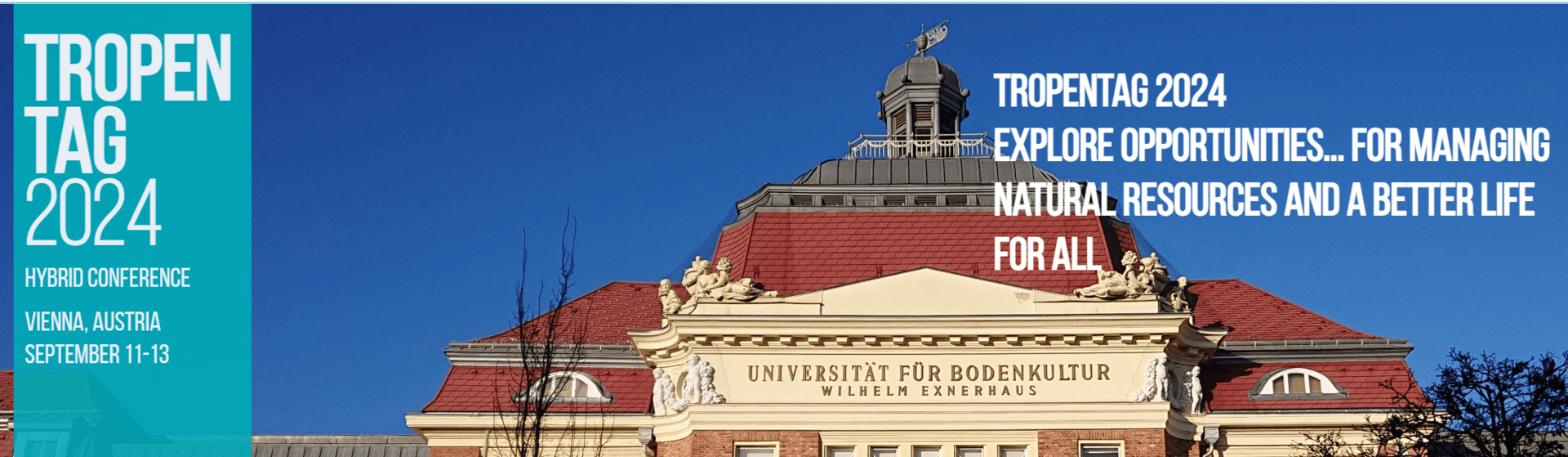
The annual interdisciplinary conference on research in tropical
and subtropical agriculture, natural resource management and rural development (Tropentag) was jointly organised by the universities of Berlin, Bonn, Göttingen, Hohenheim, Kassel-Witzenhausen, ZALF e.V. (all Germany), Ghent University (Belgium), Czech University of Life Sciences Prague (Czech Republic), BOKU Vienna (Austria), and the Council for Tropical and Subtropical Research (ATSAF e.V.) in co-operation with the GIZ Fund International Agricultural Research (FIA).Tropentag 2024 (TT24) was organised as a hybrid 'green event' by University of Natural Resources and Life Sciences, Vienna (BOKU University), Austria (Insitute and Cluster for Development Research), in cooperation with ATSAF e.V.
Topics:
Agroecology and sustainable resource management practices: This includes discussions on sustainable agriculture practices, such as crop management, soil conservation, organic agricultural production, agroecology and agroforestry systems, aiming to optimize natural resource management while preserving the environment.
Livestock management and human well-being: Addressing sustainable and resilient animal production systems, promoting animal welfare, healthy animals as high-quality food resources, and enhancing human well-being through sustainable livestock management practices. Discussions link to the current discourse regarding economic viability and environmental aspects of animal production systems, increasing consumer demands for improved animal well-being, and calls for alternative non-animal protein sources.
Food and nutrition sovereignty:This session aims to bring together different perspectives contributing to a sustainable and just transformation of our food system. This involves addressing the underlying structural and socio-political issues related to malnutrition and advocating for sustainable diets. An emphasis is on democratic control over the production, distribution and consumption of food and the rights of peoples and communities to determine their own food and farming systems. This includes discussions on how to improve access to land and access to culturally appropriate, nutritious and affordable food, and the important intersection between food and health, identifying and assessing transformative solutions.
Sustainable water and fisheries management:Exploring innovative strategies and solutions to ensure the long-term viability of water resources and fisheries worldwide. Through interdisciplinary research and collaborative efforts, this session delves into the complex challenges facing sanitation, water ecosystems and fish populations, addressing overfishing, habitat degradation, pollution, and climate change impacts and offering insights into sustainable management practices, community engagement, policy frameworks, and technological advancements to promote the resilience and health of aquatic environments and fisheries.
Climate change adaptation and resilience: Sessions addressing adaptation to climate change in the context of agriculture and food systems, including pastoralism, natural resources management, and rural livelihoods. A critical perspective is laid on the potential threats of climate adaptation strategies for diverse rural livelihoods, in light of increased privatization, land grabbing and the rush for carbon and biodiversity credits. Sessions further focus on resilience strategies in agriculture, food systems and natural resource governance, including innovative approaches to mitigate environmental risks and enhance resilience of local populations.
Forestry, environmental conservation and ecosystem services: Exploring the intersection of agriculture and environmental conservation, including plant protection, agroforestry systems sustainability, and the importance of trees for environmental health and ecosystem services provision. This encompasses sessions on plant protection, trees for people and the environment, and understanding and managing soil-vegetation interactions, all of which contribute to environmental conservation and the provision of ecosystem services. This includes critical reflections on the benefits, trade-offs and potential threats of environmental conservation for rural livelihoods.
Gender and intersectional perspectives in the governance of natural resources:Critically explore how gender and other social dynamics intersect with and impact the governance of natural resources. Highlight the importance of inclusive approaches and practices, acknowledging diverse perspectives. Emphasize the importance and value of local knowledge systems, knowledge co-creation, co-learning, and actor-based initiatives in achieving more just and inclusive governance of natural resources and food systems.
Multiple crises: political, institutional and economic structures and challenges: Adopting a political ecology lens to explore the impact of multiple crises on our food and agriculture systems and natural resources, such as the climate crisis, violent conflicts and resulting economic crises. This includes reflections on the economic potential and profitability of agriculture and rural livelihoods, as well as collective action from grassroots organisations in shaping our future food and agricultural systems, and the role of policies and institutions amidst societal transformations.
Social and technological innovations for implementing the SDGs:Sessions focusing on technology adoption and dissemination, social innovations, and farmer perspectives in cropping and animal systems will highlight the role of technical and social innovations in agricultural practices and farmer-driven processes that contribute to sustainable resource management and securing livelihoods.
Keynote speakers
Tropentag 2024 had the honour to welcome three keynote speakers with diverging backgrounds: Franz Fischler, Anja Gassner, and Lerato Thakholi. Although the speakers shared different stories, their speeches united them in a shared vision of making efforts for brighter future prospects.
Franz Fischler, President IHS, Institute Advanced Studies, Austria
Anja Gassner, Managing Director, CIFOR Germany gGmbH; Director Europe
Lerato Thakholi, Wageningen University and Research, The Netherlands / University of the Western Cape, South Africa
Other speakers:
Jennie Barron, Swedish University of Agricultural Sciences (SLU), Dept. for Soil and Environment, Uppsala, Sweden
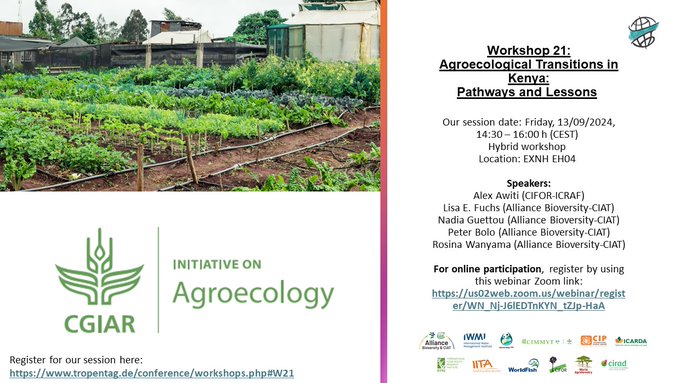
Johanna Jacobi, Department of Environmental Systems Science, Agrarökologische Transitionen, ETH Zürich, Switzerland
Nzula Kitaka, Egerton University, Dept Biological Science, Kenya
Johannes M. Waldmüller, Department of Political Science, International Politics, University Vienna, Austria
Achille Assogbadjo, Lab of Applied Ecology, Faculty of Agronomic Sciences, University of Abomey-Calavi, Cotonou, Benin
CIFOR-ICRAF's Dietmar Stoian led a session on developing agroforestry value chains in Rwanda, enhancing climate resilience and improving livelihoods through the TREPA project.
Transforming Eastern Province through Adaptation (TREPA) A paradigm shift in land management practices in Rwanda’s Eastern Province to build resilience in the landscape to sustain agro-ecological systems and livelihoods. TREPA intends to increase the resilience of 75,000 smallholder farmers and restore 60,000 ha of drought-prone degraded landscapes as climate-resilient ecosystems through agroforestry, soil erosion control, reforestation, and the restoration of pasturelands, including economic incentives linked with the development of value chains of climate-resilient agricultural and tree products.