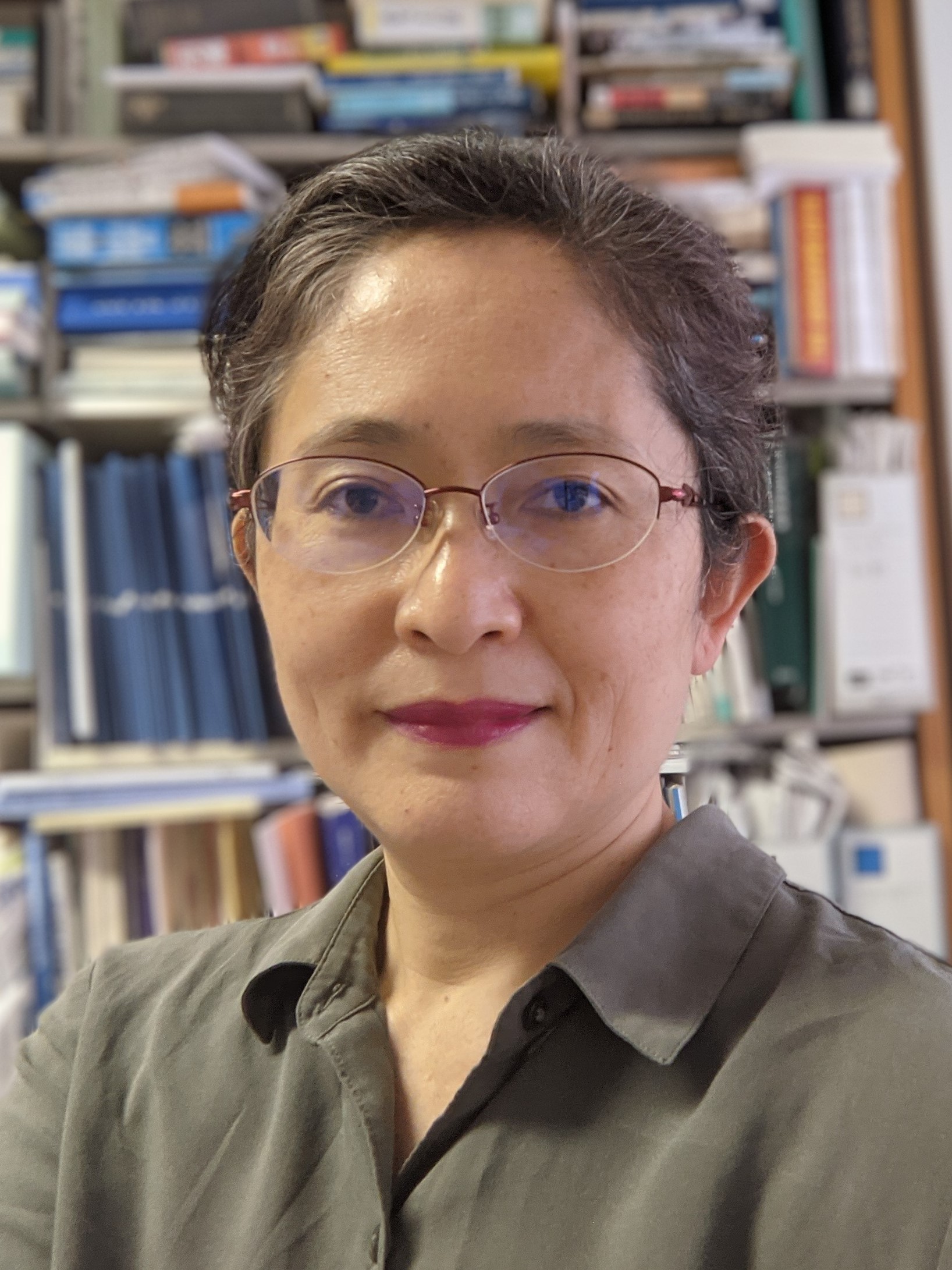
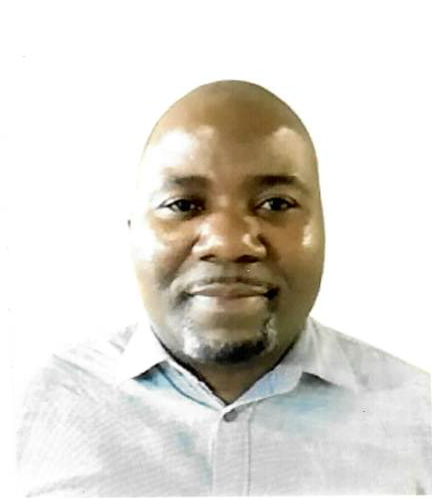
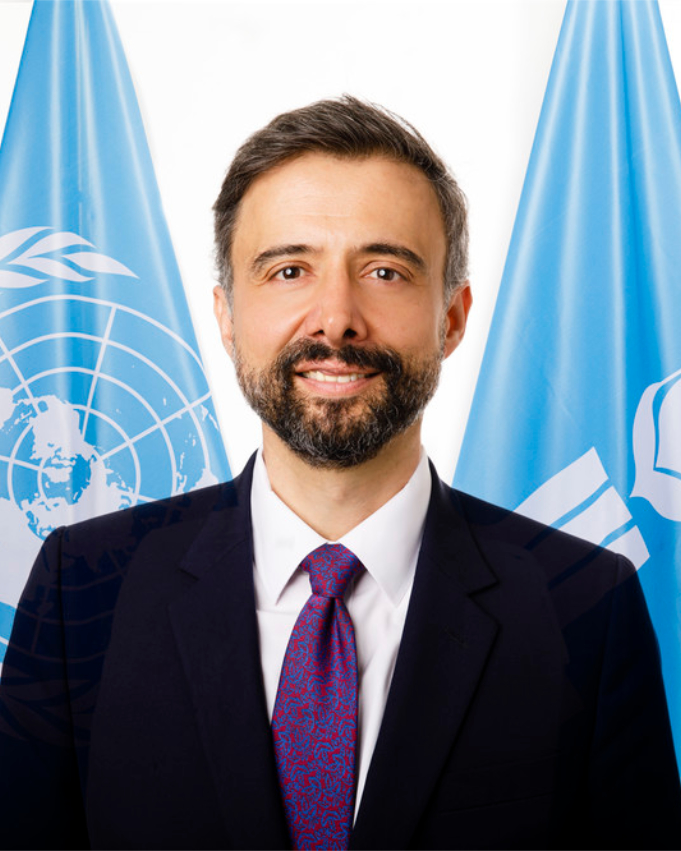
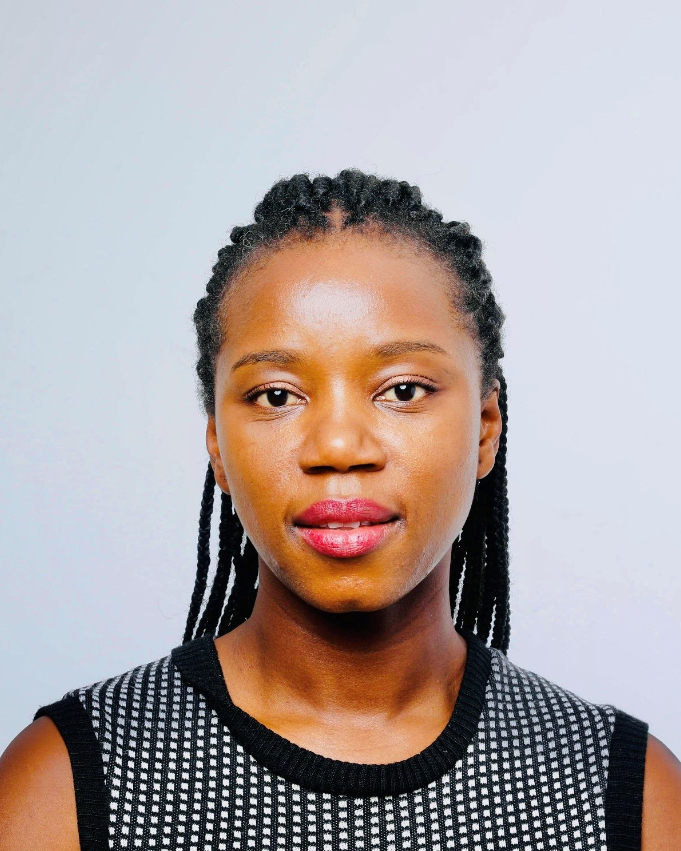
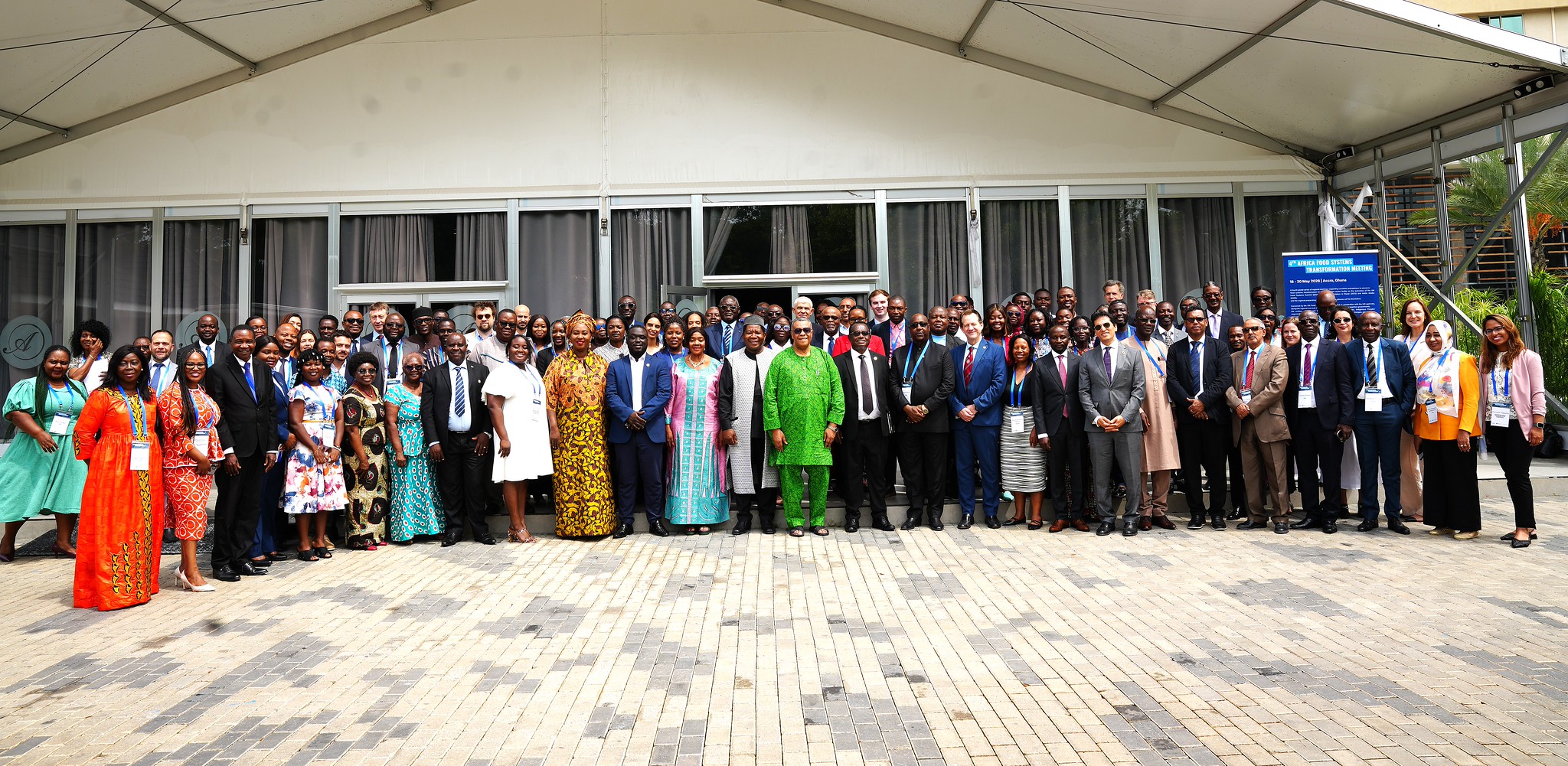
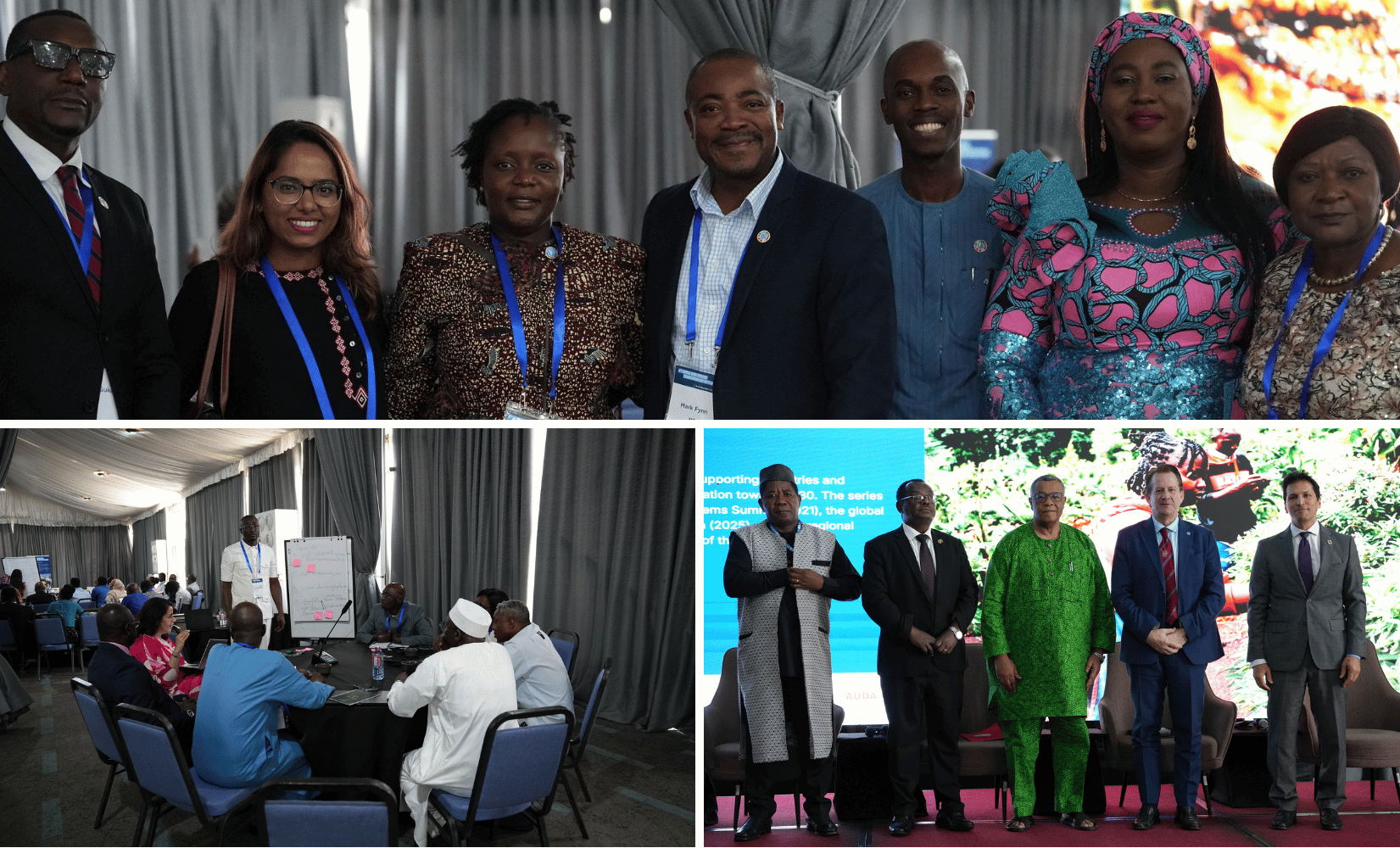
The 4th Africa Regional Food Systems Transformation Meeting brought together National Food Systems Convenors, governments, regional institutions, UN agencies, development partners, researchers, civil society, youth organizations, and the private sector. The meeting focused on accelerating implementation of national food systems transformation pathways following the adoption of the CAADP-Kampala Declaration and the outcomes of the UN Food Systems Summit +4 (UNFSS+4). Participants reviewed progress made since previous regional meetings, shared lessons from implementation, and identified opportunities for stronger collaboration, investment, and accountability across Africa.
A central theme throughout the meeting was moving from planning to delivery. Discussions emphasized improving governance, financing, monitoring systems, science and innovation, private-sector engagement, and youth leadership to transform African food systems into more resilient, inclusive, and sustainable systems. The meeting also sought to align national actions with continental frameworks such as Agenda 2063 and CAADP-Kampala, while strengthening regional cooperation to address common challenges including climate change, food insecurity, economic shocks, and unemployment.
1. High-Level Roundtable 1 Opportunities for Better Synergy Between National Pathways, Global and Continental Policy Frameworks
Purpose: To explore how national food systems transformation pathways can be aligned with continental frameworks such as CAADP and Agenda 2063, while ensuring that country priorities shape regional and global agendas.
Clement Adjorlolo (Moderator)Principal Programme Officer, Agriculture and Rural Transformation, AUDA-NEPAD
Mokganedi MokopasetsoNational Food Systems Convenor, Botswana
Leon BaïkouaNational Food Systems Convenor, Central African Republic
Chantal IngabireDirector General for Planning, Ministry of Agriculture and Animal Resources (MINAGRI), Rwanda
Victor MbumwaeNational Food Systems Convenor, Zambia
Lorenz FrankenInstitution Building Specialist, Committee on World Food Security
2. Panel Discussion How to Unlock Financing and Investment for Food Systems Transformation?
Purpose: To identify practical financing mechanisms and investment approaches that can accelerate implementation of food systems transformation pathways.
Max von Bonsdorff (Moderator)Chief, Global and Multilateral Engagement, International Fund for Agricultural Development IFAD
Arsene BationoPrivate Sector and Grants Management & Compliance Expert, African Development Bank AFDB
Athur (Arthur) MabisoLead Regional Economist, International Fund for Agricultural Development IFAD
Gabriel FerreroSenior Strategic Advisor, Global Agriculture and Food Security Program
Zak BleicherSenior Advisor and Global Coordinator, Agrifood Systems Accelerator
Tobie Ondoa MangaInspector General of Agricultural Development, Government of Cameroon
Mohamed Abdi YusufNational Food Systems Convenor, Somalia
Chantal IngabireDirector General for Planning, MINAGRI, Rwanda
3. Roundtable: How Can the Private Sector Support Food Systems Transformation?
Purpose: To discuss how businesses can help drive innovation, investment, and scaling of food systems transformation initiatives.
Carolin Busch (Moderator)Junior Professional Officer, UN Food Systems Coordination Hub
Tolu Kweku LacroixExecutive Director, UN Global Compact Ghana
Worlali SenyoSenior Vice President, Farmerline
Anthony Selorm MorrisonPresident and CEO, Chamber of Agribusiness Ghana
Aleksa MirkovicProject Administrator, United Nations Industrial Development Organization UNIDO
4. Panel: Strengthening Accountability in Food Systems Transformation
Purpose: To explore monitoring, reporting, and accountability mechanisms that can improve implementation and track progress toward food systems goals.
Medhat Elhelepi (Moderator)Regional Coordinator for Africa, UN Food Systems Coordination Hub*
Fatmata Lucia SeiwohNational Food Systems Convenor, Sierra Leone
Thembani MalapelaKnowledge Management Officer, UN Food Systems Coordination Hub
Victor MbumwaeNational Food Systems Convenor, Zambia
Faisal MunkailaDirector, Policy Planning, Monitoring and Evaluation Division, Ministry of Food and Agriculture, Ghana
5. High-Level Roundtable 2: Leveraging Science, Innovation and Data for Evidence-Based Food Systems Transformation in Africa
Purpose: To examine how science, research, innovation, and data systems can improve decision-making and accelerate food systems transformation.
Günter Hemrich (Moderator)Strategic Lead, Food Systems Coordination, UN Food Systems Coordination Hub
Abdulrazak IbrahimDirector, Research and Innovation (Food Systems), Ministry of Food and Agriculture, Ghana
Amira Abdelrahim Ali MohammedFood Systems and Agricultural Policy Specialist, Sudan*
Demba SaballyNational Food Systems Convenor, The Gambia
Roza Fachi MbiliziFood Systems and Nutrition Expert, Malawi
Samira Hotobah-During Executive Secretary and DirectorAlliance African Local Food and Nutrition Supply Chains
Richard Tweneboa KoduaDirector, Science and Innovation, Ministry of Environment, Science, Technology and Innovation, Ghana
6. Panel Discussion: How to Capitalize on the Youth Dividend and Promote Co-Leadership for Food Systems Transformation?
Purpose: To explore how young people can be empowered as leaders, innovators, and decision-makers in food systems transformation.
Caesar Vulley (Moderator)Youth and Food Systems Advocate, Ghana
Haroun Moussa (Opening Remarks)Technical Adviser on Youth and Skills Development, AUDA-NEPAD
Delfina Hlashway (Keynote)Youth Food Systems Champion, Namibia
Kefilwe Roba MoalosiSenior Nutrition and Food Safety Officer, AUDA-NEPAD
Mirirai TemboYouth Representative, Food Systems Movement, Zambia
Fatmata BintaFounder and Executive Director, Community Agenda for Sustainable Development, Sierra Leone
Related:
22 May 2026. Farmer cooperatives play a critical role in strengthening inclusive, resilient, and sustainable food systems by organizing smallholder producers and enhancing access to markets, finance, technology, and knowledge, while increasing farmers’ bargaining power and income security and supporting local value chain development.
The session brought together practitioners, policymakers, development partners, and cooperative leaders to share practical experiences and lessons learned from cooperative-led initiatives, examine how cooperatives enhance smallholder inclusion in food systems, and identify policy, institutional, and investment pathways to strengthen cooperative models, as well as opportunities to scale cooperative-driven solutions across diverse contexts, ultimately generating actionable insights on how to effectively support cooperatives in accelerating food systems transformation at both national and global levels.
9 November 2025. Edson Mpyisi, Chief Financial Economist and Coordinator of the Enable Youth Program at the African Development Bank Group talks with Harriette Foulkes-Arnold of the Africa Food Systems Forum about Africa’s youth and how critical it is to encourage entrepreneurship among the youth.
The ENABLE Youth Programme (Agri-Business Led Employment) is an initiative by the African Development Bank Group to support young men and women in Africa to access financing, develop enterprises, especially in agricultural value chains.
The programme is active in multiple African countries (for example, Sudan) and focuses on youth (age ~18-35) at post-secondary level, training, business incubation, and finance access.
ENABLE Youth is an AfDB flagship under Feed Africa and Jobs for Youth in Africa, designed to incubate young agripreneurs (18–35) and help them access finance to start or scale agribusinesses.
It’s implemented through national projects and incubation centers (YABICs) in specific countries (e.g., Kenya, Sudan, Sierra Leone, Lesotho), often in partnership with local universities (Egerton University, University of Eldoret, etc.).
The Empowering Novel Agri-Business-Led Employment (ENABLE) Youth Programme, launched in 2016, demonstrates how strategic investment in youth-led enterprises can accelerate agricultural transformation across the continent.
The ENABLE Youth Kenya is a skills and capacity development program for youth. It largely entails training of Youth on business skills and development of business plans; providing mentorship and linkages to markets and financing. The training will be conducted in selected incubation centres, which will be rehabilitated and outfitted to cater for better interaction, networking and exchange of innovative ideas.
The program is also in line with the recently launched Kenya Youth Agribusiness Strategy (KYAS) 2017-2021 which aims at providing opportunities for the youth to benefit from the various agribusiness enterprises along the agricultural value chains. It was designed because the increased of youth unemployment, particularly recent graduates from universities, colleges and other tertiary institutions becomes a major concern for the Government of Kenya since nearly 500,000 youth graduate from tertiary institutions and are ready to enter the job market every year.
The program consists of four (04) components, namely:
Enabling Environment for Youth Empowerment in Agribusiness;
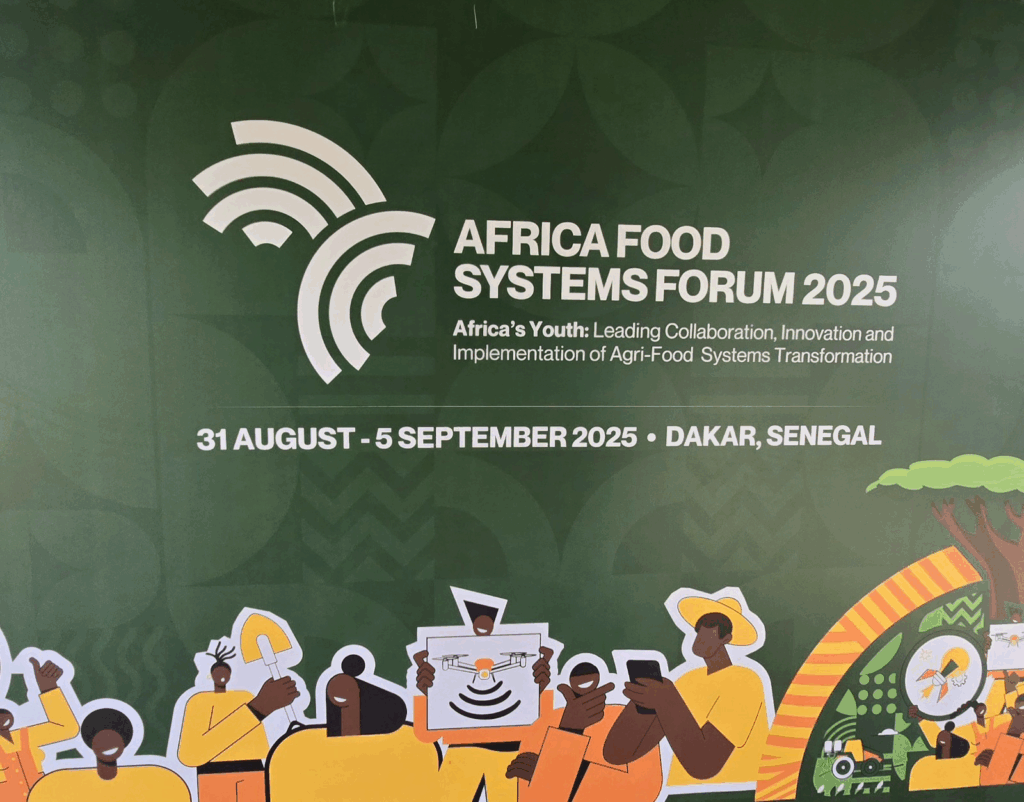
The Africa Food Systems Forum (AFSF) is the continent’s premier platform for advancing agricultural transformation and food systems change, bringing together governments, farmers, researchers, private sector leaders, youth, women, and development partners to shape Africa’s food and nutrition future. Held annually, it provides space for high-level dialogue, evidence-sharing, investment brokering, and partnership-building around key issues such as climate resilience, sustainable production, digital innovation, trade, and inclusion. The Forum is designed to accelerate progress on food security, nutrition, and prosperity by aligning policies, scaling research and innovations, and mobilizing resources to strengthen Africa’s role in global food systems while ensuring that solutions are driven by African priorities and voices.
Below are the sessions in the AFSF 2025 program that are linked to agricultural research, with their speakers/panelists where specified.
31/08 From Research to Impact: Aligning CGIAR & TAAT Innovation Pathways with CAADP (Special Event)
Organized by CGIAR
Focus: linking CGIAR & TAAT research outputs to CAADP implementation
31/08 Transformative impact through youth and insects (Special Event – ICIPE)
Organized by ICIPE
Focus: insect-based food and feed innovations, science-driven approaches
31/08 Youth as Innovators & Entrepreneurs in African Seed Systems (Special Event – AGRA)
Organized by AGRA
Focus: seed systems innovation, youth engagement, research-to-market linkages
01/09 Plenary – African Food Systems Year in Review: Holding Ourselves Accountable, How Much Have We Progressed?
This plenary was designed as a stock-taking and accountability exercise, reviewing how far Africa has advanced in transforming its food systems since the 2021 UN Food Systems Summit and subsequent commitments. It highlighted progress made on agricultural productivity, climate resilience, nutrition, gender inclusion, and investment flows.
The session also launched the Africa Agriculture Status Report (AASR)—presented by John M. Ulimwengu (IFPRI/CGIAR)—as a flagship evidence base for measuring continental progress and identifying gaps. FAO, IFPRI/CGIAR, Heifer International, and partners used the platform to assess whether policy commitments and investments are translating into tangible results for farmers, youth, and women, and to explore the role of innovation and accountability frameworks in sustaining momentum.
Moderator Dr. Ismahane Elouafi, Executive Managing Director, CGIAR
Opening Remarks H.E. Marie Khone Faye, First Lady, Republic of Senegal
H.E. Nardos Bekele-Thomas, CEO, AUDA-NEPAD
H.E. Rachel Ruto, First Lady, Republic of Kenya
H.E. Zita Nyangue Oligui, First Lady, Gabonese Republic
H.E. Jeannette Kagame, First Lady, Republic of Rwanda
Setting the Stage
Dr. Abebe Haile-Gabriel - Assistant Director General, Food and Agriculture
Organization (FAO)
H.E. Dr. Ibrahim Assane Mayaki - Former Prime Minister, Republic of Niger & African
Union Special Envoy on Food Systems, AUDA-NEPAD
Launch of the Africa Food Systems Report (AFSR)
Mr. Andrew Cox, Director of Strategy and MEL, AGRA
Dr. John M. Ulimwengu, Senior Research Fellow, Development Strategies and
Governance Unit, IFPRI
Panelists
Dr. Lawrence Haddad, Executive Director, Global Alliance for Improved Nutrition
(GAIN)
Eng. Geoffrey Mamba, Principal Secretary, Ministry of Agriculture, Irrigation and
Water Development, Republic of Malawi
Ms. Nancy Iraba, CEO, Healthy Seaweed Co
• Food Systems Highlights
Mr. Amath Pathé Sene, Managing Director, Africa Food Systems Forum & Regional Director for West Africa, AGRA
Dr. Khaled Eltaweel, Senior Program Coordinator, UN Food Systems Coordination Hub
Mr. Chen Xi, Mayor of Sanya, People’s Republic of China
Dr. Canisius Kanangire, Executive Director, African Agricultural Technology Foundation (AATF)
Ms. Zoe Karl-Waithaka, Managing Director and Partner, BCG Consulting
Prof. Appolinaire Djikeng, Director General, ILRI
H.E. Amb. Festus Bizimana, Ambassador of Rwanda to Senegal, Republic of Rwanda
• Investment Room Launch – Mobilizing Capital for Youth Innovation
Ms. Binta Touré Ndoye, Board Member, AGRA
Mr. Sunru Yong, Partner & Co-Director, Dalberg
Dr. Maximo Torero Cullen, Chief Economist, FAO
Commitments Review – Building a Brighter Future
Dr. Tom Thompson, Global GAP Report, Virginia Tech
Mr. Mehdi Filali, Vice-President West Africa, OCP Africa
o Ms. Wambui Chege, Director, Agrifood Systems, Mastercard Foundation
o Ms. Nomsa Daniels, Board Member, Heifer International
Closing Remarks H.E. Moses Vilakati, Commissioner, Agriculture, Rural Development, Blue Economy,
and Sustainable Environment (ARBE), African Union Commission (AUC)
01/09 Researchers Forum – Education of Young Scientists: Attracting Youth to Research, Science, and Innovation
Moderator: Dr. Wanjiru Kamau-Rutenberg (Alliance Bioversity & CIAT)
Dr. Simeon Ehui (DG, IITA & CGIAR Regional Director)
Dr. Namukolo Covic (CGIAR, African Nutrition Society)
Dr. Pierre Kadet (IDRC)
Dr. Moctar Toure (Académie des Sciences et Techniques du Sénégal)
Dr. Moses Siambi (CIMMYT)
Mentorship / bridges panel:
Ms. Kira Everhart-Valentin (Gates Ag One)
Dr. Canisius Kanangire (AATF)
Dr. Shenggen Fan (CAU)
Ms. Katelyn Runyan-Gless (AgriCorps)
Dr. Suzie Newman (ACIAR)
Enabling environments:
Mr. Maram Kaire (Senegalese Spatial Agency, ex-NASA)
Dr. Abdou Tenkouano (icipe)
Dr. Jean Luc Chotte (IRD)
Dr. Ginya Truitt Nakata (The Nature Conservancy)
Closing: Hon. El Hadj Abdourahmane Diouf (Minister of Higher Education, Research & Innovation, Senegal)
02/09 Healthy & Productive Ecosystems: Africa Fertilizer & Soil Health Initiative
This session brought together a rich array of political leaders, technical experts, and development practitioners to bridge the gap between policy promise and practical implementation in restoring Africa's soils. Moderated by media personality Femi Oke, the conversation was structured across two panels: one emphasizing political commitment, with senior policymakers and AUDA-NEPAD and YPARD representatives; the other focused on resource mobilization, featuring leaders from FARA, OCP Africa, CIFOR-ICRAF, the Gates Foundation, Yara, the World Bank, and ISfAR. Topics spanned from addressing the persistent funding gaps and strategies to de-risk procurement and distribution of fertilizers, to repurposing existing financing in ways that genuinely benefit farmers. The dialogue urged bold investment in building resilient, nutrient-rich soils, and closed with a call for accelerated operationalization of the Africa Fertilizer and Soil Health Action Plan, with inspiring closing remarks from H.E. Moses Vilakati that underscored inclusive approaches aligned with AU and regional roadmaps.
Political Leadership Panel: Driving Commitment
Hon. Marième Soda Ndiaye – Director-General of the Food Security and Resilience Commission, Republic of Senegal
Hon. Ahmed El Bouari – Minister of Agriculture, Maritime Fisheries, Rural Development, and Water and Forests, Kingdom of Morocco
H.E. Paul Gulleik Larsen – Special Envoy, Ambassador-at-Large for Food Security, Norway
Prof. Dr. Obert Jiri – Permanent Secretary, Ministry of Lands, Agriculture, Fisheries, Water and Rural Development, Republic of Zimbabwe
Dr. Ildephonse Musafiri – Special Advisor to the CEO on Agriculture and Food Systems, AUDA-NEPAD
Dr. Maru Shete Bekele – Advisor to the State Minister of Agriculture, Federal Democratic Republic of Ethiopia
Ms. Chidinma Mary Ezeh – FarmCAS Team Lead / Country Representative, YPARD Nigeria
Resource Mobilization Panel
Dr. Aggrey Agumya – Executive Director, FARA (Forum for Agricultural Research in Africa)
Mr. Mehdi Filali – Vice-President, West Africa, OCP Africa
Dr. Leigh Ann Winowiecki – Global Research Leader, CIFOR-ICRAF
Dr. Christian Witt – Senior Program Officer for Soil Health, Gates Foundation
Mr. Oystein Botillen – Director, Strategic Partnerships, Yara International
Dr. El Hadj Adama Touré – Practice Manager – Agriculture and Food Global Practice, World Bank
Dr. Mamadou Moustapha Diokhane – Researcher, International Society for Academic Researchers (ISfAR)
H.E. Moses Vilakati – Commissioner, Agriculture, Rural Development, Blue Economy, inclusive approaches that engage women, youth, pastoral communities, and marginalized groups, while aligning with the African Union Fertilizer and Soil Health Action Plan and ECOWAS–Sahel roadmaps.
02/09 Digitalisation & AI 4 Next Gen
This forward-looking plenary spotlighted how Africa’s youth are driving food systems transformation through technological innovation. Moderated by Femi Oke, a fireside chat featuring communications, agriculture, and development leaders—from Senegal, Rwanda, Nigeria, IFAD, and CGIAR—framed the policy priorities and enablers for digital adoption. The session’s core, however, was the youth-led innovation panel, showcasing dynamic digital agriculture solutions from agritech entrepreneurs like Adesuwa Ifedi (Heifer Africa), Bruk Getahun (Chip Chip Inc.), Benjamin Addom (Commonwealth digital trade advisor), and Alloysius Attah (Farmerline).
They demonstrated how data, mobile tools, and AI are enhancing productivity, climate resilience, and market access. On the resource mobilization front, representatives from the World Bank, Bayer, IDInsight, and Senegal’s Spatial Agency outlined pathways to scale and finance digital innovations. Closing remarks by FAO’s Maximo Torero emphasized the importance of inclusive digital ecosystems built in partnership with youth, ensuring all farmers benefit from technological breakthroughs.
Fireside Chat Participants
Hon. Alioune Sall, Minister of Communication, Telecommunications and Digital Affairs, Republic of Senegal
Hon. Dr. Mark Cyubahiro Bagabe, Minister of Agriculture and Animal Resources, Republic of Rwanda
Hon. Sen. Abubakar Kyari, Minister of Agriculture and Food Security, Federal Republic of Nigeria
Dr. Alvaro Lario, President, International Fund for Agricultural Development (IFAD)
Dr. Sandra Milach, Chief Scientist, CGIAR
Youth & Innovation Panel: Digital Agriculture
Ms. Adesuwa Ifedi, Africa Senior Vice President, Heifer International
Mr. Bruk Getahun, Co-founder, Chip Chip Inc (Ethiopia)
Mr. Benjamin Kwasi Addom, Advisor, Agriculture and Fisheries Trade Policy (Digital), The Commonwealth
Mr. Alloysius Attah, CEO, Farmerline
Resource Mobilization Panel
Ms. Beryl Agengo, Digital Agriculture Specialist, The World Bank
Mr. Jens Hartmann, Head of Europe, Middle East & Africa Crop Science Division, Bayer
Ms. Fatim Haby Mariko, Senior Manager, IDInsight
Mr. Maram Kaire, Director, Senegalese Spatial Agency & Former NASA official
02/09 Empowering Women in Agri Food Systems
The keynote address by Dr. Susan Kaaria (AWARD) set the tone, spotlighting the pivotal role of women researchers in shaping Africa's agricultural future. A high-impact panel then convened representatives from AfDB, FAO, IDRC, AGRA, and Welthungerhilfe to dissect barriers and opportunities for women in agrifood systems. Their dialogue emphasized gender-responsive policies, inclusive financing, capacity building, and leadership pathways for women—especially in nutrition, health, and research domains. The session closed with insights from Dr. Mbaye Sene (CNDN) and Rania Dagash (WFP), who connected the dots between gender, policy frameworks, and nutrition outcomes, underlining that empowering women is essential for resilient, equitable, and nutritious food systems across Africa.
Keynote: Dr. Susan Kaaria (AWARD)
Panel Discussion – Empowering Women in Agri-Food Systems:
Dr. Jemimah Njuki, Director – Gender, Women, and Civil Society, African Development Bank (AfDB)
Dr. Lauren Phillips, Deputy Director – Rural Transformation and Gender Equality, Food and Agriculture Organization (FAO)
Dr. Pierre Kadet, Director – Climate-Resilient Food Systems Division, International Development Research Centre (IDRC)
Ms. Nana Amoah, Director – Gender, Youth & Inclusiveness, Alliance for a Green Revolution in Africa (AGRA)
Ms. Bettina Iseli, Chief Program Officer, Welthungerhilfe (WHH)
Panel Discussion – Nutrition and Gender:
Dr. Mbaye Sene, Executive Secretary, National Nutrition Development Council (CNDN)
Ms. Rania Dagash, Assistant Executive Director, World Food Programme (WFP)
Panel Discussion – High Impact Nutrition Interventions & Outcomes
Dr. Roy Steiner, Senior Vice President, The Food Initiative, Rockefeller Foundation & Board Member, AGRA
Dr. Bosibori Bett, Director – Multilateral & Strategic Partnerships, Australian Centre for International Agricultural Research (ACIAR)
Ms. Sokayna Bellam, Founder, Jodoor, Kingdom of Morocco
Ms. Surita Sandosham, President & CEO, Heifer International
Ms. Siny Samba, CEO, Le Lionceau
02/09 Thematic Session: Nutrition & Health
Moderator: Dr. Lawrence Haddad (GAIN)
Hon. Dr. Ibrahima Sy (Minister of Health, Senegal)
Dr. Mohamed Hassan Bullale (Deputy Minister of Health, Somalia)
Hon. Dr. Youba Ba (Minister of Livestock & Fisheries, Mali)
Dr. Mwaka Namukonde (Consortium of African Youth in Agriculture & Climate Change; UNFSS Youth Champion)
Policy/Programme:
Dr. Amadou Oury Diallo (ISRA)
Dr. Djibril Bagayoko (Mali Ministry of Health)
Mr. Paul Troy (Ireland DFA)
Mr. Shawn Baker (Helen Keller Intl)
Mr. Samson Ogbole (Soilless Farm Lab, Nigeria)
Youth & innovators:
Ms. Claudia Senghor (AGROBABE)
Mr. Joseph Fashola (Agrolinking)
Mr. Oliver Oliveros (Agroecology Coalition)
Ms. Aimée Wallin (Ghana Food Movement)
Ms. Efi Chatzinikolaou (Access to Nutrition Initiative)
03/09 Plenary: Governance of Food Systems (CAADP Implementation)
H.E. Dr. Ibrahim Assane Mayaki (AU Envoy on Food Systems)
Dr. Ousmane Badiane (Akademiya2063)
Ministers of Agriculture (Rwanda, Senegal, Guinea-Bissau, Uganda, Italy)
Youth leaders: Hannah Rotimi-Williams, Michael Kakande, Bond Tlhagale
Donal Brown (IFAD), Dr. Martin Fregene (AfDB), Elizabeth Nsimadala (EAFF)
03/09 Thematic Session: Sustainable Production – Youth Agripreneurs & Agroecology
Moderator: Dr. Susan Chomba (WRI)
Keynote: Dr. Marco Wopereis (WorldVeg)
Youth innovators:
Crescentia Mushobozi (MbeguNzuri BiotechFarms)
Freddy Bob-Jones (Aceli Africa)
Ajuna Tadeo (YPARD)
Panelists:
Oliver Oliveros (Agroecology Coalition)
Manei Naanyu (PELUM Kenya)
Ginya Truitt Nakata (The Nature Conservancy)
Dr. Kaushik Majumdar (APNI)
Kagwiria Koome (Rockefeller Foundation)
Dongxin Feng (FAO/IAEA)
Ibrahima Sow (Senegal Presidency)
Closing: Juan Lucas Restrepo (Alliance of Bioversity & CIAT)
03/09 Thematic Session: Agri-food Systems Leadership & Governance
Moderator: Dr. Debisi Araba (Imperial College London)
Panel: Prof. Kingsley Moghalu (African School of Governance), Jonathan Said (AGRA), Abdrahamane Dicko (ACBF), Anushka Ratnayake (MyAgro), Martin Bwalya (UN Food Systems Hub), Nadine Gbossa (IFAD)
Reflections: Dr. Janet Edeme (AUC), H.E. Carmen Hagenaars (Ambassador, Netherlands), Enock Chikava (Gates Foundation), Ali Badarneh (UNIDO), Peter Kaindaneh (Sierra Leone Presidential Initiative), Dr. Nteranya Sanginga (ex-IITA DG), Njoya Tikum (UNDP WACA)
03/09 AGRA-CGIAR Director Generals Roundtable (By Invitation)
Closed-door session with AGRA and CGIAR leadership.
Case studies: Anne Dioh (MyAgro), Alexander Zanders (UfarmX), Worlali Senyo (Farmerline), William Warshauer (TechnoServe), Cheikh Ahmadou Bamba Fall (Enabel)
Panel: Birane Kane (Orange), Aisha Hadejia (Sahel Consulting), Dayo Aduroja (Heifer International), Henry Mibei (CABI), Kira Everhart-Valentin (Gates Ag One), Femi Adekoya (Integrated Aerial Precision)
Closing: Prof. Amb. Muhammadou Kah (Ambassador of The Gambia to Switzerland, Malabo Montpellier Panel)
04/09 Plenary: Biodiversity, Climate and Land – Making the Conventions Work for Africa
High-level science-policy plenary, includes researchers & Rio Convention experts.
04/09 Food Safety in the African Food System (Special Event – FCI)
Organized by Food Convergence Innovation (FCI)
Research-driven session on food safety standards and systems.
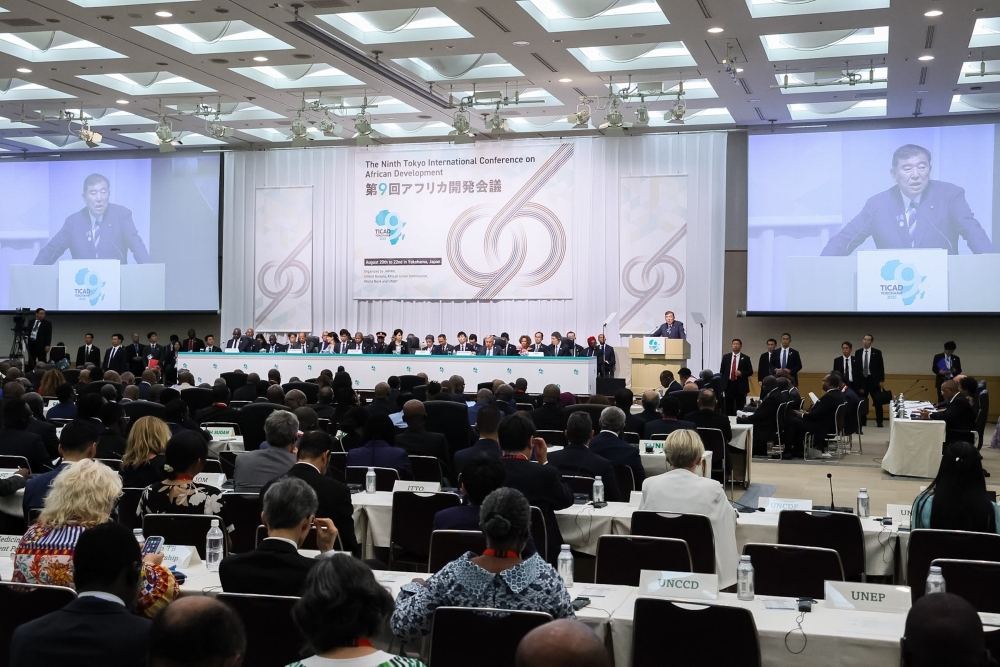
TICAD 9 concluded with Japan and African leaders reaffirming their commitment to co-creation for sustainable growth, peace, and human development, anchored in African ownership and international partnership.
Leaders endorsed initiatives on peace and stability, including support for African-led conflict prevention and UN Security Council reform; on economic transformation, highlighting industrialization, AfCFTA, green/blue economy, and digital/AI-driven innovation; and on human capital, with Japan pledging large-scale training programs for youth and women. The conference also launched the Economic Region Initiative of Indian Ocean–Africa to deepen connectivity, and a commitment to train 300,000 Africans in AI and digital skills. Across plenaries and thematic sessions, participants emphasized that achieving Africa’s aspirations will require inclusive partnerships, private sector investment, and resilient governance frameworks, with TICAD remaining a trusted platform for Africa–Japan collaboration.
The objective of this session was to launch the new academic network between Japan and Africa, in which Egypt-Japan University of Science and Technology (E-JUST, Egypt), Jomo Kenyatta University of Agriculture and Technology (JKUAT, Kenya) and Stellenbosch University (SU, South Africa) act as “Hub” for networking and collaboration among African universities and with Japanese universities, which is called “AJ-INSPIRE” (Africa-Japan Initiative for Scientific Partnership in Innovative Research and Education)
Ms. Sachiko Imoto, Senior Vice President, Japan International Cooperation Agency (JICA)
Ousmane Diagana, Vice President, Western and Central Africa
Prof. Amr ADLY, President, Egypt-Japan University of Science and Technology (E-JUST)
Prof. Robert Kinyua, Deputy Vice Chancellor for Academic Affairs, Jomo Kenyatta University of Agriculture and Technology (JKUAT)see picture
Prof Deresh Ramjugernath, Rector and Vice-Chancellor, Stellenbosch University (SU) see picture
Dr. Roberta Malee Bassett, Global Lead for Tertiary Education and Senior Education Specialist,
World Bank
Mme. Hendrina C. DOROBA, Division manager, Education and Skills Development Division, Human Development Department, African Development Bank (AfDB)
Dr. Keiko Takei, Chief Education Analyst, African Development Bank (AfDB)
Mr. Shinsuke OKADA, Director for international cooperation, International Science and Technology Policy Division, Ministry of Education, Culture, Sports, Science and Technology (MEXT)
Prof. Shuji Shimizu, Executive Vice President, Kyushu University
Mr. Kohei Okada, Executive Officer Deputy CSO, Toyota Tsusho Corporation
Dr. Takasei Okano, Senior Advisor, Japan International Cooperation Agency (JICA)
Mr. Daisuke Ueda, Deputy Director General, and Group Director for Higher Education and Social Security, Human Development Department, Japan International Cooperation Agency (JICA)
20/08 Enhancing Continental Food Self-sufficiency and Job Creation through Resilient Food System and Private Sector Development in Africa”
Session 1: Building Resilient Agri-Food Systems in Africa
This session discussed how JICA is trying to address this challenge through the JICA Africa Food Security Initiative launched by JICA after TICAD 8, with a focus on rice, with which Japan has been cooperating in Africa for many years. Case studies were shared from public and private sector stakeholders in East Africa, and specific measures and strategies were also be discussed to promote intra-regional distribution through a food basket approach and to strengthen competitiveness against imports from outside the region.
Session 2: Job Creation by Improvement of Agro-industrial Value Chain and Promotion of Agroindustry
JICA has been providing variety of support to promote agro-industry and its value chain, including support for innovation creation through startups), capacity development via KAIZEN, human resource development through BDS in the industrial sector, and export-related product branding support, etc.
Dr. Ibarahim Hssane MayakiAU, Special Envoy for Food Systems
Dr. Andrew Dabalen World Bank, Chief Economist for African Region
Mr. Fahari Gilbert Marwa EAC, Principal Agricultural Economist
Mr. NOMOTO TAKAAKI Ministry of Finance, JAPAN, Director of Multilateral Development Banks Division
Mr. AMAMEISHI Shinjiro CARD Secretariat, General Coordinator
Dr. JOHO Yukiko NIPPON KOEI CO.,LTD., Deputy Team Leader, A Data Collection Survey to Build a Resilient Food System based on the Food Basket Concept
Mr. Prosper Komla Bissi AfCFTA Secretariat, Senior Advisor, Agriculture Trade & Value Chains, Cabinet of the Secretary-General
Mr. Samuel Munguti Shamba Pride, CEO, Founder
Thomas Damian Mkangara Natural Extracts Industries Ltd, KAIZEN Coordinator
H.E. Nardos Bekele ThomasAUDA-NEPAD, CEO
Mr. Hitoshi Fujiie JICA, Deputy Director General of Economic Development Department
Dr. YAMANA Mika Director, Center for Regional Collaboration, Kansai University, Professor, Faculty of Law, Kansai University. see picture Since 2015, she has been supervising international students from seven African countries at the Graduate School of Law, Kansai University, under JICA’s ABE Initiative (African Business Education Initiative for Youth). In connection with AUDA-NEPAD, she has also conducted joint research on the Southern Africa Network for Biosciences (SANBio), in collaboration with the SANBio Hub Manager of the Council for Scientific and Industrial Research (CSIR) in South Africa.
Highlight:Africa’s rich agricultural products and biological resources can also benefit from the effective use of intellectual property systems to drive industrial growth. Since the 2015 academic year, the Graduate School of Law at Kansai University has accepted African students from seven countries: the Democratic Republic of the Congo, Egypt, South Africa, Kenya, Ethiopia, Burundi, and Mozambique. Many African students have shown interest in exploring ways to add value through the utilization ofIPR in agriculture and biological resources, and have chosen this as their research theme.
20/08 “Ultra Low-cost Community-based Smallholder Irrigation (COBSI)” Addressing Climate Change in Africa- Japan’s Traditional Technologies and Ultra Low-cost Smallholder Irrigation (COBSI: Community-based Smallholder Irrigation Development)
Thie side event introduced an ultra low-cost smallholder irrigation system, the Community-based Smallholder Irrigation (COBSI), that enables farmers to build their irrigation weir by using locally available materials, focusing on its development background, the charasteristics, and the effectiveness through the voices of the people concerned and its beneficiaries in the field. The JICA's development strategy of COBSI was announced for further development in Sub-Saharan Africa.
Focus:This session promoted inclusive dialogue and collaborative solutions, particularly by encouraging the active participation of youth and other key stakeholders in shaping the future of Africa’s food systems and economies.
H.E. Dr. William Ruto, President of the Republic of Kenya
H.E. Dr. José Ulisses CORREIA E SILVA, Prime Minister of the Republic of Cabo Verde
The Rt. Hon. Elijah Ngurare, Prime Minister of the Republic of Namibia
H.E. Mr. Soares SAMBU, Minister of Economy, Planning and Regional Integration of the Republic of Guinea-Bissau
Mr. Matsumoto Hisashi, Parliamentary Vice-Minister for Foreign Affairs, Japan
Moderator: Dr. Masanori Kobayashi, Senior Research Fellow, Sasakawa Peace Foundation
Extract of the special address by H.E. Shigeru Ishiba Prime Minister of Japan
The development of NERICA rice is well known, and it is the result of research by Dr. Jones of Sierra Leone and on-site application by Japanese expert Mr. Tsuboi. Based on the motto that it is important to work hard together with our counterparts, we carefully explained cultivation methods to African farmers, provided them with rice seeds, and distributed the resulting high yields to neighboring farmers. This is how NERICA rice has become widespread. We understand that increased yields of high-quality rice have now been achieved in 23 of the 54 African countries.
This year there has been a big uproar in Japan about a rice shortage. While other countries around the world are increasing their farmland and agricultural production, whether it's rice, wheat, corn, or soybeans, Japan has seen a steady decline in both agricultural production and farmland. I believe this is a serious problem. I believe that providing safe and reliable food is a fundamental obligation for a nation, and I would like to work together with the people of Africa to resolve this issue.
Focus: Centered on the SHEP (Smallholder Horticulture Empowerment & Promotion) Approach—an agricultural extension model that shifts farmers’ mindset from “grow and sell” to “grow to sell,” driving market-oriented agriculture and income growth. The session featured:
A recounting of SHEP’s success in doubling incomes for 2,500 smallholders in Kenya within two years.
A reaffirmation of the joint declaration to improve the livelihood of one million smallholder farmers through the SHEP model.
Sharing of implementation experiences across Africa and the Caribbean.
Presentation of impact evaluation findings using the World Bank’s SWIFT methodology.
Speakers included:
Mr. Álvaro Lario (President, IFAD) see picture
Ms. Sachiko Imoto (Vice‑President, JICA)
Ms. Harue Kitajima (Senior Advisor, JICA)
Ms. Bernadette Mukonyora (IFAD Country Director, Marawi) see picture
Mr. Masahito Ishii (Toyota Mobility Foundation)
Mr. Leonard Munamati (Zimbabwe’s Ministry of Lands, Agriculture, Fisheries, Water & Rural Development)
Dr. Cheikh Amet Bassirou Sane (Senegal’s Ministry of Agriculture, Food Sovereignty & Livestock)
Mr. Servulo Baeza (CEO, Ministry of Agriculture, Food Security & Enterprise, Belize)
Mrs. Arunee Hiam (Deputy Director‑General, Thailand International Development Cooperation Agency)
Dr. Nobuo Yoshida (Lead Economist, World Bank)
Mr. Mikiya Saito (Director General, Economic Development Department, JICA)
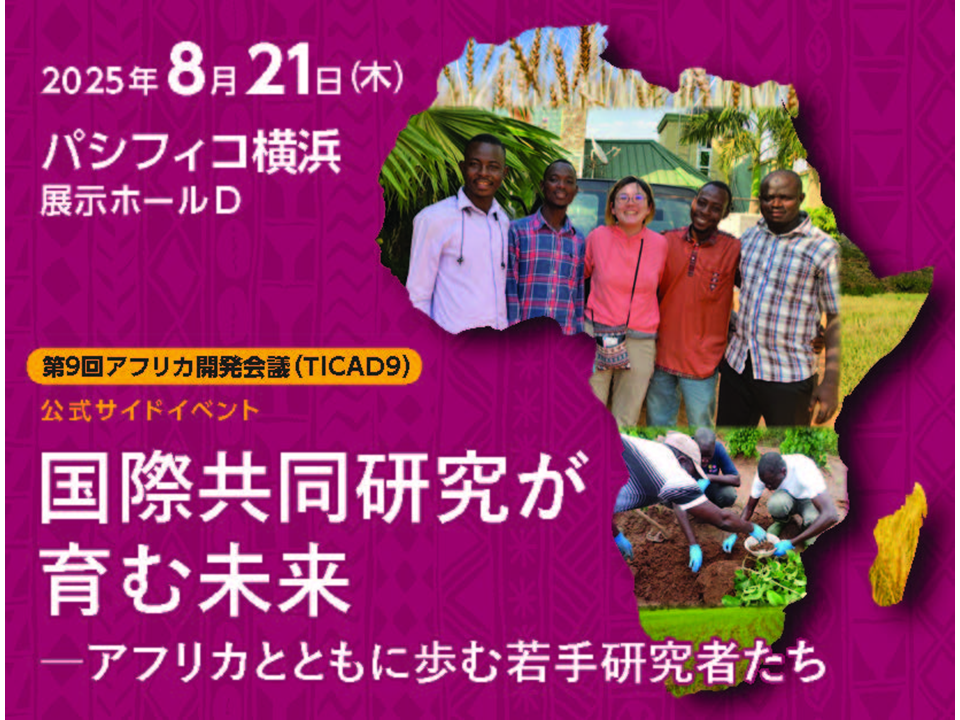
Organizers: Japan International Research Center for Agricultural Sciences (JIRCAS) in cooperation with Japan Intellectual Support Network in Agricultural Sciences (JISNAS)
Focus:Spotlighted early-career researchers from Japan and Africa, showcasing their collaborative research initiatives and experiences. The session emphasized the importance of strengthening Africa–Japan research ties and nurturing young scientists’ roles in innovation and development.
Presentations by early-career researchers
Dr. Zoniaina Ramahaimandimby, JIRCAS Fellow, JIRCAS
Dr. Yoshie Yageta, Researcher, JIRCAS
Ms. Maryiano Keziah, PhD Student, Faculty of International Agriculture and Food Studies, Tokyo University of Agriculture
Closing Remarks: Dr. Hiroshi Ehara, Executive Secretary, JISNAS
Organizers: Sasakawa Africa Association (SAA), with JIRCAS, Forum for Agricultural Research in Africa (FARA), and The Nippon Foundation
Focus: This session highlighted regenerative agriculture as a pathway to empower youth and farmers, with emphasis on strategic policies and cooperative alliances. It underscored the central role of farmers’ organizations and youth engagement in transforming food systems toward sustainability and resilience.orfonline.org+10evt-reg.com+10mofa.go.jp+10mofa.go.jp
Shinjiro Koizumi, Minister of Agriculture, Forestry and Fisheries - Special Address - Japan’s Contribution to the Future of Youth and Agriculture
Dr. Ishmahane Elouafi, Executive Managing Director, CGAIR - "Science-Based Regenerative Agriculture: Enhancing Resilience and Productivity in Agriculture in Africa"
Dr. David Nielson, Senior Advisor, North America Agriculture Advisory Network, and Former Lead Agriculture Economist at World Bank Group - “Human Capital Development and Capacity Building to Support Soil Health in Africa”
Dr. Wole Fatunbi, Director of Research and Innovation, FARA - “The Soil Initiative for Africa (SIA): A Continental Strategy for Sustainable Agriculture ”
Ms. Elizabeth Nsimadala, President, Eastern Africa Farmers Federation - “Empowering Youth and Women for Farmer-Led Sustainable Agriculture”
Panel Discussion: “The Role of Agricultural Extension in Strengthening Sustainable and Resilient Food Systems ”
Moderator: Dr. Mel Oluoch
Dr. Lilian Lihasi, Executive Director, AFAAS
Dr. Papa Saliou SARR, Senior Researcher, JIRCAS. He is actively involved in collaborative, multi-country projects with universities and research institutes across Africa and Japan, including partnerships in Ghana, Madagascar, Burkina Faso, and Cameroon. Through these efforts, he contributes to both scientific advancement and capacity building for African agricultural systems. Beyond his research, Dr. Sarr is deeply engaged in academic and cultural communities. He served as President of the Fukuoka Overseas Student Association (FOSA) from 2008 to 2009 and was a founding member of the African Society of Kyushu University (ASKU) and the African Diaspora Network Japan (ADNJ).
Dr. Stella Kabiri, RA Lead, SAA
MOU signing
Dr. Osamu Koyama Chair, JIRCAS (picture)
Dr. Aggrey Agumya, Executive Director, FARA (picture with Yohei Sasakawa, Nippon Foundation)
22/08 Transforming Society toward Nature positive and Land Degradation Neutrality through an Ecosystem Augmentation Approach
Key Discussion items of the Panel Discussion
In response to the biodiversity crisis, is it possible to change to a Nature positive society through “agriculture”?
What kind of “resilient agriculture” is required in Africa
What kind of “agriculture that energizes rural areas” is needed in Africa as the gap between urban and rural areas widens?
Speakers
Mr. Gilles Amadou Ouédraogo (Opening Remarks), Programme Management Officer, Green Wall Accelerator (GGW)| Global Mechanism, United Nations Convention to Combat Desertification (UNCCD) (picture)
Dr. Masatoshi Funabashi, President, SynecO/Research Director, Sony CSL
Mr. Mamadou Ndiaye, President, Intermondes, Senegalese NGO
Mr. Raymond Epp, Co-Founder, Menno Village Naganuma/President, Maoi Cover Seed
Ms. Akiko Aratani, Co-Founder, Menno Village Naganuma
Ms. Ruth LANGSI YELOMA, President, Terre Des Jeunes-Cameroon/ Coordinator of Cameroonian Association for the Promotion of Synecoculture (ACPS)
Mr. Kenichi Kawamura (Closing Remarks), Senior Vice President, JICA
Mr. Masaru Kurimoto (Moderator), Director, Forest and Nature Conservation Group, Global Environment Department, JICA
Funding highlights
22/08 Japan Launches $20 Million Fund to Back African Startups Two Japanese venture capital firms, Uncovered Fund and Monex Ventures, have jointly launched a new $20 million fund targeting early-stage startups in Africa and the Middle East. The fund, named the Uncovered Monex Africa Investment Partnership, is designed to back ventures in high-growth sectors such as fintech, logistics, mobility, agri-tech, and sustainability. With investment tickets reaching up to $2 million, the initiative seeks to accelerate innovation while bridging African startups with Japanese corporates.
The Private Sector Development Group of JICA’ s Economic Development Department launched activities in 2020 under the name Project NINJA (Next Innovation with Japan) to support start-ups in developing countries as part of its efforts to promote private sector development in developing countries. In April 2023, the Group formulated a cluster business strategy, “Support for Building a Startup Ecosystem for Innovation Creation (NINJA).” Project NINJA participated in the African Startup Conference 2024 in Algeria in collaboration with AUDA-NEPAD.
Hosted by the Sasakawa Peace Foundation / Ocean Policy Research Institute; held at Meiji Kinenkan in Tokyo
The Nippon Foundation, the Sasakawa Peace Foundation, and the Sasakawa Africa Foundation have been working in collaboration with experts and specialists to examine contemporary challenges facing Africa—particularly food security and the promotion of a blue economy focused on sustainable fisheries and aquaculture, alongside improvements in agricultural production. These efforts have also explored avenues for effective collaboration with Japan and the international community, including policy support to advance these goals. The outcomes have been compiled into a set of policy recommendations.
This special international symposium, welcomed eminent persons and African leaders who have made outstanding contributions to Africa’s development and the advancement of international cooperation. Drawing on the discussions at the Eminent Persons Meeting, it explored future prospects for Japan-Africa cooperation, with a focus on food security and a sustainable blue economy. This event also offered valuable perspectives that contributed to TICAD9, which was held Yokohama.
FUJII Hisayuki, State Minister for Foreign Affairs of Japan, delivered remarks framing Africa–Japan cooperation—especially around ocean conservation, sustainable use, and inputs to TICAD 9.
Yohei Sasakawa, Nippon Foundation Japan has provided various forms of assistance to Africa. In Africa and Asia as well, Japan has cooperated with the policy of laughing, crying, and sweating together with the local people, and I hope to continue to do so in the future. We must realize that realizing the happiness of the people of Africa brings happiness to the Japanese people as well. We are not based on financial capitalism or state capitalism, but on a policy of truly laughing together, crying together, and sweating together. Based on this policy, we are determined to continue carving out a new future for the world together with Africa.
H.E. Olusegun Obasanjo — Former President of Nigeria
H.E. Dr. Jakaya Mrisho Kikwete — Former President of Tanzania
H.E. Jorge Carlos Fonseca — Former President of Cabo Verde
H.E. Dr. Ibrahim Hassane Mayaki — Former Prime Minister of Niger
Dr. Geraldine Fraser-Moloketi — Former Minister of Public Service and Administration
Dr. Donald Kaberuka — Former President of the African Development Bank
3 August 2023. GFRAS and JICA share experiences about the SHEP method.
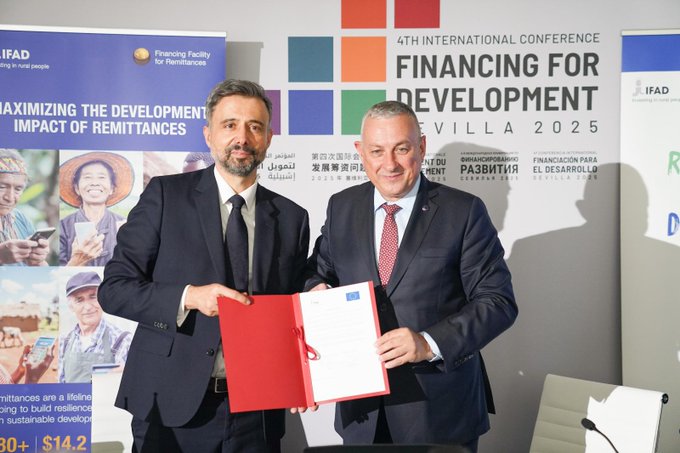
This side-event provided a platform to reflect on the growing recognition of remittances and diaspora investment to sustainable development in countries of origin. With global remittance flows to low- and middle-income countries (LMICs) surpassing US$685 billion in 2024, exceeding foreign direct investment and over three times the volume of official development assistance, these private financial flows have become indispensable in the global financing landscape, particularly in rural areas where poverty and vulnerability are most concentrated.
Ministers and high-level representatives from IFAD, the European Commission, Italy, Spain, Guatemala, the Philippines and Senegal shared their national experiences and forward-looking actions to mobilize and maximize the impact of remittances and diaspora investment. The session also showcased concrete commitments aligned with FfD4 outcomes, including the signing of a new partnership agreement between IFAD and the EU focused on diaspora investment
, financial inclusion and climate resilience.The session “Game Changers: Role of Remittances & Diaspora Contributions” explored how remittances and diaspora investments have emerged as transformative forces in global development, far surpassing traditional financing mechanisms like ODA (Official Development Assistance) and FDI (Foreign Direct Investment).
Expert speakers explored the transformative role of remittances and diaspora engagement — recognising them as true game-changers, not afterthoughts:
Beyond remittances, migrants also invest back home and contribute substantial human and financial capital in the form of skills and networks into their countries of origin.
Key Themes and Focus Areas
Recognition of Growth & Scale: In 2024, remittance flows to low- and middle-income countries (LMICs) reached a staggering US $685 billion, outweighing FDI (~US $435 billion) and tripling ODA (~US $211 billion) feps-europe.eu+3linkedin.com+3ffremittances.org+3.
Policy Commitments: Discussions were anchored in the draft outcome document of FfD4, “Compromiso de Sevilla”, which urged governments to: reduce remittance fees (targeting < 3% by 2030), promote digital remittance channels., improve financial inclusion and literacy (especially in rural areas), encourage diaspora investment.
Thematic Highlights
Showcasing national experiences (e.g., Spain, Italy, Guatemala, the Philippines, Senegal).
Highlighting the EU–IFAD partnership on diaspora investment and climate resilience.
From Commitments to Action. Emphasis on converting high-level pledges into concrete initiatives across digital finance, diaspora engagement, and rural development. ffremittances.org
High-level speakers from governments, donor agencies, and multilateral organizations assessed progress made in financing sustainable food systems since the 2021 Summit, and identify opportunities and practical solutions to unlock, scale, and repurpose funding. Through data-driven insights, the session pledged for game-changing investments for food systems transformation.
It featured heads of key International Financial Institutions. The UN Deputy Secretary-General Amina J. Mohammed launched the Food Systems Summit +4 (FSS+4) Dialogues, in the lead-up to the UN Food Systems Summit in July in Addis Ababa.
Over the past 2 years FCDO and IOM have been working to maximise the contributions of remittances and diaspora investment to development on corridors between the UK and East Africa including Kenya and Somalia, working with MTOs and diaspore to bring down remittance costs and stimulate diaspora investment.
Amy Pope. IOM Director General
H.E. Bihi Iman Egeh, Minister of Finance, Somalia
Latest global remittance data: Dilip Ratha, Lead Economist, Migration and Remittances, MIGA, World Bank (online)
Reducing remittances costs UK to East Africa: Killian Clifford, Remittances, diaspora investment and development finance lead, IOM
Panel discussion – The remittance dividend: mobilizing diaspora capital for development – learnings and experiences
Killian Clifford, IOM (moderator)
Louise Walker, Head of Private Sector and Capital Markets Department, FCDO
Prof. Gibril Faal, OBE, Director - GK Partners, LSE visiting professor, UK
José Filomeno de Carvalho Dias Monteiro, Minister of Foreign Affairs, Cooperation and Regional Integration and Minister for Communities, Cabo Verde (tbc)
This side event (Organized by: WFP Centre of Excellence against Hunger in Brazil, Brazilian Cooperation Agency (ABC), FNDE, RAES, and SFI/LGI–EDC) explored how well-financed and nationally integrated school feeding programmes can serve as strategic tools to achieve food security, improve education, promote gender equality, and drive inclusive rural development.
It included keynote presentations, country case studies (including Brazil’s PNAE), and an interactive panel with representatives from Latin America, Africa, and global initiatives. It also showcase the work of key platforms like RAES, the Sustainable Financing Initiative (SFI), and the Global Alliance Against Hunger and Poverty.
GFAiR's Forgotten Food Consortium was represented by Maureen Duru of Foodbridge.
She spoke on the contributions of diasporas as agrofood entrepreneurs, custodians of the African food heritage and development actors. She gave examples of different projects led by diasporas innovating the African food and also as consumers, how the diaspora has been supporting the African indigenous food systems through what it eats.
She gave an interview at casa devex about the initiatives of Foodbridge. At the school feeding side event she stressed:
the need to include indigenous food crops in school feeding programmes
the importance of spending some of the budget for infrastructure on school farms
the support to agricultural undergraduates to ensure sustainability even if the funding stops.
"One of the highlights of attending events like FfD4 is the chance to meet with inspiring individuals and motivated sector leaders; especially those who may not know how their work benefits small organizations that aren’t always visible. It was a pleasure to meet Mr. Jean Van Wetter , CEO of Enabel and also have a conversation. My colleagues and I informed him of the relevance of our roles as African diaspora development actors." Maureen Duru of Foodbridge
This high-level event convened by IFAD, the African Development Bank (AfDB), and the European Investment Bank (EIB) shed a spotlight on a key missing link: scaling up collaboration between International Financial Institutions (IFIs) and National Development Banks (NDBs) to drive investment in agriculture and rural transformation.
The session highlighted how these partnerships can unlock long-term, low-cost financing for country-level priorities, particularly in food systems, where NDBs play a pivotal role as domestic investors. With a focus on concrete examples and lessons from IFAD’s Agri PDB Platform, speakers explored how coordinated financing efforts can boost food security, create rural jobs, and ensure NDBs are more strategically embedded within the international financial system.


1da42cc9dfa84c538293d96c8139d08a.png?sfvrsn=1b0c6010_1)
3637fb4fa3c34249a72e33a4cfdeb5f2.png?sfvrsn=a6f4b9f4_1)