
Sunday, August 9, 2026


Tuesday, August 4, 2026
Cross regional collaborations
The meeting presented two connected elements:
- the NENA GNC Chapter and its draft Charter as a practical regional mechanism operating within and through AARINENA; and
- the Agricultural Research Quality, Comparability and Impact Initiative (AR-QCI) - a flagship initiative that can connect countries, institutions and researchers around research quality, comparability of evidence and stronger pathways from research to practical impact.
- Dr. Didem Kökden, senior International Relations Coordinator and expert at the General Directorate of Agricultural Research and Policies (TAGEM) Turkey: Agricultural ResearchQuality, Comparability and Impact (AR-QCI) Initiative
Recording:
Presentations
Growing the Food Future: Youth, Innovation and Indigenous Food Systems

Co-organizers: The Food Bridge vzw, CFF Agroschooling Initiative, Ayonna , Global Forum on Agricultural Innovation and Research- GFAIR
This side event at the World Social Forum (WSF) 2026 (Cotonou, Benin), organized by the Collective Action on Forgotten Foods (CAFF), places young people at the centre of the solution.
Through inspiring examples, dialogue and collective reflection, participants will explore practical pathways for empowering the next generation to conserve, add value to, commercialize and promote forgotten foods while creating decent jobs, strengthening local economies and advancing food sovereignty.
The workshop aims to launch a growing movement of young entrepreneurs and advocates , who will shape the future of Africa's indigenous food systems. By investing in leadership, entrepreneurship, innovation and partnerships today, the initiative seeks to cultivate a generation capable of transforming forgotten foods into engines of nutrition, biodiversity conservation, economic opportunity and resilient food systems across Africa.
Sessions:
- The Future of Forgotten Foods: Why Young People Matter - Exploring the opportunities presented by indigenous foods for employment, nutrition, biodiversity and climate resilience.
- Becoming a Forgotten Foods Entrepreneur - Developing sustainable enterprises from indigenous crops.
- Innovation for Indigenous Food Businesses - Creating new products, improving processing and increasing competitiveness.
- Branding Africa's Heritage Foods - Marketing, storytelling and changing consumer perceptions.
- Research Meets Enterprise - Building partnerships between universities, researchers and entrepreneurs.
- Financing Young Entrepreneurs - Grants, investment, crowdfunding and business support opportunities.
- Diaspora Markets and Global Opportunities - Understanding export markets and lessons from CAFF's diaspora market studies.
- Leadership for Collective Action - Building networks, partnerships and movements that create lasting change.
Monday, August 3, 2026
World Social Forum Benin: Growing the Food Future

4–8 August 2026. As the World Social Forum (WSF) 2026 gathers in Cotonou, Benin, one message is becoming increasingly clear: the future of food will be shaped not only in laboratories or boardrooms, but also in the fields, villages, and communities where people cultivate the land and protect local knowledge.
The Forum brings together thousands of activists, farmers, researchers, youth leaders, Indigenous communities, policymakers, and civil society organizations from more than 150 countries. Together, they are exploring practical solutions to some of the world's most pressing challenges—from climate change and inequality to food insecurity and environmental degradation.

Why Food Matters
Food is more than nourishment. It is culture, identity, livelihoods, health, and resilience.
Across Africa and around the world, communities are facing growing pressures from climate change, land degradation, rising food prices, biodiversity loss, and unequal access to resources. Smallholder farmers, who produce much of the world's food, are often among those most affected.
The World Social Forum provides a platform to ask an essential question: How can we build food systems that nourish both people and the planet?
Growing the Food Future
The answer emerging from Benin is rooted in food sovereignty—the idea that communities should have the right to define their own food systems, protect their seeds, and manage natural resources sustainably.
Throughout the Forum, participants are sharing experiences in:
- Agroecology and regenerative farming
- Indigenous and local seed preservation
- Climate-resilient agriculture
- Youth leadership in farming
- Women's empowerment in food production
- Community-led land and water management
- Local markets and fair food economies
 The West African Caravan
- 30 July Panel discussion on the just transition of food systems with AFSA @ 1:47:38
- 7 Aug 2026 15:00 Commémoration des 10 ans de la caravane et Propositions d’alliances-1
From Discussion to Action
- Farmers exchange ideas with scientists.
- Young innovators meet experienced community leaders.
- Civil society organizations collaborate with policymakers.
- Together, they are creating partnerships that extend well beyond the Forum itself.
Extracts of the sessions on Ecological crises, climate justice and just transition

- Co-organizers: The Food Bridge vzw, CFF Agroschooling Initiative, Ayonna , Global Forum on Agricultural Innovation and Research- GFAIR
- This side event, organized by the Collective Action on Forgotten Foods (CAFF), places young people at the centre of the solution. Through inspiring examples, dialogue and collective reflection, participants will explore practical pathways for empowering the next generation to conserve, add value to, commercialize and promote forgotten foods while creating decent jobs, strengthening local economies and advancing food sovereignty.
Wednesday, July 15, 2026
Advancing Neglected and Underutilized Species (NUS) Education Across Africa

15 – 17 July 2026. Entebbe. The Open-Source NUS Curriculum – Developing Course Assets for Asynchronous Online Courses Workshop is a three-day curriculum development workshop jointly organized by RUFORUM, GFAiR, and the Alliance of Bioversity International and CIAT. The workshop aims to transform the competency-based curriculum on Neglected and Underutilized Species (NUS) into a complete set of high-quality, open-source digital learning resources that can be delivered asynchronously by universities across Africa. Participants work collaboratively to develop standardized course assets, including course overviews, lesson notes, multimedia resources, readings, assignments, knowledge checks, and documentation of remaining curriculum gaps.

By the end of the workshop, participating universities are expected to have completed and peer-reviewed the core digital assets required to build an open-access Bachelor's and Master's curriculum on Neglected and Underutilized Species, supporting wider adoption of NUS education across the RUFORUM network and beyond.
- Dr. Florence Nakayiwa Opening remarks; closing remarks; overall workshop leadership.
- Dr. Mary Kulabako Participant introductions and team assignments.
- Dr. Peter Kigwilu Workshop flow, roles and expectations; Curriculum Asset Completion Process (CACP); online lesson note development; daily debriefs; curriculum finalization; formal handover of curriculum assets.
- Emmanuel Okalany Aligning the NUS curriculum with labour market needs and employability.
- Dr. Bernadette Kiarie Developing quality course assets for asynchronous learning; competency-based online pedagogy; assessment design; workshop coordination; post-workshop action planning.
- Block Leads with Subject Matter Expert (SME) Teams - Review of course mapping, competencies and learning outcomes; validation of modules; development of course assets.
- Block Teams and Instructional Designers (IDs) - Preparation of course overviews, reading lists, multimedia resources, lesson notes, assignments and knowledge checks.
- Lead SMEs- Team presentations showcasing completed curriculum assets, identifying remaining gaps, and signing off curriculum packages.
Upcoming:
Africa launch webinar and consolidation of results for global synthesis and reporting (October)
Obituary

Why the Global NARS Consortium (GNC) Matters More Than Ever

Visibility for value.
Short-term success for long-term contribution.
A content creator may earn more than a professor.
A trader may earn more than an agricultural scientist.
But no nation—and no civilization—has ever prospered without research.
Improved crop varieties, climate-smart farming, vaccines, antibiotics, drought-resistant seeds, sustainable livestock systems, and food innovations all began with researchers asking difficult questions long before anyone applauded.
A country that neglects its researchers today will depend on someone else's innovations tomorrow.
This is why the Global NARS Consortium (GNC), facilitated by the Global Forum on Agricultural Research and Innovation (GFAiR), is so important.
Around the world, thousands of scientists work in National Agricultural Research Systems (NARS)—public research institutes, universities, extension services, and innovation organizations dedicated to solving the challenges that matter most: food security, nutrition, climate resilience, biodiversity, sustainable agriculture, and rural livelihoods.
- These researchers are developing the crops that withstand drought.
- They are identifying biological alternatives to harmful pesticides.
- They are conserving forgotten and underutilized foods.
- They are helping farmers adapt to climate change.
- They are generating the evidence that informs better agricultural policies.
Yet much of this work remains invisible.
The Global NARS Consortium exists to change that.
It brings together national agricultural research systems from every region, creating a global community that shares knowledge, strengthens capacity, promotes South–South collaboration, and ensures that scientific solutions developed in one country can benefit many others.
The university was never built as a money-making machine. It was built to preserve knowledge, test ideas, challenge assumptions, and prepare society for the future.
Likewise, public agricultural research was never created to maximise profits. It exists because hunger, climate change, degraded soils, emerging pests and diseases, malnutrition, and biodiversity loss cannot be solved by markets alone.
No genuine researcher begins a PhD because it is the fastest path to wealth.
Everyone knows easier roads.
- Business.
- Finance.
- Politics.
- Entertainment.
Instead, researchers choose laboratories, libraries, experimental farms, field stations, hospitals, archives, and remote rural communities.
- They accept failed experiments.
- Rejected papers.
- Uncertain funding.
- Long seasons of patient work.
- Years before discoveries become solutions.
Why? Because some responsibilities are greater than a salary.
- Gregor Mendel quietly planted peas. The world later called it genetics.
- Marie Curie persevered through hardship. Her discoveries transformed science and medicine.
- Norman Borlaug developed improved wheat varieties that helped prevent famine and saved millions of lives.
- Jonas Salk refused to patent the polio vaccine. When asked who owned it, he replied: "The people."
That is research at its best.
Agricultural research has transformed humanity in similar ways.
Countless scientists working in national research institutes have developed improved crop varieties, sustainable farming practices, better livestock systems, and innovations that feed billions of people—often without their names ever becoming widely known.
The Global NARS Consortium exists to ensure these researchers are no longer working in isolation.
It connects institutions, accelerates collaboration, and amplifies the collective impact of public agricultural research worldwide.
Knowledge, however, also carries responsibility.
- Science can heal or harm.
- It can restore ecosystems or destroy them.
- It can strengthen communities or deepen inequality.
The question has never been whether researchers deserve to earn well.
- They do.
- They deserve competitive salaries, well-equipped laboratories, reliable funding, modern infrastructure, international collaboration, and public respect.
- But society must remember that knowledge is a public good before it becomes an economic asset.
- Governments must remember this too.
Investing in National Agricultural Research Systems is not charity.
It is an investment in national resilience.
When research is neglected, countries eventually pay through imported technologies, declining agricultural productivity, food insecurity, climate vulnerability, weak evidence for policymaking, brain drain, and lost opportunities for innovation.
The Global NARS Consortium, under the leadership of GFAiR, represents a shared commitment to prevent that future.
Because no single country can solve tomorrow's agricultural challenges alone.
But together, through stronger National Agricultural Research Systems connected by the Global NARS Consortium, the world's researchers can generate the knowledge, innovation, and partnerships needed to build sustainable, resilient, and equitable agrifood systems for generations to come.
(Adapted from: What Many Don’t Know: No Genuine Researcher Entered the University to Become Rich - Wadzani Dauda, PhD, D.D.)
Monday, June 29, 2026
The Memory of the Land: Women, Partnership, and Agricultural Transformation
26 June 2026 The "The Memory of the Land: Women, Partnership, and Agricultural Transformation" webinar, was the second webinar in AgroSpectrum Asia's global series marking the International Year of Women Farmers 2026.
The session explored the central role of women in transforming agriculture and food systems, arguing that women are not only food producers but also innovators, knowledge custodians, entrepreneurs, and leaders who are helping agriculture respond to climate change, biodiversity loss, market volatility, and technological change. The webinar emphasized that the future of sustainable agriculture depends on partnerships—across genders, generations, institutions, disciplines, and regions—to create more resilient and inclusive agrifood systems.

Discussions focused on how women are bridging traditional agricultural knowledge with scientific research and innovation, strengthening community resilience, promoting climate adaptation, and connecting policy with farmers' realities. Speakers shared examples of women-led innovation in farming, seed conservation, research, agri-business, and international agricultural partnerships. The webinar also examined practical approaches for integrating gender inclusion into agricultural policy, fostering collaboration across the agricultural value chain, and supporting the next generation of women agri-leaders. Participants were encouraged to view partnership not simply as institutional cooperation, but as the foundation for restoring more equitable, resilient, and sustainable food systems.
- Joanna Kane-Potaka – Executive Secretary, GFAiR – Global Forum on Agricultural Innovation and Research; spoke on the importance of global partnerships and women-led agricultural transformation.
- Evalyne Okoth – Woman farmer engaged in research; shared practical experiences from farming and community-based agricultural innovation.
- Carlo Fadda – Research Director, Alliance of Bioversity International and CIAT; discussed the role of agricultural biodiversity, research, and partnerships in building resilient food systems.
- Wanjiru Kamau-Rutenberg – Managing Director for Africa, Alliance of Bioversity International and CIAT, and one of the World Food Prize Foundation's 2026 Top Agri-food Pioneers; addressed women's leadership, institutional change, and inclusive agricultural innovation across Africa.
- Moderator: Suchetana Choudhury Goswami – Session moderator, who guided the discussion on women's leadership, partnerships, and agricultural transformation.
Related: FAO releases most comprehensive dataset to date on women in agrifood systems
Related

28 May 2026. The first webinar in AgroSpectrum Asia's International Year of Women Farmers 2026 series focused on the growing leadership of women across agriculture and the need to recognize women as key drivers of innovation, resilience, and food system transformation.
- Sumini Sampa, Senior Agricultural Research Officer, Zambia Agriculture Research Institute; National Focal Point – Biodiversity for Food and Agriculture: From Genetic Resources to Resilient Food Systems: Why Women Matter
- Dr. Chapwa Kasoma, Scientist – Invasive Species Management, CABI Southern Africa Centre: Climate Change, Invasive Species and the Need for Collaborative Agricultural Solutions
- Chileshe Bwalya, Gender Equity and Social Inclusion Manager, iDE: Why Gender Equity Is Central to Agricultural Transformation
- Sussana Phiri, YPARD Zambia Country Representative: Young Women Reimagining Agriculture Through Leadership and Innovation
- Joanna Kane-Potaka, Executive Secretary, Global Forum on Agricultural Innovation and Research (GFAiR): Partnerships That Power Global Agricultural Innovation
- Moderator: Suchetana Choudhury Goswami – Session moderator, who guided the discussion on women's leadership, partnerships, and agricultural transformation.
Related:
Women farmers play a critical role in ensuring global and local food security, yet their roles often remain under-recognised in policy and practice. This session, featuring insights from UN Women and local women's rights organisations, explores the lived realities of women farmers and the structural factors shaping their work and livelihoods. Regional perspectives will highlight concrete challenges, experiences, and opportunities for strengthening women’s roles in sustainable food systems.
Webinar 2 | 22 June 2026, Structural Barriers and Gender Inequalities in Food Systems
The second session examines structural barriers faced by women farmers, including access to land, finance, services and decision-making. It also explores how climate change, market volatility, supply chains and digitalisation affect women differently. Speakers will highlight women-led solutions and initiatives that address these challenges in practice, combining evidence-based insights with experiences from women leaders and practitioners working to transform seed and food systems.
Webinar 3 | 29 June 2026, What Works: Tools, Evidence and Pathways for Gender-Transformative Change
The final session highlights practical tools, learning approaches, and evidence for advancing gender-transformative change in agriculture and food systems. Drawing on FemHub’s work on toolkits, learning formats, and measuring change, it explores what makes interventions effective in practice—and how practitioners can move from intention to implementation. The session concludes with a joint reflection and call to action.
Wednesday, June 24, 2026
International Union of Nutritional Sciences (IUNS) and Federation of African Nutrition Societies (FANUS) Joint Webinar

Following an overwhelming response from the global nutrition community, registration for the event filled up completely ahead of schedule.
The scientific programme was designed to facilitate dialogue across regions and disciplines, focusing specifically on moving from academic analysis to real-world policy application.
Day 1: Global Nutrition: Problems & Determinants
The first day focused on analyzing the evolving, multi-faceted burden of malnutrition across the African continent.
- Malnutrition Frameworks: Examining micronutrient deficiencies and non-communicable diseases (NCDs) within rapidly changing food environments.
- Targeted Interventions: Evaluating evidence-based implementation strategies, ranging from balanced energy supplements to protein formulation.
 Day 2: Evidence for Actions to Address the Problems
The second day shifted toward translating research evidence into actionable solutions and policy frameworks.
- Ultra-Processed Foods (UPFs)
- Analyzing the rapid transformation of Africa’s food systems and identifying when research evidence should trigger policy changes.
- Food Safety Risks: Addressing critical biological and chemical safety challenges, such as the containment of mycotoxins in local crops.
- School Feeding Initiatives: Discussing the design, funding, and scaling of school meal programmes utilizing localized food systems.
- Resource Mobilization: Evaluating funding landscapes for food and nutrition research in low- and middle-income countries (LMICs).
Tuesday, June 16, 2026
Bambara Groundnut cultivation and processing: A Living Tradition in Ghana
 12 June 2026. Field visit of GFAiR and Foodbridge (which leads GFAiR's Collective Action on Forgotten Foods) following the NUS Africa's regional stakeholders conference. (9 - 11 June 2026. Accra, Ghana).
 For generations, the Krobo people of eastern Ghana have cultivated bambara groundnut as an important food crop, carefully adapting their farming practices to the rhythms of the seasons. Farmers traditionally grow two varieties of bambara groundnut, selecting each according to rainfall patterns and growing conditions. One variety is planted during the major rainy season, taking advantage of abundant moisture to produce high yields, while the other is better suited to the shorter rains and drier conditions. This seasonal approach reflects the deep agricultural knowledge of the Krobo, who have long understood how crop diversity can reduce risk and ensure food security throughout the year.
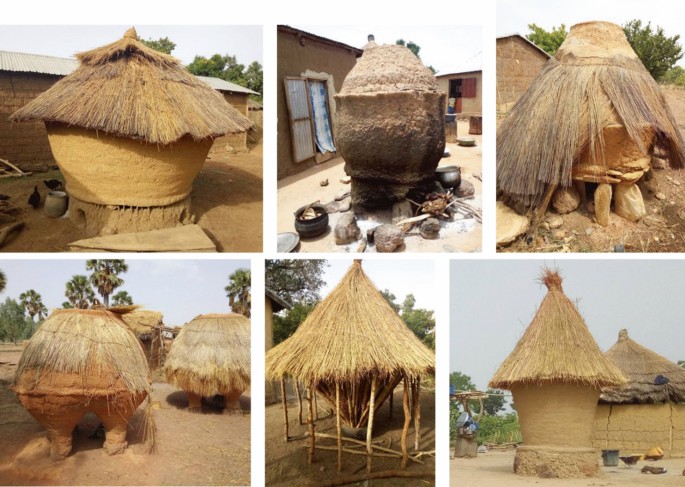
The main harvest festival of the Krobo people, is called the Ngmayem Festival, which means "Eating the New Millet" in the Krobo/Dangme language.
During these festive occasions, foods prepared from bambara groundnut are shared among families and visitors, symbolizing prosperity, resilience, and the enduring connection between people, land, and heritage. In this way, bambara groundnut is more than a crop—it is a living tradition that links Krobo farming knowledge, food culture, and community life across generations.
Interview with the ADA traditional chief
Interview with Nene Zotorvie 6th ADA traditional chief. As a chief carrying the "Nene" title in the Ada state, a leader of this stool is expected to: (a) Oversee development, land administration, and community welfare in the Tamatoku or Tehey areas; (b) Sit under the broader authority of the Paramount Chief of the Ada Traditional Area (the Ada Maŋtsɛ), currently Nene Abram Kabu Akuaku III; (c) Join the annual Ada Asafotufiam Festival to showcase the culture, military history, and unity of the Ada divisions.
Nene Zotorvie V passed away and became the subject of national media attention in September 2018. During his funeral rites, a violent clash erupted between a faction of the Zotorvie family from Tamatoku and indigenes of Tehey over a land and burial space dispute. This tragically resulted in a rival faction attacking the funeral procession and torching the ambulance containing his remains.
Related: CSIR warns indigenous crops are fast disappearing in Ghana
Related: Food Plant Solutions released a new resource for Ghana
Related: Can an underused legume transform food security in Ghana?
4 Sept 2025. In this deep dive, we travel to northern Ghana, where Grow Further and CSIR-SARI are developing the first commercial variety of Bambara groundnut, a highly nutritious, drought-tolerant crop traditionally grown by women. With the potential to reach 1.6 million farms in five years, this project is turning Bambara from a subsistence staple into a powerful tool for nutrition, income, and climate resilience.
Why Bambara Groundnut?
- Indigenous, protein-rich, and perfect for dryland farming
- Especially beneficial for infants and mothers
- In demand by food companies like WhatIf Foods for plant-based milk
Women Leading the Way
- Women farmers are central to this project, testing new varieties and setting priorities
- Improved seeds unlock income, food security, and leadership opportunities
What You’ll See:
- 🥔 How Bambara supports nutrition and soil health
- 🥔 Why it’s a climate-smart solution for northern Ghana
- 🥔 The future of Bambara as a commercial crop
- 🥔 Sustainable practices like biochar and composting improving yields
NUS Open-Source Curriculum Network

The four-session CBE Curriculum Co-Design Training was delivered virtually on 11, 15, 20, and 25 May 2026.
Facilitated by learning design and CBE specialists in collaboration with GFAiR and RUFORUM, the virtual training equipped subject-matter experts and university representatives with practical skills for developing competency-based curricula. The sessions focused on defining competencies, writing learning outcomes, designing authentic assessments, and aligning curriculum content with enterprise creation, jobs, and livelihoods. The training formed a critical step in the development of an open-source curriculum on neglected and underutilized species (NUS), ensuring that learning is grounded in real-world challenges and workforce needs.
Beyond strengthening participants’ understanding of CBE principles, the training series also fostered collaboration across a diverse network of contributors from 26 countries. The experience generated valuable insights into curriculum development, highlighting both the enthusiasm of a committed core group of experts and the need for continued support and engagement throughout the co-design process. Outcomes from the training directly informed the development of the CBE-enhanced curriculum framework, the drafting of prototype learning materials across seven knowledge blocks, and the identification of block leaders who will guide future curriculum refinement.
As the network moves toward pilot implementation, the CBE Co-Design Training Series stands as a key milestone in building an inclusive, learner-centered, and globally relevant educational resource for NUS education.
Block prototype documents produced:
- Block 0: Foundations and Systems - 3 modules
- Block 1: Production and Agronomy - 4 modules
- Block 2: Post-Harvest and Processing - 3 modules
- Block 3: Value Addition and Markets - 4 modules
- Block 4: Nutrition and Health - 4 modules
- Block 5: Climate and Biodiversity - 3 modules
- Block 6: Policy and Food Systems - 3 modules
The NUS Open-Source Curriculum Network was presented at the Regional Consultation on Opportunity Crops in Africa, hosted by FAO and FARA in Accra, Ghana (10 June 2026). The presentation, titled “Building an Open-Source NUS Curriculum: Evidence from a Multi-Regional Network of Universities,” drew on findings from the baseline institutional survey and the curriculum contributors scoping exercise.
A physical workshop in Kampala will be convened for block leads and core contributors to review peer review findings and finalise prototype materials. (week of 13 July 2026).
Related:
Monday, June 15, 2026
Mugala Naturals: Organic food venture that is powering a climate-smart future
Related:
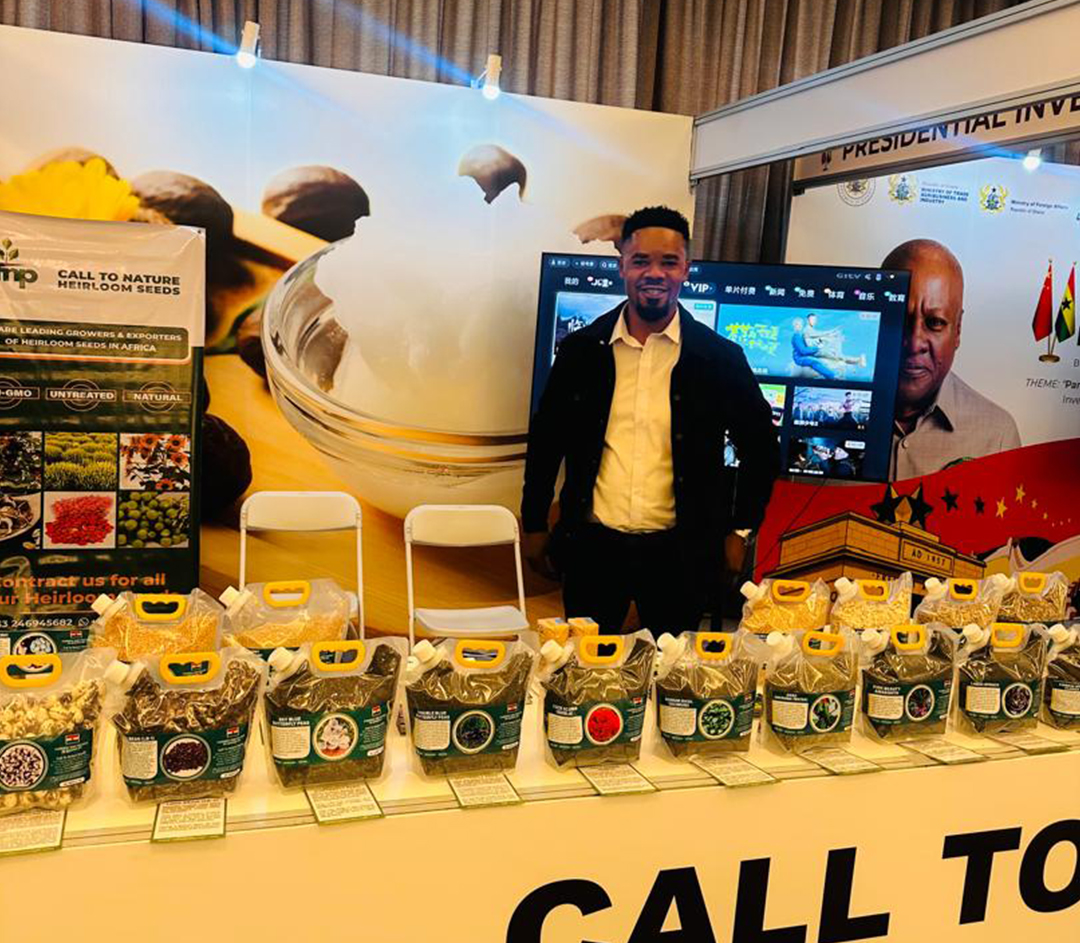
Heirloom Seed Agriculture Company in Ghana

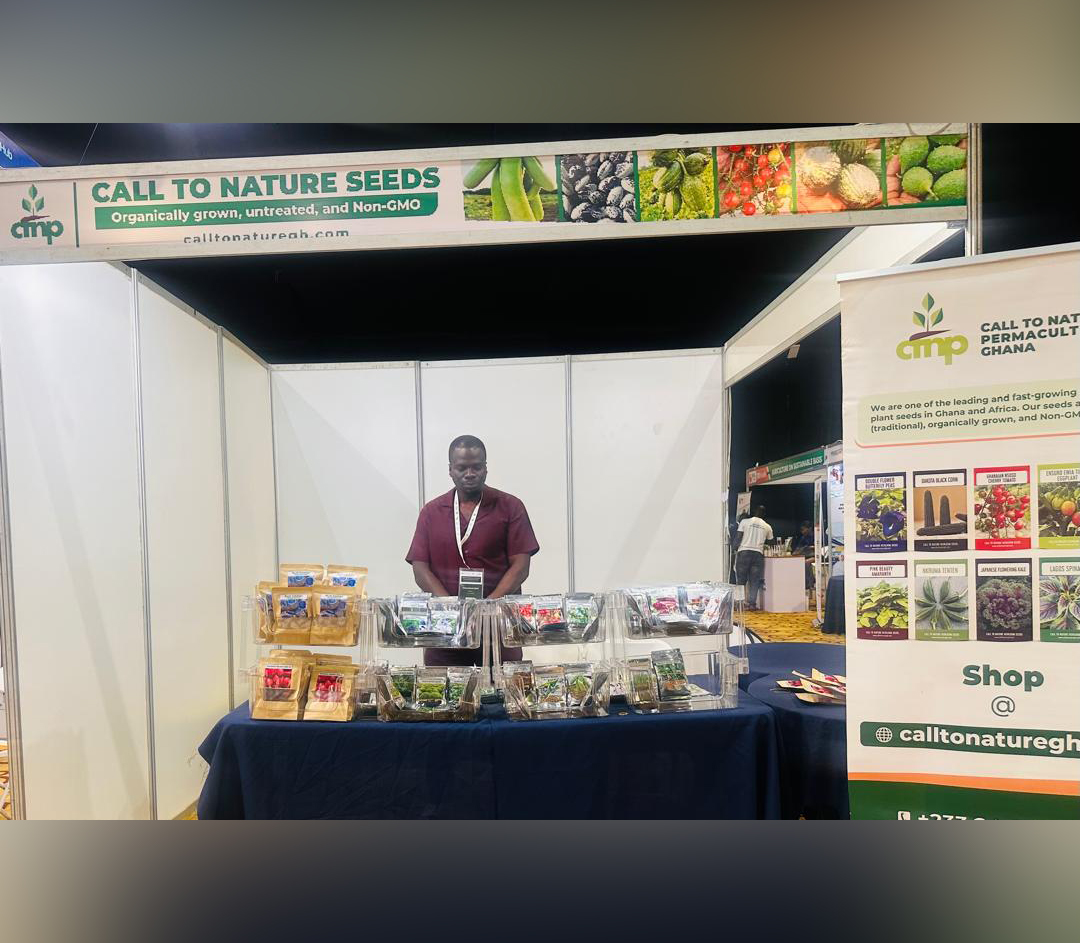
Call To Nature Ghana is a pioneering Ghanaian social enterprise and permaculture organization dedicated to promoting sustainable agriculture, heirloom seed conservation, environmental stewardship, and food security.
Heirloom seed conservation is the practice of harvesting, drying, and safely storing seeds from open-pollinated plant varieties to prevent them from going extinct.
Founded by Solomon Amuzu, the organization operates on the permaculture principles of “Earth Care, People Care, and Fair Share,” combining seed production, farmer training, ecological restoration, and community education. Today, it is recognized as
one of Africa’s leading heirloom seed producers and was named Best Heirloom Seed Agriculture Company in West Africa and Seed Exporter of the Year 2023. Through its work, Call To Nature supports farmers with access to locally adapted seeds and knowledge that strengthen climate resilience, biodiversity conservation, and sustainable food systems.

 Sales figures for local market and for the export market

Ghana's seed market is expanding rapidly, driven by greater awareness of seed quality, climate-smart agriculture, government support programmes, and growing interest in nutritious and resilient crops. Industry forecasts estimate that the Ghana seed market will grow from about USD 125 million in 2026 to nearly USD 193 million by 2031, reflecting sustained growth in demand for improved and specialized seeds. In addition, market studies point to increasing consumer demand for healthy, locally produced foods and greater interest in indigenous crops, which is creating new opportunities for producers of heirloom and opportunity crop seeds.

The growing interest in regenerative agriculture, biodiversity conservation, African heritage foods, and climate-resilient crops among U.S. consumers creates a niche but expanding market for such products. Call To Nature has also highlighted its status as a recognized seed exporter and participates in international seed and agribusiness exhibitions, where it markets its products globally.
 Related:
Africa's regional stakeholders conference on Neglected and Underutilised Species
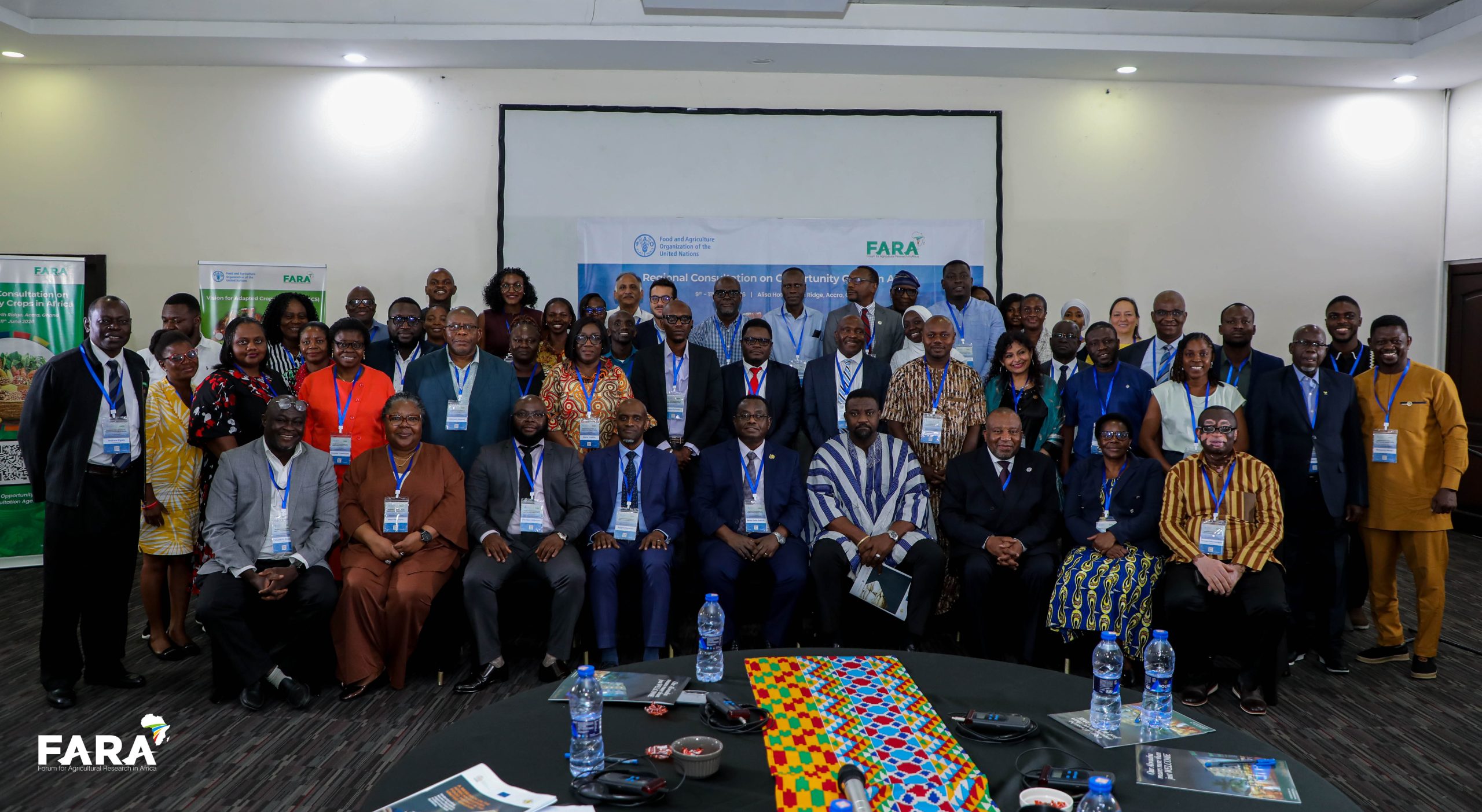
9 - 11 June 2026. Accra, Ghana. NUS Africa's regional stakeholders conference. Co-organized by the Forum for Agricultural Research in Africa (FARA) and the Food and Agriculture Organization of the United Nations (FAO), the hybrid event focused on integrating neglected and underutilized “forgotten foods” (like millets, fonio, and sorghum) into African food systems.
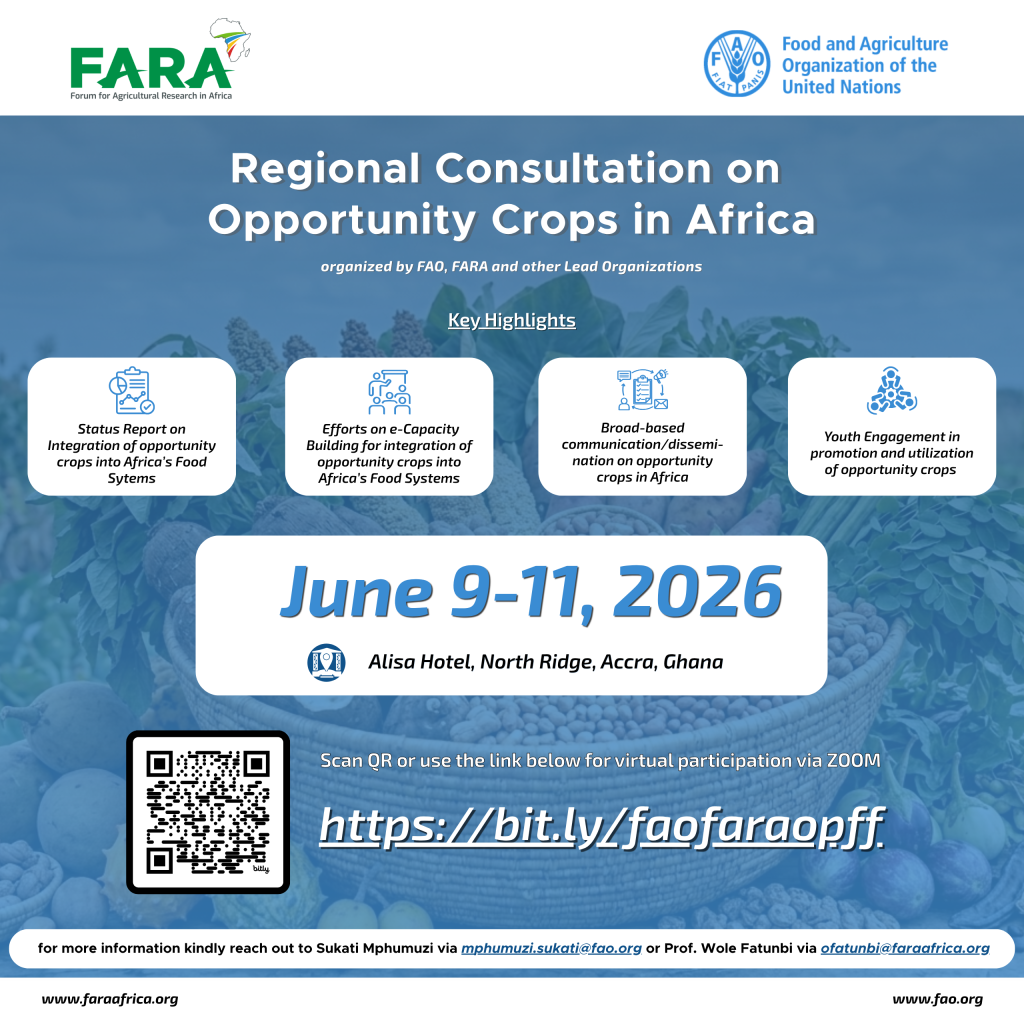
- Assess the progress made in the implementation of the Africa manifesto and action plan on forgotten food.
- Reviewing and sharing national and regional experiences related to opportunity crops conservation, production, utilization, constraints, and opportunities.
- Discussing policy and institutional frameworks needed to enhance production, value chains, and utilization of opportunity crops.
- Developing a regional roadmap and collaborative action plan to maintain opportunity crops in food and agricultural policies.
- Strengthening partnerships among governments, research institutions, the private sector, and civil society for opportunity crops promotion.
Day 1: Setting the Vision and Overcoming Barriers
Opening Session
- Dr. Abebe Haile-Gabriel, FAO Regional Representative for Africa

- Dr. Aggrey Agumya, Executive Director, FARA
- Representative of Ghana's Ministry of Food and Agriculture

Strategic Perspectives on Opportunity Crops
- Dr. Chikelu Mba (FAO): Unlocking Africa's Plant Genetic Resources for Food and Agriculture
- Prof. Elbilali (IADC): Framework for integrating neglected and underutilized species into agrifood systems
- Dr. Clement Adjorlolo (AUDA-NEPAD): Scaling opportunity crops through coordinated policy action
Transitioning African Agrifood Systems


- Dr. Julia Sibiya (VACS): Opportunity crops for agrifood system transformation
- Madam Fatmata Binta (Dineonamat): African ingredients and cultural food value
- Prof. Wole Fatunbi (FARA): Progress report on the Africa Manifesto on Opportunity Crops/Forgotten Foods
Theme 1: Overcoming Barriers – Innovative Approaches
- Dr. Abdou Tenkouano (ICIPE): Plant health solutions for opportunity crops

- Dr. Ousmane Ndoye (CORAF): Research development and networking
- Joe Mzinga (ESAFF): Mechanization pathways for smallholder systems

Theme 2: From Knowledge to Action
- Dr. Maureen Duru (The Food Bridge): Scaling nutrient-rich crops for food security
- Prof. Nelson Ojijo (JKUAT): Awareness raising and consumer recognition
- Olawunmi Benedict (GROW West Africa): Producer capacity building and agroecological transition
- Prof. Vincent Aduramigba (IAR&T/OAU): Capacity development instruments for NARES and institutions
Theme 3: Regional Actions and Networks
- Prof. Wole Fatunbi (FARA): Communities of practice and regional networks
- Ms. Ndèye Aïssatou Diop (CORAF): West and Central Africa experiences
- Mr. Moses Odeke (ASARECA): Eastern and Central Africa experiences
- Dr. Batholomeu Chataika (CCARDESA): Southern Africa experiences
Day 2: Conservation, Breeding, Seed Systems and Markets
Theme 4: On-Farm Diversity and Local Adaptation
 Dr. Carlo Fadda (Bioversity & CIAT): Managing crop diversity on farms
- Dr. Olakunle Sansa (IITA): Diversity for resilience
- Dr. Hillary Muginyo (Zimbabwe): Participatory breeding for locally adapted varieties

Theme 5: Conservation of Opportunity Crops
- Dr. Nora Castaneda (Crop Trust): Complementary conservation strategies
- Dr. Olaniyi Oyatomi (IITA): Linking on-farm and ex situ conservation
- Dr. Bissah Mathilda (PGRI-CSIR): Genetic resource conservation and germplasm exchange
- Andrew Mushita (CTDT-ZW): Community seed banks and local stewardship

Theme 6: Breeding for Nutrition and Resilience
- Prof. Enoch G. Achigan-Dako (UAC-Benin/AOCC/AfPBA): Collaborative breeding for forgotten foods
- Dr. Rita Mumm (AOCC): Strengthening plant breeding capacity in Africa
- Mr. Francois Stepman (GFAiR): Integrating opportunity crops into educational curricula
Theme 7: Seed Systems and Value Chains
- Yarama (GNRC): Registration of local varieties
- Edward Kilawe (FAO): Lessons from the One Country One Priority Product initiative
- Dr. Presidor Kendabie (NDU-Nigeria): Sustainable seed systems for forgotten foods
Theme 8: Building Markets and Business Cases
- Dr. Yacouba Diallo (AFSTA): Integrating orphan crops into seed trade systems
- Mr. John Cordaro (MARS/AOCC): Public-private pathways for opportunity crops
- Dr. Stefano Marras (Bayer): Private-sector innovation and investment
- Mr. Andrew Egala (GWB Kenya): Market access, short supply chains, and alternative retail models