11–12 September 2026. The 2nd India–Africa Seed Summit 2026, held in New Delhi, India, brought together seed companies, policymakers, researchers and agricultural organisations from India and African countries to strengthen cooperation on seed trade, technology transfer, research, investment and access to quality seed.
Building on the first India–Africa Seed Summit, the meeting highlighted India’s experience in developing affordable seed technologies and Africa’s rapidly growing demand for diverse, climate-resilient and high-performing varieties.
Discussions focused on enabling regulatory environments, harmonisation of seed standards, public–private partnerships, capacity development and opportunities for Indian and African seed enterprises to collaborate, with the broader objective of strengthening resilient seed systems, raising agricultural productivity and contributing to food and nutrition security across Africa.
16 September — Seed innovation, partnerships and finance
The opening brought together Surendramohan Kadaveru, Agriculture Production Commissioner & Secretary, Telangana; Dr Himanshu Pathak, Director General, ICRISAT; Dr Yacouba Diallo, Secretary General, African Seed Trade Association (AfSTA); Dr Tarun Shridhar, Director General, ICFA; Dr M.J. Khan, Executive Director, World Agriculture Forum; and Ousmane Abdou, Secretary General, Ministry of Agriculture, Niger. The Seeds Without Borders report provided a framework for cooperation on trade, genetic diversity, technology, research and climate resilience.
The panel examined seed trade, market access, technology, investment and business partnerships between India and Africa. The wider Summit speaker roster includes prominent African and Indian seed-sector representatives such as Dr Yacouba Diallo (AfSTA), Muhammed Fatuhu (Nigeria's NASC), Evelyn Lusenaka (Center of Excellence for Seed Systems Africa), Dr Paresh Verma (FSII), Ajeet Kumar Sahu (Government of India) and Ram Kaundinya.
Speakers included Dr Dileepkumar Guntuku, Ajay Kumar, Sanjaykumar Vasoya, Siddharth Tata, Gubba Kiran and Dr Sanjeev Nayan. Discussion ranged from AI-assisted R&D and demand forecasting to digital variety passports, QR traceability, digital trial data, farmer advisory services and geo-mapped seed distribution.
Moderated by Dr Narendra Dadlani, this panel brought together representatives from Mahabeej, AGRA, ICRISAT and the International Rice Research Institute (IRRI), including Deelip Swami and Evelyn Lusenaka. The focus was on using PPPs to move innovations from research through commercialisation and ultimately into farmers' fields.
Moderated by Sanjay Sethi, ED & CEO of ICFA, the panel included Dr Donald Mavindidze, Elh. Adama Touré, James Marc de Sousa-Shields and Ramalakshmi Penugonda, representing perspectives from the Gates Foundation, World Bank Group, IFAD and NABARD. It explored financing mechanisms across the seed value chain and how investment could support a stronger India–Africa seed corridor.
This addressed one of the major constraints to cross-border seed movement: differences in national variety registration, phytosanitary requirements, intellectual-property frameworks and seed regulations. The official agenda confirms the session, although the indexed programme does not provide its complete speaker list. Seed Summit
Moderated by Dr Keshavulu Kunusoth, the session included Nyasebwa Chimagu, Jobson Momo, Dr Maman Songai and R.P. Naidu, alongside other specialists. Certification and industry authorities from Tanzania, Liberia, Togo, Benin and India compared approaches to seed testing, standards and certification, with the objective of reducing barriers to international seed movement.
Session 8 Climate-Resilient Seed Development: Sharing Best Practices Between India & Africa
This was a dedicated GIZ-organised session on how breeding and seed systems can respond to climate stresses, and how India and Africa can exchange germplasm, technologies and practical experience in developing resilient varieties.
The final online programme was jointly organised by ICRISAT and CIMMYT. Ambassador Rajasekhar Chinthapally moderated, with speakers including Dr Manzoor Hussain Dar, Dr Iyad Takrouri and Manish Tyagi, among others. The discussion connected seed exchange with South–South cooperation in research, technology, trade and climate resilience.
Moderated by Dr Jayaprakash T. of Bharatiya Beej Sahakari Samiti Limited (BBSSL), the panel brought together Dr Demba B. Jallow, National Agricultural Research Institute (NARI), The Gambia; Dr J. Jawaharlal, ICAR–Indian Institute of Oilseeds Research; Kossi Djifa Hounkanli, Ministry of Agriculture, Togo; and an ICAR–Indian Institute of Millets Research representative. Sources differ on the latter's name: the Summit account lists Dr B. Venkatesh Bhat, while the moderator's own account identifies Dr Avinash Singode.
The session addressed a question highly relevant to GFAiR and the Global NARS Consortium (GNC): how genetic gains generated by agricultural research can actually reach farmers, and where India–Africa research partnerships can accelerate that pathway.
The technical programme concluded with the Valedictory Session and Seed Business Awards
18 September
field visits to agricultural farms, research institutions, seed-company R&D facilities and seed-processing units.
5–7 October 2026. Eswatini. The African Union Inaugural Africa Seed Summit is taking place under the theme “Resilient Seed Systems for a Food Secure Africa.”
Africa’s research organisations have developed large numbers of improved and locally adapted crop varieties, yet many farmers still struggle to obtain affordable, timely and appropriate quality seed. At the same time, climate change, biodiversity loss and changing food and nutrition needs are increasing interest in a much broader diversity of crops, including indigenous, neglected and underutilised species, alongside Africa’s major staples.
From continental policy to farmers’ fields
A central theme of the Summit is therefore the gap between seed policy, research and delivery. Discussions examine how African Union and regional seed frameworks can translate into functioning national regulatory systems, stronger seed enterprises and better access for farmers.
The programme addresses the implementation of seed policy and regulatory instruments, increased public and private investment, alignment of seed-sector development with the Kampala CAADP agenda, more inclusive seed systems and the role of innovation and technology in accelerating agricultural transformation.
Importantly, the Summit does not consider the commercial seed sector in isolation. A strong strand of the discussions concerns farmer-managed seed systems (FMSS) and how they can complement formal seed systems while protecting crop diversity, farmers’ knowledge and locally adapted varieties.
Days 1 and 2 combine the official sessions with technical sessions, side events and exhibitions, while 7 October is primarily the Heads of State Summit.
Message of H.E. Mosses Vilakati, AU Commissioner for Agriculture, Rural Development, Blue Economy and Sustainable Environment (ARBE)
Towards a more pluralistic African seed system
The significance of the inaugural Africa Seed Summit ultimately extends beyond seed production. Seeds sit at the intersection of agricultural research, biodiversity, climate adaptation, nutrition, markets, farmers’ rights and food sovereignty.
Africa therefore needs a pluralistic seed system in which commercial seed companies, public breeding programmes, genebanks and farmer-managed seed systems can complement one another. Improved varieties need pathways to reach millions of farmers, while the enormous diversity maintained by farming communities must remain available for future breeding, adaptation and food-system transformation.
5 October — 14:00–15:00 | Mobilizing Investment for Inclusive and Resilient Seed Delivery in Africa
Organised/hosted by CIMMYT. The discussion examines how investment and partnerships can close the gap between the large number of improved varieties being developed and farmers' actual access to quality seed.
Africa's seed sector has made real progress on reform, yet millions of farmers still cannot reliably get improved varieties and quality planting material. High costs, limited availability, weak distribution networks, scarce finance and too little information keep good seed out of reach. Shaping the sector's future calls for decisive action on two fronts:
Investment: more strategic public and private investment in inclusive seed systems that reach underserved farming communities, using private-sector participation and digital innovation to deliver at scale.
Policy: enabling policies and harmonized regulatory frameworks that speed up the movement of improved varieties from research to farmers' fields. Better seed only changes lives once it actually reaches the farmer.
5 October — 15:00–16:00 | Strengthening seed systems and improving smallholder access to quality seed
Convened by AATF. The session focuses on enabling policies, last-mile seed distribution, digital platforms, women- and youth-led seed enterprises, finance, information and markets, drawing particularly on experiences from Kenya and Zimbabwe.
Technologies for African Agricultural Transformation (TAAT), IITA, ASARECA, SACAU, African Seed Trade Association (AFSTA), Eswatini Seed Association, Uganda Seed Trade Association, Seed Trade Association of Kenya, Zimbabwe Seed Association, Zambia Seed Company, CIMMYT, Alliance of Bioversity International and CIAT, AfricaRice, CIP, FANRPAN, COMESA, SADC, East African Community and the African Union. The announcement also identifies Sylvia Horemans and Dr Nizam Kuxdorf-Alkirata
5 October — 16:00–17:00 | Turning Policy into Practice: Strengthening Inclusive Seed Systems in Africa
Co-hosted by SeedNL and Nigeria's National Agricultural Seeds Council (NASC), with participation from the World Vegetable Center, Oxfam Novib and Seeds for Food Coalition. LinkedIn
Falaq Tidjani — SeedNL
Gigi Manicad — Seeds for Food Coalition
Sognigbe N'Danikou — World Vegetable Center
Maya Piotrowska — Oxfam Novib
The discussion covers policy harmonisation, movement of genetic resources for conservation and use, public-private cooperation, farmer-managed seed systems and equitable partnerships.
6 October — 14:00–15:00 | What it takes for continental seed instruments to work in national regulatory practice
Organised by FANRPAN together with the Ministry of Agriculture of the Kingdom of Eswatini and CANGO. FANRPAN
Eswatini National Seed Committee
Ministry of Agriculture, Eswatini
rural women farmers
farmers' union
FANRPAN
CANGO
A Relaunch of the National Seed Committee: The Revival of a CANGO/MoA/FANRPAN Partnership Is a Significant Moment.
On 10 August 2026, Eswatini took a major step forward for its agriculture sector: the inaugural meeting of the relaunched National Seed Committee, held in Ezulwini and convened by CANGO and the Ministry of Agriculture, with support from and the FANRPAN Regional Secretariat under the CS PILLAR Project. After several years of inactivity, the Committee is back restoring a national platform for policy guidance, coordination, stakeholder engagement and resource mobilisation across the seed sector.
6 October — 15:00–17:00 CET. Advancing Farmer-Managed Seed Systems in Africa: Strengthening Governance, Accelerating Policy Domestication, and Mobilizing Investments for Implementation
The principal convenor is the Forum for Agricultural Research in Africa (FARA), working with the African Union Ecological Organic Agriculture Initiative (EOA-I) Continental Secretariat, Biovision Africa Trust, the Alliance for Food Sovereignty in Africa (AFSA) and SWISSAID, in collaboration with the African Union.
This is primarily an implementation and investment meeting, rather than another discussion about whether farmer-managed seed systems should be recognised. Its starting point is the African Union's emerging policy framework for FMSS and the need to translate continental commitments into practical action at regional and national levels. LinkedIn
The meeting is intended to produce progress in four interconnected areas:
1. Governance and coordination — establish or strengthen a governance structure for implementation of the AU FMSS agenda and clarify the respective roles of continental, regional and national actors.
2. Policy domestication — translate the AU FMSS framework into Regional Agricultural Investment Plans (RAIPs) and National Agricultural Investment Plans (NAIPs), as well as relevant national seed policies and regulations.
3. A 12-month action plan — agree concrete activities, responsibilities and next steps rather than leaving the strategy at the level of continental policy.
4. Financing and resource mobilisation — identify financing mechanisms, partnerships and investment opportunities capable of supporting implementation.
6 October — 14:00 | How to Implement the African Union's Strategy Framework on Farmer-Managed Seed Systems?
Convened by the International Community of Practice for Farmer-Managed Seed Systems. The session draws on practical experience concerning:
participatory breeding and breeding for farmers' needs;
climate resilience and crop diversity;
community seed banks;
seed laws and regional regulations;
policy pathways for implementing the new AU Strategy Framework on Farmer-Managed Seed Systems (FMSS).
In Cotonou, Benin, the 2026 World Social Forum hosted an exhibition space dedicated to agroecology, bringing together producers and organizations from several countries. Participants showcased a diversity of local food products and farmers’ seeds, highlighting local agricultural practices, crop diversity and farmers’ knowledge and expertise.
The exchanges emphasized the importance of farmers’ seed systems for food and seed sovereignty, including the ability of farming communities to conserve, use, exchange and further develop crop varieties adapted to their environments and food needs.
14 - 15 September 2026. Future food symposium UK. The Future of Food Symposium is hosted by 6 universities across the UK
University of Essex
University of Nottingham
University of Reading
Institute for Development Studies, University of Sussex
University of Birmingham
University of Sheffield
It is an annual event that brings together researchers, practitioners, policymakers, and advocates working at the cutting edge of food systems research and practice. In 2026, the symposium took place under the theme Food Systems at a Crossroads: Local Action, Global Change, reflecting the urgent need to connect place-based knowledge and community-led innovation with the broader systemic transformations required to build equitable, sustainable, and resilient food futures.
This year's symposium spans an extraordinary breadth of topics, from agri-food sustainability and Indigenous food sovereignty, to community food resilience, public dining, coastal food challenges, nutrition and health inequalities, and the growing role of data and artificial intelligence in food systems. Together, the tracks reflect a shared conviction: that meaningful change in food systems requires collaboration across disciplines, sectors, institutions, and borders.
14/09 Positive Agri-Food Futures for People and Planet
Food systems are at a critical juncture, facing intensifying pressures from climate change, biodiversity loss, resource degradation, and persistent inequalities in access to nutritious food and sustainable livelihoods. Delivering a transition toward resilient, nature-positive agri-food systems requires moving beyond fragmented approaches toward integrated, outcome-focused strategies that recognise the interdependencies between environmental health, food production, and societal wellbeing.
Luh Putu Kartini, Putu Diah Sastri Pitanatri, Bali Tourism Polytechnic - Beyond Food Waste: Women's Culinary Mediation and Circular Food Futures in Rural Bali
Shreya, Sijo Abraham, Nimisha Mittal, Independent Researcher - Seed Commons as Integrated Infrastructure for Climate-Resilient Food Systems: Evidence from Eastern India
Alampik Debbarma, Tripura University - Food, Forests, and Sustainability: Indigenous Tipra Culinary Practices in Northeast India
Nma Goran Dhahir, Water Diplomacy Center - Governing Water, Governing Nutrition: Transboundary Water Governance Failures, Water Quality Degradation, and Nutritional Vulnerability in the Kurdistan Region of Iraq
Alice Mauchline, University of Reading - Working in Partnership: How can farmers best inform peer-reviewed science and scientists best inform farmers?
Ada Freaney and Claire Mac Evilly, Airfield Estate - Cultivating Sustainable Futures: The Living Classroom Model at Airfield Estate
Carina Manitius, University of Vermont - Stranded Assets and Stranded Livelihoods in Agriculture: Identifying Barriers to Change to Support Just Transformation
14/09 Community-Based Approaches to Tackling Food Insecurity
While a significant body of literature exists on people’s experiences of emergency food access, particularly through networked and independent foodbanks, many new forms of community-based approaches to tackling food insecurity continue to emerge. New community-based spaces of food access go beyond food aid provision and seek to create a sense of connection, build resilience and even ‘close the circular loop’ between food surplus, affordable food access, and food waste that is then revalorised as compost to grow local, sustainable food.
Anton Rosenfeld and Bruce Pearce, Garden Organic - Growing resilience through culturally relevant varieties
Connie Dalton, Pamela Louise Graham, and Richard Lee, Northumbria University - Beyond Nutrition: A Mixed-Methods Study of Children, Families, and School Staff's Experiences of Free School Meals Across the UK
Neal Haddaway, University of Amsterdam - Commensality: exploring agricultural migrant workers'relationships with food and cooking
Nia Coupe, Hollie Walsh, Zahra Mulla et al., University of Manchester - Getting nutritious food into food aid: the Food Aid Mapping Manchester (FAMM) study
Purva Bahadkar and Anita Dighe, Foundation for Mother & Child Health India - Beyond Food: Strengthening Food Security Through Timely Behaviour Change Communication During the First 1,000 Days
Sharon Mada, Thuenen Institute - Approaches to Food Waste Reduction in Urban Sub-Saharan Africa: Practices and Initiatives for Circular Food Systems
Data were collected from 400 households and 39 street market vendors in Hatcliffe, Zimbabwe, through a face-to-face questionnaire survey. In addition, semi-structured interviews were conducted with 11 experts from Mauritius, Nigeria, Botswana, Kenya, Ethiopia, Tanzania, South Africa, and Zimbabwe.
14/09 Resilience and Community Food Projects
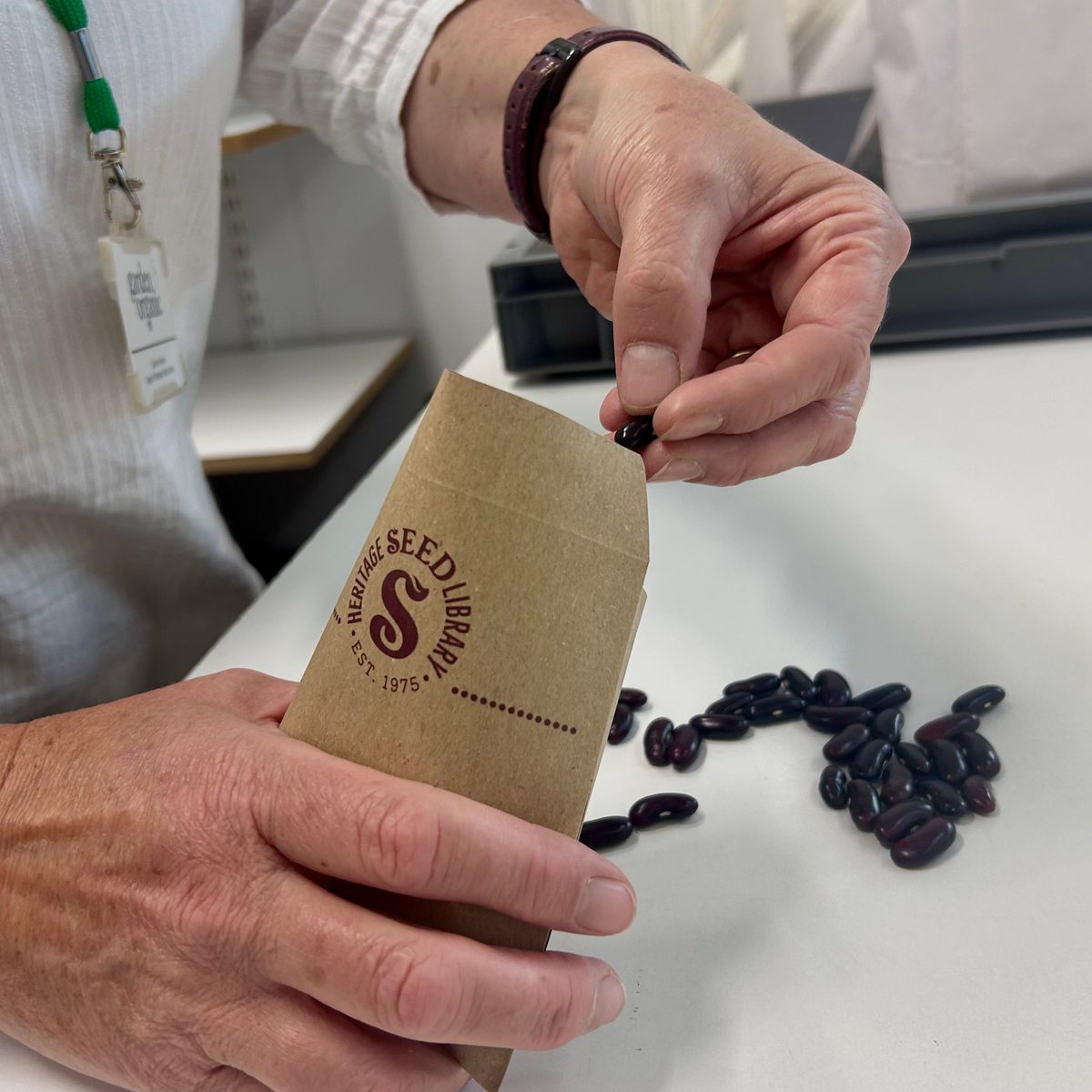
Lucy Shepherd, Heritage Seed Library, Garden Organic - Growing Resilience from the Ground Up: Community Conservation of Heritage Crops for a Changing World
This work presented findings from Sowing Your Seeds: Heritage Crops for a Resilient Future, a National Lottery Heritage Fund project led by Garden Organic's Heritage Seed Library. Working across the Midlands, the project identifies, documents and conserves locally maintained edible crop varieties. Through seed-saving workshops, community events and seed swaps, growers are encouraged to share both seeds and the stories behind them, recognising that cultural knowledge and lived experience are inseparable from the genetic resources themselves. By bringing little-known collections of heritage crops back into active cultivation, ‘Sowing Your Seeds’ helps ensure that locally adapted varieties, together with their cultural heritage, remain living components of our food system. This presentation offered attendees opportunities to consider community seed conservation and will suggest a model for participatory conservation that strengthens biodiversity, celebrates community custodianship, and equips food systems with the diversity needed to respond to an uncertain future.
15/09 Decolonising Food Systems & Sovereignties [Panel Debate]
This panel explored decolonizing food systems through Indigenous resurgence, governance, and relational accountability. Indigenous speakers from Turtle Island will examine how colonial policies, dispossession, and extractive economies have undermined Indigenous food practices and sovereignties. The discussion addressed dismantling colonial structures that regulate land, water, and agriculture, and disrupting the power relationships that privilege state and corporate control over Indigenous decision-making.
Track Chair: Dr. Belinda Zakrzewska (University of Birmingham)
Shyra Barberstock, Co-founder of Kebaonish Inc / Queen's University (Canada)
Rye Barberstock, Co-founder of Kebaonish Inc / Queen's University (Canada)
The session examined how Africa can move from individual seed-sector projects toward well-financed, nationally coordinated and market-responsive seed systems. The starting point was that quality seed underpins several objectives simultaneously: climate resilience, agricultural productivity, improved nutrition, farmer incomes and rural employment. Yet investment gaps, fragmented coordination and insufficient private-sector participation continue to prevent improved and locally adapted varieties from reaching farmers at scale.
A major focus was the use of Seed Sector Investment Plans to translate evidence on seed-system weaknesses into coordinated public and private investment.
The first panel, “Seed Sector Investment Plans and National Planning: Mobilising Public and Private Investment,” stressed that investment plans need to cover the whole seed value chain—from breeding and early-generation seed through multiplication, certification, distribution and markets. Governments have a key role in creating an enabling policy and regulatory environment, while private companies provide investment, innovation, multiplication and commercialization.
The second panel,“Strategic Partnerships for Strengthening Market-Responsive Seed Systems,” shifted attention from seed supply to farmer demand and markets. A central message was that farmers will invest in improved seed when farming is profitable; seed-system development therefore needs stronger links with processors, traders, food value chains and regional markets. This is particularly important for nutritious and climate-resilient crops. Country Manager of HarvestPlus Solutions Nigeria, for example, discussed how biofortified crop seed systems can attract private investment while strengthening nutrition-sensitive and resilient agrifood systems.
Evelyn Lusenaka — Director, CESSA/AGRA; keynote/remarks and leadership perspective on strengthening African seed systems.
Boaz Blackie Keizire — moderator of the session on Seed Sector Investment Plans and National Planning.
Dr Rufaro Madakadze — Lead, Capacity Building & Technical Support, CESSA/AGRA; moderator of the market-responsive seed-systems panel and contributor to the concluding discussion.
Enock Chikava — Gates Foundation; remarks on investment and the role of partnerships in strengthening African agricultural and seed systems.
Dr Jean Claude Rubyogo — Alliance of Bioversity International and CIAT; perspective linking agricultural research, improved varieties and delivery through functioning seed systems.
Dr Yusuf Dollah Fou'ad — Country Manager, HarvestPlus Solutions Nigeria; contribution on biofortified seeds, private-sector investment and nutrition-sensitive seed systems
Samuel Angwenyi — CESSA/AGRA; contributor to the session and concluding discussions.
Lauren Good — Gates Foundation; contributor to the discussion on investment and partnerships.
Jonathan Said — AGRA; contributor to the session's concluding discussion on investment and food-system transformation.
The strongest overall conclusion was that seed systems cannot be treated as an isolated agricultural input issue. They have to connect research and breeding with early-generation seed, seed enterprises, finance, regulation, extension, farmers and ultimately profitable markets. This also explains the session's three-part framing: better seed systems contribute to resilience through climate-adapted varieties, nutrition through diverse and biofortified crops, and jobs through seed production, multiplication, distribution, processing and expanding agricultural value chains. (LinkedIn)
At this breakthrough event, HarvestPlus Solutions (HPS) and partners brought together government, private sector, finance, research, and farmer representatives to explore how Africa can move beyond donor-driven pilots toward locally owned, market-driven food systems that deliver sustained impact at scale.
Event Moderator: Donald Mavindidze – Senior Program Officer, Gates Foundation
Keynote Speaker: Simon Winter – Vice President, Reimagining Humanitarian Nutrition Security at the Rockefeller Foundation Catalytic Capital
Evelyn Lusenaka – Director of the Center of Excellence for Seed Systems Africa at AGRA
Ibitoye Oyewale – MD/CEO Premier Seeds Nigeria Ltd.
Nelson Munyaka – Zimbabwe Super Seeds
Yusuf Dollah – Country Manager, HarvestPlus Solutions, Nigeria
Peter Owoko – Policy Expert, The State Department of Agriculture, Kenya
Tanner Roark – Senior Technical Advisor at World Vision
Rewa Misra – Head of National Policy and Innovative Finance, HarvestPlus
Abebe Chekol – Deputy Director, Country Policy Advocacy and Communications, and Economic Opportunities, Ethiopia, Gates Foundation
Co-hosted by the Seed Trade Association of Kenya (STAK), this premier agricultural event is anticipated to draw more than 600 delegates, bringing together private seed companies, national seed trade groups, and top agricultural research centers from across the globe.
The congress serves as a vital platform for defending the interests of the African seed industry, promoting variety turnover, and advancing trade.
Market Access & Trade Harmonization: Standardizing regional trade policies to facilitate easier seed distribution across African borders.Biotechnology & Intellectual Property: Advancing policy dialogues around plant variety protection, biosafety awareness, and breeding innovations.
Institutional Strengthening: Enhancing strategic coordination between national bodies and the international private sector
Related:
8 - 10 September. The Africa Vegetable Breeding Consortium (AVBC) Annual Workshop, hosted by World Vegetable Center in collaboration with African Seed Trade Association (AfSTA), was organised in Cotonou, bringing together key stakeholders to advance innovation and collaboration in Africa’s vegetable seed sector.
AfSTA Secretary General Dr Yacouba Diallo attended this workshop and is part of the insightful presentations from Dr Lourena Arone Maxwell, Dr. Derek Barchenger, Dr Assaf Eybishitz, Dr Mathieu Ayenan and Dr Alfred Ozimati , focusing on important crops for the vegetable sector: Tomato, Okra, and Amaranth.
The participants visited demonstration plots, and had one-on-one meetings between breeders, seed companies, and the producers attending the event. These interactions were designed to better align the needs on the ground, the expectations of the seed sector, and the latest research findings.
On 31 August, the AFS Kigali delegation travelled to Huye for an inspiring field visit focused on one of Rwanda’s most important development assets: its agricultural research and innovation ecosystem.
The visit provided an opportunity to experience first-hand how scientific research, technology, conservation, and farmer-focused innovation are contributing to the transformation of Rwanda’s agricultural sector.
The visit demonstrated a powerful connection between research institutions and the realities faced by farmers — from conserving valuable genetic resources to developing improved planting materials, strengthening soil fertility, and increasing the productivity and resilience of agricultural systems.
RAB Rubona Station: history, infrastructure and challenges
Established in 1935 in Rwanda’s Southern Province (formerly Butare), RAB Rubona Station is the country’s oldest agricultural research station and the historic foundation of Rwanda’s National Agricultural Research System. Initially created during the Belgian colonial period as the Institut National pour l'Étude Agronomique du Congo (INEAC), Rubona became a centre for research on food crops, soils and livestock adapted to the highland agroecosystems of Central Africa.
Following Rwanda’s independence, the station evolved through successive national research institutions before becoming a flagship centre of the Rwanda Agriculture and Animal Resources Development Board (RAB) in 2011. Over the decades, Rubona has played a pivotal role in developing improved varieties of beans, maize, cassava, sweet potato and potato, while conserving indigenous crop genetic resources and supporting farmer-oriented agricultural innovation.
Today, Rubona Station comprises extensive experimental fields, crop breeding and seed multiplication facilities, soil and plant laboratories, greenhouses, irrigation infrastructure, livestock research units, offices, conference and training facilities, and one of Rwanda’s principal national genebank collections for agricultural biodiversity. The station hosts multidisciplinary teams of breeders, agronomists, soil scientists, plant pathologists, entomologists, livestock specialists, laboratory technicians and extension-oriented researchers who collaborate closely with universities and international partners such as CGIAR centres. The BioCap/COECB [Rwanda Biotech Capacity Building (BioCap) / Centre of Excellence for Crop Biotechnology] investment is a major current infrastructure development.
Launched in December 2025, it goes beyond conducting individual crop trials: it is intended to build permanent national biotechnology capacity at Rubona. Particularly significant is the planned Centre of Excellence for Crop Biotechnology (COECB). CIP (International Potato Center) and RAB are currently developing the facility at Rubona, for biotechnology, genome editing and capacity building, particularly for potato and cassava. It is supported by a $15 million grant from the Bill & Melinda Gates Foundation. The Donald Danforth Plant Science Center is part of this international initiative. Despite its strategic importance, Rubona faces significant challenges including ageing laboratory and irrigation infrastructure, limited long-term funding for research maintenance, shortages of advanced analytical equipment, the need to attract and retain highly qualified scientists, and increasing pressure to develop climate-resilient and nutrition-sensitive innovations that respond to Rwanda’s rapidly evolving agrifood system.
Discovering Rwanda’s Agricultural Research Ecosystem
At RAB Rubona Station, participants explored a remarkable collection of more than 100 conserved banana varieties. The collection illustrates the importance of agricultural biodiversity and the role of research institutions in protecting genetic resources that can support future breeding, adaptation, and food security.
The visit also introduced participants to advanced technologies supporting early-generation seed production and germplasm conservation across a diverse range of crops, including: Cassava, Sweet potato, Banana, Coffee, Passion fruit and Tree tomato. Seeing these systems in practice offered a valuable perspective on the science behind the crops that sustain rural livelihoods. Conservation is not simply about preserving varieties for the future; it is also about maintaining the genetic diversity needed to respond to emerging challenges such as climate change, pests, diseases, and changing market demands.
From Innovation to the Farmer
A particularly important aspect of the visit was learning about rapid cassava seed multiplication and customized soil-fertility management systems.
These innovations demonstrate how agricultural research can be translated into practical solutions. Producing quality planting material more rapidly can help farmers access improved varieties, while soil-fertility approaches adapted to specific conditions can support more efficient use of nutrients and improve productivity.
Together, these technologies illustrate a broader principle: agricultural transformation requires more than introducing a new crop or technology. It requires sustained investment in research, experimentation, conservation, knowledge transfer, and systems that allow innovations to reach farmers at scale. The experience at Rubona showed how this long-term investment can contribute to higher productivity, greater resilience, and scalable solutions for farmers.
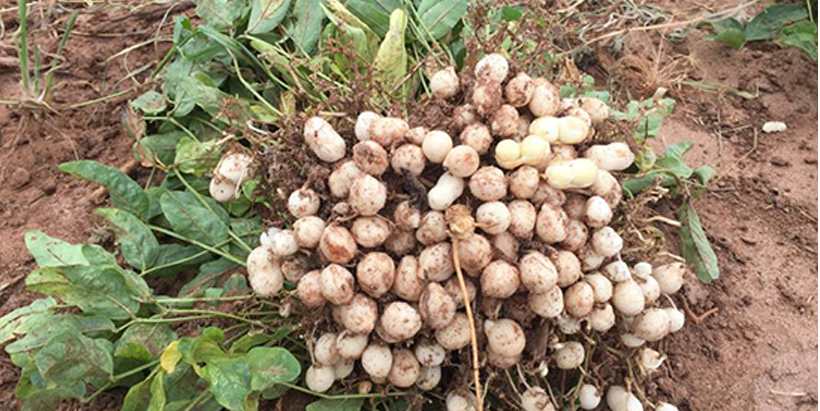
Advancing research and development of Bambara groundnut
The Society for Underutilized Legumes (SUL), which emerged from IITA's Genetic Resources Center and collaborates closely with IITA-CGIAR, is expanding research on Bambara groundnut (Vigna subterranea) and other underutilized legumes into East Africa. Recent research includes collaboration with scientists from the University of Rwanda, complementing wider IITA work on Bambara groundnut genetic resources, breeding, nutrition, climate resilience and value addition.
The Bambara groundnut (BGN), once labeled an orphan crop, has now assumed the status of an important underutilized nutritious, drought-resistant legume crop, and is now positioned as a promising future crop that is serving a varied choice of culinary purposes, including local delicacies, and more recently, plant-protein-based milk alternatives. Despite the numerous benefits of BGN, processing its seeds into valuable food products generates wastes (such as husks, shells, haulms, and offal), which are often disposed of carelessly into the environment, thereby creating environmental hazards.
With this growing environmental challenge, comes the growing interest in adding value to the wastes generated from BGN and converting them into products that are useful for industrial purposes, as well as food and feed, and researchers from Nigeria, Rwanda and South Africa are unlocking new economic and environmental opportunities and exploring potential value-added products from Bambara groundnut waste, transforming what was once discarded material into valuable resources that support sustainable growth across Africa’s food systems.
Picture: Dr Adegboyega Taofeek T [Kneeling] of the Society of Undertutilised Legumes (IITA) and Dr Adeyemo Rasheed O. [Standing] on the Bambara groundnut field at the University of Rwanda, Huye Campus. The field trial was conducted with the support of Lecturers and Colleagues from the University of Rwanda.
The journey continued at Songa RAB Station, where agricultural innovation took on a different dimension through livestock.
The Rwanda Dairy Development Project – Phase 2 (RDDP-2) is a major dairy-sector transformation programme implemented by the Rwanda Agriculture and Animal Resources Development Board (RAB) with financing from IFAD and other partners. Launched on August 30, 2024, the Rwanda Dairy Development Project – Phase 2 (RDDP 2) , funded by IFAD and implemented by RAB,will benefit 175,000 dairy farmers nationwide. The revitalization of the Songa Sement Production Centre is part of a broader $125 million USD initiative aimed at transforming the dairy sector over the next five years. Between $8 million and $10 million of the $125 million allocated for RDDP 2 will go directly into establishing and operationalizing the upgraded semen production centre. It aims to improve the income, nutrition and resilience of rural households by creating a more inclusive, climate-resilient, digitalized and competitive dairy sector, targeting around 175,000 rural households. Of particular relevance to RAB Songa Station, RDDP-2 is upgrading the Songa Semen Production Centre into a modern hub for bovine genetic improvement, with:
technologies for semen and embryo production,
in-vitro fertilization (IVF),
artificial insemination and embryo transfer,
alongside improved forage production,
dairy performance recording and specialized training
30 high-quality bulls are already at Songa, with a longer-term target of 60. Approximately US$8–10 million is expected to be invested directly in establishing and operationalizing the upgraded Songa centre, positioning the station as an important national centre for dairy breeding, genetics and farmer/veterinarian capacity development
Participants discovered modern approaches to livestock breeding and semen collection, gaining insight into how reproductive technologies and improved genetics can contribute to greater livestock productivity.
At the same time, the station offered an encounter with an important part of Rwanda’s cultural heritage: the iconic Inyambo royal cattle.
The contrast — and connection — between advanced breeding technologies and these culturally significant cattle provided a powerful illustration of how innovation and heritage can coexist. Rwanda’s livestock sector is not only about improving production; it is also about preserving and valuing traditions that form part of the country’s identity.
The Inyambo therefore represents more than a livestock breed. They offered a living connection between Rwanda’s past and its agricultural future.
For the AFS Kigali delegation, which included a GFAiR representative, the field visit was an opportunity to see agricultural research not as an abstract scientific process, but as a living ecosystem involving researchers, genetic resources, technologies, farmers, institutions, and cultural heritage.
3 September 2026. Interview with Isoulfou Kapran (Niger) Director of Seed Systems Group.
Agriculture is at the heart of food security, livelihoods, and economic development. Yet, farmers can only reach their full potential when they have access to quality seeds, reliable inputs, knowledge, and strong agricultural markets. This is where Seed Systems Group plays an important role.
Seed Systems Group is focused on strengthening seed systems and supporting the development of more productive, resilient, and sustainable agricultural sectors. By working with farmers, businesses, institutions, and other stakeholders, the organization seeks to improve access to quality seeds and contribute to better opportunities across agricultural value chains.
The organization is directed by Isoulfou Kapran, whose leadership supports its mission of promoting stronger and more effective seed systems. Through collaboration and practical solutions, Seed Systems Group aims to help create agricultural systems that better serve farmers and contribute to long-term food security.
As agriculture continues to face challenges such as climate change, population growth, and changing market demands, strong seed systems are more important than ever. Seed Systems Group is committed to being part of this transformation—connecting knowledge, innovation, and partnerships to help build a more sustainable future for agriculture.
2 September 2026. AFS Kigali. Interview with Epaphras Milambwe KT Manager Tanzania.
East-West Seed has built its work around helping smallholder farmers access quality vegetable seeds alongside the knowledge and skills needed to use them effectively. In Tanzania, the company and its Knowledge Transfer Foundation support farmers through training, demonstrations and improved access to agricultural technologies. East-West Seed also recognizes the important role of informal seed systems, particularly in reaching smallholder farmers in remote communities.
East-West Seed's focus on quality seeds and farmer knowledge, alongside community seed banks' role in conserving local diversity, demonstrates how different parts of the seed system can complement one another. Together, these approaches can help farmers access appropriate planting material while protecting the genetic diversity needed to build more productive, sustainable and climate-resilient food systems.
Is there a resistance towards indigenous seed banks?
A doctoral thesis completed by Omoniyi Françoise Agbodjo, entitled Comprendre les mouvements paysans pour la reconnaissance des semences paysannes en Afrique de l’Ouest (“Understanding farmers’ movements for the recognition of farmers’ seeds in West Africa”), provides a detailed socio-anthropological analysis of the struggle for recognition of farmers’ seed systems in Benin, Burkina Faso, Mali, Niger and Senegal.
The thesis, submitted for the doctorate in Socio-Anthropology at Université Paul-Valéry Montpellier, examines how farmers’ organizations have progressively transformed seeds from what is often treated simply as an agricultural input into an issue of rights, heritage, food sovereignty and political representation. The research focuses particularly on the Comité Ouest Africain des Semences Paysannes (COASP) and its relationships with other West African farmer movements, civil-society organizations and political institutions.
From farmers’ organizations to a regional seed movement
The thesis places today's seed movement within the much longer history of West African farmers’ organizations. Successive droughts, structural adjustment, agricultural liberalization and regional integration contributed to the emergence and strengthening of farmer organizations and regional platforms. These organizations progressively acquired roles not only in agricultural production and services but also in negotiating prices, defending farmers’ interests and participating in agricultural policy processes. At the same time, new networks emerged around biodiversity, agroecology and food sovereignty, emphasizing farmers’ knowledge and locally managed crop diversity.
The farmers’ seed movement began taking shape before biodiversity became a central element of the agroecological transition debate. From around 2004, local farmers’ organizations and international associations were already advocating political recognition of farmers’ seeds as a strategic component of sustainable agriculture. These efforts eventually contributed to the establishment of the COASP in 2011. Since 2014, climate-change adaptation and growing interest in agricultural biodiversity have brought scientists, NGOs, policymakers and farmers into the debate, considerably expanding the network of actors concerned with farmers’ seed systems.
An important milestone identified in the thesis was the
Djimini farmers’ seed fair in Senegal. The fairs became more than places for exchanging seeds: they helped connect farmers and organizations across national borders and stimulated the creation of national networks. Following the 2009 fair, participants were encouraged to organize in their respective countries and report back on the situation of farmers’ seeds. These connections also generated farmer-led research initiatives and political mobilization, illustrating how a seed fair could evolve into an instrument for regional collective action.
Seeds are more than agricultural inputs
One of the central messages emerging from the thesis is that farmers’ seeds occupy a fundamentally different position in the discourse of the movement than conventional agricultural inputs. COASP was established partly to defend farmers' freedom to produce, conserve and circulate their own seeds. Its founders associated farmers’ seeds with autonomy, food sovereignty and agricultural heritage. The emergence of COASP therefore represented a shift in the political framing of seeds: farmers’ seeds became simultaneously an agricultural resource, a heritage asset and an object around which rights could be claimed.
Yet the thesis highlights a striking paradox. Farmers’ seeds are considered crucial to West African food production, but they largely remain within what policy and legislation classify as the informal seed system, without the same legal status accorded to certified seed. This “legal invisibility” has important consequences, including reduced access to public support, and has itself become a major driver of farmer mobilization. The struggle therefore concerns not only conserving crop diversity but also who has the right to produce, reproduce, exchange and govern seed.
Many organizations, one cause—but different strategies
Since 2014, the political landscape around farmers’ seeds has become increasingly crowded. The thesis examines a network that includes
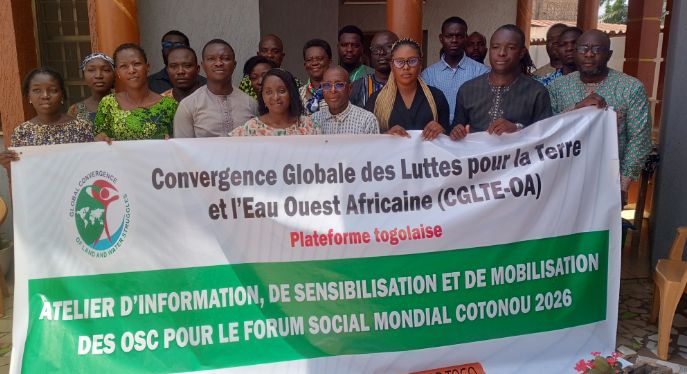
COASP, the Coalition for the Protection of African Genetic Heritage (COPAGEN), the Alliance for Food Sovereignty in Africa (AFSA), the Network of Farmers' and Agricultural Producers' Organisations of West Africa (ROPPA), La Via Campesina West Africa (LVC-AO), and the Global Convergence of Land and Water Struggles – West Africa (CGLTE-AO).
These organizations do not play identical roles. COASP is particularly rooted in farmers’ practices and the promotion and preservation of farmers’ seeds but has limited direct access to formal political arenas. COPAGEN and AFSA bring legal, scientific and policy expertise to advocacy. ROPPA has developed substantial institutional recognition and access to regional and international policymaking, while LVC-AO and CGLTE-AO mobilize farmers across borders and connect seeds to wider struggles over food sovereignty, land and natural resources.
This diversity is simultaneously a strength and a weakness. It creates an unusually rich combination of farmer knowledge, mobilization capacity, scientific expertise, legal advocacy and political connections. But organizations use different terminology, methods and approaches to in-situ seed management and sometimes pursue different political strategies. Consequently, alliances can strengthen the movement while disagreements and fragmented advocacy can slow collective progress towards formal recognition.
The thesis identifies an additional challenge: when farmers’ demands move from local movements into institutional policy arenas, they are frequently translated into broader policy languages such as biodiversity, agroecological transition or food security. This translation can facilitate access to policymakers, but it can also dilute the explicit demand for recognition of farmers’ seed systems and farmers’ rights over seeds.
The unresolved question: how should COASP organize its political voice?
The research therefore moves beyond documenting the movement and asks a practical question: how can COASP consolidate its leadership while obtaining greater political and institutional recognition? Within COASP itself, the thesis identifies tension between a more radical position that prioritizes local legitimacy and independence from institutions and a more pragmatic position that considers engagement and negotiation with research organizations and political institutions essential. The latter approach appears to be gaining ground, reflected in growing cooperation with research organizations, participation in agroecology platforms and engagement with other farmer organizations.
Rather than prescribing a single institutional solution, Agbodjo develops three scenarios for stronger collective action.
The first scenario would establish a coalition between COASP, COPAGEN, CGLTE-AO, AFSA and LVC-AO, with COASP recognized as the principal voice on farmers’ seeds. Such a coalition could combine COASP's farmer-based technical expertise with AFSA's international advocacy, COPAGEN's legal and scientific expertise and the mobilizing capacity of LVC-AO and CGLTE-AO. It could also allow participating organizations to pool technical and financial resources for advocacy.
The second scenario would build a more formal relationship between COASP and ROPPA, using ROPPA's established institutional position while allowing COASP to lead specialized advocacy on farmers’ seeds. The thesis stresses, however, that COASP would need to retain its identity and freedom of expression. Otherwise, institutional integration could result in co-optation or dilution of its farmer-based position. At its most ambitious, however, such cooperation could constitute an institutional innovation capable of advancing recognition of farmers’ seeds alongside conventional seed systems.
The third scenario explores COASP seeking direct official recognition within West African political institutions, rather than relying primarily on another farmer platform to carry its voice. Together, the scenarios illustrate the central dilemma identified throughout the research: how can a farmer movement acquire greater institutional influence without losing the grassroots legitimacy that made it influential in the first place?
From seed diversity to the governance of food systems
The significance of this thesis extends beyond seed policy. The author connects farmers’ access to locally adapted seeds with food autonomy, resilience to international market disruption and climate change, and the rehabilitation of local resources, knowledge and foods. This makes the debate particularly relevant to current efforts to promote agroecology, indigenous and neglected crops, local food value chains and more diverse and resilient food systems.
The study ultimately shows that conserving agricultural biodiversity cannot be separated from the institutions and people who maintain that diversity. Seed diversity survives not simply because varieties are conserved, but because farmers continue to select, reproduce, exchange, experiment with and attach cultural and economic value to them. Recognition of farmers’ seeds is therefore also recognition of farmers as knowledge holders, innovators and actors in the governance of agricultural biodiversity.
The challenge ahead is consequently not merely to demonstrate the agronomic value of farmers’ varieties. It is to create governance arrangements through which farmer organizations, researchers, civil society and regional institutions can translate the considerable diversity of existing initiatives into a stronger collective political voice. As Agbodjo's thesis demonstrates, the future of farmers’ seeds in West Africa will depend as much on the governance of alliances as on the conservation of the seeds themselves.
Note Q & A session @34:22
OR4FOOD was a research project funded by the African Union Commission for the period 2018-2021 under the African Union Research Grant Programme (AURG II - 2). It involved agronomists from CIRAD, IRD and ISRA, as well as experts in food and nutritional science from ITA and UCAD in Senegal and Addis Ababa University in Ethiopia. These teams have taken up the challenge of micronutrient biofortification of commonly consumed local food products in Africa, working with farmers to implement agro-ecological selection of varieties that are naturally high in micronutrients along with organic fertilisation.
Organizers: Switzerland SWISSAID European Union (European Commission – DG INTPA) International Fund for Agricultural Development (IFAD) Italian Agency for Development Cooperation (AICS) Alliance for Food Sovereignty in Africa (AFSA) Research Institute of Organic Agriculture (FiBL) Mediterranean Agronomic Institute of Bari (CIHEAM-Bari)
Core topic: Practical implementation of ISPM 45 (international standards for authorizing entities to perform phytosanitary actions).
Key Themes: Technical, regulatory, and partnership requirements needed to build trusted third-party laboratory authorization systems and accreditation for seed health testing
Seed trade is assuming greater significance in the Asia-Pacific region. However, there are several phytosanitary concerns affecting the safe trade of seed in developing and least developed countries. The most prominent issues include:
Seed-transmitted pest lists not being updated, affecting the pest risk analysis process (ISPM 2).
No ePhyto solution in place.
Lack of compliance with the international standard on the movement of seeds (ISPM 38).
Lack of coordination between national plant protection organizations and the private sector.
STDF/PG/755 increased seed trade and market access for the Asia-Pacific region by increasing the capacity of national plant protection organizations to meet relevant phytosanitary standards.
This webinar was the closure of a 3 years project
• Rose Souza Richards, International Seed Federation
• Kanokwan Chodchoey, East-West Seed Company Ltd
Q & A
@Rose Souza-Richards ISF How does Commercial Seed Trade impact Community Seed banks + Farmer-Managed Seed Systems? Which are the main tensions + opportunities in the interaction between these two systems ?
the challenge is not to choose between commercial and farmer-managed seed systems. It is to create a fair interface between them. Commercial trade contributes scale, investment and innovation; farmer-managed systems contribute diversity, local knowledge, adaptation and resilience. A sustainable seed sector needs both—and governance that prevents one from undermining the other.
Related:
The Standards and Trade Development Facility (STDF) funds similar, highly focused phytosanitary and trade capacity projects across Africa. Rather than launching a single massive pan-African seed project, STDF targets regional hubs and specific exporting countries to improve compliance with Sanitary and Phytosanitary (SPS) measures.
The closest direct equivalents and related initiatives in Africa include:
1. Growing Regional Seed Trade in Zambia (Project PPG-1044)
The Goal: Despite being one of Africa’s largest seed exporters, Zambia faces heavy compliance challenges. This project brings together the Zambia Seed Trade Association (ZASTA) and national plant quarantine services to streamline seed certification and scale up cross-border seed exports. [1]
2. The Center of Phytosanitary Excellence (COPE) in East Africa (Project PG-171 / PPG-968)
The Project: Similar to how the APAARI project established regional seed portals and digital tools in Asia, STDF funded the creation of the Center of Phytosanitary Excellence (COPE) in Kenya. [1, 2]
The Goal: COPE enhances the capacity of national plant health systems across Kenya, Rwanda, Tanzania, and Uganda. It provides professional training to public and private stakeholders on safe seed certification, pest-risk analysis, and international plant health standards.
The Project: Just like the APAARI project implemented digital ePhyto solutions in Southeast Asia, STDF co-funded a massive global ePhyto Solution Project alongside the International Plant Protection Convention (IPPC).
The Goal: This digital push heavily targets developing nations across Southern and East Africa. It replaces fragile, paper-based seed certificates with electronic data exchange, dramatically reducing shipping delays and trade barriers for African seed and agricultural exporters.