The exchanges emphasized the importance of farmers’ seed systems for food and seed sovereignty, including the ability of farming communities to conserve, use, exchange and further develop crop varieties adapted to their environments and food needs.

Showing posts with label farmers. Show all posts
Showing posts with label farmers. Show all posts
Friday, September 18, 2026
Products and Seeds at the World Social Forum
In Cotonou, Benin, the 2026 World Social Forum hosted an exhibition space dedicated to agroecology, bringing together producers and organizations from several countries. Participants showcased a diversity of local food products and farmers’ seeds, highlighting local agricultural practices, crop diversity and farmers’ knowledge and expertise.


Monday, September 14, 2026
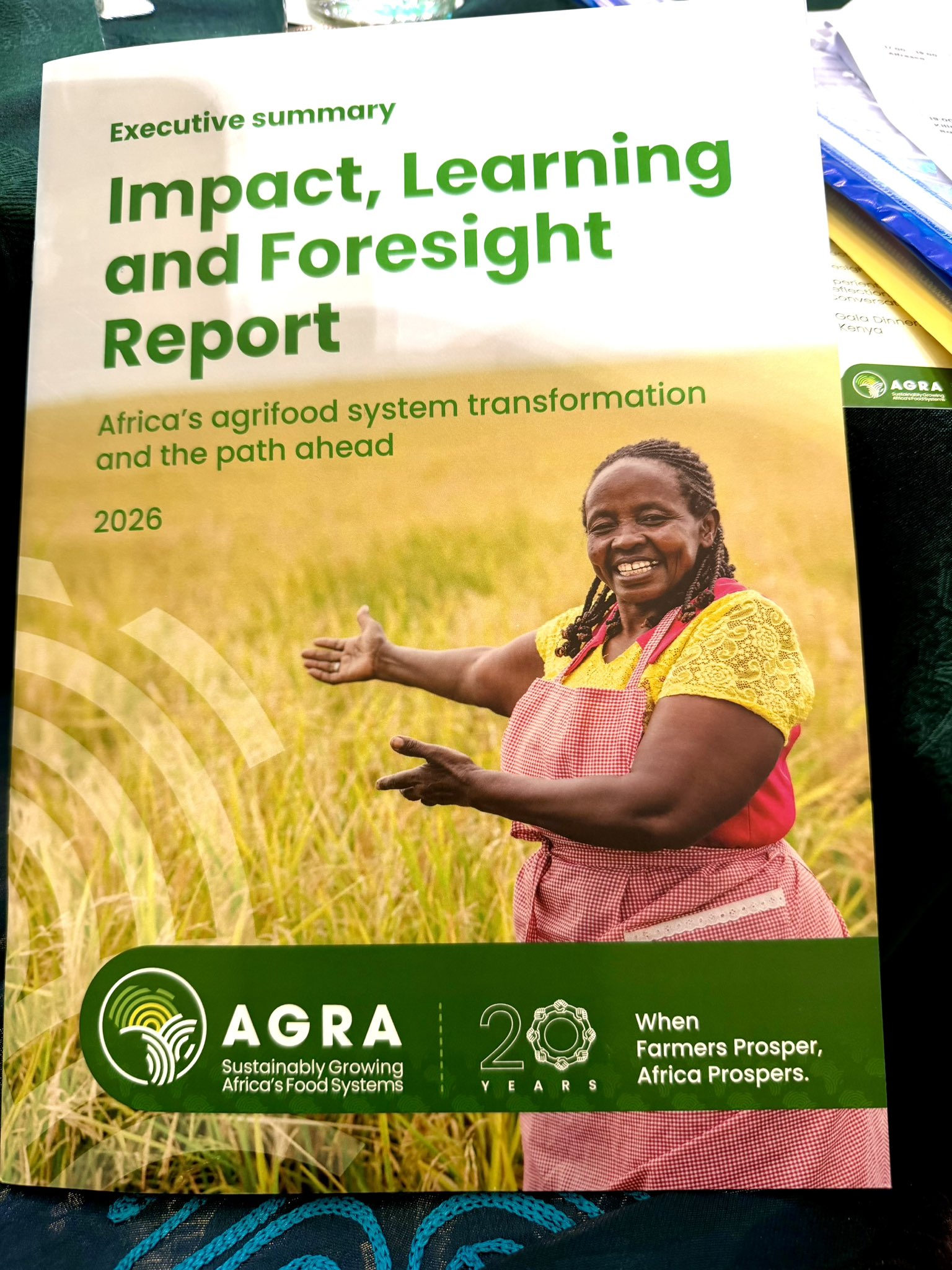
AGRA Impact, Learning and Foresight Report 2026
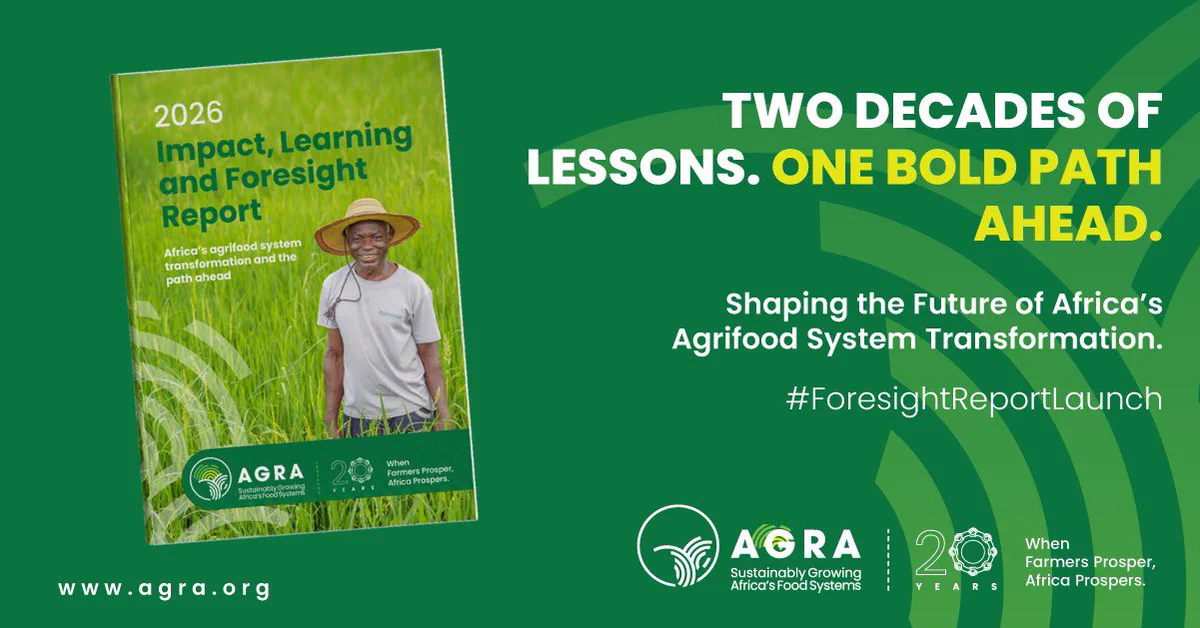
31 August 2026. AFS Kigali. The major AGRA report whose findings were brought into the AFS Forum 2026 discussions in Kigali was the AGRA Impact, Learning and Foresight Report 2026, a 20-year stocktake of AGRA’s work and, more broadly, of Africa’s agricultural transformation since 2006
AGRA (2026) AGRA Impact, Learning and Foresight Report 2026. 180 p.
AGRA (2026) Executive summary AGRA Impact, Learning and Foresight Report 2026. 17 p.
It therefore argues that the next phase of transformation should be judged less by hectares reached, technologies distributed or yields alone, and more by whether farmers earn sustainable incomes and become economically resilient.
A particularly useful contribution of the report is its diagnosis of three interconnected “traps” holding back transformation:
- the productivity trap, where farmers cannot consistently achieve sufficient productivity;
- the value trap, where farmers and other local actors capture too little value from what they produce; and
- the capability trap, where institutions, markets and delivery systems lack the capacity to sustain transformation.
Thursday, September 3, 2026
East-West Seed and the importance of community seed banks
2 September 2026. AFS Kigali. Interview with Epaphras Milambwe KT Manager Tanzania.
East-West Seed has built its work around helping smallholder farmers access quality vegetable seeds alongside the knowledge and skills needed to use them effectively. In Tanzania, the company and its Knowledge Transfer Foundation support farmers through training, demonstrations and improved access to agricultural technologies. East-West Seed also recognizes the important role of informal seed systems, particularly in reaching smallholder farmers in remote communities.
East-West Seed's focus on quality seeds and farmer knowledge, alongside community seed banks' role in conserving local diversity, demonstrates how different parts of the seed system can complement one another. Together, these approaches can help farmers access appropriate planting material while protecting the genetic diversity needed to build more productive, sustainable and climate-resilient food systems.
Is there a resistance towards indigenous seed banks?
Friday, August 14, 2026
Reflections on the side event on Forgotten Foods at the World Social Forum

GFAiR’s Collective Action on Forgotten Foods (CA FF) brings farmers, researchers, civil society and private-sector actors together to revive neglected and underutilized species (NUS) by strengthening farmer-led conservation and traditional knowledge, research and innovation, markets and value chains, and policy support—thereby improving biodiversity, nutrition, climate resilience and farmers’ livelihoods.
Interview with Francois Stepman, Advisor Global Forum for Agriculture and Innovation Research.
The speaker discusses the importance of revitalizing local nutrition and agroecology in Africa to combat malnutrition and climate change.
Local promotion: Consumption of local produce

- The goal is to promote African culinary heritage (lentils, beans, local plants) to reduce reliance on imports of rice, milk, and wheat.
- The concept of "forgotten foods" is central to addressing biodiversity and malnutrition issues.
- Intergenerational initiatives involving young people from Ghana and Nigeria aim to pass on traditional recipes through cooking workshops.
Agroecological issues: Production and health challenges
- The excessive use of toxic pesticides, particularly in Benin, is linked to a rise in health problems such as cancer.
- A major debate remains: can agroecology feed Africa's rapidly growing population—such as Nigeria's 220 million inhabitants?
- Research must focus on the genetic potential of rare plants regarding their resilience to climate change.
Research directions: Funding and priorities
- There is a critical need to redirect funding (from the World Bank, the European Commission, and national governments) toward research on local produce.
- Priorities must shift from an economy focused solely on exports (cocoa, maize) to the revitalization of local resources.
- How can a balance be struck between the yield requirements of a growing population and the preservation of age-old agroecological methods?
The West African Caravan: Defending Food Sovereignty through Land, Water and Peasant Seeds


Organizations and Agricultural Producers in West Africa (ROPPA), COPAGEN, the West African Committee for Peasant Seeds (COASP), La Via Campesina Africa, the Alliance for Food Sovereignty in Africa (AFSA) and We Are the Solution.
From a regional caravan to a movement for food sovereignty

farming communities do not control the resources required to produce food. Access to land and water is therefore inseparable from farmers' ability to save, reproduce, exchange and improve their own seeds. From its first edition, the Caravan explicitly connected these rights with family farming, peasant agroecology and food sovereignty, while challenging land, water and seed grabbing. Its vision emphasizes locally rooted food systems, biodiversity, farmers' control over seeds and respectful relationships between producers and consumers.
The Caravan is particularly significant because it takes these debates out of conference rooms and into farming communities. Rather than organizing a single regional meeting, delegations travel between countries and stop in communities where farmers, traditional authorities, women's groups, young people and policymakers can exchange experiences. Local struggles consequently become part of a regional political agenda. Research on the movement has highlighted precisely this ability of the Caravan to connect localized struggles over natural resources with broader West African and international movements for food sovereignty and climate justice.
Peasant and indigenous seeds at the centre

This is especially important for Africa's neglected and underutilized species (NUS), traditional crops and indigenous foods. Many such crops survive not because they have been prioritized by commercial seed companies, but because farming communities—often women—have continued cultivating, selecting, cooking and exchanging them. The erosion of farmer-managed seed systems can therefore mean more than the disappearance of varieties. It can also lead to the loss of traditional knowledge, food cultures, dietary diversity and locally adapted genetic resources.
The Caravan consequently raises a fundamental question about the future of African agriculture: who controls the seed? A food system increasingly dependent on a narrow range of commercial varieties risks marginalizing the diversity maintained in farmers' fields. By contrast, strengthening farmer-managed seed systems can complement formal breeding and genebank conservation by keeping crop diversity alive and evolving under real farming conditions. Previous Caravan activities have explicitly promoted common farmer seed banks alongside agroecological practices.
Women as custodians of seed diversity

Protecting indigenous and farmer-managed seeds must therefore go hand in hand with strengthening women's access to land, resources, decision-making and markets. A seed may be conserved in a genebank, but maintaining it as part of a living food culture requires farmers who continue to grow it and consumers who continue to value it.
The 2026 Caravan: converging on Cotonou
The fifth West African Caravan, held from 19 July to 9 August 2026, significantly expanded this regional mobilization. Two routes crossed West Africa: a Sahelian route from Senegal through Mali and Burkina Faso to Togo, and a coastal route from Guinea through Côte d'Ivoire and Ghana to Togo. They subsequently converged in Benin, where participants also met a Central African Caravan travelling from Cameroon through Nigeria ahead of the 17th World Social Forum in Cotonou. Organizers projected more than 500 participants, 18 stopovers and mobilization involving more than 20,000 people, particularly rural communities, women and youth.
(see: CGIAR Trust Fund (2024) Dynamic for the agroecological transition (Dytael) in Fatick - Senegal. Relocalization of the millet value chain for the territorialization of agroecology
The West African Caravan was initially stopped by Beninese police and sent back toward the border on 3 August 2026, reportedly amid problems concerning authorization and cross-border entry procedures for the large convoy of more than 400 participants from multiple West African countries.
The arrival in Cotonou was therefore more than the conclusion of a journey. It brought a decade of grassroots experience—from the Caravan editions of 2016, 2018, 2021, 2023 and 2026—into a global civil-society forum. Land governance, access to water, peasant seeds, agroecology, food sovereignty, climate change, social cohesion and peace could consequently be discussed not as separate issues, but as components of the same transformation.
From seed conservation to transformation of food systems

For neglected and underutilized species, this message is particularly powerful. Their revival requires a chain connecting farmers and seed custodians → community seed systems → research and characterization → agroecological production → processing and entrepreneurship → markets and consumers → supportive policies. The Caravan helps ensure that the first actors in this chain—the farmers and communities who have maintained this diversity—remain central to decisions about its future.
After ten years of mobilization, the West African Caravan demonstrates that the struggle for food sovereignty is also a struggle for agricultural biodiversity and control over the foundations of food production. Its recurring message—rights to land, water and peasant seeds are a common struggle—has particular resonance at a time of climate change, biodiversity loss and increasing concentration within agricultural input systems. Protecting Africa's indigenous and farmer-managed seeds is therefore not about returning to the past. It is about ensuring that the extraordinary diversity created and maintained by generations of African farmers remains available for future breeding, resilient farming, diversified diets and locally determined food systems.
Related:
10 August 2026. Niger Restored 900,000 Hectares of Dead Desert With Shovels — Half a Million People Now Eat. Niger Restored 900,000 Hectares of Dead Desert With Shovels, Half a Million People Now Eat, proving that sometimes the best technology to save the future is actually centuries old. In the southern Maradi region of Niger, a stretch of barren land that the United Nations once wrote off as "finished" is now thriving. This isn't the result of billions of dollars in foreign aid or heavy machinery; it's the result of an ancient, forgotten farming method called the "half-moon" and "zaï pits," pioneered by a man everyone once called insane.
This video explores how 528 sites in the Sahel are holding three million cubic meters of water, recharging aquifers, and creating life-saving microclimates. We also look at the reality behind the African Union's Great Green Wall project, and how grassroots, shovel-in-hand resilience is successfully pushing back the Sahara Desert.
Monday, August 3, 2026
World Social Forum Benin: Growing the Food Future

4–8 August 2026. As the World Social Forum (WSF) 2026 gathers in Cotonou, Benin, one message is becoming increasingly clear: the future of food will be shaped not only in laboratories or boardrooms, but also in the fields, villages, and communities where people cultivate the land and protect local knowledge.
The Forum brings together thousands of activists, farmers, researchers, youth leaders, Indigenous communities, policymakers, and civil society organizations from more than 150 countries. Together, they are exploring practical solutions to some of the world's most pressing challenges—from climate change and inequality to food insecurity and environmental degradation.

Why Food Matters
Food is more than nourishment. It is culture, identity, livelihoods, health, and resilience.
Across Africa and around the world, communities are facing growing pressures from climate change, land degradation, rising food prices, biodiversity loss, and unequal access to resources. Smallholder farmers, who produce much of the world's food, are often among those most affected.
The World Social Forum provides a platform to ask an essential question: How can we build food systems that nourish both people and the planet?
Growing the Food Future
The answer emerging from Benin is rooted in food sovereignty—the idea that communities should have the right to define their own food systems, protect their seeds, and manage natural resources sustainably.
Throughout the Forum, participants are sharing experiences in:
- Agroecology and regenerative farming
- Indigenous and local seed preservation
- Climate-resilient agriculture
- Youth leadership in farming
- Women's empowerment in food production
- Community-led land and water management
- Local markets and fair food economies
 The West African Caravan
The West African Caravan is a grassroots mobilization that brings together farmers, youth, women, civil society organizations, and social movements from across West Africa to promote food sovereignty, climate justice, human rights, and sustainable development.
Traveling across multiple countries before major regional or global gatherings such as the World Social Forum, the caravan creates opportunities for communities to share local solutions, celebrate cultural diversity, advocate for equitable public policies, and strengthen cross-border solidarity.
By connecting people through dialogue, learning exchanges, and collective action, the West African Caravan amplifies the voices of communities working to build resilient food systems, protect natural resources, and advance a more just and inclusive future for the region.
- 30 July Panel discussion on the just transition of food systems with AFSA @ 1:47:38
- 7 Aug 2026 15:00 Commémoration des 10 ans de la caravane et Propositions d’alliances-1
From Discussion to Action
One of the Forum's greatest strengths is its ability to connect people across sectors and borders.
- Farmers exchange ideas with scientists.
- Young innovators meet experienced community leaders.
- Civil society organizations collaborate with policymakers.
- Together, they are creating partnerships that extend well beyond the Forum itself.
Growing the food future requires more than technological innovation. It demands policies that support smallholder farmers, investment in sustainable agriculture, protection of biodiversity, and food systems that are equitable, resilient, and locally driven.
Extracts of the sessions on Ecological crises, climate justice and just transition
5 Aug 2026 09:00 - 11:00 Orchestrer l’agroécologie : leçons d’une coalition en construction — Atelier d’échanges autour du guide DyTAES - (Dynamique pour une Transition Agroécologique au Sénégal)
5 Aug 2026 09:00 - 11:00 Plaidoyer sur la réduction de l’utilisation des pesticides chimiques de
5 Aug 2026 09:00 Qui règne sur le poulailler ? Le poulet industriel contre le poulet communautaire en Afrique
5 Aug 2026 11:00 Atelier Gouvernance des ressources naturelles, accaparements de terres et luttes citoyennes au Sénégal
5 Aug 2026 11:00 Femme Gardienne de la semence paysanne
5 Aug 2026 11:00 Femmes africaines face aux changements climatiques, la transition écologistes et l’extractivisme prédateur : alternatives, résiliences et autonomisation économique
6 Aug 2026 09:00 De l'engagement à l'action : Lancement Continental de la Caravane Africaine pour la Justice Climatique 2026
6 Aug 2026 09:00 De la protection animale à la préservation de la biodiversité, une vision intégrée au cœur des initiatives engagées et concrètes en faveur d'un développement durable
5 Aug 2026 14:00 Del territorio al poder popular: Hacia una Agenda Latinoamericanapor la , soberanía alimentaria y reforma agraria y el derechos humano a la alimentación
5 Aug 2026 15:00 Discussion consultative du Cadre politique continental pour les Systèmes Semenciers Paysans - L'Alliance pour la Souveraineté Alimentaire (AFSA) a collaborer avec la commission de l'Union Africaine jusqu'à la production d'une politique spécifique
5 Aug 2026 15:00 Ending the Toxic Double Standards: Agroecology and Workers’ Rights for Food Sovereignty - This session builds on the documentary screening of Toxic Harvest and brings together panellists from West Africa, Zambia, Zimbabwe, South Africa
5 Aug 2026 17:00 PROJECTION D’UN DOCUMENTAIRE – « TOXIC HARVEST », SUIVIE D’UNE DISCUSSION
5 Aug 2026 17:00 Assembly for Peace, Food Sovereignty, and Climate Justice
6 Aug 2026 09:00 Building Peasant Internationalism: DEFENDING THE STRUGGLES FOR A COMPREHENSIVE AGRARIAN REFORM AND PEASANT AGROECOLOGY AS RESISTANCE
6 Aug 2026 09:00 CARREFOUR D’EXPÉRIENCES : "Jeunesse, climat et biodiversité : le projet Ville Verte"
6 Aug 2026 09:00 Construire une internationale des luttes contre l'extractivisme minier / Building internationalism against mining extractivism
6 Aug 2026 09:00 Les systèmes semenciers des paysan.ne.s en situation de crise
6 Aug 2026 09:00 Panel interactif sur l'accès des femmes à la terre (Français)
6 Aug 2026 09:00 PROCESSUS VERS UN TRIBUNAL POPULAIRE D’AFRIQUE DE L’OUEST SUR LES PESTICIDES
6 Aug 2026 11:00 Conference hommage à Réné SEGBENOU - René Segbenou spent over thirty years fighting on fronts few dared to occupy: peasant seeds, GMOs, biosecurity
6 Aug 2026 11:00 Dismantling Carbon Colonialism, Carbon Markets and False solutions
6 Aug 2026 11:00 Gouvernance locale des ressources agricoles : Sécurisation foncière et accès à l'eau pour un maraîchage agroécologique durable

6 Aug 2026 15:00 Comment accélérer l'extension de la protection sociale aux actrices et acteurs dans les coopératives agricoles
- Co-organizers: The Food Bridge vzw, CFF Agroschooling Initiative, Ayonna , Global Forum on Agricultural Innovation and Research- GFAIR
- This side event, organized by the Collective Action on Forgotten Foods (CAFF), places young people at the centre of the solution. Through inspiring examples, dialogue and collective reflection, participants will explore practical pathways for empowering the next generation to conserve, add value to, commercialize and promote forgotten foods while creating decent jobs, strengthening local economies and advancing food sovereignty.
6 Aug 2026 15:00 Roundtable on Farmer Managed Seed Systems in Africa
7 Aug 2026 09:00 Production animale et végétale en agriculture écologique, quelle synergie pour la souveraineté alimentaire ?
7 Aug 2026 11:00 African-Led Pathways to Climate Justice and System Change: Reclaiming Futures Beyond Extractivism
7 Aug 2026 11:00 DECONSTRUCTING AND DEBUNKING FALSE SOLUTIONS: REDD+ AND CARBON MARKETS IN AFRICA
7 Aug 2026 09:00 Building Community Resistance and Resilience against Extractive Activities in Africa
7 Aug 2026 09:00 Building Peasant Internationalism: CONSTRUCTING AN ALTERNATIVE TRADE FRAMEWORK-MARKET REGULATION AND TRADE
7 Aug 2026 11:00 Quand les territoires prennent la parole : l’art au service de la transition agroécologique, de la gouvernance des ressources naturelles et des systèmes alimentaires durables
7 Aug 2026 15:00 FORUM RÉGIONAL MULTIPARTITE SUR L’AGROÉCOLOGIE
7 Aug 2026 15:00 Les intrants biologiques au-delà des promesses: Opportunités et défis pour les transitions agroécologiques
Thursday, July 9, 2026
How Farmers Organizations are reclaiming Indigenous knowledge and research
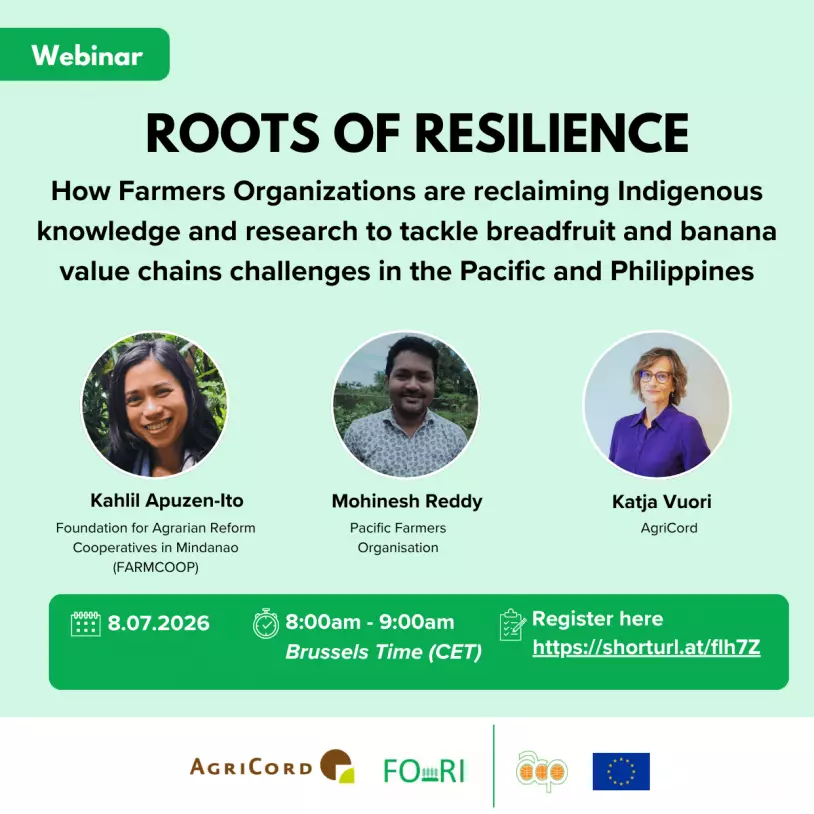
Hosted by AgriCord, this webinar showcased how farmers are utilizing indigenous knowledge and participatory research to combat climate change, crop diseases, and food insecurity.
Indigenous and local knowledge systems have long played a vital role in sustainable land management, biodiversity conservation, and climate adaptation. Yet these practices often remain under-recognized in agricultural development and research agendas.
At the same time, farmer organizations are increasingly demonstrating their capacity to generate solutions that are locally adapted, environmentally sustainable, and socially inclusive.
By bringing together farmer organizations, researchers, development practitioners, cooperatives, and policy actors, this webinar explored how farmer-led research and indigenous knowledge can contribute to building more resilient agroecological food systems.
- Katja Vuori, CEO of AgriCord – Welcome Remarks
- Mohinesh Reddy, Pacific Farmer Organisations (PFO) – Revitalizing Breadfruit Systems through Farmer-Led Agroecological Innovation and Indigenous Knowledge
- Kahlil Apuzen-Ito, FARMCOOP – Tackling TR4 Disease in the Banana Value Chain through Participatory Agroecological Research and Innovation: Experience from the Philippines
Wednesday, December 17, 2025
Strengthening communication skills of young researchers in Anglophone East Africa

Access Agriculture, leading GFAiR's Collective Action on Inclusive Digital Agriculture and in partnership with RUFORUM, conducted a residential workshop designed for selected early-career researchers who are affiliated to institutions of higher learning or national research institutes in sub-Saharan Africa.
 This regional capacity-building workshop was to strengthen the communication skills of young researchers in Anglophone East Africa. The event brought together early-career researchers from diverse disciplines to enhance their ability to communicate scientific evidence clearly, confidently, and strategically to different audiences, including policymakers, development practitioners, farmers’ organizations, and the media.
- The workshop for Francophone countries was held, 24-28 November 2025, in Centre Songhai, Benin
- The workshop for Anglophone countries was held, 8-12 December 2025, in Uganda.

Through a mix of practical training sessions, peer learning, and hands-on exercises, participants built skills in scientific writing, policy briefs, oral presentations, and digital communication. The workshop aimed to empower young researchers to increase the visibility, relevance, and impact of their work, foster regional networking, and contribute more effectively to evidence-informed decision-making in agricultural and food systems across East Africa.

ERAs (Entrepreneurs for Rural Access) are local, independent entrepreneurs who use access-friendly communication tools—especially farmer-to-farmer videos—to deliver practical agricultural knowledge to rural communities. They operate as service providers, often organizing village screenings, facilitating discussions, and linking farmers to locally relevant innovations in agriculture, natural resource management, and livelihoods.
Rather than acting as trainers or extension agents, ERAs function as knowledge intermediaries and rural communication entrepreneurs, adapting content to local languages and contexts while building sustainable micro-businesses around information services. The model strengthens last-mile knowledge delivery, enhances peer learning among farmers, and creates income opportunities for young professionals engaged in rural development.
Monday, October 13, 2025
Farmers Organizations Leading Research & Innovation (FO-RI) Capitalization Report.

AgriCord hosted the official online launch of the Farmers Organizations Leading Research & Innovation (FO-RI) Capitalization Report. This event showcased the insights and lessons drawn from three years of farmer-led action research across 17 countries, involving 13 projects funded by the European Commission, EU International Partnerships and the OACPS Secretariat - Secrétariat OEACP.
- Since 2022, the FO-RI program has placed farmer organizations (FOs) at the heart of research and innovation, enabling them to design, lead, and implement action research tailored to their contexts.
- The report, led by Laurent Dietsch, synthesizes strategies, methodologies, and results from the FO-RI program. This event is not just a launch but also an opportunity to reflect collectively on how to scale up these successes and apply the findings to future farmer-led initiatives.
- Strengthened farmer organizations with greater capacity to conduct research.
- Enhanced farmer participation, ensuring that innovation is truly grounded in farmers’ needs
- Promotion of agroecological practices and revival of traditional knowledge.
- Actionable lessons for overcoming challenges such as prioritizing research themes, operational barriers, and ensuring rigor in participatory research.
Dietsch, L. (2025). Capitalisation transversale des expériences de mise en œuvre de projets de recherche action financés dans le cadre du programme FORI. Groupe d’Expérimentation et de Recherche : Développement et Actions Localisées (GERDAL); AgriCord, 55 pp.
Friday, April 11, 2025
Opportunities and challenges of Farmers-led Action Research
10 April 2025. @4.00 to 15.00. Opportunities and challenges of Farmers-led Action Research.
- Key findings, conclusions and learnings of the implementation of Action-Research Projects under the EU-funded “Farmers Organisations Leading Research & Innovation on agroecology for sustainable food systems” (FORI) by Laurent DIETSCH, Agronomist from the Experimentation and Research Group: Development and Localized Actions (GERDAL : Groupe d’Expérimentation et de Recherche : Développement et Actions Localisées)
- Specific insights into the experience of implementing Action-Research under the FORI Programme in Burundi by Annick SEZIBERA, Executive Secretary of the Confederation of Associations of Agricultural Producers for Development (CAPAD)
Monday, March 17, 2025
Financing Smallholder Farmers Conference

The conference brought together policymakers, research institutions, farmer associations, financial institutions, investors, development partners, civil society organizations, non-governmental organizations, agribusiness leaders, and technology providers.
Key focus areas:
- Mapping the ecosystem of actors and highlighting scalable financial mechanisms.
- Showcase innovative funding models to support smallholder farmers.
- Strengthening linkages between the smallholder support ecosystem and funders.
- Provide a robust data collection platform to track progress.
- Identify actionable innovative financing mechanisms, including climate-finance for smallholder farmers, that can be employed to scale successful financing models.
Although, the African Development Bank and other development partners support African governments and large agricultural companies, critical players supporting smallholder farmers –seed and fertilizer companies, agtech and fintech firms, microfinance institutions, off-takers, aggregators, and advisory service providers – struggle to tap affordable financing at suitable terms.
PAFO represents more than 80 million African farmers integrated into nearly 73 national organizations, including unions, federations, cooperatives, and associations. It is recognized as the representative body of African farmers’ organizations at the highest continental level.
Wednesday, February 26, 2025
Training manual for farmer leaders at district level in Eastern and Southern Africa
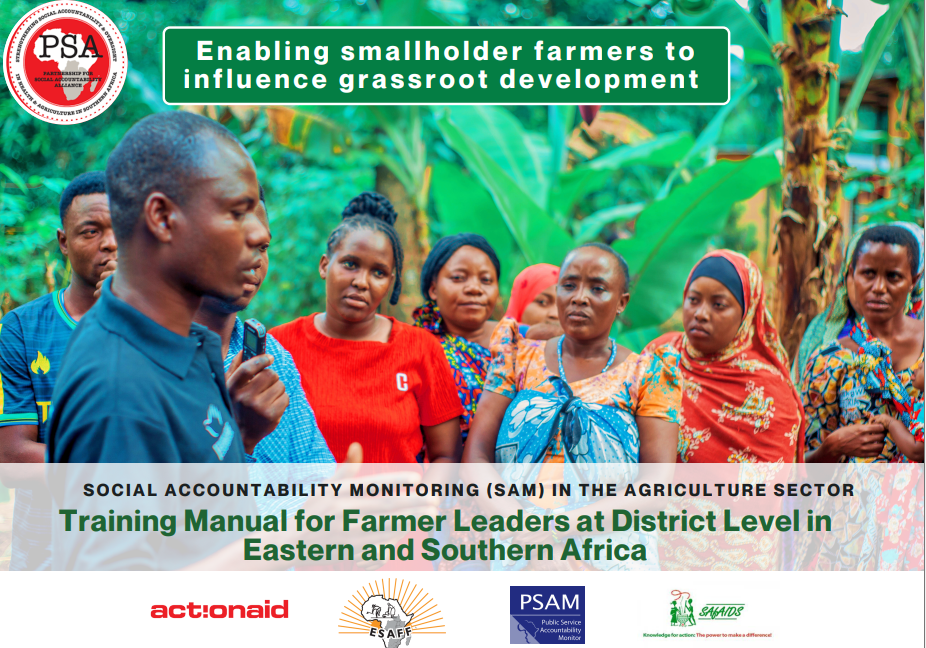 PSA, ESAFF (2024) Training manual for farmer leaders at district level in Eastern and Southern Africa 41 pp.
This training Manual for farmer leaders at the district level has been developed drawing on a wealth of knowledge and publications on empowering smallholder farmers. The primary goal of this comprehensive Manual is to enhance the capacity of farmer leaders to actively influence and participate in the development processes within the agricultural sector at the grassroots level.
Understanding the critical importance of agricultural strategies set forth at the continental level by the African Union, particularly through the Comprehensive Africa Agriculture Development Programme (CAADP), this training is anchored in the principles of the CAADP and the long-term goals of Kampala Declaration 2026 – 2035.
This training equips smallholder farmers with the knowledge and responsibility to advocate for transparency and accountability in agricultural strategies and programs, enabling them to demand tangible results and meaningful changes at all levels—from grassroots, national levels and regional platforms like Southern Africa Development Community (SADC) and East African Community (EAC). It empowers them to become influential voices in local development, ensuring their needs and priorities are reflected in agricultural policies and budgets. Additionally, the training fosters a culture of accountability and transparency, leading to more effective and equitable resource allocation, ultimately helping farmer leaders contribute to sustainable agricultural development and improve the livelihoods of their communities.
Tuesday, September 17, 2024
Revisiting farmer-centred participatory approaches for sustainable agricultural development

- Promoting Local Innovation in Nepal – Some Success Stories - Basanta Rana Bhat, Ecologist, Institute for Social and Environmental Research, Kathmandu and member of the Prolinnova Oversight Group
- Philippines case: Participatory Vulnerability Analysis Methods - Magnolia “Maggie” Rosimo,
- Deputy Director, Philippine Program + Farah Gaud Urdales, Project Manager, Panay Learning
- Community
- South India case: Land to Lab Approach - T J James Country Platform Coordinator, Prolinnova South India
- Cambodia: Case Study on Community Fish Refuge - Mr. Nut Savat, Research Coordinator, Aquadapt Project, IIRR-Cambodia + Or Thy Country Director, IIRR- Cambodia
- Ghana case: Institutionalising Participatory Innovation Development in a nongovernmental and
- a governmental organisation in northern Ghana - Paul Jimmy Kouete Subregional Coordinator,
- Prolinnova West and Central Africa
- Ethiopia Case: Biodiversity & Community Resilience in South Omo (BIOM) - Zerihun Limma Country Director, IIRR-Ethiopia
- Senegal case: Promoting local innovation in agricultural water management: Experiences of Proli-GEAFaSa in West Africa - Djibril Thiam Coordinator of Proli-GEAFaSa Project and Country Platform Coordinator, Prolinnova-Senegal
- Uganda Case: Women-Led Greenbelt Commercialization Project in Karamoja Region - Mr. Daniel Ogwang, Program Director, IIRR-Uganda + Pamela Nyamutoka Africa Regional Director and Country Director, IIRR-Uganda
Tuesday, June 18, 2024
Farmers shaping the Future of Agriculture and Food Production
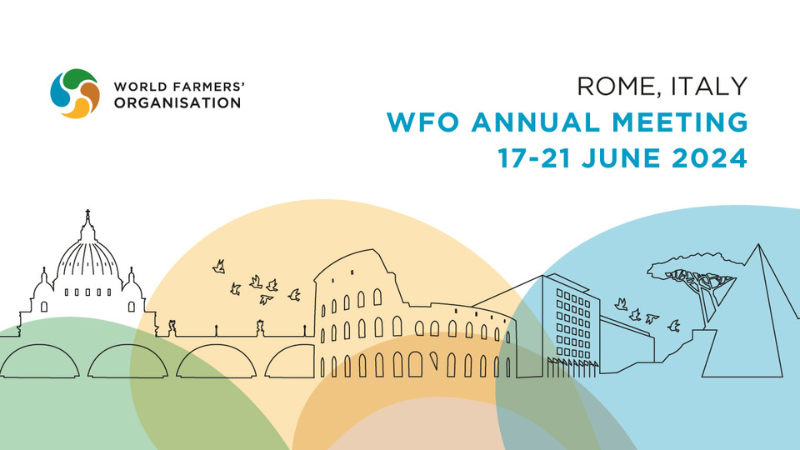
17 - 21 June 2024. Harvesting Tomorrow: Farmers shaping the Future of Agriculture and Food Production
The event provided a vibrant and inclusive platform for forward-looking dialogues, knowledge exchange, and multi-stakeholder collaboration to advance the sustainability of global agri-food systems.
The event highlighted the crucial role of farmers as fundamental contributors to the sustainable development of agriculture and food production: farmers of the world, with their innovative practices and extensive knowledge, are indispensable in addressing global challenges such as food security, climate change, and the preservation of biodiversity. Still, agrifood systems are much more complex than just food production.
Extracts of the programme
18/06 United Nations Decade of Family Farming session towards the UNDFF Mid-Term forum
Approved in December 2017, the United Nations Decade of Family Farming (UNDFF) 2019-
2028 aims to prioritize family farming in national public policies and investments. By
proclaiming this decade, the United Nations General Assembly acknowledged the crucial role
of family farming in alleviating poverty and enhancing worldwide food security. To support this
initiative, a collaborative FAO-IFAD Secretariat has been established, operating under the
guidance of an International Steering Committee (ISC) composed of Member States and
Family Farmers Organizations.
18/06 Innovation and Digitalization in Agriculture
Session co-organised by WFO and EU-funded Projects DIVINE and TRUSTyFOOD
Guided by insights from the EU-funded projects DIVINE and TRUSTyFOOD, of which the World Farmers' Organisation (WFO) is a partner, this session examined the challenges and opportunities arising from the transition to digitalisation in agriculture.
It explored the potential of blockchain technology to address traceability and transparency issues in food supply chains and the untapped potential of a data-driven economy in agriculture. The session featured the participation of young farmers from the Global North and the Global South, enriching the discussion with their perspectives.
18/06 Opening Ceremony
WATCH HERE
- Master of Ceremony: Mr Dimitri Houtart, BBC Rural Affairs Champion
- Distinguished Speakers:Mr Arnold Puech d’Alissac, President, World Farmers’ Organisation (WFO)
- H.E. Mr Francesco Lollobrigida, Minister for Agriculture and Food Sovereignty
- Mr QU Dongyu, Director General, Food and Agriculture Organization (FAO)
- Mr Alvaro Lario, President, International Fund for Agricultural Development (IFAD)
- Ms Cindy McCain, Executive Director, World Food Programme (WFP)
- E. Amb. Ms Nosipho Jezile, Chair, Committee on World Food Security (CFS)
- Mr Ettore Prandini, President, Coldiretti
- Mr Cristiano Fini, President, Confederazione Italiana Agricoltori (CIA)
- Ms Berioska Morrison, Minister Counsellor, Mission of the Dominican Republic to the Rome-based UN Agencies (on behalf of the ISC-UNDFF presidency)
- H.E. Amb. Ms Nosipho Jelize, Chair, Committee on World Food Security (CFS)
- Ms Elizabeth Nsimadala, Board Member, World Farmers’ Organisation (WFO)
20/06 Regenerative Agriculture - Who’s paying for the cost of transition?
Regenerative agriculture is a tool to achieve common gains: increase sustainability levels in food systems while maintaining productivity and food security. The whole food value-chain should combine their effort to fairly redistribute the costs of transition along with the actors who are benefitting from it. Who’s truly paying for the cost of transition?
20/06 The Food Systems Database
Presentation of the Planet Food System Explorer
Speaker: Prof Peer Ederer, Member of the WFO Scientific Council
20/06 Agro-Innovation-Solutions for Challenges of Tomorrow
Recognising the crucial role of farmers in ensuring food and nutrition security, addressing climate change, and preserving biodiversity, this session aims to investigate how Artificial Intelligence (AI) and other new technologies can empower farmers, enhance their productivity and ensure food and nutrition security for everyone.
20/06 Farmers Shaping the Future of Agriculture and Food Production
WATCH HERE
Reflections from morning discussions
Speaker: Dr David Nabarro, Strategic Director, 4SD Foundation
Reflections from morning discussions
Speaker: Dr David Nabarro, Strategic Director, 4SD Foundation
20/06 Financing the Transition to More Sustainable Food Systems
After a scene-setting introduction, the audience will hear directly from the farmers about their experiences accessing or trying to access climate finance and the obstacles they found. Representatives from multilateral funds, agricultural banks and private investors, will help place those experiences into the broader picture of trends and opportunities facing the financial sector.
20/06 Leveraging the Potential for Trade to Improve Food and Nutrition Security in a Sustainable Manner
Session co-organised by WFO and US Dairy Export Council (USDEC)
The farmers will set the agenda for a discussion involving the WTO, government representatives, the private sector and trade experts discussing the main challenges facing the global trading system and the improvements needed to ensure trade can effectively support the transition towards more sustainable food systems with farmers at their core.
The farmers will set the agenda for a discussion involving the WTO, government representatives, the private sector and trade experts discussing the main challenges facing the global trading system and the improvements needed to ensure trade can effectively support the transition towards more sustainable food systems with farmers at their core.
20/06 From COP28 to COP30: Integrating agriculture and food systems into Climate Action”
This panel discussion will explore the role farmers are expected to play in implementing the merged food systems and climate agenda. Key questions include resolving the current negotiation impasse and ensuring that farmers' voices and needs are adequately represented in future climate policies.
Monday, May 6, 2024
Good and Promising Practices from FO4ACP KM Event

The Pan African Farmers’ Organization (PAFO) with the support of IFAD organized the FO4ACP Global Management Event in Kigali, Rwanda from 16th to 18th of May 2023. The event aimed to exchange good and scalable practices among the FO4ACP implementing partners, learn from others’ experiences, showcase successful stories and create networking opportunities across continents. The Asian Farmers’ Association (AFA) also participated in the event, sharing their experiences from the FO4ACP sister program FO4A, which was implemented in Asia.
This document focuses on Knowledge Management and reflects successful experiences of Farmers’ Organizations worldwide. It is the outcome of the implementation of the Farmers’ Organizations in African, Caribbean and Pacific Countries (FO4ACP/ OPenACP) program, financed by the European Union, the Organization of African of African, Caribbean and Pacific states (OACPS), and International Fund for Agricultural Development (IFAD).
The program is being implemented in over 70 countries, benefiting more than 52 million small farmers. International partnership is crucial for the development of the agricultural sector. It allows for the sharing of knowledge, resources, and perspectives between farming communities and international organizations.
Thursday, May 2, 2024
Smallholder and Agri-SME Finance and Investment report

SAFIN (2024) SAFIN Annual Progress Report 2023 #33 pp.
The SAFIN Annual Progress Report 2023 captures the network's achievements in building regional partnerships within the agricultural finance ecosystem, sharing new market intelligence and advocating for small businesses and farmers.The Smallholder and Agri-SME Finance and Investment Network (SAFIN) is hosted at the International Fund for Agricultural Development.
On the theme of access to finance for farmers’ organizations, network members focused on improving the capacity of these organizations to attract and manage funding from local financial service providers (FSPs). Several innovative solutions were developed during 2023 to provide a range of services to producer organizations, including a needs assessment to improve their bankability profile, tailored business development services (BDS) and linkages to dedicated funding sources.
Digital innovation continued to feature prominently as a key area of research, discussion and investment in 2023. Particular attention was paid to the growth of digital solutions that combine financial and non-financial services, and their capacity to achieve commercial viability and scale. This raised fundamental questions about the lack of funding being directed to such solutions and the specific type of finance needed at different stages of development, including various modalities of debt, equity and concessional capital.
Thursday, February 29, 2024
Innovative Agriculture for Smallholder Resilience (iNASHR)
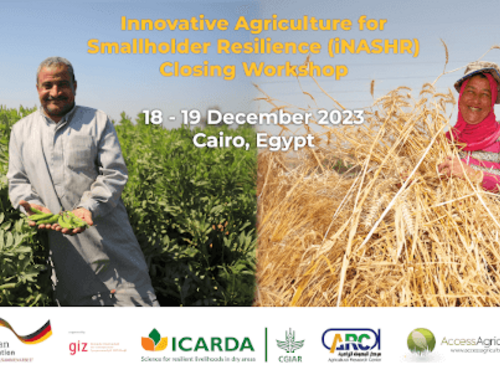
Despite this, 18 teams of Entrepreneurs for Rural Access (ERAs) serving as digital extension service providers were able to reach more than 60,000 people in rural communities between 2021 and 2023.
- Three specially commissioned “farmer-to-farmer” style training videos were produced (see at the bottom of this blog post),

- and 60 other relevant Access Agriculture videos were translated into Arabic and shown to farmers.
- These active service providers, half of whom are women, used a solar-powered smart projector to reach communities where access to power supply, internet connection and mobile phone signal can be challenging.
Please find hereunder three related videos – Video learning for rural women & youth in Egypt; Youth-led knowledge exchange in rural Egypt; and Closing iNASHR Workshop with Josephine Rodgers, Executive Director of Access Agriculture – which are now on EcoAgtube to learn more about the exciting achievements of this project. The videos are in Arabic with subtitles in English.
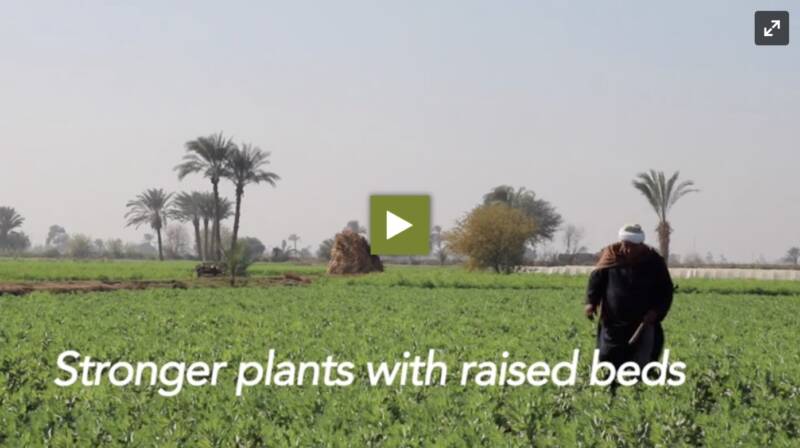
“We were twenty people attending the video screening on raised beds. This was a new practice to us as we traditionally use furrow irrigation. Only five of us decided to try the new dimensions required from the video. With our improved harvests, the 15 other video show attendees all decided to follow in our footsteps the next year. Now I can proudly say that two years later, half my village irrigates this way now without question.” Mohamed,farmer from Beni Suef, Egypt
“Feed prices are continually increasing and many women in my community stopped raising poultry altogether. The price of chicken is so high now that many families can no longer afford to make their kids egg sandwiches anymore. Then I attended a village video show organized by a local charity where I learned the benefits of Azolla from Indian farmers. We’ve created over 200 ponds in our community and sell our eggs at a lower price than those in the market — so that we can afford to feed our children in our village again. The eggs taste really good too.” Mariam,rural woman from Sharkia, Egypt
PAEPARD blog post 18 December 2024. Closing celebration of the 'Innovative Small-holder Agriculture Resilience' (iNASHR) project
Related article
Innovating Digital Extension Delivery Services in Rural Egypt
Supporting the co-construction of knowledge and inclusive growth for marginalized farmers through farmer-to-farmer videos and last-mile delivery
The project under the leadership of Bezaiet Dessalegn ran in Egypt until the end of 2023 (see Water innovations that work | ICARDA).
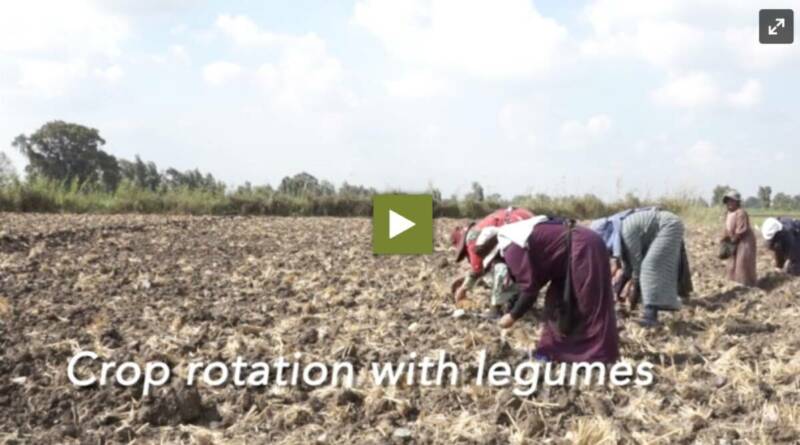
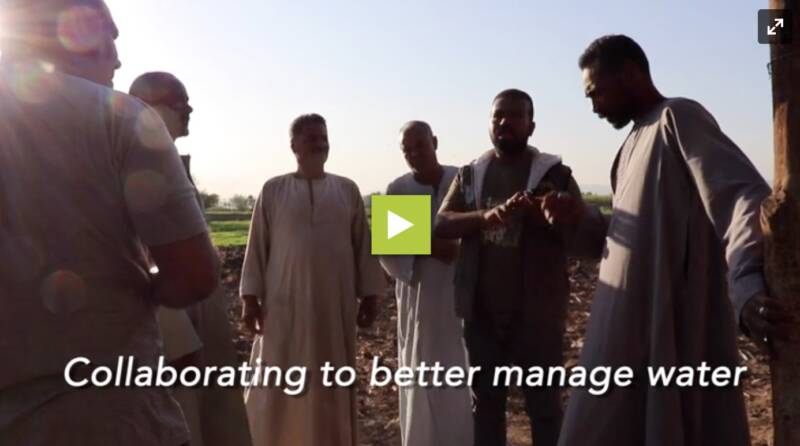
Three farmer-to-farmer videos were produced that focus on the core technology and innovative solutions, including the raised bed technology, crop rotation, and land consolidation.
Three farmer-to-farmer videos were produced that focus on the core technology and innovative solutions, including the raised bed technology, crop rotation, and land consolidation.
- The video production relied on the farmer-to-farmer approach which allows farmers to share important knowledge based on their own experience and in their own words.
- The farmers not only explain the solutions but also describe the challenges well so that fellow farmers watching the video can adapt the technology to meet their own needs.
- The video production also involved desk reviews and research, key interviews with experts, and running small group discussions among extension workers and lead farmers on selected video topics.
Videos developed by the Innovative Agriculture for Smallholder Resilience project: (note the number of views)
Subscribe to:
Posts (Atom)