Platform for African – European Partnership in Agricultural Research for Development
Showing posts with label FANRPAN. Show all posts

Thursday, October 8, 2026

COP31: Putting agriculture and food systems at the centre of climate action

9–20 November 2026. Antalya, Türkiye. The 31st United Nations Climate Change Conference (COP31) will bring together governments, international organisations, researchers, farmers' organisations, civil society and the private sector to accelerate implementation of the Paris Agreement. 

Agriculture and food systems feature prominently in the official UNFCCC side-event programme, with discussions addressing agroecology, climate-resilient agriculture, agricultural finance, biodiversity, food security and the transition towards healthier and more sustainable diets.

A central theme emerging from the programmed side events is the need to move from climate commitments to practical implementation, ensuring that farmers, research institutions and local communities can access the finance, technologies, knowledge and partnerships required to transform agrifood systems. The programme also highlights the importance of addressing trade-offs between mitigation, adaptation, biodiversity conservation and affordable nutrition.

The COP31 side-event programme demonstrates the growing recognition that agricultural transformation requires more than climate-smart technologies alone. It calls for stronger connections between scientific research, farmers' knowledge, public policies, market incentives and financing mechanisms. Agroecology, agricultural biodiversity, circular bioeconomies and sustainable food value chains are increasingly being discussed as interconnected components of climate action rather than separate policy agendas.

The following selection highlights scheduled side events particularly relevant to agricultural research and innovation.


9 November – Water for Climate Resilience: From the 2026 SCF Forum to COP31 and the 2026 UN Water Conference


Organised with the participation of IFAD, ICIMOD, Nepal and Bhutan, this event will examine climate-resilient water management, financing and institutional cooperation, including implications for resilient food systems. Announced speakers include Álvaro Lario (President, IFAD), Rania Al-Mashat (ESCWA), Hani Sewilam (Egypt), Sonja Köppel (UNECE) and Anil Mishra (UNESCO).


10 November – Advancing Agroecology in Just Transition for Healthy and Sustainable Food Systems and Agriculture


Organised by Pesticide Action Network Asia Pacific and partners, this session will present agroecology as a pathway towards a just transition in agriculture. Speakers are expected from the Alliance for Food Sovereignty in Africa (AFSA), African governments, farmers' organisations and youth movements.


10 November – National Agroecology Strategies: Brazil, Türkiye and Africa Towards COP31 Implementation


Organised by Instituto Regenera, Biovision and the Food of Tomorrow Institute, this session will explore how national agroecology strategies, public food procurement and government–civil society cooperation can translate climate commitments into action. Listed speakers include Francine Xavier, Fabrício Muriana, Oliver Oliveros, Ahmet Sami and Lilian Rahal (Brazilian Ministry of Social Development), alongside an African agroecology representative.


11 November – Scaling Climate Finance for Resilient Agrifood Systems Facing Extreme Heat and El Niño-related Shocks


Organised by FAO, this session will explore investment opportunities and innovative financing mechanisms to strengthen agricultural adaptation and food security. Speakers are listed from FAO, Australia, Türkiye, Kenya, Germany, the African Development Bank, the World Bank, the African Centre for Biodiversity and Olam International.


11 November – Unlocking Means of Implementation for Climate-Resilient Agriculture and Food Systems


This event will focus on finance, technology, capacity development, sustainable land and water management, ecosystem restoration and youth- and Indigenous-led solutions. Listed speakers include Abdulhamid Tahir Hamid (GECCI/NIPPF), Victor Fodeke (GREENPLINTH Africa), Margaret Bondziedu Impraim (YCCGA) and Sebastian Pedraza (YPARD Global).


11 November – Agri-food Systems under Climate Change: Incentives for Affordable, Healthy, Sustainable Food


This event brings together Clim-Eat, AgriCord, FANRPAN, the Southern African Confederation of Agricultural Unions (SACAU) and Wageningen Research. It will examine incentives for farmers to adopt climate-resilient practices while addressing food affordability, nutrition, biodiversity and the trade-offs involved in agrifood transformation.

Announced speakers are Carlos Alvarado Quesada (former President of Costa Rica), Tshilidzi Madzivhandila (FANRPAN), Jan Verhagen (Wageningen University & Research), Ishmael Sunga (SACAU), Leanne Zeppenfeldt (Clim-Eat), Katja Vuori (AgriCord) and Orhan Solak (Türkiye Directorate of Climate Change).


14 November – The Critical Middle, Circularity and Zero Waste: Building Climate-Resilient Food Systems


Organised by UNIDO and partners, this event will launch the Critical Middle Coalition and explore investments in processing, storage, logistics and waste reduction. It draws attention to the often-overlooked enterprises and infrastructure linking agricultural production with consumers. Speakers are expected from governments, UN organisations, development finance institutions, businesses and circular-economy organisations.


16 November – Delivering the Green Transition for Food Security: From Climate Ambition to Farm-Level Action


This session will explore efficient nutrient management, low-emission rice production, agricultural policies, investment and partnerships. Listed participating organisations include the International Rice Research Institute (IRRI), Environmental Defense Fund, World Farmers' Organisation, AGRA, Yara, the World Bank, Agroicone and the Carbon Trust.


16 November – Unlocking the Means of Implementation for Agriculture and Food Security


Organised by the Alliance of Bioversity International and CIAT, Compassion in World Farming, EIT Food, the U.S. Dairy Export Council and the World Farmers' Organisation, this event will examine how finance, technology transfer and capacity development can support the implementation of climate action in agriculture. It builds on the Sharm el-Sheikh Joint Work on Implementation of Climate Action on Agriculture and Food Security (SJWA).

Announced speakers and participants include Andrea Perez Valdez (Compassion in World Farming), Richard Zaltzman (EIT Food), representatives of the Alliance of Bioversity International and CIAT and FAO, government representatives, farmers' organisations and Indigenous Peoples.


17 November – Integrated Security and Climate Change: Building Resilience Amid Geopolitical Challenges


With the participation of ICARDA, this session will examine the relationship between climate change, food systems, security and international cooperation. Listed speakers include Ban Ki-moon (former UN Secretary-General), Bakyt Dzhusupov (OSCE), Hans-Otto Pörtner (former IPCC Working Group II Co-Chair), Sabine Schlacke (University of Greifswald), Nizar Haddad (ICARDA) and Vinay Nangia (ICARDA), with Central Asian ministerial representatives to be confirmed.


18 November – Scaling the Circular Bioeconomy: Agricultural Solutions to Climate Change


This event will discuss how agriculture can contribute to circular bioeconomies through food, renewable energy, biobased materials, greenhouse gas reduction and ecosystem services. Announced speakers include Ernie Shea (Solutions from the Land), Sally Higgins (COP31 Youth Champion), Muhammad Ibrahim (IICA), Verity Ulibarri (US farmer), Tarun Richards (Australian farmer), Ed Barnes (CBS Institute), Francis Owusu (Centre for Rural Livelihoods, Uganda), Juan Sacoto (S&P Global) and Kaveh Zahedi (FAO).

CGIAR @ COP 31

CGIAR and the EvalforEarth community are preparing a strong collaborative presence for the 2026 UN Climate Change Conference (UNFCCC COP31), which will take place in Antalya, Türkiye, from November 9 to 20, 2026.

  • EvalforEarth’s Role: EvalforEarth is a merged Community of Practice focused on climate action, food security, agriculture, and rural development. It is co-sponsored by the Evaluation Offices of CGIAR, FAO, WFP, and the GEF.
  • The Shared Mission: At COP31, these organizations aim to ensure that climate policy decisions are rooted in strict, evidence-based evaluation. By bringing data from agricultural research to the forefront, they advocate for agrifood systems to be treated as primary climate solutions


FAO @ COP 31

For FAO, COP31 provides a key platform for collaboration, knowledge sharing and decision-making on the critical role of agriculture and food systems in climate action. Agrifood systems solutions are climate solutions. As a central pillar of climate action, they help build resilience, support adaptation and reduce greenhouse gas emissions while safeguarding biodiversity and ensuring food security for all.

Schedule of event will soon be available

.

Saturday, August 1, 2026

Highlights from the 10th FARA General Assembly and 9th Africa Agriculture Science Week

27–30 July 2026. Abuja, Nigeria. Agricultural researchers, policymakers, farmers' organizations, private-sector leaders and development partners gathered for the 9th Africa Agriculture Science Week (AASW9) and the 10th Forum for Agricultural Research in Africa (FARA) General Assembly. 

Under the theme of Innovations and Partnerships for Resilient and Sustainable Agrifood Systems in Africa, the conference programme addressed four interconnected sub-themes: emerging agricultural technologies and innovations; climate-resilient agrifood systems; nutrition, health and urban food systems; and enabling impact at scale through policies, financing, capacities, institutions and inclusion. 

The programme included 25 side events and eight parallel or related sessions, with a cumulative attendance of 1,791 across the tracked sessions. Side events recorded 1,044 attendances, while parallel and other sessions attracted 747. An additional 312 participants joined selected sessions online. The exhibition brought together 35 exhibitors, including 20 national agricultural research institutes and federal colleges and 15 international and regional organisations. 


27 July

  • Welcome Address: Dr. Adamu Abubakar Dabban, Executive Secretary, ARCN
  • Opening Remarks: Dr. Aggrey Agumya, Executive Director, FARA
  • Context Presentation: “The State of African Agri-food System: Harnessing Innovation and Partnership to Achieve CAADP-Kampala Targets”: Dr. Debisi Araba, Managing Director, Akademiya2063
  • Ms. Bongiwe Njobe, Chairperson of the FARA Board of Directors
  • Dr. Babafemi Oyewole, CEO, PAFO
  • Dr. Baboucarr Manneh, Director General, AfricaRice
  • Obai Khalifa, Deputy Director, GF Africa
  • Dr. Abebe Haile-Gabriel, Assistant Director General, FAO-RAF
  • HE Moses Vilakati, Commissioner, AUC-ARBE
  • Alhaji Idi Mukhtar Maiha, Honorable Minister of Federal Livestock Development
  • Abubakar Kyari CON, Honorable Minister of Agriculture and Food Security, Nigeria
  • Keynote Paper: “Innovation and Partnerships for resilient and sustainable agrifood systems in Africa.” - Dr. Simeon Ehui, Director General, IITA

28 July

Overview of Science & Partnership for Agriculture Conference (SPAC)

  • Dr. Irene Annor-Frempong, DRI Emeritus, FARA
  • SPAC Study: “State of Agricultural Research in Africa, highlights of key trends, challenges, and opportunities.” - presented by Dr. Emmanuel Njukwe, DRI, CORAF
Panel Discussion: “Optimizing Agricultural Research to Deliver CAADP-Kampala Outcomes at the Country Level”
  • Facilitator: Dr. Sylvester Dickson Baguma, ExeD, ASARECA
  • Prof. Paul Pinnock Bonsu, DG, CSIR-Ghana
  • Dr. Dumisami Kutywayo Okuku, Chief Director, DRSS Zimbabwe
  • Dr. Ahmed Elmekass, Director, AU-SAFGRAD
  • Prof. Maher Elmaghraby, VP Production, ARC Egypt Africa
  • Dr. Patrick Ketiem, DG, KALRO
  • Dr. Namukolo Covic, Head, CGIAR Liaison Office for Africa
Soil Health Panel: “Interphase of Science and Private Sector Partnerships for Restoration of Africa’s degraded Soil”
  • Prof. Jibrin Jibrin, SSSN
  • Dr. Kennedy Were, KALRO
  • Eng. Clement Asana, OCP Africa
  • Dr. Mel Oluoch, Sasakawa Africa

29 July Nigeria day

  1. Keynote Address I: “Nigeria’s story of Science and Technology” Dr. Kingsley Tochukwu Udeh SAN, Hon. Minister of Innovation, Science and Technology
  2. Keynote Address II: “Advances in Marine and Blue Economy in Nigeria” Adegboyega Oyetola, Hon. Minister of Marine and Blue Economy
  3. Keynote Address III: “Advancing Nigeria’s Livestock Industry. Pushing the technologies that matter” Alhaji Idi Mukhtar Maiha, Hon. Minister of Federal Livestock Development
  4. Keynote Address IV: “Progress on Agricultural Research in Nigeria. The change is here.” Senator Abubakar Kyari CON, Hon. Minister of Agriculture and Food Security

30 July: 10th FARA General Assembly

  • Opening Remarks by FARA Chairperson Mad. Bongiwe Njobe, Chairperson of the FARA Board of Directors
  • Synthesis of Outcomes of the 9th Africa Agriculture Science Week Prof. Wole Fatunbi, Ag. DRI, FARA
  • The Board’s Accountability report Mad. Bongiwe Njobe, Chairperson of the FARA Board of Directors
  • Highlights of the FARA Secretariat’s achievements over July 2023 – July 2026 Dr. Aggrey Agumya, Executive Director, FARA
  • Amendments to the Constitution and Governance Manual Mad. Elizabeth Nsimadala, Chairperson of the Nominations and Governance Committee of the FARA Board of Directors


Side events 


Organised by the three Agroecology Regional Multi-Actor Research Networks (RMRNs - comprising RMRNEA, RADIUS in West Africa, and RAENS in Southern Africa), FARA, the Regional Universities Forum for Capacity Building in Agriculture (RUFORUM), the Research Institute of Organic Agriculture (FiBL) in the framework of the GIZ-led Knowledge Centre for Organic Agriculture and Agroecology in Africa (KCOA) and RAENS projects, the Joint Research Centre of the European Commission (JRC) and other relevant stakeholders.

Set up of the Agroecology Regional Multi-Actor Research Networks (RMRNs) in Africa:
  • Continental: Dr. Kwaku Antwi, FARA
  • East Africa: Dr. Frank Chidawanyika, ICIPE
  • Southern Africa: Dr. Sedera Norotiana Rasambo, CCARDESA
  • West Africa: Dr. Fructueuse Ouidoh Agbodjogbe, CORAF/UCAD
Presentation of 10 RMRN Agroecology Studies/Methodologies
  • Moderator: Prof. Majaliwa Mwanjololo, RUFORUM
  • Dr. Irene Kadzere, FiBL
  • Mr. Markus Arbenz, FiBL
  • Dr. Pascal Tillie, EU-JRC
  • Dr. Felix Rembold, EU-JRC
  • Dr. Florence Nakayiwa, RUFORUM


Scaling Agricultural Innovations in Africa Through Integrated Innovation Ecosystems: Transforming Agrifood Systems in Nigeria and Across Africa

For four decades, the Sasakawa Africa Association (SAA) has worked across Africa to bridge the gap
between agricultural research and farmer adoption through practical, farmer-centered approaches. 

Gender Equality in Food, Land and Water Systems: Evidence and Solutions for Urgent Action

Despite their central contributions, women continue to face structural barriers in accessing
land, finance, markets, technologies, information, and decision-making opportunities.

Beyond Productivity: Building Resilient, Inclusive and Sustainable Food Systems for Africa’s Future

Moving beyond productivity means placing equal emphasis on innovation, entrepreneurship, research translation, strategic partnerships, responsible resource management and evidence-informed policymaking. These interconnected pillars are essential for building agrifood systems that are economically competitive, environmentally sustainable and socially inclusive.

4th Biennial Africa Climate Smart Agriculture Stakeholders Conference

The central objective of 2026 Biennial CSA Stakeholders Conferences was to establish the current state of CSA in Africa and the imperatives for agroecology transition, biodiversity conservation, and soil health on the continent.

Small Insects, Big Returns: Making the Business Case for Sustainable Feed in East Africa.

Despite growing interest, the large-scale production of insects as feed remains constrained by limited
access to finance and limited investment in scaling beyond pilot projects. As with most agricultural
value chains, access to credit for small and medium enterprises involved in insect farming is limited,
as financial institutions often perceive insect farming as high-risk due to limited understanding of this
new agricultural commodity value chain.

Catalyzing Country Investments for the Implementation of the Africa Fertilizer and Soil Health-Action Plan (AFSH-AP): Pathways to Bankable National Delivery

The central objective of this session was to develop practical, bankable pathways for African countries to invest in and implement SIA and AFSH-AP at scale.
  • Designing Bankable Soil Health Investment Pathways in Africa Anthony Chapoto, ANAPRI
  • Country Case Presentation “Practical Implementation Experiences & Financing Pathways”
  • Panel Discussion “Financing models, institutional coordination, & scaling pathways”

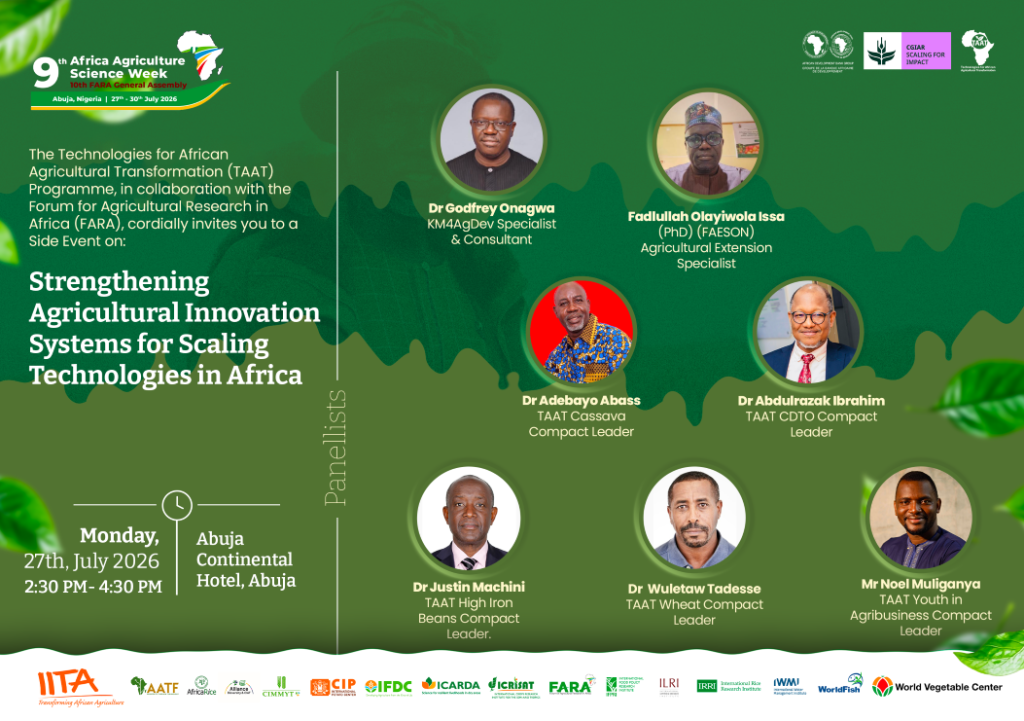
Strengthening Agricultural Innovation Systems for Scaling Technologies in Africa

The Technologies for African Agricultural Transformation (TAAT) Programme, established by the African Development Bank (AfDB) under the Feed Africa Strategy, was designed to accelerate the deployment and scaling of proven agricultural technologies capable of transforming productivity, strengthening resilience, improving food and nutrition security, generating employment and reducing poverty.

Harnessing AI-Enabled Digital Agricultural Extension and Advisory Systems to Accelerate Africa’s Agricultural Transformation

This event showcased AI-enabled digital extension initiatives, including the Nigeria Public Private
Partnership AI-enabled Digital Advisory Platform (NPPP AI-DAP) and the AFAAS
AIEnabled Digital User Platform, as scalable models for Africa. 

  • Keynote address — “The Future of AI-Enabled Extension and Advisory Systems in Africa”: Dr Godwin Atswer – Sasakawa Association Africa 
Digital Public Infrastructure (DPI) — How continental stakeholders coordinate on DPI solutions to reduce fragmentation and build toward scale and adoption. 
  • National government — Ayodele Olawunmi, Director, Federal Dept of Agricultural Extension Services, Federal Ministry of Agriculture, Nigeria 
  • Digital innovation & agritech — Tajudeen Yahaya (CEO, Extension Africa); Dev Afrique; Aisha Hadejia (Sahel Consulting Partner) 
  • Farmer organisations — Representatives from Nigeria and SSA countries, NIFAAS
  • AI ethics & digital governance — Chika Oke (DOA Law); Representative, NITDA, Bashira Hassan (Africa Practice)

Youth for Nutrition in Inclusive Science and Innovation from Soil to Plate — A Live Food Innovation Lab 


Advancing the Kampala CAADP Agenda through Evidence Based Policy Research: Bridging Science, Policy and Implementation for Scaled Agricultural Transformation 

The Pan-African Network for Economic Analysis of Policies (PANAP) members, through the
StEPPFoS Project have undertaken a range of policy studies which address priority areas aligned with the evolving CAADP agenda. These priority areas include sciencepolicy interface, climate resilience, agricultural research financing, regional trade, and inclusive agrifood systems. These studies are aimed at supporting countries to domesticate the Kampala CAADP Strategies to achieve the Agenda 2063. 
  1. Topic 1: Using political economy tools to shape regional agricultural policy: A Co-lab Approach Dr. Koen Dekeyser, ECDPM
  2. Topic 2: Data-Driven Policy Insights for CAADP: Evaluating AfCFTA Effects on AgriFood Systems and Food Security in Côte d’Ivoire Dr. Souleymane Diallo, CIRES
  3. Topic 3: Building Sustainable and Synergistic Evidence Informed Policy Ecosystems in East and West Africa: Addressing Alignment Gaps Between the CAADP and Ghana’s National Agricultural and Food System Policies (CSIR-STEPRI) Dr. Gordon Akon Yamga, CSIR-STEPRI
Panel Discussion: “Translating Evidence into Policy Action for Food System Transformation in Africa”
  • Mr. Patrick Kojo Ofori, Deputy Director in Charge of M&E(Former) & Currently National Project Coordinator of PROSPER
  • Prof. Joseph Kieyah, Deputy Director, KIPPRA
  • Dr. Dora Siliya, Fmr. Minister of Agriculture, Zambia
  • Dr Beatrice Egulu, Policy Officer, AUC-DREA
  • Dr. Emmanuel Njukwe, Director of Research & Innovation, CORAF
  • Dr. Moustapha GUEYE, Director General, ISRA

Abuja Roundtable: High-Level Ministerial Dialogue on Sustainable Financing for Agriculture
Research, Development and Innovation (AR4D)

The establishment of Nigeria’s National Agricultural Development Fund (NADF) presents an important
opportunity to demonstrate how domestic financing mechanisms can support long-term agricultural
transformation.


Strengthening Gender-Responsive Agricultural Policy through the AWARD–GRASP Fellowship

The Gender Responsive Agriculture Systems Policy (GRASP) Fellowship, an initiative of the African Women in Agricultural Research and Development (AWARD) and supported by theUnited States Agency for International Development (USAID), aims to accelerate the development and implementation of gender-responsive agricultural policies across Africa.

Farmer Centered Action Research and Innovation

The Side Event on Farmer-centered Action Research and Development for Sustainable Food Systems Transitions in Africa was jointly convened by: 1. The Forum for Agricultural Research in Africa (FARA) 2. Research Institute of Organic Agriculture (FiBL) in partnership with the Knowledge Centre for Organic Agriculture and Agroecology in Africa (KCOA) project 3. AGRICORD 4. Network of Organic Agriculture Researchers in Africa (NOARA)
  • Participatory research in organic and agroecology – insights from Sustain Sahel and SysCom (Mother-BabyTrials) Dr. Harun Cicek and Dr. Milka Kiboi - FiBL 
  • Applied research for biofertilizer applications/agroecology Patrick Mwizero – CAPAD (Burundi)
Panel:
  • Moderated by AGRICORD Katja Vuori
  • Action research in and commercialising of agroforestry Kastory Timbula (TTGAU - Tanzania) - FORI Project 
  • Farmer Field Schools as innovation platforms on sustainable agriculture and farmer managed seed systems Community Technology Development Organization (CTDO) and MASAP Project, Zimbabwe 
  • The policy environment on sustainable agri-food systems in Africa – enablers and inhibitors Food, Agriculture and Natural Resources Policy Analysis Network (FANRPAN) 
  • Action research and processing in agroecology – sunflower value chain Damian Sulumo/Frank Ademba - (MWIWAARUSHA-We Effect) – FORI Project 
  • How to scale agroecology and organic messages through Multipliers – experiences from the KCOA project Khaoula Mokrani (KCOA-KHNA) (with insights from Francis Nsanga (KCOA-KHEA) and Georges TADJIOTIO NGOUGNI (KCOA-KHCA)
  • Organic and agroecology data, statistics, and knowledge management – the African context Markus Arbenz – FiBL and KCOA; Jude Obi – Oyo University, Nigeria, and KCOAKHWA
  • Implications of farmer-centred research approaches and outcomes to PAFO and AfrONet members – some reflections PAFO and AfrONet 


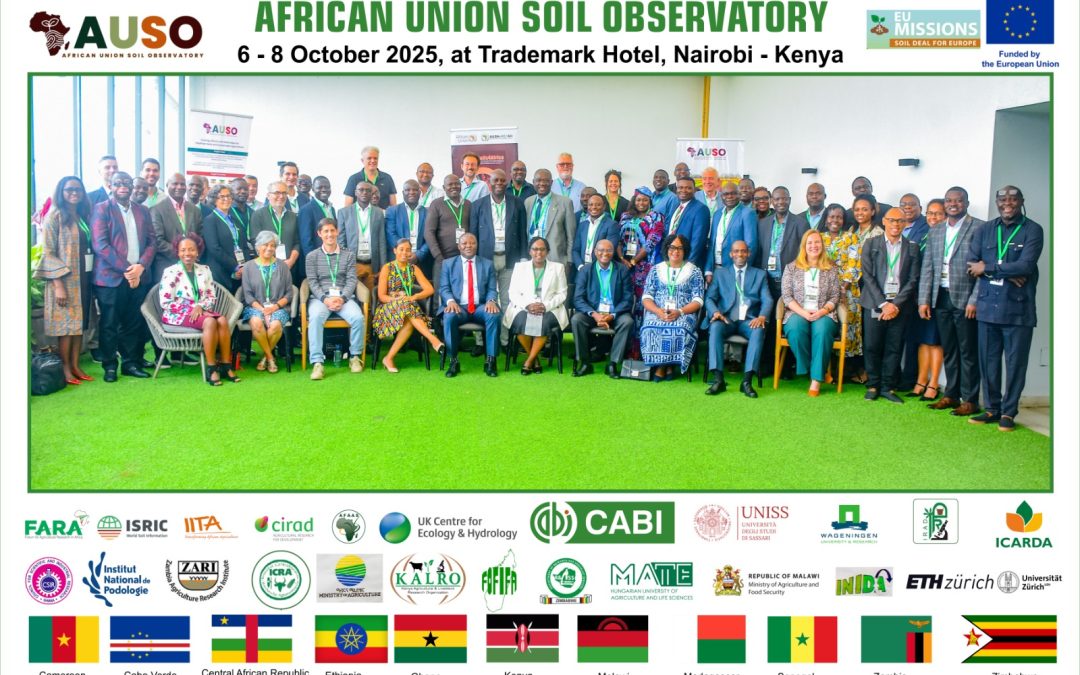
Soil Intelligence for Climate-Resilient Agrifood Systems in Africa: The Role of the African Union
Soil Observatory (AUSO)

FARA, together with African, European and International partners, is implementing the African Union Soil Observatory (AUSO) project under the Horizon Europe Mission Soil Programme fully funded by the European Commission. AUSO aims to establish a continental soil observatory and digital soil intelligence platform, including a soil health dashboard, to support harmonized soil information systems, strengthen evidence-based decision-making, improve soil health monitoring, and promote sustainable and climate-resilient agrifood systems across Africa.


Envisioning the future of Africa’s livestock and fish sectors for targeted policies and investments

Participants’ feedback on the future of the livestock and fish sectors in Africa will be collated as input into an Animal Source Foods-focused outlook report being prepared by the Policy Innovations science program of the CGIAR (https://www.cgiar.org/cgiar-research-portfolio-2025-2030/policy-innovations), in collaboration with the science program on Sustainable Animal and Aquatic Foods (https://www.cgiar.org/cgiar-research-portfolio-2025-2030/sustainable-animal-and-aquatic-foods). 

Empowering youth as catalysts for transformative agriculture through mentorship, digital innovation and cooperative governance


Regional Agricultural Innovation Systems in sub-Saharan Africa: Current Status, Gaps and Future Prospects 


Launch of the Youth in Agrifood Systems Performance Index (YAPI) 


Bringing Scientific Evidence to Policymakers to Support the Agroecological Transition of Food Systems in Africa: The Example of MoSAFS

The Modelling Pathways for a Sustainable and Agroecological Transition of Food Systems in Africa (MoSAFS) project supports the transition to agro-ecological, climate resilient food systems in Africa by providing data-rich models and a science-policy interface for decision-makers. The first phase (April 2025 – April 2026) identified existing foresight studies and highlighted the need for multi-scale analysis (farm level and country level), based on three case studies in Senegal, Kenya and Mozambique, which are at different stages of national agro-ecological vision development. 
  • Kwaku Antwi FARA
  • Astou Camara ISRA-BAME (Institut Sénégalais de Recherches Agricoles - Bureau d'analyses macro-économiques)
  • Beatrice Egulu African Union
  • Guy Faure CIRAD / DeSIRA LIFT+
  • Lisa Fuchs Alliance of Bioversity International and CIAT
  • Alex Mutungi Biovision Africa
  • Martin Oulu ISFAA (Intersectoral Forum on Agrobiodiversity and Agroecology)
  • Pascal Tillie Joint Research Centre – European Commission


Investing in Extension and Advisory Services for Climate and Agroecological Transitions in Africa 

In understanding the Agroecological transition responsive extension approaches (ATREA), the ATREA project identified successful agroecological transition responsive extension approaches that are user centric, and enhance smallholder’s participation in the agri-food system transformation. The CANALLS initiative for example, leverages this to demonstrate an integrated approach to promoting agroecological transitions in the humid tropics of Central and Eastern Africa through multi-actor transdisciplinary Agroecology Living Labs that facilitate co-creation, participatory research, innovation testing,capacity strengthening for the uptake of the agroecological practices and policy engagement. Similarly, the GPSAEP initiative has generated valuable experiences in strengthening community-based advisory systems, supporting farmer-led agroecological innovation, enhancing inclusive extension approaches, and building local capacities for sustainable food systems transformation.


Institutional diagnostic for System Change - IGNITE Approach for Gender and Nutrition 

This masterclass provided participants with practical insights into the use of Tanager's Organizational Diagnostic Handbooks and Assessment Tools. Rather than focusing solely on theory, the session demonstrated how organizations can assess their institutional readiness, identify capacity gaps, and develop actionable improvement plans.


Africa Strategy Stakeholder Consultation on the Draft CGIAR Africa Strategy 

With the goal of shaping a strategy that reflects Africa's priorities, strengthens partnerships, and delivers greater impact, the consultation provided an opportunity to collectively refine a strategy that strengthens African institutions, accelerates science-based innovation, and supports sustainable agrifood systems transformation on the continent.

Dr. Simeon Ehui (IITA Director General and CGIAR Africa Continental Director), Dr. Aggrey Agumya (FARA Executive Director), Dr. Were Omamo (IFPRI Africa Director), and Dr. Namukolo Covic (Head, CGIAR Liaison Office for Africa).


Unlocking the Power of Vegetatively Propagated Crops in Africa: Empirical lessons from the PROSSIVA project 

Vegetatively propagated crops such as cassava, banana, and yam are critically important to Africa
because they serve as staple foods for hundreds of millions of people, contributing significantly to food
and nutrition security. However, these crops continue to suffer a setback in their seed systems, thus making it difficult for producers to get disease-free planting materials of improved varieties in a reliable manner. 

Strengthening Foresight Systems for Africa's Agrifood Transformation 


How Will Africa Feed 2.5 Billion People by 2050? A Strategic Foresight Study on Structural Barriers, Leadership Choices and Transformation Pathways for Africa's Agrifood Systems.


Advancing the Organic and Agroecology Research Agenda for Africa (OARAA 2036): Building
Partnerships for Resilient and Sustainable Agrifood Systems

The Network of Organic Agriculture Researchers in Africa (NOARA) initiated the development of the Organic and Agroecology Research Agenda for Africa (OARAA 2036) in 2019, with initial reflections having started from as far back as 2015.

he Network of Organic Agriculture Researchers in Africa (NOARA) is a pan-African, membershipbased network established by African organic agriculture researchers to coordinate and advance organic
and ecological agriculture research; it evolved from discussions among researchers in 2005, was
launched at the 2009 African Organic Conference in Kampala, strengthened through the 2012 African
Organic Conference in Lusaka, revived and reorganized by the African Organic Network (AfrONet) in
2019, and today operates through a continental governance structure comprising a Board of Trustees,
Governing Council, Continental Secretariat, and members drawn from researchers and other
stakeholders across Africa and beyond.

African Youth Position Statement on the Future of Africa’s Agrifood Systems 


2nd AUSO Annual Consortium Meeting/ General Assembly

The African Union Soil Observatory (AUSO) and its contribution to Africa’s soil health agenda.

Thursday, May 15, 2025

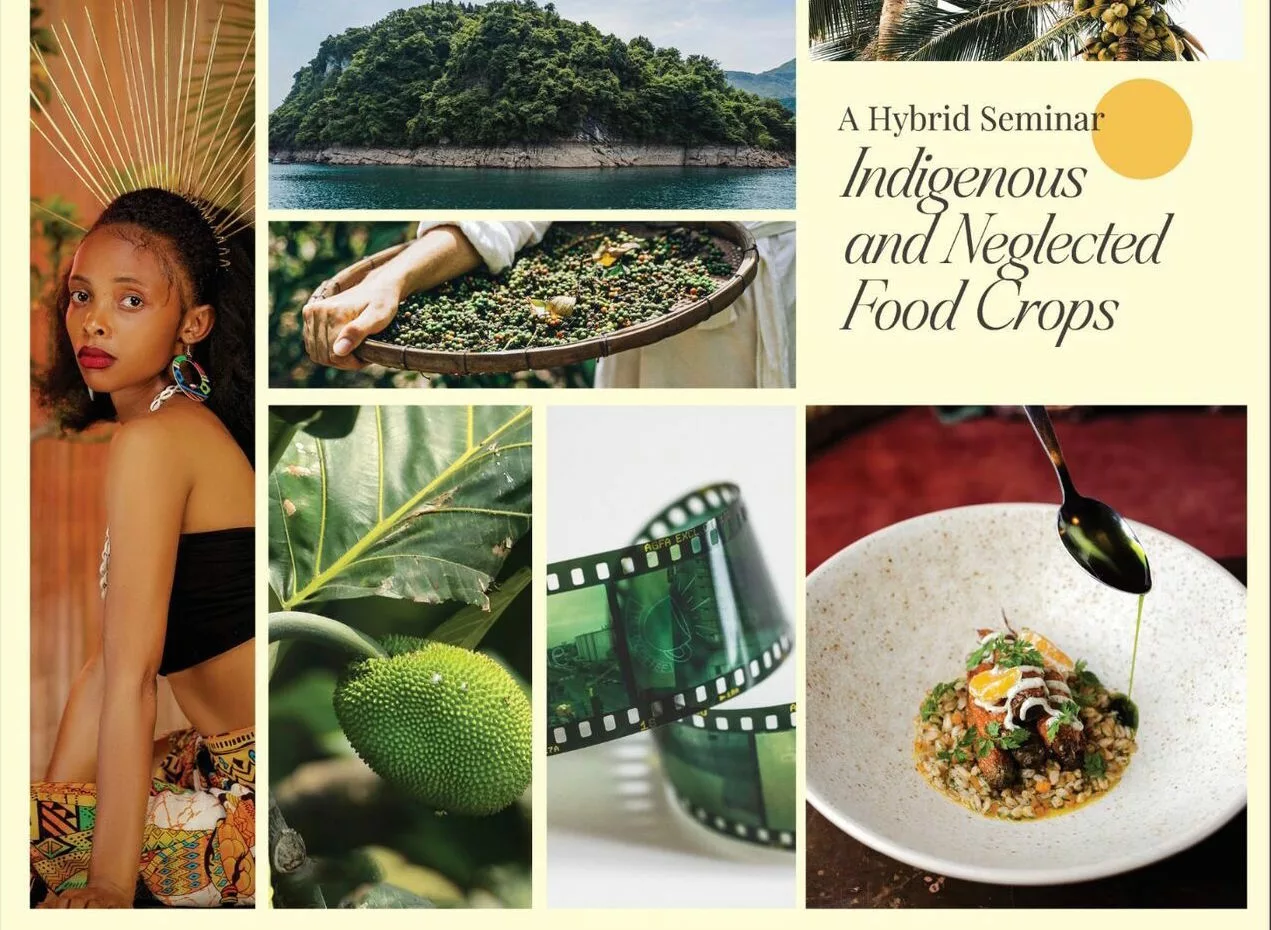
Indigenous and Neglected Crops: A Gateway to Sustainable Tourism

8 May 2025. Indigenous and Neglected Crops: A Gateway to Sustainable Tourism and Growth in Africa and the Caribbean 

Organized by AgriLuxe Marketing, in partnership with the University of the West Indies (UWI), the University of Johannesburg, and the Food, Agriculture and Natural Resources Policy Analysis Network (FANRPAN), the event centered on discussing a bold new proposal for the first-ever indigenous crop-based tourism circuit connecting Africa and the Caribbean: the AfriCaribbean WILD Tourism Route, targeted to be Wholesome. Indigenous. Local. Diverse.

This seminar was the first in a series to promote a wider initiative – AfriCaribbean Tourism Routes. Given increasing trends in tourism markets for local, healthy “authentic” culinary and cultural experiences, the tourism routes initiative between Africa and the Caribbean aims to promote the regions as sustainable and unique culinary cultural meccas for both international, regional, and domestic travelers and public and private sector investors. The seminar was in hybrid format (in-person and virtual).

The seminar was chaired by Mr. Jerry Mabena, CEO of the Motsamayi Tourism Group and  featured opening remarks and a keynote address from heads of UJ’s School of Tourism and  Hospitality, South Africa’s National Agricultural Marketing Council, the Tourism Business Council South Africa, and Africa Tourism Partners. 

It highlighted the social, economic, and environmental relevance of indigenous, neglected and under-utilized crops to Africa and the Caribbean. More specifically, to promote these African and Caribbean crops and related value-added foods and products as unique ingredients for developing sustainable tourism.

Entrepreneurs showcased real-world case studies – from indigenous teas and reimagined  culinary menus in South Africa, bespoke traditional catering in Zimbabwe, artisanal  chocolates by a rural network of African and Caribbean farmers and chocolate producers,  founded in Trinidad and Tobago, to farm tours in Grenada, and agricultural-based spa treatments in Barbados. Senior representatives from research institutions and development  partners, including the International Institute of Tropical Agriculture, South Africa’s  Agricultural Research Council, Afreximbank, the International Finance Corporation, the  International Trade Centre, UN Tourism, the Inter-American Institute for Cooperation on  Agriculture, and the CARICOM Secretariat, highlighted areas in which they are already  partnering and other areas for future collaboration, to support the seminar objectives. 


OPENING REMARKS 

  • Mr. John Steenhuisen, Minister, Department of Agriculture, Republic of South Africa (RSA) (tbc) 
  • Mr. Tshifhiwa Tshivhengwa, CEO, Tourism Business Council, RSA 
  • Prof. Diane Abraham, Director, School of Tourism and Hospitality, University of Johannesburg

CONCEPTUAL AND OPERATIONAL FRAMEWORKS 

This presentation provided an overview of trends in the tourism markets that are relevant to indigenous and local food crops. It also reviews the food system framework to highlight the benefits of collaboration between Africa and the Caribbean in maximising these market opportunities for achieving their sustainable development goals, namely those linked to food and nutrition security, food import reduction, job creation, and climate change adaptations. 
  • Ms. Jeanette Sutherland, Founder, AgriLuxe Marketing 

BUILDING BRIDGES: STRATEGIES AND LESSONS LEARNED IN CREATING CROSS-BORDER AGRITOURISM ROUTES 


This presentation provided strategic insights gleaned from creating an international tasting trail between the United States and Canada 
  • Dr. Lisa Chase, Professor at the University of Vermont Extension, Director of the Vermont Tourism Research Center, past President and current Education Co-Chair of the Global Agritourism Network.

CASE STUDIES: COUNTRY RESPONSES TO FOOD AND WELLNESS TRENDS IN TOURISM MARKETS

Examples of primarily private sector-driven business responses highlighted, among other themes: 
  • the key markets targeted, 
  • social and environmental returns on their investments; 
  • challenges in their supply chains; and 
  • the role of smallholder farmers and entrepreneurs and how they can be more efficiently incorporated into agritourism value chains.
Fine Dining; Farm-2-Table 
  • Case Study 1: Mr. Michael Daiber, Manager, !Khwa ttu, an award winning San heritage educational center and tourist destination transformed its restaurant menu to tell an indigenous story. 
 Food Festivals 
  • Case Study 2. Chef Nyanda Peltier Charles, Founder, WATO Festival, Commonwealth of Dominica (celebrating Caribbean local foods and culture) 
Specialty Foods; Retail 
  • Case Study 3: Ms. Gillian Goddard, Co-Founder, Chocolate Rebellion, (an African-Caribbean network of cocoa farmers and artisanal chocolate producers) 
  • Case Study 4: Ms. Retang Phaahla, Co-Founder, Setšong African Tea Crafters, Limpopo, South Africa) (transforming local flora and fauna into an indigenous brand) 
Spa and Beauty Treatments 
  • Case Study 5: Mr. Steve Andrews, Founder, Soothing Touch Spa and The Bamboo Retreat, Barbados (pampering agri-style) 

SPECIAL PRESENTATIONS

DEVELOPING AN AUTHENTIC, LOCAL, CULTURALLY DIVERSE FOOD ECOSYSTEM FOR SOUTH AFRICANS AND GLOBAL TOURISTS
This presentation explored key learnings from the development of a food ecosystem at the V&A Waterfront, one of South Africa’s premier tourist destinations. Participants gained insights into how this complex neighbourhood is leveraging market-driven strategies, driving an ambition to foster an example of a just, equitable and sustainable food landscape, benefiting local communities, small-scale farmers and culinary entrepreneurs
  • Mr. Henry Mathys, Strategic Programme Manager, V&A Waterfront, Cape Town, South Africa.
REDEFINING FARM LIFE – REIMAGINING LUXURY 
This presentation showcased how farms, traditionally places for food production, can now be hubs for health and wellness experiences, tapping into an emerging market of travellers seeking nature-based therapies, organic foods, and holistic well-being experiences. 
  • Ms. Shadel Nyack Compton, Managing Director, Belmont Estate, Grenada 
POTENTIAL FOR HERITAGE FOOD TRAILS IN THE CARIBBEAN 
This presentation highlighted success stories in food and wellness tourism in selected Caribbean countries and the development of regional heritage trails linking indigenous foods and healing cultures 
  • Ms. Ena Harvey, Agritourism Specialist 
LINKING ENTREPRENEURSHIP-AGRICULTURE DEVELOPMENT IN AFRICA AND THE CARIBBEAN: FROM FARM TO TABLE 
This presentation highlighted opportunities in the agri-food model to drive entrepreneurial innovations for meeting the demands of both local and global tourism markets. 
  • Ms. Isolina Boto, Head of Networks and Alliances, COLEAD 
ROTECTING HERITAGE AND PROMOTING GROWTH: THE ROLE OF GEOGRAPHICAL INDICATIONS (GIs) IN MARKETING INDIGENOUS AND NEGLECTED FOOD CROPS 
This presentation explored how the recognition of these crops with a GI label can elevate their marketing value, attract tourism, and stimulate sustainable local economies. It also touched on the challenges of establishing such systems and the impact of protecting indigenous knowledge in both the agricultural sector and cultural tourism. 
  • Mr. Mark Forgenie, Managing Director, Vista Dorado Estates Moruga Hill Rice 
CULTIVATING CONNECTIONS – THE ROLE OF TOUR OPERATORS IN SHAPING AGRITOURISM EXPERIENCES ACROSS AFRICA AND THE CARIBBEAN 
The presentation highlighted the role of tour operations in, among others, facilitating logistics and operations for a competitive agritourism route, marketing and promotion, and creating tailored tourism packages while supporting local community engagements 
  • Mr. Muthuri Kinyamu, Founder, Turn Up Travel and Board Member, Kenya Ecotourism. 
IMPROVING CONNECTIVITY BETWEEN AFRICA AND THE CARIBBEAN 
Increased and competitive connectivity between the two regions is required for efficient South-South collaboration in maximising opportunities in tourism markets for mainstreaming indigenous food crops. This presentation provided an update on flight options between Africa and the Caribbean, based on the joint venture between Air Peace and Antigua and Barbuda. 
  • Ms. Hafsah Abdulsalam, CEO, LIAT 2020 
PROMOTING SOUTH-SOUTH COLLABORATION AND AGRITOURISM TRADE BETWEEN AFRICA AND THE CARIBBEAN 
Afreximbank is leading a transformative process to strengthen social and economic ties between Africa and the Caribbean. Facilitating trade and investment is a vital step in this process and has formed a major part of the bank’s Diaspora Strategy. This presentation explored how this support can be leveraged to promote joint investments in establishing an African-Caribbean tourism trade route centred on indigenous and neglected crops bundled with the regions’ cultural and creative assets. 
  • Afreximbank 
TAKING ACTION: MAKING A PITCH 
This presentation provided an investment pitch for developing a WILD food safari around homestead communities in Limpopo and Mpumalanga provinces to complement South Africa’s well developed wildlife safari. It also highlighted lessons for integrating indigenous and neglected crops into more mature tourism market segments. 
  • Mr. Dave Varty, Co-Founder & Co-Owner, Londolozi Private Game Reserve 
This presentation shared plans for RICE, Rising in Community Everyday, a proposed festival for promoting communities’ uniqueness through culinary art and experiences 
  • Chef Chaz Brown, Executive Chef at Garces Events

RESPONSES FROM ACADEMIA

This session shared Academia and Development Partners’ agenda, particularly in terms of 
(i) on-going related activities; (ii) opportunities for collaboration among themselves for increasing efficiencies in delivering related impacts; and (iii) opportunities for new investments to contribute to maximising African and Caribbean indigenous and local food crops for sustainable tourism and development.
  • Prof Michael Abberton, Director of the International Institute of Tropical Agriculture (IITA) Genetic Resources Program and Lead for IITA’s work on neglected crops 
  • Dr Hema Kesa, Director, Food Evolution Research Laboratory and Senior Lecturer at the School of Tourism and Hospitality, University of Johannesburg 
  • Prof Mark N. Wuddivira, Dean, Faculty of Agriculture, University of the West Indies 
  • Dr. Yolisa Pakela-Jezile, Acting Executive Manager, Crops and Natural Resources, Agricultural Research Council, RSA

RESPONSES FROM DEVELOPMENT PARTNERS

  • Mr. Samuel Kamau Nganga, Manager, Manufacturing, Agriculture and Services, International Finance Corporation 
  • Mr. William Castro Rodriguez, Sr. Trade Officer, Caribbean Unit, International Trade Centre 
  • Ms. Sandra Carvao, Director, Market Intelligence, Policies, and Competitiveness, United Nations World Tourism Organisation (UNWTO) 
  • Ms. Shauna Brandon, Rural Development Specialist, Inter-American Institute for Cooperation on Agriculture (IICA) 
  • Mr. Jonathan Lewis, Program Manager, Gates Foundation 
  • Dr. Wendell Samuel, Sr. Advisor to the Secretary General and Acting Assistant Secretary General, Directorate for Economic Integration, Innovation, and Development, CARICOM Secretariat
A key highlight of the seminar was an inspiring “elevator pitch session,” including a proposal  for a WILD Food Safari in Mpumalanga, South Africa, to leverage the province’s wildlife  game safari – an already well-established tourism offering; and another to promote high-end  food events based exclusively on indigenous, underutilized, and emblematic crops, including  Trinidad and Tobago’s Moruga Hill rice. 

The seminar concluded with a call to action from FANRPAN’s CEO, Dr. Madzivhandila, for long-term funding to be increased for feasible tourism projects that promote the regions’ indigenous and neglected food crops.

Trinidad and Tobago’s Moruga Hill rice:


Wednesday, July 17, 2024

People—Animal—Ecosystems Health and Wellbeing

18 July 2024. 14:30 - 16:00 SAST. People—Animal—Ecosystems Health and Wellbeing.

The intricate web of interactions between people, animals, and ecosystems exerts a profound influence on human health and overall wellbeing. This interconnectedness spans various dimensions, from the direct impacts of ecosystem health on clean air, water, and food security, to the indirect effects through disease transmission pathways and biodiversity loss. 

Despite its critical importance, this nexus often receives insufficient recognition within global and regional governance frameworks. Policies and regulations tend to address these components in isolation rather than holistically acknowledging their interdependence.

This fragmented approach can lead to missed opportunities for integrated and sustainable solutions that simultaneously promote human health, conserve biodiversity, and ensure ecosystem resilience. Recognizing and effectively addressing these interconnected challenges is essential for achieving comprehensive and equitable global health outcomes, sustainable development goals, and resilient ecosystems capable of supporting future generations.


Speakers:

  • Facilitator – Ms Sithembile Mwamakamba, FANRPAN
  • Prof Tafadzwanashe Mabhaudhi CLAB-Africa Co-Principal Investigator, University of Pretoria  - Why CLAB-Africa?
  • Dr Kayleigh Marcus, CLAB-Africa Research Fellow, University of Pretoria- People-Animals-Ecosystem, Health and Wellbeing Presentation
  • Prof Wanda Markotter, Director of the Centre for Viral Zoonoses, NRF-DSI South Africa Research Chair, Future Africa, University of Pretoria  - Challenges and Opportunities
  • Dr Tedson Nkoana, Academic Project Coordinator for the Research Chair: People, Health and Places (One Health) - Perspectives from Practitioners and Experts 
  • Dr Colleta Gandidzanwa, Research and Project Manager, ARUA Centre of Excellence in Sustainable Food Systems (ARUA-SFS), Future Africa, University of Pretoria Closing and Way Forward 

About the CLAB-Africa Project

The CLAB-Africa project is a Future Africa (University of Pretoria) initiative hosted under the ARUA-SFS, in collaboration with FANRPAN.

The project is currently funded by the Bill and Melinda Gates Foundation and will conclude at the end of September 2024. Earlier financial support was provided by the United Nations Environment Programme (UNEP), the French Embassy in South Africa, and the French Development Agency – Agence Française de Développement (AFD).


Tuesday, April 16, 2024

Harnessing AI for Digital Extension Services

16 April 2024
. Harnessing AI for Digital Extension Services
  • Global Forum for Rural Advisory Services (GFRAS) in partnership with the Southern Africa Agri Initiative (SAAI), FANRPAN and AiFarmer
  • Discover how advancements in artificial intelligence are revolutionizing digitalization efforts within the agricultural sector, unlocking new opportunities for enhanced advisory services and knowledge dissemination.
  • Gain valuable insights into leveraging AI technologies for sustainable agricultural development and improved livelihoods.
Recording forthcoming

Francois Rossouw Southern African Agricultural Initiative (SAAI) University of Pretoria/Universiteit van Pretoria 
André Strauss, CEO of CohesionX the developers of AELA's AI Farmer technology. (Agricultural Extension Language Assistant)
  • AI Farmer, AELA’s flagship application, represents a significant leap forward in agricultural extension services. Traditional extension programs, while foundational, have faced challenges such as limited reach, especially in remote areas, language barriers, and a one-size-fits-all approach that often fails to address the specific needs of individual farmers. 
  • AI Farmer is designed to overcome these hurdles by providing personalized, accessible, and

    actionable agricultural advice through advanced AI technology.
Archana Karanam, an ICT for ARD professional and has been a vital part of Digital Green since 2009


Some key takeaways from the meeting include:

- AI can help address challenges in agricultural extension like limited access, language barriers, limited time/resources for farmers, and more by providing on-demand advice to farmers.

- Both PSI and Digital Green are working on AI platforms to deliver personalized advice to farmers through chatbots and mobile apps. They curate agricultural data and train AI models to answer farmers' questions.

- It's important to have human experts involved to ensure AI responses are accurate, unbiased, and address local farming conditions. Feedback mechanisms also help improve AI over time.

- Value chain actors beyond just producers could potentially benefit from AI extension platforms, though more work may be needed to apply them throughout supply chains.

- Localization of AI systems, including supporting many languages and addressing local terminology, is an ongoing challenge but critical for adoption.


See Otter chat

Sunday, February 25, 2024

Science Transforming Food Systems for a Better Future

12 - 14 February 2024. ARC/DALRRD 2024 Conference. The Agricultural Research Council (ARC) in partnership with the Department of Agriculture, Land Reform, and Rural Development (DALRRD) of South Africa hosted their first-ever joint annual conference.

The conference was hosted at the ARC-Vegetable, Industrial and Medicinal Plants (ARC-VIMP) Roodeplaat Campus under the theme "Science Transforming Food Systems for a Better Future." 

It brought together over 1000 delegates, including scientists, farmers, and various stakeholders within the agricultural sector. 

Additionally, the conference was live streamed for virtual participation by those unable to attend in person. Several exhibitors from different parts of South Africa participated, offering an opportunity for substantial discussions on the crucial role of agriculture, science, technology, and innovation in shaping a sustainable future.

With over 70 sessions covering various subthemes, the conference focused on the insights and expertise of South Africa's leading scientists and thought leaders. These sessions facilitated discussions on topics crucial to the advancement of agricultural practices and technologies.

Extract: 13/02 Session 4:

Responding to Sector Challenges Through a Food Systems Transformation Lens: Opportunities & Implications - An Expert View - Prof F Swanepoel (UP) & Dr A Stroebel (UMP) 

Panel Session on Farmer Development & MEL 
  • Mr P Hlatshwayo (DPME), 
  • Mr C Mojapelo (LDARD), 
  • Dr M Roefs (WUR), 
  • Dr A Mwangwela (LUANAR), 
  • Mr G Desibelew (FAO), 
  • Dr N Nengovhela (DALRRD) 
  • Facilitator - Dr J Jaftha (DALRRD) 

Panel Session on Seed Security & Seed Systems Development 
  • Mr F Hale (FANRPAN), 
  • Dr N Netnou-Nkoana (DALRRD), 
  • Mr E Goldshagg (SANSOR), 
  • Mr J Mahlabe (DALRRD) 
  • Facilitator - Dr M Bairu (ARC)

Recordings


Friday, February 16, 2024

Strengthening Evidence-Based Policy Practice for Sustainable Food Systems

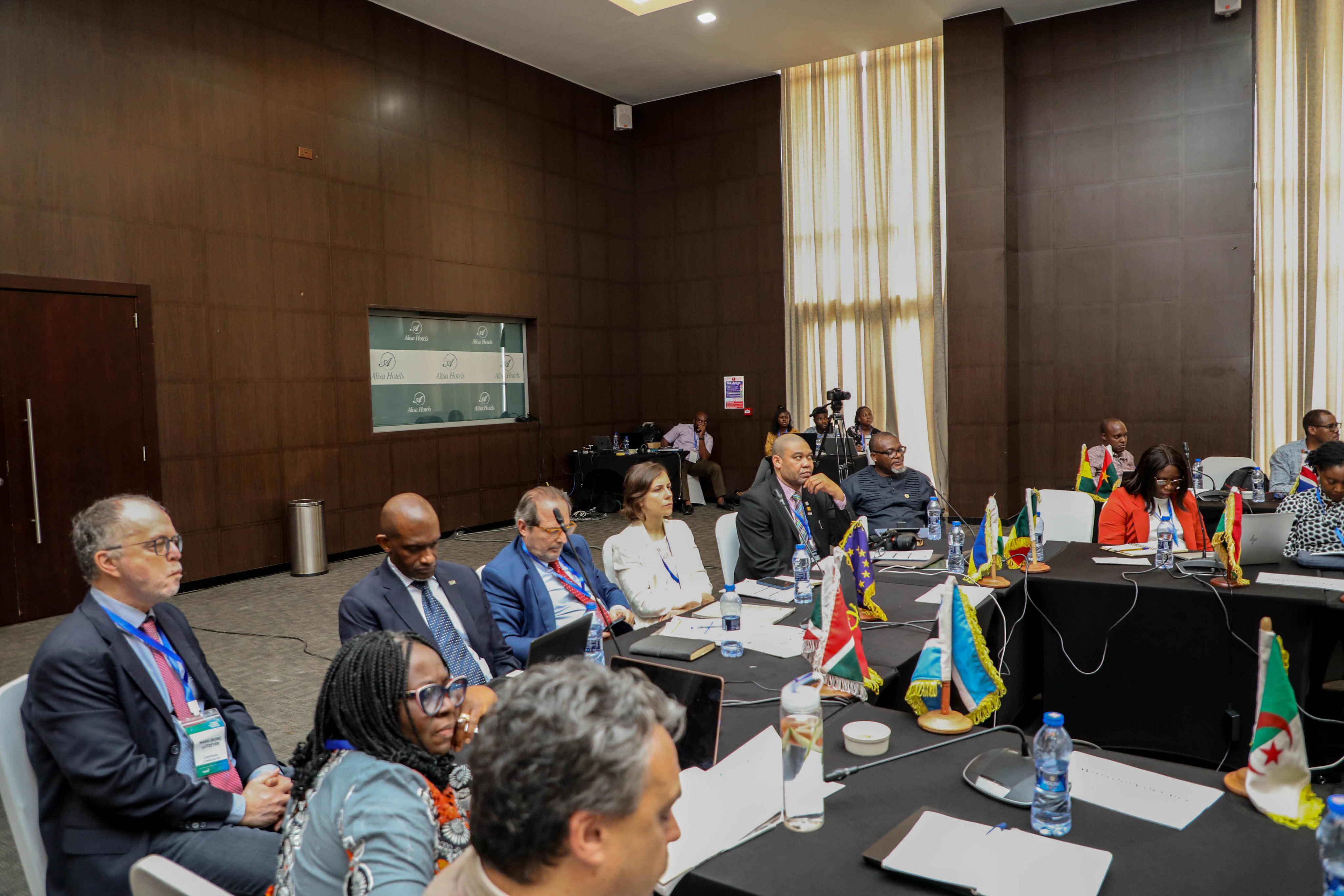
15 February 2024. Alisa Hotel, Tema-Ghana. 

The African Union & the European Commission launched the "Strengthening Evidence-Based Policy Practice for Sustainable Food Systems under the AU-EU Partnership" StEPPFoS, (HORIZON-CL6-2023-FARM2FORK-01) project which is designed to promote policy coherence and alignment across #PANAP and #FNSSA to contribute towards minimizing fragmentation of policy initiatives in the agri-food sector at national and regional levels.

This follows the launch on 14/02 of the CEA-FIRST, the Consortium Europe Africa on Research and Innovation for Food Systems Transformation to operationalize the International Research Consortium IRC

Food and nutrition security and sustainable agriculture (FNSSA) are among the critical development concerns in Africa. FNSSA is among the policy priorities in many African countries and at the center of the AU/EU international development agenda. FNSSA was the priority R&I area in the AU-EU High Level Policy Dialogue on Science, Technology, and Innovation. This was further substantiated by the establishment of the Pan-African Network for Economic Analysis of Policies (PANAP). 


StEPPFoS thus, aims contribute to the FNSSA 10-year roadmap and the global transition towards sustainable food systems through the implementation of activities that link PANAP to the FNSSA partnership. Specific objectives are:
  1. to improve capacities of stakeholders 
  2. to enhance science-policy interface 
  3. to improve strategies that promote scientific support within policy development 
  4. to expand and strengthen the PANAP Network. 
StEPPFoS will be implemented through its 8 work-packages (WPs) over a period of 48 months. Capacity building, stakeholder engagements, participatory monitoring, evaluation, and learning are the main methods to be used to deliver StEPPFoS objectives whiles adhering to open science principles and effective data management practices. 


The consortium is well positioned to deliver these objectives as it draws on the expertise and experiences of its partners drawn from both Europe and Africa credible academic, research, and policy institutions.

  1. Forum For Agricultural Research In Africa, Ghana – FARA Coordinator
  2. The Registered Trustees Of The Association For Strengthening Agricultural Research In Eastern And Central Africa – ASARECA  
  3. Conf. Respons. Recher. Agronom.Afriq. De L'ouest & Du Centre - CORAF/WECARD  
  4. Council For Scientific And Industrial Research - CSIR-GH   
  5. European Centre for Development Policy Management – ECDPM  
  6. Food Agriculture And Natural Resources Policy Analysis Network – FANRPAN  
  7. Regional Universities Forum For Capacity Building In Agriculture – RUFORUM  
  8. Universitaet Hohenheim
  9. European Alliance on Agricultural Knowledge for Development Agrinatura
  10. Kenya Institute for Public Policy Research and Analysis KIPPRA, Kenya
  11. Stichting Wageningen Research – WR  
  12. African Forum For Agricultural Advisory Services AFAAS
  13. Universita Ca' Foscari Venezia – UNIVE  
  14. Universite Felix Houphouet Boigny, Benin
  15. E-Science European Infrastructure For Biodiversity And Ecosystem Research - LifeWatch 
  16. Eastern Africa Farmers' Federation Society – EAFF
  17. The Association of Commonwealth Universities - UK 
  18. The Joint Research Centre of the European Commission - EC-JRC