
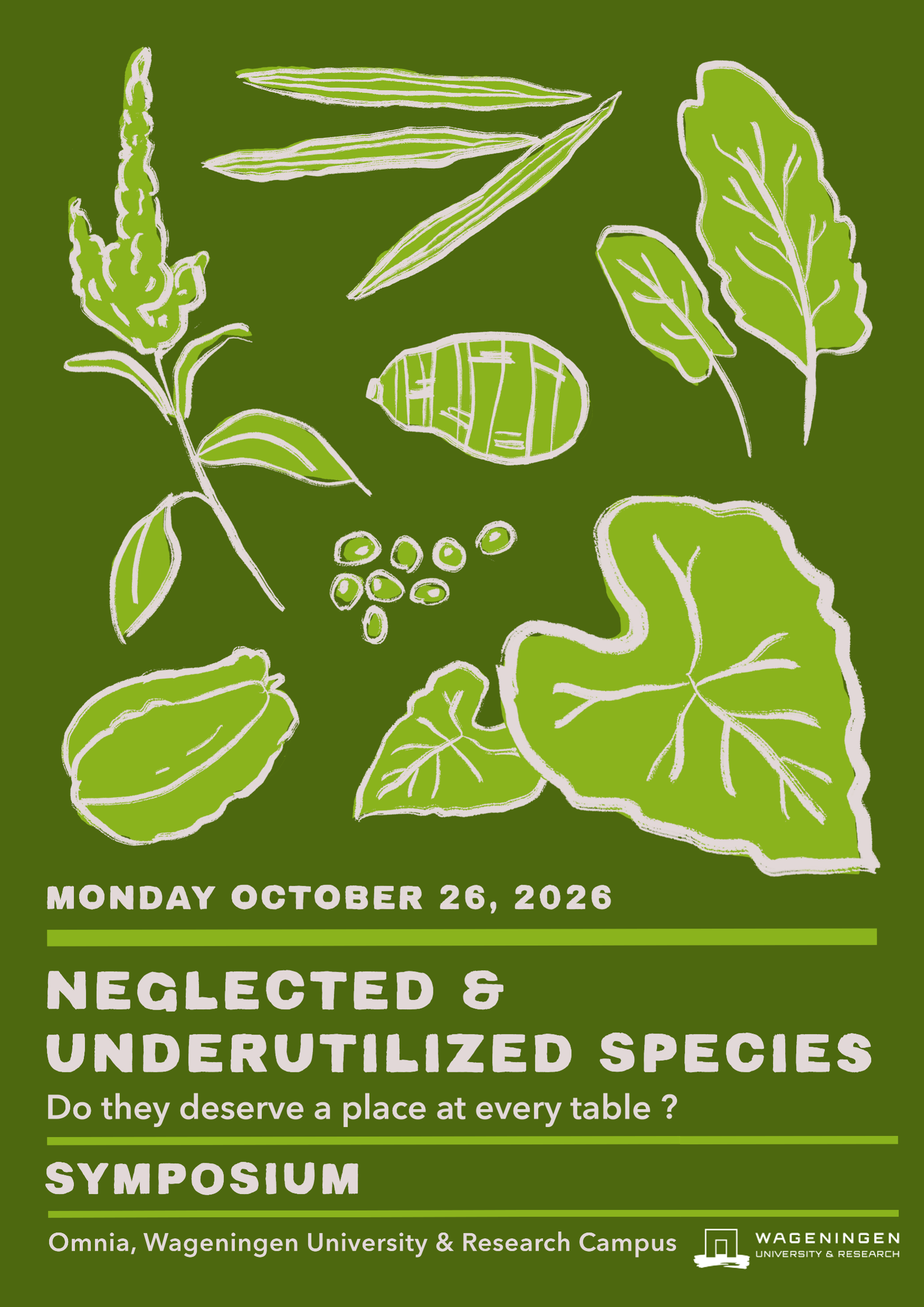
On 26 October 2026, Wageningen University & Research (WUR) organized a symposium on Neglected and Underutilized Species (NUS) at the Omnia conference centre in Wageningen, the Netherlands. The event brought together researchers, chefs, nutrition specialists, ethnobotanists and food-system experts to explore the potential of indigenous and traditionally cultivated crops, trees and animal species to contribute to healthier diets, agricultural biodiversity and more sustainable food systems.
The symposium addressed a fundamental challenge: despite their importance in local food cultures and traditional agricultural systems, many species remain overlooked in research, agricultural policies and commercial markets. The programme examined how scientific research, culinary innovation, indigenous knowledge and consumer engagement can help bring these foods back into mainstream food systems.
From forgotten crops to culinary innovation
The symposium opened with remarks by Professor Alida Melse, Chairholder of Global Nutrition at Wageningen University & Research, followed by a panel discussion entitled

The panel featured Wisdom Abiro, Head Chef at the Ghana Food Movement; Emile van der Staak, chef at the Michelin-starred restaurant De Nieuwe Winkel in Nijmegen; and Wouter van Eck, a Dutch food forest pioneer.
The session explored the role of chefs and culinary innovation in making neglected species attractive and accessible to consumers. Restaurants and food entrepreneurs can help create demand for unfamiliar ingredients by introducing new recipes, demonstrating their culinary qualities and connecting traditional foods with contemporary dietary preferences.
Indigenous knowledge, markets and the politics of forgotten foods
Dr. Emma McDonell, University of Tennessee and author of The Quinoa Bust: The Making and Unmaking of an Andean Miracle Crop, presented a session on the cultural and economic politics of neglected species, drawing lessons from the international commercialization of quinoa.
The presentation raised important questions about how global demand for traditional crops can create economic opportunities while also generating challenges concerning equity, cultural heritage and the distribution of benefits along value chains.

Dr. Patrick Maundu, ethnobotanist at the National Museums of Kenya and the Kenya Resource Centre for Indigenous Knowledge (KENRIK), addressed the revitalization of botanical and cultural heritage. His contribution highlighted the importance of traditional knowledge, local communities and cultural identity in conserving and promoting indigenous food species.
Diversifying diets for better nutrition and biodiversity
The afternoon programme focused on the relationship between agricultural biodiversity and healthy diets.
Professor Baukje de Roos, University of Aberdeen, and Dr. Corné van Dooren, Wageningen University & Research, addressed the biodiversity of diets and its implications for sustainable nutrition.
Dr. Mathieu Ayenan, vegetable breeder at the World Vegetable Center in Benin, presented Diversifying Healthy Diets through Neglected and Underutilized Species, focusing on the potential of lesser-known vegetables and crops to improve dietary diversity and strengthen food systems.
Together, these sessions explored the opportunities for integrating a wider range of species into agricultural production, food environments and dietary recommendations.
Interactive discussions on six priorities
The symposium included six thematic roundtables, each addressing a specific dimension of NUS promotion:
Culinary Perspectives on NUS – facilitated by Wisdom Abiro.
Climate, Youth and Biodiversity – facilitated by Erica Galanti, FAO.
Diversifying Crop Production – facilitated by Mathieu Ayenan and Wouter van Eck.
Governance and Indigenous Knowledge – facilitated by Emma McDonell.
Food Biodiversity and Health – facilitated by Baukje de Roos and Carl Lachat, Ghent University.

Storytelling and Consumer Acceptance of NUS – facilitated by Dan Saladino and Patrick Maundu.

These discussions provided opportunities to examine how research, policy, entrepreneurship and communication can contribute to greater recognition and use of neglected species.
Eating to Extinction: Why biodiversity matters

His presentation, Eating to Extinction: Why Biodiversity Matters, placed the symposium's discussions within the wider challenge of declining diversity in global food systems. The keynote focused on the importance of safeguarding disappearing foods, agricultural knowledge and culinary traditions as part of efforts to build more resilient and sustainable food systems.
Further information: Wageningen University & Research – Symposium on Neglected and Underutilized Species, 26 October 2026
Organizers: Dr. Kim Maasen, Dr. Corné van Dooren and Heleen Broekkamp, Division of Human Nutrition and Health; and Dr. Siera Vercillo, Public Administration and Policy Group, Wageningen University & Research.


No comments:
Post a Comment