

21–22 October 2026 | Ahmadu Bello University, Zaria, Nigeria
The Society for Underutilized Legumes (SUL) organised its 9th International Scientific Conference and Annual General Meeting, alongside its 8th National Stakeholders Summit. The events highlighted the potential of neglected and underutilized legumes to strengthen food and nutrition security, agricultural biodiversity, climate resilience and sustainable livelihoods across Africa.
Under the theme “Promoting Underutilized Legumes for Sustainable Agriculture and Food Security: Advances in Biotechnology, Value Chain Development and Climate-Smart Practices,” the conference brought together researchers, plant breeders, policymakers, farmers and agribusiness stakeholders. It was organised with the involvement of the National Agricultural Extension Research and Liaison Services (NAERLS), Ahmadu Bello University (ABU) and the Genetic Resources Center of the International Institute of Tropical Agriculture (IITA).
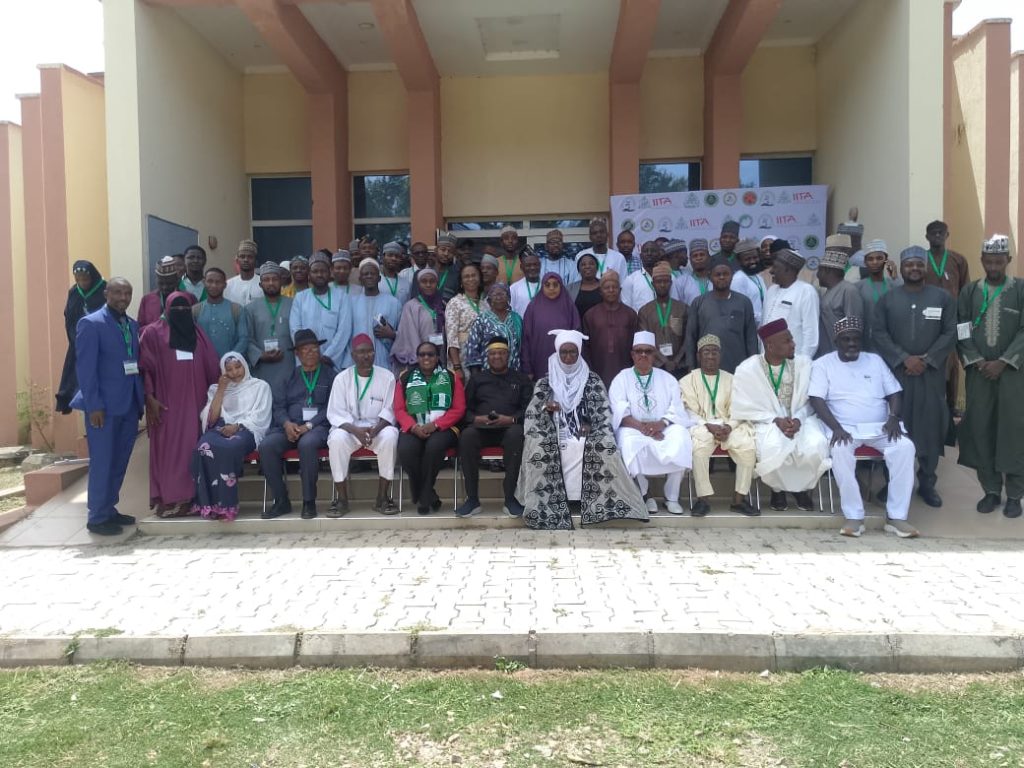
Opening the conference on behalf of ABU Vice-Chancellor Professor Adamu Ahmed, Deputy Vice-Chancellor Professor Raymond B. Bako emphasised the importance of interdisciplinary partnerships connecting scientific discoveries with farmers' needs, consumer preferences and commercial opportunities.
The keynote speaker, Dr Juliana Cheboi, Senior Lecturer in Plant Breeding and Biotechnology at the University of Nairobi, Kenya, highlighted the importance of combining genetic diversity, farmers' traditional knowledge, nutrition, entrepreneurship and climate resilience. She advocated identifying priority species and varieties together with farming communities, taking into account local ecological conditions and market demand.
Particular attention was given to Bambara groundnut, African yam bean and other indigenous legumes, which offer valuable nutritional benefits, contribute to soil fertility through biological nitrogen fixation and provide opportunities for diversifying African farming systems. However, their wider adoption remains constrained by insufficient research investment, limited access to quality seeds, inadequate processing facilities and weak market linkages.
The conference also provided an opportunity for the Institute for Agricultural Research (IAR) to showcase agricultural technologies and research innovations, while encouraging stronger collaboration between scientists, farmers, entrepreneurs and policymakers.
The discussions were highly relevant to GFAiR's Collective Action on Forgotten Foods, which promotes neglected and underutilized species through research partnerships, market development, youth entrepreneurship and stronger links between science and farming communities. The Society for Underutilized Legumes, established in 2016 at IITA, represents a valuable scientific network for advancing these objectives and expanding research collaboration across Africa.
The central message was that unlocking the potential of underutilized legumes required more than crop improvement alone. It called for integrated investments in research, seed systems, processing, market development and farmer-led innovation to transform these overlooked crops into viable contributors to sustainable African agrifood systems.


No comments:
Post a Comment