The Agricultural Public Development Bank (Agri-PDB) Platform organised a webinar on 28 October 2026 entitled “Financing the Agroecological Transition: Practical Pathways for Agricultural PDBs.” The event brought together public development banks, agroecology specialists and technical partners to explore practical approaches for financing sustainable, resilient and inclusive agrifood systems.
Building on previous discussions of the Agri-PDB Platform's Agroecology Working Group, peer-to-peer exchanges and specialised training programmes, the webinar focused on translating agroecological principles into concrete financing strategies. Particular attention was given to the experiences of agricultural development banks in adapting financial instruments, assessing agroecological investments and addressing the risks and challenges faced by farmers transitioning towards more sustainable production systems.
Speakers and institutional perspectives
Oliver Oliveros, Executive Coordinator of the Agroecology Coalition, bringing a global perspective on financing agroecological transformation.
Peter Chipeta, Head of Enterprise Development at the Malawi Agricultural and Industrial Investment Corporation (MAIIC), representing the experience of an African development finance institution.
Charuwan Satthakun, Director of the Office of Foreign Affairs at Thailand's Bank for Agriculture and Agricultural Cooperatives (BAAC), contributing an Asian perspective on agricultural finance.
Olivier Claude Pierard, Agroecology Expert and Agri-PDB Platform Consultant, providing technical expertise on assessing and financing agroecological investments.
From agroecological principles to investment decisions
The webinar formed part of the Agri-PDB Platform's efforts to strengthen the capacity of financial institutions to support agroecological transitions. These efforts included practical training on financing instruments, risk management and tools for assessing agroecological performance, such as FAO's Tool for Agroecological Performance Evaluation (TAPE), Biovision's agroecology assessment tools and the Agroecology Coalition's assessment framework.
The event followed the April 2026 agroecology and climate finance training in Morocco, which brought together representatives of public development banks and financial institutions from several African countries. This training combined technical sessions, field visits and exchanges on financing sustainable agricultural enterprises and cooperatives.
8 October 2026 | Online Webinar | GFAiR – EFARD – HSWT. Making Biopesticides Work: Connecting Regulation, Scientific Evidence and Sustainable Pest Management.
The webinar brought together two complementary research perspectives, examining how regulatory conditions and field-level effectiveness influence the development, commercialisation and adoption of biopesticides.
Krishna Gondaliya (HSWT) presented “Context-dependent effectiveness of biopesticides in field crop systems and implications for sustainable pest management: a structured evidence review.” The presentation examined how biopesticide performance varies across agricultural environments and field conditions. Unlike conventional approaches that assess efficacy under standardised experimental conditions, the review emphasised the importance of understanding the contexts in which biopesticides deliver reliable results. The review provided a basis for considering how scientific evidence can inform product development, farmer recommendations and the integration of biopesticides into sustainable pest-management strategies.
Dr Emmanuel Tetteh Jumpah (EFARD/HSWT) presented “Why Biopesticide Regulation Matters Globally,” drawing on a 2026 multi-stakeholder expert survey covering Europe, Asia, Sub-Saharan Africa, North America and the Middle East.
The survey examined the legal and regulatory frameworks governing biopesticides and identified several major challenges:
Unpredictable approval timelines and administrative inefficiencies that delay market access.
Regulatory requirements that may impose disproportionate burdens on lower-risk biological products.
Limited technical and institutional capacity for evaluating and registering biopesticides.
Barriers faced by small and medium-sized enterprises (SMEs) developing innovative biological pest-control products.
Insufficient regulatory harmonisation and mutual recognition across countries and regions.
Regulatory frameworks that do not always reflect local agricultural conditions and practical implementation needs.
The presentation explored the importance of proportionate, risk-based regulatory approaches that maintain safety and efficacy standards while facilitating innovation, investment and access to biological pest-management solutions.
Connecting regulation, research and agricultural practice
A moderated panel discussion and question-and-answer session brought together the two perspectives, exploring how regulatory systems, scientific evidence and local agricultural conditions interact. The central message was that biopesticides cannot be scaled successfully through technological innovation alone. Their effective deployment requires coordinated efforts involving researchers, regulatory authorities, agricultural extension services, private-sector developers and farmers.
Reliable field evidence can strengthen regulatory decision-making, while more predictable and proportionate regulatory procedures can encourage investment and facilitate access to effective biological products.
Resource:
Biosolutions in Afro-Eurasian Agriculture: Institutional Conditions for Scaling Biopesticides and Biofertilizers. A Technical Report for Policymakers, Regulators and Development Partners. Prepared from a thirteen-country comparative review and the EFARD/GFAiR/CAAE webinar of 21 July 2026. 11 p.
SADC (2025) Harmonized Guidelines for the Registration of Biopesticide Products and Biological Control Agents in Southern Africa, May 2025 42 p.
The draft SADC Biopesticide Guidelines promote safer alternatives to chemical pesticides, but their regulatory framework largely reproduces the conventional pesticide industry model, potentially replacing chemical inputs with proprietary biological inputs without transforming agricultural practices. QUESTION: Should Guidelines not try to explicitly establish a proportionate, risk-based regulatory pathway for farmer-produced, locally manufactured and non-proprietary biopesticides, including simplified testing, affordable or waived fees, recognition of traditional knowledge and publicly funded registration support?
CSA, FWA-UAW and AgriCord organise two days in Belgium exploring how farmers' organisations can help build credible, accessible and sustainable bio-input systems, from the laboratory and the field to business models and policy.
Bio-inputs are a key lever for accelerating the transition towards more agroecological, regenerative and resilient agricultural systems.
By helping restore soil fertility, improve crop health, reduce dependence on synthetic inputs and strengthen farmers' autonomy, they offer new ways to combine productivity, sustainability and resilience in the face of climate and economic pressures.
Bio-inputs (biofungicides, bioinsecticides, bioherbicides, biostimulants and compost) naturally emerge as an avenue worth exploring.
Farmers' organisations (FOs) have a central role to play in this transition: through experimentation, production, services to farmers, the dissemination of innovations, and dialogue with public and private stakeholders.
Related:
The South African Bioproduct Organisation (SABO) was established in 2013 as a brainchild between the Department of Agriculture, Forestry and Fisheries (DAFF), various Universities and research institutions as well as the bioproduct industry to improve the standards of bioproducts in the market in order to protect both the market and the end users.
The purpose of SABO is to develop the agricultural bioproduct industry in South Africa and to regulate the activities of participants in accordance with high ethical and science-based standards.
SABO’s official membership directory lists several companies that operate internationally in agricultural biological products, crop protection and bioproducts, such as: Bayer, Corteva Biologicals, Syngenta, UPL OpenAg., Koppert Biological Systems, Lallemand Plant Care, Rizobacter, Suterra.
Related:
The International Centre for Genetic Engineering and Biotechnology (ICGEB) undertakes research, capacity development and technology transfer to advance the development and adoption of biopesticides and biofertilizers, particularly in Africa. Its Biopesticides Research Group in Cape Town, led by Dr Dennis Obonyo Ndolo, focuses on microbial biological control, integrated pest management and regulatory harmonisation.
Through its Southern Africa Biopesticides Project (2021–2024), ICGEB supported six SADC countries—Botswana, Mozambique, South Africa, Tanzania, Zambia and Zimbabwe—in strengthening regulatory frameworks, developing regional registration guidelines and exploring biopesticides to reduce chemical pesticide residues in agricultural products. Its B-INOC AFRICA initiative, supported by the Italian Government, promotes research, innovation, entrepreneurship and commercialization of microbial bioinoculants, including biopesticides and biofertilizers. ICGEB also collaborates with FAO and other international partners on agricultural biotechnology, biosafety and biological crop protection.
The workshop on Advancing Regulatory Harmonisation and Biopesticide Innovation in Africa brought together 293 participants (82 in person; 211 joining virtually) from 23 countries.
Participants included regulatory professionals, researchers, industry experts, and policymakers.
The objectives of the workshop were to provide participants with a comprehensive insight into
Africa’s regulatory landscape for biopesticides, facilitate the identification of gaps and challenges
impeding biopesticide research and development, and harmonisation of regional and continental
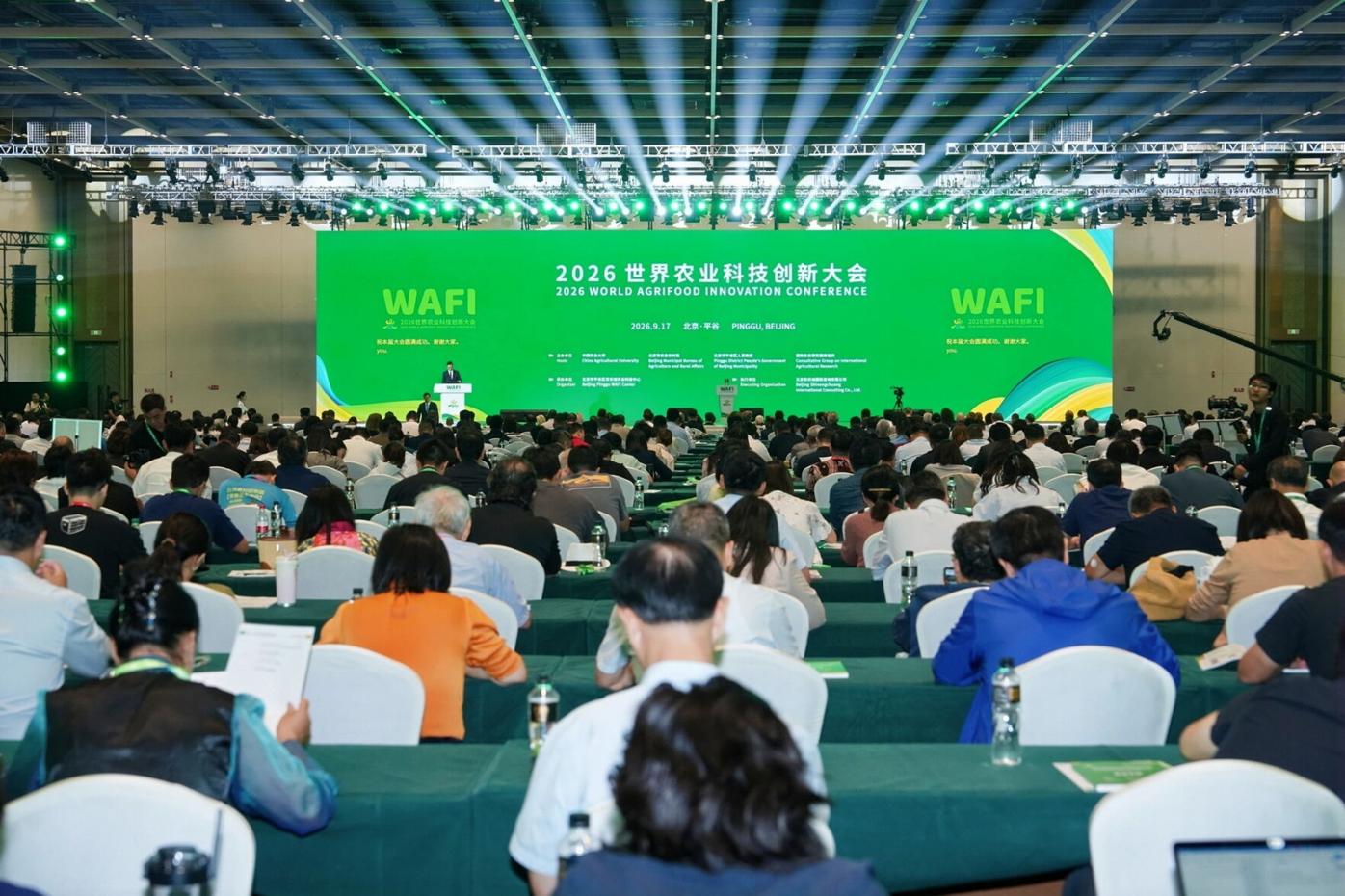
17–19 September 2026, Pinggu, Beijing, China. The World AgriFood Innovation Conference (WAFI 2026) brought together the global agricultural innovation community in , under the theme “Green and Healthy Transformation of Agrifood Systems.”
WAFI positioned innovation as a key driver for making agrifood systems healthier, more resilient, inclusive and sustainable. The conference is conceived not simply as an annual event, but as a platform for continuing collaboration among governments, research and academia, industry, practitioners and other actors working on food security, climate change and sustainable development.
The 2026 conference was jointly hosted by China Agricultural University, the Beijing Municipal Bureau of Agriculture and Rural Affairs, the People’s Government of Pinggu District, and CGIAR. The programme combined plenary and thematic discussions with parallel sessions, side events, innovation showcases and the World AgriFood Technology Expo, creating opportunities to connect scientific advances with policy, investment, entrepreneurship and practical application.
Innovation across the agrifood system
Reflecting the breadth of agrifood transformation, WAFI 2026 addressed topics including artificial intelligence and digital technologies, smart agriculture, future foods, nutrition and health, livestock and aquaculture, biotechnology, policy and governance, resilience and sustainability, smallholder agriculture and green finance. This broad agenda underscored that transforming agrifood systems requires more than increasing agricultural productivity: technological innovation needs to connect with environmental sustainability, human health, viable businesses and effective institutions.
16 + 17/09 AI-Driven Global Agrifood Transformation
Watch the recording here of 17/09: AI-Driven Global Agrifood Transformation
Digital innovation featured prominently. Discussions on AI and agriculture examined how emerging technologies can support agricultural modernisation and smallholder development, while other sessions explored remote sensing and the digital transformation of land and agricultural management. At the same time, the programme gave attention to regenerative agriculture, illustrating the growing interest in approaches that combine agricultural production with restoration of soils and ecosystems.
This session asked a very practical question: whether AI can actually help farmers make better decisions rather than simply produce increasingly sophisticated models. Digital Green presented farmer-facing digital extension approaches. The discussion stressed that reaching farmers digitally is only the starting point; the larger challenge is converting AI-generated information into usable agricultural decisions.
Yvonne Pinto, Director General, International Rice Research Institute (IRRI) – moderator
Silvia Maria Fonseca Silveira Massruha, President, Embrapa Solos
Liu Jie, Chair Professor and Dean, Institute of Artificial Intelligence, Harbin Institute of Technology
Rikin Gandhi, Co-founder and CEO, Digital Green.
17/09 Transforming the Food Industry for Healthy Diets and Better Nutrition
Watch the recording here of 17/09: Transforming the Food Industry for Healthy Diets and Better Nutrition
Among WAFI's prominent nutrition voices was Shakuntala Haraksingh Thilsted, CGIAR Platform Director for Nutrition, Health and Food Security Impact and 2021 World Food Prize Laureate.
18/09 Protein Diversification and Dietary Transformation
Watch the recording here of 18/09: Protein Diversification and Dietary Transformation
The emphasis on a “green and healthy” transformation also placed nutrition and health firmly within the agricultural innovation agenda. Sessions included discussions around novel and future foods, nutrition, One Health and dietary innovation.
This session linked dietary diversity with diversification of the food and protein base. The forum explored how protein diversification can contribute to more nutritious, sustainable and resilient food systems, including the transition from technological breakthroughs to market adoption.
Francesco Branca, former Director of Nutrition and Food Safety, WHO
Mengshan Chen, Director, China National Food and Nutrition Advisory Committee
Shenggen Fan, Dean, Academy of Global Food Economics and Policy (AGFEP), China Agricultural University
Bruce Friedrich, Founder and President, Good Food Institute; and Nicole Wu, Chief Representative & Executive Director, ProVeg China, who moderated the high-level dialogue on industrialisation of novel proteins.
19/09 Coarse Grains, Whole Grains, and the Green and Low-Carbon Transformation of Agrifood Systems
Watch the recording here of 19/09: Coarse Grains, Whole Grains, and the Green and Low-Carbon Transformation of Agrifood Systems
On the final day, WAFI hosted a dietary-fibre innovation forum addressing Low glycemic index (GI) foods and prebiotics, while a One Health forum explored connections between agrifood systems and wider health governance.
19/09 China Africa Agricultural Science and Technology Industrial Cooperation Forum
Watch the recording here of 19/09: China Africa Agricultural Science and Technology Industrial Cooperation Forum
This session focused on a central challenge in China–Africa agricultural cooperation: how to move from scientific and technological innovation to adoption, commercialisation and impact at scale. Discussions connected agricultural research with technology transfer, institutional capacity, markets, private-sector investment and locally appropriate innovation ecosystems.
Antony Chapoto — Executive Director, ANAPRI. His contribution addressed the policy and institutional environment required for technology adoption, scaling and sustained private-sector investment in Africa.
Esther Van de Voort — Director, Innovation Portfolio & Ecosystem Partnerships, Yara International. She participated in the panel “From Technology to Market: Building Sustainable China–Africa Agricultural Innovation Ecosystems,” looking at how cross-border partnerships can accelerate technology commercialisation, market access and scalable agricultural impact.
Issa Ouedraogo — Senior Scientist, Climate Action, Alliance of Bioversity International and CIAT, and Country Representative in Senegal. He focused on connecting agricultural science and innovation with locally appropriate solutions and moving “from innovation to impact.”
19/09 Tropical Agriculture and South-South Cooperation
Watch the recording here of 19/09: Tropical Agriculture and South-South Cooperation
WAFI 2026 also highlighted the international character of contemporary agricultural research and innovation. Its partnership with CGIAR and engagement of international research, government and private-sector actors provided a space for linking China's agricultural science and innovation capacity with global research networks.
This session centred on two linked themes: “Green, Low-Carbon and Sustainable Transformation of Tropical Agriculture” and “Strengthening South–South Cooperation for a Green and Healthy Agricultural Future.” The forum examined how science, technology, investment, institutional partnerships and knowledge exchange can accelerate sustainable tropical agriculture, particularly across the Global South.
Feng Weizhe — Dean/Director, Sanya Institute of China Agricultural University; opening-session moderator. He presented the institute's work in tropical agriculture and overseas Science and Technology Backyards, including initiatives in Malawi and Brazil.
Ruben G. Echeverría (picture) — Senior Adviser, Agricultural Research for Development; opening remarks. He argued that South–South cooperation should evolve beyond one-way technology transfer toward long-term partnerships encompassing research, investment, business and innovation.
Shenggen Fan — Dean and Chair Professor, Academy of Global Food Economics and Policy (AGFEP), China Agricultural University; opening remarks. He highlighted a shift from individual projects toward institutionalised South–South partnerships, including joint funds, networks and working groups.
Sean de Cleene — Adjunct Professor, Singapore Institute of Technology; moderator of the keynote session. He proposed rapid “sprint” cooperation that brings research, finance, farmer training and private investment together around concrete bottlenecks.
Jiang Changshun — Chinese Academy of Tropical Agricultural Sciences (CATAS); keynote speaker. His contribution focused on international tropical-agriculture R&I cooperation, capacity building, germplasm, pest and disease management, technology transfer, standards and trade.
Simon Heck — Director General, International Potato Center (CIP); keynote speaker. He discussed the expansion of potato production into tropical Asia and Africa and the need to translate advances in breeding more rapidly into farmer-accessible solutions.
Lin Faqin — Professor, Academy of Global Food Economics and Policy, China Agricultural University; keynote speaker. He addressed agrifood-system resilience amid geopolitical conflict, input-price increases, trade restrictions and climate change, with particular attention to smallholders.
Conrad Rein — Secretary-General, Flagship Initiative for Global Food Security; keynote speaker. His presentation, “From Knowledge to Scaling: Advancing Resilient Tropical Agriculture through South–South Cooperation,” stressed connecting knowledge, partnerships and capital to take proven solutions to scale.
"Regional networks such as FARA, CORAF, ASARECA in Africa, APAARI in Asia, and FONTAGRO in LAC can connect local and global innovation. At the global level, CGIAR provides a trusted foundation for science-based partnerships with Chinese universities, academies of science, and other organizations represented at this conference."
Turn innovation to local contexts
The discussions in Pinggu ultimately reinforced a central message: green and healthy agrifood transformation depends on connecting technological innovation with ecological sustainability, nutrition, inclusive development and international cooperation. AI, biotechnology, regenerative agriculture and novel foods can provide new possibilities, but their contribution will depend on how effectively research institutions, farmers, businesses, governments and communities work together to turn innovation into solutions appropriate to diverse local contexts.
8 August 2026. Cotonou and Abomey-Calavi, Benin. The 17th World Social Forum (WSF) returned to Africa from 4 to 8 August 2026, bringing social movements, farmers’ organizations, civil society, researchers and activists from across the world to Benin.
The main programme included more than 200 self-organized activities and 12 thematic villages at the University of Abomey-Calavi, alongside activities in Cotonou, Ouidah and Porto-Novo.
Within this landscape, agroecology emerged as an important meeting point between debates on food sovereignty, climate justice, biodiversity, land and water, farmers’ rights and alternatives to industrial agriculture. Agroecology was explicitly included in the Forum's thematic axis on Ecological Crises, Climate Justice and Just Transition, which connected the defence of common goods—land, water, forests and biodiversity—with struggles against land grabbing and extractivism and with the promotion of peasant alternatives, agroecology and food sovereignty. The official programme associated this thematic area with dozens of activities and more than one hundred participating organizations.
The Agroecology village
The Agroecology Village provided a particularly relevant space for bringing these interconnected struggles together. Rather than presenting agroecology simply as a set of environmentally friendly agricultural practices, discussions across the Forum situated it within a broader transformation of food systems: strengthening farmers' control over seeds and natural resources, reducing dependence on hazardous pesticides and external inputs, protecting biodiversity and restoring local food systems. This approach also connected agroecology with the political dimensions of food sovereignty and farmers' self-determination.
Several activities reinforced this perspective. La Via Campesina organized discussions on peasant internationalism, including a session on the struggle for comprehensive agrarian reform and peasant agroecology as resistance. The programme emphasized that these struggles are rooted in the everyday realities and aspirations of farmers and rural communities. Another workshop, “Seeds of Resilience: Food Sovereignty and Agroecology,” organized by the World Council of Churches, focused specifically on farmer-led agroecology, seed sovereignty and alternatives to industrial agriculture.
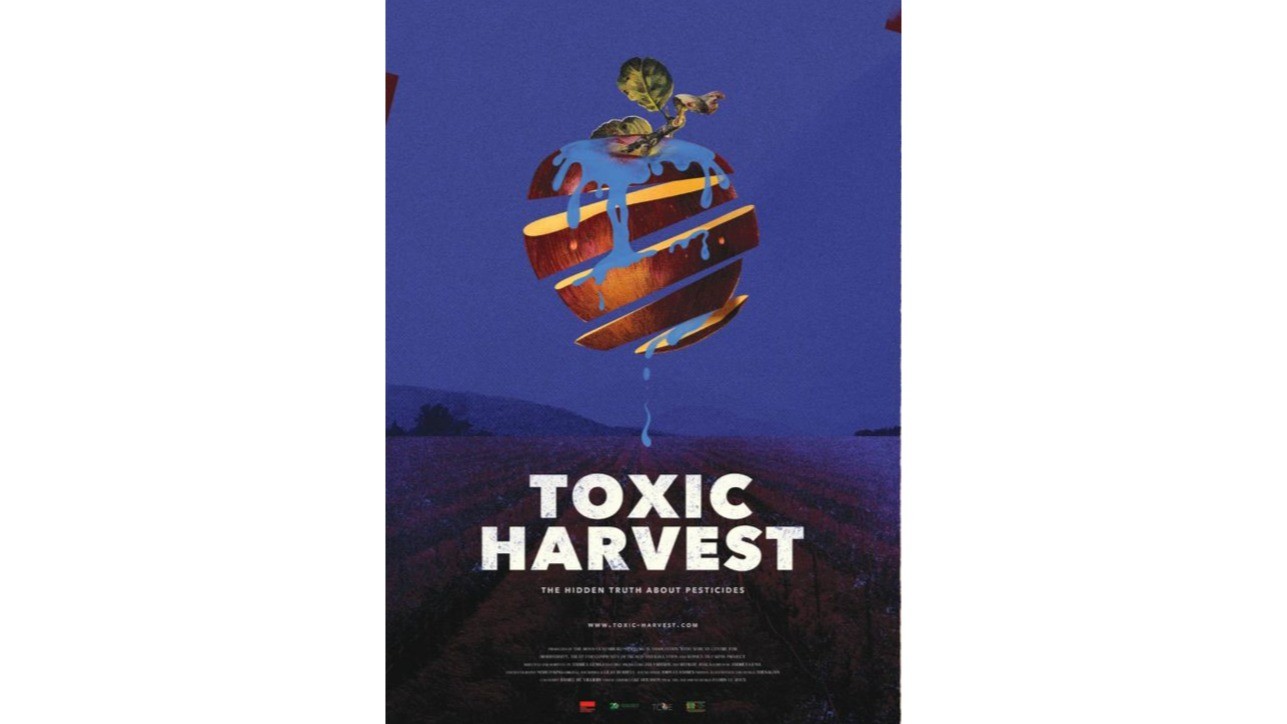
A second major thread concerned the health, environmental and social consequences of pesticide-dependent agriculture. The programme included the screening of the documentary Toxic Harvest followed by discussion, as well as sessions linked to the planned West African People's Tribunal on Pesticides.
The initiative, promoted by the Coalition for the Protection of African Genetic Heritage (COPAGEN) together with other West African civil-society organizations, brought together actors involved in agroecological transition and movements challenging the impacts of pesticides.
Several debates placed the transition away from hazardous pesticides within the larger struggle for farmers' rights, healthy food and ecological sustainability.
The Village also highlighted how agroecology cannot be separated from seed sovereignty and agricultural biodiversity. Farmers' ability to conserve, exchange and develop their own seeds is central both to resilience and to maintaining locally adapted crops and varieties. This has particular significance for Africa's neglected and underutilized species (NUS), traditional crops and indigenous foods, many of which are well adapted to local environments but remain marginalized by agricultural research, markets and policies. Bringing agroecology together with seed sovereignty therefore opens opportunities to reconnect biodiversity conservation with nutrition, local food cultures, climate adaptation and rural livelihoods.
The Cotonou discussions also showed the importance of linking agroecological production to the rest of the food value chain. One Forum session addressed food self-sufficiency from production through processing and regional and international trade to supportive public policies, bringing together farmers, ecological initiatives and women food processors. Such discussions are important because agroecological transformation cannot succeed through changes at farm level alone: processing, markets, consumer demand, public procurement, finance and supportive policies must enable farmers and small food enterprises to turn diversified production into viable livelihoods.
More broadly, the Agroecology Village illustrated why the World Social Forum remains an important space for connecting movements that often work separately. Climate justice, farmers' rights, seed diversity, women's empowerment, youth engagement, food sovereignty, biodiversity and the struggle for land and water all converge in agroecology. The Cotonou Forum therefore helped frame agroecology not simply as an agricultural technique but as a pathway towards more democratic and locally rooted food systems in wh
ich farmers and communities have greater influence over the resources, knowledge and markets on which their livelihoods depend.
The significance of Cotonou lies precisely in this convergence. The Forum's message—“Another world is possible”—found a concrete expression in agroecology: alternatives already exist in farmers' fields, community seed systems, women's processing enterprises, indigenous knowledge and local food markets.
The challenge after Cotonou is to connect these experiences more systematically with agricultural research and education, investment, supportive public policies and regional and global knowledge exchange, so that agroecology can move from successful local initiatives towards transformation at scale.
Interview
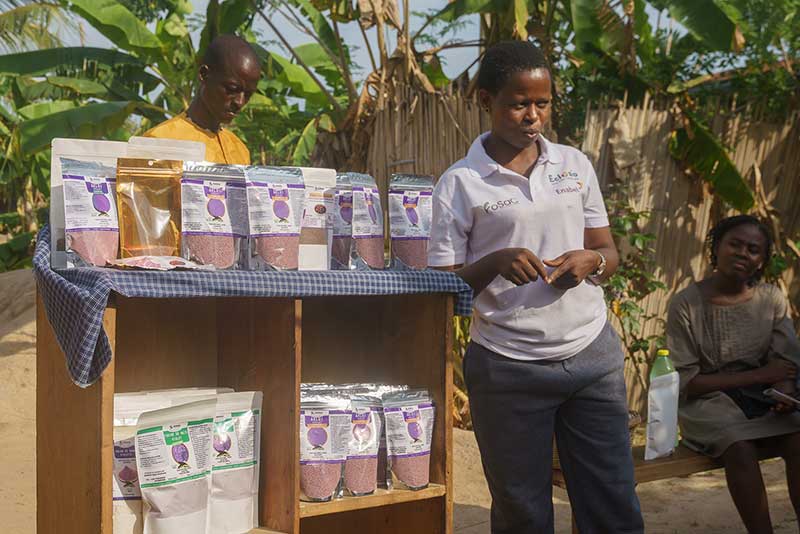
Sawah Agro Business is a Beninese agricultural enterprise led by Adèle Gogoe, specializing in the agroecological production and processing of certified organic purple corn grown mainly in the Atiémé region and the Mono Delta Biosphere Reserve.
Supported by the Delta Mono project, this innovative initiative promotes a maize variety recognized for its nutritional qualities and health benefits.
There is a diverse range of processed products, including purple maize flour, dried *aklui*, couscous, and maize grain.
As an active member of Benin’s National Network for Agroecological, Organic, Participatory, and Fair Initiatives (ReNABIO), the promoter employs farming practices certified under the Participatory Guarantee System (PGS), thereby demonstrating the economic and environmental potential of organic farming in the region.
Product Presentation
Adèle heads the CCPMA (Communal Cooperative of Maize Producers) and the company Sawa Agrobusiness, both specializing in purple maize from Benin that holds PGS (Participatory Guarantee System) organic certification. This maize is valued for its superior nutritional properties—specifically its high iron, zinc, and antioxidant content—as well as its ability to help regulate high blood sugar levels. The range of processed products includes:
Plain flour and purple flour for pasta and cakes.
Smooth porridges.
Gluten-free couscous.
Operational Challenges
Adèle highlights several major obstacles to the development of agroecology and the marketing of purple maize. The primary barrier is consumer purchasing power; consumers tend to favor cheaper conventional products despite the associated health risks. Significant work remains to be done to raise awareness about the nutritional benefits.
Productivity and Yield: Productivity has improved thanks to the Delta Molo project, conducted with the support of Enabel in the Mono Delta Biosphere Reserve.
Prior to 2023, the yield was 800 kg per hectare.
It currently stands at 1,400 kg per hectare. However, this figure remains lower than the 2 to 3 tonnes per hectare achieved by conventional producers, keeping the selling price high.
Future Needs
The goal is to increase yields to make purple maize more affordable for the general population. Adèle is calling on stakeholders in the agroecology sector for support to overcome these technical and economic challenges. How can the increase in yields be accelerated to reduce costs?
4–8 August 2026. As the World Social Forum (WSF) 2026 gathers in Cotonou, Benin, one message is becoming increasingly clear: the future of food will be shaped not only in laboratories or boardrooms, but also in the fields, villages, and communities where people cultivate the land and protect local knowledge.
The Forum brings together thousands of activists, farmers, researchers, youth leaders, Indigenous communities, policymakers, and civil society organizations from more than 150 countries. Together, they are exploring practical solutions to some of the world's most pressing challenges—from climate change and inequality to food insecurity and environmental degradation.
Why Food Matters
Food is more than nourishment. It is culture, identity, livelihoods, health, and resilience.
Across Africa and around the world, communities are facing growing pressures from climate change, land degradation, rising food prices, biodiversity loss, and unequal access to resources. Smallholder farmers, who produce much of the world's food, are often among those most affected.
The World Social Forum provides a platform to ask an essential question: How can we build food systems that nourish both people and the planet?
Growing the Food Future
The answer emerging from Benin is rooted in food sovereignty—the idea that communities should have the right to define their own food systems, protect their seeds, and manage natural resources sustainably.
Throughout the Forum, participants are sharing experiences in:
Agroecology and regenerative farming
Indigenous and local seed preservation
Climate-resilient agriculture
Youth leadership in farming
Women's empowerment in food production
Community-led land and water management
Local markets and fair food economies
These discussions are not simply theoretical. They showcase real-world solutions already transforming communities across Africa and beyond.
The West African Caravan is a grassroots mobilization that brings together farmers, youth, women, civil society organizations, and social movements from across West Africa to promote food sovereignty, climate justice, human rights, and sustainable development.
Traveling across multiple countries before major regional or global gatherings such as the World Social Forum, the caravan creates opportunities for communities to share local solutions, celebrate cultural diversity, advocate for equitable public policies, and strengthen cross-border solidarity.
By connecting people through dialogue, learning exchanges, and collective action, the West African Caravan amplifies the voices of communities working to build resilient food systems, protect natural resources, and advance a more just and inclusive future for the region.
One of the Forum's greatest strengths is its ability to connect people across sectors and borders.
Farmers exchange ideas with scientists.
Young innovators meet experienced community leaders.
Civil society organizations collaborate with policymakers.
Together, they are creating partnerships that extend well beyond the Forum itself.
Growing the food future requires more than technological innovation. It demands policies that support smallholder farmers, investment in sustainable agriculture, protection of biodiversity, and food systems that are equitable, resilient, and locally driven.
6 Aug 2026 11:00 Conference hommage à Réné SEGBENOU - René Segbenou spent over thirty years fighting on fronts few dared to occupy: peasant seeds, GMOs, biosecurity
Co-organizers: The Food Bridge vzw, CFF Agroschooling Initiative, Ayonna , Global Forum on Agricultural Innovation and Research- GFAIR
This side event, organized by the Collective Action on Forgotten Foods (CAFF), places young people at the centre of the solution. Through inspiring examples, dialogue and collective reflection, participants will explore practical pathways for empowering the next generation to conserve, add value to, commercialize and promote forgotten foods while creating decent jobs, strengthening local economies and advancing food sovereignty.
27–30 July 2026. Abuja, Nigeria. Agricultural researchers, policymakers, farmers' organizations, private-sector leaders and development partners gathered for the 9th Africa Agriculture Science Week (AASW9) and the 10th Forum for Agricultural Research in Africa (FARA) General Assembly.
Under the theme of Innovations and Partnerships for Resilient and Sustainable Agrifood Systems in Africa,the conference programme addressed four interconnected sub-themes: emerging agricultural technologies and innovations; climate-resilient agrifood systems; nutrition, health and urban food systems; and enabling impact at scale through policies, financing, capacities, institutions and inclusion.
The programme included 25 side events and eight parallel or related sessions, with a cumulative attendance of 1,791 across the tracked sessions. Side events recorded 1,044 attendances, while parallel and other sessions attracted 747. An additional 312 participants joined selected sessions online. The exhibition brought together 35 exhibitors, including 20 national agricultural research institutes and federal colleges and 15 international and regional organisations.
Welcome Address: Dr. Adamu Abubakar Dabban, Executive Secretary, ARCN
Opening Remarks: Dr. Aggrey Agumya, Executive Director, FARA
Context Presentation: “The State of African Agri-food System: Harnessing Innovation and Partnership to Achieve CAADP-Kampala Targets”: Dr. Debisi Araba, Managing Director, Akademiya2063
Ms. Bongiwe Njobe, Chairperson of the FARA Board of Directors
Dr. Babafemi Oyewole, CEO, PAFO
Dr. Baboucarr Manneh, Director General, AfricaRice
Obai Khalifa, Deputy Director, GF Africa
Dr. Abebe Haile-Gabriel, Assistant Director General, FAO-RAF
HE Moses Vilakati, Commissioner, AUC-ARBE
Alhaji Idi Mukhtar Maiha, Honorable Minister of Federal Livestock Development
Abubakar Kyari CON, Honorable Minister of Agriculture and Food Security, Nigeria
Keynote Paper: “Innovation and Partnerships for resilient and sustainable agrifood systems in Africa.” - Dr. Simeon Ehui, Director General, IITA
28 July
Overview of Science & Partnership for Agriculture Conference (SPAC)
Dr. Irene Annor-Frempong, DRI Emeritus, FARA
SPAC Study: “State of Agricultural Research in Africa, highlights of key trends, challenges, and opportunities.” - presented by Dr. Emmanuel Njukwe, DRI, CORAF
Panel Discussion: “Optimizing Agricultural Research to Deliver CAADP-Kampala Outcomes at the Country Level”
Facilitator: Dr. Sylvester Dickson Baguma, ExeD, ASARECA
Prof. Paul Pinnock Bonsu, DG, CSIR-Ghana
Dr. Dumisami Kutywayo Okuku, Chief Director, DRSS Zimbabwe
Dr. Ahmed Elmekass, Director, AU-SAFGRAD
Prof. Maher Elmaghraby, VP Production, ARC Egypt Africa
Dr. Patrick Ketiem, DG, KALRO
Dr. Namukolo Covic, Head, CGIAR Liaison Office for Africa
Soil Health Panel: “Interphase of Science and Private Sector Partnerships for Restoration of Africa’s degraded Soil”
Prof. Jibrin Jibrin, SSSN
Dr. Kennedy Were, KALRO
Eng. Clement Asana, OCP Africa
Dr. Mel Oluoch, Sasakawa Africa
29 July Nigeria day
Keynote Address I: “Nigeria’s story of Science and Technology”Dr. Kingsley Tochukwu Udeh SAN, Hon. Minister of Innovation, Science and Technology
Keynote Address II: “Advances in Marine and Blue Economy in Nigeria” Adegboyega Oyetola, Hon. Minister of Marine and Blue Economy
Keynote Address III: “Advancing Nigeria’s Livestock Industry. Pushing the technologies that matter” Alhaji Idi Mukhtar Maiha, Hon. Minister of Federal Livestock Development
Keynote Address IV: “Progress on Agricultural Research in Nigeria. The change is here.” Senator Abubakar Kyari CON, Hon. Minister of Agriculture and Food Security
30 July: 10th FARA General Assembly
Opening Remarks by FARA Chairperson Mad. Bongiwe Njobe, Chairperson of the FARA Board of Directors
Synthesis of Outcomes of the 9th Africa Agriculture Science Week Prof. Wole Fatunbi, Ag. DRI, FARA
The Board’s Accountability reportMad. Bongiwe Njobe, Chairperson of the FARA Board of Directors
Highlights of the FARA Secretariat’s achievements over July 2023 – July 2026 Dr. Aggrey Agumya, Executive Director, FARA
Amendments to the Constitution and Governance Manual Mad. Elizabeth Nsimadala, Chairperson of the Nominations and Governance Committee of the FARA Board of Directors
Organised by the three Agroecology Regional Multi-Actor Research Networks (RMRNs - comprising RMRNEA, RADIUS in West Africa, and RAENS in Southern Africa), FARA, the Regional Universities Forum for Capacity Building in Agriculture (RUFORUM), the Research Institute of Organic Agriculture (FiBL) in the framework of the GIZ-led Knowledge Centre for Organic Agriculture and Agroecology in Africa (KCOA) and RAENS projects, the Joint Research Centre of the European Commission (JRC) and other relevant stakeholders.
Set up of the Agroecology Regional Multi-Actor Research Networks (RMRNs) in Africa:
Continental: Dr. Kwaku Antwi, FARA
East Africa: Dr. Frank Chidawanyika, ICIPE
Southern Africa: Dr. Sedera Norotiana Rasambo, CCARDESA
West Africa: Dr. Fructueuse Ouidoh Agbodjogbe, CORAF/UCAD
Presentation of 10 RMRN Agroecology Studies/Methodologies
Moving beyond productivity means placing equal emphasis on innovation, entrepreneurship, research translation, strategic partnerships, responsible resource management and evidence-informed policymaking. These interconnected pillars are essential for building agrifood systems that are economically competitive, environmentally sustainable and socially inclusive.
The central objective of 2026 Biennial CSA Stakeholders Conferences was to establish the current state of CSA in Africa and the imperatives for agroecology transition, biodiversity conservation, and soil health on the continent.
The central objective of this session was to develop practical, bankable pathways for African countries to invest in and implement SIA and AFSH-AP at scale.
Designing Bankable Soil Health Investment Pathways in Africa Anthony Chapoto, ANAPRI
Country Case Presentation
“Practical Implementation Experiences & Financing Pathways”
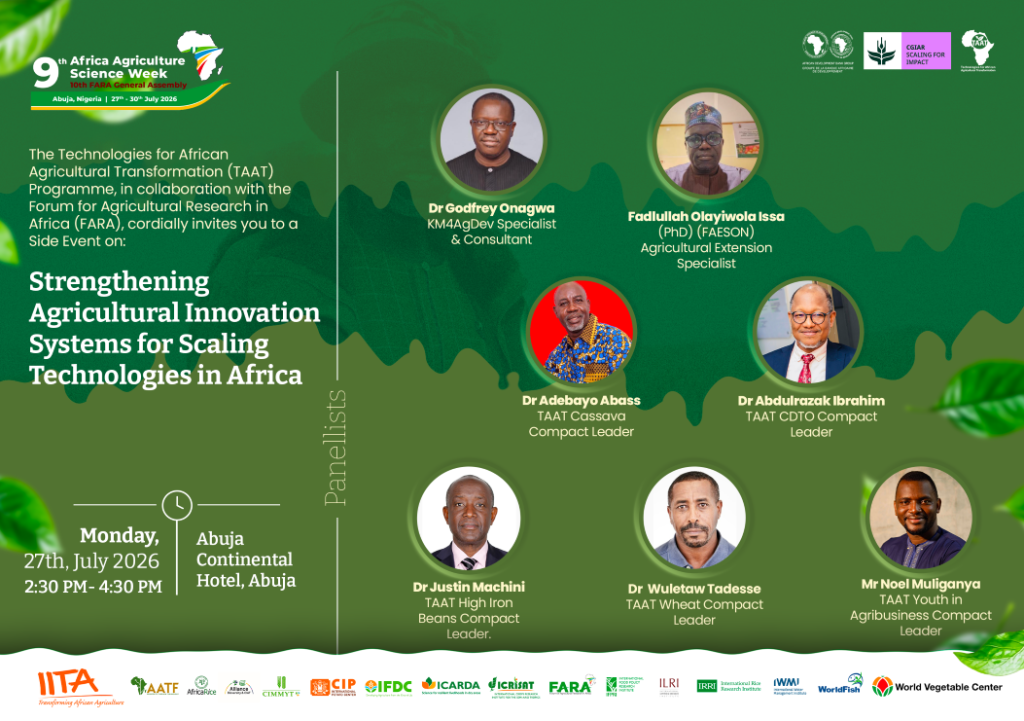
The Technologies for African Agricultural Transformation (TAAT) Programme, established by the African Development Bank (AfDB) under the Feed Africa Strategy, was designed to accelerate the deployment and scaling of proven agricultural technologies capable of transforming productivity, strengthening resilience, improving food and nutrition security, generating employment and reducing poverty.
This event showcased AI-enabled digital extension initiatives, including the Nigeria Public Private
Partnership AI-enabled Digital Advisory Platform (NPPP AI-DAP) and the AFAAS
AIEnabled Digital User Platform, as scalable models for Africa.
Keynote address — “The Future of AI-Enabled Extension and Advisory Systems in Africa”: Dr Godwin Atswer – Sasakawa Association Africa
Digital Public Infrastructure (DPI) — How continental stakeholders coordinate on DPI solutions to reduce fragmentation and build toward scale and adoption.
National government — Ayodele Olawunmi, Director, Federal Dept of Agricultural Extension Services, Federal Ministry of Agriculture, Nigeria
Digital innovation & agritech — Tajudeen Yahaya (CEO, Extension Africa); Dev Afrique; Aisha Hadejia (Sahel Consulting Partner)
Farmer organisations — Representatives from Nigeria and SSA countries, NIFAAS
AI ethics & digital governance — Chika Oke (DOA Law); Representative, NITDA, Bashira Hassan (Africa Practice)
The Pan-African Network for Economic Analysis of Policies (PANAP) members, through the
StEPPFoS Project have undertaken a range of policy studies which address priority areas aligned with the evolving CAADP agenda. These priority areas include sciencepolicy interface, climate resilience, agricultural research financing, regional trade, and inclusive agrifood systems. These studies are aimed at supporting countries to domesticate the Kampala CAADP Strategies to achieve the Agenda 2063.
Topic 1: Using political economy tools to shape regional agricultural policy: A Co-lab Approach Dr. Koen Dekeyser, ECDPM
Topic 2: Data-Driven Policy Insights for CAADP: Evaluating AfCFTA Effects on AgriFood Systems and Food Security in Côte d’Ivoire Dr. Souleymane Diallo, CIRES
Topic 3: Building Sustainable and Synergistic Evidence Informed Policy Ecosystems in East and West Africa: Addressing Alignment Gaps Between the CAADP and Ghana’s National Agricultural and Food System Policies (CSIR-STEPRI) Dr. Gordon Akon Yamga, CSIR-STEPRI
Panel Discussion: “Translating Evidence into Policy Action for Food System Transformation in Africa”
Mr. Patrick Kojo Ofori, Deputy Director in Charge of M&E(Former) & Currently National Project Coordinator of PROSPER
Prof. Joseph Kieyah, Deputy Director, KIPPRA
Dr. Dora Siliya, Fmr. Minister of Agriculture, Zambia
Dr Beatrice Egulu, Policy Officer, AUC-DREA
Dr. Emmanuel Njukwe, Director of Research & Innovation, CORAF
Dr. Moustapha GUEYE, Director General, ISRA
Abuja Roundtable: High-Level Ministerial Dialogue on Sustainable Financing for Agriculture Research, Development and Innovation (AR4D)
The establishment of Nigeria’s National Agricultural Development Fund (NADF) presents an important
opportunity to demonstrate how domestic financing mechanisms can support long-term agricultural
transformation.
Strengthening Gender-Responsive Agricultural Policy through the AWARD–GRASP Fellowship
The Gender Responsive Agriculture Systems Policy (GRASP) Fellowship, an initiative of the African Women in Agricultural Research and Development (AWARD) and supported by theUnited States Agency for International Development (USAID), aims to accelerate the development and implementation of gender-responsive agricultural policies across Africa.
The Side Event on Farmer-centered Action Research and Development for Sustainable Food Systems Transitions in
Africa was jointly convened by:
1. The Forum for Agricultural Research in Africa (FARA)
2. Research Institute of Organic Agriculture (FiBL) in partnership with the Knowledge Centre for Organic
Agriculture and Agroecology in Africa (KCOA) project
3. AGRICORD
4. Network of Organic Agriculture Researchers in Africa (NOARA)
Participatory research in organic and agroecology –
insights from Sustain Sahel and SysCom (Mother-BabyTrials)
Dr. Harun Cicek and Dr. Milka Kiboi - FiBL
Applied research for biofertilizer
applications/agroecology
Patrick Mwizero – CAPAD (Burundi)
Panel:
Moderated by AGRICORD Katja Vuori
Action research in and commercialising of agroforestry Kastory Timbula (TTGAU - Tanzania) - FORI
Project
Farmer Field Schools as innovation platforms on
sustainable agriculture and farmer managed seed
systems
Community Technology Development
Organization (CTDO) and MASAP Project,
Zimbabwe
The policy environment on sustainable agri-food
systems in Africa – enablers and inhibitors
Food, Agriculture and Natural Resources Policy
Analysis Network (FANRPAN)
Action research and processing in agroecology –
sunflower value chain
Damian Sulumo/Frank Ademba -
(MWIWAARUSHA-We Effect) – FORI Project
How to scale agroecology and organic messages
through Multipliers – experiences from the KCOA
project
Khaoula Mokrani (KCOA-KHNA) (with insights
from Francis Nsanga (KCOA-KHEA) and Georges
TADJIOTIO NGOUGNI (KCOA-KHCA)
Organic and agroecology data, statistics, and knowledge management – the African context Markus Arbenz – FiBL and KCOA; Jude Obi – Oyo University, Nigeria, and KCOAKHWA
Implications of farmer-centred research approaches and outcomes to PAFO and AfrONet members – some reflections PAFO and AfrONet
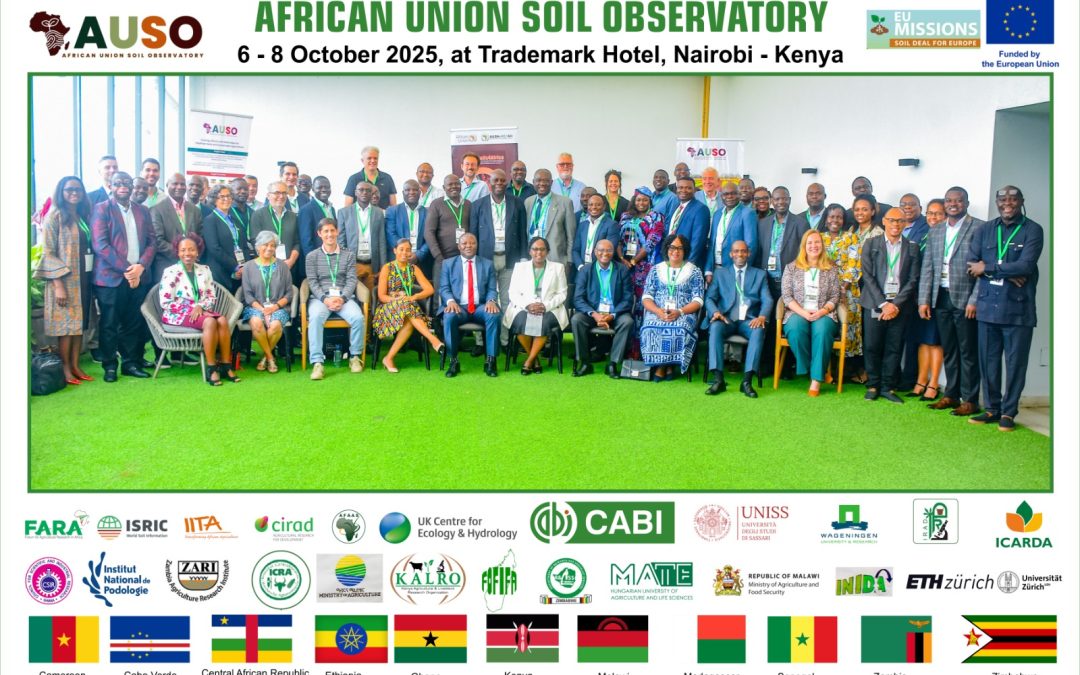
Soil Intelligence for Climate-Resilient Agrifood Systems in Africa: The Role of the African Union Soil Observatory (AUSO)
FARA, together with African, European and International partners, is implementing the African Union Soil Observatory (AUSO) project under the Horizon Europe Mission Soil Programme fully funded by the European Commission. AUSO aims to establish a continental soil observatory and digital soil intelligence platform, including a soil health dashboard, to support harmonized soil information systems, strengthen evidence-based decision-making, improve soil health monitoring, and promote sustainable and climate-resilient agrifood systems across Africa.
The Modelling Pathways for a Sustainable and Agroecological Transition of Food
Systems in Africa (MoSAFS) project supports the transition to agro-ecological, climate resilient food systems in Africa by providing data-rich models and a
science-policy interface for decision-makers. The first phase (April 2025 – April 2026)
identified existing foresight studies and highlighted the need for multi-scale analysis
(farm level and country level), based on three case studies in Senegal, Kenya and
Mozambique, which are at different stages of national agro-ecological vision
development.
Kwaku Antwi FARA
Astou Camara ISRA-BAME (Institut Sénégalais de Recherches Agricoles - Bureau d'analyses macro-économiques)
Beatrice Egulu African Union
Guy Faure CIRAD / DeSIRA LIFT+
Lisa Fuchs Alliance of Bioversity International and CIAT
Alex Mutungi Biovision Africa
Martin Oulu ISFAA (Intersectoral Forum on Agrobiodiversity and Agroecology)
Pascal Tillie Joint Research Centre – European Commission
In understanding the Agroecological transition responsive extension approaches (ATREA), the
ATREA project identified successful agroecological transition responsive extension approaches
that are user centric, and enhance smallholder’s participation in the agri-food system
transformation. The CANALLS initiative for example, leverages this to demonstrate an integrated
approach to promoting agroecological transitions in the humid tropics of Central and Eastern
Africa through multi-actor transdisciplinary Agroecology Living Labs that facilitate co-creation, participatory research, innovation testing,capacity strengthening for the uptake of the agroecological practices and policy engagement. Similarly, the GPSAEP initiative has generated valuable experiences in strengthening community-based advisory systems, supporting farmer-led agroecological innovation, enhancing inclusive extension approaches, and building local capacities for sustainable food systems transformation.
This masterclass provided participants with practical insights into the use of Tanager's Organizational
Diagnostic Handbooks and Assessment Tools. Rather than focusing solely on theory, the session demonstrated how organizations can assess their institutional readiness, identify capacity gaps, and develop
actionable improvement plans.
Africa Strategy Stakeholder Consultation on the Draft CGIAR Africa Strategy
With the goal of shaping a strategy that reflects Africa's priorities, strengthens partnerships, and delivers greater impact, the consultation provided an opportunity to collectively refine a strategy that strengthens African institutions, accelerates science-based innovation, and supports sustainable agrifood systems transformation on the continent.
Dr. Simeon Ehui (IITA Director General and CGIAR Africa Continental Director), Dr. Aggrey Agumya (FARA Executive Director), Dr. Were Omamo (IFPRI Africa Director), and Dr. Namukolo Covic (Head, CGIAR Liaison Office for Africa).
Vegetatively propagated crops such as cassava, banana, and yam are critically important to Africa
because they serve as staple foods for hundreds of millions of people, contributing significantly to food
and nutrition security. However, these crops continue to suffer a setback in their seed systems, thus making it difficult for producers to get disease-free planting materials of improved varieties in a reliable manner.
Strengthening Foresight Systems for Africa's Agrifood Transformation
How Will Africa Feed 2.5 Billion People by 2050? A Strategic Foresight Study on Structural Barriers, Leadership Choices and Transformation Pathways for Africa's Agrifood Systems.
The Network of Organic Agriculture Researchers in Africa
(NOARA) initiated the development of the Organic and Agroecology Research Agenda for Africa
(OARAA 2036) in 2019, with initial reflections having started from as far back as 2015.
he Network of Organic Agriculture Researchers in Africa (NOARA) is a pan-African, membershipbased network established by African organic agriculture researchers to coordinate and advance organic
and ecological agriculture research; it evolved from discussions among researchers in 2005, was
launched at the 2009 African Organic Conference in Kampala, strengthened through the 2012 African
Organic Conference in Lusaka, revived and reorganized by the African Organic Network (AfrONet) in
2019, and today operates through a continental governance structure comprising a Board of Trustees,
Governing Council, Continental Secretariat, and members drawn from researchers and other
stakeholders across Africa and beyond.
African Youth Position Statement on the Future of Africa’s Agrifood Systems