
 8 August 2026. Cotonou and Abomey-Calavi, Benin. The 17th World Social Forum (WSF) returned to Africa from 4 to 8 August 2026, bringing social movements, farmers’ organizations, civil society, researchers and activists from across the world to Benin.
The Forum was organized around the overarching theme “Governance of natural resources and popular struggles in the face of global crises: what alternatives for peace, social cohesion and sustainable development?” After previous African editions in Bamako, Nairobi, Dakar and Tunis, Cotonou marked the sixth time that Africa hosted the global gathering.

Within this landscape, agroecology emerged as an important meeting point between debates on food sovereignty, climate justice, biodiversity, land and water, farmers’ rights and alternatives to industrial agriculture. Agroecology was explicitly included in the Forum's thematic axis on Ecological Crises, Climate Justice and Just Transition, which connected the defence of common goods—land, water, forests and biodiversity—with struggles against land grabbing and extractivism and with the promotion of peasant alternatives, agroecology and food sovereignty. The official programme associated this thematic area with dozens of activities and more than one hundred participating organizations.

The Agroecology village
The Agroecology Village provided a particularly relevant space for bringing these interconnected struggles together. Rather than presenting agroecology simply as a set of environmentally friendly agricultural practices, discussions across the Forum situated it within a broader transformation of food systems: strengthening farmers' control over seeds and natural resources, reducing dependence on hazardous pesticides and external inputs, protecting biodiversity and restoring local food systems. This approach also connected agroecology with the political dimensions of food sovereignty and farmers' self-determination.
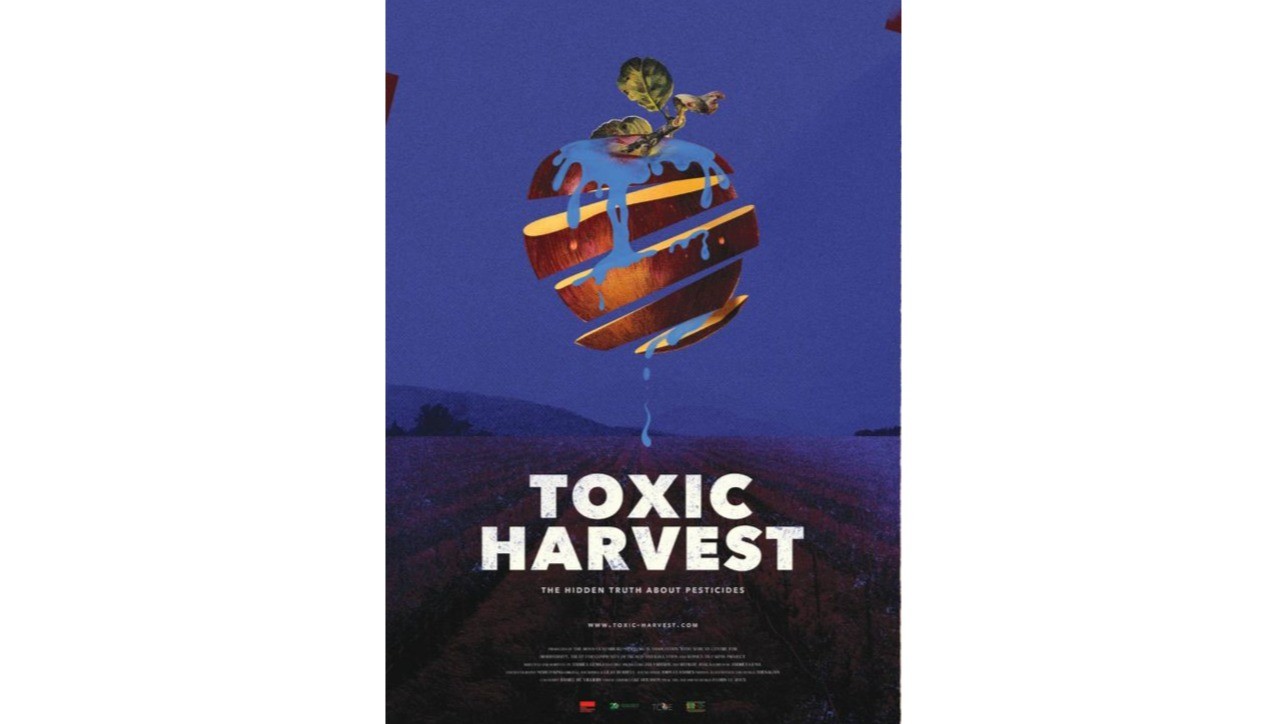
- Toxic Harvest: The Hidden Truth About Pesticides is produced by the Rosa Luxemburg Foundation in association with the African Centre for Biodiversity (ACB), the Trust for Community Outreach and Education (TCOE) and the Women on Farms Project (WFP).
- The initiative, promoted by the Coalition for the Protection of African Genetic Heritage (COPAGEN) together with other West African civil-society organizations, brought together actors involved in agroecological transition and movements challenging the impacts of pesticides.
- Ending the Toxic Double Standards: Agroecology and Workers’ Rights for Food Sovereignty - This session builds on the documentary screening of Toxic Harvest and brings together panellists from West Africa, Zambia, Zimbabwe, South Africa
- Plaidoyer sur la réduction de l’utilisation des pesticides chimiques de synthèse en Afrique


ich farmers and communities have greater influence over the resources, knowledge and markets on which their livelihoods depend.
The significance of Cotonou lies precisely in this convergence. The Forum's message—“Another world is possible”—found a concrete expression in agroecology: alternatives already exist in farmers' fields, community seed systems, women's processing enterprises, indigenous knowledge and local food markets.
The challenge after Cotonou is to connect these experiences more systematically with agricultural research and education, investment, supportive public policies and regional and global knowledge exchange, so that agroecology can move from successful local initiatives towards transformation at scale.
Interview
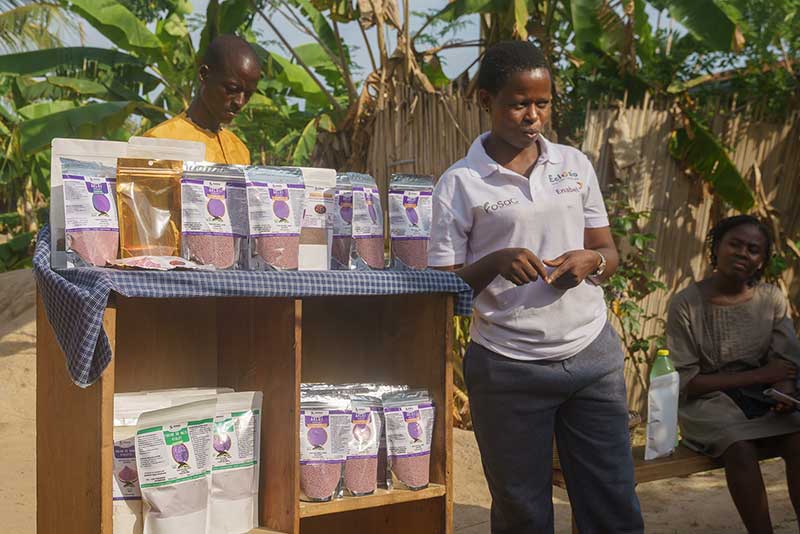
Supported by the Delta Mono project, this innovative initiative promotes a maize variety recognized for its nutritional qualities and health benefits.
There is a diverse range of processed products, including purple maize flour, dried *aklui*, couscous, and maize grain.

As an active member of Benin’s National Network for Agroecological, Organic, Participatory, and Fair Initiatives (ReNABIO), the promoter employs farming practices certified under the Participatory Guarantee System (PGS), thereby demonstrating the economic and environmental potential of organic farming in the region.
Product Presentation
Adèle heads the CCPMA (Communal Cooperative of Maize Producers) and the company Sawa Agrobusiness, both specializing in purple maize from Benin that holds PGS (Participatory Guarantee System) organic certification. This maize is valued for its superior nutritional properties—specifically its high iron, zinc, and antioxidant content—as well as its ability to help regulate high blood sugar levels. The range of processed products includes:
- Plain flour and purple flour for pasta and cakes.
- Smooth porridges.
- Gluten-free couscous.
Operational Challenges
Adèle highlights several major obstacles to the development of agroecology and the marketing of purple maize. The primary barrier is consumer purchasing power; consumers tend to favor cheaper conventional products despite the associated health risks. Significant work remains to be done to raise awareness about the nutritional benefits.
Productivity and Yield: Productivity has improved thanks to the Delta Molo project, conducted with the support of Enabel in the Mono Delta Biosphere Reserve.
Prior to 2023, the yield was 800 kg per hectare.
It currently stands at 1,400 kg per hectare. However, this figure remains lower than the 2 to 3 tonnes per hectare achieved by conventional producers, keeping the selling price high.
Future Needs
The goal is to increase yields to make purple maize more affordable for the general population. Adèle is calling on stakeholders in the agroecology sector for support to overcome these technical and economic challenges. How can the increase in yields be accelerated to reduce costs?


No comments:
Post a Comment