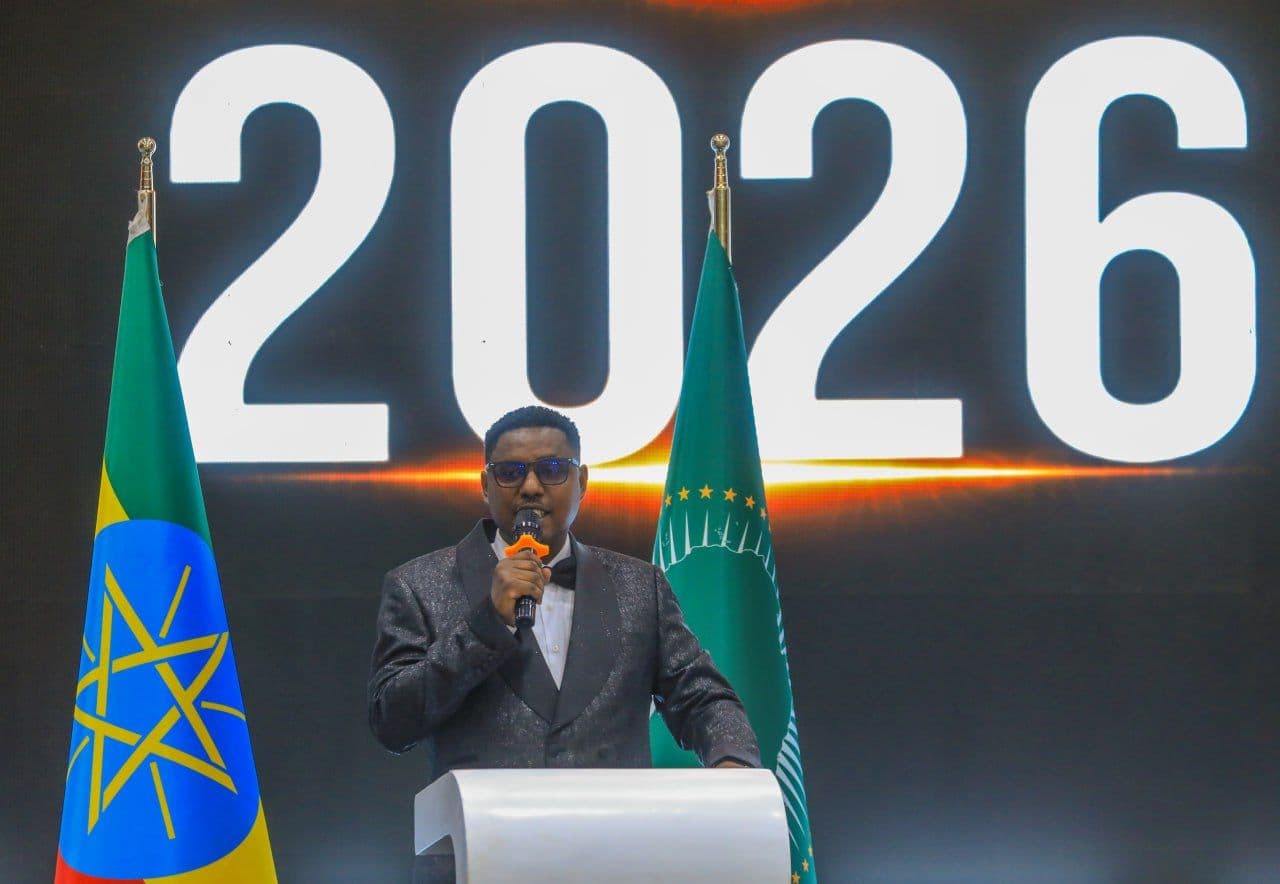
The summit attracted 61 top influencers from 30 African countries, who joined 120 Ethiopian influencers in a major digital campaign aimed at showcasing Ethiopia and Africa through African voices.
Organized under the theme “Influence for a Better Africa,” the summit focused on how digital platforms and social media could be used to promote African development, innovation, entrepreneurship, and Pan-African cooperation. Organizers described the event as a platform for collaboration, networking, and knowledge-sharing among Africa’s leading digital voices.
A major focus of the conference was reshaping global perceptions of Africa by promoting authentic African narratives and countering stereotypes, misinformation, and negative portrayals of the continent. Speakers and participants emphasized the role of influencers as digital ambassadors who could use storytelling and online engagement to highlight Africa’s culture, achievements, tourism, innovation, and economic opportunities.
The summit also explored topics such as digital diplomacy, emerging technologies, content creation, and the growing creator economy, while encouraging influencers to use their platforms to contribute to Africa’s transformation and prosperity.
It was co-founded by Selam Yihun in December 2024 through the Jasiri program, alongside two co-founders. While traveling across Rwanda—from Tuzza to Kigali—Plafko was struck by the popularity of milk bars. That simple observation sparked a question: Why don’t we see the same access to dairy in Ethiopia?Plafko digged deeper and uncovered more than ten reasons for the gap. Some key insights include:
A 2% drop in milk demand during fasting seasons due to cultural avoidance of animal products.
18.3% of children in Ethiopia are lactose intolerant.
39% of children under five are stunted (low height for age).
And generally, the market fails to meet the existing demand for milk and its alternatives.
These findings motivated Plafko to take action. In just a few months, they have sold over 200 liters of its organic oat milk, making Plafko the first oat milk brand in Ethiopia. The goal is to address both health and accessibility issues by offering a diverse product range—from oat milk to plant-based yogurt, cheese, and fortified products for malnourished children.
Plafko is currently working to improve its production efficiency and enter the retail market. They have also actively seeking partnerships and institutional support to help advance product development and expand its impact.
Background:
Selam Yihun is the CEO of Plafko Trading PLC, a women-led agro-processing venture pioneering plant-based dairy alternatives to address nutritional gaps and environmental challenges across Africa.
Her passion for entrepreneurship and women’s empowerment fuels her vision of an Africa free from food insecurity and the environmental harms of traditional dairy practices. She holds a degree in Mechanical Engineering, complemented by strong expertise in business development, strategy, and e-commerce. Selam has supported over 40 startups and contributed to the creation of more than 10,000 jobs across the continent, championing inclusive economic transformation. Currently, she serves as the Chair of the European Union Delegation to Ethiopia’s Youth Sounding Board, where she advocates for youth engagement, inclusive development, economic empowerment, and climate action. She will participate in the World Food Forum Youth Program in Rome (October 2025).
Contact: Selam Yihun Co-founder, Plafko Trading PLC Chair, EU Delegation to Ethiopia – Youth Sounding Board Youth Representative, WFF Youth Program syihun6878@gmail.com | +251946636878 | LinkedIn | Plafko.com
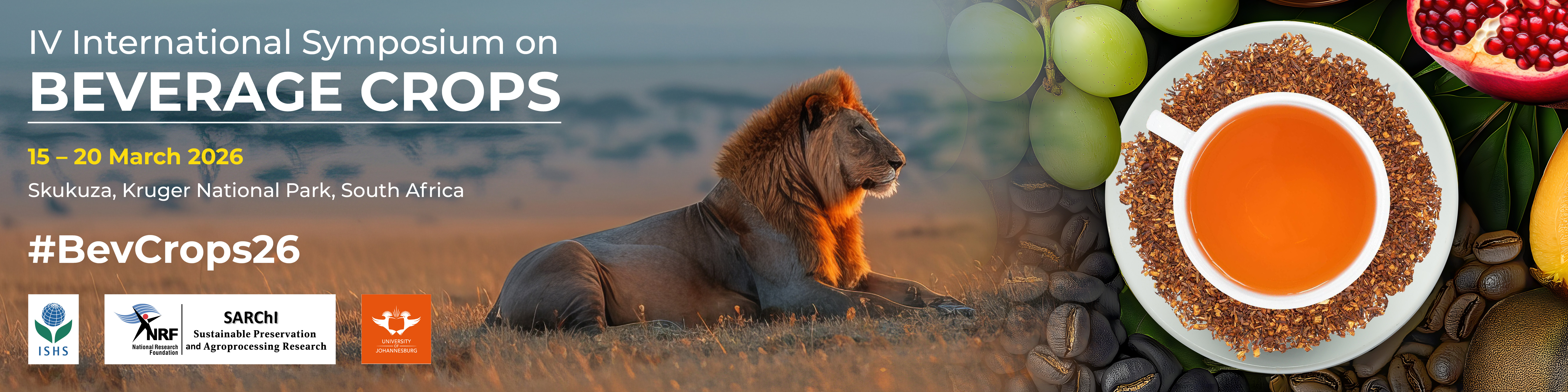
Under the theme ‘Beverage Crops: Sustainability and Scientific Advancements in the 21st Century,’ this symposium will highlight the latest research, technological innovations, and industry trends shaping the future of beverage crop production and processing.
This theme reflects the growing importance of beverage crops in sustainable agriculture, nutrition, and global trade. Beverage crops encompass a vast diversity of fruits, nuts, vegetables, vine and berry fruits, and botanical plants used for fresh juices, extracts, fermentations, and infusions. From widely consumed beverages such as coffee, tea, beer, and wine to emerging plant-based alternatives like almond and soy beverages, as well as herbal infusions rich in bioactive compounds—including the proudly South African Rooibos tea—this symposium provides a platform for scientific exchange, innovation, and industry collaboration.
Related article: 06/05 Expanding agroecology’s reach from CIFOR/ICRAF Forest NewsThe Agroecology TPP works to accelerate and co-ordinate work on agroecology across international, national and local scales and contexts, towards transitions to more sustainable agricultural and food systems.
Its annual Members Forum meeting was open to all institutions that formally engage in TPP projects, are active in the TPP’s science-policy or science-development interface, are represented in the governance and advisory bodies, or have submitted an application form and agree to the membership charter.
Not only did the 2024 meeting provide an opportunity to share progress and assess key achievements, but it also helped to identify successful strategies, pinpoint existing challenges, and, collectively, determine priorities for the future, all the while enhancing synergies.
12/03 Key events, major outputs, portfolio growth: TPP Co-Convenors Bernard Triomphe (CIRAD) and Fergus Sinclair (CIFOR-ICRAF)
12/03 Voices from the Agroecology TPP’s Community of Practice (CoP)
12/03 Key elements of the Agroecology TPP communication and engagement strategies
12/04 Enhancing membership engagement
Key elements of the TPP communication and engagement strategies- Fabio Ricci, TPP Secretariat and Sandhya Kumar, TPP Secretariat
Joint prioritization of topics and definition of modalities: guided discussion on co-creation of bimonthly TPP webinars/workshops
12/03 CGIAR Agroecology Initiative: an overview and a reflective panel discussion with local partners
Overview of achievements, challenges and lessons learned: Initiative Co-Leads Marcela Quintero (ABC) and Chris Dickens (IWMI)
Highlights from the five work packages: Work package Leads Bernard Triomphe (CIRAD), Chris Dickens (IWMI), Carolina Gonzalez (ABC), Frank Place (IFPRI), Anne Rietveld (ABC) [Video]
Reflective panel discussion with local partners: Partner organization representatives from Burkina Faso, Kenya, India, Lao PDR, Peru, Senegal, Tunisia, and Zimbabwe
12/03 Transformative Land Investment TLI : an overview and Q&A
Overview of TLI and how it relates to agroecology: TLI Co-Leads Anne Larson and George Schoneveld (CIFOR-ICRAF)
12/03 TRANSITIONS programme: an introduction and reflection on its three projects
Objectives : Facilitate agroecological transitions that are informed by climate considerations among farmers in low- and medium-income countries (LMICs) by creating comprehensive metrics to measure the performance of food and agricultural systems, implementing inclusive digital tools, and fostering transparent private sector participation and engagement.
Implementing organisation : CGIAR
Location : Asia: India and Vietnam; Africa: Kenya, Ethiopia, Ghana, and Burkina Faso; Latin America: Brazil and Peru
Funding : EUR 6 700 607 funded by the European Union and managed by IFAD
This document puts forward general steps for developing a holistic agrifood system assessment, as well as principles to guide decision making at each step of the design process, intended to support metrics-users in navigating the jungle of available approaches and selecting something that meets their needs.
This guiding framework for the design of holistic assessment and metrics aims to support their wider use, levelling the playing field for sustainable agrifood systems.
Agroecological TRANSITIONS: Inclusive Digital Tools to Enable Climate-informed Agroecological Transitions (ATDT). Cali, Colombia: Alliance of Bioversity & CIAT #18 p.
The co-creation of farm practices with farmers is framed as an element of social inclusion that ensures relevance to farmers’ livelihoods and development of robust technical solutions.
The principles aim to support digital developers and managers using digital tools with farmers and help funders, farmers’ organizations or nongovernmental organizations (NGOs) hold tool developers or managers accountable to social inclusion principles.
12/03 Viability project: key elements and synthesis of case studies and cross-case analyses
Presentation of the key elements of the synthesis across case studies and cross-case analyses: Viability Co-Lead, Ric Coe (CIFOR-ICRAF)
12/03 Tracking the CFS policy recommendations on agroecology
Overview of achievement so far and plan for the near future: Alex Awiti (CIFOR-ICRAF)
13/03 An overview of the Agroecology TPP domains and project portfolio
Overview of the TPP domains and project portfolio: Matthias Geck, TPP Secretariat
13/03 Panel discussion on research priorities for agroecological transitions
Monica Yator, Co-Chair, Agroecology Coalition and Founder of the Indigenous Women and Girls Initiative;
Esther Penunia, Secretary, General Asian Farmers’ Association;
David Amudavi, African Union, Ecological Organic Agriculture Initiative;
Oliver Oliveros, Coordinator, Agroecology Coalition
13/03 Co-designing future projects
Interactive prioritization of topics to be addressed in future TPP projects: plenary discussion on domains and portfolio vis-à-vis research priorities; voting on which domains or other topics novel TPP projects should prioritize; break out group composition according to prioritized research topics.
13/03 Enhancing synergies between projects
Introduction of options for strengthening synergies: Sandhya Kumar, TPP Secretariat
Joint definition of modalities & participation: guided discussion on proposed modalities
13/03 Closing panel : reflections on the 2024 Agroecology TPP Members Forum meeting and way forward
Indigenous Peoples Food Systems and Traditional Knowledge to Promote Healthy and Sustainable Diets. This is the first of a 3-part webinar series on “Food and Knowledge Systems of Indigenous Peoples to Advance Healthy and Sustainable Diets,” co-hosted by The Alliance of Bioversity and CIAT, and Ag2Nut.
Dr. Harriet V Kuhnlein speaking on “Documenting Food Systems of Indigenous Peoples: Methodology for the CINE/FAO Projects 2001-2009.”
Dr. Rebecca Michelle Kanter speaking on “Participatory Methods to Identify Perceived Healthy and Sustainable Traditional Culinary Preparations: an example from Chile.”
Dr. Patrick Maundu speaking on “Documentation and digitization of Indigenous knowledge related to traditional and indigenous foods in Kenya: Process, methods and policy aspects.”
Dr. Tesfaye Hailu Bekele “Advancing Healthier Diets in Ethiopia: Developing Indicator-based Framework to Analyze the Role of Traditional and Indigenous Foods in Ethiopia’s Food Systems.”
SHiFT combines high-quality nutritional and social science research capacity with development partnerships to generate innovative, robust solutions that contribute to healthier, more sustainable dietary choices and consumption of sustainable healthy diets. It builds on CGIAR’s track record of agricultural research for development, including ten years of work on food systems and nutrition under the CGIAR Research Program on Agriculture for Nutrition and Health (A4NH).
This Initiative will work in Bangladesh, Ethiopia and Vietnam in the first phase, followed by India, Benin, Senegal, Guatemala and Honduras.
Proposed 3-year outcomes include:
Stakeholders initiate implementation of at least two solutions (innovations or policies) to increase the demand for sustainable healthy diets and/or improve the ability of MSMEs and the informal sector to deliver sustainable nutritious foods in three target countries.
Stakeholders initiate implementation of at least two solutions (innovations or policies) to tackle gender and youth equality and social inclusion in food systems in three target countries.
Stakeholders show a significant increase in their ability to engage in governance and political economy issues and/or to navigate trade-offs in food systems transformation in three target countries.Stakeholders improve the design and implementation of the national roadmap towards food systems transformation for sustainable healthy diets in three target countries.
Engage in national multistakeholder consultative processes to develop and support food systems transformation;
monitor and document food systems transformation in the target countries; and
develop capacity to engage in, support, and monitor food systems transformation toward sustainable healthy diets.
Representatives from six national partners from Ethiopia and Viet Nam provided an opportunity for SHiFT researchers to hear more about the countries’ food systems agendas and how their priorities are quickly evolving.
To advance their work on capacity building, WP5 researchers plan to tailor their capacity-strengthening approaches for their Strategic Partners, based on the capabilities prioritized by each partner. They will also provide one-on-one coaching to strengthen the Strategic Partners’ capabilities to support transformative change and extend their capacity assessment to relevant platforms.
Over the past four years, IZiNCG’s Zinc Fortification Task Force has generated evidence and advocacy materials on large-scale food fortification (LSFF) with zinc. This webinar will showcase work undertaken by the Task Force, and discuss country experiences and actions.
Zinc is an essential nutrient for immune function, child health and development, and reproductive health. Based on available data, zinc deficiency is estimated to be a public health problem in 40 countries, concentrated primarily in sub-Saharan Africa and South Asia
LSFF is one of the most scalable, sustainable, and cost-effective tools available to reduce micronutrient deficiencies and improve nutrition worldwide. Recent publications have demonstrated that LSFF with zinc is effective, safe and cost-effective. However, at present, LSFF with zinc is an underutilized strategy for addressing zinc deficiency in countries where zinc deficiency is a public health problem.
Moderator: Dr Mduduzi Mbuya | Director, Knowledge Leadership, Global Alliance for Improved Nutrition
Dr Christine McDonald | Director of IZiNCG and Associate Professor, University of California, San Francisco
Dr Mari Skar Manger | Deputy Director of IZiNCG, University of California, San Francisco
Dr Ryan Wessells | Associate Project Scientist, University of California, Davis
Mr Frederick Grant | Senior Program Officer, Nutrition, Bill & Melinda Gates Foundation Ethiopia
Dr Ndèye Fatou Ndiaye | Coordinator of Senegalese Committee for Food Fortification (COSFAM), Ministry of Industry and Industrial Development, Government of Senegal
Mr Alex Marco Ongla Ndjebayi | Project Coordinator, Helen Keller International Cameroon
Africa Pavilion hosted by the African Development Bank, the African Union Commission (AUC), the United Nations Economic Commission for Africa (UNECA), and the African Union Development Agency-NEPAD (AUDA-NEPAD), in collaboration with other regional entities, including the Africa Risk Capacity
Food Pavilion (hosted by CGIAR, FAO, IFAD and the Rockefeller Foundation)
At COP 28, the Consultative Group on International Agricultural Research (CGIAR) addressed two of humanity’s most urgent challenges—climate change and food security—making the case that the world cannot meet its climate or development goals without transforming food systems.
Its programme of events engaged with global experts and leaders accelerating action and investment to transform food, land, and water systems in a climate crisis, including through the involvement of key partners such as youth.
CGIAR also co-hosted the Food and Agriculture Pavilion, along with the UN Food and Agriculture Organization of the UN (FAO), the International Fund for Agricultural Development (IFAD), and the Rockefeller Foundation.
Investments in support of CGIAR’s new investment case were announced at COP28, which for the first time ever placed the future of agriculture at the heart of climate discussions.
At a pledging event hosted by the United Arab Emirates, funders shared commitments including USD 136 million from the Netherlands, USD 132 million from the United Kingdom, USD 100 million from the United States, USD 100 million from the World Bank, and USD 51 million from Norway. These pledges followed the announcement of a USD 200 million partnership to Accelerate Action on Climate and Strengthen Food Systems Through Investment in Agricultural Innovation by the UAE and the Bill & Melinda Gates Foundation.
We are inspired by and grateful to our donors and partners, who have recently committed USD 890 million to support our new research portfolio. But this is only the beginning. (...) But to unlock the full potential of innovation, funders must increase investments and political support toward climate and agriculture innovation. That’s why CGIAR has launched a new investment case, calling for USD 4 billion to harness the power of innovation against climate change, increase productivity, and build more resilient food systems. New funding will support CGIAR scientists, experts, and partners in hundreds of countries to scale world-changing innovations, from new tools and technologies for farmers to more nutritious and climate-resilient crops.Ismahane Elouafi, Executive Managing Director, CGIAR (see: IISD 7/12: Reimagining Food Systems to Address Climate and Hunger)
The High-level event will showcase how the Food and Agriculture Organization and International Atomic Energy Agency through the Joint Centre have supported Member States with: research and development, reduction of GHG emissions, and capacity building and technology transfer to increase the resilience of global agrifood systems against the ravishes of climate change. This panel explored policy dimensions that inhibit faster adoption of agrivoltaic practices and investments in this area.
A philanthropic theory of transformation – How 20+ funders are aligning to unlock the resources needed to shift food systems. Unveiling the first ever global price tag for the cost of regenerative and agroecological transitions, underpinned by regional case studies, outlining global and national priorities for scaling up investment in landscape transformations around the world, making the case for alignment and coordination to meet global targets.
This event aims to shed light on the global climate finance, to underline the challenges and gaps, and to introduce innovative mechanisms to address these issues, with a focus on adaptation and nature financing for smallholder rural communities. The event will present findings from the Climate Policy Initiative (CPI), which reflects the global landscape of climate finance.
COP28 calls for ambitious mobilization of finance for climate action, including arrangements and a new fund for loss and damage. Through a high-level panel discussion, the event aims to launch a report focuses on Loss and Damage in agrifood systems.
The objective of this side event is to gather insights from those interested in oasis ecosystems on the ‘appropriate governance of the implementing bodies of the Sustainable Oases Initiative. This aims to operationalize the Sustainable Oases Initiative, incorporating it into major international trends related to sustainable agroecosystem management and climate change adaptation.
The Africa Rural Climate Adaptation Finance Mechanism (ARCAFIM) is a blended finance risk-sharing facility, together with a technical assistance facility, that catalyzes up to USD 700 million of private sector climate change adaptation (CCA) investments in small producers and MSMEs in rural areas of Kenya, Rwanda, Tanzania, and Uganda.
Progress against food insecurity and poor diet quality has stalled. Governments across the world have made commitments to actions that address food insecurity and poor diets in numerous settings; however, what remains uncertain, is which commitments are most salient towards achieving SDG2
Food systems are grappling with a large financing shortfall to transition towards a net-zero, nature-positive, and inclusive economy. The existing financing architecture alone cannot bridge this gap without innovative and scalable financing solutions grounded in robust evidence.
The session brought high-level attention to AMR and the need to transform agrifood systems to optimize animal, plant and environmental health, ensure responsible and sustainable use of antimicrobials and most importantly, reduce the need to use antimicrobials and promote innovation for evidence-based and sustainable alternatives.
This event will showcase progress towards developing ground-breaking cross sector financial solutions which aim to accelerate the global transition to a regenerative agricultural system – enabling farming communities throughout the world to deliver positive impacts on climate, nature and health.
FAO is collaborating with partners to present the advances of the Initiative on Climate Action and Nutrition (I-CAN) and its work to catalyse integrated actions that address the challenges of climate change and malnutrition simultaneously.
This regional launch event of CGIAR’s MENA Regional Climate Security Hub explores the interactions between climate change, peace, and human mobility. This nexus is particularly relevant in a context of rapid urbanization, where cities are at the forefront of the climate emergency while dealing with inflows of internal migrants and increasing human security concerns.
Climate change is heavily impacting rural communities in global drylands. Transforming deserts into sustainable and productive lands is crucial to building resilience. This event showcased integrated farming innovations for MENA and the global drylands.
Climate change poses unprecedented challenges to global agriculture and food security, with vulnerable communities experiencing tangible and often irreversible losses and damages. With agriculture being responsible for one third of global greenhouse gas emission, it is urgent to agree on a way forward to step up implementation of climate action in this sector, and more broadly in food systems.
Food loss and waste (FLW) is responsible for 8 to 10 percent of greenhouse gases (GHG) emissions, while contributing to many factors that drive climate change, such as degradation of natural ecosystems, biodiversity loss and unsustainable use of natural resources. On the other hand, climate change can be a significant causative factor of FLW, for example by increasing the incidence of post-harvest pests, while FLW reduction and related value addition activities provide avenues for building resilience and adapting to climate change.
The food system has the potential to become a significant nature-based solution for climate change. However, this will require transformation in many areas. This event set out what private finance needs to do, and by when, the economic risks if financial institutions fail to act, and the climate, nature and societal benefits if they do.
Fragile and conflict-affected settings (FCS) face unique challenges that can impede the effective utilization of climate finance. These settings not only grapple with socio-political instability but also bear a disproportionate impact of climate change. This panel discussion shed light on the importance of conflict-sensitive approaches in the design, allocation, and management of climate finance from the perspective of donors, funds, and executing entities.
How can climate action tackle food crises and build resilience in fragile and conflict-affected countries? This technical session provided evidence for mobilizing investment in climate actions that build resilient agrifood systems from the ground up in humanitarian and food crises contexts.
Two reports on True Cost Accounting (TCA) by FAO and the Food System Economics Commission find over USD 10 trillion in hidden costs of the global food system. This figure exceeds current estimates of the food system’s contribution to the global economy.
Lost Crop, led by chef Pierre Thiam hosted this event promoting Africa’s forgotten and under-utilized crops for climate resilience and improved nutrition, such as sesame.
Food and energy systems are fundamentally intertwined. Industrial food systems, in particular, are highly energy intensive and dependent on fossil fuels. This event highlighted findings and recommendations from a new report and featured a moderated panel discussion on the opportunities for action.
This side event showcased how national programmes like the Nexus of Water Food & Energy (NWFE) can bridge the financial and collaboration gap to achieve the common national and global climate commitments. It explored the modalities of blending climate finance, leveraging private sector finance towards rural transformational livelihoods and climate adaptation programmes.
Despite increasing interest in and the pressing need for agricultural sector innovation and transformation, challenges persist in scaling low-emission solutions for resilient agriculture due to limited incentives and investments for farmers. The untapped potential of agriculture in Voluntary Carbon Markets (VCM) is significant, offering numerous socio-economic benefits.
Livestock products are vital for fulfilling nutrition requirements of the majority of the world’s population and particularly in LMICs. However, livestock emissions need to be reduced if climate change targets are to be reached. The session described different approaches to reducing emissions in HICs and LMICs.
To reach the goals of the Paris Agreement the world needs to raise ambition and scale up implementation in agriculture and food systems, given the fact that up to 42% of GHG emissions are from food production and consumption. The transformation towards sustainable, equitable and just agriculture and food systems within planetary boundaries is at the core of the German development agenda.
Three billion people do not have access to nutritious and safe foods, making the diversification of diets an essential tenet of the CGIAR research and innovation agenda. However, the increased consumption of high-valued products has led to significant food safety risks, magnified by climate extremes, water insecurity, and lack of access to clean water across food supply chains.
The event showed the power of crop genetic diversity to serve as a cost-effective strategy for enhancing climate resilience for food production globally across a range of species contributing to diversified diets. Exploring roots and tubers, cereals, and legumes, including underutilized crops, experts from the global community of crop research and practitioners highlighted various benefits of within and across species diversity.
The impacts of climate change are particularly devastating in fragile regions. The Sahel is experiencing changing weather patterns and decreased food production that exacerbate insecurity and poverty lead to mass migration and cross-border conflict. The region is ripe with opportunity thanks to abundant natural resources, but these must be managed in a way that allows rural transformation using innovative solutions, including renewable energy, community-led initiatives and targeted investment.
The event included high-level speeches and a panel discussion focused on opportunities to improve nutritious food systems in the face of climate change.
While aquatic food dependent communities are known to be amongst the most exposed and vulnerable to climate change impacts, less than 30% of aquatic food producing countries have requested adaptation finance which demonstrates a lack of capacity, awareness and ability to navigate the currently complex pathways to access resources to help improve adaptive capacity and preparedness.
A quarter of the planet's GHG emissions are attributed to the agriculture sector. Yet not all forms of agriculture are the same. IPCC reports highlight that ecosystem-based approaches to agriculture such as agroecology can promote carbon sequestration and strengthen the resilience of food systems against climate change, while supporting biodiversity, food security, nutrition and livelihoods.
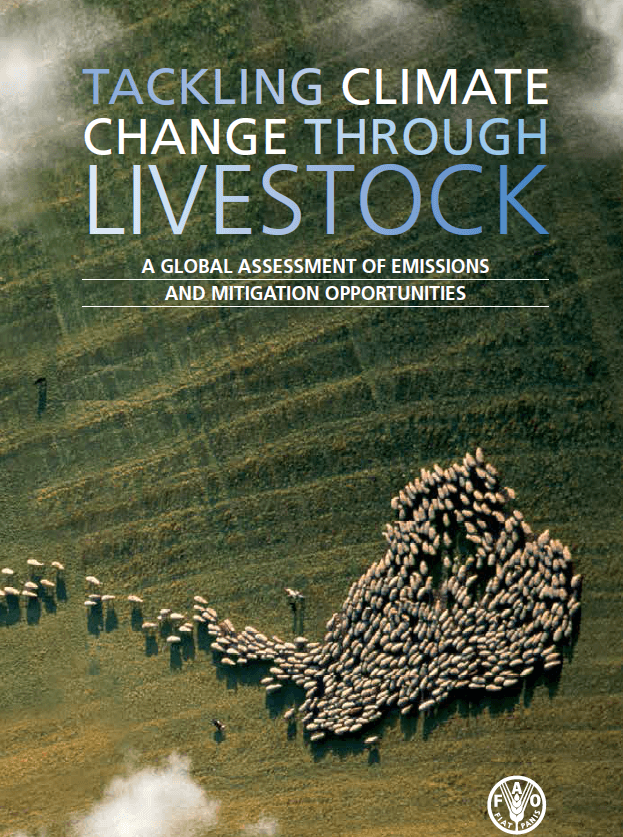
The release of the new FAO global assessment on livestock’s GHG emissions and the FAO report on methane emissions in livestock and rice systems provide a foundation for informed action and decision-making towards more low-emissions and climate-resilient practices.
This report identifies ways of reducing emissions by assessing the mitigation potential
of sets of technologies. Such analysis provides guidance for local and system-specific
solutions, as sector actors seek to improve sustainability and viability, but also for more
targeted pro-poor livestock development
FAO (2023)
Methane emissions in livestock and rice systems Sources, quantification, mitigation and metrics #352 pages
Addressing methane emissions from livestock and rice systems is vital for promoting sustainable agriculture and mitigating climate change. This FAO report comprehensively addresses methane emissions in agriculture and their impact on global greenhouse gas levels. By analysing sources, sinks, quantification methods, and mitigation strategies, this publication highlights challenges and opportunities to reduce methane emissions from livestock and rice production systems.
This event combined passion, innovation, and creative arts to empower rural youth and young agri-preneurs in their mission to combat climate change and drive innovation in agriculture.
COP28 offers the most ambitious set of opportunities to advance multiple facets of the food systems transition agenda, including the Emirates Declaration on Resilient Food Systems, Sustainable Agriculture and Climate Action, a new roadmap for the Sharm el-Sheikh joint work on implementation of climate action on agriculture and food systems (SSJW) the Non State Actors Call to Action on Food System Transformation.
CGIAR and the World Food Programme (WFP) launched a new partnership that will support food systems innovators in fragile contexts (Nigeria, Mozambique, Yemen, Jordan) through science-driven entrepreneurship support and invite public and private stakeholders to collaborate, with the support of the African Development Bank (AfDB).
Land and water resources are finite natural resources on the planet. These resources are degraded due to both human and climatic impacts. Innovative approaches are needed to use resources sustainably to support agri-food systems transformation. This event demonstrated a climate-informed and water-wise integrated land use planning guidelines recently being updated by FAO.
The world’s poor heavily rely on agrifood systems, which are vulnerable to climate change. Agri-food systems also contribute to up to a third of greenhouse gas (GHG) emissions. To reduce GHG emissions, various options exist, but they don’t always align with sustainable development goals like zero hunger.
Natural resource degradation and climatic changes are threatening the viability of smallholder farmers, fishers, forest producers, and rural communities. These rural community groups often bear the brunt of land degradation, climate-related disruptions, resource constraints, and socio-economic vulnerabilities.
Agriculture and food security featured prominently at COP26 and COP27, and the COP28 President’s Action Agenda makes it clear that we need to take action to achieve resilient, sustainable and equitable food systems that provide affordable, safe and nutritious food for all.
Regeneration needs to occur at 4 spatial levels – farm, regional, national, value-chain; much of the corporate and investor focus has been on value chains and farms, ignoring landscapes layer, which is a vital entry point for organizing, incentivizing, and observing regenerative outcomes.
Ensuring sustainable food systems that can feed a growing population, while safeguarding the planet, is one of the biggest challenges in a generation. A big challenge needs a big response. This event looked at innovative approaches to financing and private sector involvement.
FAO provided a space for exchange on system-level approaches to adaptation in agrifood systems, highlighting country achievements on the journey from planning NAPs and NDCs to implementing transformative action. The event launched FAO’s latest collection of success stories on implementing solutions for climate change adaptation.
The paper (a) emphasizes the importance of bringing agrifood systems into the global adaptation agenda and policy landscape; (b) creates a cross-sectoral portfolio of FAO adaptation solutions covering multiple scales and approaches; (c) gives an insight into FAO's work with partners and Members and presents relevant networks and collaborations.Laying out FAO’s guiding principles according to the FAO Strategy on Climate Change 2022–2031, it underscores FAO’s efforts for transformative action in agrifood systems and demonstrates FAO's people-centered approach to climate change adaptation.
Shifting from conventional regenerative and agroecological production would contribute substantially to climate, nature, and equity goals. However, the transition is hamstrung by a lack of a shared definition or common measurement framework that speaks to farmers, landscape stewards, business and investors. The time has come for a harmonized regenerative outcomes measurement framework that builds upon the incredible work of several existing measurement and scoring frameworks. This is the official global launch of the design guidance for a regenerative outcomes measurement framework rooted in the perspectives of farmers and landscape stewards. Once fully developed, the framework will overcome the disconnects between the prevailing 115 frameworks which largely align towards shallower notions of regenerative, thereby building a critical bridge between agroecological, regenerative and Indigenous foodways.
This session discussed pathways towards climate-friendly food systems, focusing on the role that alternative proteins and food waste reduction can play in achieving responsible consumption, and on genetic innovation, agroecology and appropriate use of fertilisers for sustainable production. The session delved into the enabling environment needed to accelerate the uptake of these innovations, including existing barriers and the policy frameworks, incentives and investment needed to remove them.
The event focused on digital solutions for climate-smart agriculture. IFAD showcased digital tools such as mobile applications, geographic information systems (GIS), precision agriculture, and earth observation data analysis, and highlight their role in promoting climate resilience among smallholder farmers.
Measuring the impacts of afforestation and terracing in Türkiye
CGIAR has played a critical role in global agricultural development for five decades, but lacks resources to deliver innovations in challenging agroecological conditions across Africa on the scale needed to address climate change. Strong national and regional partners are essential, but African institutions (especially NARES) remain dependent on international research organisations.
Moderator: Loraine Ronchi – Lead Economist, Agriculture, The World Bank
Manyewu Mutamba – Head (Ag) of Agriculture, Food Systems and Rural Transformation, AUDA-NEPAD
Ana Maria Loboguerrero – Director, Accelerating Impacts of CGIAR Climate Research for Africa (AICCRA)
Phoebe Mwangangi – Smallholder farmer from Makueni County, Kenya
Panelists
Cliff Dlamini – Executive Director, Centre for Coordination of Agricultural Research and Development for Southern Africa (CCARDESA)
Edith Adera – Lead Coordinator, Africa Adaptation Acceleration Program (AAAP) and Regional Principal Officer, AFDB Group
Javier Mateo-Vega – Senior Director for Partnerships, Stewardship, Innovation, and Intelligence, CGIAR
Florence Nakayiwa - Deputy Executive Secretary - Regional Universities Forum for Capacity Building in Agriculture (RUFORUM)
Transcript (extract) presentation of Javier Mateo-Vega(@30:54)
It's really no secret that CGIAR or like many other international organizations has been called out for not doing better in terms of the way that engages with partners. I think many international organizations are known or considered to be organizations that sometimes supplant national systems, that compete with them, that don't share enough of the resources or the credit. And this is something that we need to take into very serious consideration. And I think in an organization like CGIAR, that's been around for five decades, and if you look under the hood, you're certainly going to find moments where our partners would say that we have operated in a sub optimal manner. But by the same token, there are certainly moments where things CGIAR has demonstrated its capacity to be a good partner that is inclusive, collaborative and demand responsive.
So under a new program of capacity sharing for development, we have one component, it's called research engagement. And we're just prototyping this right now. We're working with Senegal, with Ethiopia and with Rwanda, where we are funding the NARS [National Agricultural Research System] to lead. We're not subcontracting to do work with us. We're funding them [the NARS] with support from the Bill and Melinda Gates Foundation, to lead research projects that are aligned to national needs and priorities that are helping to embed more sustainable capacities in the NARS partners and that are completely aligned to the priorities of the country.
And this is a way of rebalancing historical power imbalances. We hear often the NARS have become sources of subcontracts. And in worst case scenarios, I recently was told by a NARS partner: "We're not cheap labor. We're not a source of cheap intellectual labor". And we hear you and so this new research engagement component is something that's coming to change. (...) This is something that we're piloting and this is going to be another tool, the different engagement modalities that CGIAR will employ. So if you ask me, am I going to wake up tomorrow and see a CGIAR that's only operating this way? I would be disingenuous to tell you I said yes, [but] we're not. We're transitioning in that. But my hope is, in a few years from now, (...) you'll be able to look at me and say, Wow, I can really detect the transformation.
The Initiative on Climate Action and Nutrition (I-CAN) baseline analysis demonstrates that financing and investing for programmes that link nutrition and climate is very low. Our current food systems do not ensure access to healthy diets for everyone and contribute to diet-related health issues; at the same time they put immense pressure on our environment.
December 12, 2023 State of the science for regenerative and agroecological production systems: From evidence to action
Depending upon the source, regenerative or agroecological productions systems are new or old, experimental or time-tested, thwarted by significant barriers to scale or poised to displace conventional agriculture by 2050. What can be said of the “state of science” looking across different knowledge types from diverse stakeholders – scientists, farmers, Indigenous land stewards, companies? And what are the critical priorities to ensure that regenerative and agroecological transitions deliver benefits not just for climate and nature but for producers, landscape stewards, and communities?

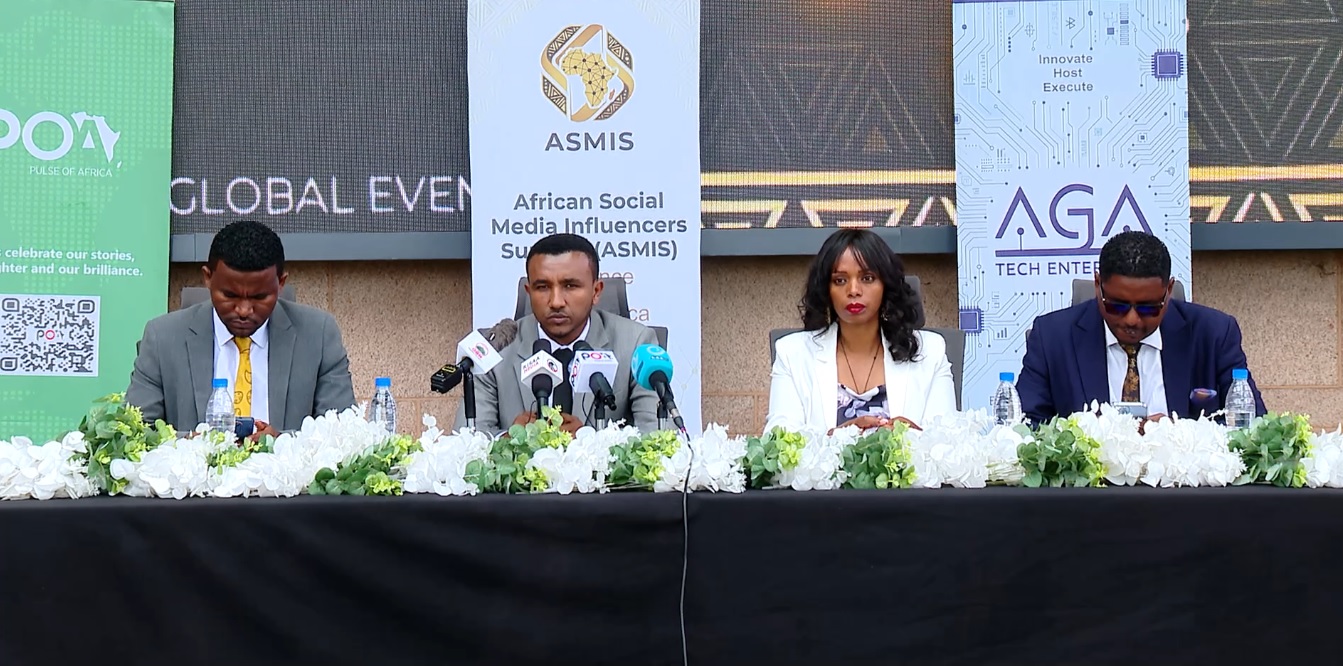
 The summit attracted 61 top influencers from 30 African countries, who joined 120 Ethiopian influencers in a major digital campaign aimed at showcasing Ethiopia and Africa through African voices.