Platform for African – European Partnership in Agricultural Research for Development
Showing posts with label Turkey. Show all posts

Tuesday, July 14, 2026

Radiation entomology and the Sterile Insect Technique (SIT)

14 July. Irradiation Applications in Sterile Insect Technique (SIT) Programs for the Mediterranean Fruit Fly (Ceratitis capitata).

This webinar was organized in collaboration with AARINENA and the General Directorate of Agricultural Research and Policies (TAGEM), Ministry of Agriculture and Forestry of Türkiye. It brought together leading experts in radiation entomology and the Sterile Insect Technique (SIT) to discuss the application of irradiation in Mediterranean fruit fly management programmes.

The webinar covered the principles of SIT and its integration into pest management strategies, the use of gamma and X-ray irradiation to sterilize Mediterranean fruit flies, irradiation dose optimization, insect quality assurance, mass rearing, and operational aspects of SIT implementation. Speakers also shared experiences from national and regional SIT programmes, highlighted recent advances in radiation entomology, and discussed opportunities for strengthening regional collaboration in sustainable fruit fly control.
  • Moderated by Dr. Didem KÖKDEN, International Relations Coordinator at TAGEM.
  • Dr. Ümran Akkan Demirer, Head of the Biotechnical Control Department, Bornova Plant Protection Research Institute (TAGEM), who will present the operational implementation of SIT, including mass rearing, sterilization, quality control, and field application.
  • Dr. Dilan Özmen, Senior Researcher at the TENMAK Nuclear Energy Research Institute, who will present irradiation technologies for sterile insect production, dose optimization, and quality assurance.

Note: 

Türkiye's Sterile Insect Technique (SIT) programme progressed more slowly than anticipated because it remained in the research, development and pilot implementation phase for many years. The programme focused on developing domestic capacity—including mass rearing of Mediterranean fruit flies, genetic sexing strains, irradiation protocols, quality control, and release technology—before moving to operational field releases. In recent years, with continued technical support from the IAEA, Türkiye has accelerated implementation: in 2025 the Bornova Plant Protection Research Institute installed and calibrated a new ground-based sterile insect release system and began pilot releases in citrus orchards in İzmir, confirming that the national programme is actively expanding rather than being discontinued.

Jordan’s Mediterranean fruit fly SIT programme was interrupted mainly because it depended on sterile flies shipped from Guatemala, making it vulnerable to long transport times, flight cancellations, and stricter aviation security after September 2001, which sometimes caused shipments to arrive late or in poor condition. Regional political and security tensions also complicated coordination among Jordan, Israel, and the Palestinian Authority, while the absence of a nearby mass-rearing facility limited reliable expansion. The programme itself was technically successful in suppressing fruit fly populations, but these logistical and geopolitical constraints led to interruptions and encouraged a shift from eradication toward sustained suppression.

Note:

This CIRAD workshop aims to bring together key players to accelerate the operationalisation of SIT within an integrated health vision. It will bring together scientists, French public health stakeholders (Regional Health Agencies, Santé Publique France, Ministry of Health, Mosquito Control Services) and foreign stakeholders, international SIT experts and private vector control operators.

Note: 

The International Atomic Energy Agency (IAEA), through the Joint FAO/IAEA Centre of Nuclear Techniques in Food and Agriculture, supports several Sterile Insect Technique (SIT) programmes in Africa. 

These programmes use gamma- or X-ray irradiation to sterilize male insects before releasing them into the environment, reducing pest populations without pesticides. SIT is currently being applied primarily against tsetse flies, fruit flies, and, increasingly, disease-transmitting mosquitoes.


Success stories

  • The Joint FAO/IAEA Centre is testing induced genetic variation for insect pest resistance as an alternative to other techniques. Seven African countries are participating in this project, with a focus on the cowpea pod borer. Early success has already been demonstrated by one participating research group in India.
  • The IAEA, in cooperation with the FAO, has helped Morocco achieve its first victory in the ongoing campaign to suppress the Mediterranean fruit fly. Moroccan counterparts have received the training and equipment necessary to detect and respond in a timely manner to any incursion by other fruit fly pests, which is a prerequisite for sustained suppression using the SIT. 
  • The IAEA, in cooperation with the FAO, helped Senegal to suppress pest populations by applying the SIT. The disease that tsetse flies transmit can kill livestock or make them sick. The tsetse fly populations in the entire project area are suppressed by more than 97%, resulting in a very low prevalence of the disease trypanosomosis that the flies transmit. This resulted in a significant increase in milk yields, and a ten-fold increase in the use of imported, more productive, exotic cattle with a positive overall return on investment. 
  • A new fruit fly mass rearing facility in Mauritius went into service in August 2019, with the capacity to produce 15 million flies per week. The target is to release the sterile flies in fruit and vegetable production areas to suppress fruit and vegetable infestations in selected areas. 
  • The IAEA, in partnership with the FAO, has provided technical support to a false codling moth project in South Africa. The insects are produced locally in a mass rearing facility and released in the citrus production areas. The release period is from September to June over a period of ten months, with 40 million moths per week released throughout 16 500 hectares.


African Regional Cooperative Agreement for Research, Development and Training related to Nuclear Science and Technology (AFRA) network


AFRA is an intergovernmental agreement of 39 African Member States established in 1990. Supported by the IAEA, it strengthens peaceful nuclear applications in agriculture, human health, water resources, and industry.AFRA works directly with specialized regional networks and centers to build local expertise:
  • AFRA-NEST: The African Network for Education in Nuclear Science and Technology (AFRA-NEST) harmonizes curricula, awards scholarships, and facilitates the exchange of students and researchers across the continent.
  • RDCs: AFRA utilizes over 30 designated Regional Designated Centres (RDCs), such as the Graduate School of Nuclear and Allied Sciences (SNAS) in Ghana and the University of Alexandria in Egypt, to conduct master's fellowship programs.Thematic Focus: Cooperative projects span six main areas, including sustainable energy, radiation safety, and nuclear security.


Monday, June 17, 2019

Successful Transformation toward Land Degradation Neutrality: Future Perspective

Lead UNCCD Scientist
 Barron Joseh Orr
@Barron0r
@UNCCD 
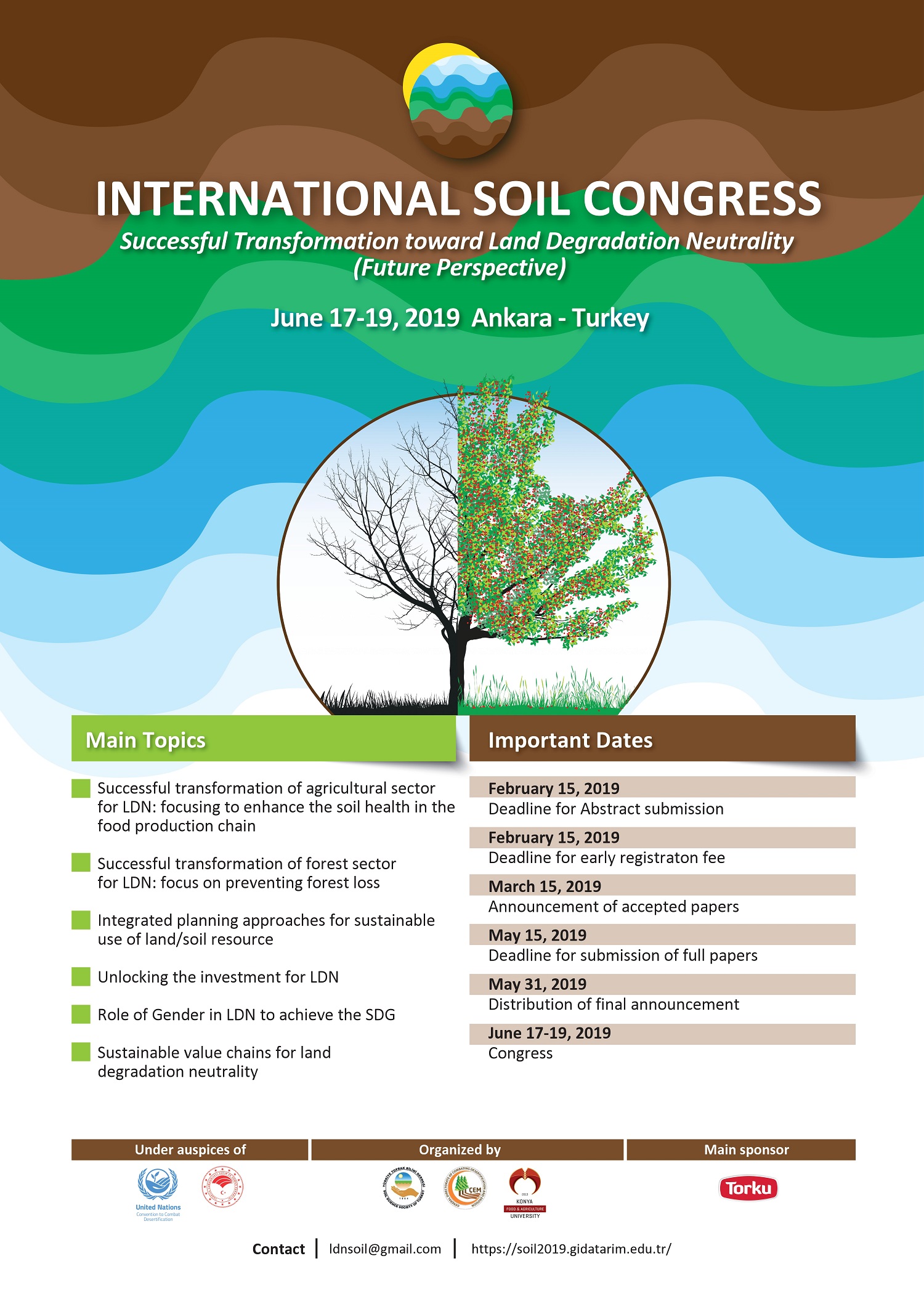
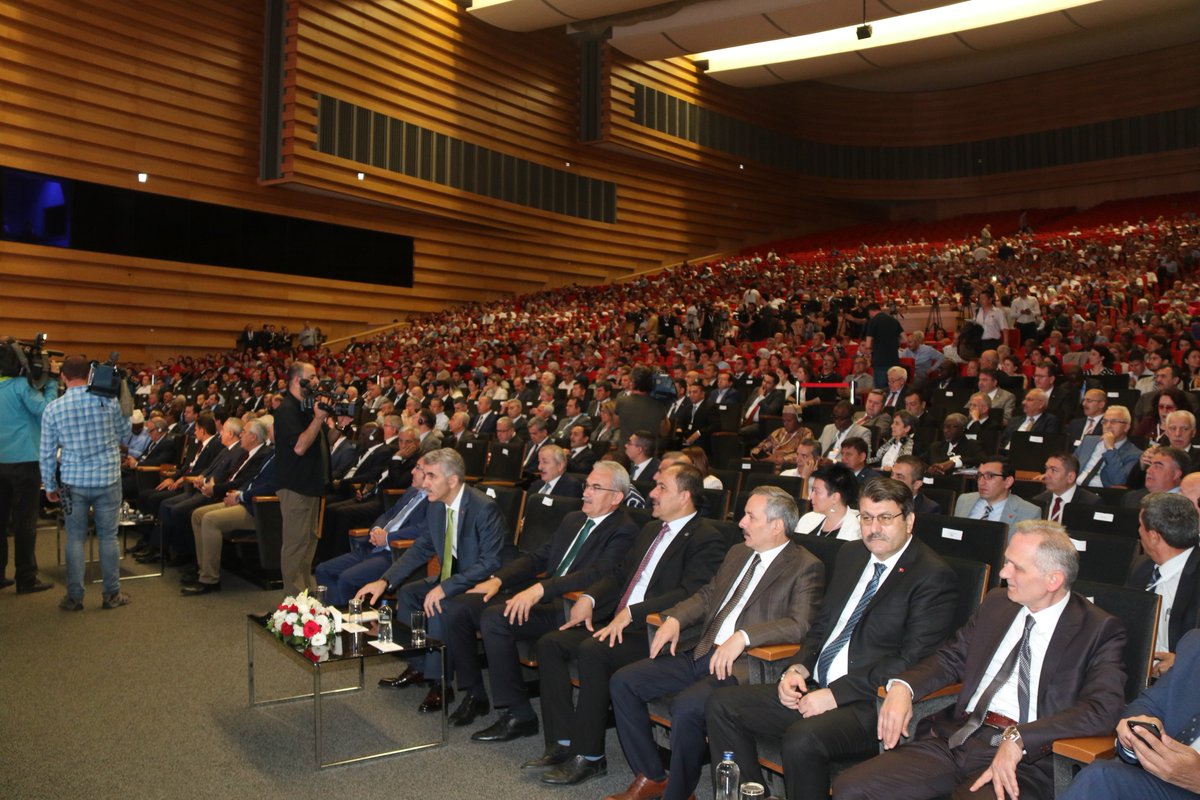
17–19 June 2019. Ankara, Turkey. The International congress on "Successful Transformation toward Land Degradation Neutrality: Future Perspective" marked the twenty-fifth anniversary of UNCCD.

The forum brought together senior scientists, academicians, experts, policy makers, young researchers and students from national and international institutions to analyze the current and future trends of soil and land resources, establish new policies based on the principles of land degradation neutrality and create a universal message for the sustainable use of soil and land resources. The main topics included:
  • Successful transformation of agricultural sector for LDN: focusing to enhance the soil health in the food production chain
  • Successful transformation of forest sector for LDN: focus on preventing forest loss
  • Integrated planning approaches for sustainable use of land/soil resource
  • Unlocking the investment for LDN
  • Role of gender in LDN to achieve the SDGs
  • Sustainable value chains for land degradation neutrality
The congress also invited young scientists to take part in the Youth Forum on “Land Degradation Neutrality from Local to Global Scale.” 

More about the event here.

Sunday, June 16, 2019

World Day to Combat Desertification

17 June 2019. Ankara, Turkey. World Day to Combat Desertification 2019 marks the 25th anniversary of the UN Convention to Combat Desertification (UNCCD), so this year's campaign will run under the slogan '25 YEARS – Let's grow the future together'.

 #2019WDCD

This event provides an opportunity to look back and celebrate the 25 years of progress made by countries on sustainable land management, as well as looking at the broad picture of the next 25 years where we will achieve land degradation neutrality. What do we envisage in the world in which land degradation neutrality provides a solid basis for poverty reduction, food and water security and climate change mitigation and adaptation?


Interview with UNCCD Executive Secretary Mr. İbrahim THIAW

Key Issues
  • Land and Drought — "By 2025, 1.8 billion people will experience absolute water scarcity, and 2/3 of the world will be living under water-stressed conditions."
    A complex and slowly encroaching natural hazard with significant and pervasive socio-economic and environmental impacts that to cause more deaths and displace more people than any other natural disaster.
  • Land and Human Security — "By 2045 some 135 million people may be displaced as a result of desertification."
    Achieving land degradation neutrality -by rehabilitating already degraded land, scaling up sustainable land management and accelerating restoration initiatives- is a pathway to greater resilience and security for all.
  • Land and Climate — "Restoring the soils of degraded ecosystems has the potential to store up to 3 billion tons of carbon annually."
    The land use sector represents almost 25% of total global emissions. Its rehabilitation and sustainable management is critical to combating climate change.
Opening
  • UNCCD Executive Secretary Mr. İbrahim THIAW
  • Minister of Agriculture and Forestry Dr. Bekir PAKDEMİRLİ
  • Video message by the UN Secretary-General António Guterres
  • President of the Republic of Turkey H.E. Recep Tayyip ERDOĞAN
“Think about what it takes to feed 7.5 billion people. Only 20 percent of the planet is habitable, yet within our own lifetimes one out of every four hectares of productive land has become unusable, three out of every four hectares have been altered from their natural state, and while agriculture drives that change, we waste a third of the food,” head of the UNCCD Ibrahim Thiaw told hundreds gathered in Ankara

“We must take action to repay our debt to nature and restore our land, generating a tenfold return on our investment, multiplying the benefits of the Sustainable Development Goals, and growing together in a virtuous cycle where everyone contributes and everyone benefits.”

Thiaw said increasing food production by 50 percent, when land degradation and climate change will be decreasing crop yields by 50 percent, makes restoring and protecting the fragile layer of land an issue for “anyone who wants to eat, drink or breathe.”

Whereas a significant amount of the land degradation and transformation has occurred over the last 50 years, Thiaw stressed that the success stories of land restoration and conservation, such as in Turkey’s Central Anatolia region, where rehabilitation and restoration over decades has resulted in increased forest cover, offer hope that change is possible when traditional knowledge, technology and faith communities come together creatively.

He said the restoration of 150 million hectares of farmland by 2030 can generate up to 40 billion dollars in extra income for smallholders, feed another 200 million people and sink several gigatons of carbon dioxide. Scaling it up across all our degraded land could prevent biodiversity and climate from disintegrating and bequeath new opportunities to the next generation, he added.


UN secretary-general António Guterres, in a video message at the opening of the congress, noted that the world loses 24 billion tons of fertile soil and dry land degradation reduces national domestic product in developing countries by up to eight percent annually.

Guterres said much remains to be done, and stressed the imperative of combatting desertification as part of our efforts to achieve the Sustainable Development Goals.

COMBATING DESERTIFICATION AND DROUGHT
There’s No Continent, No Country Not Impacted by Land Degradation
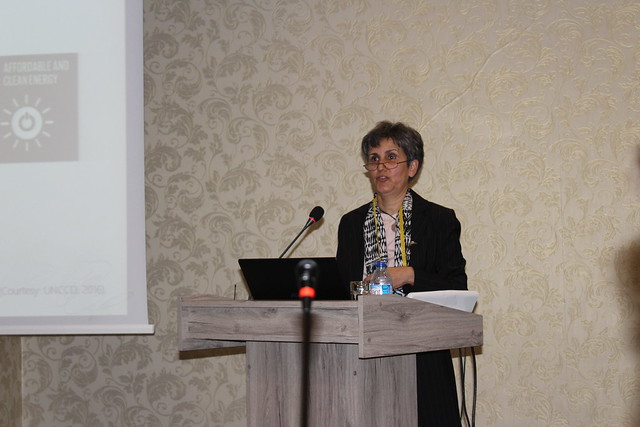
The coming decades will be crucial in shaping and implementing a transformative land agenda, according to a scientist at the United Nations Convention to Combat Desertification (UNCCD) framework for Land Degradation Neutrality (LDN). UNCCD-Science Policy Interface co-chair Dr. Mariam Akhtar-Schuster
This comes after the dire warnings in recent publications on desertification, land degradation and drought of the :
“The main message is: things are not improving. The issue of desertification is becoming clearer to different communities, but we now have to start implementing the knowledge that we already have to combat desertification. It’s not only technology that we have to implement, it is the policy level that has to develop a governance structure which supports sustainable land management practices.”” Akhtar-Schuster.
Social media
ICARDA Tweet

Tuesday, May 2, 2017

Turkey-Africa 1st Agriculture Ministers Meeting and Agribusiness Forum

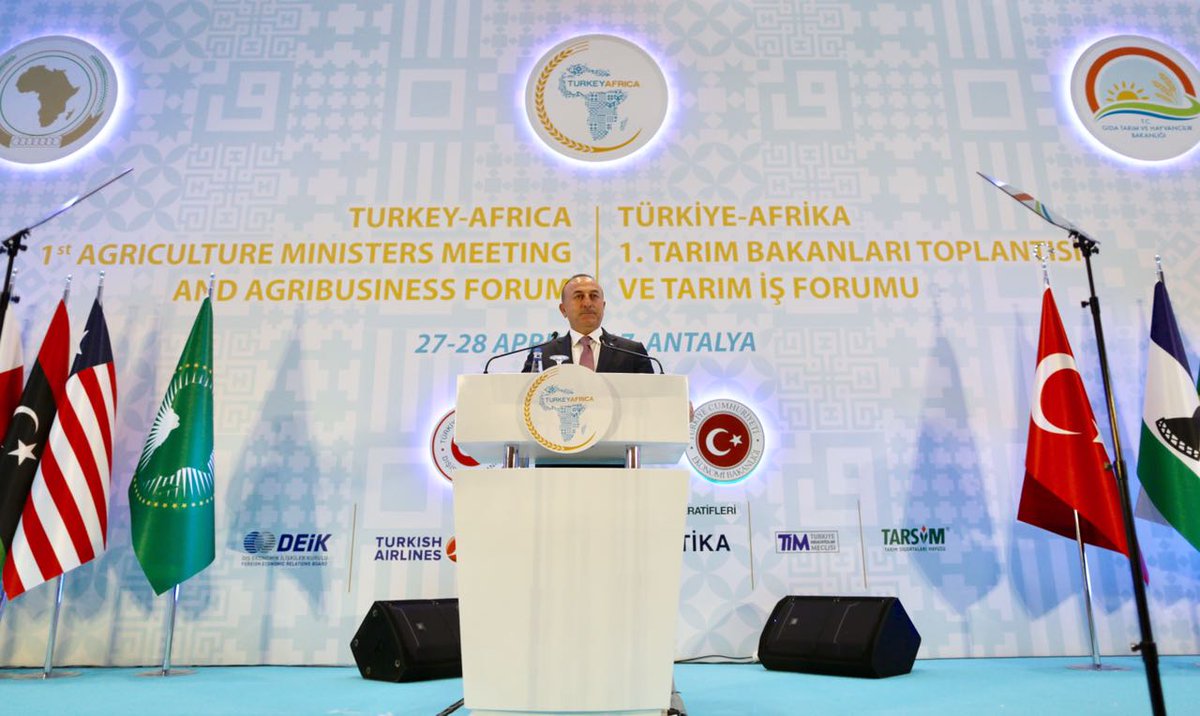
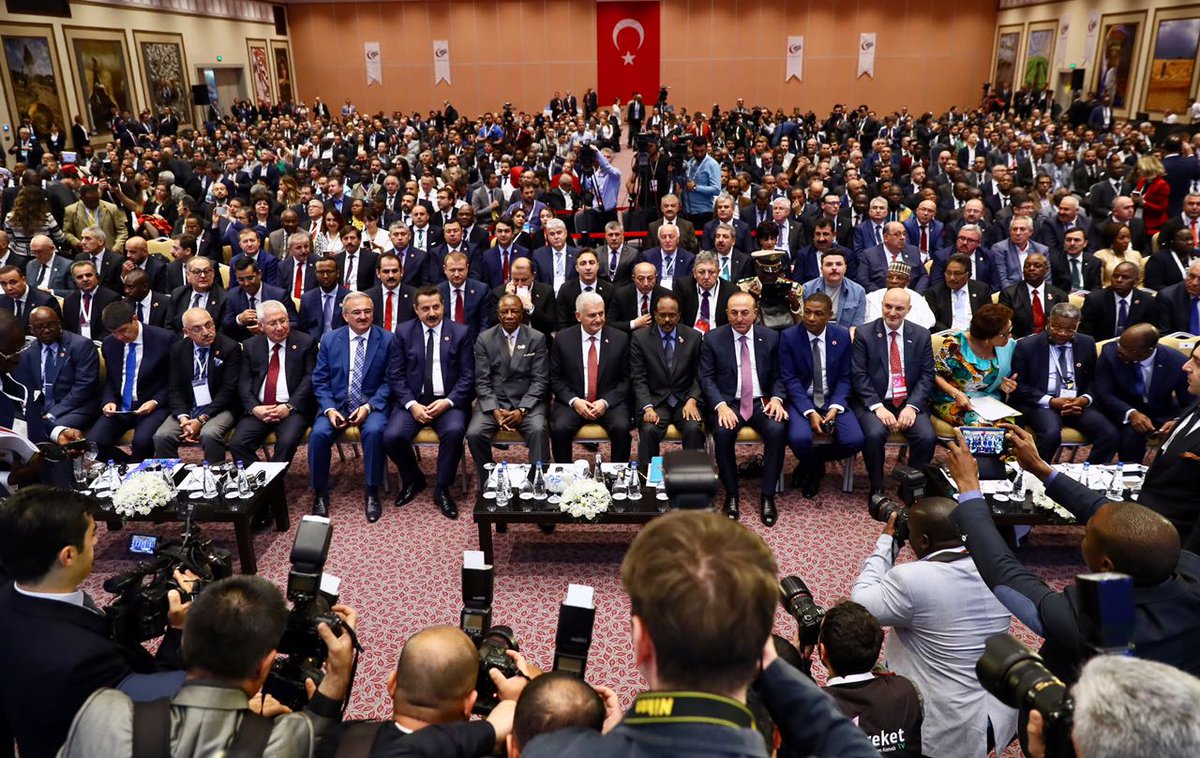
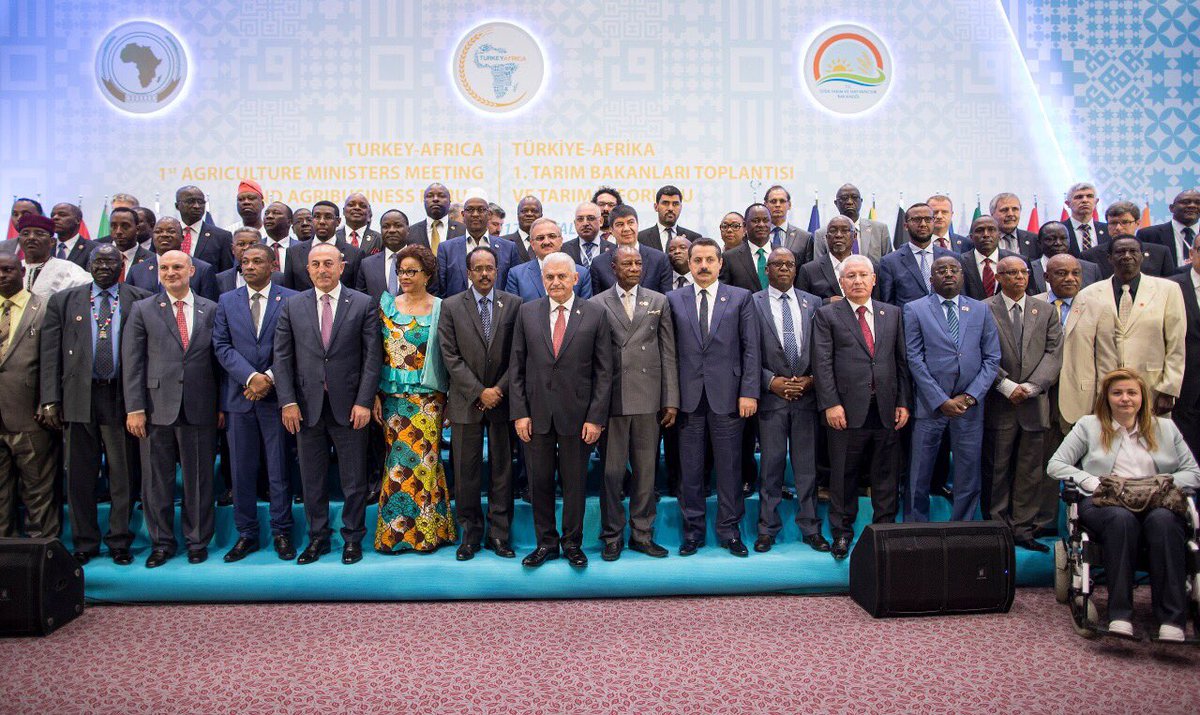
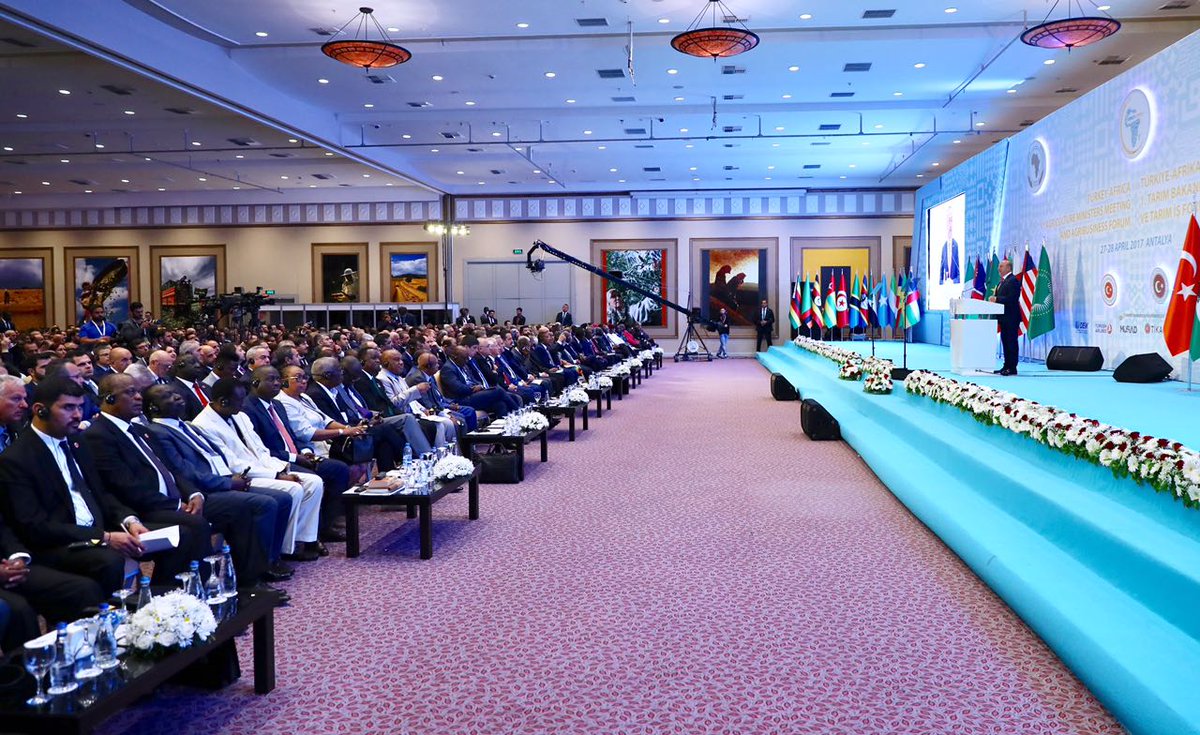
27-28 April 2017. Antalya, Turkey. Turkey-Africa 1st Agriculture Ministers Meeting and Agribusiness Forum.

Organized by the Turkish Ministry of Food, Agriculture and Livestock, the two-day event hosted more than 300 participants, including ministers, from 54 African countries. Deals were signed with Congo, Ivory Coast, Djibouti, Guinea, Rwanda and Gambia.
"African countries and Turkey worked towards starting a cooperation. We are now witnessing a political will in Turkey. This is highly important for the development of agriculture sector and for the development of African countries. We are aware of the effort. During the meetings, we listen to different presentations and projects. I believe that we are on the right path. I praise Turkey's experience in the area of agriculture as one of the largest exporters of agricultural commodities. Hence, we have a lot to learn from you and we can benefit from your experiences" Sacko Josefa Leonel Correa, African Union commissioner for rural economy and agriculture
Side events:
Side Event 1: Agricultural Financing and Credits
Turkey has a long history and thus experience in agricultural financing and credits which are performed by both public and private banks and cooperatives. The side event provided a select overview of some successful applications of agricultural financing and credits in Turkey.
  • Presentation on the Importance Agricultural Financing and Credits in Africa 
  • Government role in Agricultural Financing and Credits Ziraat Bankası Representative 
  • Role of Cooperatives and sharing Experience Agricultural Credit Cooperatives 
  • Role of Private Banks in Agricultural Financing and Credits Deniz Bank Representative 
  • Importance of Agricultural Insurance Role in Agricultural Financing and Credits MFAL, Agricultural Insurance Department 
Side Event 2: Agricultural Mechanization and Irrigation Systems
Turkey has organized international training on sustainable management of soil and water resources, plant nutrition and soil management, agricultural irrigation, agricultural mechanization and information technologies, watershed hydrology and soil conservation. Experts from some of the African countries participate in those trainings every year. In agricultural production, irrigation should not be an input. Instead of this, production should take place depending upon natural rainfall. Irrigation water also should be used carefully. Experts should conduct irrigation-productivity analysis in order to save the limited water.

Side Event 3: Climate Resilience
Turkey has some research studies regarding climate change. Certain universities and institutions provide some statistical data for climate change in agriculture for Turkey. Since 2004, Turkey has created good agricultural policies including climate change. Turkish agricultural policies may serve as good practices in this area. These practices include irrigation system, agricultural mechanization, land consolidation, combating desertification, climate change. Besides building climate resilience these practices can help create employment opportunities in African States. 

Side Event 4: Agricultural Trade and Investment
This side event provided a platform for Turkish and African government officials to discuss Turkey and Africa partnership in agricultural trade and investment and help them to define priority areas for promoting trade and investment.

Side Event 5: Agricultural Inputs
This side event provided a platform for sharing Turkish experience on agricultural inputs such as improved seed, fertilizers and machinery and promoting them to African states. 

Side Event 6: Agro industry
Processing of agricultural products converts relatively bulky, perishable and typically inedible raw materials into more useful, shelf-stable and palatable foods or potable beverages. By way of agricultural processing, a lot of sub sectors such as logistic, retailing, storage, etc. will be more sophisticated and secure than before. The side event provided a platform for sharing Turkish experience in agro-industry

Side Event 7: Youth Employmentand Women inRural Development
In North Africa, unemployment rates (among a generally more educated labour force) are quite high (23.8 per cent estimated in 2012, with a 3 percentage point increase between 2010 and 2011 and a steady increase since 2007) and projected to remain high over the next five years. At the same time, labour force participation rates for women are the second lowest in the world (33.4 per cent in 2012, right after the Middle East). Informality is less marked than in the south of the Sahara, but still persistent.

Side Event 8: Food and Nutrition Security
Although there is no set formula for achieving sustainable improvements in curbing undernourishment, tangible impact often requires transforming political commitments into: (a) High-level leadership and improved governance; (b) Public-private partnerships; and (c) Comprehensive and complementary approaches to create an enabling environment. 

Improving nutrition is achievable and evidence-based interventions exist. Reducing malnutrition requires nutrition policies, which then must translate into effective programs that address challenges at the household, community and national level. Agriculture has a key role to play In Improving the quality of diets and fighting all forms of malnutrition in Africa, and conversely, improving nutrition is a pre-requisite for achieving the targets for agricultural productivity and production and socio-economic development that African states have set. It is also important to raise levels of nutrition and leverage opportunities offered by agriculture to enhance nutrition and health.

Related blog post:
21 November 2014. Malabo, Equatorial Guinea. Africa-Turkey Summit Renews Agribusiness


One of the countries looking to find investment from Turkey in the industry is Zambia. But despite the potential, the country is grappling with poverty and high unemployment. Mutuna Chanda has this report from Lusaka.

Tuesday, November 3, 2015

African Investment and Energy Forum

27 - 29 October 2015. African Investment and Energy Forum. The Africa`s leading B2G and B2B Exhibition and Conference adressses Africa's most important business topics by international experts and well known personalities. The AIF is the only one of its kind to take place in the AFRICAN UNION Conference Center.

Extract of the program

  • Private Sector and Development Cooperation in practice (Judith Helfmann-Hundack, Foreign Trade and Development Policy, AfrikaVerein der deutschen Wirtschaft e.V. 
  • The dual approach - the German experience in vocational training in Subshara Africa (Ingo Badoreck - Country Director – Delegation of German Industry and Commerce in Kenya) 
  • Investment opportunities in Agribusiness: The East Africa experience (Kanini Mutooni – USAID East Africa Trade and Investment Hub Director, Investment, ICT) 
  • Agricultural Wastes as Source of Energy and Income: Making Agriculture More Attractive and Rewarding (Abdulkadir Hassan - ZHE Africa)


Panel Discussion International Investment in Agriculture – along the value chain

  • Lutz Hartmann - General Manager, FruitBox Africa GmbH and Partner Belmont Legal. 
  • Dr. Ferdinand Schmitz, Managing Director, German Seed Alliance 
  • Henk-Jan Voskuil, General Manager Dümmen Orange   
  • Asmau Nitardy – Manager East Africa & Agribusiness, Afrika-Verein der deutschen Wirtschaft e.V.) 
“AFRICA FINLAND INVESTMENT RELATION” 
  • Business partners from Finland – government supported Matchmaking - program of Finnpartnership (Birgit Nevala - MA, Business Partnership Coordinator, Finnpartnership) 
  • Financing and investments from Finland to Africa (Jussi Ahonen – Investment Manager – Manufacturing and Services Finnish Fund for Industrial Cooperation Ltd (FINNFUND)
“AFRICA TURKEY INVESTMENT RELATION” 
  • M. Rizanur Meral – President of TUSKON 

The German-Africa Business Association, which comprises 600 German companies with an interest in Africa, offers a platform for establishing contacts and exchanging information and opinions.
  • Association Foreign Trade and Development Policy Head Judith Helfmann-Hundack said that they have come with the business delegation for the first time following Prime Minister Hailemariam Dessalegn's visit to Germany last December.
  • She indicated that there are good opportunities in Ethiopia especially in the agriculture sector. Anything to do with manufacturing and processing agricultural products, packaging them to transport is an important and interesting points to consider, she said. "It's a right time to be here."
  • The visiting delegation, which all hailed from agribusiness sector, participated in the African Investment and Energy Forum and many more German companies outside of the delegation 

Saturday, December 13, 2014

Africa-Turkey Summit Renews Agribusiness

21 November 2014. Malabo, Equatorial Guinea. Leaders of African countries and Turkey reviewed the
performance of the 1st Africa-Turkey partnership and to endorse projects and implementation modalities on priority areas for the coming five years.

African Union Commission Chairperson Nkosazana Dlamini Zuma, Turkish President Reccep Tayyip Erdogan, Mauritanian President Ould Abdel Aziz, who is the current chair of the African Union, President of Equatorial Guinea Theodore Obiang Ngoma and high officials of member countries attended the last session of the 2nd Africa-Turkey Partnership.

The 1st Africa-Turkey Partnership was held in August 2008 in Istanbul, Turkey. The summit evaluated and endorsed the “Joint Implementation Plan of Africa-Turkey Partnership 2015-2018,” featuring key areas of cooperation.

It also looked into and endorsed a “Matrix of Key Priority Projects of the Africa-Turkey Partnership 2015-2018″ with the aim of discussing the way forward on proposed key priority projects.

Some 200 business leaders, along with a delegation led by Erdogan attended the three-day summit in addition to a handful of African leaders.

Mauritania and Ethiopia – the AU’s outgoing chair – both attended this year’s summit, along with Algeria, Nigeria, South Africa, Senegal, Libya, Zimbabwe, Kenya, Ghana, Chad, the Democratic Republic of Congo and Egypt. Thirty-two other African countries attended the event as observers.
“A lot has happened since the 1st summit in August,” Dlamini-Zuma said, mentioning China’s outpacing of Japan as the world’s second economy and the global financial crisis. Seven out of ten fastest growing economies were in Africa while Africa has the fastest growing consumer class.”