

Kamogelo Thumankwe, Founder and CEO of Tsarona, is working to introduce one of Africa's overlooked crops, Bambara groundnut (Vigna subterranea), to the German and wider European food market. Originally from Botswana and now based in Berlin, she is developing a business model that connects African smallholder farmers, food processors and European consumers, while promoting the nutritional, environmental and commercial potential of indigenous African crops.
Bambara groundnut is a protein-rich, drought-tolerant legume traditionally cultivated and consumed across sub-Saharan Africa. Its ability to grow under relatively dry conditions and improve soil fertility through nitrogen fixation makes it particularly relevant to climate-resilient agriculture. Yet despite these advantages, Bambara remains largely unknown to European consumers and underrepresented in international food value chains.
Breaking into a market unfamiliar with African foods

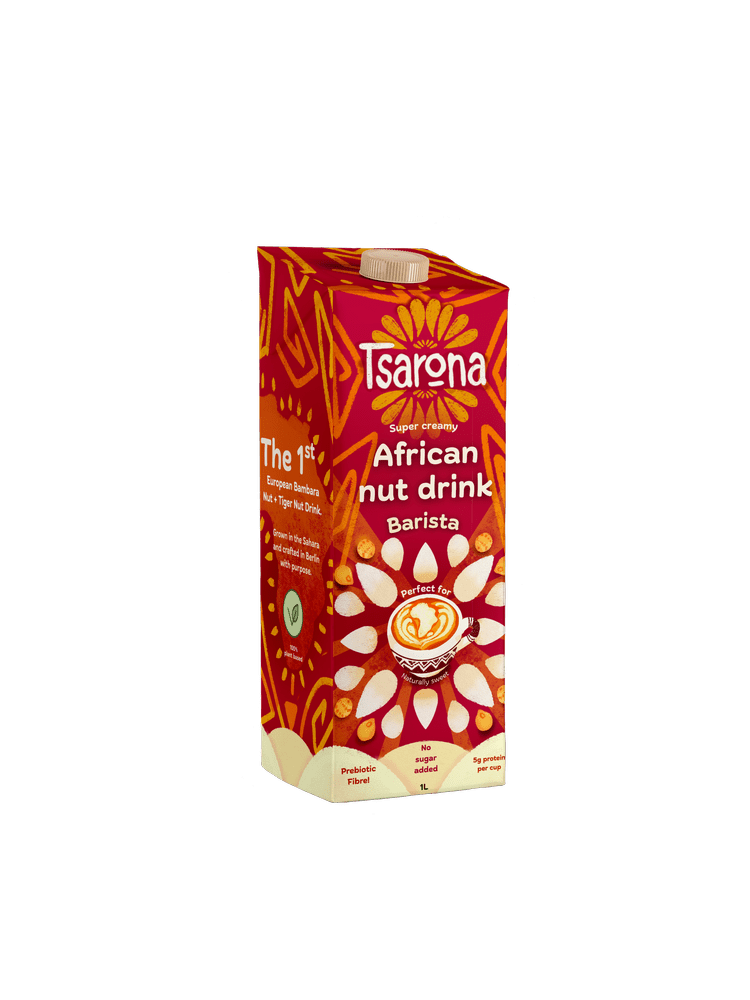
This creates a significant obstacle for entrepreneurs such as Kamogelo. Unlike familiar Asian or Mediterranean ingredients, Bambara groundnut requires substantial consumer education, product promotion and market development. German consumers may be unfamiliar with its taste, nutritional properties and culinary applications, while retailers and distributors may hesitate to introduce products without demonstrated consumer demand.
Processing and regulatory challenges
Beyond consumer acceptance, transforming Bambara groundnut from a traditional African crop into a commercially viable European food ingredient presents considerable technical and logistical challenges.
Bambara requires appropriate cleaning, dehulling, processing and quality control to produce consistent ingredients suitable for European food manufacturers. Developing reliable supply chains from Botswana involves coordinating production volumes, processing capacity, traceability, food safety requirements and transport logistics.
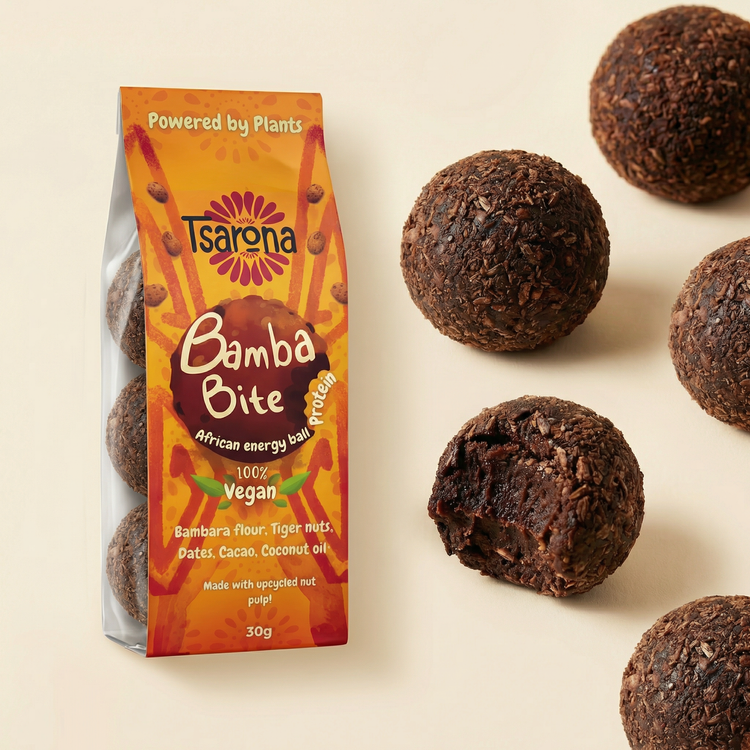
Tsarona operates between Botswana and Germany, combining agricultural sourcing and farmer partnerships in Botswana with product development, regulatory compliance and commercial market access in Berlin. The company is also building relationships with Botswana's agricultural institutions, including the National Agricultural Research and Development Institute (NARDI).
Creating opportunities for African farmers and food entrepreneurs

Kamogelo's ambition extends beyond selling Bambara-based products. Her vision is to establish a commercially sustainable value chain that creates opportunities for African farmers and processors while diversifying Europe's food supply.
Her experience highlights a broader challenge facing African food entrepreneurs: the commercial success of neglected and underutilized crops depends not only on agricultural production and scientific research, but also on processing technologies, consumer awareness, market access and investment.


No comments:
Post a Comment