
 12 June 2026. Field visit of GFAiR and Foodbridge (which leads GFAiR's Collective Action on Forgotten Foods) following the NUS Africa's regional stakeholders conference. (9 - 11 June 2026. Accra, Ghana).
 For generations, the Krobo people of eastern Ghana have cultivated bambara groundnut as an important food crop, carefully adapting their farming practices to the rhythms of the seasons. Farmers traditionally grow two varieties of bambara groundnut, selecting each according to rainfall patterns and growing conditions. One variety is planted during the major rainy season, taking advantage of abundant moisture to produce high yields, while the other is better suited to the shorter rains and drier conditions. This seasonal approach reflects the deep agricultural knowledge of the Krobo, who have long understood how crop diversity can reduce risk and ensure food security throughout the year.
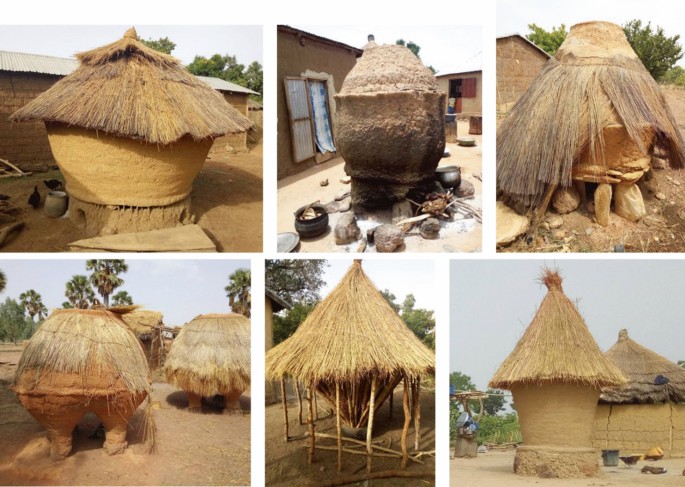
The main harvest festival of the Krobo people, is called the Ngmayem Festival, which means "Eating the New Millet" in the Krobo/Dangme language.
During these festive occasions, foods prepared from bambara groundnut are shared among families and visitors, symbolizing prosperity, resilience, and the enduring connection between people, land, and heritage. In this way, bambara groundnut is more than a crop—it is a living tradition that links Krobo farming knowledge, food culture, and community life across generations.
Interview with the ADA traditional chief
Interview with Nene Zotorvie 6th ADA traditional chief. As a chief carrying the "Nene" title in the Ada state, a leader of this stool is expected to: (a) Oversee development, land administration, and community welfare in the Tamatoku or Tehey areas; (b) Sit under the broader authority of the Paramount Chief of the Ada Traditional Area (the Ada Maŋtsɛ), currently Nene Abram Kabu Akuaku III; (c) Join the annual Ada Asafotufiam Festival to showcase the culture, military history, and unity of the Ada divisions.
Nene Zotorvie V passed away and became the subject of national media attention in September 2018. During his funeral rites, a violent clash erupted between a faction of the Zotorvie family from Tamatoku and indigenes of Tehey over a land and burial space dispute. This tragically resulted in a rival faction attacking the funeral procession and torching the ambulance containing his remains.
Related: CSIR warns indigenous crops are fast disappearing in Ghana
Related: Food Plant Solutions released a new resource for Ghana
Related: Can an underused legume transform food security in Ghana?
4 Sept 2025. In this deep dive, we travel to northern Ghana, where Grow Further and CSIR-SARI are developing the first commercial variety of Bambara groundnut, a highly nutritious, drought-tolerant crop traditionally grown by women. With the potential to reach 1.6 million farms in five years, this project is turning Bambara from a subsistence staple into a powerful tool for nutrition, income, and climate resilience.
Why Bambara Groundnut?
- Indigenous, protein-rich, and perfect for dryland farming
- Especially beneficial for infants and mothers
- In demand by food companies like WhatIf Foods for plant-based milk
Women Leading the Way
- Women farmers are central to this project, testing new varieties and setting priorities
- Improved seeds unlock income, food security, and leadership opportunities
What You’ll See:
- 🥔 How Bambara supports nutrition and soil health
- 🥔 Why it’s a climate-smart solution for northern Ghana
- 🥔 The future of Bambara as a commercial crop
- 🥔 Sustainable practices like biochar and composting improving yields


No comments:
Post a Comment