Platform for African – European Partnership in Agricultural Research for Development

Tuesday, October 1, 2019

Ann Waters-Bayer receives a lifetime achievement award


http://www.prolinnova.net/sites/default/files/documents/news/2019/untitled-1.jpg
Christian Huelsebusch, made for Ann
the statue of a Fulani woman with cow
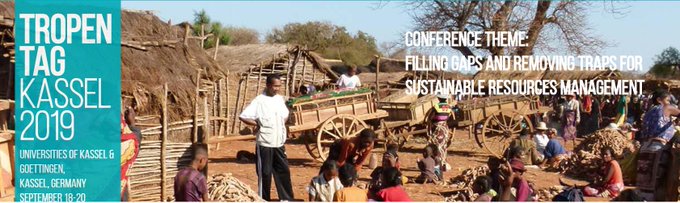
18 September 2019. Ann Waters-Bayer, a co-founder of Prolinnova and a longstanding and indefatigable member of the International Support Team, received a lifetime achievement award from the German Council for Tropical and Subtropical Agricultural Research. She received the award at a ceremony during the Tropentag 2019 held at the University of Kassel, Germany.

Brigitte Kaufmann, Director of Research at the German Institute for Tropical and Subtropical Agriculture (DITSL), University of Kassel, gave the laudation at the award ceremony as follows (extract):


ATSAF (ATSAF: Arbeitsgemeinschaft für Tropische und Subtropische Agrarforschung / German Council for Tropical and Subtropical Agricultural Research) has decided to honour Dr. Ann Waters-Bayer with its “Ehrenpreisfür das Lebenswerk”, which might literally be translated as “award for her lifetime achievement” - and it is my pleasure and a great honour to deliver the “Laudatio” on this occasion. 

 With this award, ATSAF seeks to appreciate and reward outstanding engagement in promoting young scientists and in networking and information sharing. I am very glad that ATSAF has chosen Ann as a laureate and I will share with you in the next few minutes why I consider her a particularly worthy choice. Already when I was a junior scientist myself - and had just finished my Masters degree in Hohenheim - I profited from her networking and information-sharing activities. 

This was in the early 1990s, and Ann and her husband Wolfgang invited me for tea into their home in Göttingen so that I could use Ann’s collection of literature on participatory research. At that time, information on participatory research was still scarce and difficult to access, as most of it was grey literature – of which Ann had an impressive collection -  and she also had a photocopy machine. This means: She had the information and the device to facilitate its sharing - and – most importantly – she had the kindness to invite me as a student unknown to her into her home to profit from her experience. Since several years now, our paths are crossing and I have had the privilege to work together with Ann in a number of contexts. 

Ann’s professional life follows two dominant and also somehow interwoven streams. 
  1. One is her focus on promoting farmer-led research and local innovation. 
  2. The other is her interest in pastoral production - and this with a particular emphasis on gender aspects. 
So already in the 1980s, Ann developed her interest in local innovation and joint experimentation with farmers. And it is her conviction that crop farmers and livestock keepers must have more autonomy and possibilities to influence – when research is actually meant to be “for development”. This conviction goes hand in hand with her emphasis on promoting agroecological agriculture and low external input farming, because particularly here there is a much stronger need to “contextualize” innovations. 

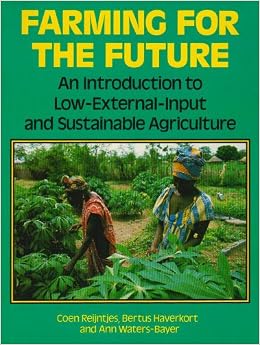
 Ann wrote, contributed to and edited books on agroecological farming, for instance the well-known and widely used “Farming for the Future” book. Published already 1992, it can be seen as a precursor to a topic that has just recently been pushed by FAO and the UN Committee on World Food Security. 

When Ann worked for the Information Centre on Low External Input and Sustainable Agriculture – better known as ILEIA – from ‘89–95, she had indeed a “networking and information-sharing position” as she was writing and editing articles for the ILEIA Magazine. And she used this to actively engage with the different groups that figured in that magazine and that had experience in farmer-led research and agroecological farming. And she also used this engagement to help them to reflect and learn from their own experience and then share it in a way that again others could learn from it. 


But Ann did not merely support cases of farmer-driven research - she took an active role in institutionalizing this different form of agricultural research. An outstanding achievement in this context is the creation and design of the Global Partnership Programme Prolinnova. 

Prolinnova is an international learning network to promote local innovation in ecologically oriented agriculture. This network builds on active engagement of societal actors and this is also why the network still exists and develops despite the fact that the core funding from the Dutch government was terminated in 2011. Ann has always put an immense focus on networking. 

And as we all know,this takes time and much more so before the common use of the Internet. Back then, keeping track of people and stimulating contacts and exchange was an arduous task, but Ann understood the importance of networking to make change happen. I know Ann as very much dedicated in helping students and young researchers from north and south to find their ways in making financing and research proposals work. She did this also in Agrecol, in her role as experienced senior advisor. Her humble personality gives often room for listeners to be very much surprised by Ann’s precise and innovative contributions and ability to provide holistic views and perspectives on situations. 

Ann is now retired since 5 years. This is – as I understand – one of the necessary criteria to be eligible for the ATSAF award. However – her retirement has up to now been hardly noticeable, as she is still very active in networking and information sharing: She currently administers 3 mailing lists with together almost 1500 members. Ann’s lifetime achievement is a perfect example for how knowledge creation results from interactions. Her professional life was not directed towards making a career but she works on things that she finds stimulating and interesting and in which she wholeheartedly believes. This is most likely the reason why - despite her numerical age - she is still looking so young. Ann – may I ask you to come forward and receive your prize.

Advancing the value of horticulture in international development.

1 October 2019. 10 years of the Horticulture Innovation Lab led by UC Davis: end of the second 5-year grant, we reflect on the accomplishments of our program’s global leadership in

U.S. Agency for International Development may provide funding for a Feed the Future Innovation Lab focused on horticulture in the near future, as USAID recognizes the many contributions of fruit and vegetable research for development in meeting their global goals. Read more:

HORTICULTURE FOR DEVELOPMENT WEBINARS NOW AVAILABLE
  • All nine of the presentations from the Horticulture Innovation Lab’s recent webinar series are available on the website, with full videos, slides, text summaries, and supporting documents. 
  • Each week participants from at least three continents tuned in, with more than 140 participants joining one or more session. 
  • From grant writing to participatory research methods, horticulture value chain assessments to integrating youth, catch up with the webinars you missed here: http://bit.ly/2XFnyfj

Sunday, September 29, 2019

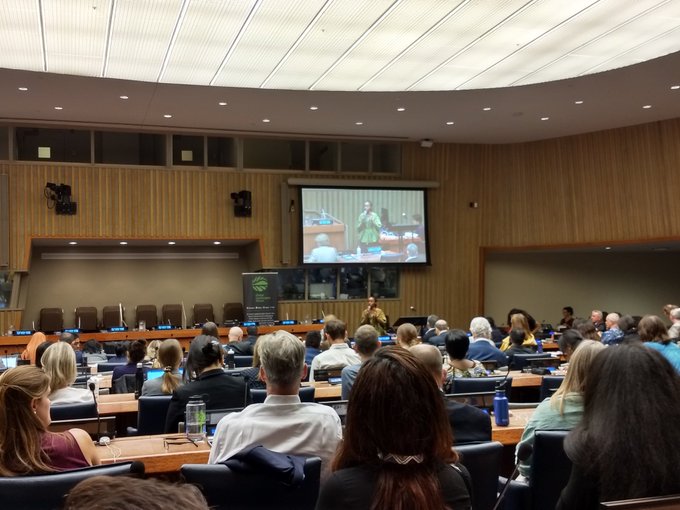
Restore the Earth Global Landscapes Forum New York

28 September 2019. New York. To mark the adoption of the UN Decade on Ecosystem Restoration – connecting land and water – and to ensure this opportunity reaches its full potential, the Global Landscapes Forum (GLF) organized a one-day event back-to-back with the opening of the 74th UN General Assembly (UN GA) and shortly after the UN Secretary-General’s 2019 Climate Action Summit.

Restore the Earth Global Landscapes Forum New York was a global consultation in the run up to the official launch of the UN Decade on Ecosystem Restoration in 2021. The objective of this critical first meeting was to raise awareness, define the land and seascapes the world needs to be restored to a sustainable state, and launch a global movement that will restore up to 2 billion hectares of degraded ecosystems and achieve the UN SDGs.


https://events.globallandscapesforum.org/new-york-2019/join-online/

GLOBAL LANDSCAPES FORUM

The Global Landscapes Forum (GLF) is the world’s largest knowledge-led platform on integrated land use, dedicated to achieving the Sustainable Development Goals and Paris Climate Agreement. The Forum takes a holistic approach to create sustainable landscapes that are productive, prosperous, equitable and resilient and considers five cohesive themes of food and livelihood initiatives, landscape restoration, rights, finance and measuring progress. It is led by the Center for International Forestry Research (CIFOR), in collaboration with its co-founders UN Environment and the World Bank and Charter Members. 

Charter members: CIRAD, CIFOR, Climate Focus, Conservation International, Ecoagriculture Partners, The European Forest Institute, Evergreen Agriculture, FSC, GEF, IPMG, CIAT, ICIMOD, IFOAM - Organics International, INBAR, IUFRO, Rainforest Alliance, Rare, Rights and Resources Initiative, UN Environment, Wageningen Centre for Development Innovation part of Wageningen Research, World Agroforestry, World Resources Institute, WWF Germany, Youth in Landscapes Initiative (YIL), World Bank Group

Extract of the programme

Opening: Restore the Earth
  • Tony Simons - Director General, World Agroforestry (ICRAF)
  • Inger Andersen - Executive Director, UN Environment Programme
  • Christiane Paulus Director General, Nature Conservation and Sustainable Use of Natural Resources, German Ministry for Environment, Nature Conservation and Nuclear Safety (BMU)
Resetting the Restoration Agenda Completed
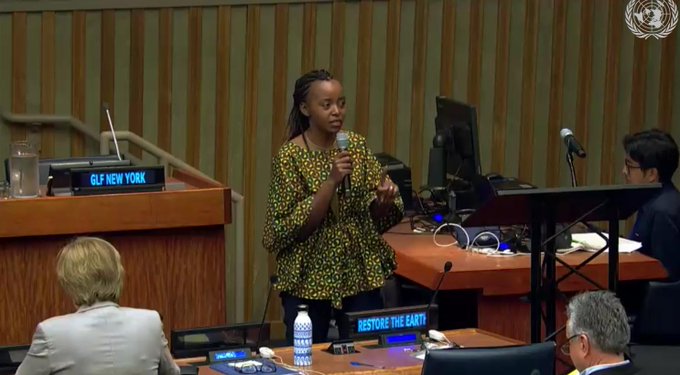
  • Susan Chomba (see picture) - Social Scientist, World Agroforestry (ICRAF)
    3 key myths to debunk on land #restoration!
    We have simple magic bullets for land restoration.
    As long as we are planting millions of trees we will be fine...
    We can scale up land restoration via small isolated pilot projects
  • Daniel Murdiyarso - Principal Scientist, Center for International Forestry Research (CIFOR)
  • Leigh Ann Winowiecki - Soil Systems Scientist, World Agroforestry (ICRAF)
  • Himlal Baral - Senior Scientist, Center for International Forestry Research (CIFOR)
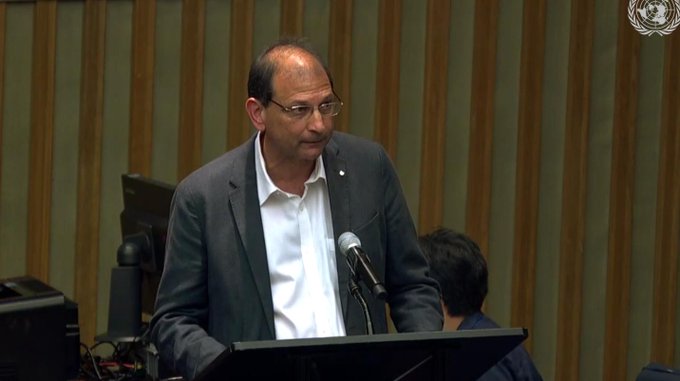
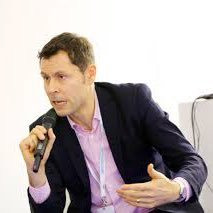
  • Ravi Prabhu (see picture) - Deputy Director General (Research), World Agroforestry (ICRAF)
Survival Diets and Healthy Food Systems
Agriculture: Supplying Success in Landscapes
  • Louise Mabulo - Award-winning chef, entrepreneur, agriculture advocate, public speaker and competitive archer
  • Roselyn Fosuah Adjei - Director Climate Change Directorate, Forestry Commission of Ghana
  • Otto Valadares - Farmer, Cerrado, Brazil
Forests: EverGreening the Earth’s Degraded Landscapes
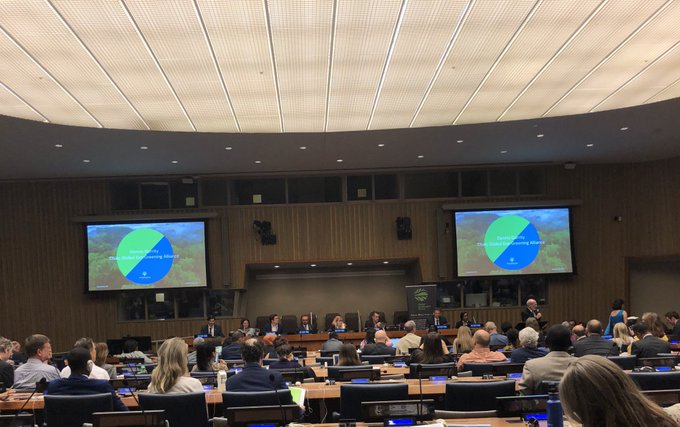
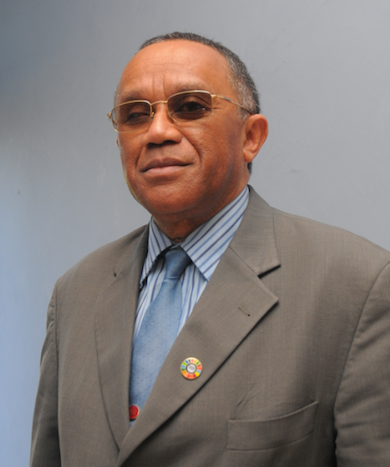
  • Dennis Garrity  (see picture) - Chairman of the Board, Global EverGreening Alliance; Senior Fellow, WRI; Distinguished Senior Research Fellow, World Agroforestry (ICRAF)
  • Chris Armitage - CEO, Global EverGreening Alliance
  • Stephen Fern - Chairman of the Board, G9 Ark
  • Ahunna Eziakonwa-Onochie - Director for Africa, UNDP
Drylands and Rangelands: Harnessing Change
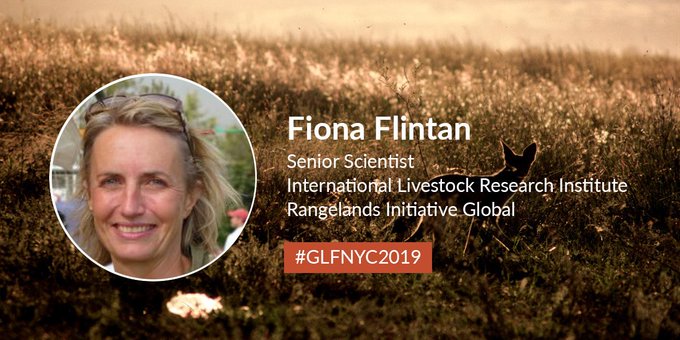
  • Fiona Flintan   (see picture) - Senior Scientist, International Livestock Research Institute (ILRI)
  • Gabriel Seghezzo - Director, Fundapaz Argentina and Coordinator of the Semi-Arids Platform Latin America
  • Sukhbold Sukhee - Permanent Representative and Ambassador Extraordinary and Plenipotentiary of Mongolia to the United Nations
  • Paola Agostini - Lead Natural Resources Management Specialist, Europe and Central Asia, World Bank
  • Daisy Hessenberger - Young Professional, IUCN
  • Umaru Sule - Member, Mbororo Social and Cultural Development Association (MBOSCUDA)
Wanjũhĩ Njoroge Youth in Landscapes (YIL) representative

Farmers taking the lead: 30 years of Farmer Field Schools

27 September 2019. The FFS has been one of the most successful approach developed and promoted by FAO over the last 30 years, empowering farmers to become better decision makers in their own farming systems. Initiated by FAO in 1989, and followed by many other organizations and institutions, the FFS programmes represent one of the most important “result of the collective action of millions of small-scale farmers”.

FFS programmes work with local groups of farmers and pastoralists to help improve knowledge and technical skills through a process of critical thinking. Participants enhance their understanding of agro-ecosystems, which leads to production systems that are more resilient in local conditions and optimize the use of available resources. FFS aim to improve farmers’ livelihoods and recognize their role as innovators and guardians of natural environments. FFS offer farmers, pastoralists, fisherfolks, foresters and their communities a place where they can discuss and make practical experiments.

Nature Based Solutions (NBS), Climate Action Summit 2019

Nature-based Solutions for NDCs Pathway Framework
September 20, 2019

The “Pathway for Increasing Nature-based Solutions in the Nationally Determined Contributions: A seven-step approach for national governments to integrate or enhance nature-based solutions in their NDCs” provides a framework for governments to identify potential NBS with the aim of enhancing their climate mitigation and adaptation action in a cost-effective manner and with multiple co-benefits.

This Pathway provides governments with a concise summary of specific actions to consider, organized in seven steps:

Step 1 – Establish an understanding of the national greenhouse gas accounting context
Step 2 – Identify and review existing nature-based actions in national legal and institutional frameworks
Step 3 – Identify and review nature-based actions in the current NDC
Step 4 – Develop a rapid analysis for estimating the climate change mitigation and adaptation potential of the existing nature-based actions
Step 5 – Crosswalk nature-based solution pathways with existing measurable nature-based actions and identify opportunities for enhancing NDCs using spatial data
Step 6 – Integrate measurable nature-based actions into the NDC
Step 7 – Improve or create the enabling conditions to support implementation of NBS integrated into the NDC
Check out the complementary Nature-based Solutions for NDCs Toolkit here.

Related:
22 September 2019. Nature Based Solutions (NBS), Climate Action Summit 2019.

The Nature-Based Solutions Coalition of the UN Climate Action Summit hosted a high-level event to highlight the critical role of nature for climate action and the pathways to unlocking nature’s full potential for mitigation and adaptation to deliver the Paris Agreement and carbon neutrality by 2050.

The event was convened by the UN Secretary-General, featuring Heads of State and Ministers, and leaders from international organizations, civil society, private sector, youth and indigenous peoples, among other key stakeholders.

Extract of the programme:
Scaling-up NBS for Mitigation, Resilience and Adaptation
The solutions exist, they are people-centered, practical and achievable. They can be implemented everywhere if adequately supported through shifts in national governance and financing processes, widespread popular mobilization and partnering among multiple stakeholders
  • Rt. Hon. Zac Goldsmith UK, Minister for Environment and International Development 
  • HE Sergio Costa, Italy, Minister of Environment, Land and Sea 
  • Ibrahim Thiaw, Executive Secretary, UN Convention on Combating Desertification (UNCCD) 
  • Divine Ntiokam, Climate Smart Agriculture Youth Network, Cameroon 
  • Grethel Aguilar, Acting Director General, IUCN 
  • Jennifer Morris, President of Conservation International 
  • Ruandha Agung Sugardiman, Director General of Climate Change, Ministry of Environment, Forest and Climate Change, Government of Indonesia 
  • HE Lee White, Minister for Forests, Sea, Environment and Climate, Republic of Gabon

Food Security and the achievement of SDGs in Africa: what role of South-South and triangular cooperation

23 September 2019. On the sidelines of the World Sustainable Development Summit, the Kingdom of Morocco, the Food and Agriculture Organization of the United Nations (FAO), the United Nations Economic Commission for Africa (UNECA) and the African Development Bank (AfDB) organized a High Level Panelon “Food Security and the achievement of SDGs in Africa: what role for South-South and triangularcooperation”.

This panel included a presentation of African inter-governmental initiatives including the triple A initiative which promotes the adaptation of agriculture to climate change and the triple S (Sustainability, Security and Stability) in Africa which aims at stabilizing agricultural production and natural resources in high-risk areas.


Several initiatives have been launched in Africa to intensify South-South and triangular cooperation with the objective of promoting sustainable agriculture which would allow the continent to ensure its food security through capacity building, technology transfer, the financing of climate change actions and political dialogue.
  1. The first initiative, commonly known as Triple A, promotes and fosters the implementation of specific projects to improve soil management, agricultural water control, climate risk management and capacity building & funding solutions. The initiative is an important response not only to climate change, but also to food insecurity. 
  2. The second one triple S is related to Sustainability, Security and Stability in Africa (3S) and aims at creating jobs for young people, women and migrants through the restoration of degraded lands by strengthening land access and tenure rights as well as by enhancing early warning systems to predict drought and other natural disasters and effectively respond to the displacement of populations. 
Regional and international institutions such as Food and Agriculture Organization of the United Nations (FAO), the African Development Bank (AfDB), the United Nations Economic Commission for Africa (UNECA), the International Fund for Agricultural Development (IFAD) and other partners are also attaching special importance to food security and sustainable agricultural development.

Global Coalition promises $650 Million to Accelerate CGIAR efforts


New York, New York (23 September 2019) — A coalition of donors, aid institutions and philanthropy promised today to invest more than US $650 million in the CGIAR System Organization to help 300 million smallholder farmers in developing countries adapt to the impacts of climate change, which already are eroding crop and livestock production in places like sub-Saharan Africa and South Asia.

The investments from the Bill & Melinda Gates Foundation, the World Bank, the United Kingdom, the Netherlands, the European Commission, Switzerland, Sweden, and Germany are part of a broader commitment of more than US $790 million to address the impact of climate change on food and agriculture. The investments announced today at the United Nations Climate Action Summit are a response to a call to action from the Global Commission on Adaptation (GCA) urging world leaders to mount a “massive effort to adapt to conditions that are now inevitable.”
The GCA is co-chaired by Bill Gates, former United Nations Secretary-General Ban Ki-moon, and World Bank CEO Kristalina Georgieva. Earlier this month, the GCA put forward an agenda for adaptation that contains a detailed action plan for confronting climate threats to agriculture and food security and a recommendation to double the scale of agricultural research through the CGIAR System.
“ The new investments announced today are a recognition that we have just 11 growing seasons between now and 2030 and farmers need a host of new innovations to overcome a growing array of climate threats. This new funding is an important start towards a global effort to substantially increase support for CGIAR activities.”
“We know a lot about the crops they grow, the livestock they keep and the challenges and opportunities they currently face. We are ready to put the full force of our insights and activities behind a major effort to confront the climate emergency they now face.” Elwyn Grainger-Jones, Executive Director of the CGIAR System Organization.
CGIAR is a global research partnership dedicated to reducing poverty, enhancing food and nutrition security, and improving natural resources for smallholder farmers in the developing world. Investments in CGIAR have proven to be highly cost-effective, generating returns ranging from $2 to $17 for every $1 invested, with significant economic benefits for producers and consumers. CGIAR’s 15 Research Centers are working as a single unit under its flagship Two Degree Initiative for Food and Agriculture. The Two Degree effort is helping small-scale food producers across the globe adapt their farming systems, livelihoods, and landscapes to weather extremes and embrace production practices that lower emissions.

The investment announced today will support a wide range of activities across the CGIAR System to deliver a steady stream of adaptation solutions to smallholder farmers. The commitments to agriculture adaptation announced today include:
  • US $310 million from the Bill & Melinda Gates Foundation over the next three years to support CGIAR’s shared agenda to tackle climate change and make food production in the developing world more productive, resilient and sustainable. The foundation is the second-largest donor to CGIAR after the US Agency for International Development (USAID), with investments contributing to work in crop breeding, seed systems, gender equity, livestock, nutrition, and policy.
  • US $150 million from the World Bank for CGIAR efforts on behalf of smallholder farmers in the developing world over the next three years. “The World Bank is working towards a stepped-up effort on agricultural research in Africa. Towards this end, the Bank intends to work with its partners to develop an IDA financing package of US $60 million for CGIAR-based institutions in Africa,” said Axel van Trotsenburg, World Bank Acting CEO. “Together with its on-going contributions, the Bank could potentially provide support on the order of $150 million over the next three years.”
  • The Netherlands will reorient €100 million (US $110 million) towards food systems that are not only more productive but more adaptive and resilient. The Netherlands will also increase its contribution to CGIAR to €50 million (US $55 million) over two years. The country’s work with CGIAR initiatives includes a strong focus on developing public-private partnerships (PPPs), pursuing research that supports the SDGs, including efforts to help women farmers, and emphasizing the role of urban and rural consumers in achieving sustainable food systems.
  • The UK, through DFID, is committing £45 million (US $56 million) for CGIAR in 2020, alongside an additional £27 million (US $34 million) to support the Global Commission’s recommendations on agriculture. DFID’s past investments have enabled CGIAR to scale-up efforts to develop crop varieties and farming systems that are more resilient and productive along with markets, value chains, technologies and policies that deliver benefits – along with better health and nutrition – to poor communities.
  • Switzerland has committed 33.1 CHF million (US $33 million) to CGIAR for 2020-21. Switzerland’s close partnership with CGIAR targets efforts to find innovative solutions for high-quality food and sustainable natural resource management.
  • The European Commission has committed €32.3 million (US $35 million) to CGIAR for 2020-21. The Commission, through its Development Cooperation (DEVCO) financing, supports CGIAR to develop and maintain a global policy dialogue with regard to a demand-driven agricultural research and innovation agenda.
  • Sweden has committed to increase funding to CGIAR to 150 million SEK (US $16 million). Sweden, through the Swedish International Development Cooperation Agency (SIDA), has been a partner of CGIAR since 1973, supporting efforts to reduce poverty and famine, and improve health and nutrition through international research, partnerships and leadership.
  • Germany, through the Federal Ministry for Economic Cooperation and Development (BMZ) commits to strengthen the resilience of 60 million small-scale farmers. In addition, BMZ, together with partners of the InsuResilience Global Partnership, aims at scaling-up access to micro-insurance for 150 million people by 2025, of which more than 90 percent will be smallholder farmers.

How CGIAR is Leading the Charge on Agriculture Adaptation

CGIAR’s work is concentrated in areas of the developing world where most people work in agriculture and farming is the main source of food and income for hundreds of millions of households. Climate change is already producing a surge in the frequency and intensity of droughts that is damaging production of Africa’s most important crop, maize, while increased flooding in South Asia is endangering rice harvests that sustain millions. Climate change is also threatening to reverse major reductions in poverty in places like Rwanda, Ghana and Ethiopia that have been achieved largely by boosting the productivity of smallholder farms.
CGIAR researchers already are delivering a host of new crop varieties to farmers in places like Nigeria and Pakistan that can survive stressful conditions like drought and flooding. And they are rapidly developing more sustainable and resilient approaches to boosting crop and livestock production and reducing climate risks. That includes affordable insurance for poor livestock keepers that uses satellite data to monitor grazing conditions over vast areas and a “climate smart village” approach to resilience that helps entire farming communities embrace a range of new approaches, like drip irrigation for their fruits and vegetables and hardy, more productive livestock breeds.

Examples of CGIAR’s climate-focused innovations include:
  • Dozens of new varieties of drought-tolerant maize for farmers in sub-Saharan Africa that are increasing farmers’ yields by 20-30 percent. In Zimbabwe, maize farmers already are harvesting an additional 600 kilos or more than 1,300 pounds per hectare. Further adoption across the region will benefit 30-40 million people in 13 countries and provide added grain worth US $160-200 million per year in drought-affected areas, generating up to $1.5 billion in benefits for producers and consumers.
  • Climate change-ready rice, including new “scuba rice” varieties that survive underwater for up to 17 days could benefit 18 million farming households and save millions more from hunger. In Bangladesh and India alone, rice lost to flooding each year could feed 30 million people.
  • In Nigeria, improved varieties of cassava developed by CGIAR scientists already have helped 1.8 million farmers escape poverty. CGIAR breeders are now developing even better varieties of this naturally hardy crop that offer disease-resistance and higher levels of Vitamin A, a nutrient especially critical to childhood development.
  • New varieties of orange-fleshed sweet potatoes developed to match a host of different farming conditions are rapidly gaining popularity in sub-Saharan Africa. They also offer high levels of Vitamin A and can survive climate stress that kills other crops. CGIAR is delivering a host of other climate-smart crop varieties, including heat- and drought-tolerant beans and improved varieties of neglected grains like pearl millet and sorghum.
  • CGIAR experts are developing solar-powered irrigation pumps for large-scale distribution in sub-Saharan Africa and South Asia. The pumps are to be deployed alongside advanced information systems to ensure they can help farmers sustainably adapt to increasingly unreliable rains, but without stressing available water resources.

2nd Edition of Euro-Global Conference on Food Science and Technology

19-21 September 2019. London. FAT 2019 served as a platform for food scientists, food technologist, food chemists, food engineers, students, young researchers from academia and business organizations to share their views and research on the current trend in food science, food technology and food chemistry.

Building upon the success of First edition at Rome, Italy in 2018, Food Science Conference 2019 provided extensive information on rapid scientific and technological advances that are transforming the way our foods are produced, processed and consumed. 

It addressed current techniques, identified key challenges and proposed effective solutions.

FAT 2019 was composed of keynote lectures, oral and poster presentations, workshops and interactive sessions in a friendly and learning environment which uplifts your research and knowledge.

More info via FAT2019 web site | Useful hashtag #FAT2019.

2nd All Africa Postharvest Congress

17 September 2019. Addis Ababa. 2nd All Africa Postharvest Congress. This four day Congress was organized by the African Union Commission in collaboration with the University of Nairobi, Stellenbosch University and Jomo Kenyatta University of Agriculture and Technology.

Specific objectives:

  • to raise awareness on food losses and waste through data and information sharing; 
  • Showcase effective strategies, technologies, practices, initiatives for postharvest loss reduction; 
  • Monitor and review progress on postharvest loss reduction initiatives against set targets; 
  • and build and strengthen linkages and partnerships for resource mobilization and other activities geared towards postharvest loss reduction. 

In recognition of the devastating effects of Post-Harvest Loss and food waste, the African Union Heads of State and Government included in their 2014 Malabo Declaration, a call to reduce postharvest losses in Africa by 50 percent by the year 2025.

In addition, African Union Commission, with support from partners Rockefeller Foundation and FAO developed the African Union Post-Harvest Loss Management Strategy.
“This strategy will support our 55 member states in implementing actions at all levels in agricultural and food value chains to reduce post-harvest losses on our continent. It is the first-ever post-harvest loss strategy for the continent and a clear demonstration of the African Union’s commitment to continue to provide the right strategies and frameworks to guide our member states to increase agricultural productivity, create jobs, and improve incomes through strengthening our value chains and by reducing post-harvest losses,” H.E Prof. Victor Harrison representing Commissioner for Rural Economy and Agriculture, H.E Amb. Josefa Sacko
Further given the scale of the greenhouse gas impact of food loss and waste, the AU’s Department of Rural Economy and Agriculture is working with AU member states to include measures to reduce food loss and waste in their Nationally Determined Contributions (NDCs) to the Paris Agreement on Climate Change. These measures include policies, programs, practices, and technologies that reduce food losses on the farm, during storage and distribution, at market, and in the home.

Resources:
August 2018. Post-Harvest Loss Management Strategy August 2018

Aflatoxins: The Climate, Gender and Nutritional Linkages

12 September 2019. Aflatoxins: The Climate, Gender and Nutritional Linkages

In this webinar, panelists from the International Food Policy Research Institute, USAID’s Bureau for Food Security, Purdue University and the former chief economist of the World Food Program discussed how aflatoxins relate to climate change, gender and nutrition. It specifically addressed the following questions:
  • How might aflatoxin levels change for maize and groundnuts as a result of climate change? 
  • What are the key nutritional and gendered entry points to address aflatoxins? 
  • What are ongoing, key USAID interventions to address this challenge?
The webinar was hosted as part of the Gender, Climate Change and Nutrition Integration Initiative which aims to strengthen integration of climate, gender and nutrition interventions and data for more impactful development outcomes of USAID and partner interventions.

Panelists:
  • Elizabeth Bryan, Senior Scientist, in IFPRI’s Environment and Production Technology Division, will moderate the session
  • Meredith Soule, Technical Division Chief, Bureau for Food Security, will provide a short introduction to GCAN
  • Timothy Thomas, a Research Fellow at IFPRI, will present projections of aflatoxin concentration under climate change, work jointly developed with the University of Florida
  • Lynn Brown, an Independent Consultant and the former chief economist of the World Food Program, will discuss linkages of aflatoxins with gender and nutrition as well as potential solutions
  • Ahmed Kablan, Senior Nutrition and Food Safety Research Advisor, Bureau of Food Security, USAID, will discuss the Bureau’s approaches to tackling aflatoxin challenges, and
  • Jonathan Bauchet, Purdue University, will show results from a USAID-funded field experiment on interventions designed to reduce aflatoxin contamination among smallholder farmers\


Reading materials

Brown, L. 2018. Aflatoxins in food and feed: Impacts, Risks, and Management Strategies. GCAN project note No. 9. Washington DC: IFPRI.

Thomas, T.S., R. Robertson and K.J. Boote. 2019. Evaluating risk of aflatoxin field contamination from climate change using new modules inside DSSAT. IFPRI Discussion Paper 1859. Washington, DC: IFPRI. International Food Policy Research Institute (IFPRI).

Related:

Mycotoxins. Impact and Management Strategies
Edited by Patrick Berka Njobeh ; Co-editor: Francois Stepman
Published: August 28th 2019

This Edited Volume Mycotoxins - Impact and Management Strategies is a collection of reviewed and relevant research chapters, offering a comprehensive overview of recent developments in the field of Mycotoxicology. The book comprises of single chapters authored by various researchers and edited by an expert active in this research area. This book is divided into three sections.
  1. Section 1 consists of one chapter that gives an overview of the socioeconomic impact of mycotoxins. 
  2. Section 2 has five chapters that address the prevention and control of aflatoxins both at pre- and post-harvest stages. 
  3. Section 3 has two chapters that deal with health impact and control in the poultry industry. This publication aims at providing a thorough overview of the latest research efforts in the field and opens new possible research paths for further novel developments in addressing the problem of mycotoxins.
Chapters:
  1. The Socio-Economic Impact of Mycotoxin Contamination in Africa - By Sefater Gbashi, Ntakadzeni Edwin Madala, Sarah De Saeger, Marthe De Boevre, Ifeoluwa Adekoya, Oluwafemi Ayodeji Adebo and Patrick Berka Njobeh
  2. Effect of Harvesting Time and Drying Methods on Aflatoxin Contamination in Groundnut in Mozambique - By Emmanuel Zuza Jnr, Amade Muitia, Manuel I.V. Amane, Rick L. Brandenburg, Andrew Emmott and Ana M. Mondjana 
  3. Preharvest Management Strategies and Their Impact on Mycotoxigenic Fungi and Associated Mycotoxins - By Lindy J. Rose, Sheila Okoth, Bradley C. Flett, Belinda Janse van Rensburg and Altus Viljoen - 
  4.  Biological Control of Mycotoxigenic Fungi and Their Toxins: An Update for the Pre-Harvest Approach - By Mohamed F. Abdallah, Maarten Ameye, Sarah De Saeger, Kris Audenaert and Geert Haesaert 
  5. Co-Occurrence of Mycotoxins and Its Detoxification Strategies - By Mateen Abbas
  6. Aflatoxin Management Strategies in Sub-Saharan Africa - By Titilayo Falade 
  7. Aflatoxins: Their Toxic Effect on Poultry and Recent Advances in Their Treatment - By Yasir Allah Ditta, Saima Mahad and Umar Bacha
  8. Control of Aflatoxicosis in Poultry Using Probiotics and Polymers - By Bruno Solis-Cruz, Daniel Hernandez-Patlan, Billy M. Hargis and Guillermo Tellez

Africa's Agri-prenuers Summit

24-26 September 2019. Nairobi, Kenya. The Africa's Agri-prenuers Summit had over 20 sessions through 2 days facilitated by key industrial players on the continent from the the production, value and market chains.

The sessions included:
  • High value fruit and vegetable farming
  • Hydroponics on a manageable budget for best results
  • Greenhouse farming and contract farming
  • Poultry farming’s best cost friendly alternative (eggs or meat) 5) Dairy farming and milk value addition options
  • Post harvest handling
  • Labour and wage handling
  • Export market certification processes
  • Tapping into financing networks
  • Tapping into best inputs options
  • Cost cutting for best results
  • The vast opportunities in spices and herbs
  • Logistics solution during post harvest handling
  • Expansion insight limiting costs
  • Affordable credit facilities for growth

Thursday, September 26, 2019

TROPENTAG 2019

18-20 September 2019. Kassel. The annual interdisciplinary conference on research in tropical and subtropical agriculture, natural resource management and rural development (TROPENTAG) was jointly organised by the universities of Berlin, Bonn, Göttingen, Hohenheim, Kassel-Witzenhausen, ZALF e.V., Ghent University (Belgium), Czech University of Life Sciences Prague (Czech Republic), BOKU Vienna (Austria) and the Council for Tropical and Subtropical Research (ATSAF e.V) in co-operation with the GIZ Advisory Service on Agricultural Research for Development (BEAF).

See impressions of the Tropentag 2019 on the conference blog:
http://blog.tropentag.de 

Tropentag 2019 was organised by the Universities of Kassel and Göttingen, Germany. Students, Ph.D. students, scientists, extension workers, decision makers, politicians and practical farmers, interested and engaged in agricultural research and rural development in transition and developing countries were invited to participate and to contribute.
Tropentag 2019 summarized recent disciplinary and interdisciplinary approaches that address these
gaps and traps from various angels, with different methodological approaches and regional foci. Every year another CGIAR center or CGIAR Research Program receives special attention. ICARDA was this year the main guest shedding light on its mandate and activities . This year the Tropentag conference was attended by 730 participants.

Target of the conference

The Tropentag is a development-oriented and interdisciplinary conference. It addresses issues of resource management, environment, agriculture, forestry, fisheries, food, nutrition and related sciences in the context of rural development, sustainable resource use and poverty alleviation worldwide.

The Tropentag 2019 conference theme: Filling gaps and removing traps for sustainable resources development

Agriculture and forestry provide the livelihood of 3.6 billion people worldwide, mostly in sub-/tropical regions. Global change phenomena, notably population growth, rural-to-urban migration, and climate change with their socio-political, economic and ecological consequences enhance pressure on natural resources. Science-based solutions for the sustainable provision of food and non-food commodities through agriculture and forestry are manifold and address ecological, technical, social, economic and political aspects.
But there are still obstacles to overcome. Gaps – in education, responsibilities and incomes between women and men, in marketing opportunities between rural and urban farmers, between potential and actual crop yields and livestock performances are just a few examples that need to be addressed and resolved. Traps – such as neglect of relevant stakeholders, incomplete risk assessment, short-lived innovation testing, and fragmental systems assessment need to be identified and avoided.
Discussions in plenary and thematic sessions, guided poster tours and workshops provide new ideas to enhance the scientific and practical success in promoting sustainable resources management in sub-/tropical regions.

ICARDA presence at the Tropentag 2019 conference


Wednesday, 18/09/2019
Workshop 18: The “adoption gap” in small scale agricultural production systems: to reflect about the challenges of agricultural innovation transfer and scaling of innovations.
The purpose of this workshop was to reflect about the challenges of agricultural innovation transfer and scaling of innovations. The workshop dealt with the challenging question of the “adoption gap” in small scale agricultural production systems. Research of innovative agricultural technologies in rural areas has been successful. However, the adoption of these innovative farming techniques remains low.

The “Mind the Gap” project in Tunisia has been using Randomized Control Trials (RCT) with 700 farmer households to see which extension approach is the most effective regarding the adoption of innovative technologies. The Workshop focused on approach and results of the project and stimulated the discussion and reflection concerning successful innovation transfer.

Presentation of the research project (Mind the Gap), which has been testing different models of technology transfer. There was a short film showing the project approach and some activities as well as three PPT presentations with discussions. Topics of the PPT are:
  • Baseline, Follow up and gender survey results - by Boubaker Dhehibi
  • Project activities and results - by Udo Ruediger
  • Geoinformatics Options by Context (GeOC) tool  - by Bao Quang Le
Workshop 10: Funding gaps and traps in agricultural research for development
The purpose of the workshop was to reflect on how donors can support innovators and researchers to focus on workable solutions to real problems and how to bring plausible pathways to scale: turning aspirations into outcomes. The workshop highlighted 2 donors initiatives and their expectations towards agricultural research for development. Research results and innovation need to impact on development (among others: upscaling, food security and safety, mitigation and adaptation to climate change, youth and job creation, agribusiness, etc.).
Plenary sessions 
  • Introduction ot ICARDA: Margret Thalwitz, Chairperson, ICARDA board of trustees
  • Sustainable Food System and Job Creation under Water Scarcity by Jacques Wery, Deputy Director General and Director of Research, ICARDA
    Agri-food systems in the DryArc region (between Southern Europe, North Africa, Sub-Saharan Africa and China) face a complex combination of challenges including water scarcity, rainfall variability, increased temperatures, land degradation, desertification, high population growth and migration, widespread poverty, malnutrition and unemployment. This region is expected to be among those worst affected by climate change, where reduced agricultural productivity, increased poverty, higher dependence on food imports, and increased competition for scarce natural resources will ultimately threaten the viability of agriculture and rural livelihoods.
Oral thematic sessions II Cereals and pulses sustainable agri food systems under climate change
Presentations in this session showed how current research conducted by ICARDA and its partners in the CWANA region can support a transition towards nutrition-sensitive and climate smart cereal-based agri-food systems under irrigated and rainfed conditions. the session showed in particular how plant breeding, agronomy, livestock feeding and systems analysis can be combined to support this diversification and sustainable intensification of cereal-based agri-food systems.

In dry regions food systems are largely driven by cereals, especially bread wheat. Durum wheat is also a major food crop in many parts of the Central and West Asia and North Africa (CWANA) region. Barley has a specific place as it both contributes to human food (grain and malt) and livestock feed (grain, forage and straw), especially under conditions of water scarcity and low input systems. In response to increasing imports in most of the countries of the region, food policies have been focusing on bread wheat, leading to both increasing areas and yield.

A large part of this wheat expansion and intensification is occurring under irrigated agriculture while many countries in the MENA region are already above the threshold level for the use of renewable resources. At the same time the production of other crops such as pulses and forages are stagnating or declining, while they are increasingly recognized as smart foods for human and livestock nutrition. These crops are also essential for adaptation to climate change, improvement of soil fertility, management of weeds, and breaking the pest and diseases cycle of cereal-based cropping systems.
Speakers:
  • Jacques Wery – Deputy Director General - Research, ICARDA
  • Yigezu Yigezu Atnafe – Senior Agricultural Economist, Social, Economy & Policy Research
  • Shiv Kumar – Agricultural Livelihood Systems Expert, Social, Economy & Policy Research
  • Andrea Visioni – Associate Scientist - Barley Breeding, Breeding programs (Wheat Barley Legumes)
  • Michael Baum – BCI Program and Morocco Platform Director, Office of the Program Director
  • Barbara Rischkowsky – Director - Resilient Agricultural Livelihood Systems Program, Office of the Program Director

Wednesday, September 25, 2019

Identifying the Most Optimal Interventions Reducing Food Loss, Waste and Related Greenhouse Gas Emissions In Africa

2nd All Africa Post-harvest Conference

During the 2nd All Africa Postharvest Congress & Exhibition at the headquarters of the African Union Commission in Ethiopia Wageningen University and Research had the opportunity to share in several sessions the newly established worldwide hotspot analysis as developed in the CCAFS project.

Figure 1: WUR (Xuezhen Go, Jan Broeze)
This high-level analysis specifies Food Loss and Waste and related Greenhouse Gas Emissions per product category and activity along the chain in the different regions in the world. Hans Hoogeveen, ambassador and permanent representative of the Netherlands to the UN Organizations for Food and Agriculture in Rome, adopted the approach and recommended in his keynote speech in the opening session and as a panelist this as a new approach towards food loss and waste, looking beyond the loss volumes but include Greenhouse Gas Emissions because this will affect future policy agendas related to climate change. (see figure 1)


According to our most recent (and scientifically founded) data food loss and waste contribute 20 to 25% of food production related greenhouse gas emissions. From a climate perspective, all food loss and waste do not induce equal emissions. Bovine meat, dairy, and rice are top greenhouse gas same climate footprint and same hotspot crops. Currently, the top 3 polluting countries are China, India, and the United States of America. Apart from Nigeria, African countries still have a relative low climate footprint compared to countries in Industrialised Asia, South- and South East-Asia, Europe and the US. However, Africa has a high loss volumes of staple food crops like roots and tubers, see figure 2.emitting food categories. Naturally, not all countries in the world have the 

According to FAO’s recent overview of food security and nutrition in Africa: 
  • approximately 1 in every 5 people of the population of the African continent is undernourished;
  • Africa has remained the most food insecure continent in the world;
  • compared to 2015 hunger in Africa continues to rise, especially in Western- and Eastern Africa, after many years of decline;
  • climate change is a present and growing threat to food security and nutrition in Africa.

To ensure Africans’ food security priority should be given to the reduction of food loss and waste and especially to the reduction of loss in roots and tubers. Next to that, Africa has a growing middle class moving into the big cities. This migration goes hand in hand with a change of diets. Increased consumption of milk and bovine meat of this growing middle class is the prediction. This is likely to go along with an increase of African’s food loss and waste related greenhouse gas emissions. With current food loss and waste percentages for those food categories this would also induce huge food loss waste induced greenhouse gas emissions. Interventions in these supply chains are essential to lower the losses. We expect that the necessary interventions will be driven by opportunities in upcoming middle and upper markets. 

Well intended interventions to reduce food loss and waste can go along with negative trade-off’s like the increase of greenhouse gas emissions through energy use, packaging material use, etc. With our recently developed decision support Agro-Chain Greenhouse gas Emissions Calculator (ACGE Calculator) we can guide industries and policies makers to identify the most optimum interventions considering both food loss and waste and greenhouse gas emissions. 

This work is implemented as part of the Consultative Group on International Agricultural Research (CGIAR) Research Program on Climate Change, Agriculture and Food Security (CCAFS), which is carried out with support from CGIAR Fund Donors and through bilateral funding agreements.

For More Information Contact: heike.axmann@wur.nljan.broeze@wur.nl


Sunday, September 8, 2019

COP14: to combat Desertification, land degradation and drought


2-13 September 2019. New Delhi, India. Over 8,000 participants from all over the world

participated in COP14. The Parties to the Convention agreed on the actions each will take over the next two years and beyond to get us on a sustainable development path.

Ministers from 196 countries, scientists and representatives of national and local governments, non-governmental organizations, city leaders, the private sector, industry experts, women, youth, journalists, faith and community groups shared their expertise, and agree on the most viable solutions. New actions will be guided by an assessment of the outcomes of the decisions they took two years ago.

Desertification, land degradation and drought are huge challenges. But investing in the land and its stewards can open up vast opportunities for the economy and environmental resilience.

COP14  helped countries achieve Land Degradation Neutrality by delivering tools and resources that are fit for purpose. Tools that are built on accurate and reliable science and data, participatory processes and compromise, and benefit everyone. Countries can withstand future environmental challenges better by optimizing land management and massively scaling up sustainable practices and the restoration of degraded land.

Extract of the programme:

September 2
Applying the research in development approach to scale land restoration and achieve the LDN targets 

September 5
LANDMEDNET 
Regional initiative to counter land degradation in the Mediterranean, Near East and Eastern Europe – LANDMEDNET

African Initiative for Combating Desertification to Strengthen Resilience to Climate Change in the Sahel and Horn of Africa
“Accelerating efforts to combat desertification to achieve the SDGs, recognizing only 10 years left. (Global and multi-sector partnerships, funding mobilization, innovative technologies and approaches)”
September 6
Halting Land Degradation by Scaling-up Proven and Cost-Effective Land Management Practices

Session: Sand and Dust Storm - global overview 

Enhancing resilience and livelihoods through community-based actions 
  • Water and livelihoods: The case of irrigated farming communities of Rajasthan (India) V. NANGIA 
  • Genetic enhancement of lentil for adaptation in various cropping systems and nutritional security in South Asia A. SARKER

September 7

Local and Regional Governments Day 

September 11
Economic evaluation of integrated watershed development related interventions under the risk of climate extremes


Scaling Readiness - Improve the scaling of research innovations

The CGIAR Research Program on Roots Tubers and Bananas has developed Scaling Readiness. Scaling Readiness can support organisations, projects and programs in achieving their ambitions to scale innovations. Scaling Readiness encourages critical reflection on how “ready” innovations are for scaling, and what appropriate actions could enhance scaling.

AGRF 2019. Video interviews about the new CGIAR DryArc Initiative

3-6 September. AGRF 2019. AGRF 2019. Video interviews about the new CGIAR DryArc Initiative.

Interview with Martin Kropff, Director General of CIMMYT.
Supporting agricultural innovation in dry areas
  • What are the challenges of agriculture in dry areas
  • Why should donors support the DryArc initiative?


Interview avec Dr. Nteranya Sanginga, Directeur General IITA
IITA et la nouvelle Initiative DryArc
  • Quelle est la relation entre le programme "Technologies for African Agricultural Transformation" (TAAT)
  • et la nouvelle initiative DryArc?
  • Quelles technologies du TAAT peuvent être utiles pour la région du DryArc?
  • Les technologies de transformation dans la région du DryArc peuvent-elles être utiles pour l'Afrique sub-saharienne?


Interview with Hon. Ezzedin Abu Steit, Minister of Agriculture and Land Reclamation, Egypt
South-South collaboration North Africa-SSA
  • How can African countries benefit from the annual Food Manufacturing Exhibitions in Cairo?
  • What is the expertise of the Egyptian Desert Research Center?
  • How important is the upscaling of raised-bed technologies to produce faba beans and wheat in Egypt?
  • How important is the collaboration among the CGIAR centers at the level of your country?


Interview with Prof. Martin Van Ittersum, Professor Plant Production Systems, WaCASA, Wageningen University

Maize productivity must increase four-fold to meet growing demand in Africa.
  • How urgent is the need for an increased maize production in Africa?
  • Is this a trade-off between higher production and higher CO2 emissions?
  • Can the current modelling systems allow for seasonal forecasting?
  • Would it be possible to foresee good years from bad years?


Interview with Dr. Stefan SCHMITZ, Deputy Director-General, Department of Food, Rural Development and Natural Resources, Federal Ministry for Economic Cooperation and Development (BMZ)

New challenges for the dry arid areas
  • What are the specific challenges of dry arid areas?
  • What is breeding for better seeds so important?
  • Why is trade important for agricultural development?
  • What about cross-border trade?
  • Do you encourage a greater collaboration among CGIAR centers?


Friday, September 6, 2019

AGRF 2019. Coping with the quadruple maize demand in sub-Saharan Africa

6 September 2019. 3 - 6 September 2019. The African Green Revolution Forum 2019. The Great Challenge: Can sub-Saharan Africa Become Self-Sufficient in Food Production with Minimum GHG Emissions?

Chairs: AFAP, OCP and YARA with support of AfDB, AGRA, BMGF, Corteva, FAO, UPL, USAID and Syngenta

Even though SSA has a huge potential to increase food production on existing cropland it will be an enormous challenge for agriculture to achieve the required level of productivity to meet growing demand. Steep population growth and changing dietary preferences will quadruple maize demand. Can production keep up? At what cost to the environment? To achieve full food self-sufficiency will require, in addition to yield gap closure, contributions from increased cropping intensity (more than one harvest per year) and expansion of irrigated production area in regions that can support these options in a sustainable manner. If these intensification options are not realized, it will increase dependence on cereal imports and vast expansion of rainfed cropland area with severe consequences in terms of loss of biodiversity and increased greenhouse gas emissions due to land use change.

Moderator: Mr. Øystein Botillen, Stakeholder Relations and Business Development Manager, Yara

Keynote Speaker: Prof. Martin Van Ittersum, Professor Plant Production Systems, WaCASA, Wageningen University

Panel:
  • Hon. Amie Fabureh, Minister of Agriculture, The Gambia
  • Mr. Albin Hubscher, President and CEO, IFDC
  • Dr. Rebbie Hawara, Head of Soil and Fertilizer Systems, AGRA
  • Ms. Marie Claire Kalihangabo, Coordinator AFFM Secretariat, African Development Bank
  • Mr. Emiliano Mroue, CEO, WARC Group Chairperson, Task force for Abuja
Closing Remarks
  • Mr. Antonio Saraiva, Head of Business Sustainability, AME, Syngenta
  • Dr. Christian Witt, Senior Program Officer for Soil Health, Bill and Melinda Gates Foundation
Video interview with Prof. Martin Van Ittersum, Professor Plant Production Systems, WaCASA, Wageningen University: Maize productivity must increase four-fold to meet growing demand in Africa. He answers following questions:
  • How urgent is the need for an increased maize production in Africa?
  • Is this a trade-off between higher production and higher CO2 emissions?
  • Can the current modelling systems allow for seasonal forecasting?
  • Would it be possible to foresee good years from bad years?


Further reference:
25/04/2019. CCAFS Maize productivity must increase four-fold to meet growing demand in Africa; implications for low emissions development?
Using data from Burkina Faso, Ghana, Mali and Nigeria in West Africa and from Ethiopia, Kenya, Tanzania, Uganda and Zambia in East Africa, this research shows that average production of 1.7 t/ha of maize in 2010 must increase to 6.8 t/ha to meet estimated demand in 2050.