Platform for African – European Partnership in Agricultural Research for Development

Wednesday, October 15, 2025

Webinar on Neglected and Underutilized Crops

15 October 2025Webinar on Neglected and Underutilized Crops.

Neglected and Underutilized Species (NUS) - overlooked crops and edible plants - hold great potential to enhance food security, farmers' income, and livelihoods, particularly in the Global South. They can also contribute to women's empowerment and healthier diets and the production of local, accessible Ready-to-Use therapeutic foods to combat acute malnutrition.

This webinar brought together NUS experts to share the latest research findings and identify strategies to advance NUS research and policymaking.

You can download the report of the webinar here:

Report on the Webinar of 15 October 2025, organised by the European Commission’s Knowledge Centre on Global Food and Nutrition Security (KC-FNS) and the Global Forum on Agricultural Research and Innovation (GFAiR) (2 pp)

ModeratorJoanna Kane-Potaka – GFAiR's Executive Secretary (formerly at ICRISAT – Smart Food Initiative). She stressed in her moderation the need for collaboration: ‘Work in union,
not silos.’ Unlocking NUS potential requires coordinated efforts across research, policy, and
implementation to avoid fragmented approaches.

Policy Perspective
  • François Kayitakire - Head of Unit – Food Security, European Commission Joint Research Centre (JRC), Ispra, Italy. He highlighted that NUS are essential for resilient food systems and promoting biodiversity. While they have been traditionally very important, their use and trade are declining. The European Commission’s KC-FNS reviewed NUS benefits and identified knowledge gaps, calling for stronger policy and research support.
  • Dana Le Roy - Policy Officer for Nutrition & Focal Point for the partnership with the World Health Organization, European Commission – Directorate‑General for European Civil Protection and Humanitarian Aid Operations (DG ECHO), Brussels. He emphasized that NUS could have the potential to help address severe child wasting and climate-related food insecurity. DG ECHO aims to integrate NUS into emergency responses, making them more sustainable and locally adapted.
  • Christophe Larose - Head of Sector, Sustainable Agri-Food Systems & Fisheries, European Commission – Directorate‑General for International Partnerships (DG INTPA), Brussels. He noted that reliance on a few staple crops has failed to eradicate hunger. He pointed out that NUS may have been neglected by research and policy, but not by farmers. as they adapted to harsh climates and are vital for agroecological transformation and biodiversity. Recognizing farmers’ and indigenous communities’ rights is key to scaling these crops.
The Potential of NUS

Following opening remarks on policy perspectives from the European Commission’s Directorate-General INTPA and ECHO, the webinar presented the key findings of the Knowledge Review on NUS (19 pp) of the Knowledge Centre for Global Food and Nutrition Security.
  • Carlo Rega - Scientific Officer, European Commission – Joint Research Centre (JRC)
  • Caroline Callenius - Scientific Officer, European Commission – Joint Research Centre (JRC) / Executive Director of the Hohenheim Research Center for Global Food Security and Ecosystems in Germany
They presented the Knowledge Review by the KC-FNS, noting that NUS act as buffers during lean seasons and enhance nutrition security. These crops play a crucial role in transitioning to sustainable and resilient food systems, adapted to poor soils and harsh conditions. Promoting NUS can also enhance women's empowerment and gender equality in food systems, as women often cultivate these crops.

Panel discussion
  • Hamid El Bilali - Senior Researcher at the International Centre for Advanced Mediterranean Agronomic Studies (CIHEAM) – Bari, Italy. He focused on value chains, which are often weak or absent. Developing NUS value chains requires investment in research, processing, and marketing, alongside consumer awareness campaigns to shift perceptions from ‘poor people’s food’ to desirable products.
  • Wole (Oluwole) Fatunbi - Director of Research and Innovation at the Forum for Agricultural Research in Africa (FARA), Accra, Ghana. He called for domestic investment and advocacy to ‘own’ the forgotten foods agenda in Africa. Engaging youth and private sector actors is essential for sustainable NUS value chains and job creation.
  • Arshiya Noorani - Agriculture Officer (Plant Genetic Resources), Plant Production & Protection Division, FAO, Rome, Italy & Pierre Ferrand - Agricultural Officer (Agroecology & Ecosystem Services), FAO, Rome, Italy. They presented key findings from the 3rd Report on the State of the World’s Plant Genetic Resources for Food and Agriculture, which identified 587 NUS with commercial potential across 63 countries. These species are central to agroecological transitions, offering climate-resilient options and improving soil fertility. Policy frameworks must support seed systems and integrate traditional knowledge.
  • Nico Wilms-Posen - Project Coordinator, Crop Trust, Bonn, Germany. He  stressed that limited seed availability and formal system mismatch are hindering value chain development. There is a need for blended seed systems and conservation of genetic resources. The Power of Diversity Funding Facility - a multi-donor initiative - supports action, learning and partnerships around opportunity crops.
  • Arno Bratz - Head of Sector Strategy, Knowledge & Learning / Institutional Donor Relations (depending on source) at Welthungerhilfe, Germany. He presented evidence that NUS can close micronutrient gaps, especially in hard-to-reach areas. Crops like amaranth and orange-fleshed sweet potato excel in nutrient density. Nutrition-sensitive policies and product innovation are needed to scale these benefits.
  • Katrin Glatzel - Director for Global Strategy & Programs at AKADEMIYA 2063, Africa. She highlighted the importance of understanding consumer behaviour and cultural perceptions to accelerate NUS adoption. She also pointed to untapped opportunities in the bioeconomy, such as bioplastics and nutraceuticals, while cautioning about trade-offs in land use and biodiversity.
  • Mady Cisse - Professor of Food Processing / Food Technology at Cheikh Anta Diop University (UCAD), Dakar, Senegal; President of the African Nutrition Society. He stressed the need for communication campaigns and food technology investments to change eating habits and integrate NUS into school canteens and government programs.
Concluding
  • Felix Rembold – European Commission, Joint Research Centre (JRC). He reaffirmed in his closing remarks that momentum for NUS is growing. Maintaining collaboration and leveraging local knowledge will be critical for future success. He also announced that the next knowledge review by the KC-FNS will focus on the socioeconomic effects of agroforestry, using similar participatory formats. 
In conclusion, the webinar demonstrated that NUS are more than alternative crops—they are catalysts for sustainable, resilient, and inclusive food systems. Achieving their potential requires coordinated action: strengthening value chains, investing in research, promoting policy alignment, and engaging communities. As the discussion showed, NUS can address multiple challenges— from climate adaptation to nutrition security—if momentum is maintained and collaboration deepened.


Resources

FiBL, recently published a video highlighting the benefits of NUS along the value chain, from farmers to consumers, focusing on success stories from Tanzania through the CROPS4HD project (Consumption of Resilient Orphan Crops and Products for Healthier Diets). You can find it here: https://www.youtube.com/watch?v=PIp_mKxa-aI

Through the FO-RI programme funded by EU and managed by AgriCord, farmers organisations are working to revive and valorise neglected and traditional crops and varieties: from local rice in Senegal and farmer-saved seeds in Mali and Tanzania, to breadfruit in the Pacific. These farmer-led research projects show how local knowledge and agroecology can bring neglected crops back to the centre of resilient and sustainable food systems. You can read here the Capitalisation document of the FO-RI program: https://www.agricord.org/en/publications/capitalisation-farmer-led-research-innovation-program

SUSTLIVES project (DeSIRA), analysed the value chains of 8 NUS in Burkina Faso and Niger (in French): Burkina Faso (https://www.sustlives.eu/wp-content/uploads/2021/02/A1.4_Livrable-Rapport-Burkina-Faso-Final.pdf) et Niger (https://www.sustlives.eu/wp-content/uploads/2021/02/A1.4_Livrable-Rapport-Niger-Final.pdf)
Forgotten Foods: A GFAR/GFAiR Collective Action Success Story

Feed the Future Innovation Lab for Horticulture Value Chain Analysis for Selected IndigenousVegetables in Ghana(Cocoyam Leaf (Kontomire), Turkey Berry (Kwahu Nsusua), Okra and GardenEggs) 

Africa Community of Practice (CoP)

The central objective of the Africa Community of Practice (CoP) on forgotten and underutilized food commodities is to foster the reintegration of forgotten food commodities into the mainstream food systems in Africa countries through research, knowledge generation and dissemination, technology development, advocacy for policy development and fostering investment. https://faraafrica.community/fara-net/forgotten-foods


Tuesday, October 14, 2025

Data and Digital Readiness for Food Systems

13 October 2025. Rome, Luiss Campus. Data and Digital Readiness for Food Systems

WEF (2025) Data and Digital Readiness in Food Systems. Food Innovators Network. BRIEFING PAPER OCTOBER 2025. 15 pp.

The event was dedicated to strategies for mobilizing private-sector investment and recognizing the transformative potential of data in agrifood systems. 

It launched a briefing paper Data and Digital Readiness in Food Systems. developed under the aegis of the World Economic Forum Food Innovators Network, and to spark dialogue around enabling a more data-driven and digitally ready food systems infrastructure.

Below is the extract of the contribution by Ana Maria Loboguerrero Director, Adaptive and Equitable Food Systems at the Gates Foundation.

A4IP : Accelerate for Impact Platform (A4IP)

15 October 2025.
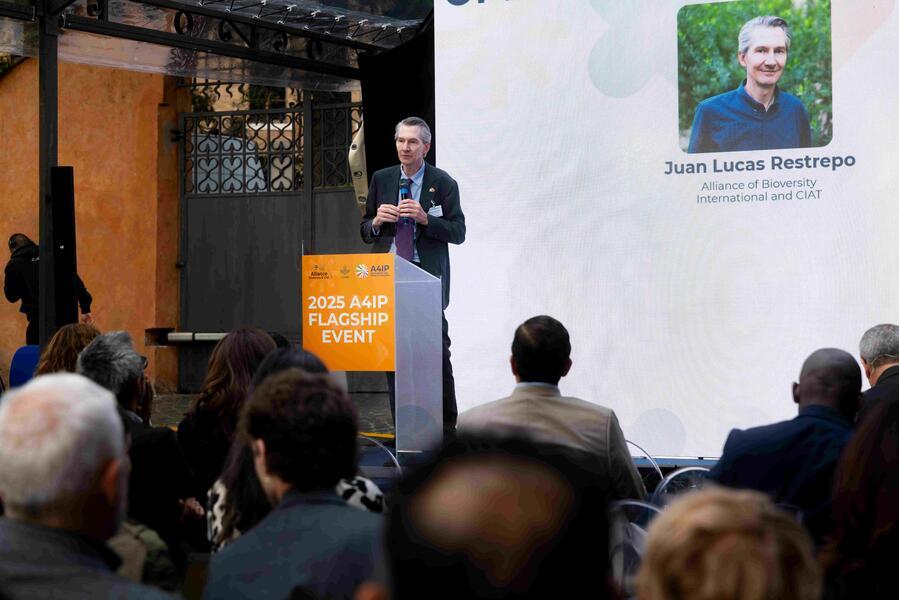
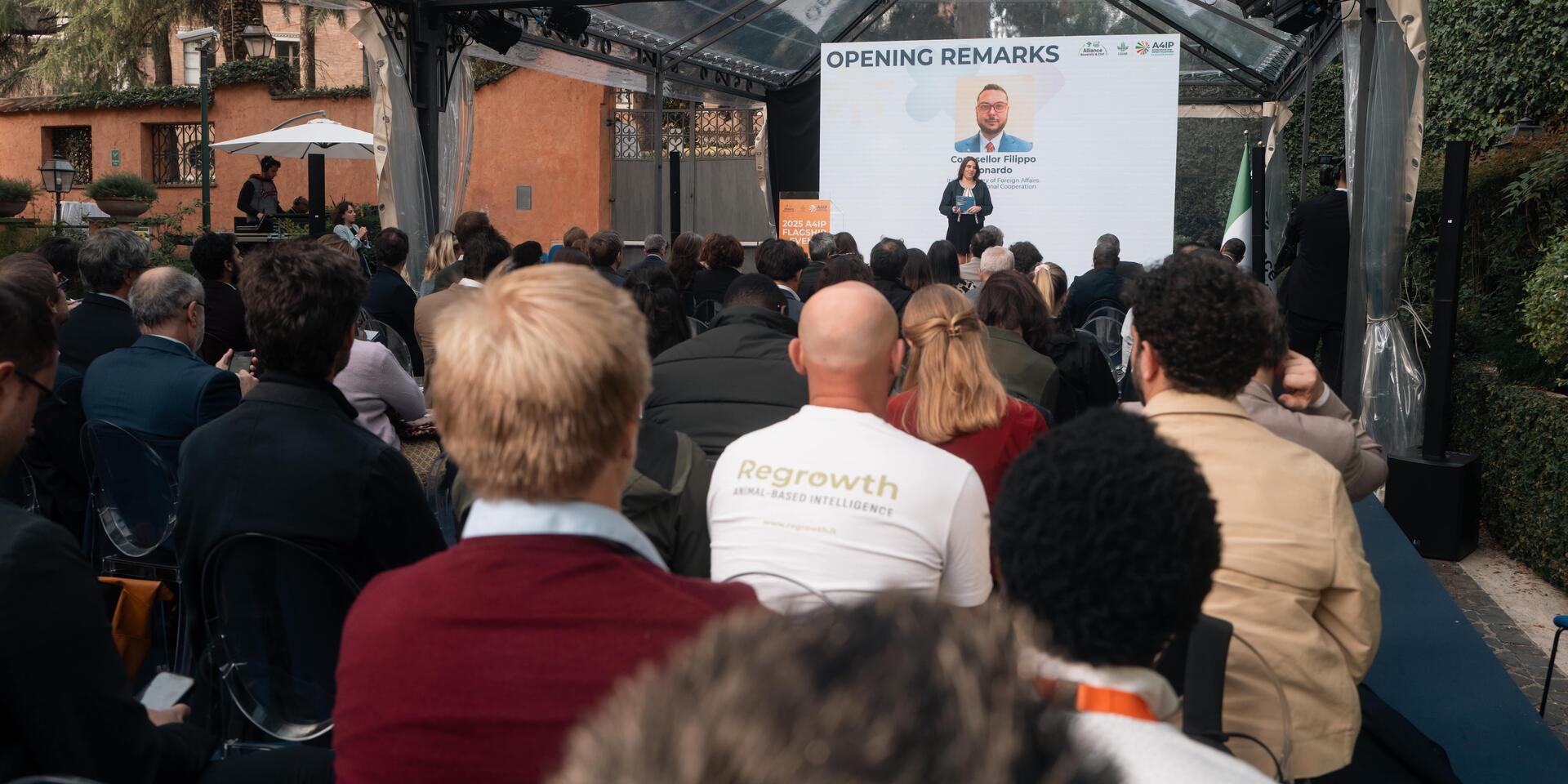
 A4IP Flagship Event: Innovating Agri-Food Research & Development Models for a
Changing Landscape.

Held under the patronage of the Italian Ministry of Foreign Affairs and International Cooperation, and organized in collaboration with Eatable Adventures Fund and the Granarolo Group, the event showcased how new models of collaboration, financing, and entrepreneurship are driving the next frontier of agri-food innovation.

The day-long event at the Alliance of Bioversity International and CIAT headquarters in Rome, brought together over 170 participants in person, more than 350 online attendees, and 51 speakers from 47 organizations, featuring 11 cutting edge Agritech solutions and 8 hours of dynamic, insight-driven dialogues.  

The event underscored a powerful message: turning science into real-world impact requires a new generation of collaboration models—where ideas, finance, and partnerships converge to drive systemic change in global food systems. 

Extracts of the programme


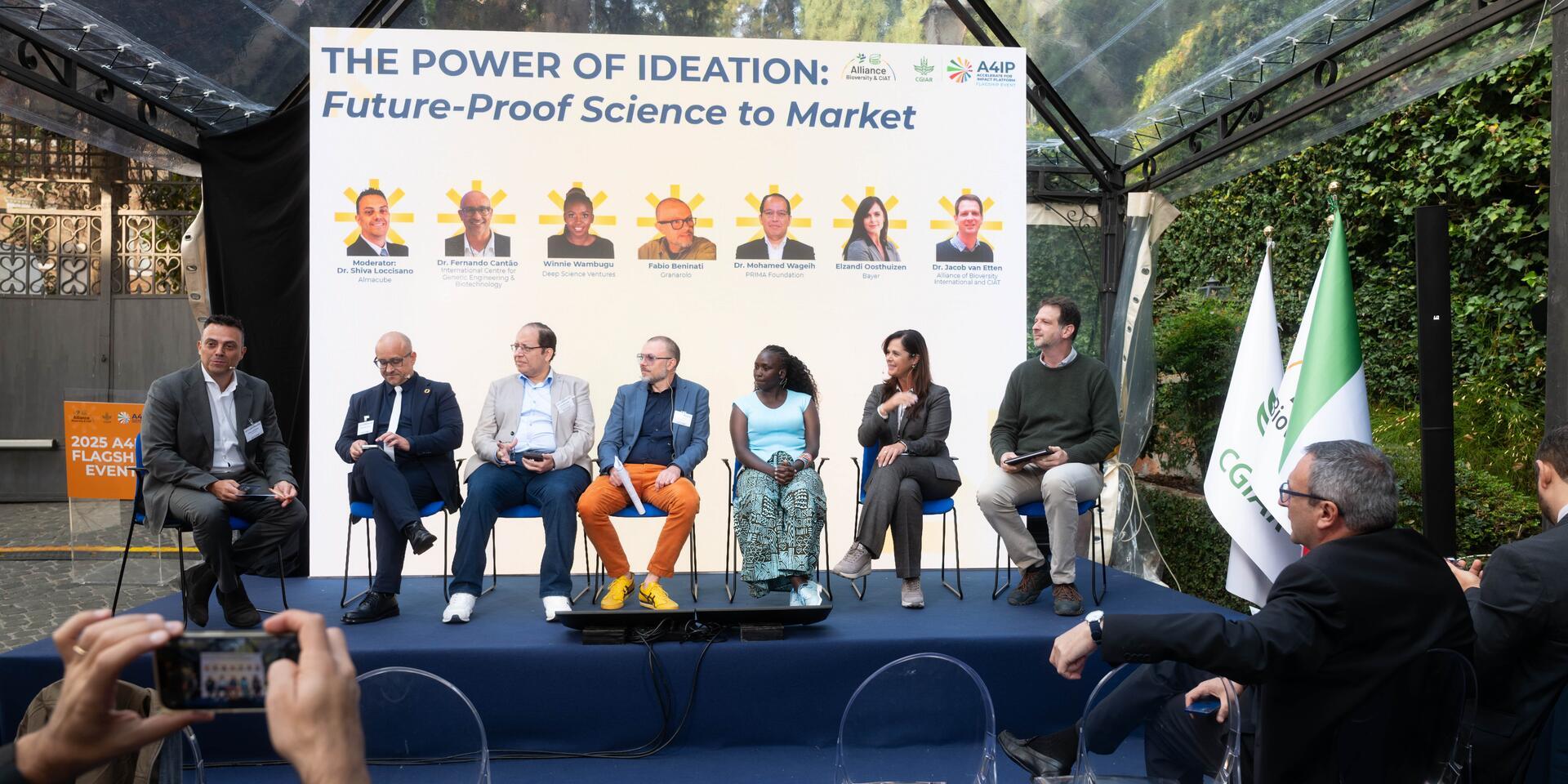
PANEL I: THE POWER OF IDEATION: FUTURE-PROOF SCIENCE TO MARKET

From the lab to real-world impact—what does it take to make early-stage innovation thrive? This high-energy panel dives into the future of scientific ideation, spotlighting how AI is reshaping discovery, the rise of venture-client models, and how codesigned, multidisciplinary research is driving agility and relevance in today’s research institutions.

  • Moderator: Dr. Shiva Loccisano, CEO, AlmaCube
  • Dr. Fernando Cantão, Crop Physiology & Food Security, Fundraising, Technology Transfer & Innovation (ICGEB)
  • Dr. Winnie Wambugu, Venture Scientist, Agriculture & Food Systems, Deep Science Ventures
  • Fabio Beninati, R&D Manager, Granarolo
  • Dr. Mohamed Wageih, Project Officer, PRIMA Foundation
  • Elzandi Oosthuizen, SVP, Head Enterprise Corn Product Team, Bayer
  • Dr. Jacob van Etten, Research Director, Digital Inclusion, Alliance/CGIAR

FISHBOWL: ACCELERATING INNOVATION FROM WITHIN

How do we make sure promising science-based innovations don’t fade away when the grant cycle ends? This session will spotlight RAMP—an internal accelerator redefining how research teams engage with markets, partners, and investors. Get an inside look at how A4IP is shifting the culture across CGIAR to equip purpose-driven scientists with the tools to build real-world solutions, not just papers.

  • Megan Steele, Project Coordinator of RAMP, Alliance of Bioversity International & CIAT
  • Chris Fellingham, Co-Founder and Director, Kindling Ventures

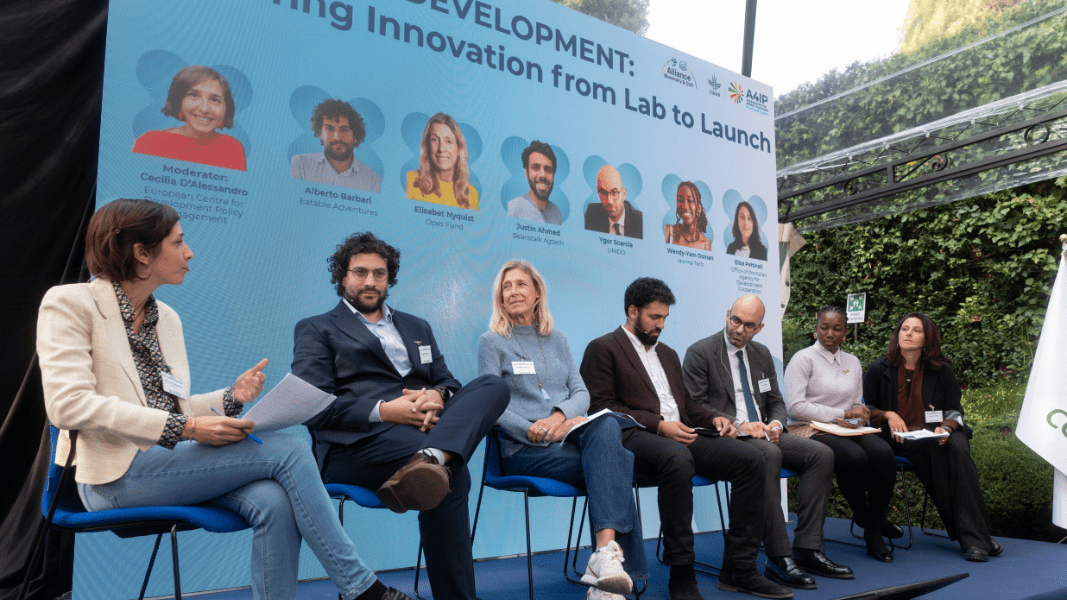
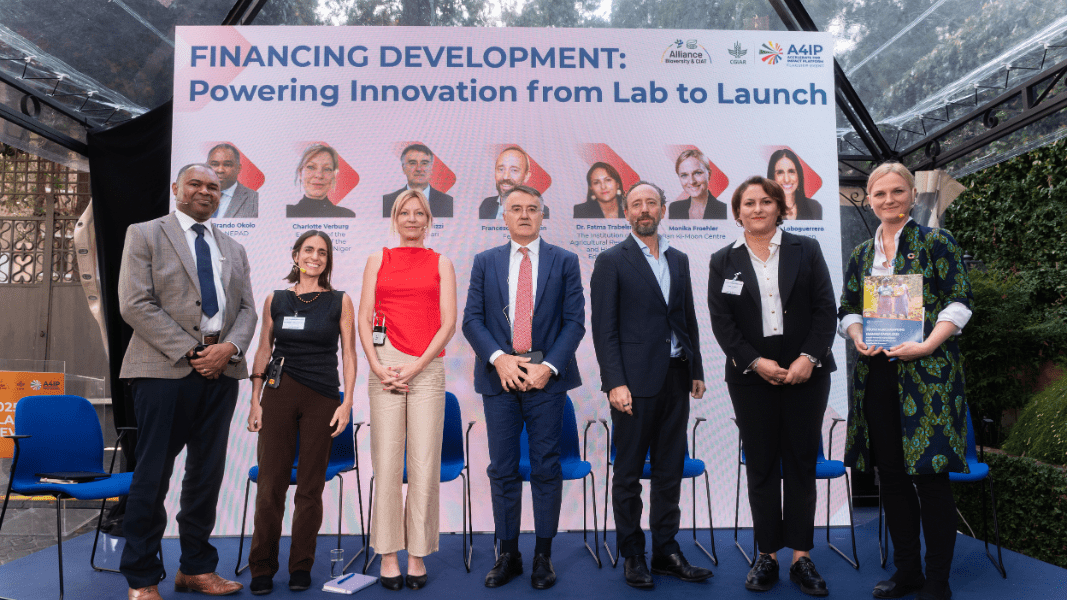
PANEL II: FINANCING DEVELOPMENT: POWERING INNOVATION FROM LAB TO LAUNCH

How can we better finance the development phase of sciencebased innovation? This session explored
practical strategies for bridging the gap between early-stage research and realworld deployment. From public-philanthropic partnerships to EU policy levers, diverse funding models are catalyzing market-ready solutions in food and climate tech.

  • Moderator: Cecilia D’Alessandro, Policy Officer, ECDPM
  • Alberto Barbari, Board Member and Regional Vice President for Italy, Eatable Adentures
  • Elisabet Nyquist, General Manager, Opes Fund
  • Justin Ahmed, Director, Beanstalk Agtech
  • Ygor Scarcia, Industrial Development Expert, UNIDO
  • Wendy-Yam Osman, Founder, Norma Tech
  • Elisa Pettinati, Technical Officer at the Rural Development and Food Security Office of the Italian Agency for Development Cooperation (AICS)

PANEL III: SCIENCE FOR IMPACT: DEPLOYMENT THROUGH GLOBAL COLLABORATION

This session spotlighted how international cooperation and public-private partnerships accelerate the deployment of agrifood innovations. Speakers shared models of cross-border and cross-sector collaboration, emphasizing technology and knowledge transfer. Discussions focused on delivering real
impact to end users—particularly farmers—through accessible, affordable, and context-specific solutions that enhance resilience and transformation across food systems.
  • Moderator: Prof. Brando Okolo, Head of the Office of Science, Technology and Innovation, AUDA-NEPAD
  • Charlotte Verburg, First Secretary of Water and Food Security Advisor, Embassy of the Kingdom of the Netherlands 
  • Biagio Di Terlizzi, Director and Head of Planning and Cooperation, CIHEAM Bari
  • Francesco Tramontin, VP Global Public Affairs, Ferrero
  • Dr. Fatma Trabelsi, International Cooperation Director, IRESA
  • Monika Froehler, CEO, Ban Ki-Moon Centre
  • Ana Maria Loboguerrero, Director of Adaptive and Equitable Food Systems, Gates Foundation

THE ROLE OF INNOVATION HUBS AS CATALYSTS FOR TECHNOLOGY TRANSFER AND GLOBAL COLLABORATION 


By connecting researchers, entrepreneurs, investors, and policymakers, Innovation Hubs create
dynamic ecosystems
that accelerate the deployment of science-based solutions, foster cross-border partnerships, and stimulate inclusive innovation. The discussion highlighted successful models and examine how such hubs can bridge local needs with global opportunities, driving transformative impact in food, climate, and development. 
  • Moderator: Federico Ronca, Lead, Data and Digital Solutions for Food and Water, World Economic Forum 
  • Lisa Blangy, Deputy Director of the Directorate for Science Impact and Marketing (DIMS) CIRAD 
  • Dr. Guido D’Urso, Agritech Center (Fondazione Agritech), the Italian National Research Centre for Agricultural Technologies

MARKET-DELIVERY MECHANISM: THE ROLE OF INNOVATION CHALLENGES TO UNLOCK AGRITECH POTENTIAL

This session explore how innovation challenges can help speed up the development and use of agritech solutions to modernize the agrifood sector in the Global South. It looked at whether these challenges can be a scalable, sustainable way to promote technology adoption in resource-limited settings, and how they can support inclusive, market-driven innovation.
  • Moderator: Mariëlle Karssenberg, Partnerships Builder, Netherlands Food Partnership
  • Ena Derenoncourt, Senior Officer at the CGIAR Hub for Sustainable Finance (ImpactSF), Alliance of Bioversity International & CIAT 
  • Claudia Zaccari, Senior Project Analyst at A4IP, Alliance of Bioversity International & CIAT

FAO Science, Technology and Innovation

14 - 17 October 2025. The FAO Science & Innovation Forum 2025 convenes global innovators, scientists, youth, policy-makers and practitioners under the banner ‘Hand in Hand for Better Foods and a Better Future’ to explore how cutting-edge science, inclusive innovation, and cross-sectoral partnerships can transform agrifood systems. 

Over four days, the Forum will feature plenary dialogues, deep-dive thematic sessions, hackathons, innovation pitches, exhibitions, and interactive breakout events to connect frontier knowledge with real-world action.

HEM Lesego Chombo Minister of Youth and Gender Affairs of Botswana, talked about Africa's food heritage and how the Government of Botswana is supporting a youth program to give financial support to young entrepreneurs in revitalizing so called forgotten foods - during the Global Youth Forum Opening Ceremony See https://www.youtube.com/watch?v=xgSbCr1Ua28 1:46:06


Extracts of the programme

14/10 Opening Session

The Opening Session featured a dynamic blend of high-level keynote speeches and TED-style talks from global leaders and interactive panel discussions exploring plausible STI futures. This format aims to inspire participants, set the stage for collaboration, and provide a clear vision for leveraging science and innovation to transform agrifood systems. The session will be enriched by opportunities for audience interaction, fostering a shared understanding of key challenges and pathways for progress.

Keynotes

  • Beth S. Crawford - Chief Scientist 
  • Mariangela Hungria - Mariangela Hungria is a Brazilian agronomist and microbiologist noted for pioneering work on biological nitrogen fixation (BNF) and the use of beneficial microorganisms in tropical crops.
  • Rokiatou Traoré - a Malian entrepreneur dedicated to combating desertification, climate change , and food insecurity. She is the founder of Herou Alliance, a social enterprise that empowers women and youth through a sustainable agroforestry value chain in Mali. Her vision is to plant 10 million high-value trees and create a network of millions of women producers by 2030, driving both economic opportunity and environmental restoration. Recognized globally, she is a UNCCD Land Hero, ICESCO Peace Ambassador, World Economic Forum ecopreneur. Rokiatou also serves as a UNFCCC climate negotiator with the African Group of Negotiators, amplifying African voices in climate action. 
  • Sjoukje Heimovaara - Since July 2022 President of the Executive Board of Wageningen University & Research.
  • Philippe Mauguin - President and CEO of INRAE, the French National Research Institute for Agriculture, Food and Environment.

Panel
  • Emmanuelle Soubeyran - Doctor of Veterinary Medicine specialised in animal health, veterinary public health, crisis management, and One Health, with extensive experience in addressing animal health issues at both national and international levels. 
  • Bram Govaerts - Director General of CIMMYT
  • Anna Koivuniemi - Since 2023, Anna Koivuniemi leads the Google DeepMind Impact Accelerator, an organization that accelerates the social impact of Google DeepMind's technologies.
  • Tinotenda A. Mhiko - Chief Executive Officer of the Agricultural and Rural Development Authority (ARDA) in Zimbabwe and the 2024 African Food Prize Laureate. 

15/10 From silos to cooperation: shifting Science Technology & Innovation paradigms for sustainability transitions


A FAO & CIRAD report identifies crucial Research and Innovation Paradigm Shifts (RIPS) like biomimicry and technology convergence, but highlights a critical gap: highly impactful, collaborative approaches such as open innovation and citizen science are less likely to emerge without deliberate action. 
  • Dorn Cox - Dr. Dorn Cox is farmer,  researcher, founder and director of OpenTEAM (Open Technology Ecosystem for Agricultural Management). Dorn is also a co-founder of the FarmOS software platform, the GOAT (Gathering for Open Ag Tech) and Farm Hack community, and is active in the soil health movement. 
  • Rainer Kattel - Rainer Kattel is Professor and Deputy Director at UCL’s Institute for Innovation and Public Purpose. He publishes widely on innovation policy, governance, and management, with research spanning public sector capabilities, digital transformation, and urban governance.
  • Stéphanie Leyronas - Stéphanie Leyronas joined AFD in 2000. For nine years, she was responsible for appraising and monitoring water and sanitation programs financed in a number of countries in Africa, Asia and the Middle East, and was subsequently appointed Deputy Director of AFD’s Water and Sanitation Division in 2010.
  • Julia Ninahuamán - Julia Ninahuamán is a community leader and president of the Pachacámac Network of Community Kitchens (REDOPA) that supports more than 1,800 vulnerable families. Born in Cusco and living in Manchay, Lima, she founded the Villa Jesús community kitchen during the pandemic. 
  • Peter Taylor - Peter Taylor is Professorial Fellow and Director of the Institute of Development Studies, UK.  Previously he was Director, Strategic Development at the International Development Research Centre (IDRC), Canada, and led the Think Tank Initiative. 
  • Vijay Kumar Thallam - Vijay Kumar Thallam is Executive Vice Chairman of the Indian non-profit Rythu Sadhikara Samstha (RySS) and an Advisor on Agriculture to the Government of Andhra Pradesh. In his 42 years of Government Service, he has spent more than 30 years in leading large scale community mobilization and promotion of livelihoods of rural women, tribal communities and farmers. Since 2015, he has been leading the climate resilient, A.P Community managed Natural Farming (APCNF) programme. The APCNF programme had in 2025 enrolled 1.2 million farmers in the State to transit to natural farming. He was the Vice Chair (Productions) of the Champions Network for the UN Food Systems Summit in September 2021. The APCNF Programme was a joint winner of the Euros 1 million, Gulbenkian Prize for Humanity, 2024.

Below extract of the presentation of Vijay Kumar Thallam has some technical hick-ups

15/10 Scaling Together: FAO’s Evolving Role in Innovation for Impact

This session explores the evolution of FAO’s approach to scaling innovation, from early field-level practices to a strategic, systems-based framework. Through the presentation of the Scaling Approach Paper, the session will highlight FAO’s catalytic role in enabling scale. It will conclude with a forward-looking discussion on the Scaling Coalition and how FAO and its partners can work hand in hand to scale innovation for greater impact.  


16/10 AI-Driven Transformation: Redirecting and Shaping Sustainable Investments in Agriculture


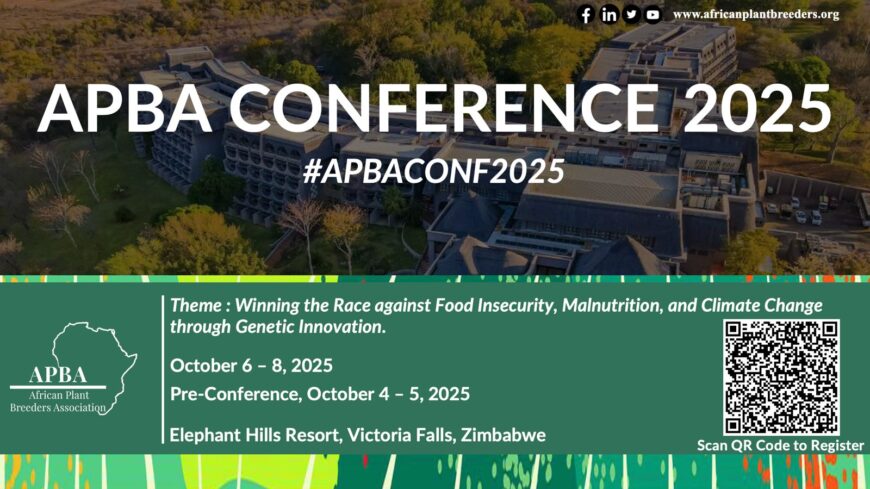
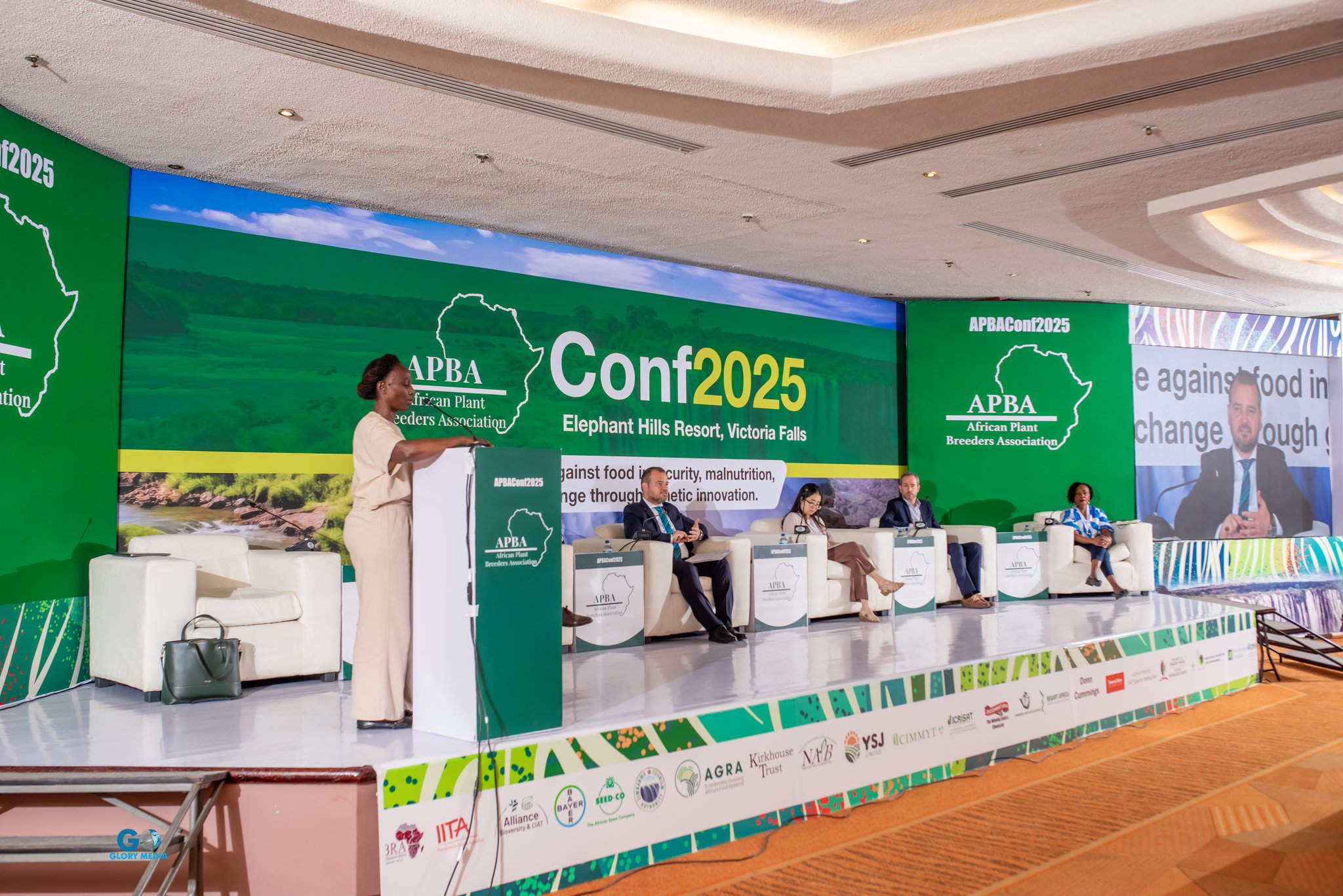
African Plant Breeders Meeting

6 - 8 October 2025
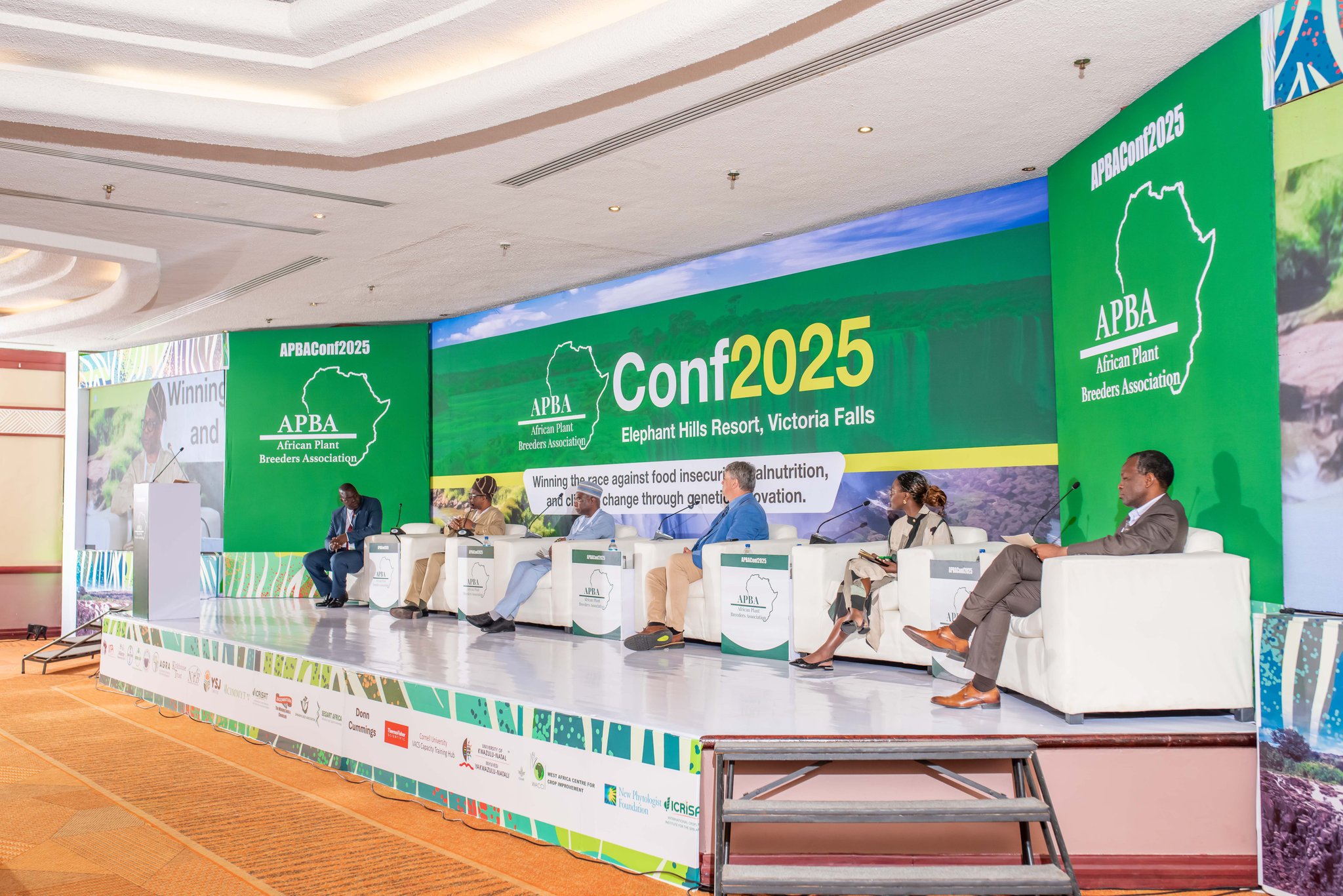
. Zimbabwe. African Plant Breeders Meeting + pre-conference 4-5 October.

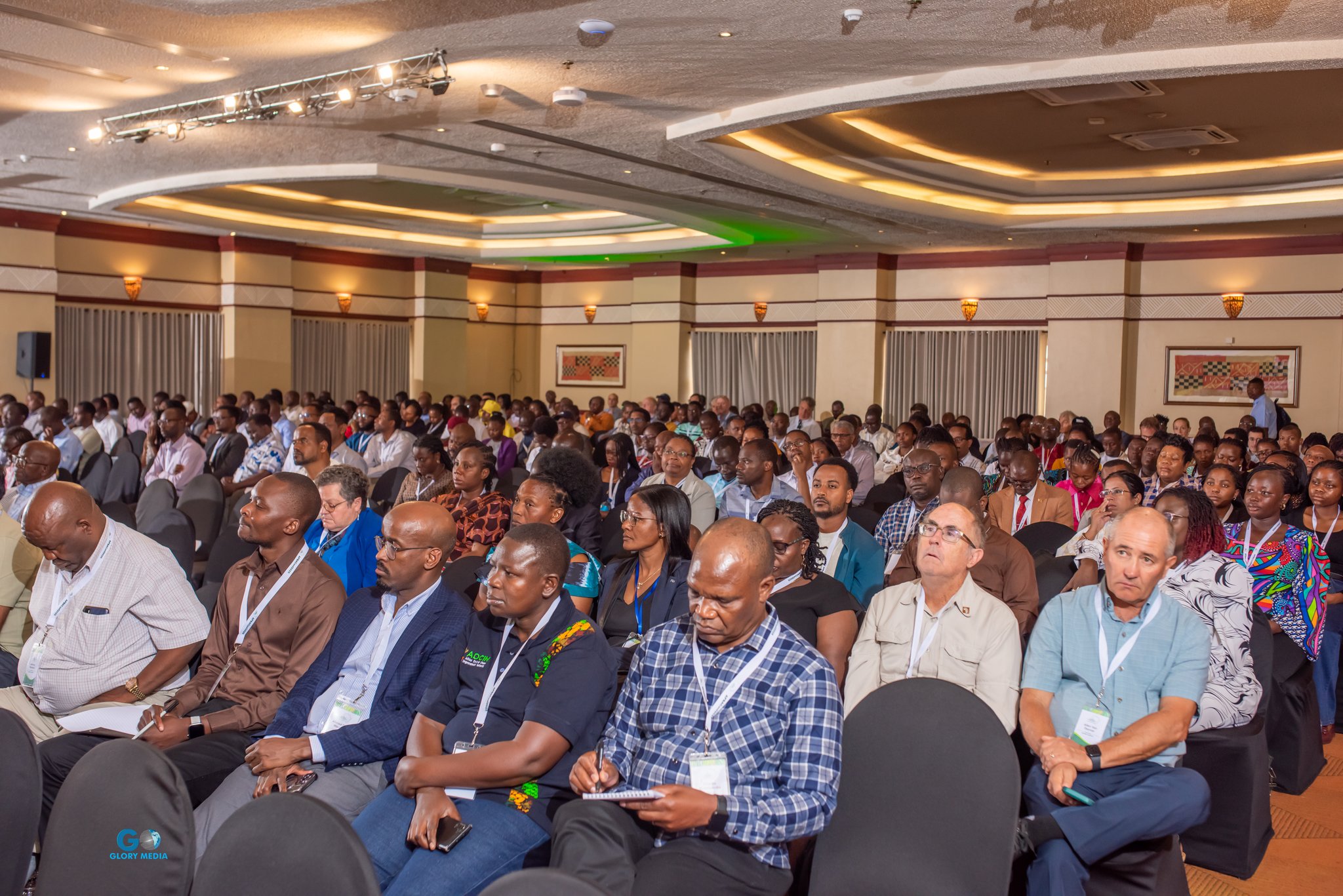
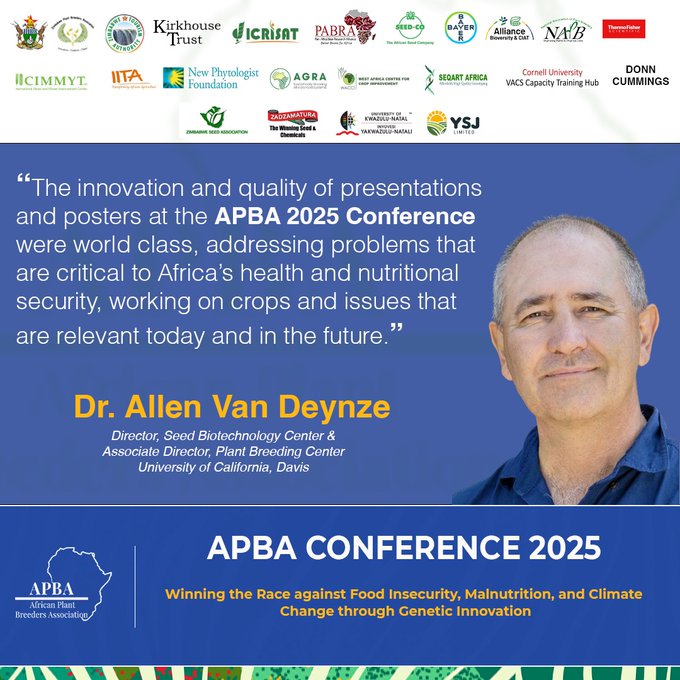
With the dual threats of climate change and population growth exacerbating food insecurity and malnutrition, the role of innovative plant breeding has never been more critical. This conference served as a platform for sharing cutting-edge research, fostering collaboration, and exploring sustainable solutions to enhance agricultural productivity, improve nutrition, and build resilience in the face of a changing climate.

The pre and post conference activities, featured workshops, training sessions, and networking opportunities designed to equip participants with the tools and knowledge needed to drive transformative change in the field of plant breeding.

Key Outcomes:

Strengthened collaboration for resilient and inclusive crop improvement:
The meeting reinforced the importance of co-creation among African NARES, CGIAR centers, private sector actors, and farmer organizations to accelerate the breeding, release, and adoption of climate-resilient, nutrient-dense, and market-preferred crop varieties.

Integration of science, policy, and market systems for impact:
Participants agreed that effective breeding outcomes require not only scientific excellence but also supportive regulatory frameworks, efficient seed systems, and demand creation strategies to ensure improved varieties reach smallholder farmers and strengthen food and nutrition security.

Commitment to innovation, capacity building, and resource mobilization:
The meeting concluded with a shared commitment to invest in next-generation breeding tools, build African scientific leadership, and pursue innovative funding models and partnerships that sustain long-term genetic gains and locally led innovation across the continent.

Extracts of the programme 17 pp.


05/10 Breeding Opportunity Crops for Cropping Systems – Knowledge, Collaboration & Co-creation

This session emphasized the importance of co-creation and participatory approaches in breeding underutilized and opportunity crops to strengthen African cropping systems. Sieg Snapp and Eva Weltzien highlighted agroecological integration and farmer-centered innovation, while Kevin Pixley and Kevin Murphy underscored system-level breeding strategies and cross-continental learning. Nyaradzai Chisango shared community-based experiences from Zimbabwe, illustrating how local collaboration accelerates adoption of resilient and diverse crop varieties. Collectively, the session called for aligning breeding goals with local food system needs through inclusive partnerships among research institutions, farmers, and policymakers.
  • Sieg Snapp, Program Director, Sustainable Agrifood Systems Program (SAS), CIMMYT
  • Eva Weltzien – Rattunde, CIMMYT Consultant/Honorary Associate, University of WisconsinMadison, WI, USA
  • Kevin Pixley, Dryland Crops Program Director (DCP), CIMMYT
  • Kevin Murphy, Professor, International Seed and Cropping Systems,Washington State University
  • Nyaradzai Chisango, The Community Technology Development Trust (CTDT), Zimbabwe 

06/10 African Plant Breeders Association (APBA) - The APBA Story / Journey

Julia Sibiya traced the growth of the African Plant Breeders Association (APBA), reflecting on its achievements in capacity building, networking, and advocacy for African-led breeding programs. She outlined APBA’s role in amplifying African scientific leadership, strengthening education and mentorship for young breeders, and fostering strategic collaborations through initiatives like VACS. The outcome reinforced APBA’s vision of empowering African breeders to deliver impact-driven, context-relevant genetic innovations for climate resilience and food security.
  • Julia Sibiya, APBA President, and Vision for Adapted Crops and Soils (VACS) Capacity Development Lead, CIMMYT

06/10 Winning the Race against Food Insecurity, Malnutrition, and Climate Change

This high-level panel highlighted integrated approaches to overcoming Africa’s intersecting challenges of food insecurity, malnutrition, and climate stress. Abdou Tenkouano and Stanford Blade emphasized diversification, pest management, and climate-smart breeding, while Chiedozie Egesi showcased innovations in root crops. Private sector and regulatory voices—such as Bayer’s Nadine Dushimiyimana and Zimbabwe’s Claid Mujaju—called for enabling policies and industry engagement to scale improved varieties. The discussion concluded with consensus on collaborative action among public institutions, private sector, and policymakers to accelerate resilient food systems.
  • Abdou Tenkouano, The International Centre for Insect Physiology and Ecology (ICIPE)
  • Stanford Blade, DDG-R, ICRISAT
  • Chiedozie Egesi, Executive Director, National Root Crops Research Institute, Nigeria
  • Nadine Dushimiyimana, Bayer, Head of Regulatory Science – East Africa
  • Claid Mujaju, Director of the Seed Services Division in the Ministry of Lands, Agriculture, Fisheries, Water and Rural Development, Ministry of Agriculture Zimbabwe
  • Gordon Mabuyaye, SeedCo

06/10 Lightning round: crop success stories

This dynamic session celebrated breeding achievements across Africa’s diverse crop portfolio,
showcasing rapid genetic gains and community-level impacts. Presentations covered successes from okra and finger millet to sesame, taro, and Bambara groundnut, emphasizing improved yields, nutritional value, and climate adaptability. Breeders from across the continent shared lessons on participatory methods, value chain engagement, and gender-responsive innovation. The outcome was a collective affirmation of Africa’s rich genetic diversity as a foundation for future food security and economic empowerment.
  • Dorcas Ibitoye - Okra
  • Dennis Tippe – Finger millet
  • Mareme Niang - Sesame
  • Prakash Gangashetty - Pigeonpea
  • Alfred Ozimati - Amaranth
  • Vish Banda/Thiago Mendes - Taro
  • Dean Muungani – Bambara groundnut
  • Nalule Habibah - Amaranth
  • Micheale Yifter Weldemicheal - Sesame

07/10 Fast tracking the release and commercialization of climate smart and nutrient dense crop varieties in Africa - AGRA Event

This AGRA-led session focused on reimagining collaboration between CGIAR, NARES, and private sector actors to shorten breeding cycles and accelerate market delivery. Kevin Pixley called for bold system-level partnerships, while Biswanath Das and Dorcas Gemenet emphasized strategic breeding design and the adoption of modern tools to enhance efficiency. The outcome was a roadmap for harmonizing breeding innovation, regulatory alignment, and demand creation to deliver improved varieties faster and more equitably across Africa.
  • Kevin Pixley - CIMMYT Bold, smart, and even crazy ideas: reimagining CG–NARES collaboration to tackle system-level challenges
  • Biswanath DAS, CIMMYT - Setting up breeding programs for success - knowing where to go and how to get there.
  • Dorcas Gemenet, OneCG- Breeding innovation redefined, smarter tools, strategies, and approaches to deliver genetic gains faster and cost-effectively

07/10 ICRISAT Event

This session showcased advances in breeding for dryland crops through genomic selection, predictive modeling, and trait introgression. Stanford Blade and Clare Mukankusi highlighted the optimization of breeding pipelines for beans and groundnuts, while Cyrill Diatta and Sieg Snapp demonstrated breakthroughs in drought resilience and genotype-by-environment understanding. The discussions reinforced the centrality of science-driven innovation and regional collaboration to enhance dryland productivity, nutrition, and farmer livelihoods under climate stress.
  • Stanford Blade, Deputy Director General, ICRISAT  
  • Clare Mukankusi, Alliance Bioversity & CIAT, Uganda - Optimising breeding pipelines for yield, better nutrition and climate resilience in Dry beans
  • James Mwololo, ICRISAT, Malawi - Enhancing prediction accuracy of groundnut yields in Eastern and Southern Africa
  • Cyrill Diatta, ISRA, Senegal - Stay-Green Allele Introgression Enhances Drought Resilience in Elite West African Sorghum Lines Targeted for Dryland Adaptation
  • Sieg Snapp, Program Director, Sustainable Agrifood Systems Program (SAS), CIMMYT - Understanding G x E x M for better yields in the drylands

07/10 Fast tracking the release and commercialization of climate smart and nutrient dense crop varieties in Africa

National breeders from Burkina Faso, Kenya, Burundi, Zambia, and Côte d’Ivoire presented practical pathways for accelerating varietal release and seed system integration. Case studies demonstrated how coordinated efforts—from EGS production to commercialization—can deliver nutrient-dense, climate-resilient varieties to farmers more efficiently. Contributions from SeedCo, AGRA, and regulatory authorities underscored the importance of aligning public and private sector efforts with robust regulatory frameworks and farmer awareness campaigns. The session concluded with a shared commitment to scaling successful models across countries.
  • Nofou Ouedraogo -Sorghum Breeder, INERA, Burkina Faso - Accelerating the release, EGS production and commercialization of nutrient dense, climate-resilient and market-demanded sorghum, cowpea and rice varieties in Burkina Faso (NutriCropFaso)
  • Rachael Kisilu, Sorghum Breeder, KALRO, Kenya - Rapid Release and Commercialization of Climate-smart Sorghum varieties in Kenya
  • Ir NDIKUMANA Jonas, Maize Breeder, ISABU, Burundi - Multi-environment evaluation and release of resilient and climate smart maize hybrids for farmers in Burundi
  • Lutangu Makweti, Cowpea Breeder, ZARI, Zambia - Advancing Climate-Resilient Cowpea: Evaluation, Release, Early Generation Seed Production, and Commercialization of New Varieties in Zambia
  • NOUMOUHA Ghislain, Rice Breeder, CNRA, Côte d'Ivoire - Evaluation, Release, and Commercialization of improved climate-resilient varieties of irrigated lowland and rainfed upland rice in Côte d'Ivoire
  • Gordon Mabuyaye, SeedCo - Seed Company choices of varieties to commercialize
  • Rufaro Madakadze - AGRA - Creating Farmer Awareness and Demand for climate smart and nutrient dense crop varieties
  • Claid Mujaju - Director Research and Specialist Services, Zimbabwe - National Regulatory Authority on requirements for commercialization and quality control
  • Peter Mbogo – AGRA Regional Seed Officer East Na Southern Africa - Concluding Remarks

08/10 Innovative fundraising for crop improvement


Moderated by Damaris Odeny, this panel explored new financing mechanisms and partnerships to sustain African breeding innovation. Representatives from the Novo Nordisk Foundation, Gates Foundation, GIZ, AFSTA, AGRA, and the Zimbabwean government discussed blended finance, public–private collaboration, and regional investment strategies. The outcome was a call to diversify funding sources, strengthen accountability, and build long-term financial resilience for African-led breeding programs through innovation-driven resource mobilization.
  • Moderator: Damaris A. Odeny, Principal Scientist - ICRISAT and Chair, Scientific Committee, APBA
  • Erik Alexandersson, The Novo Nordisk Foundation, Denmark
  • Evelyn Lusenaka, Centre of Excellence for Seed Systems in Africa (CESSA), Alliance for a Green Revolution in Africa (AGRA)
  • Young Wha Lee, Gates Foundation, USA
  • Yacouba Diallo, AFSTA, Kenya
  • Tom Pircher, GIZ, Germany
  • Obert Jiri, Permanent Secretary, Minister of Lands, Agriculture, Fisheries, Water and Rural Development, Zimbabwe

08/10 Strengthening Partnerships for Resilient Legumes: Advancing Science, Sharing Tools, and Building Communities for Climate-Smart Agriculture - Kirkhouse Trust


This session underscored the global collaboration driving legume improvement for climate-smart agriculture. Researchers from Africa, Europe, and the US shared advances in genomics, phenotyping, and data-sharing tools for beans, cowpea, and other legumes. Presenters highlighted cross-institutional networks that enhance breeding efficiency and knowledge exchange. The outcome was a commitment to sustain scientific partnerships, build breeder capacity, and translate research breakthroughs into farmer-accessible, resilient legume varieties across diverse African environments.
  • Kelwin Kamfwa, University of Zambia, Zambia
  • Yayis Rezene, Southern Agricultural Research Institute (SARI), Ethiopia
  • Celestina Jochua, Instituto de Investigação Agrária de Moçambique, Mozambique
  • Travis Parker, University of California, Davis, USA
  • Juan Osorno, North Dakota State University, USA
  • Swiwia Hamabwe, University of Zambia, Zambia
  • María Muñoz-Amatriaín, University of León, Spain
  • Sobda Gonné, Institut de Recherche Agricole pour le Développement (IRAD), Maroua, Cameroon
  • Michael Timko, University of Virginia, USA
  • Sean Mayes, University of Nottingham, UK
  • Florence Ifeoma Akaneme, University of Nigeria, Nigeria

Monday, October 13, 2025

Farmers Organizations Leading Research & Innovation (FO-RI) Capitalization Report.

30 September 2025. Launch of the FO-RI Capitalization Report

AgriCord hosted the official online launch of the Farmers Organizations Leading Research & Innovation (FO-RI) Capitalization Report. This event showcased the insights and lessons drawn from three years of farmer-led action research across 17 countries, involving 13 projects funded by the European Commission, EU International Partnerships and the OACPS Secretariat - Secrétariat OEACP.

  • Since 2022, the FO-RI program has placed farmer organizations (FOs) at the heart of research and innovation, enabling them to design, lead, and implement action research tailored to their contexts.
  • The report, led by Laurent Dietsch, synthesizes strategies, methodologies, and results from the FO-RI program. This event is not just a launch but also an opportunity to reflect collectively on how to scale up these successes and apply the findings to future farmer-led initiatives.

Key achievements include:
  • Strengthened farmer organizations with greater capacity to conduct research.
  • Enhanced farmer participation, ensuring that innovation is truly grounded in farmers’ needs
  • Promotion of agroecological practices and revival of traditional knowledge.
  • Actionable lessons for overcoming challenges such as prioritizing research themes, operational barriers, and ensuring rigor in participatory research.
Dietsch, L. (2025). Capitalisation transversale des expériences de mise en œuvre de projets de recherche action financés dans le cadre du programme FORI. Groupe d’Expérimentation et de Recherche : Développement et Actions Localisées (GERDAL); AgriCord, 55 pp.

Agricultural support, biodiversity & trade

9 - 15 October 2025.
Abu Dhabi, United Arab Emirates, (IUCN). IUCN World Conservation Congress 2025

The IUCN Congress outcomes are highly relevant to the Global Flagship Initiative on Food Security because they reinforce the ecological and policy foundation for resilient, inclusive, and nature-positive food systems — particularly in Africa. Their main value lies in:
  • Strengthening the Flagship’s evidence base on sustainable agriculture and land restoration,
  • Offering policy entry points on subsidies and incentives,
  • And expanding the partnership landscape for cross-sectoral action.


Extracts of the programme

09/10 Agriculture, Desertification and Climate Resilience: From Global Commitments to Community-led Solutions

Drought and desertification are escalating across Africa—not as isolated events, but as systemic, climate-driven crises threatening livelihoods, food systems, biodiversity, and regional stability. From the Sahel and Horn of Africa to Southern Africa’s recurring droughts, these challenges demand a unified and strategic response. At the same time, Africa is advancing powerful initiatives—from the Great Green Wall, SADC’s drought response, and Horn of Africa resilience programs, to restoration efforts under AFR100 and commitments to the UNCCD. 

This high-level panel spotlighted African-led solutions—from landscape restoration and regenerative agriculture to inclusive water governance and green value chains.
  • Ndapanda KANIME Senior Programme Officer, SADC Secretariat
  • Bouraima Kouanda
  • Henry PARKOLWA Technical Advisor, National Drought Management Authority
  • Abderrahim Houmy Directeur Général, Agence Nationale des Eaux et Forêts

11/10 Ecosystem Accounting and Nature-Based Solutions in Africa


This session brought together two pioneering African initiatives that demonstrated how ecosystem data and Nature-based Solutions (NbS) could drive integrated policies for climate, food, water, and biodiversity. 
  1. COPERNICEA, led by OSS, equipped countries with ecosystem accounting tools to mainstream biodiversity into planning and investment, 
  2. while NbS approaches in North Africa showed how to influence national frameworks such as NDCs and NAPs.
The discussion showcased achievements including the AfrikENCA platform and regional roadmaps, and featured insights from policymakers, scientists, and technical partners across the continent. Participants explored how ecosystem accounting and NbS could be scaled to meet Global Biodiversity Framework targets, strengthen African leadership, and promote collaboration between communities of practice.

Expected outcomes included a roadmap for expanding COPERNICEA across African countries and strategies to integrate NbS into national policy agendas, fostering resilient, data-driven, and nature-positive transformation.
  • Abir BEN ROMDHANE - Environementalist, Observatoire du Sahara et du Sahel
  • Hatem BEN BELGACEM - Director of Ecology and Naturals Areas, Ministry of Environment
  • Ahmed GHEDIRA - Président de l'association Notre Grand Bleu, comité UICN Tunisie
  • Imen MELIANE - Senior Adviser- Climate Finance, Africa Adaptation Initiative
  • Khaled FAHMY - Executive Director, Centre for Environment and Development for the Arab Region and Europe (CEDARE)
  • Karima HAGUI - Secretary General of Ministry of Environment of Tunisia, ministère de l'environnemet
  • Babacar DIONE - Directeur des Eaux et Forêts, Chasses, DIRECTION DES EAUX ET FORETS, CHASSES ET DE LA CONSERVATION DES SOLS

11/10 The Future of Forest Landscape Restoration driving Investment and Biodiversity Conservation in Africa

Forest Landscape Restoration (FLR) is a scalable and transformative Nature-based Solutions. This event explored the future of FLR in driving investment and biodiversity conservation in Africa. The AREECA (Large Scale Africa Restoration Programme) consortium and its implementing partners, led by GIZ and funded by BMUKN, presented success stories and challenges, and discuss key strategies to bridge the gap for the future of FLR in Africa.
  • Kaori YASUDA - Rwanda Country Rep/ESARO Partnerships Coordinator, IUCN
  • Ruth TIFFER SOTOMAYOR - Senior Environmental Specialist, The World Bank
  • Mark SCHAUER - Coordinator Resilient Landscapes, GIZ
  • Oliver CONZ - Director-General, Federal Ministry for the Environment, Climate Action, Nature Conservation and Nuclear Safety
  • Santina BENSON - EXECUTIVE DIRECTOR, CEO Roundtable of Tanzania
  • Joseph NJUE - GIS Officer, Forest Landscape Restoration, IUCN Secretariat

11/10 Bridging agriculture and biodiversity through policy and practice

Presentation of the findings of the IUCN report on Sustainable Agriculture and Nature-based Solutions (NbS). This publication focuses on the relationship between sustainable agricultural practices and the concept of NbS, specifically the applicability of the IUCN Global Standard for NbS in agricultural contexts.
  • Tommaso DEMOZZI - Biodiversity Policy Officer, IUCN

11/10 From Local Voices to Systemic Shifts: Rethinking Finance and Partnerships for African Conservation Leadership


Across Africa, civil society organizations are at the forefront of delivering inclusive and effective conservation. Yet they continue to face structural barriers: fragmented funding landscapes, limited long-term support, and unequal partnerships. This panel brought together six African conservation leaders from North, West, East, and Southern Africa, representing diverse organizational models and contexts.
  • Ghada AHMADEIN - Program Manager, RAED - Arab Network for Environment and Development
  • VINCENT OLUOCH - Senior Program Officer – Private Sector Engagement, Kenya Wildlife Conservancies Association
  • Alexandre DAH - Président of NGO-CEM, ONG Conservation des Espèces Marines
  • EDOUARD CLAUDE JEAN - Directeur, CAPTE
  • Nikhil ADVANI - Senior Director - Wildlife and Climate Resilience, World Wildlife Fund
  • Seheno ANDRIANTSARALAZA - COO, Fanamby

11/10 Regenerating Africa (REGEN Africa) – An initiative for a thriving continent


REGEN Africa is a bold, ambitious, action-oriented initiative to overcome the interconnected crises of nature loss, climate change, and social inequity. REGEN Africa envisions a multiplicity of ‘regenerative development’ pathways, emerging from local contexts, that will scale integrated successes across species and ecosystem conservation and restoration, transforming business and economic sectors and science and technology in eight transformational areas.
  • Luther Bois ANUKUR - Regional Director, IUCN ESARO, IUCN Secretariat
  • David OBURA - Director, Intergovernmental Platform on Biodiversity and Ecosystem Services (IPBES)
  • Moderator: Charles OLUCHINA Regional Programme Coordinator, IUCN Secretariat

11/10 The African Nature-Based Tourism Platform - Lessons learned and future directions

Funded by the GEF in response to COVID-19, the African Nature-Based Tourism Platform partnered with communities and SMEs across 11 countries in eastern and southern Africa to build long‑term sector resilience.
  • MOHAMEDI KAMUNA
  • Joshua AYUO - Programmes Manager, Kenya Wildlife Conservancies Association
  • Hannah FAIRBANK - Senior Biodiversity Specialist, The Global Environment Facility secretariat
  • Nikhil SEKHRAN - Chief Conservation Officer, WWF US

11/10 Agricultural support, biodiversity and trade. Examining connections to repurpose harmful incentives

What do we know about the relationships between support to agricultural producers, trade distortion and threats to species? Could support to agricultural producers be repurposed and be less trade distortive and encourage production practices that are beneficial for biodiversity? What are the most harmful agricultural support for biodiversity? 

IUCN has analysed and integrated the most globally comprehensive datasets on biodiversity (The IUCN Red List of Threatened Species), agricultural support (AgIncentives), land use (FAO), and trade (UN Comtrade). Main methods, results and recommendations were presented, followed by an open discussion with the audience.
  • Damien MITTEMPERGHER - Economist, IUCN
  • Antonin VERGEZ - Senior expert for natural resources economics, IUCN
  • Juha SIIKAMAKI - Chief Economist, IUCN Secretariat

11/10. IUCN launched a new publication, titled “Agricultural support, biodiversity, and trade: Examining connections to repurpose harmful incentives,” which presented new findings on linkages between biodiversity trends and agricultural subsidies across multiple countries.

Vergez, A., Siikamäki, J., Mittempergher, D., & Piaggio, M. (2025). Agricultural support, biodiversity, and trade: Examining connectionsto repurpose harmful incentives. IUCN. 90 pp.

The publication explores recent trends in agricultural support, agricultural threats to species, aiming to answer questions like, “What do we know about the relationships between support to agricultural producers, trade distortion and threats to species? How can incentives be reshaped to be more biodiversity-friendly?” The results found by the authors were striking: the correlation between the level of support to agricultural producers per hectare of agricultural land and number of species threatened by agriculture per hectare of country area is positive and statistically highly significant.

The publication’s findings are consistent with existing literature, demonstrating how agriculture is one of the largest drivers of land use change and species decline globally.

11/10 Digital Innovations for Empowering and Scaling Farmer-led Restoration

This session featured voices from MyFarmTrees, Alliance Bioversity-CIAT (Global), UNICEF’s Yoma e-learning platform (Africa), Miti Alliance (Kenya), and Tropical Rainforest Conservation & Research Centre (Malaysia).

11/10 Food systems & commodities: Practices matters for biodiversity outcomes


GEF Food Systems project in Guatemala, and Burkina Faso show the importance of promoting sustainable practices, forest certifications, zero-deforestation commitments and ensuring local producers join global sustainable production tables, would allow reducing the impact of African Palm Oil and Maize. 


12/10 IUCN Flagship report. How can we feed the world while achieving nature restoration and conservation?


IUCN (2024). Agriculture and conservation: Living nature in a globalised world. IUCN Flagship Report Series No. 2. Gland, Switzerland: IUCN.184 pp.

The event was structured around IUCN’s newly published Flagship Report Agriculture and Conservation. 
  • The report examines the synergies and trade-offs between agriculture and biodiversity conservation at the heart of the Global Biodiversity Framework. 
  • Agriculture is also central to the 2030 Agenda for Sustainable Development, which calls for both ending hunger and protecting nature. Whether these goals can be achieved together, and how, are critical questions for humanity and the planet. 
  • The report analyses positive and negative interactions between agriculture and conservation, applies new modelling approaches to explore a range of realistic policies, and proposes actionable recommendations to realign food production with biodiversity goals. 
Designed as a Meet the Authors conversation, the session highlighted key findings, bring in diverse perspectives from partners, and invite audience engagement on practical steps to advance sustainable agriculture, ensure food security, and strengthen resilience of ecosystems.
  • Mathieu Legrix - Head of Division - Agriculture, Rural development & Biodiversity - AFD, Ministère des Affaires Etrangères et Européennes
  • Pascale BONZOM - Global Head, Food and Agricultural Systems, IUCN Secretariat
  • Juha SIIKAMAKI - Chief Economist, IUCN Secretariat

12/10 Rethinking Regenerative: Co-Creating a Common Framework for Food, Nature, and Equity


In the face of biodiversity collapse, climate disruption, and food insecurity, regenerative agriculture offers a systems-level solution. Yet without clarity on what success looks like, efforts risk fragmentation and greenwashing. The session closed with a synthesis of insights, ensuring contributions feed directly
into Regen10’s Outcomes Framework and regenerative agriculture narrative work.
  • Pascale BONZOM - Global Head, Food and Agricultural Systems, IUCN Secretariat
  • Babafemi OYEWOLE - CEO, Panafrican Farmers Organisation
  • Elizabeth NSIMDALA - President, Eastern Africa Farmers Federation
  • Tara SHYAM - Director, Regen10
  • Gloria Amor Paredes

13/10 BIOPAMA: Empowering Africa, Caribbean, Pacific leadership in global biodiversity action through grants and regional data

This event showcased the global achievements of the BIOPAMA programme, highlighting its contributions to strengthening biodiversity conservation and natural resource management across the Africa, Caribbean and Pacific (ACP) regions.

A Press Conference on 11/10 showcased the launch of the BIOPAMA Impact Report - a collation of one of the largest and most impactful conservation initiatives in IUCN's history.

This 45-minute session celebrated success stories and transformative practices: scaling lessons from the Sahel’s Great Green Wall to SADC’s Miombo Declaration; NbS and Eco-DRR approaches in fragile pastoral systems such as Karamoja and the Mandera Triangle; mainstreaming Indigenous knowledge and governance frameworks; and youth and women-led innovations shaping the future of drylands resilience. 

Delivered through rapid pitches and dynamic reflections, the session highlighted practical pathways to replicate and scale what works across regions. Participants left with five clear messages to power Africa’s leadership on drought and dryland resilience, feeding into the WCC outcomes, REGEN Africa launch, and upcoming UNFCCC COP30 and UNCCD COP16.
  • Houria DJOUDI
  • Moreangels Mbizah - Executive Director, Wildlife Conservation Action
  • Ndapanda KANIME
  • Caroline KERICHU - Landscape Restoration Coordinator, Justdiggit
  • Leonard Tampushi

13/10 Accelerating the Transition to Sustainable Agriculture in Africa: Regenerative and Nature-based Solutions

This high-level panel explored how regenerative agriculture and Nature-based Solutions can accelerate Africa’s transition toward sustainable food systems. Bringing together farmers, policymakers, researchers, private sector actors, and development partners, the session showcased on-the-ground success stories and delivery models that integrate regenerative actions into farming systems, enhancing nutrition, income, and ecosystem resilience.
  • Jacques SOMDA - Chef de Programme Burkina Faso, IUCN
  • Kaori YASUDA - Rwanda Country Rep/ESARO Partnerships Coordinator, IUCN
  • Mercedes MUÑOZ CAÑAS - Nature conservation and food systems/ Marine Biodiversity and Blue Economy, International Union for Conservation of Nature- Centre for Mediterranean Cooperation (IUCN Med)
  • Oscar NZABONIMPA - Executive Director, Action pour la Protection de l'Environnement et la Promotion des Filières Agricoles
  • Alexandre RUTIKANGA - Chief Technical Advisor, Ministry of Agriculture and Animal Resources
  • Alain NDOLI - Regional Programme Manager for Land Systems -ESARO, IUCN Secretariat
  • Jules RUTEBUKA - Regional Programme Officer-Sustainable Agriculture, IUCN

The 6th EAFF Farmers’ Convention & Congress

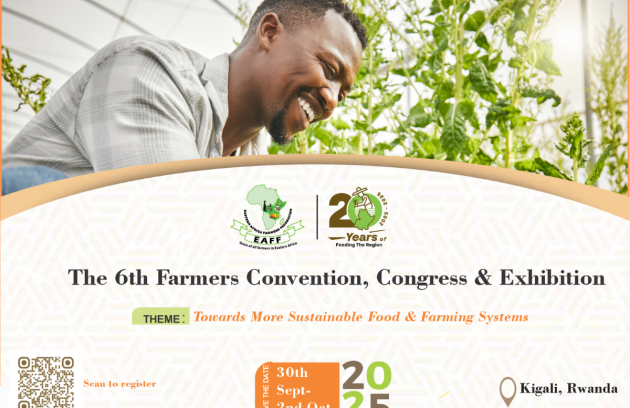
30 September - 2 October 2025. The 6th EAFF Farmers’ Convention & Congress in Kigali reinforced the voice and agency of smallholder farmers across Eastern Africa by spotlighting agricultural priorities in the climate and policy discourse, strengthening regional farmer networks, and catalyzing commitments for operationalizing farmer-led solutions. 

Participants emerged with renewed resolve to push for more inclusion of farmers’ perspectives in national and regional planning, climate financing, and value chain reforms, and with concrete pathways for follow-up collaboration among governments, farmer organizations, and development partners.

The event included a session on “facilitating agriculture” (or improving agricultural support systems), in which Amath Pathé Sène (Managing Director of the Africa Food Systems Forum) participated. 

multiple plenary and thematic sessions across topics including climate resilience, value chains, farmer organization strengthening, policy advocacy, and youth engagement (though detailed agendas with full speaker lists are not readily found in the public domain).

The Congress also marked EAFF’s 20th anniversary, bringing in delegates from national farmer federations, regional bodies (such as PAFO), and government agencies. 


Opening / Plenary

  • EAFF President Elizabeth Nsimadala opened the Congress with a warning about food systems under stress, especially given climate shocks and trade imbalances. 

  • Rwanda’s Minister of Agriculture and Animal Resources, Mark Cyubahiro Bagabe, also made remarks about the urgency of investing in productivity and reducing import reliance. 

  • Sara Mbago-Bhunu (IFAD regional director) delivered a virtual address on climate resilience, smallholder constraints, and the need for stronger partnerships. 

Policy & Trade / Food Import Dependence Session

  • Boaz Keizire, Director of Policy at AGRA, called for radical reallocation of resources from food imports toward farmer empowerment and domestic
    production. 

  • Discussions focused on the challenges of trade imbalances, inefficient regional markets, and the policy levers needed to shift toward self-reliance. 

Climate Resilience, Innovation & Technology Sessions

  • Several panels addressed climate adaptation strategies, use of climate-smart agriculture, early warning systems, and the role of digital tools in extension services. 

  • Emphasis was placed on scaling promising technologies among smallholders, reducing post-harvest loss, and building resilience to shocks.

Women, Youth & Inclusion Sessions

  • The Congress spotlighted inclusion of women and youth as critical to transforming agriculture. Commitments were made to increase their roles in agribusiness, leadership, and governance. 

Finance / Agrifinance / Investment Sessions

  • One discussion centered on the limited proportion of bank lending to agriculture (often under 5 %) and the high interest rates that discourage uptake. 

  • Panels explored blended finance, agricultural credit, access to credit via cooperatives or SACCOs, and the role of investment in scaling production. 

Farmer Organization & Institutional Strengthening

  • Multiple sessions looked at how farmer organizations can be institutionalized, better governed, and connected across borders to enhance policy influence and collective bargaining. 

Side Events, Exhibitions, and Networking

  • As part of the Congress, there was an exhibition of over 50 exhibitors showcasing agricultural innovations, inputs, technologies, and services. 

  • The EAFF General Assembly also took place, where leadership elections or reaffirmations appear to have been part of the agenda (e.g. Nsimadala was re-elected).

Monday, October 6, 2025

The EAT–Lancet Commission on healthy, sustainable, and just food systems


For the first time, we quantify the global food systems' share of all nine planetary boundaries. These food system boundaries confirm that food is the single largest cause of planetary boundary transgressions, driving the transgression of five of the six breached boundaries. In addition, food systems exert a notable impact on the transgressed climate boundary and on the ocean acidification boundary. Unsustainable land conversion, particularly deforestation, remains a major driver of biodiversity loss and climate change, highlighting the need for zero conversion of all remaining intact ecosystems. Food systems account for the near totality of nitrogen and phosphorus boundary transgression, emphasising the improvements needed in nutrient management, efficient nutrient redistribution, and circular nutrient systems. The massive use of novel entities in food production, processing, and packaging (ranging from plastics to pesticides) remains a major concern but is alarmingly understudied.

For the first time, this report quantifies the global food systems' share of all nine planetary boundaries. These food system boundaries confirm that food is the single largest cause of planetary boundary transgressions, driving the transgression of five of the six breached boundaries. In addition, food systems exert a notable impact on the transgressed climate boundary and on the ocean acidification boundary. 

Unsustainable land conversion, particularly deforestation, remains a major driver of biodiversity loss and climate change, highlighting the need for zero conversion of all remaining intact ecosystems. Food systems account for the near totality of nitrogen and phosphorus boundary transgression, emphasising the improvements needed in nutrient management, efficient nutrient redistribution, and circular nutrient systems. The massive use of novel entities in food production, processing, and packaging (ranging from plastics to pesticides) remains a major concern but is alarmingly understudied.

Although current food systems have largely kept pace with population growth, ensuring sufficient caloric intake for many, they are the single most influential driver of planetary boundary transgression. 

In this moment of increasing instability, food systems still offer an unprecedented opportunity to build the resilience of environmental, health, economic, and social systems, and are uniquely placed to enhance human wellbeing while also contributing to Earth-system stability.