Platform for African – European Partnership in Agricultural Research for Development

Tuesday, June 17, 2014

ICARDA's Sub-Saharan research and innovation platform

28-29 May 2014. Addis Ababa. ICARDA has launched a Sub-Saharan research and innovation platform.

The countries partnering on the regional initiative – Ethiopia, Kenya, South Sudan, Tanzania, Somalia, and Djibouti – are set to gain from the fully participatory approach of the program right from the onset. 

A two-day program launch and consultation event, provided an opportunity for heads and members of the National Agricultural Research Systems of all six countries to steer the research agenda to ensure the initiative responds to their national priorities, needs and challenges. 

The research agenda further benefited from insights and active participation of several alliances that play a major role in sustainable agricultural development in the region, such as the Forum for Agricultural Research in Africa (FARA), Association for Strengthening Agricultural Research in Eastern and Central Africa (ASARECA), African Forum for Agricultural Advisory Services (AFAAS), Inter-Governmental Authority on Development (IGAD), and CCARDESA.

Saturday, June 14, 2014

Promoting Development through Business

12 June 2014. ECDPM. 2014. Thematic Focus: Private Sector Development. GREAT Insights Magazine - Volume 3, Issue 6. June 2014.

Download GREAT Insights
Editorial
That private sector is a key engine for economic prosperity is stating the obvious in the eyes of business people. For development cooperation actors, however, the role of private sector in development, and how to engage it, is a less familiar and more challenging issue.

Features :

2nd World Cocoa Conference


9 - 13 June 2014. Amsterdam. Following on from the success of the World Cocoa Conference two years ago in Abidjan, Côte d’Ivoire, the 2nd World Cocoa Conference took place in The Netherlands. Last time the WCC 2012 brought together over 1000 leaders in the cocoa industry from all parts of the supply chain and from all geographical regions.

This year, the Global Cocoa Agenda revisited to assess where it has come and where it is going, to better understand the main sustainability initiatives and targets as well as key cocoa trading markets. Government Ministers to Sustainability Directors were present at this industry leading event.

Production in the world’s top grower of the key chocolate ingredient is booming, but rising consumption in Asian countries and the mounting threat of El Niño later this year are combining to send prices higher, regardless.
  • Ivory Coast, the world’s No. 1 cocoa producer, will likely reap a harvest of around 1.8 million metric tons during the 2014-15 season that begins Oct. 1, an official at the country’s Agriculture Ministry said at the World Cocoa Conference in Amsterdam this week. That would mark a second year of record yields.
  • West Africa saw beneficial weather conditions for the cultivation of the cocoa crop, and the London-based International Cocoa Organization revised its forecast for the current season to a global supply surplus of 30,000 tons, from a deficit of 75,000 tons. But the ICCO expects a deficit in the 2014-15 season nonetheless.
“Everyone thinks there’s going to be a deficit, and they’re planning for it,” said Edward George, head of soft commodities research at Ecobank. “That’s why prices are so high now, because of all those bets people are making” on a shortfall.
Cocoa prices rose to the highest level in nearly three years on Thursday morning. Meanwhile, chocolate markers see demand growing. Mars Inc. expects global chocolate consumption to rise by more than 3% in the 2014-15 season, citing increasing appetite from consumers in China, India and Indonesia. Andy Harner, the company’s head of cocoa, said rising incomes, a greater exposure to Western products and a larger middle class are responsible for the growth.

13 June 2014. African cocoa traders want bigger slice of the profits: BBC's Anna Holligan reports.
Despite the demand for cocoa - expected to rise by 30% by 2020 - there are fears that there will not be extra chocolate and confectionery on retailers' shelves, unless small farmers and cocoa traders are given more power.

Chocolate is an $80bn global industry, but the bulk of the profits end up with the international corporations responsible for producing the finished products, rather than the cocoa farmers in west Africa. This is one of the issues to be discussed by Africa leaders and cocoa traders at an industry conference in Amsterdam.


Related:
Investing in West Africa: Agriculture, by Edward George - Ecobank

Thursday, June 12, 2014

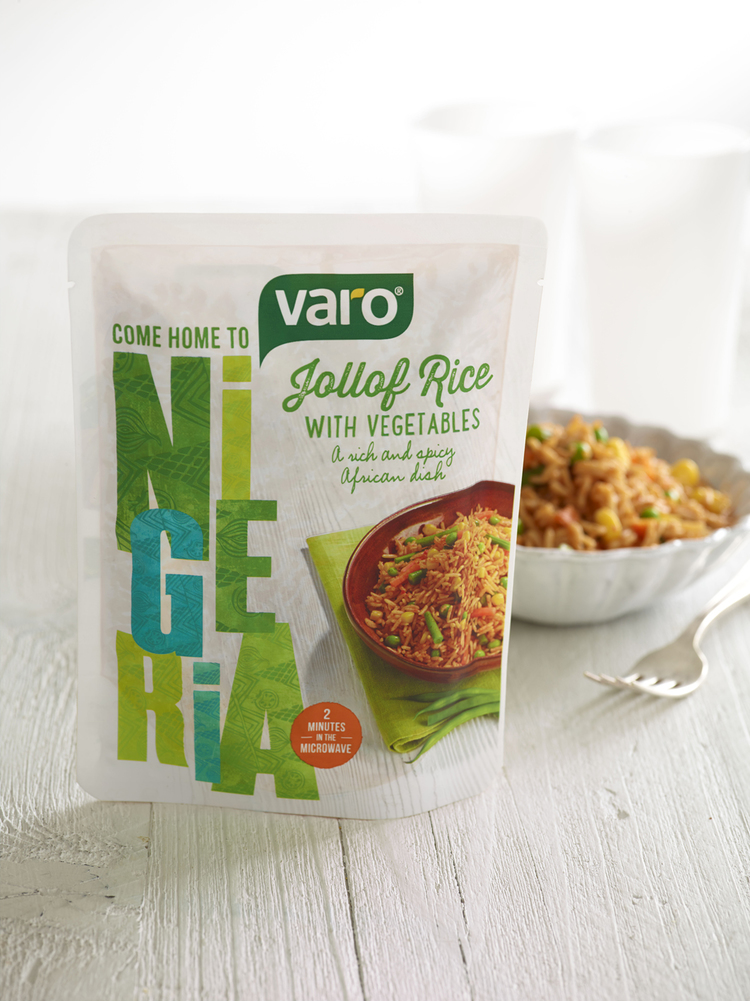
Jollof Rice branded in the shelves of Britain

3 June 2014. UK. A new brand positioning was developed around the concept of ‘Nigeria’s Food Ambassador’ – uniquely bringing the authentic taste of Africa to the world in a convenient format, a territory usually reserved for Asian, Indian and Mexican style dishes."

Family (and friends) have helped bring a unique product, Jollof rice, to the shelves of Britain via its largest supermarket, Tesco. Varo is a young company founded by Omamo Binitie, a Nigerian-born entrepreneur living in London. The brand’s mission is to ‘bring the taste and spread the word’ for West African cuisine across Europe, USA and beyond.

“We love our national dishes – everyday foods, party foods and snacks – all with the true taste of home, but without you having to spend hours in the kitchen."– Omamo Binitie, Founder of Jollof Rice. Director at Varo Limited 

The new packaging reveals the new strapline, “Come Home To…” both Varo and Nigerian dishes, along with bright, bold graphics that are inspired by African prints and traditional ways to serve the product.

Fueled by their passion for West African foods and the dynamic wave of trade happening across Africa’s most populous region, Varo has sourced the best quality ingredients and has faithfully followed traditional recipes - providing an authentic taste of home cooking and an unforgettable culinary experience.

Wednesday, June 11, 2014

FAO success stories on climate-smart agriculture

FAO success stories on climate-smart agriculture 
28 pages
This booklet provides examples of climate-smart systems by showcasing some FAO success stories in various countries. The cases have been selected from the FAO Climate-Smart Agriculture (CSA) Sourcebook launched in 2013 to show the diversity of potential options across different regions and agricultural systems also covering subjects such as biodiversity and gender.
6 June 2014. Rome.FAO has released a booklet showcasing ten best practices from its climate smart agriculture (CSA) approach to the crop, fishery, forestry and livestock sectors. The report, titled ‘FAO success stories on CSA,' stresses the urgency of tackling climate change and safeguarding food security to boost farmers' resilience and adaptation to climate change and illustrates how rural communities are already transitioning to farming practices that are better suited to a warming world.
  • Near Mount Kilimanjaro in Kenya and Tanzania, FAO has partnered with farmers to revive Kihamba, an 800 year-old agroforestry system that provides a variety of foods throughout the year while maintaining groundwater health. FAO has also introduced an ecosystem approach to fisheries and aquaculture on Nicaragua's Pacific coast that aims to boost food and income from fish products while increasing climate resilience and preserving ecosystems.
  • The report also features: a pilot project to train herders to restore degraded grasslands, improve productivity and sequester carbon in China; the conservation of genetic diversity in local varieties of maize, potatoes and quinoa in the Peruvian Andes; and the role of women in promoting climate-smart farming practices in India. Case studies further discuss CSA success stories from: a CSA readiness project in Malawi, Viet Nam and Zambia; South-South cooperation in Nigeria; a river basin landscape approach in Uganda; and a livestock waste management project in East Africa.

Published on 6 Jun 2014 Shifting world agriculture to a "climate-smart" approach will not only help prevent future food security crises but holds the promise of sparking economic and agricultural renewal in rural areas where hunger and poverty are most prevalent. That's the argument of a new publication by the Food and Agriculture Organization of the United Nations (FAO). Leslie Lipper, Senior Economist at the FAO has more details.


Tuesday, June 10, 2014

FAMILY FARMING AND RESEARCH


1-3 June 2014. MONTPELLIER. “FAMILY FARMING AND RESEARCH”. Jointly
organized by Agropolis International, within the framework of “the year of family farming”.

The main purposes of these Encounters were
  • to foster exchanges between representatives of family farming, decision makers from the political and private sectors, representatives of civil society, trainers and researchers throughout the world, 
  • to question and enhance research agendas dealing with family farming issues and the challenges of global change (society, economics, food security, urbanization, human mobility and migrations, nutrition and health, climate, ...) 
Discussion themes
  • How global change impact on family agriculture and its various evolutions? 
  • How family agriculture can contribute to the global challenges facing society, economy, policy making, environment and food security? 
  • How scientific research and development action can support family agriculture in facing these challenges?
Download the programme
Download the press release (may 23, 2014)

Related:
1 June 2014. Montpellier. A lecture by Hans Herren, former Director General of ICIPE and co-chair of the International Assessment of Agricultural Knowledge, Science and Technology for Development (IAASTD), and current president of the Millennium Institute.

Panel: Family agriculture, a credible option given the challenges the planet faces?
  • Hans Rudolf Herren, President of the Millennium Institute, Washington. 1995 World Food Prize and 2013 Right Livelihood Award (the Alternative Nobel Prize) 
  • Fatma Ben Rejeb, Director of the Maghreb farmers’ union (UMAGRI), Tunisia. 
  • Kees Blokland, Director of Agriterra, the Netherlands. 
  • Maryam Rahmanian,a member of a local NGO, Vice-Chairperson of the Steering Committee of the High Level Panel of Experts (HLPE) for Food Security and Nutrition of the Committee on World Food Security, Iran. 
  • Patrick Caron,Director General in charge of Research and Strategy at Cirad, France. 
  • Ibrahim Alassane Mayaki,Chief Executive Officer of New Partnership for Africa’s Development (NEPAD), Niger. 
  • Caio Galvão de França, Chief of Staff of the Ministry of Agrarian Development (MDA), coordinator for the International Year of Family Farming, Brazil. 
Download poster with programme
Download speakers biography

Background:
This event was co-organized with the CGIAR Consortium, the Global Forum on Agriculture Research (GFAR) and the World Rural Forum (WRF) and supported by the French Ministry of Foreign Affairs, the French Ministry of Agriculture, Food and Forestry and various national and international organizations. It feeds the agenda of IYFF, help prepare the third Global Conference on Agricultural Research for Development (GCARD3) -the GCARD1 having been organized by Agropolis International and GFAR in Montpellier in 2010- and contribute with ideas and recommendations to the Conference of Parties at the United Nations Framework Convention on Climate Change (COP21) to be held in Paris in 2015.

Selection of videos:


Family agriculture, a credible option given the challenges the planet faces? Hans R. Herren, Millennium Institute 

2-Opening session Marcela Villarreal, FAO


3-Sir Gordon Conway: Sustainable Family Farming: Is it Viable? Is is Resilient? Opening session


4-Welcome address  Bernard Hubert


5-Welcome address: Carlos Perez del Castillo, CGIAR Consortium 


13-Monique Pariat, Commission Européenne


14- Kanayo F. Nwanze, IFAD President


15-Papa A. Seck, Ministre de l'Agriculture et de l'Equipement rural au Sénégal


16-Marion Guillou, perspectives tirées du rapport du HLPE


17-Robin Bourgeois, GFAR : What could agricultural research do for family farmers?


21-Mark Holderness, GFAR :Contribution towards the GCARD3 in 2015


19-Pierre Fabre, Cirad: Points forts et perspectives


20-Ibrahim Coulibaly, Ambassadeur de la FAO/ROPPA pour l'AIAF

Related: Inauguration of the new office of the CGIAR Consortium
Consortium du CGIAR, inauguration du siège sur le campus Agropolis International à Montpellier le 2 juin 2014 

1,3 milliard de FCfa pour la mobilité des étudiants en Agrobusiness

3 juin 2014. Le projet « Harmonisation et amélioration des programmes de Master et de Doctorat en Agrobusiness par la Mobilité intra-Acp pour un développement socioéconomique durable (Haagrim) » a été officiellement lancé à l’Université Gaston Berger en présence du recteur Lamine Guèye, des représentants de l’Union européenne et des ministères de l’Enseignement supérieur et de l’Agriculture. Ce projet est financé par l’Union européenne pour un coût global de 2 millions d’euros. 

Ce programme collaboratif vise à améliorer la mobilité des étudiants et du personnel académique et technique en Agrobusiness afin de favoriser le développement durable dans les pays d’Afrique, des Caraïbes et du Pacifique. 

Ce programme a été mis en place, à l’issue du séminaire du Réseau africain pour l’agriculture, l’agro-foresterie et de la gestion des ressources naturelles (ANAFE), tenu à l’UGB en avril 2012. Ce séminaire avait permis de monter le projet HAAGRIM, afin de concourir dans le cadre d’un appel à candidature de mobilité intra-ACP de l’Union européenne.

Les universités partenaires de l’UGB dans ce projet sont : Université polytechnique de Bobo-Dioulasso (Burkina Faso), Université de Thiès (Sénégal), Université des sciences et techniques de Masuku (Gabon), Université Abomey-Calavi (Bénin), Kenyaatta University (Kenya), Université of Mauritius (Ile Maurice) Université Félixe Houphouët Boigny (Côte-d’Ivoire).

Agriculture and Food 2014, 2nd International Conference Bulgaria


5–9 June 2014. Elenite, Bulgaria. Agriculture and Food 2014, 2nd International Conference. The International Conference on Agriculture and Food was organized by Bulgarian Academy of Sciences, Union of Scientists in Bulgaria, Science & Education Foundation, Bulgaria Institute of Field and Vegetable Crops, Serbia, Kavala Institute of Technology, Greece.

Participants from more than thirty countries attended the conference, with four from Nigeria representing SSA. Many interesting research results from Russia, Bulgaria, Kazakhstan, Turkey etc were presented, giving us from SSA a glimpse of research interests from those countries. The organizers showed interest in collaborating with organizations in Africa and Asia (India) to host one of their future conferences in Africa (Nigeria and Ghana).

The coordinator of one of the PAEPARD supported consortia (Nigeria, Chicken feed research) participated in the conference. Hereunder is his scientific paper presented during the conference.

Gender mainstreaming agricultural development

2nd to 6th of June 2014. Kampala Uganda. FARA held a training workshop on Gender mainstreaming agricultural development. 

EAFF participated in the forum. Gender mainstreaming is an important component in agricultural development. Gender is the roles and responsibility of male female young (men) and Young (women) in the development agenda. 

EAFF aim to reach at least 30% of women and 20% of the youth to participate more in agriculture through its 2012-2020 strategic plan. 

Friday, June 6, 2014

Sustainable Fisheries and Aquaculture for Food Security and Nutrition

5 June 2014. A new report, Sustainable Fisheries and Aquaculture for Food Security and Nutrition, has provided probably “the most comprehensive recent attempt to review and synthesize the current knowledge” said Dr Christophe Béné.

Dr Béné, of the Institute of Development Studies, chaired the team of the High Level Panel of Experts (HLPE) on Food Security and Nutrition of the Committee on World Food Security that produced the report.

The report recommends that fish need to be fully integrated into all aspects of food security and nutrition policies and programmes. It pays special attention to all dimensions of food security and nutrition and promotes small-scale production and local arrangements, as local markets, e.g. for procuring school meals, and other policy tools, including nutrition education and gender equality.

The official launch of the report Sustainable fisheries and aquaculture for food security and nutrition, will take place Friday 13 June 2014 in FAO HQ

Download the provisional agenda here

HLPE Team for fish, food security and nutrition report. Left to right: Gro-Ingunn Hemre, Modadugu V. Gupta, Moenieba Isaacs, Chris Béné, Meryl Williams, Ningsheng Yang and Vincent Gitz (Secretary)
Download the report here
Related:
5 June 2014. Another report, Improving Productivity and Environmental Performance of Aquaculture, was released during an event at the World Resources Institute (WRI) Washington, DC headquarters.

Improving Productivity and Environmental Performance of Aquaculture is the latest installment of the 2013–2014 World Resources Report: Creating a Sustainable Food Future.

The series profiles a menu of solutions to help feed more than 9 billion people by 2050 in a manner that advances economic development and reduces pressure on the environment.

The report from WRI, Worldfish, the World Bank and other partners analyses the environmental impacts of aquaculture production today and scenarios for sustainable growth in the future. It shows that aquaculture production will need to grow 113 percent by 2050 to meet growing demand for fish worldwide. Already, fish and shellfish make up one-sixth of global animal protein consumption, and that number will only grow as the world reaches 9 billion people.

The report highlights five approaches to grow aquaculture production sustainably: 
  1. Invest in technological innovation and transfer, specifically breeding and hatchery technology, disease control, feeds and nutrition, and development of low-impact production systems; 
  2. Use spatial planning and zoning to reduce cumulative impacts of many farms and ensure that aquaculture stays within the surrounding ecosystem’s carrying capacity; 
  3. Shift incentives to reward sustainability; 
  4. Leverage the latest information technology, including satellite and mapping technology, ecological modeling, open data, and connectivity so that global-level monitoring and planning systems support sustainable forms of aquaculture development; and 
  5. Shift fish consumption toward fish that are low on the food chain—“low-trophic” species such as tilapia, catfish, carp, and bivalve mollusks. 
  6. As the global wild fish catch has leveled off even while the world population continues to grow, it is essential to get aquaculture growth right—and ensure that fish farming contributes to a sustainable food future.

Presentation Slides


Webinar Recording


Note: Video recording begins with black background. Slides begin 1 minute into the recording. Recording is audio-only from 18:09 to the end. A high-quality version of WorldFish’s video presentation is below.

IST-Africa 2014

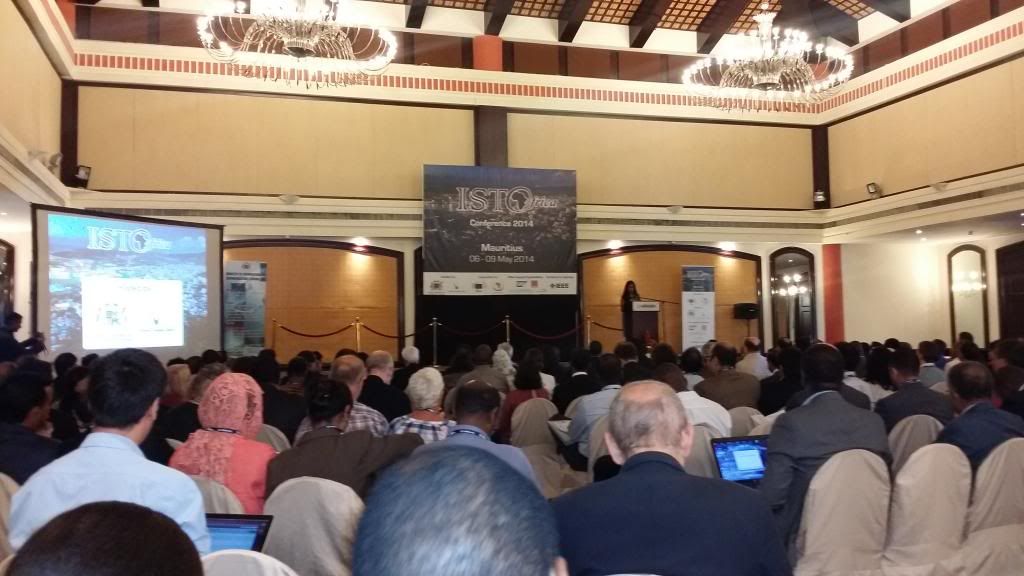
6 - 9 May 2014. Mauritius. Hosted by the Government of Mauritius through the Ministry of Information and Communication Technology and the National Computer Board, and Supported by the European Commission (EC) and African Union Commission (AUC), IST-Africa 2014 (06 - 09 May) was the ninth in an annual series of Ministerial Level Technology Research Conferences. IST-Africa 2014 was technically

IST-Africa 2014 was very successful with over 460 delegates from 44 countries actively participated over the 4 days. Please download the Conference Report for more information.
co-sponsored by IEEE Mauritius Subsection and IEEE UK&RI Social Implications of Technology Chapter. Final papers accepted for inclusion in the Proceedings (following updates as a result of the blind peer review) will also be submitted to IEEE Xplore for publication.

Extract:

Joint IST-Africa CAAST-Net Plus Session
Melissa Plath
  • IST-Africa, Paul Cunningham, IIMC / IST-Africa, Ireland
  • CAAST-Net Plus, Melissa Plath, UniPID, University of Jyväskylä, Finland
  • Introduction to Horizon 2020, Morten Moller, Programme Coordination, DG CONNECT, European Commission
  • Agriculture, Health, Environment 2014/2015 Calls in H2020, Melissa Plath, UniPID, University of Jyväskylä, Finland
  • George Essegbey, CSIR, Science and Technology Policy Research, Institute, Ghana
  • LEIT (ICT) 2015 Calls in H2020, Paul Cunningham, IIMC / IST-Africa, Ireland
eAgriculture
  • Cattle Monitoring System Using Wireless Sensor Network in Order to Prevent Cattle Rustling, Patrick Nkwari, University of Johannesburg, South Africa
  • PotatoSense: A Wireless Sensor Network System for Precision Agriculture, Kavi Kumar Khedo, University of Mauritius, Mauritius
  • A Prototype Mobile Monitoring System for Hydroponic Agriculture, Loic Ndame, Nelson Mandela Metropolitan University, South Africa
  • FOODIE – Open Data for Agriculture, Karel Charvat, Help service remote sensing s.r.o., Czech Republic

Martin Bwalya on the AU Joint Ministers of Agriculture Conference

2 June 2014. Video interview with Mr. Martin Bwalya - Head of the Comprehensive Africa Agriculture Development Programme (CAADP) in the NEPAD Agency - on the AU Joint Ministers of Agriculture Conference (28 April-2 May 2014).  (Related PAEPARD blog post: AU Joint Conference of Ministers of Agriculture, Rural Development, Fisheries and Aquaculture

What are the main drivers for change for CAADP, the framework for African agriculture development?

See the full transcript of this video presentation

After ten years in existence of CAADP, Martin Bwalya elaborates on the proceedings from the Joint AU Ministers of Agriculture, Livestock, Fisheries, Aquaculture and Rural Development that the AUC hosted in Ethiopia beginning of May.

  • Next to achievements and appreciation for multisectoralism, he sees the need to incorporate resilience aspects into future endeavours and comments on criticism that had been voiced in Addis about the overall approach to developing African agriculture. 
  • Martin speaks of many decades in which African agriculture had been viewed solely as a development sector rather than a business which could create wealth; one that had been in constant need of public support and never realised a viable strategy to take a footing on.


The interview was conducted in collaboration with ECDPM.

Livestock, Climate Change and Food Security Conference

19 - 20 May 2014. Madrid, Spain. Conference on Livestock, Climate Change and Food Security

Main topics
  • Balance between animal food supply and demand over the course of the century according to a range of storylines ;
  • Impacts of climate change, including climatic variability and extremes, on livestock production and pastures ;
  • Emissions and removals of GHGs associated to livestock production systems and to grassland soils and their possible changes in the future ;
  • Adaptation to climate change of the livestock sector ;
  • Mitigation of GHG emissions from the livestock sector ;
  • Contribution of the livestock sector to global and regional food security.
The abstract book contains 
  • the 113 abstracts accepted to the Livestock, Climate Change and Food Security Conference as oral or poster presentations, 
  • the 13 abstracts of the invited key-note speakers 
  • as well as the agenda of the conference.

Side events
  1. a workshop on Animal Health and Disease and GHG Mitigation to be organised by the Joint Programming Initiative on Agriculture, Food Security and Climate Change (FACCE JPI) and 
  2. workshop on Grassland Sensitivity to Climate Change organised by the Grassland & Livestock group of the Agricultural Model Intercomparison and Improvement Project (AgMIP). 
  3. These were followed by the 3rd Annual Meeting of the European ProjectAnimalChange (AN Integration of Mitigation and Adaptation options for sustainable Livestock production under CLIMATE CHANGE)
Presentations related to Africa:
Abubeker Hassen
  • Potential Use of Forage Legume Intercropping Technologies to mitigate and adapt to Climate Change Impacts on mixed Crop-Livestock Systems in Africa ; Abubeker Hassen, University of Pretoria, South Africa
  • Livestock and Climate Change in East Africa: exploring Combinations of Adaptation and Mitigation Options ; Silvia Silvestri, ILRI, Kenya
  • Integrating Adaptation and Mitigation in Smallholder farming Systems: a Focus on Sub-Saharan Africa ; Ken Giller & Katrien Descheemaeker, Wageningen University, The Netherlands
  • Adoption of Farm-level Adaptation Strategies in Africa: a Review of recent Research and an Adoption Index ; Silvestre García de Jalón, Technical University of Madrid, Spain
  • Ex-ante Farm-Scale Analysis of the Impacts of Livestock Intensification on Greenhouse Gas Emissions of Mixed Millet-Groundnut-Beef Cattle Systems in Senegal ; Jonathan Vayssières, CIRAD, Senegal
  • The Economics of Resilience to Climate Change in Sub-Saharan Africa ; Cees de Haan, World Bank, USA

Thursday, June 5, 2014

Progress on the US Feed the Future Initiative

Feed the future third progress report (pdf, 13mb)
about Feed the Future's results in fiscal year 2013.
Download PDF
Date of publication: May 2014, 36 pages

Over the past year, Feed the Future and the New Alliance have been working with USAID Missions and country, donor and private sector partners to develop evidence-based scaling targets and pathways for scaling technologies and programs, including significant policy reforms, improved finance, and enhanced communication and extension around specific technologies, that will help countries meet the objectives set out in their national agricultural plans.

Building from a strong base of research results and value chain programs in Feed the Future Missions, FF has plans to scale drought-tolerant maize, orange-fleshed sweet potato, improved legumes and horticultural commodities, and soil fertility technologies in strong collaboration with country, donor, NGO and private sector partners.

Feed the Future-funded research with U.S. universities and developing country partners has also produced biological control technologies that protect crops, minimize the need for costly pesticides and increase profits and environmental sustainability.

Private Sector Collaboration
Last year, Feed the Future assistance created 1,175 public-private partnerships, up from 660 the previous year; more than 80 percent involved local small and medium-sized firms, including farmer-owned businesses. These strategic alliances foster private sector-led growth in emerging markets by commercializing new technologies; helping create enabling policy environments; increasing opportunities for investment, finance and risk mitigation; and improving market access and trade.
  • For example, Feed the Future collaborates with Partners in Food Solutions, a nonprofit organization based in Minneapolis, Minn., that taps the technical and business expertise of volunteer employees from General Mills, Cargill, Royal DSM and Bühler to provide customized technical assistance on food processing in Malawi, Kenya and Zambia. In 2013, it provided technical assistance to 24 food processors. It also offered processors 88 capacity building projects and trained 315 technicians from 106 firms at seven sector-wide courses on identified industry knowledge gaps. Support for business and financial management training from the U.S. African Development Foundation helped small entrepreneurs in Kenya and other countries to expand their enterprises.
  • In Uganda, the initiative partners with Ecom Agroindustrial Corporation Ltd and AgroWays Ltd to link coffee and maize producers to competitive markets. Feed the Future investments help promote sound agricultural practices and aggregation while private sector partners invest in value-added processing facilities. These partnerships leverage nearly $11 million in private sector resources.
  • In 2012, Guts Agro Industry, a local Ethiopian company, committed to sourcing an additional 30,000 metric tons of chickpeas from local farmers under the New Alliance. Since then, the company has developed three new nutritious chickpea products, including a ready-to-use supplementary food to treat undernutrition through an innovative partnership that includes the Government of Ethiopia, the World Food Program and the PepsiCo Foundation. Through a U.S. Government-facilitated partnership with chickpea producers, the company is now sourcing from 10,000 smallholder farmers with plots of less than one hectare on average. Over the next two years, that number of sources will grow to a total of 52,000 smallholders. Farmers adopting the kabuli variety of chickpea have seen up to a doubling of yields and are receiving higher prices for their product at market.
    GAFSP’s Private Sector Window
    GAFSP’s Private Sector Window provides a mix of loans, credit guarantees and equity to support small- and medium-sized enterprises in the agriculture sector. The Private Sector Window invested $45 million and provided an additional $4 million in advisory services support for agribusinesses in 14 countries. Projects include investments in dairy and fruit juice processing facilities in East Africa, partnerships with commercial banks in Senegal and Cote D’Ivoire to provide farmers with warehouse financing and agricultural loans. Altogether, GAFSP’s investments have attracted more than 10 times that amount in additional private financing.


    Published on 30 May 2014
    Tanzanian students study at some of the top universities in the United States through the Innovative Agricultural Research Initiative (or iAGRI). They also conduct research to help make Tanzania food security and prosperous.


    Published on 30 May 2014 Anna Gaye explains how she and her farming group have boosted their yields and businesses with new rice and time-saving technology. Feed the Future helps provide farmers like Anna with choices on which technologies they can use to boost food security and improve livelihoods.


    Related:
    Published on 3 Jun 2014
    SID-Washington Annual Conference - Panel 2 - Feed the Future 2.0 -- How to Improve on a Good Idea
    Investments to address hunger, food security, and nutrition are critical. Some aspects of Feed the Future (FtF) have been exemplary. How can it be made more effective and extend further? How can it be inclusive of youth and gender- conscious? Can it assist people living in stressed or isolated environments, small land holders, and those with water and property rights issues? 

    Moderator: Margie Brand, Market and Enterprise Development Consultant and Executive Director, EcoVentures International Speakers: Chris Cochran, Senior Manager, Sustainability, Walmart Foundation Paul Guenette, Executive Vice President, Communications and Outreach, ACDI/VOCA Tom Schaetzel, Senior Advisor, Nutrition & Agriculture, The Manoff Group Leads: Jeffrey L. Gray and Gabriel Laizer, Food Security and Agriculture Workgroup Co-Chairs, SID-Washington

    Increasing access to finance in Agribusiness


    4-5 June 2014. Cologne, Germany. Deutsche Investitions - und Entwicklungsgesellschaft (DEG) headquarters. The Africa Finance & Investment Forum (AFIF) is an annual business networking event organized in the framework of EMRC international’s activities, aimed at strengthening the private sector in Africa, encouraging entrepreneurship and attracting investment in the African continent.

    The Forum was preceded by a two day training on "Sources of Funding” (2-3 June 2014).

    Extract: Plenary Session III: Developing a sustainable Agribusiness Sector: Increasing access to finance in Agribusiness 
    • Presentation of the “Africa Agriculture & Trade Investment Fund” 
    • Value proposition for balancing private and public investments in managing agricultural risks in family farm agribusinesses in Africa 
    • Jonathan N. Agwe
    • Intra-regional and intercontinental trade in Agri-food, experiences, opportunities and challenges 
    Anne-Katrin Gruenewald
    Moderator: Rosemary Nankabirwa, Journalist, Kenya
    • Anne-Katrin Gruenewald, Fund Manager Africa Agriculture and Trade Investment Fund – Deutsche Bank, Germany 
    • Jonathan N. Agwe, Rural Finance Adviser – IFAD, Italy 
    • Toshiaki Ono, Agribusiness Officer (Finance and
      Toshiaki Ono
      Investment) – Rural Infrastructure and Agro-Industries Division (AGS), Food and Agriculture
      Jean Panti
      Organization of the UN (FAO), Italy 
    • Philippe Tokpanou, Special adviser to the President – ECOWAS TEN and EXPECT Initiative Lead Facilitator, Côte D’Ivoire 
    • Philippe Tokpanou
    • Jean Panti, Managing Director – Fonds National de la Microfinance, Benin


    AGRIKEXPO 2014 - THE PAN-WEST AFRICAN AGRICULTURE EXHIBITION

    2 - 4 June 2014. Agrikexpo West Africa – 2014 is the agricultural products/agro-allied industry expo in West Africa designed to create a B-2-B meeting platform between agri-business stakeholders/practitioners in West Africa and their overseas counterparts.

    The idea for the collocation is to emphasise the direct relationship between primary agric production and value addition via processing/packaging.

    Many food/beverage SMEs, including channel distributors in the industry, showcased various brands. Also, most overseas companies are looking for local representatives, which makes the collocated events a choice opportunity for food/beverage entrepreneurs.

    According to the organiser, 151 Products Limited, in collaboration with the Nigerian American Chamber of Commerce and Industries, Federal Ministry of Agriculture, and the National Agency for Foods Drugs Administration and Control (NAFDAC), the expo helps to create a trade specific event – agricultural business development – in support of the Agricultural Transformation Agenda of Nigeria.
    “The current pace of agricultural revolution in Nigeria is quite commendable and must be sustained for the much desired benefits of food security, job creation and possible earnings from exports. A curios observer would definitely agree that government has done well, especially in the support of private sector initiatives for more.” Sam Ohuabunwa, chairman, 151Products Limited

    The Micronutrient Forum

    2 - 6 June 2014. Addis Ababa, Ethiopia.  The Micronutrient Forum. Organised by the World Bank and the Bill and Melinda Gates Foundation.

    The world's leading nutrition, food security, global health and sustainable agriculture experts and practitioners addressed micronutrient malnutrition, which affects one in three people in the world - most of them poor women and children in developing countries.

    The knowledge shared at the Micronutrient Forum Global Conference will help achieve the following goals:
    • Promote the availability of foods that contain key micronutrients;
    • Increase the scale of effective micronutrient delivery programs to reach more people on an ongoing basis;
    • Provide a structure that engages the right players at the global, regional and national levels and coordinates their efforts;
    • Build capacity and nurture leaders where the need for micronutrients is greatest;
    • Build for a brighter future by laying the groundwork for ongoing commitment and investment in micronutrient solutions;
    • Add to the body of scientific evidence through knowledge sharing; and
    • Close the gaps between the best evidence supporting micronutrient interventions and the design and delivery of programs.
    Previous related conferences:
    • 15-17 May 2014 Addis Ababa, Ethiopia. Building Resilience for Food and Nutrition Security, IFPRI 2020 
    • 31 March-2 April 2014 Kigali, Rwanda;  The Second Global Conference on Biofortification
    • 26 – 29 May 2014 Vienna, Austria, Understanding Moderate Malnutrition in Children for Effective Interventions
    Related:
    GAIN hosted a sponsored symposium on Large Scale Food Fortification - “A decade of large-scale food fortification in the developing world: emerging evidence and lessons learned” - and present an award for Innovative Integrated Programming.

    Published on 23 Apr 2014
    Interview with Adan Kabelo, Kenya Country of GAIN.
    The importance of fortification of food products to get nutritional value and on venture watch we meet an entrepreneur selling imported wooden tiles-what sets him apart.

    Towards a Roadmap for EU-Africa Research, Innovation

    Image credit: Nienke Buisman

    15 May, 2014. Less than one month after the EU-Africa Summit 2014, the expert working group of the EU-Africa High Level Policy Dialogue on science, technology and innovation was kicked off in Brussels on 30 April.

    The group consists of 10 EU and African high level experts from the domain of agricultural research and innovation for development and is tasked with developing a detailed roadmap concretely defining the scope and outlining the different steps to be taken towards this new partnership.

    As a first step, the experts have been asked to look into the major common challenges between the EU and Africa in the domain of food and nutrition security and sustainable agriculture and how science, technology and innovation could support tackling the issues at stake. The impact of the partnership must be of mutual benefit, albeit with different dimensions. This is by no means an easy exercise and several meetings, either virtual or physical are foreseen to accompany the process between now and November.

    The end result should be an operational roadmap that can be translated into actions to be funded by all the stakeholders concerned including the European Commission, the African Union Commission, the European and African countries or the private sector. These actions should give rise to a truly co-owned and jointly financed research and innovation partnership.

    Background:
    The conclusions of the EU-Africa High Level Policy Dialogue (HLPD) on science, technology and innovation (November 2013) which includes the establishment of the expert working group were endorsed by the Heads of State and Government at the EU-Africa Summit 2014.

    The ten experts were selected between January and March 2014, on the basis of a thorough set of selection criteria jointly established by the European Commission, African Union Commission and European and African countries that are all members of the EU-Africa HLPD Bureau (Congo Brazzaville, Namibia, Nigeria, Algeria, Burundi, Burkina Faso, South Africa, Lithuania, Greece, Italia, Germany, United Kingdom, France and Portugal).

    The roadmap is foreseen to be ready by November 2014.

    Related:
    Extract FOURTH EU-AFRICA SUMMIT 
    2-3 APRIL 2014, BRUSSELS
    ROADMAP 2014-2017

    page 6. Science, technology and innovation
    31. we will develop a long-term, jointly funded and managed research and innovation partnership, in particular in the areas of food and nutrition security and sustainable agriculture. We will take an integrated approach recognising the important cross-cutting nature of innovation/entrepreneurship, research infrastructures and technical skills development in Africa and Europe.

    32. To this end, the EU-Africa High Level Policy Dialogue (HLPD) on science, technology and innovation will be the key platform in the JAES for priority-setting and implementation design. A HLPD expert working group will be set up that will be tasked with developing a detailed roadmap defining the scope and outlining the different steps to be taken towards this new partnership. Financing will come from the European Research and Innovation Programme, Horizon 2020, and other contributions from EU and African stakeholders.

    page 12. Agriculture, food security and food safety
    58. We will enhance our research on food and nutrition security and sustainable agriculture. We will particularly support the implementation of the medium term operational plans of African regional research and extension organisations and harness the expertise of global agricultural research initiatives to contribute to African research priorities in line with CAADP, the Science Agenda for African Agriculture and the
    African Agriculture Technology Platform.

    Wednesday, June 4, 2014

    Outcome of the selection of the Dutch ARF call for proposals

    The Dutch WOTRO has awarded funding for ten Food & Business (F&B) research proposals . Five projects fall under the F&B Global Challenges Programme (GCP), the other five will receive funding from the F&B Applied Research Fund (ARF).

    GCP-funded research projects aim to generate research-based advanced understanding of emerging key issues in food security and their impact on regional and local food security, and the role of private sector development. As a result of the first call for proposals, five research projects were awarded funding in April 2014. 3 projects are related to Africa
    Zambian traditional fermented foodsPartners: Dr Sijmen Schoustra - Wageningen UR, Laboratory of Genetics (NL). Consortium partners: University of Zambia, Tropical Diseases Research Centre (Zambia), Heifer International (Zambia), CSK Food Enrichment (NL), Yoba-for-Life Foundation (NL) 
    Research: Local fermented foods are nutritious and safe and are part of Zambian and African culture. Their potential to promote development is currently neglected. This project will optimise the entire value chain of these products from local (female) producers to consumers, resulting in better health and nutrition as well as increased income for local people.
    Helping Poor Farmers Grow MoneyPartners: Prof. Erwin Bulte - Wageningen UR, Development Economics (NL). Consortium partners: Theobroma BV (NL), Njala University (Sierra Leone), Agroproduce Management Services (Sierra Leone)
    Research: Commercially-driven investments in cash crop production aim to provide benefits in terms of both productivity and poverty alleviation, providing a win-win strategy for rural development. In this project, we examine the direct impacts in post-conflict Sierra Leone for farmers, their communities as well as the cocoa value chain.
    Inclusive business-smallholder partnerships in Ghana and South AfricaPartners: Dr Mirjam Ros-Tonen - University of Amsterdam. Consortium partners: Institute of Social Science Research (NL), Royal Tropical Institute (NL), University of Energy and Natural Resources (UENR, Ghana), Ghana Agricultural Associations Business & Information Centre (GAABIC, Ghana), Agricultural Research Council (ARC, South Africa), University of Limpopo (UL, South Africa)Research: Business-smallholder partnerships may enhance farmers’ innovation potential and food security. This research examines how partnerships can be better aligned with tree crop farmers’ livelihood trajectories and be made more inclusive, to contribute more effectively to food sovereignty (farmers’ access to food and autonomy over production and marketing) and sustainable landscapes.
    ARF-funded research projects focus on innovations that are readily applicable and contribute to sustainable food security for the most vulnerable populations. The latest five awarded ARF research proposals are the result of the second round of the first call for proposals for the fund. They are added to the two projects that were awarded in the first round. The new ARF-projects will start in the next few months and will take up to three years. 
    • 15 projects were selected out of the 104 applications.
    • 13 projects are related to Africa

    First ARF call, round 1

    Building on Fertile Ground
    Partners: Dr Geoff Andrews, ZOA Burundi. Consortium partners: Alterra Wageningen UR (NL), Centre for World Food Studies (NL) and Salvator Kaboneka University of Burundi
    Research: Chemical fertilisers are not widely used in mountainous Burundi and advice given to small holder farmers is standardised. The researchers will identify the different farming areas, provide tailored advice on dosage, and test fertiliser recommendations with farmers so that the dosage is optimised. Results will be disseminated to farmers.
    Cashew nuts for farmers’ income Uganda
    Partners: Ms Hellen Ketty Acham Elungat, North East Chilli Producers Association LTD (Uganda). Consortium partners: National Forestry Resource Research Institute (Uganda), Away4Africa B.V. (NL), Agency for Sustainable Rural Transformation (Uganda)
    Research: The introduction of cashew nut as cash crop for farmers in Uganda will contribute to increasing their income. The research aspect of this project aims to identify the critical success factors for adoption and socio economic impact of Good Agricultural Practices in the existing farming system.

    First call, round 2

    Farmer-led innovations to sustainable food production
    Partners: Mr Gerard Hoogveld, ZOA Uganda. Consortium partners: College of Agricultural and Environmental Sciences of Makerere University (Uganda), Alterra / WUR (NL)
    Research: Conservation farming practices initiated by individual farmers in Northern Uganda have the potential to prevent further nutrient depletion of the agricultural land. The most promising initiatives will be optimized and promoted further to achieve optimal soil fertility management and achieve a more sustainable farming system.
    Mozambique: land, inclusive business & food security
    Partners: Mr Amade Suca, ActionAid Mozambique. Consortium partners: Utrecht University/International Development Studies Group (NL), ActionAid Netherlands
    Research: The project examines in two different rural settings how gender, land rights and business models impact on food security. Gaps between policy and practice are studied. Research outcomes will be translated into policy recommendations via knowledge platforms, and feed policy dialogue and changes.
    More potatoes - Secure food in Burundi
    Partners: Mr Pierre Nahayo, Confédération des Associations des Producteurs Agricoles pour le Dévelopmment (CAPAD, Burundi). Consortium partners: Institut de Sciences Agronomiques du Burundi (ISABU), Innovative Technology Development for Rural Entrepreneurship Center (ITEC, Burundi) and Wageningen UR (NL)
    Research: Potato in sub-Saharan countries is rapidly becoming a crop that substantially contributes to food security and well balanced diets. As ‘seed’, potato tubers are planted that need special care to make sure they are well sprouted and avoid diseases. Research, development and knowledge transfer involving growers are aimed at this.
    Indigenous African Vegetable systems for better livelihoods
    Partners: Ms Margaret Komen, Mace Foods (Kenya). Consorium partners: University of Eldoret (Kenya), The Regional Universities Forum for Capacity Building in Agriculture – RUFORUM (Uganda)
    Research: Indigenous vegetables have unique production and nutritional characteristics that can solve a myriad of problems in sub-Saharan Africa. This project seeks to establish a robust Indigenous Vegetables value chain and incentive system that responds to the smallholder farmer conditions to increase production and access to the local, national and international markets.

    First call, round 3

    Solar Drying Technology for Smallholder Farmers in Ghana
    Partners: Mr. Kwasi Etu-Bonde (Agribusiness & Rural Development Consultant), Sustenance Agro Ventures (Ghana). Consortium Partners: Eucharia Farms Ltd (Ghana), Ujuizi Laboratories (NL), Kwame Nkrumah University of Science and Technology (Ghana)

    Research:Low-cost entry solar drying technology is expected to catalyze small-scale processing of fruits which otherwise would have gone waste, thereby increasing smallholder farmers income and nutrition. This study will address questions relating to best suited designs for drying large volumes of fruits and develop technologies for remotely controlling processing parameters.

    Improving agricultural productivity using organic waste
    Partners: Ir. Richard Yeboah – MDF Training & Consultancy BV (The Netherlands and Ghana). Consortium partners: University of Ghana, Ministry of Food and Agriculture (Ghana), Ga West Municipal Assemby (Ghana)

    Research:Ga West municipality faces compounding issues in soil productivity, land degradation, livelihood loss, food security and waste management. This project will build infrastructure and organizational capacity of a youth-operated waste collection business and compost production to contribute to economic development, promotion of organic fertilizers utilization and municipal waste management.

    Affordable protein fortified cereal products developed in Uganda
    Partners: Dr. Gaston A. Tumuhimbise, Value Addition Institute, Uganda. Consortium partners: University of Wageningen (NL) and Nutrition Solutions (FONUS) Ltd, Uganda

    Research: Most cereal fortification efforts to address malnutrition challenges focus on micro-nutrients. This project seeks to fortify first line cereals with milk protein in a bid to address the rampant malnutrition in the country. The initiative is expected to provide affordable protein rich cereal flours especially for children and women. The study will offer a model for macronutrient fortification in Sub-Saharan Africa.

    Improved varieties of Spider plant for Africa
    Partners: Mr Deguenon Edgar – Coordinator of NGO Hortitechs Developpement (Benin). Consortium partners: University of Abomey-Calavi (Benin), University of Wageningen (NL), KENRIK - Centre for Biodiversity (Kenya), African Orphan Crops Consortium (Kenya), AVRDC - The World Vegetable Center (Taiwan)

    Research: Spider plant is a leafy vegetable harvested in the wild or cultivated throughout Africa. Raising awareness of its nutritional and health benefits results in higher demand. This project will bring together researchers, farmers and consumers in order to develop nutritious, drought-tolerant and high-yielding varieties of spider plant for improved food security.

    Water and Weather Monitoring Services for Cocoa Farmers in Ghana
    Partners: Mr. Alloysius Attah : Co-Founder/CEO, Farmerline, Ghana. Consortium Partners: Delft University of Technology (NL), Kwame Nkrumah University of Science and Technology (Ghana)

    Research: To help farmers better manage their crops, it is vital they have access to reliable information from water and weather forecasts, based on data from on-the-ground monitoring stations as well as satellite data. This project will provide these data by text- and voice-message through widely available mobile phones to cocoa farmers in Ghana.

    Agroecological Food Resources for Heathy Infant Nutrition
    Partners: Ms. Sébastienne Adjadogbedji-Avouzoukan, Group Pépite d’Or (Benin) Consortium partners : Université d’Abomey-Calavi (Benin). Agence Béninoise de Sécurité Sanitaire des Aliments (Benin), Wageningen University (NL)

    Research: In Benin, several infant foods are locally produced and commercialized on local and regional markets. These foods do not meet the nutritional and safety requirements. This project brings together researchers, food quality managers and private food companies to develop, certify and disseminate healthy and nutritious infant foods using agro-ecological food resources.

    Stabilizing sesame productivity in northern UgandaPartners: Mr. Francis Ouruma Alacho – Commodity Value Chains Programme, Africa Innovations Institute (Uganda). Consortium partners: National Semi Arid Agricultural Research Institute (Uganda); Uganda Oilseeds Processors Association (UOSPA), Uganda; FICA Seeds Ltd (Uganda)

    Research: Sesame is valued for its nutritious seeds, quality oils and high export potential. However, yields are low and production is unstable due to frequent extreme weather events. This proposal will develop and promote technologies and innovations that will increase and stabilize productivity, income and food security for smallholder farmers.

    Tuesday, June 3, 2014

    FANRPAN 6th Annual Partners Meeting

    29 May 2014. Centurion, South Africa. This year the theme was: "Retooling African Family Farming For Climate Smart Agriculture And Post-Harvest Loss Reduction: Celebrating Africa Day And Enhancing Strategic Partnerships For Collective Action".

    The event:
    • Showcased how theatre for policy advocacy (TPA) can be effectively used to unpack the complexity of Climate change concepts and household vulnerability
    • Deepened the understanding of the South African policy landscape for Climate Smart Agriculture, crop production and Post-harvest management
    • Provided a platform for partner linkages and synergies