Platform for African – European Partnership in Agricultural Research for Development

Saturday, February 16, 2019

AU and AfDB launched African Leaders for Nutrition Accountability Scorecard

11 February 2019. Addis Abeba. AU and AfDB launched African Leaders for Nutrition Accountability Scorecard

 The African Union Commission, the African Development Bank and global partners launched the Continental Nutrition Accountability Scorecard to raise awareness and reinforce commitments by African governments to help end malnutrition.

The Continental Nutrition Accountability Scorecard is produced by the African Leaders for Nutrition Initiative (ALN), headquartered at the African Development Bank, in collaboration with ALN's partners including the Global Panel on Agriculture and Food Systems for Nutrition, and the Bill and Melinda Gates Foundation.

The scorecard launch presented key findings and recommendations, including calls for governments to increase budgetary allocations for multi-sectoral nutrition plans. The scorecard also calls for the enhanced empowerment of women and adolescent girls and the provision of nutritional support at the most critical time of a child's life - during pregnancy and early childhood.

The nutrition assessment tool provides a snapshot of the status of key nutrition indicators, including internationally agreed nutrition targets, specific interventions, sensitive interventions, policy and legal provisions, nutrition financing, and socio-economic impacts.

Background:Banking on Nutrition is a program helping to generate long-term economic growth across Africa by unlocking the nutrition potential of the African Development Bank’s investment portfolio.

It involves redesigning the Bank’s investments in areas such as agriculture, water, sanitation, hygiene, social protection, health and education to become “nutrition smart” and deliver a greater social and economic return alongside achieving nutrition impact, thus representing a double win for AfDB and its member countries. The program was launched in May 2016 by AfDB President Akinwumi Adesina in partnership with Big Win Philanthropy and Aliko Dangote Foundation. It has a three-part approach:
  1. Mainstreaming nutrition into the Bank’s portfolio and pipeline, including Regional and Country strategies, lending programs, non-lending programs, and other activities. 
  2. Working to increase the production and consumption of safe and nutritious foods, through partnerships with regional member countries and regional and private sector partners.  
  3. Encouraging regional member countries to prioritize nutrition smart lending requests and investments that deliver greater social and economic return alongside achieving nutrition impact, representing a double win.
Call to Action: Partner with the African Development Bank
  •  The $20.8 million Infrastructure Rehabilitation for Food Security Project (PRIASA II) in Sao Tome and Principe, which has a double bottom line of supporting economic development through better access to agricultural markets and improving nutrition. 
  •  The Programme to Build Resilience to Food and Nutrition Security in the Sahel (P2RS), a $36 million multinational program in 7 countries, with nutrition-related activities including: mother-to-mother support groups for the promotion of adequate infant and young child feeding practices; creation of home gardens for the most vulnerable households; and provision of equipment for the production of local infant nutritious foods. 
  •  The $38.5 million Gambia Climate Smart Rural WASH Development Project, which is designed to improve the socio-economic and environmental conditions of the rural and peri-urban population through improved access to sustainable WASH infrastructure and services. The African Development Bank is looking for new avenues of collaboration to expand the reach of Banking on Nutrition and achieve maximum impact. Examples of AfDB’s nutrition smart investments include:

Friday, February 15, 2019

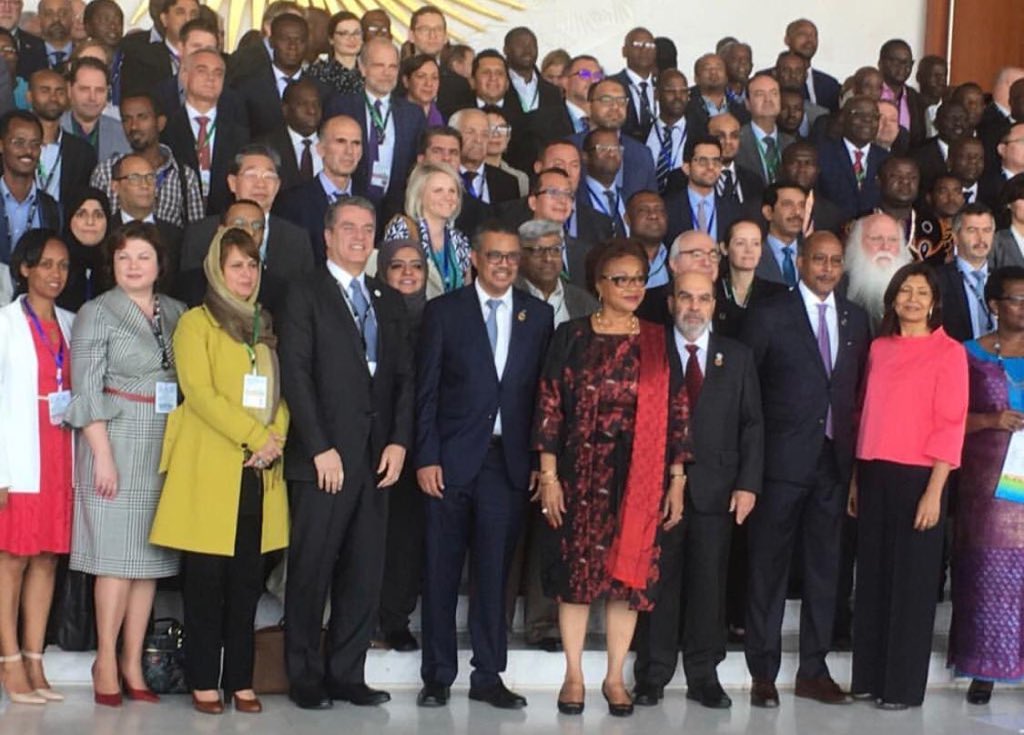
First FAO/WHO/AU International Food Safety Conference

12-13 February 2019Addis Ababa, EthiopiaFirst FAO/WHO/AU International Food Safety Conference

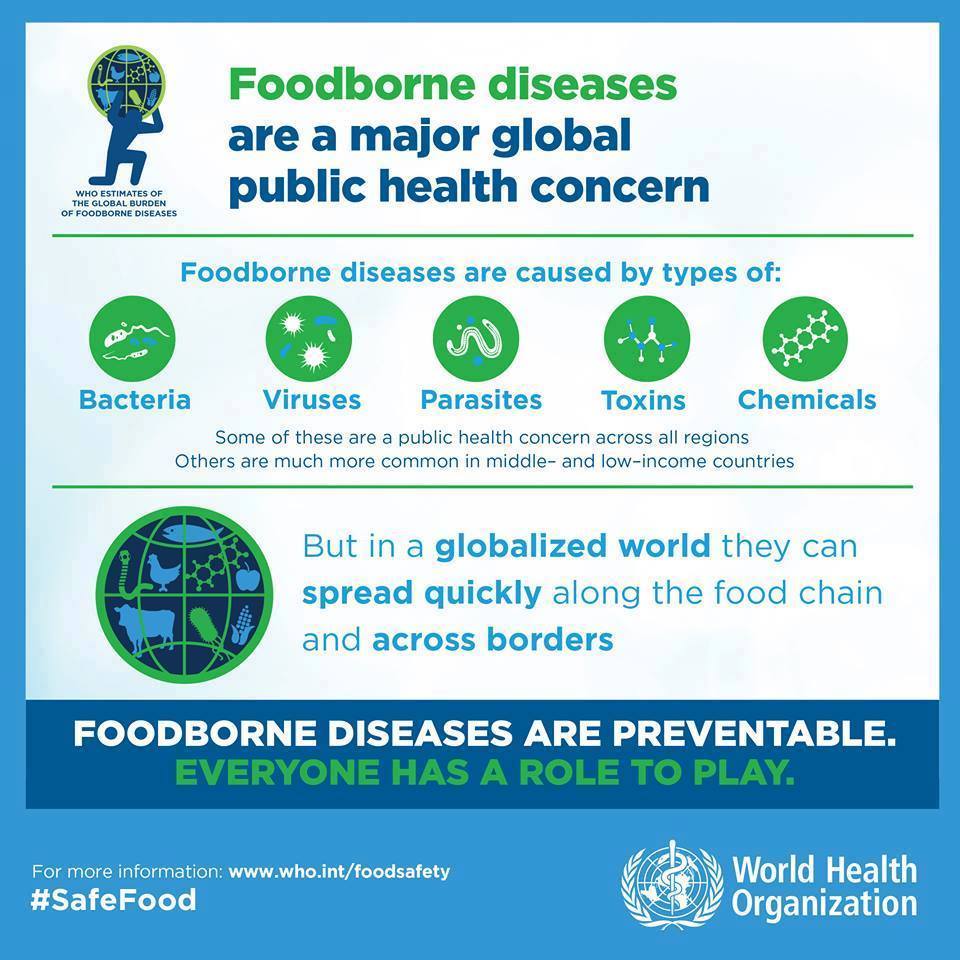
In this pivotal moment, this conference, co-organised by FAO, WHO, WTO and AU, brought together Ministers and representatives of national governments, senior policy makers as well as representatives of non-state actor groups from all regions of the world to engage in an urgent reflection on food safety challenges to:
  • Identify key actions and strategies to address current and future challenges to food safety globally.
  • Strengthen commitment at the highest political level to scale up food safety in the 2030 Agenda for Sustainable Development.

OPENING SESSION 
  • Ibrahim Assane Mayaki, Chief Executive Officer, New Partnership for Africa’s Development (NEPAD) – Conference Chairperson 
  • Josefa Leonel Correia Sacko, African Union Commissioner for Rural Economy and Agriculture 
  • José Graziano da Silva, FAO Director-General 
  • Tedros Adhanom Ghebreyesus, WHO Director-General 
  • Roberto Azevêdo, WTO Director-General 
  • Moussa Faki Mahamat, African Union Commission Chairperson 
  • Abiy Ahmed, Prime Minister of Ethiopia


THEMATIC SESSION 1 THE BURDEN OF FOODBORNE DISEASES AND THE BENEFITS OF INVESTING IN SAFE FOOD
  • The public health burden of unsafe foods: a need for global commitment Arie Hendrik Havelaar, Professor, University of Florida, USA 
  • Economic case for investments in food safety Steven Jaffee, Lead Agricultural Economist, World Bank Group 
  • Leveraging private sector investment for safe value chains Ed Mabaya, Manager, African Development Bank 
  • People-focussed food safety investment in low- and middle-income countries John McDermott, Director of CGIAR Research Program on Agriculture for Nutrition and Health (A4NH), International Food Policy Research Institute (IFPRI
  • The need for integrated approaches to address food safety risk – the case of mycotoxins Chibundu Ezekiel, Senior Postdoctoral Researcher, Babcock University, Nigeria 
  • MODERATOR : Nathan Belete, Agriculture Global Practice Manager, World Bank Group
THEMATIC SESSION 3 SCIENCE, INNOVATION AND DIGITAL TRANSFORMATION AT THE SERVICE OF FOOD SAFETY 
  • Whole genome sequencing – paving the way forward globally to better understand food systems Juno Thomas, Head of the Centre for Enteric Diseases, National Institute for Communicable Diseases, South Africa 
  • Novel food production Aideen McKevitt, Professor, University College Dublin, Ireland 
  • Novel analytical methods and models for enhanced food safety Steven Musser, Deputy Center Director of Scientific Operations, Food and Drug Administration, USA 
  • Policy considerations for the development and adoption of technologies for local food value chains Kennedy Bomfeh, Food Scientist, University of Ghana 
  • Digital transformation of the food system Mark Booth, Chief Executive Officer, Food Standards Australia and New Zealand 
  • MODERATOR : Robert van Gorcom, Director of the Food Safety Research Institute (RIKILT), Wageningen University & Research, The Netherlands
Video interviews:
Anne Wetlesen from Norad at the First FAO/WHO/AU International Food Safety Conference


Leon Gorris, Chair of the Food Safety Committee of the International Union of Food Science and Technology, explains how the large network of academics he works for strives to strengthen food
safety.


Hussein Mansour Chairperson, National Food Safety Authority of Egypt at the First FAO/WHO/AU International Food Safety Conference


Nathan Belete from the World Bank explains from his perspective why countries should invest in food safety


Wondwossen Gebreyes / Ohio State University


Barbara Gallani. Head of Communication, Engagement and Cooperation, European Food Safety Authority (EFSA) at the First FAO/WHO/AU International Food Safety Conference


Background papers
Upcoming
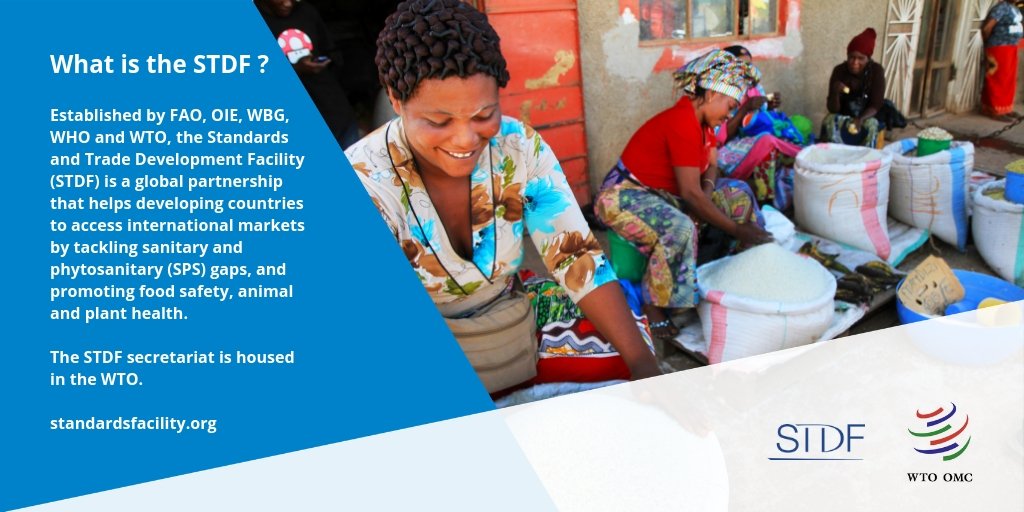
23-24 April 2019. Geneva, Switzerland. The FAO/WHO/WTO International Forum on Food Safety and Trade

Continuing the discussions from the Addis Conference, the Geneva Forum will address the trade-related aspects and challenges of food safety. The food safety priorities set by this Conference will facilitate global collaboration and help ensure that no one is left behind. Its will provide an opportunity for participants to explore the challenges and opportunities arising from rapid technological change and digitalization, namely:
  • the use of new technologies in the realm of food safety and trade;
  • how trade in safe food can be facilitated at the borders;
  • multi-stakeholder coordination and the role of partnerships;
  • harmonizing food safety regulation in a period of change and innovation.
The conference will result in a document summarizing key issues and recommendations from both, the Addis Conference and the Geneva Forum, to better align and coordinate efforts to strengthen food safety systems across sectors and borders.

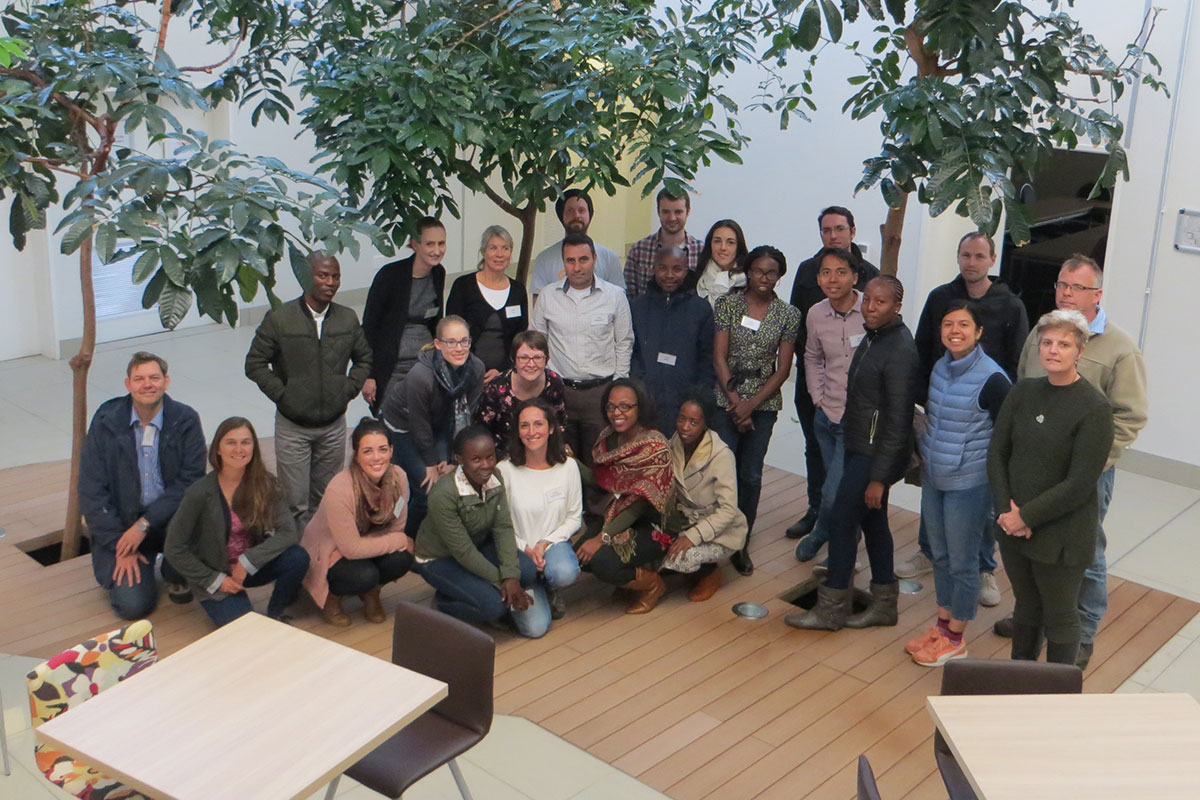
Workshop on Bioinformatics and Wheat Genomics II

4-8 February 2019. Worcester, South Africa. Workshop on Bioinformatics and Wheat Genomics II

The UK Science and Innovation Network (South Africa) hosted a workshop and built on the previous workshop (Bioinformatics and Wheat Genomics) made possible by the Newton Fund Researchers Link Program, which aimed to establish and strengthen relationships between South African (SA) and United Kingdom (UK) researchers, particularly in the area of bioinformatics.

The workshop was coordinated by Dr Renée Prins (SA) and Dr Diane Saunders (UK) and provided continuity to the previous effort of improving the bioinformatics skill set of African researchers working in the fields of cereals research and crop breeding. Dr Burkhard Steuernagel (UK) and Dr Robert Davey (UK), will join Dr Diane Saunders as workshop trainers. Bioinformaticians from two South African universities were invited as guest speakers to provide insight into bioinformatics training and collaboration opportunities in South Africa.

The workshop was designed around a series of practical exercises to allow the participants to explore different types of bioinformatics analyses, and invited researchers from Africa (particularly South Africa and Kenya) working in the fields of cereals research and crop breeding.

World Sustainable Development Summit and sustainable agriculture

11-13 February 2019. New Delhi, Delhi, India. World Sustainable Development Summit. This
summit aimed to accelerate the implementation of the 2030 Agenda.

The World Sustainable Development Summit (WSDS) is the annual flagship event of The Energy and Resources Institute (TERI).

WSDS 2019 focused on the theme, 'Attaining the 2030 Agenda: Delivering on our Promise'. The “mega themes” to be addressed during the event are clean oceans, climate finance, energy transitions, mobility and sustainable agriculture.
"There is a need to make use of the endless possibilities of biotechnology and nanotechnology to develop a range of green products, including nano-fertilisers. We should move towards more efficient systems of irrigation with 'more crop per drop' as our mantra. Greater thrust has to be placed on organic farming and on the use of natural means of pest control. Sustainable development is inclusive development which includes sustainable agriculture, sustainable mobility solutions, urbanization, energy security and clean energy, waste management and efforts in wildlife conservation." Vice President of India Venkaiah Naidu
Ms Rhea Suh and Mr Suman Bery, Senior Fellow, Mastercard Centre for Inclusive Growth delve into the intricacies of action against climate change, and discuss the need for an integrated effort by India and the United States to combat this menace.

Extract of the programme:

Commemorating The UN Decade of Family Farming: Striving for Local Sustainability at the Global Level
The role of the private sector in forging partnerships as a way forward found focus in the panel discussion. Panellists felt there is a need to leverage investments from the private sector and bring down the risk barrier, given that small farmers are seen as risky investment.

Showcasing agriculture as a lucrative investment sector would also bring about social inclusion for farmers to further pare the risk. The private sector can potentially galvanise family farming, not just through investment, but by fostering innovation, expertise, and technology. The panel concluded the session by identifying inclusive rural development and economic transformation as the need of the hour to achieve some of our sustainable development goals.
  • Chair: Dr P K Basu, Former Secretary, Ministry of Agriculture, India
    Mr Basu talked about family farming from the perspective of food security. In India and other Asian countries, most of the food production is done by small producers. Mr Basu said that even though we have made large strides in scientific knowledge in agriculture, it does not percolate to small producers. The issue stems from the fact that this segment of the population, for whom the policy has been made, is not part of the policy making process, thus creating a chasm.
  • Dr Alok Adholeya, Senior Fellow and Senior Director, Sustainable Agriculture Division, TERIDr Adholeya's career has been largely devoted to finding and developing ways to harness the power of microbes, particularly mycorrhizae, to increase the productivity of crop plants and to restore degraded and industrial overburden lands. Currently, he chairs a major Task Force on Biological Agents in the Department of Biotechnology (DBT), Ministry of Science and Technology, Government of India
  • Dr Hemant Kumar Badola, Advisor (Biodiversity, Climate Change, GTT facilitator), Chief Minister's Office, Government of Sikkim, India
  • Mr Edward Millard, Director – Landscapes and Communities, Rainforest Alliance
  • Mr Ashwani K Muthoo, Director, Global Engagement and Multilateral Relations Division, International Fund for Agriculture Development (IFAD)
  • Mr Kazuhiko Takeuchi, President, Institute for Global Environmental Studies (IGES), Japan
‘In-Conversation’ 
  • Speaker: Ms Rhea Suh, President, Natural Resources Defense Council (NRDC)
  • Chair: Mr Suman Bery, Senior Fellow, Mastercard Centre for Inclusive Growth and Former Chief Economist, Shell International Limited

India-EU Water Forum Inaugural 
  • Dr Ajay Mathur, Director General, TERI 
  • Mr Raimund Magis, Charge de Affairs, Delegation of the European Union to India 
  • Mr Wolfram Klein, Head of South Asia Division, German BMZ Federal Ministry for Economic Cooperation and Development 
  • Mr Akhil Kumar, Joint Secretary, Ministry of Water Resources, River Development and Ganga Rejuvenation, India 
  • Mr Rajiv Mishra, Director General, National Mission for Clean Ganga (NMCG) 
  • Mr Arjun Ram Meghwal, Hon’ble Union Minister of State, Water Resources, River Development and Ganga Rejuvenation, India

Forests at the heart of Sustainable Development

7 February 2019High-Level Conference on Forests at the heart of Sustainable Development

The event shed light on the diverse social, economic and environmental benefits linked to the sustainable management of forests, as well as to highlight forests and trees’ contribution to the achievement of the 2030 Agenda for Sustainable Development. 

Focus was given on illustrating the socio-economic benefits linked with forest resources as well as to underlining their crucial role in sustaining livelihoods and improving both rural and urban landscapes. The conference provided an opportunity for institutional and multi-stakeholder exchange of views on the significance of forests for bringing about sustainable development, while raising public awareness about forest conservation and restoration, sustainable forest management and forest value chains, and the various socio-economic utilities of forest products and services.

The Malabo Montpellier Panel’s report: Smart Irrigation Strategies

14 February 2019WEBINAR/ SEMINAR. How can Africa achieve an agricultural transformation through smart irrigation strategies? Discussion of lessons from Ethiopia’s policy and program interventions.

The Malabo Montpellier Panel’s report, Water-Wise: Smart Irrigation Strategies for Africa, summarizes the key findings of a systematic analysis of what six African countries at the forefront of progress on irrigation have done right.
  • The report has identified a set of policies and practices which, if brought to scale, could significantly improve the resilience and livelihoods of rural communities and spur overall agricultural growth and transformation in Africa. 
  • The report reviews traditional and new, innovative small-scale and large-scale irrigation approaches and technologies that have been implemented in Africa, followed by an analysis of the experiences of six African countries - Ethiopia, Kenya, Mali, Morocco, Niger and South Africa that have been particularly innovative and successful in terms of their institutional and policy design for irrigation.
It is estimated that nearly 20 percent of Morocco’s arable land is currently equipped for irrigation. Irrigated agriculture comprises half of Morocco’s agricultural gross domestic product (GDP), indicating its higher productivity compared to rain-fed agriculture. The 2018 Biennial Review Report by the African Union revealed that Morocco is on track to meet Malabo Commitment area #3.1, “Access to agriculture inputs and technologies,” given its score of 7.46 out of 10, which vastly exceeds the 2017 minimum score of 5.53. This is largely due to institutional and programmatic commitments by the government to improve irrigation for a more productive agriculture sector.
The Ethiopian irrigation success story was the focus of this webinar to understand where progress has been achieved and what can be replicated in other African countries.

The guest speaker was Mr. Zena Habtewold Biru, Director of the Planning Monitoring and Evaluation Directorate at the Ministry of Agriculture (MOA) and Focal Person for the Comprehensive African Agricultural Development Program (CAADP).

This webinar is of great interest to practitioners from ministries, government agencies, institutions, research analysts and students interested in understanding the work of governments, civil society, and the private sector in tackling some of the biggest challenges facing African countries.
If you wish to know more about our previous webinar session, click here or watch our follow the podcast.

Related:
13th – 15th December 2018. Rabat, Morocco. The third meeting of the Malabo Montpellier Forum took place on Monday, 17th December in Rabat, Morocco. The basis of this third Forum meeting was Malabo Montpellier Panel’s report: Water-Wise: Smart Irrigation Strategies for Africa.

The report summarizes the key findings of a systematic analysis of what six African countries – Ethiopia, Kenya, Mali, Morocco, Niger and South Africa – at the forefront of progress on irrigation have done right. The report has identified a set of policies and practices which, if brought to scale, could significantly improve the resilience and livelihoods of rural communities and spur overall agricultural growth and transformation in Africa. By adapting these lessons to countries’ specific contexts and scaling them up across the continent, African governments can meet their national and international commitments to agricultural growth and transformation.

The Forum was tied to the 2018 Atlantic Dialogues, organized by OCP Policy Center for the New South, which took place on 13th – 15th December 2018.

Published on 29 Jan 2019


Dr Karim El Aynaoui, Head of the Policy Center for the New South (Rabat, Morocco) and MaMo Panel member tells us more about the Water-Wise report .

Policy Center for the New South, formerly OCP Policy Center, is a Moroccan policy-oriented think tank based in Rabat, Morocco, striving to promote knowledge sharing and to contribute to an enriched reflection on key economic and international relations issues. By offering a southern perspective on major regional and global strategic challenges facing developing and emerging countries, the Policy Center for the New South aims to provide a meaningful policy-making contribution through its four research programs: Agriculture, Environment and Food Security, Economic and Social Development, Commodity Economics and Finance, Geopolitics and International Relations.

 Dr. Agnes Kalibata (AGRA, Nairobi) talks about why the Malabo Montpellier forum was successful. 

Tuesday, February 12, 2019

L’agro-écologie laisse-t-elle une place aux pesticides?

L’agro-écologie laisse-t-elle une place aux pesticides?
Dans le cadre de la conférence à l'Innovation Center de Bayer (Lyon), Jacques Wery a présenté sa vision de l'agro-écologie et la place réservée aux pesticides.

Cette première partie est consacrée à la définition de l'agro-écologie.


Cette deuxième partie est consacrée à la place des pesticides. 


Cette troisième partie est dédiée à la séance de questions-réponse ayant suivi l'exposé.


Background:
Jacques Wery comes from the University of Montpellier, where he was Professor of Agronomy and Agricultural Systems. He has a vast expertise in Mediterranean crops and cropping systems. He led the development of innovative modelling and prototyping of cropping systems methods that are now widely used in the field. His interdisciplinary research approaches and systems analysis cover the plant, field, farm and supply chain levels.

Jacques has engaged in a number of key multidisciplinary initiatives. These include the UMR System with INRA and CIRAD on functional analysis and design of cropping systems, as well as the “seamless project” on integrated modelling of agricultural systems. He served as Executive Secretary of the European Society for Agronomy and Chair of the Farming Systems Design Network. He founded and chaired AgroSys, a joint venture between SupAgro and the private sector to design sustainable agricultural systems through capacity building.

He is since 2018 Deputy Director General for Research for ICARDA.

13th International Conference on Dryland Development

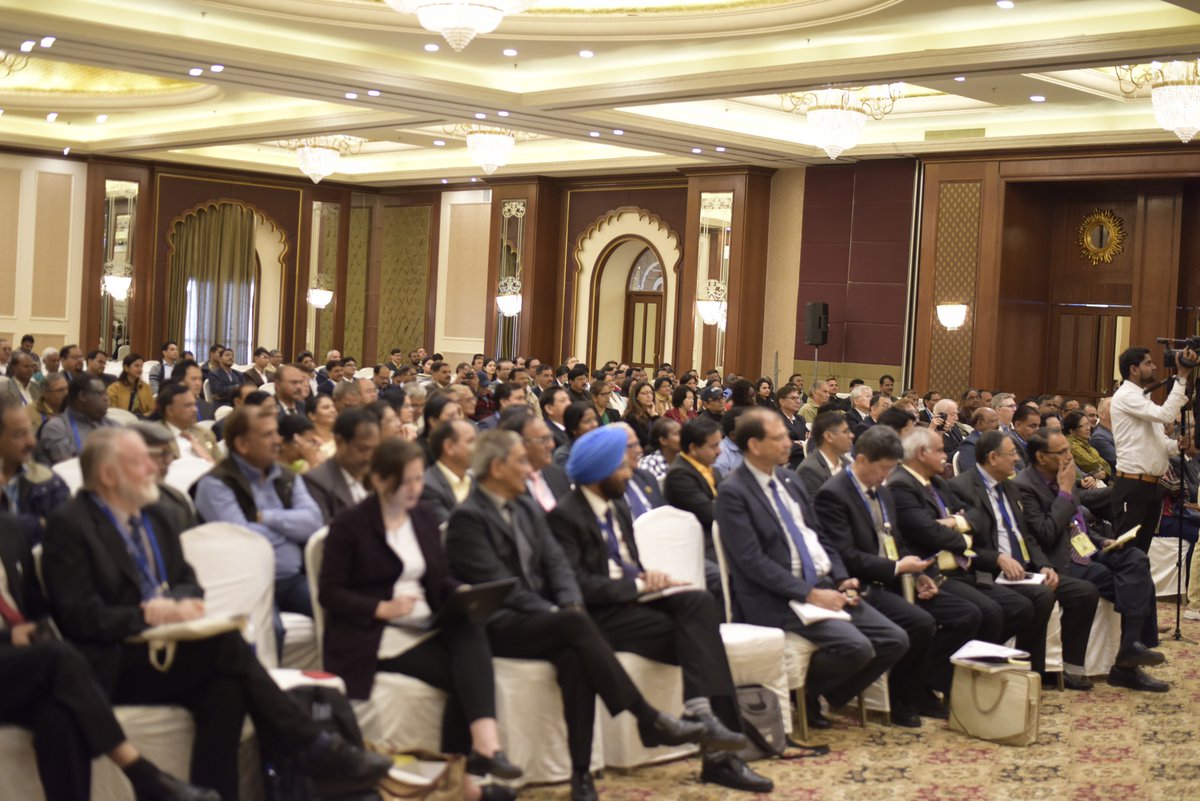
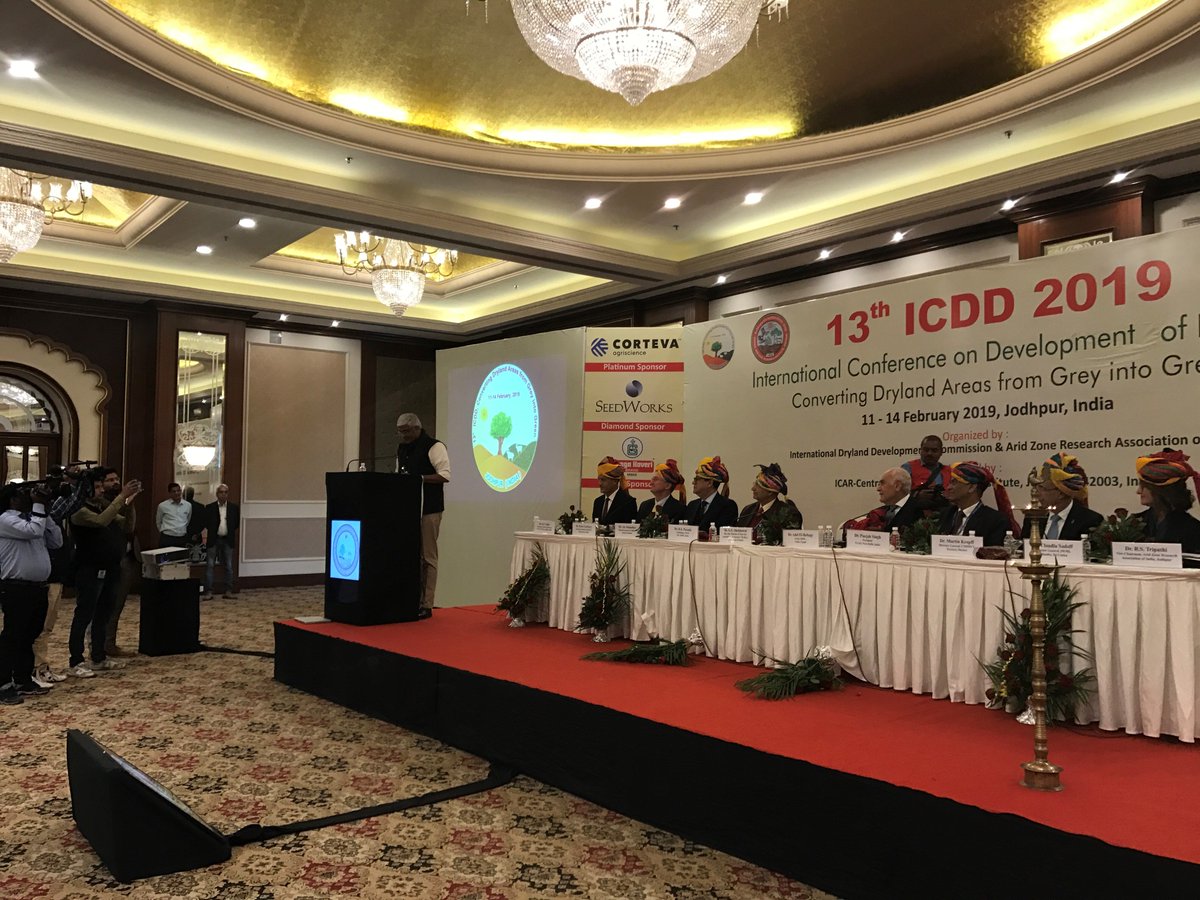
11-14 February 2019. Jodhpur, India. The 13th International Conference on Dryland Development, with the theme "Converting Dryland Areas from Grey into Green", is organized by IDDC (International Dryland Development Commission) and the Arid Zone Research Association of India (AZRAI) and hosted by the ICAR-Central Arid Zone Research Institute (CAZRI).


Gajendra Singh Shekhawat‏ 
(Indian Minister of State
for Agriculture and Farmers Welfare)
addressed the Inaugural Session
Drylands cover about 41% of earth’s land area and are home to ~38% of world population. A majority (90%) of the people of this ecosystem live in developing countries. With fragile natural resource base, achieving food security in drylands has been a great challenge. With the threat of climate change looming large and additional threat of massive out-migration, the livelihoods of more than 2 billion people who live in these areas, will be further at risk.

The efforts of the research and development community and of policymakers dealing with dry areas and aiming at sustainable management of natural resources have to be boosted in order to optimize adaptive mechanism and risk aversion elements for the dryland communities.

ICARDA contributed to this conference with not least than 8 presentations (see further)

  1. Innovations built on traditional knowledge and modern technology for sustainable dryland agriculture 605 views
  2. Field crops breeding for resistance to biotic and abiotic stresses at ICARDA: Achievements and prospects. 248 views
  3. Pulses for Harvesting ‘More from Less’ in Dry Areas  465 views
  4. Durum wheat ideotype for the drylands of tomorrow 341 views
  5. Big Data and Digital Augmentation for Accelerating Agroecological Intensification 412 views
  6. Improving Agricultural Water Productivity in the Indira Gandhi Nahar Pariyojana (IGNP) 515 views
  7. How to set priorities and capture market/farmers' needs  211 views
  8. Conservation and use of agrobiodiversity in CWANA drylands,  181 views
The sharing of knowledge and capacity building of all the stakeholders in dryland is an essential element of these presentations. ICARDA believes that institutional reforms at the ecosystem level to bridge the divide in the governance of different natural resources including water coupled with the global commitment for greater coordination in legal, policy and management issues pave the path for sustainable livelihood security in drylands and in converting dryland areas from grey to green.

Themes of technical sessions of the conference:
  1. Technical Session 1: Impact of Climate Change in Drylands (Theme 1)
  2. Technical Session 2: Managing Land Degradation & Desertification (Theme 2)
  3. Technical Session 3: Soil Health Management, Carbon Sequestration and Conservation Agriculture (Theme 3)
  4. Technical Session 4: Conservation & Use of Agrobiodiversity; Developing Adapted Cultivars (Theme 5)
  5. Technical Session 5: Water Harvesting & Improving Water Productivity
  6. (Theme 4)
  7. Technical Session 6: Conservation & Use of Agrobiodiversity, Developing Adapted Cultivars (Theme 5)
  8. Technical Session 7: Sustainable Intensification & Diversification (Arid Horticulture, Aquaculture, Protected Agriculture) (Theme 6)
  9. Technical Session 8: Livestock, Rangeland and Agroforestry Management (Theme 7)
  10. Technical Session 9: Conservation & Use of Agrobiodiversity, Developing Adapted Cultivars (Theme 5)
  11. Technical Session 10: Post Harvest Management, Value Chain, Renewable Energy, Farm Mechanization and Automation (Theme 8)
  12. Technical Session 11: Policies, Institutions & Markets to Improved Livelihood Security (Theme 9)
Themes of the Satellite symposium
  1. Crop Improvement for Sustainable Production
  2. Big Data in Dryland Agriculture
  3. Mainstreaming Water Productivity in Drylands
  4. Dryland Agrobiodiversity for Adaptation to Climate Change
  5. Arid Agro-ecosystem: Challenges and Opportunities

11 February 2019

Guests of honor:
  • Dr. Peter Carberry, (see picture) Director General ICRISAT, Patancheru, India
    Risk mitigation in dryland agriculture: Prospects and realities
  • Dr. Martin Kropff, (see picture) Director General, CIMMYT, Texcoco, Mexico 
    Maize and wheat science for alleviating the pressure on natural resources in drylands
  • Prof. Dr. Adel El-Beltagy(see picture) Chair International Dryland Development Commission
    Navigating through uncertainties: Agro-ecosystems affected by dynamic impact of climate change
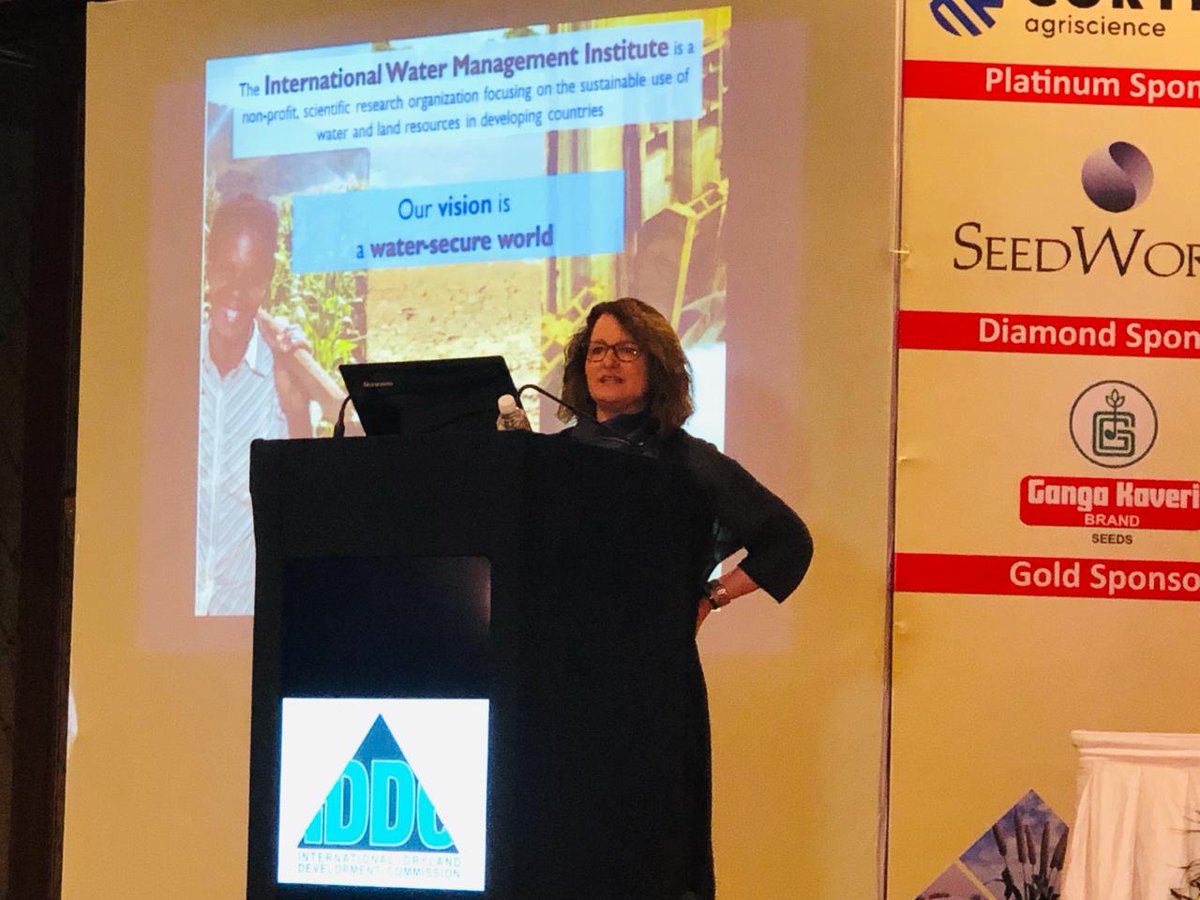
  • Dr. Claudia Sadoff(see picture) Director General, IWMI, Colombo, Sri Lanka
  • Dr. Raj S. Paroda, Chairman of the Trust for Advancement of Agricultural Sciences (TAAS) New Delhi, India
  • Dr. Panjab Singh, President, National Academy of Agricultural Sciences (NAAS), New Delhi, India
  • Prof. T. Mohapatra, Director General of the Indian Council of Agricultural Research (ICAR) and Secretary Department of Agriculture Research and Education (DARA), Ministry of Agriculture, Government of India
  • Mr. Aly AbousabaaDirector General ICARDA, Beirut, Lebanon 
    Role of traditional knowledge combined with new innovative technologies in achieving (see presentation below)
Mr. Aly Abousabaa, Director General of ICARDA
on how synergy between traditional knowledge and
innovation would contribute to livelihood in dry areas

"Evidence shows that the dry areas and the MENA region specifically, for example, is heading towards a much warmer climate scenario over the next 50 years than initially anticipated."

"As highlighted by the IPCC Special report on impacts of global warming in October 2018, climate change impact can be avoided by limiting global warming to 1.5 degrees Celsius compared to 2 degrees, or more. Also noted in this report

is that by limiting global warming, people and ecosystems will have more room to adapt and remain below relevant risk thresholds. To undertake this critical adaptation, appropriate local intervention schemes can be applied and instead interrupt negative effects of climate change."

"Published last month, the EAT-Lancet report on Food in the Anthropocene cites the need for environmental systems and processes to be maintained for sustainable food production. Global food systems transformation is needed urgently to ensure long-term sustainability both in terms of food production and to reduce the threat to local ecosystems. Mr. Aly Abousabaa (see picture), Director General of ICARDA"

12 February 2019

12 February: Technical Session 4: Conservation and Use of Agrobiodiversity; Developing Adapted Cultivars (Theme 5)
  • Field crops breeding for resistance to biotic and abiotic stresses at ICARDA: Achievements and prospects. Lead Lecture 1 - Dr. Michael Baum, Director BIGM, ICARDA, Beirut, Lebanon 

Dr. Michael Baum, on behalf of Filippo,
presenting durum wheat research carried out at ICARDA
to make it climate smart crop
@fillobax⁩ ⁦@ICARDA
12 February: Satelite Symposium TU - ICARDA Satellite Symposium Crop Improvement for Sustainable Production
The marginal region is the place where one or more of the factors necessary for plant production do not reach the level of the requirement. 

To achieve the goal to produce the necessary amount of crops under the changing climate, we need to extensively improve the crop varieties combining knowledge and technologies of molecular biology, genetics, physiology, informatics, modeling, and others. This satellite symposium is aimed to exchange the research activities among researchers studying cereals, pulses, and root symbiotic microbes, and know the present status and prospects to develop marginal regions for sustainable crop production.
  • Manipulation of centromere specific histone H3 (CENH3) in crop plants for haploid breeding: towards sustainable food production in dryland Dr. Takayoshi Ishii 
  • Pulses for harvesting more from less in dry areas

    Dr. Shiv Kumar Agrawal
    (see picture)

    Shiv Kumar Agrawal leads ICARDA’s Food legumes program, which aims to deliver improved germplasm of lentil, kabuli chickpea, faba bean, and grass pea to national partners in South Asia, sub -Saharan Africa, West Asia, and North Africa. 

  • How to find effective root symbiotic microbes for crops? -Toward the use of customized microbes for sustainable agriculture in an object area Dr. Takeshi Taniguchi 
  • Barley improvement for marginal lands Dr. Ramesh Verma
  • Discussion Crop improvement for the dry areas/ Conclusions and closing remarks Dr. Michael Baum
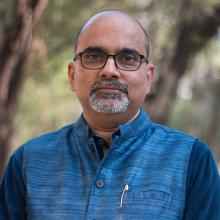
  • Rapporteur: Dr. Vinay Nangia (see picture) Senior Hydrologist, ICARDA Specially Appointed Associate Professor IPDRE, Tottori University
12 February: Satelite Symposium Big Data in Dryland Agriculture
Agricultural research is becoming more and more data intensive. High-throughput genotyping, precise phenotyping, drones, imaging platforms, GIS/RS, socio-economic information, climatic sensors, IoT and various kinds of data streams are pouring data to scientists to leverage their research to next level.
  • Big Data and Informatics Platforms at ICRISAT and future strate- Dr. Abhishek Rathore 
  • The CGIAR platform for big data in agriculture: Towards big-data enabling agriculture development Dr. Brian King 
  • GOBii, a Scalable Genomics Data Management System with Rapid Data Extract Times and Integration with Downstream Genomic Selection Analysis Pipelines Dr. Elizabeth Jones 
  • Big Data and Digital Augmentation for Accelerating Agroecological Intensification Dr. Chandrashekhar Biradar  (see picture) 
    Dr. Chandrashekhar Biradar is a Principal agroecosystems scientist and head of Geo-informatics Units, ICARDA. He is a distinguished scientist in the field of geo-informatics science and technology. He has multidisciplinary science background with focus on digital augmentation for accelerating agro-ecological intensification
  • Seeing is Believing: Using Smartphone Pictures for Agricultural Risk Management Dr. Berber Kramer 
  • Big Data in Indian Agricultural Research and Development Dr. Rajendra Parsad 
  • Breeding Modernization at ICRISAT: Implementing Industry Principles in the Public Sector Dr. Jan Debaene 

13 February 2019

 Dr. Vinay Nangia Senior Hydrologist, ICARDA

13 February: Technical Session 5: Water Harvesting and Improving Water Productivity 
(Theme 4)
  • Improving Agricultural Water Productivity in the Indira Gandhi Nahar Pariyojana (IGNP) A joint project between ICARDA and CAZRI Vinay Nangia (see picture), N.D. Yadava, M.L. Soni and V.S. Rathore

Dr. Ashutosh Sarker talking at ICDD about how to
intensify and diversify rice based systems with
lentil and grass pea
 ⁦@ICARDA⁩ ⁦@alyabousabaa

13 February: Technical Session 7: Sustainable Intensification & Diversification (Arid Horticulture, Aquaculture, Protected Agriculture) (Theme 6)
  • Intensification and diversification of dryland production systems with winter pulses in South Asia Dr. Ashutosh Sarker, Coordinator, ICARDA’s Regional Program for South Asia and China, New Delhi, India 
13 February: Satellite Symposium Mainstreaming Water Productivity in Drylands
Low precipitation and prolonged dry seasons in the drylands can lead to water scarcity, and limit agricultural productivity and output. Therefore, it is critical to achieve efficient inter-sectoral coordination to enable utilization of available water resources to the best advantage. The maximum potential for expansion of agricultural areas and benefits from improved water productivity lies in arid and semi-arid regions. This mini-symposium enabled exchanges among researchers working in the area of water management to share knowledge on the present status and prospects for higher water productivity in the drylands. The deliberations helped in framing a strategy for managing water for increasing water productivity and mainstreaming it in drylands at scale through appropriate institutional frameworks and policies. 


Dr. Ahmed Amri speaking about science based
approaches for efficient conservation and use of
genetic resources at ICDD
@ICARDA⁩ ⁦⁦@alyabousabaa
13 February: Satellite Symposium Dryland Agrobiodiversity for Adaptation to Climate Change
Amongst the total 34 global hotspots, 9 are in the dry lands and about 0.5% of the plant species are endemic to the region. In terms of agriculture, plant species endemic to the drylands make up 30% of the plants under cultivation today, including many ancestors and crop wild relatives (CWRs). However, exact status of species in the dry lands remains unknown, as no comprehensive assessment has been collated. The objectives of this mini-symposium were:
  • To examine the current threats to dryland agrobiodiversity, deliberate upon the opportunities and challenges due to climate change, and the required policy interventions to overcome the threats and challenges.
  • To take stock of agrobiodiversity in the Indian, Central and West Asian, and North African dryland regions and management strategies of their genetic resources.
  • To Identify the possible role of regional and international organizations in management of dryland agro-ecosystems through research and development, in partnership mode for
    harnessing agrobiodiversity to address the global challenges being faced by dryland communities.
Presentations
  • Conservation and use of agrobiodiversity in CWANA drylands, Ahmed Amri (see picture), ICARDA, Morocco Head of ICARDA's Genetic Resources Unit, which runs the GRU seed bank in Rabat.
  • How to set priorities and capture market/farmers' needs Dr. Filippo Bassi Senior scientist ICARDA (durum breeder) and Dr. Michael Baum BIGM Program (Biodiversity and Integrated Gene Management ) and Morocco Platform Director ICARDA, RABAT

14 February 2019

14 February: Satellite Symposium Arid Agro-ecosystem: Challenges and Opportunities
The Arid ecosystem covers around 17% of the world's land area and are inhabited by about 6% population which manifests insurmountable challenges due to inhospitable climate, vast livestock and human population surviving on limited and fragile natural resources.

Generation of technologies for conservation and efficient utilization of resources holds key for transforming less productive arid lands to gainful livelihood resources for farmers of these regions. Despite of several limitations, many opportunities exist in arid lands. The symposium will discuss some of the key issues concerning the conservation of natural resources, their optimum utilization and livelihood security. These include:

  • Changes in Land use patterns and role of space technologies in food, energy and water security in arid regions
  • Natural resource vulnerability under climate change and biological indicators of land degradation and agradation
  • Livestock scenario in arid regions and their role in livelihood security
  • Integrated farming system approach for arid ecosystem and opportunities in horticulture
14 February:  Policy Dialogue- Converting Dryland Areas from Grey into Green
  • Chairs - Prof. Ramesh Chand, Member, Niti Aayog, Government of India, New Delhi
  • Co-chairs - Prof. Dr. Adel El-Beltagy, Chair, International Dryland Development Commission, Former Minister of Agriculture and Land Reclamation, Cairo, Egypt
  • Dr. Ashok Dalwai, CEO, National Rainfed Area Authority, Government of India, New Delhi
Panelist
  • Dr. Raj Paroda, Chairman, TAAS, New Delhi, India
  • Dr. Panjab Singh, President, NAAS, New Delhi, India
  • Sh. Pawan Kumar Goyal, Additional Chief Secretary - Agriculture, Rajasthan, India
  • Dr. Aly Abousabaa, Director General, ICARDA, Beirut, Lebanon
  • Ms. Maria Beatix Giraudo, Former President, AAPRESID, Senior Advisor to Govt. of Argentina
  • Prof. Wang Tao, President, Lanzhou Branch of CAS, China
  • Prof. Atsushi Tsunekawa, Professor, ALRC, Tottori University, Tottori, Japan
  • Prof. Academician Guram Aleksidze, President, GAAS, Georgia
  • Dr. S.K. Malhotra, Commissioner (Agriculture), Govt. of India, New Delhi, India
  • Prof. Mohamed F. Osman, Former Chair, General Authority for Fish resources Development (GAFRD), Egypt

Monday, February 11, 2019

2019 INTERNATIONAL DAY OF WOMEN AND GIRLS IN SCIENCE: FARA SALUTES DR IRENE ANNOR-FREMPONG; AFRICAN WOMAN SCIENTIST PAR EXCELLENCE!

11 February 2019. Accra, Ghana. In recognition of the gap in access and participation in science for women and girls, the United Nation (UN) adopted a resolution in December 22nd of 2015, to make every 11th of February the International Day of Women and Girls in Science.

While the current decade has witnessed significant progress in mainstreaming gender through engagement of women and girls in science, much is left to be desired. For example, only around 30% of females study Science, Technology, Engineering, and Mathematics (STEM) related courses in higher institutions.

  • In Sub-Saharan Africa, where women represent about 50% of the workforce in agriculture, only one in four agricultural researchers is female, with very few in leadership positions.
  • In sustaining the momentum of the Comprehensive Africa Agricultural Development Program (CAADP), as underpinned by the African Union Agenda 2063 and the Sustainable Development Goals (SDGs), the FARA recognizes the role of mainstreaming gender by strengthening its engagement with women and girls across the Africa’s AR4D fraternity. 
  • Beyond the need to tackle the stereotypes and biases that steer women and girls from studying and engaging in AR4D related disciplines, which prevents the continent from realizing the potentials of its human capital, FARA recognizes women in science as core stakeholders in the match towards making Africa food and nutrition secure.
  • Through its network of partners and programs, FARA integrates components that ensure full and equal access to participation of women and girls in science.

At home, FARA is proud to count on the support of Dr Irene Annor-Frempong, its Director of Research and Innovation (DRI), whose leadership and brilliance in Africa’s AR4D are a shining example for every African woman and girl. An animal scientist by training, Dr Annor-Frempong is a highly talented AR4D practitioner and educational leader who has, over the years, infused positive leadership and vibrant energy in the works of FARA and the Africa continent. Dr Annor-Frempong is a featured role model in the online platform Modernizing African Food System Consortium (MAFS).

Having put more than decade in various capacities within FARA, Dr Annor-Frimpong’s more recent feats in FARA have been:

  1. the provision of leadership in the development and implementation of Science Agenda for Agriculture in Africa (S3A), e-Capacities – an online marketplace for the supply and demand of capacities in strategic human capital formation in African AR4D 
  2. and the development of a new Africa-Europe partnership framework; Supporting Implementation of a Science-Led and Climate-Relevant Agricultural Transformation in Africa (SISTA).
As the world celebrates this year’s International Day of Women and Girls in Science, whose theme is “Investment in Women and Girls in Science for Inclusive Green Growth”, FARA celebrates this proud African scientist par excellence from Ghana, who has done so much in improving the quality of agricultural research and training institutions throughout Africa.

Forests at the heart of Sustainable Development

7 February 2019High-Level Conference on Forests at the heart of Sustainable Development

The event shed light on the diverse social, economic and environmental benefits linked to the sustainable management of forests, as well as to highlight forests and trees’ contribution to the achievement of the 2030 Agenda for Sustainable Development. 

The focus was given on illustrating the socio-economic benefits linked with forest resources as well as to underlining their crucial role in sustaining livelihoods and improving both rural and urban landscapes. The conference also provided an opportunity for institutional and multi-stakeholder exchange of views on the significance of forests for bringing about sustainable development, while raising public awareness about forest conservation and restoration, sustainable forest management and forest value chains, and the various socio-economic utilities of forest products and services.

Panel 1: Uncovering forests' contribution to achieving the 2030 Agenda for Sustainable Development
  • Thierry Lucas, Head of Brussels office, UN Environment  
  • Adrian Bebb, Senior Campaigner for Food, Agriculture and Biodiversity Programme, Friends of the Earth Europe  
  • Thais Linhares-Juvenal, Team Leader Forest Governance and Economics, Food & Agriculture Organization of the United Nations (FAO) 
  • Anke Schulmeister-Oldenhove, Senior Forest Policy Officer, WWF European Policy Office 
Panel 2: Intra-EU forest policies and sustainable forest management 
  • Andrea Vettori, Deputy Head of Unit, European Commission’s Directorate-General for Environment (DG ENV) 
  • Luc Bas, Director of European Regional Office, IUCN
  • Bernard de Galembert, Innovation and Bioeconomy Director, Confederation of European Paper Industries (CEPI) 
  • Christine Farcy, Chair of the European Forestry Commission and Senior Research Fellow, UCLouvain 
Panel 3: Sustainable forest management for sustainable development: the way forwar
  • Marjeta Jager, Deputy Director-General, European Commission's Directorate-General for International Cooperation and Development (DG DEVCO) 
  • Mette Wilkie, Chief, Forestry Policy and Resources Division, Food & Agriculture Organization of the United Nations (FAO) 
  • Massimiliano Paolucci, Special Representative to the European Union, World Bank 
  • Hannah Mowat, Campaigns Coordinator, FERN 


Sunday, February 10, 2019

Meeting of the International Fertilizer Association

4-5 February 2019. Rome, Italy. 2019 IFA Joint Agricultural and Communication Meeting
The International Fertilizer Industry Association is a nonprofit organization that represents the global fertilizer industry, on issues related to the promotion of plant nutrients, improvement of the operating environment of the member companies and the collection and compilation of industry information.

#IFARome19

I. Implementing the outcomes of the International Fertilizer Association  2030 > PRESENTATION

II. Climate Change

“Underfertilization is a huge problem in certain
parts of the world” sais @CGIARclimate
Head of Partnerships and Outreach @AnetteFriis
  • The Role of Fertilizers in the FAO Agenda on Climate Change Alexander Jones, Director of the Climate & Environment Division, FAO > PRESENTATION
  • The new “Alliance for a Farmers Driven Climate Change Agenda” Arianna Giuliodori, Secretary General of the World Farmers Organization - WFO > PRESENTATION
  • What should transformative agriculture look like? Anette Friis, Head of Partnerships and Outreach, CCAFS - CGIAR Program on Climate Change, Agriculture & Food Security > PRESENTATION
  • Fertiliser use and climate change mitigation: scientific insights Renske Hijbeek, Agronomist
    Wageningen Uni Agronomist @renskehijbeek
    explored scientific insights into fertilizer
    use and climate change mitigation
    @WUR @WURenvironment @WURplant
    Wageningen University > PRESENTATION
III. Human Health

• Addressing the issue of Health Impacts of Pesticides – a strategy Robert Hunter, Executive Director Croplife > PRESENTATION

Nutrient Stewardship Working Group
Will the New Fertilizer Regulation boost the role of the fertilizer industry in Circular Economy?


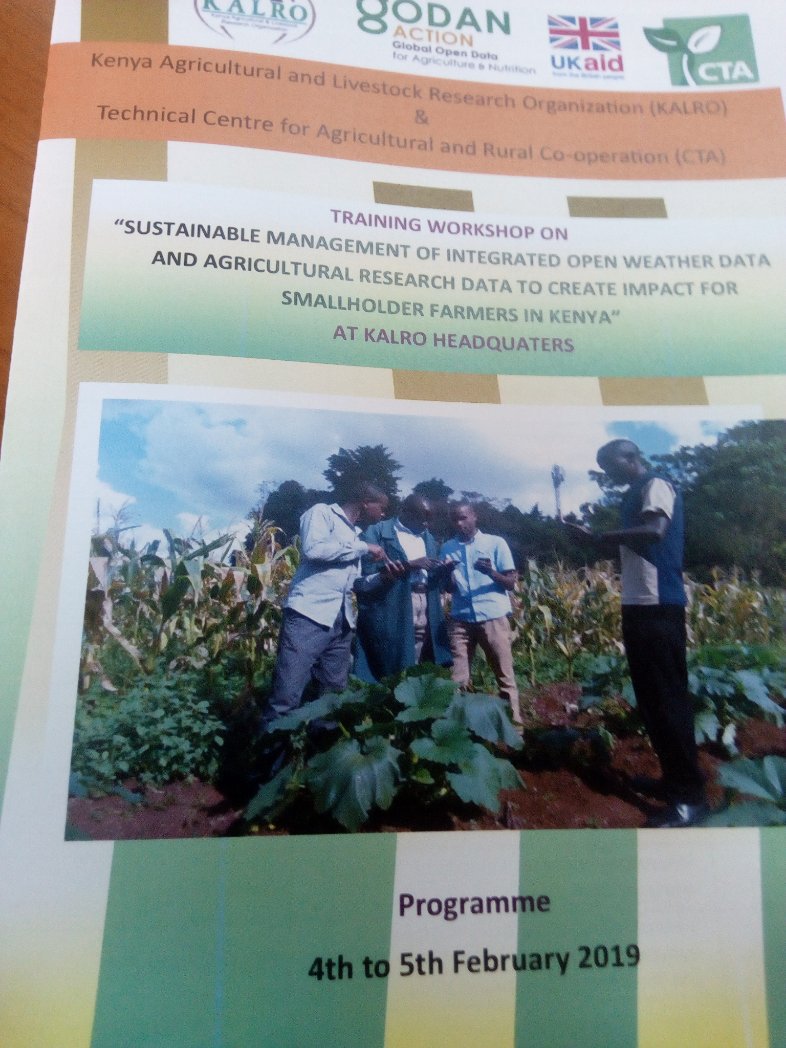
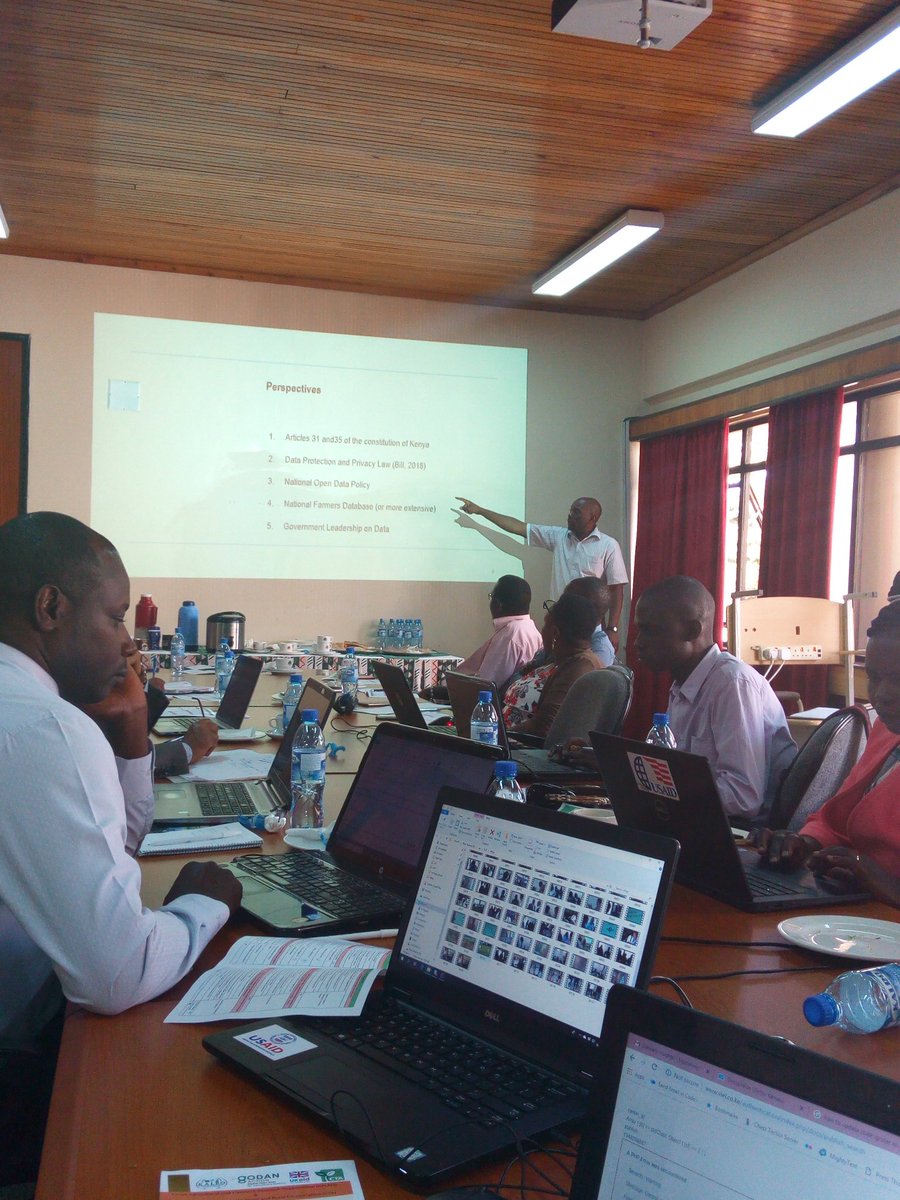
Management of Integrated Open Weather Data and Agricultural Research Data

4 - 5 February 2019. Nairobi. Workshop on Sustainable Management of Integrated Open Weather Data and Agricultural Research Data to Create Impact for Smallholder Farmers.

In Kenya, different data producers, intermediaries and data consumers require capacity building and skills to be able to manage and use open data in agriculture and nutrition effectively. On the other hand, a number of ICT experts, agricultural researchers, practitioners and policy-makers have turned their focus on the need obtain added value from data products and services for smallholder farmers specifically using information and communication technologies. However, limited technical capacities of data producers, data managers and data consumers has hindered effective generation and utilisation of data products and services.

The main objective of the training workshop was to strengthen the technical capacities of data value chain actors and intermediaries on key areas such as:
  • open data principles
  • effective utilisation management and visualisation of open data;
  • data analysis and interpretation;
  • data-driven decision making for business and policy;
  • integrating data with other technologies (e.g. machine learning algorithms, GIS, etc.);
  • making data open and data sharing principles and provision of value-added data products and services for smallholder farmers.
Also to improve skills and understanding of participants to use data to support decision-making at all levels, integrate data into agricultural information and systems, to provide timely and “authoritative” data driven based evidence or facts.

Related:
In this Webinar, Jess Fanzo - Co-Chair of the Global Nutrition Report Independent Expert Group - discusses the benefits that Open Data can have for nutrition, and ‘The Global Nutrition Report’, which convenes existing processes, highlights progress in combating malnutrition, and identifies gaps and proposes ways to fill them.


Related:
Open Data Management Online Course in Agriculture, Nutrition and Land 


This e-learning course is the result of a collaboration between GODAN Action partners, including Wageningen Environmental Research, AgroKnow, AidData, the Food and Agriculture Organization of the United Nations (FAO), the Global Forum on Agricultural Research (GFAR), and the Institute of Development Studies (IDS), the Land Portal, the Open Data Institute (ODI) and the Technical Centre for Agriculture and Rural Cooperation (CTA). This online course aims to strengthen the capacity of data producers and data consumers to manage and use open data in agriculture and nutrition. One of the main learning objectives is for the course to be used widely within agricultural and nutrition knowledge networks, in different institutions. The course also aims to raise awareness of different types of data formats and uses, and to highlight how important it is for data to be reliable, accessible and transparent.