Platform for African – European Partnership in Agricultural Research for Development

Monday, January 20, 2020

Kenyans love maize. But aflatoxins are making it dangerous.

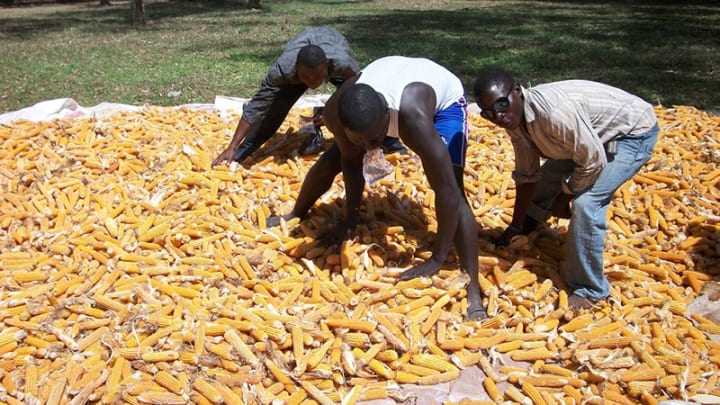
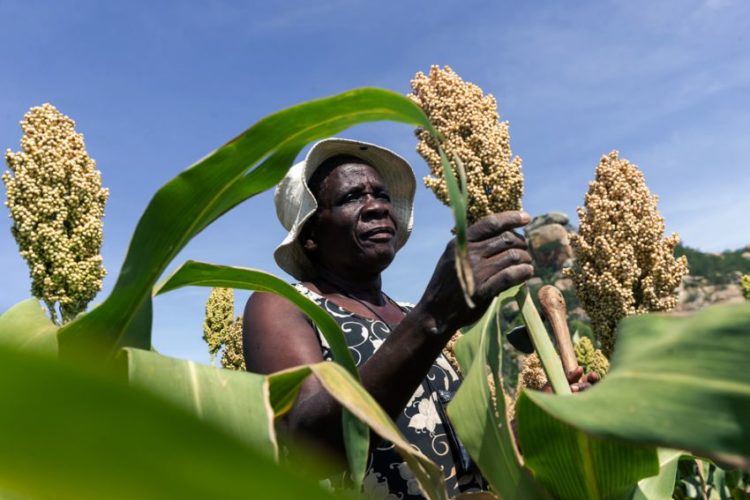
13 January 2019. Devex. By Sara Jerving. A small organization in Nairobi’s Mathare slum that spreads positive social messages through music is taking on an unlikely foe: maize, the country’s primary staple food. 

It is doing this in an effort to cut down the consumption of aflatoxins — a type of toxin produced by fungus that clings onto crops, especially maize, when the crops are not dried and stored properly, and which causes liver cancer and can be deadly at high levels of exposure.

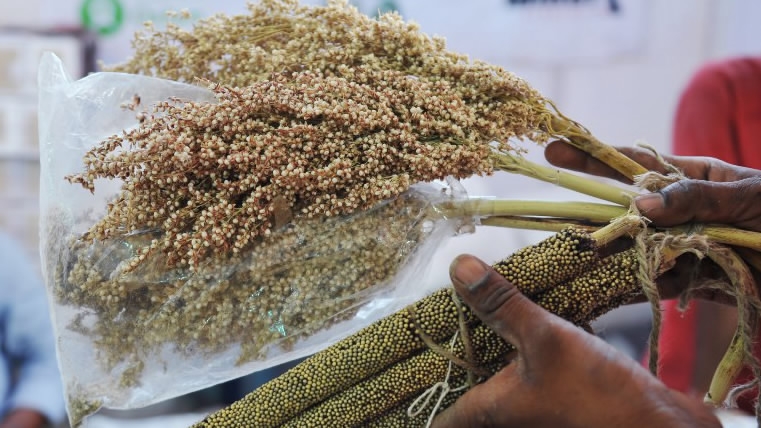
Billian Music Foundation is producing a song, which it hopes to roll out nationally, which aims to influence Kenyans to decrease the quantity of maize they eat, driving them to alternatives, such as millet.

Its efforts are in partnership with the International Crops Research Institute for the Semi-Arid Tropics, which has worked to map out food consumption patterns in Mathare — talking with food vendors and community members to identify what people are eating, what drives people’s food preferences, and what sort of access there is to alternatives. ICRISAT is also doing similar work in urban areas in Zimbabwe and Malawi.

UK-Africa Investment Summit

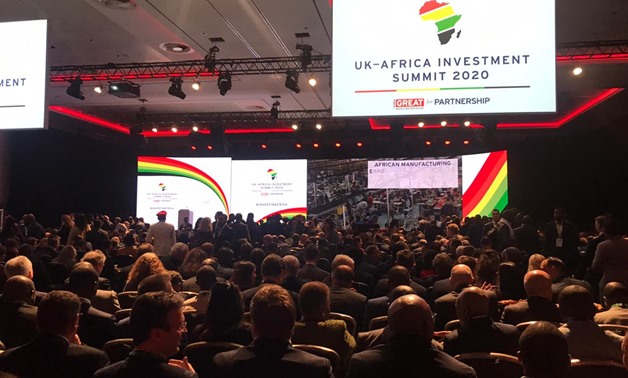
20 January 2020. London. This Summit is hosted by the UK Prime Minister and brought together businesses, governments and international institutions to showcase and promote the breadth and quality of investment opportunities across Africa.

Related: https://youtu.be/WyJ7kVJuh3I

Key takeaways from the Oxford Farming Conference 2020

https://farmingfirst.org/2020/01/key-takeaways-from-the-oxford-farming-conference-2020/

The Summit supports job creation on the continent and Africa’s economic development and help build a strong partnership between the UK and African nations for mutual prosperity.

President Abdel-Fattah El-Sisi and British Prime Minister Boris Johnson inaugurated the UK-Africa Investment Summit, with the participation of 21 African heads of state and a number of businessmen and investors from Britain and African countries.

Opening session
"Sustainable financing and infrastructure": Joint investment opportunities and experiences and plans to stimulate partnership in the field of investment in the coming period. 
  • Ways to boost investment in Africa and 
  • improve access to finance including for infrastructure 
  • How City of London’s expertise can assist 
"Trade and Investment": the African Free Trade Agreement with the participation of African heads of state and businessmen. Multilateral agreements were discussed and how to increase trade and investment opportunities by expanding the process of regional integration and integration across the continent.
  • Examine challenges and opportunities of the African Continental Free Trade Agreement 
  • Identify ways regional integration may increase trade and investment opportunities across the continent 
  • Look at breaking down barriers to trade and investment 
"African Growth Opportunities": revision of the reform plans and opportunities that are provided to increase growth rates, the best ways to attract more investments and develop mutual partnership between the two parties.
  • Spotlight priority growth sectors 
  • Highlight reform efforts that boost growth and jobs, including for women and young people 
  • Establish ways to attract investment and develop mutually prosperous partnerships 
"Transformation to New Energy": ambitions on the use of clean energy, including partnerships and policies that will assist them in implementing this, as well as review their views and plans to convert to clean and new energy.
  • Clean Energy Transformation 
  • Set out ambitions for clean energy 
  • Share experiences of investing in renewables 
  • Emphasise potential to drive economic growth and create jobs
On the sidelines of the summit, an exhibition for a number of British and African companies will take place in many fields, especially robot technology, satellites, new and renewable energy, and sustainable building materials. A number of investment agencies and agencies from both the British and African sides will participate in this exhibition to discuss the possibility of concluding cooperation and partnership agreements. Between the two parties in light of holding that summit.

UK-Africa Investment Summit is the largest annual investment event held for the eighth time outside Africa, and aims to strengthen the partnership between Britain and African countries in order to build a secure and prosperous future for all, in addition to holding large new investments to create job opportunities.

UK-Africa Investment Summit 2020 - Extract of Latest documents

16/01 Press release. UK aid boosts support for African women entrepreneurs to expand businesses into global markets
The £3.5 million of UK aid announced is for women’s economic empowerment to extend DFID’s SheTrades Commonwealth work. SheTrades is an initiative of the International Trade Centre (ITC), a joint agency of the United Nations and the World Trade Organization.

UK aid is building on the success of the SheTrades Commonwealth programme launched in 2018 after the Commonwealth Heads of Government Meeting (CHOGM), where over 2,800 women entrepreneurs have received skills-based training, tailored business advice and mentoring to help them manage and promote their businesses better.

Videos


Saturday, January 18, 2020

Global Forum for Food and Agriculture 2020

16 – 18 January 2020. Berlin. Global Forum for Food and Agriculture 2020 Food for all! Trade for
Secure, Diverse and Sustainable Nutrition.

18/01 Global Forum for Food and AgricultureCommuniqué 2020

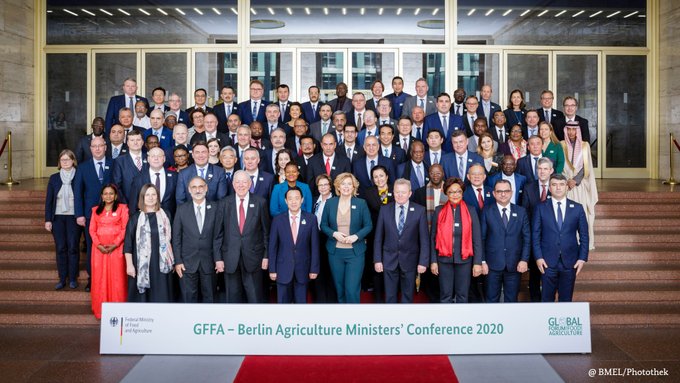
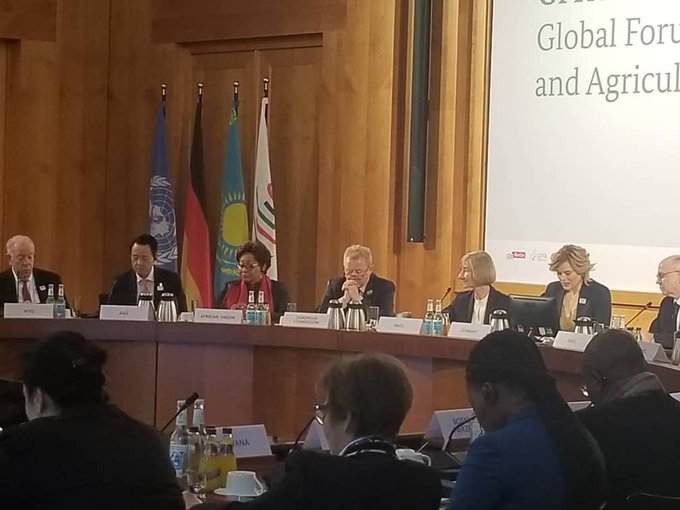
The GFFA is an international conference that focuses on crucial questions concerning the future of the global agri-food industry. This year, the GFFA was for the twelfth time during the International Green Week in Berlin. The conference gave representatives from the worlds of politics, business and civil society an opportunity to share ideas and enhance political understanding on topics of current agricultural policy within the context of food security. The Forum was organised and hosted by the Federal Ministry of Food and Agriculture (BMEL) in cooperation with the Berlin Senate, Messe Berlin GmbH and the GFFA Berlin e.V.

Food for all! Trade for Secure, Diverse and Sustainable Nutrition

  • Tereza Cristina Corrêa da Costa Dias Minister of Agriculture, Livestock and Supply of the Federative Republic of Brazil 
  • Jan Bock Head of Purchasing at Lidl Germany 
  • Joachim von Braun Director at the Center for Development Research of the University of Bonn (ZEF), President of the Pontifical Academy of Sciences and Vice-President of the Welthungerhilfe 
  • Ertharin Cousin Distinguished Fellow at The Chicago Council on Global Affairs, Visiting Scholar at Stanford University and former Executive Director of the UN World Food Programme (WFP)

FAO Side Event Digital Council

16/01 An international Digital Council for Food and Agriculture (refer as Digital Council) will:
  • advise governments and other relevant actors;
  • drive the exchange of ideas and experiences and
  • help everyone harness the opportunities presented by digitalization.
In this side event, the Concept Note for establishing an International Digital Council for Food and Agriculture (28 pages) was presented and discussed. The specific areas and functions of the Council were developed through an open and inclusive consultation with multi-stakeholders and organisations. What should be the role and task of the Council? Which legal form will the Council take? How will it be governed? What working approach will it take? What impact will it have? 
In the communiqué of the GFFA 2019, FAO was asked by the ministers of agriculture from 74 nations to work out a concept note for considering the establishment of an International Digital Council for Food and Agriculture, in cooperation with international organisations. This Digital Council should advise governments and other relevant actors on digital solutions in the food and agriculture sectors, promote the exchange of ideas and experiences, and thus help make opportunities of digitalisation more accessible to all.

EU reporter: There is an urgently need for a global leadership that will chart a path towards greater digitalization for agriculture that helps produce more food for more people with ever fewer resources. This is especially critical for developing countries, as demonstrated in last year’s flagship report on the opportunity of digitalisation for African agriculture. There may currently be more than 400 different digital agriculture solutions, services and platforms with 33 million registered farmers across sub-Saharan Africa, but this is just the tip of the iceberg, with 90 per cent of the estimated market still untapped.

See also: RDA Webinar Series in Agriculture: Mobilizing Capacity Development for Bridging the Digital Divide in Agriculture, 12 December 2019

Trade agreements for food security and sustainable development?

Organiser: Swiss Federal Office for Agriculture FOAG
16/01. WFO President Theo de Jager joined the discussion on trade and sustainable development in agriculture, addressing the audience of the Expert Panel Discussion. The event, organised by the Swiss Federal Office for Agriculture (FOAG) within the framework of the 12th Global Forum for Food and Agriculture (GFFA 2020), aimed to analyse the role played by trade and an integrated trading system to increase agricultural productivity in a sustainable manner and ensure global food security.
Putting on the table the farmers’ needs and expectations, de Jager highlighted that farmers could benefit from open markets, but they need international trade standards to protect human, animal and plant life so that food security and sustainable development are not threatened. Farmers can experience fair competition and receive a fair share of value-added from global value chains.
He also noted that trade rules should permit domestic policy measures which promote stability of supplies, such as safety nets, orderly marketing and supply management.

The panelists who joined the debate included representatives of governments, multilateral and international organisations, research centres and academia, private sector entities: 
  • Thomas Cottier, Professor emeritus, World Trade Insitute, University of Berne, Switzerland; 
  • Martina Fleckenstein, Global Policy Manager Food, WWF International; 
  • Martin Schüller, Referent for Development Policy, Standards and MEL, Fairtrade, Germany; 
  • Jürg Maurer, Deputy Head of Economic Policy Department, Migros, Schweiz.

High-level international conference "The Future of global pork production under the threat of African swine fever

17/01 The aim of this event was to foster coordinated global actions to reduce the impact of ASF on pork production and international trade.It was organised by the European Commission 

The Development Potential of Agri-Food Trade: A win-win Opportunity for Africa, EU and the World

19/01. The aim was to discuss the importance of international agricultural trade and an integrated trade system for global food security in order to archive major relevance in the light of the Sustainable Development Goals (SDG) of the United Nations, in particular SDG 2 – end hunger, achieve food security and improved nutrition and promote sustainable agriculture – and SDG 12 – ensure sustainable consumption and production patterns. The focus of this panel will be on agri-food trade with African countries, the importance trade has for agricultural development and the role of
food security within African countries.

Agri-food trade is increasing for most African countries, driven by population growth, a changing consumption pattern and limited growth in national and regional production. In most Sub-Saharan countries, because of insufficient infrastructure it is often cheaper to import from global markets than to import from the remote hinterland or from neighbouring countries. Still 31 African countries continue to need external food aid (FAO 2019). Most forecasts now estimate that crop yields will decline in much of Africa and the developing world as a result of the effects of climate change. The hardest hit areas coincide with the regions that are also expected to produce the highest population growth rates in the coming decades. In this context, it is particularly important to explore the future sustainability and resilience of agri-food production in Africa.

The food trade balance has worsened in most African Countries over the last decades (FAO) and in particular basic food commodities such as cereals, dairy products,

edible oils and fats as well as meat products are increasingly imported. With the African Union Malabo Declaration from June 2014, African countries committed to triple intra African trade by 2025. The African Free Trade Area is an ambitious project of the African Union. If achieved, this may help to improve food security and contribute to the achievement of SDG 2 in Africa. Panel discussions points were:
  1. Agri-trade
  2. SPS/AU Food Safety Agency: During the 3rd AU-EU Agriculture Ministerial Conference on 21 June 2019 in Rome, AU ministers welcome the efforts around setting up appropriate food safety governance structures across Africa and agreed to cooperate on SPS issues.
  3. Improving a responsible food supply chain
  4. Promoting agricultural development and investment in Africa
  5. GIs! What can we do to speed up the process?

Other Expert Panels

Organiser: GFFA Berlin e.V.
  • Klaus Josef Lutz, CEO Baywa, Munich, 
  • Jo Swinnen, Director General IFPRI, Washington D.C.
  • Joe Healy, Farmer and President of the Irish Farmers’ Association (IFA), Dublin
  • Gustavo Idígoras, President Chairman Argentine Edible Oil Association & Grains Exporters, Buenos Aires
  • Andrea Dreifke-Pieper, Director International Economy, WWF International, Berlin
Food waste reloaded for inclusive agri-trade supply chains 
Organiser: United Nations Economic Commission for Europe (UNECE)

Organiser: 
Organisation for Economic Co-Operation and Development (OECD)
  • Alan Matthews Professor Emeritus of European Agricultural Policy, Department of Economics
  • Trinity College, Dublin
  • Johannes Sauer Professor of Agricultural Production and Resource Economics, Centre of Life and Food Sciences, Technical University of Munich
  • Koen Deconinck, Economist, Trade and Agriculture Directorate, Organisation for Economic Co-operation and Development
  • Shivani Kannabhiran, Lead, Responsible Agricultural Supply Chains, Organisation for Economic Co-operation and Development
Organiser: Bread for the World, German Forum on Environment and Development
  • Francisco Mari Referent for world nutrition, agricultural trade and marine policy - Bread for the world
  • Leonard Mizzi Acting Director Devco C, Planet and Prosperity and Head of Unit Rural Development, Food Security, Nutrition, Europeaid, European Commission
  • Karin Ulmer Referent food security (trade) - ACT Alliance EU
  • Yvonne Takang Consultant on agricultural and trade issues - Freelance consultant
  • Antônio Inácio Andrioli Vice Chancellor of the Universidade Federal da Fronteira Sul (UFFS)
  • Ken Ukaoha Secretariat President National Association of Nigerian Traders (NANTS)
See also: “World Bank. 2020. World Development Report 2020 : Trading for Development in the Age of Global Value Chains. Washington, DC: World Bank. © World Bank. https://openknowledge.worldbank.org/handle/10986/32437 License: CC BY 3.0 IGO.”

Free and Fair Agricultural Trade in and with Africa: The Role of the AfCFTA for Food Security Organiser: German-African Business Association, German Agribusiness Alliance, Ministry for Economic Cooperation and Development, World Bank Group
Addressing food security successfully in global supply chains:The Food Security Standard
Organiser: Welthungerhilfe, WWF Germany, Center for Development Research of the University of Bonn (ZEF)
Tropical agriculture: Innovation for inclusive, sustainableand safe value chains
Organiser: Food and Agriculture Organization of the United Nations (FAO)
Contribution of cooperatives to fair value creation ininternational trade
Organiser: Deutscher Raiffeisenverband e.V. (DRV), Deutscher Genossenschafts- und Raiffeisenverband e.V. (DRGV)

Trading safely: protecting health, promoting development
Organiser: Standards and Trade Development Facility (STDF)
  • Moderation Melvin Spreij Head Standards and Trade Development Facility (STDF)
  • Loraine Ronchi Loraine Ronchi is a Practice Manager for South Asia in the Food and Agriculture Global Practice at the World Bank Group (WBG) where she manages a large team and portfolio in food and agriculture sectors.
  • Martha Byanyima Chief of Party Land O’Lakes. A food technologist with vast experience in SPS, market access and industry agro development. Currently serving as Chief of Party, Land O’Lakes, Kenya.
  • Suresh Ellawala Chairman - Lanka Fruit and Vegetable Producers, Processors and Exporters Association (LFVPPEA) Sri Lanka
  • Jean-Philippe DOP Deputy Director General - World Organisation for Animal Health (OIE)
Decent Work in Agricultural Value Chains – Precondition forSustainability and Development
Organizer: Catholic Movement of the Rural People, International Rural Development Service, German Commission Justitia et Pax
  • Andreas Lob-Hüdepohl Professor - Theological ethics, KHSB, Berlin
  • Lali Naidoo Director East Cape Agricultural Research Project, RSA
  • Leonard Mizzi Head of unit - DG DEVCO – European Commission
  • Nicole Podlinski Federal Chairwoman - Catholic Movement of the Rural People, International Rural Development Service
  • Maria Flachsbarth Parliamentary State Secretary - Federal Ministry for Economic Cooperation and Development
Ambition and Reality: Solutions for a Fair, Inclusive, Safe andSustainable Soy Supply Chain Organiser: Economic Committee on Foreign-Trade Issues at the Federal Ministry of Food and Agriculture, Grain Club

Women’s empowerment in international trade – Anagricultural perspective 
Organiser: Federal Ministry of Food and Agriculture (BMEL)

Digital Acceleration of Agriculture and Food Transformation 
Organiser: World Bank Group, Organisation for Economic Co-Operation and Development (OECD)
  • Luis Basterra Minister of Agriculture, Argentina
  • Ken Ash Director for Trade and Agriculture - Organisation for Economic Co-Operation and Development (OECD)
  • Aziz Akhannouch Minister of Agriculture, Marine Fisheries, Rural Development and Water and Forests, Morocco
  • Ann Tutwiler Senior Advisor SYSTEMIQ - Currently, Ms. Tutwiler is a Senior Advisor with SystemIQ and a Senior Fellow with The Meridian Institute.
  • Christian Forwick (TBC) Deputy Director-General for External Economic Relations, Trade Policy, America - German Ministry for Economic Affairs and Energy
Trading, delivering trust: Quality and transparency in international agricultural trade with Eastern Europe and Asia 
Organiser: German Agribusiness Alliance, Leibnitz Institute of Agricultural Development in Transition Economies (IAMO), German Eastern Business Association


Thursday, January 16, 2020

Agroecology for Sustainable Food Systems

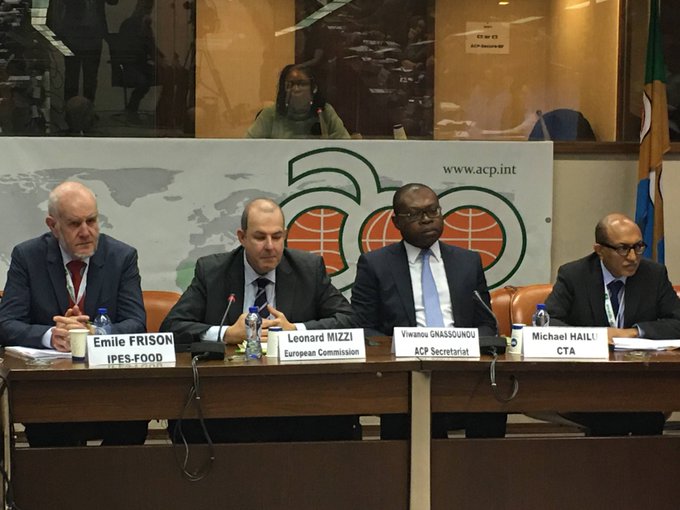
15 January 2019. The briefing “Agroecology for Sustainable Food Systems” was organised by CTA, the European Commission/EuropeAid, the ACP Secretariat, CONCORD and IPES-FOOD

The briefing brought various perspectives and experiences on agroecological systems to support agricultural transformation. Experts presented trends and prospects for agroecological approaches and what it implies for the future of the food systems. Successes and innovative models in agroecology in different parts
of the world and the lessons learned for upscaling were discussed.

The audience consisted of ACP-EU policy-makers and representatives of the EU Member States, civil society groups, research networks and development practitioners, the private sector and international organisations based in Brussels as well as representatives from ACP regional organisations.

Note and Programme
Biodata of speakers
Twitter: Brussels briefing


Introduction to the Briefing:
  • Isolina Boto, Manager, CTA Brussels Office and Coordinator of the Briefings 
  • Introductory remarks: Viwanou Gnassounou, Assistant Secretary General, ACP Secretariat; 
  • Leonard Mizzi, Head of Unit, Devco C1, Food Security, Nutrition, Europeaid, European Commission; 
  • Emile Frison, Member, International Panel of Experts on Sustainable Food Systems, IPES-FOOD; 
  • Michael Hailu, Director, CTA. 
Panel 1: Agroecological systems to support agricultural transformation 
This panel discussed concepts, trends and prospects for agroecological approaches and what it implies for the future of the food systems.
  • From Uniformity to Diversity: A paradigm shift from industrial agriculture to diversified agroecological systems Emile Frison, Member, International Panel of Experts on Sustainable Food Systems 
  • Agroecology to meet the SDGs: Scaling-up Agroecology Initiative Ronnie Brathwaite, Senior Agriculture Officer, FAO 
  • How local application of agroecological principles can transform food systems Fergus L. Sinclair, Principal Scientist, World Agroforestry (ICRAF), Kenya 
  • Agroecology and the Right to Food Alejandra Morena, Right to Food and Nutrition, Capacity-Building Coordinator, FIAN 
Panel 2: Agroecology in practice: experiences and lessons learned 
This panel presented some successes and innovative models in agroecology in different parts of the world and the lessons learned for upscaling them. 
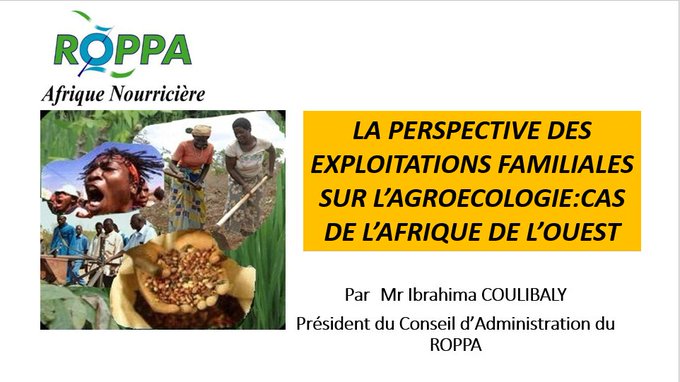
  • The farmer’s perspective to agroecology: the case of West Africa Ibrahima Coulibaly, President, ROPPA 
  • Agroecology in the European agenda of sustainable development: Best practices Paola Migliorini, President, Agroecology Europe 
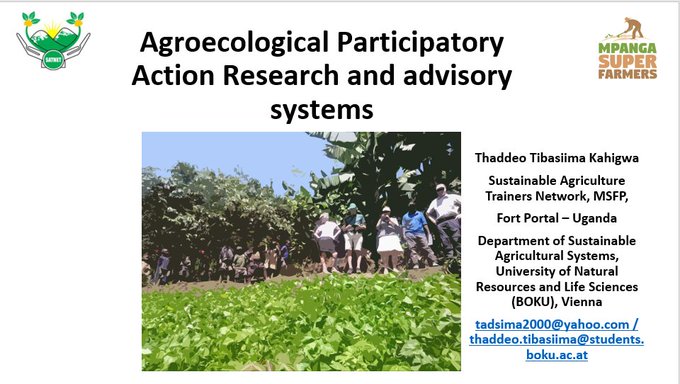
  • Agroecological participatory action research and advisory systems Tibasiima Kahigwa Thaddeo, Farmer Advisor on Agroecology, Uganda 
  • Promoting reforestation and agroforestry practices Mansour Ndiaye, Executive Director, APAF, Senegal 
  • Supporting climate-resilient agroecology in Malawi Ellen Matupi, President, Coalition of Women Farmers (COWFA) 
Related
Related:


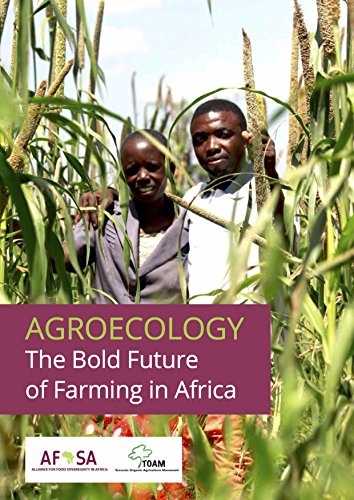
Related: AGROECOLOGY: the bold future of farming in Africa 
This 88 page illustrated book (2016) raises 15 case studies, showing how agroecology benefits Africa in terms of food and nutrition, livelihoods, restoration of biodiversity, knowledge and innovation, and climate change resilience.
  • Publisher: Alliance for Food Sovereignty in Africa (AFSA) and Tanzania Organic Agriculture Movement (TOAM)
  • Year: 2016
  • Country/ies: Burkina Faso, Ethiopia, Ghana, Kenya, Malawi, Togo, Uganda, United Republic of Tanzania, Zimbabwe
  • Full text available at: http://afsafrica.org/agroecology-the-bold-future-of-farming-in-africa/
  • Content language: English
Leading experts in their fields explain how agroecology reforms food systems to promote better nutrition and health, especially among poor communities; how it diversifies livelihoods and defends the dignity of women farmers; how it enables and empowers us to revive our soils and lands, cultivate relevant crops, advance food sovereignty, and build resilient ecosystems and communities; and how such innovative production systems, based on indigenous knowledge, meet the nutritional, cultural and spiritual needs of Africa’s people.

Related:
18/07/2019 - Agroecological and other innovative approaches for sustainable agriculture and food systems that enhance food security and nutrition
Full report can be downloaded here!

In this report, the HLPE explores the nature and potential contributions of agroecological and other innovative approaches to formulating transitions towards sustainable food systems (SFSs) that enhance FSN. The HLPE adopts a dynamic, multiscale perspective, focusing on the concepts of transition and transformation. Many transitions need to occur in particular production systems and across the food value chain to achieve major transformation of whole food systems. Both incremental transitions at small scales and structural changes to institutions and norms at larger scales need to take place in a coordinated and integrated way in order to achieve the desired transformation of the global food system

Related:
Interview with Emile Frison. He joined the International Panel of Experts on Sustainable Food
Systems. "There is an urgent need to alert policy makers to the high risks related to short-term thinking and concentration of power in the hands of fewer, large-scale retailers and corporate agri-businesses." See: From Uniformity to Diversity

Monday, January 13, 2020

Protection technologies for family agriculture in desert conditions

12 January 2020.  The scarcity of arable land and water has limited the growth of agriculture in arid lands like the Sahel and the Arabian Peninsula (AP). Considering the limited potential of the farming sector, optimizing the use of these limited resources for crop production in agricultural development is one of the biggest challenges facing any decision-maker, including the end users and growers.

The problems facing agricultural production systems are to increase the productivity, to improve the product quality, and to manage natural resources more efficiently. Indeed, developing sustainable and improved farming systems would have a significant impact on helping desert countries to be less dependent on food imports.

Some important lessons can be drawn from the Arabian Peninsula Regional Program (APRP), funded by the Arab Fund for Economic and Social Development (AFESD) and the International Fund for Agricultural Development (IFAD), developed since 1995 by the International Center for Agricultural Research in the Dry Areas (ICARDA) upon the request from the Arabian Peninsula National Agricultural Research Systems (NARS).

Family agriculture in desert conditions in different geographical areas can hugely benefit from the experience with protection technologies such as:
  1. net-house, 
  2. soil-less culture (hydroponics), 
  3. fewer chemical pesticides and 
  4. a simplified protection technology.

Enhanced cash crop production using net-house
Net house in Dhaid;
Azaiez Ouled Belgacem
ICARDA and NARS have developed net houses throughout the Arabian Peninsula since 2008.

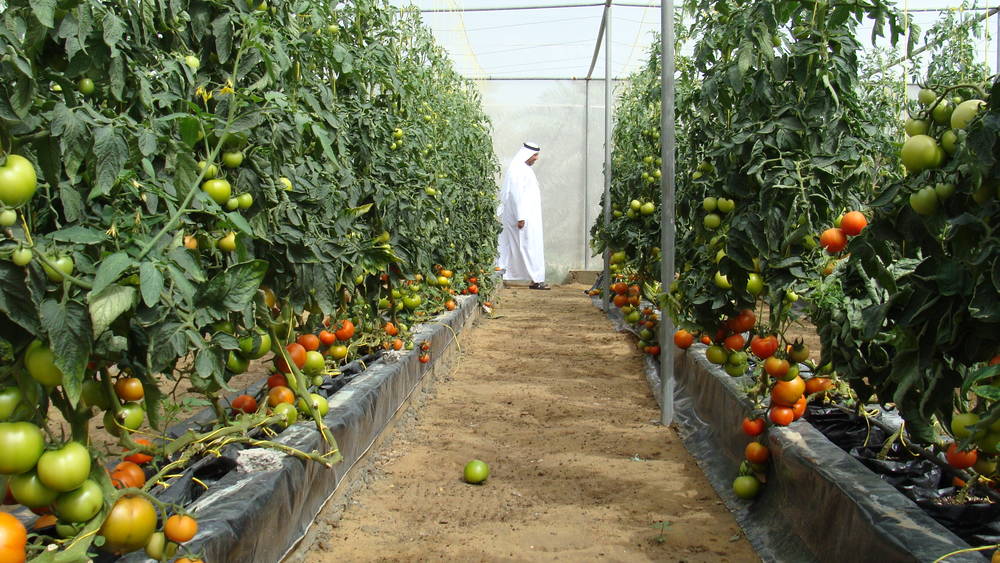
Net house is a greenhouse structure covered by an insect proof net which can allow vegetable production in desert conditions 8-9 months of the year with high yield. Studies in the region have shown that the net benefit income of net-house in 8-9 months is about the same as cooled greenhouses in 12 months due to savings in cooling water and electricity and other costs.

Net house technology, after its introduction by ICARDA and NARS, has been accepted widely in the region by policy makers and end-users. For example, in UAE, the Ministry of Climate Change and Environment has supported many growers since 2009 to adopt such techniques. Similarly, in Oman, Qatar, Bahrain and Saudi Arabia growers are adopting net houses.

Considering the average monthly temperatures, the production of high value cash crops such as tomato and cucumber can be carried out at least for 8-9 months of the year under the net house. The net house protects crops from the harsh environment, while providing them with good ventilation, and additional benefits of protection against pests and diseases. In UAE, the production of cucumber crop under cooled and net house was studied at 18 farms in three different regions. The results show that net house production in winter are as high as cooled greenhouses.
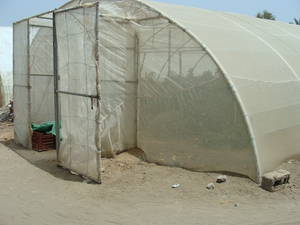
Net house;
Azaiez Ouled Belgacem
The records show that net houses saved about 77% of water with a 10% increase of profitability compared to the cooled greenhouse in Oman during November-February, and, March-May 2017. This does not consider the high cost of establishment of cooled greenhouses compared to net houses. In cooled greenhouses, the water consumed for cooling was 4 times higher than irrigation water. During this period the net houses saved 28.5m3 of water per ton of cucumbers produced.

One of the constraints of production under net houses is the limited production period compared to greenhouses. Even with savings from the reduced cost of establishment, water and energy for cooling, and profits about the same as from cooled greenhouses, growers still prefer their greenhouses in production year around.

To address this, ICARDA is working on different innovative solutions including spot cooling (SC) and root zone cooling (RZC) combined with utilizing solar energy. The RZC shows promising results. ICARDA-APRP supported a PhD study in Oman to build a locally developed system for controlling the nutrient solution to the ideal temperature of 18-29° C. The studies show that cucumber yield in hydroponics during summer can significantly increase with utilizing the RZC. Furthermore, ICARDA is conducting a joint experiment with American University of Ras Al-Khaima on spot cooling concept in greenhouse using solar energy with some promising results.
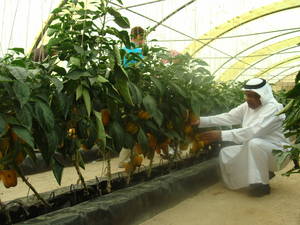

Soil-less agriculture in Qatar;
Ahmed Moustafa

Soil-less culture (hydroponics) in greenhouses under desert conditions.


The production of high value crops requires a certain quantity and quality of water that is practically impossible to obtain in desert agriculture such as the Arabian Peninsula.

The present conventional growing system for vegetable crops involves a lot of water wastage due to evaporation, run off and deep percolation. In arid countries like those in the Arabian Peninsula, rapid evaporation from the soil surface may also lead to salinity problems. Limited natural resources for fertilisation and increased soil borne pathogens and salinity are limiting the agricultural development.
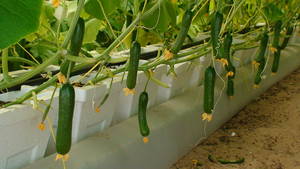
Soil-less agriculture in the UAE
(Photo credit ICARDA)
Soilless culture techniques offer: (a) supply of water and nutrients optimum for plant growth, (b) minimal water loss by evaporation, due to the narrow width of the growing channels, and (c) elimination of drainage water loss, since water is returned to the tank for recycling (closed system).

Since the year 2000, ICARDA has conducted several collaborative adaptive research and agro-economic studies with NARS scientists in the Arabian Peninsula (AP) countries on soil-less culture in greenhouses under desert conditions.

Yields were increased significantly and productivity per unit water increased by more than 70% compared to soil-based systems. Now a large group of growers has adopted this production system. In 2017, more than 1020 and 350 greenhouses were converted to soilless system in UAE and Oman respectively.


Soil-less agriculture in Oman;
Arash Nejatian
The main disadvantages of soil-less systems are the initial cost and the increased technical demands associated with management. The cost of installing such a system is high, and, at first sight, might seem prohibitive, especially for smallholder farmers. But, through increased production and savings in labor, water, energy and fertilizer, growers can recover their initial investment quickly.

The records obtained in Saudi Arabia and UAE confirmed that soilless agriculture permitted saving up to 120m3 of water per ton of tomato produced. In Kuwait and Oman vertical soilless production system resulted in increasing strawberry yield by 5 times with 50% less water compared to conventional greenhouse production system. In Yemen, the soilless production system was adopted in  several pilot farms. Growers managed the production with the technical support of NARS researchers who were trained previously by ICARDA.
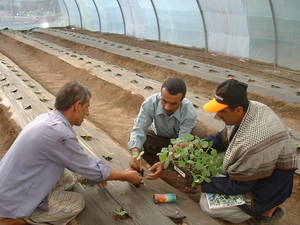
IPPM training in Yemen;
Taher A. Mahyoub (AREA, Yemen)

Integrated production and protection management (IPPM) in desert conditions

The extensive use of chemicals to control diseases and pests in greenhouses results in complex problems of insect resistance, and health and environmental hazards. Crops can be protected by control measures that avoid heavy reliance on pesticides. These control measures are part of an Integrated Production and Protection Management (IPPM) program developed by ICARDA.

IPPM components encompass environment management and control (heating, cooling, ventilation); irrigation and fertigation management and control; agricultural management (appropriate cultivars, growing media, nursery, plant density); and mechanical control (insect-proof net, plastic mulch, insect traps, et), biological control, and chemical control. Some of the techniques are just as easy as covering all greenhouse ventilation with insect proof net and using double door, while there are more complicated techniques such as biological control with the introduction of specific predatory insects.
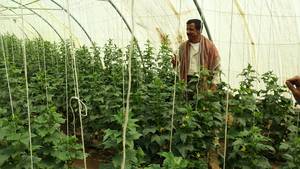
Grower inside greenhouse in Yemen;
Azaiez Ouled Belgacem

IPPM technology, after being introduced by ICARDA and NARS, has been accepted widely in the Arabian Peninsula region by policy makers and end-users. About 70 to 80% of growers have adopted the IPPM package in Oman and UAE. The initial adoption of IPPM practices in research stations and by some growers in the Gulf Cooperation Council countries, Yemen and Afghanistan was successfully proven by the production of high yield and quality of fresh products free of pesticide chemicals.

Applying IPPM techniques for Protected Agriculture resulted in: 80% reduction in agrochemical use in Protected Agriculture greenhouses in Yemen; 61% increase in yield in Oman; 45% increase in greenhouse grower incomes in Yemen; 15% increase in grower cucumber production  in Oman; > 50% water saving in all Arabian Peninsula countries. Implementing IPPM techniques provided farmers with better income, as well as produced healthy high-quality cash crops with minimum pesticide residue.

The main constraint for further expansion of IPPM is training the growers and end users on the proper selection, combination and application of IPPM techniques.

However, a socio-economic study in Dhamar (Yemen) compared two greenhouses with and without IPPM application. IPPM resulted in the reduction of pesticide spray from 22 times to 2- or 3-times, using safe pesticides. It gave better yield per unit of area and 53% increase in net return compared to the control green houses. It involved keeping the relative humidity low, covering ventilation with insect proof nets and using plastic mulch as well as applying irrigation sparingly. Plants showed to be strong and healthy, with low incidences of pests and disease. Application of IPPM increased water use efficiency by about 50% and cut down the pesticide applications from 18-22 to 2-3 per season. Yield of cucumber was 15.2 kg/m2 under IPPM while in the control the total yield was 12.9 kg/ m2. 

Accordingly, the water-use efficiency was significantly better under IPPM (32.5kg/m3 compared with 21.8kg/m3 for the control). Farmers’ assessments of the IPPM technique were positive. This was reflected in the increased demand for the mesh and plastic mulch in the local markets, which could be inferred that more farmers will ensure the use of IPPM technique because of the obvious benefits gained.
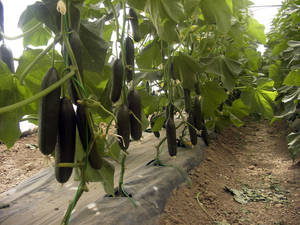

High quality cucumbers using IPPM:
Afghanistan-2006
(Photo credit ICARDA

Simplified Protected Agriculture Technology in Afghanistan.

ICARDA started in 2004 a three- year project for transferring the simplified Protected Agriculture (PA) for cash crops production to Afghan growers. This was the first time PA was introduced to growers in Afghanistan.

The project was designed with the main aim to promote the adoption of affordable and sustainable high intensity production system for cash crops using marginal or otherwise non-productive lands and with high water productivity. This was achieved by installing simple greenhouse structures at selected pilot farmers’ sites. The criteria for selecting the farmers were based on group discussions and farmers’ meetings in which the concepts of the project were discussed.

The project originally covered 65 growers in six provinces and helped them to produce high quality cash crops. PA and associated techniques, including Integrated Production and Protection Management, have been simplified for adoption by growers who have never worked with greenhouses. All participating farmers were from the active segments of the farming communities in Kabul, Kunduz, Parwan, Ghazni, Helmand and Nangarhar. Many family members including women and children were involved in the greenhouse’s day to day production and management.

Beside the positive impact on rural-family nutrition and food security, the impact of the greenhouse technology on growers’ incomes was assessed. All growers interviewed have not changed their cropping patterns, including the number of crops or the size of land they cultivated prior to their induction to PA. Therefore, for these farmers the greenhouses were “add-ons” to the portfolio of crops they grow and to their incomes.

Protected Agriculture contributed up to 135% increase in income generated from crop production in 2005. This economic success has somehow catalyzed the interest of farmers who expressed their willingness to accept more structures. In Afghanistan, most rural people produce to meet their own food needs and are thus involved in subsistence agriculture. Protected Agriculture provides opportunities for market oriented and high-quality cash crop production which significantly increase smallholder farmers’ income.
“My greenhouse area is about 300 m2 and I produce 9000 cucumbers. Right now in Helmand there is no cucumber from open fields, but my plastic house (270 m2) is still producing and has given me the same yield I usually get from 2 Jerib (1 Jerib=2000 m2). Look at my notebook; this is my yield which I have sold for 19,500 Afghani ($390).” Mr. Aga Ghol, Grower from Helmand
“I have so far harvested 9000 cucumbers. The plants are very healthy, and I have no problem inside my plastic house. I am expecting about 1500-2000 more cucumbers to be harvested. When I installed the plastic house, my neighbors were suspicious, but now they wish to have a plastic house in their farm. The Governor of Kunduz and many growers visited my plastic house and tasted my cucumber.” Mr. Gous Mohamed, Grower from Kunduz
The main constrains included relatively low level of know-how among growers which led the project to organize several training courses. The availability of greenhouse structures was also another shortcoming.

The project developed a Protected Agriculture Center in Kabul with a workshop for manufacturing greenhouse structures. The same center was also equipped with 4 greenhouses and classrooms to be used as training facilities where 360 growers, extension agents, and researcher were trained on Protected Agriculture. Local technicians were also trained in manufacturing aspects and most of the items required were purchased locally. Most of the machinery was also purchased locally. Establishment of this facility contributed tremendously to reducing the initial capital that was required to invest in the structure. The workshop produced good quality greenhouses for about 40% less than the cost of imported ones.

Protected agriculture is very promising

  • Protected agriculture is very promising with respect to the use of marginal land, labor and water, and had effectively made positive impacts on the income generation capacity of many growers. 
  • Simplified Protected Agriculture has the potential to contribute significantly to both the development of rural communities and to the economy of resource poor areas. 
  • It can play an important role in supplying local markets with fresh produce that could not be grown otherwise. 
  • It creates employment for rural communities and productive opportunities for the disadvantaged, particularly women, returning (landless) refugees, and the disabled. 
  • It also offers the potential for the development of a private service sector in the construction and supply of PA equipment. 
  • Ultimately, high yielding and quality products from PA could be expanded to serve the export market and generate a valuable source of foreign revenue.

+ 11,000 views:

Improving Agricultural Productivity and Food Security in the Arabian Peninsula from IFAD International Fund for Agricultural Development

Further references

Sunday, January 12, 2020

Superfoods Can’t Save Our Broken System

The Global Post. Superfoods Can’t Save Our Broken System – But Smart Food Can by Yemi Akinbamijo (FARA) 

“Superfoods” is a catchword that has found popularity among the most health-conscious consumers. However, the concept of these nutritionally dense and healthy foods only focuses on one aspect of the complex global food system.
With experts increasingly raising the alarm that our food system is broken, we need a different narrative which captures not only the role of food in nourishing our bodies, but also the connections between agriculture, the environment, and farmers’ livelihoods.

While superfoods provide a useful shorthand for the most nutritious foods available – often only to the most privileged – we need a popular food movement that is accessible to all, from the rural poor and growing urban populations all the way to the global elite.

Transforming the Global Food System
Smart Food is the concept behind such a movement, designed to address all aspects of the global food system by being good for the consumer, good for the planet, and good for the farmer.

Adopting a Smart Food approach can tackle some of the biggest challenges simultaneously, including malnutrition and other diet-related health issues, rural poverty, and adaptation to and mitigation of climate change. The foods that meet these criteria already exist, but how do we use them to transform our global food system?

To have the greatest impact, Smart Food must be mainstreamed as staples in global diets to complement today’s three most consumed crops: rice, wheat, and maize. This is especially important for Africa and Asia where these “Big 3” staple crops can form up to 70 percent of meals, three times a day. Rice, wheat, and maize account for half of the global calories consumed.

Diversification of Diets: Millet and Sorghum

The biggest challenge to mainstreaming Smart Food is the “food system divide,” in which the majority of investment and research is directed towards the “Big 3:” rice, wheat, and maize. Some 45 percent of private sector investment is channeled into maize alone.

But a focused effort can set the wheels in motion for a smarter food system, starting with just one or two Smart Foods. By slowly increasing the staples from the “Big 3” to the “Big 5” (adding millet and sorghum) and then beyond, we can successfully achieve the diversification that our diets need to be sustainable.

To spearhead this transformation, the Smart Food initiative – led by Asian and African networks – has identified millet and sorghum as the first Smart Foods.

Millet and sorghum were originally the staples across many countries in Asia and Africa before the 1966 – 1985 Green Revolution, which focused energy on developing and improving rice and wheat. And there are enormous benefits to the consumer, planet, and farmer from these crops once again becoming a mainstay of food systems.


Good for Consumers
Some millets are very high in iron and zinc, two of the top three micronutrients that are most often lacking globally. Finger millet, for example, has three times more calcium than milk, and all millets are a rich source of fiber and protein, making it ideal for children.

  • In one study of 1,500 schoolchildren in India by NGO Akshaya Patra, for example, a random sample of 10 percent of the adolescent children given millet-based school lunches showed 50 percent faster growth than those eating fortified rice-based meals. What’s more, the children rated them as at least 4.5 out of 5 for taste, making millet-based meals not only healthy but also appealing.
  • In another study funded by the Australian Department of Foreign Affairs and Trade, Tanzania’s market was tested for its acceptance of Smart Foods. A total of 2,000 school children had millet and pigeon pea meals included in their menu, and 87 percent changed their perception and food choices. The recipes were significantly higher in energy, protein, total fat, iron, zinc, calcium, and magnesium.
  • A major project in Kenya, funded by USAID, reached the parents of more than 60,000 children under five with Smart Food nutrition messages. In only one year, women and children’s behavior changed significantly, moving towards a more micronutrient-rich diet with a 15 percent increase in diet diversity for women and an almost 80 percent increase for the children.

Energy Efficiency Projects

Triple-A "Triple-A: Enhancing at an Early Stage the Investment Value Chain of Energy Efficiency Projects" is an EU-funded research project under the Horizon 2020 programme, aiming to assist financial institutions increase their deployment of capital in energy efficiency, making investments more transparent.

In particular, Triple-A project is seeking to identify which investments can be considered as Triple-A investments, fostering sustainable growth, while also having an extremely strong capacity to meet their commitments, already from the first stages of investments generation and preselection/ pre-evaluation.

Explore our newly launched Triple-A website and learn everything about Triple-A objectives, methodology, activities, and outcomes!
  • Why the Triple-A H2020 project is important for the increase of the capital deployment in energy efficiency?
  • How Triple-A will support financial institutions and project developers?
  • How energy efficiency investments will become more transparent, predictable and attractive?
Stay tuned and be informed about Triple-A events and relevant publications on energy efficiency financing. Download English Version Triple-A flyer to gain brief information on the Triple-A scope, scheme and case studies.

The Triple - A case study countries were selected to promote diversity across a number of factors, including: 
  • a leading European economy (Germany), 
  • an innovation front-runner in energy (The Netherlands), 
  • a weak economy, went through one of the longest and most severe recessions (Greece), an economy with slow economic recovery (Italy), 
  • a diversified economy with a strategic geographical location having some of the largest European firms (Spain), 
  • a country that has experienced one of the fastest economic recoveries in Europe (Lithuania), 
  • a progressing country with a once sceptical stance towards low-carbon development (Czech Republic), 
  • and a country, recovering from a slow transition to a market economy, with growing regional strategic role and significant ambition towards EU processes (Republic of Bulgaria). 
Related:
23-24 January 2020. 2nd Symposium on Climate Change Adaptation in Africa

Related:
This webinar was the first of two C-Track 50 webinars. Participants got to learn from cities and regions at the forefront of local action in Europe, update themselves with the recent EU and global energy and climate policy and get inspired by exemplar sustainable energy projects, discovering new tools and best practices in energy and climate plans to achieve carbon neutrality.

The video starts with the presentation by Roberto Rinaldi on the COP 25
Experience - Commission for Environment, Climate Change and Energy (ENVE), European Committee of the Regions.