
Speakers:
- Sayed Azam-Ali, CEO, Crops For the Future CFF; Chair UN High Level Panel of Experts on Food Security and Nutrition; Chair (Emeritus) Global Food Security, University of Nottingham.-Importance of neglected and underutilised species: why do they matter?”

- Hamid El Bilali, Researcher, CIHEAM Bari From SUSTLIVES to AgriEcoNUS+: Scaling Agrobiodiversity and NUS-Based Food Systems in Africa”

- NUS from a value chain development perspective”, by Emmanuel Msuya, Marketing Programme Officer, SWISSAID Tanzania
Highlight: Main brands producing Bambara groundnut value-added products

🥢 WhatIF Foods (Singapore)
- 👉 This Singapore-based startup is the pioneer in commercializing Bambara-based noodles globally
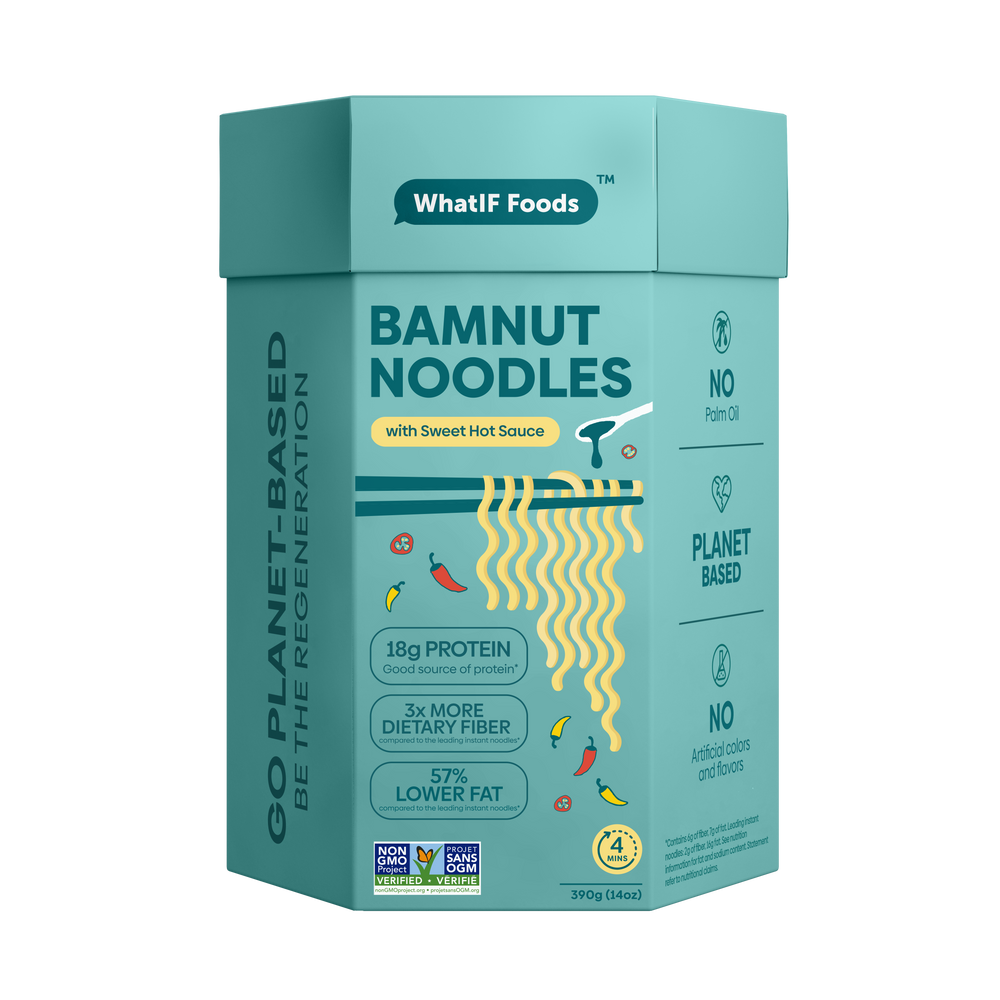
Products:
- BAMnut instant noodles (“Only Noods”)
- Variants include pumpkin, moringa, charcoal, etc.
Key features:
- Made from Bambara groundnut flour (“BamNut”)
- High protein (~16–17g per serving) and high fiber
- Produced using air-frying instead of deep frying (no palm oil)
Resources:
Reviews 180 scientific publications on Bambara groundnut across Africa. This article shows its strong potential for:
- food & nutrition security
- climate resilience
- livelihoods
- Identifies major gaps:
- weak research coverage in key producing countries
- limited work on markets, processing, and socio-economics
- low productivity
- lack of improved varieties
- weak agronomic practices
Background
SUSTLIVES (August 2021 - July 2025)
SUSTLIVES focused on promoting sustainable livelihoods through the valorisation of neglected and underutilised species (NUS), with particular emphasis on strengthening local value chains, improving nutrition, and enhancing resilience to climate change.
- The project worked closely with smallholder farmers and local enterprises to develop sustainable production, processing, and marketing strategies, while fostering multi-actor collaboration among research, policy, and private sector stakeholders.
- By integrating agroecological principles and supporting capacity development, SUSTLIVES contributed to more inclusive and diversified agrifood systems, particularly in vulnerable regions.
- It promoted diversified farming systems, soil health restoration, and climate-smart practices while integrating socio-economic dimensions such as income diversification, gender inclusion, and local value chains.
- A key feature of SUSTLIVES was its use of living labs and co-creation with farmers, ensuring that innovations are locally adapted and scalable. The project ultimately aims to strengthen livelihoods while contributing to broader food systems transformation and environmental sustainability.
AgriEcoNUS+ (start February 2026)
AgriEcoNUS+ (Enhancing value chains and markets of Neglected and Underutilized crop Species to contribute to Agroecological transition in Africa), is to strengthen the resilience and sustainability of local agri-food systems in partner countries by promoting agroecological principles and the valorisation of neglected and underutilised species (NUS), with a focus on climate change adaptation and socio-economic shocks.
- Implementing partners: AICS, IFAD, CIHEAM-Bari (Centre International de Hautes Études Agronomiques Méditerranéennes – Institut Agronomique Méditerranéen de Bari), and SWISSAID.
- Development and International Agencies: Alliance Bioversity International– CIAT (ABC), FiBL;
- Regional Organisations: CORAF, ROPPA, 3AO alliance, AFSA;
- African Universities & Research Institutes: UJKZ (Burkina Faso), UAM (Niger), UG (Ghana), UPGC (Côte d’Ivoire), ISRA (Senegal), TARI (Tanzania), SUA (Tanzania), Bio-Innovation Zimbabwe, etc


No comments:
Post a Comment