A G R I C U L T U R E
The Bill & Melinda Gates Foundation seeks new approaches for strategic prioritization of agricultural development policies. Proposed solutions must be relevant and applicable in Nigeria, Tanzania, and Ethiopia. Selected early-stage projects will receive US$100 thousand and have one opportunity to apply for a follow-on award of up to US$1 million. Eligibility extends to non-profit organizations, companies, government agencies, and academic institutions. The application deadline is
14 November 2018.
The Bill & Melinda Gates Foundation seeks tools and technologies for crop pests and disease surveillance over large geographic regions in low-income countries. Approaches should have the potential to transform crop pest and disease surveillance globally, but focus on low-income countries. Selected early-stage projects will receive US$100 thousand and have one opportunity to apply for a follow-on award of up to US$1 million. Eligibility extends to non-profit organizations, companies, government agencies, and academic institutions. The application deadline is
14 November 2018.
The Agri-Tech Catalyst aims to increase the pace and scale of uptake of agricultural innovation by farmers in Africa. Projects should focus in any of three categories: early-stage technical feasibility; industrial research; or late-stage experimental development. Project leaders must be UK businesses (or UK research organizations in the case of early-stage technical feasibility). Projects should include at least one consortium member from an eligible African country. The amount of project co-funding available varies from £100 – £800 thousand depending on category and business size. The deadline for registration is
21 November 2018.
The CS Fund and Warsh-Mott Legacy take an activist approach in making grants to defend traditional management of agriculture and natural resources in the Global South. Specific interests include protecting local seeds and reducing chemicals in agriculture; regulating the introduction of genetically modified organisms; and supporting communities in their self-governance of natural resources. Recent grants include several for Latin America and Sub-Saharan Africa. Most grants are under US$20 thousand. Letters of inquiry can be sent at any time.
The Hilden Charitable Trust makes grants in the UK and developing countries in defined thematic areas. Projects in developing countries focus on community development, education, and health. (Note: Projects related to food security, community water supply, local energy, etc., may be relevant.) HiIden particularly welcomes projects addressing the needs and potential of girls and women. Hilden will consider funding for charitable organizations based in any developing country, that have been active for at least five years, and that meet its criteria on financial income. Hilden only accepts applications from UK charities for overseas projects. Projects may be for more than one year. Average grants are £5 thousand. Applications can be submitted anytime but the closing date for the next meeting is
19 December 2018.
The uptake and impact of agricultural research innovations in developing countries – often referred to as ‘scaling’ – has not lived up to expectations. One reason is that research and development communities operate under different mandates, time frames and incentive structures. Agricultural research focusses on developing innovations to address global challenges. Research often has limited direct beneficiaries, and it takes a relatively long time to translate findings into practical outcomes. Agricultural development is concerned with translating innovations into local solutions for larger numbers of users so that their impact becomes more substantial. Public and private development agencies have short time horizons and may not be prepared to wait for findings of longer term research processes. Manuscript submission deadline:
31 December 2018
Pennsylvania State University (USA) invites participants for its 8-week online course about sustainable dairy production. The course offers an international perspective on aspects of dairy management such as genetics, nutrition, reproduction, etc. Target audiences include the general public interested; professionals; livestock producers; and educators and students. Financial aid is available to individuals who cannot afford the course fee. Course lectures are translated into Portuguese and Chinese.
The Regional Universities Forum for Capacity Building in Agriculture (RUFORUM), in partnership with the MasterCard Foundation, seeks applications for the programme “Transforming African Agricultural Universities to meaningfully contribute to Africa’s growth and development (TAGDev)”. TAGDev’s Community Action Research Programme aims to extend university activities to work more closely with rural communities. Funding of up to US$300 thousand is available for a period of 3-4 years. The programme focuses on crops and livestock value chains of strategic importance in Zambia, South Africa, Lesotho, Eswatini, Botswana and Namibia. The application deadline for full proposals is
15 January 2019.
The European Commission, under Horizon 2020, launches a call for proposals to fight nutritional imbalances in Africa. Proposals should assess and deliver better nutrition performance of African farming systems, strengthening the agro-biodiversity (including aquaculture systems) and food diversity. The Commission will consider multi-actor approaches including civil society organisations requesting a contribution of EUR 7 million. The application deadline is
23 January 2019.
The Erbacher Foundation supports rural development in subject areas that include livestock husbandry, crop production, drinking water, and environmental protection. The priority countries are India, Tanzania, and Uganda. Applications are invited from Germany charitable organizations involved in development cooperation. Applying organizations need to have partnerships with local NGOs. The German institution is responsible for project administration and coordination. Application deadlines are
01 February and 01 August of each year.
Agribusiness
The Africa Enterprise Challenge Fund (AECF) seeks applications for the Investing in Women (IIW) window. Projects should focus on creating a more gender inclusive agricultural value chain in order to address rural poverty, food insecurity and gender equality by increasing the proportion of women generating income from agribusiness. Total grant funds requested must be between US$100 thousand and US$1 million. Eligibility extends to for-profit enterprises located in Ethiopia, Sierra Leone, Cote d’Ivoire, and Burkina Faso. New businesses (start-ups) may be considered. The deadline for the submission of concept note applications is 09 November 2018.
SEED is a global partnership founded by UNEP, UNDP, and IUCN to promote eco-enterprises. The program announces its next replicator workshops in India, Uganda, and Tanzania. The replicator workshop of one day introduces motivated individuals to proven business models from different sectors, with a follow-up process to match them with existing entrepreneurs. Focus areas are waste management, solar energy, agriculture, and tourism. Future entrepreneurs, business owners and NGOs are welcome to apply.
The application deadlines are 18 October 2018 (Uganda), 21 October 2018 (Tanzania), and 11 November 2018 (India).
SEED is a global partnership founded by UNEP, UNDP, and IUCN to promote eco-enterprises. The program announces its next replicator workshops in Malawi. The replicator workshop of one day introduces motivated individuals to proven business models from different sectors, with a follow-up process to match them with existing entrepreneurs. Focus areas are waste management, agriculture, and energy. Future entrepreneurs, business owners and NGOs are welcome to apply. The application deadline is 14 November 2018.
Through the Agriculture Fast Track (AFT) Fund, the African Development Bank provides initial funding for agriculture infrastructure projects spanning the entire value chain – from production to market. Co-funding is encouraged, but not necessary, provided that the requested amount does not exceed US$1 million. Small and medium enterprises (SMEs), government agencies, and non-governmental organizations from Benin, Burkina Faso, Cote d’Ivoire, Ethiopia, Ghana, Malawi, Mozambique, Nigeria, Senegal and Tanzania are eligible to apply. Concept notes can be submitted until 16 November 2018.
The World Bank Group invites applications for the “Sustainable Development Goals and Her Competition”. SDGs & Her is an online competition for women micro-entrepreneurs to showcase how they are supporting the SDGs through their business operations. Winners will receive leadership training, mentoring and will be flown to Washington DC, for an event at the World Bank Group-IMF Spring Meetings (April 2019). The deadline for the competition is 31 December 2018.
The TEF Program fosters and supports start-up enterprises in Africa. TEF combines mentoring, training, forums, seed capital, and alumni support to individuals in Africa proposing new business ideas or early-stage companies in sectors that include agriculture, among others. The program is open to citizens and legal residents ages 18 and older in any African country. The next application deadline (English, French, Portuguese) is 01 March 2019.
Technovation invites teams of girls from all over the world to learn and apply the skills needed to solve real-world problems through technology. Girls work with women mentors, find a problem in their community and develop a mobile app to launch a startup. Categories may include environment, poverty, health, and others. Eligibility extends to teams of up to 5 girls (aged 10-18 years). Registration deadline is 20 March 2019.
Bio-diversity, environment, climate change
The Carnegie African Diaspora Fellowship Program offers short-term fellowships to African-born academics at universities in the USA and Canada to collaborate with African universities in research, curriculum co-development, and/or graduate student training. Project requests to host scholars are submitted by universities and other higher education institutions in Ghana, Kenya, Nigeria, South Africa, Tanzania, and Uganda. Past scholars in the program have included several in agriculture, environment, and related disciplines. The next application deadlines are 06 July 2018 and 09 December 2018.
The Climate Smart Agriculture, East Africa (CSA-EA) program offers opportunities for the placement of two PhD students to be enrolled in one of the graduate schools of Wageningen University. The selected PhD students are expected to spend about 18 months in Wageningen (Netherlands) and 30 months in East Africa (Kenya, Tanzania, and/or Uganda). The scholarship offers €1400/month during the stay in the Netherlands and €700/month during the stay in East Africa. Applicants must be nationals from Kenya, Uganda or Tanzania. Applications should be submitted before 12 November 2018.
This call offers funding for biotechnologies and transnational collaborative research projects. Proposals should address the sustainable production of different types of feedstocks and bioresources into value-added products or the development of sustainable industrial processes and supply services. BBSRC contributes up to £2 million under this call. To be eligible, each consortium must involve at least three partners requesting funding from three different countries. Proposals must be submitted by 14 December 2018.
The Horizon 2020 program of research and innovation includes topics that are suitable for international cooperation. This includes cooperation in several projects of sustainable food security (SFS). Topic SFS-01-2018-2019-2020 will explore biodiversity in action: across farmland and the value chain, Topic SFS-04-2019-2020 will focus on integrated health approaches and alternatives to pesticide use, Topic SFS-05-2018-2019-2020 will explore new and emerging risks to plant health, Topic SFS-08-2018-2019 seeks to improve animal welfare, and Topic SFS-11-2018-2019 will focus on anti-microbials and animal production, among many others. Eligibility for funding in most topics extends to EU countries, Horizon 2020 associated countries, and over 100 mainly developing countries. The application deadline is 23 January 2019.
The Climate Justice Resilience Fund seeks grants applications for community-led, social justice approaches to climate change adaptation and resilience-building. Grants are made to women, youth, and indigenous peoples to create and share their own solutions for resilience. CJRF grants focus on four interrelated issues connected which climate change: (1) Water Access; (2) Food Security; (3) Sustainable Livelihoods; and (4) Migration and Relocation. The CJRF grantmaking strategic framework prioritizes multi-year grants and grants larger than US$100 thousand. Non-profit organizations from Alaska, Kenya, Tanzania, Bangladesh, and the India are invited to apply. Letters of Inquiry for the Spring Round 2019 are due 21 December 2018 and LOIs for the Fall Round 2019 have to be submitted by 19 April 2019.
The 2019 Call for Proposals was launched on 24 October 2018, with deadlines in 2019. Higher education institutions and individuals from ACP countries are able to take part in the four components of the programme described in below brochure (see link at the bottom).
VLIR-UOS supports 15 development relevant International Master Programmes organised at one of the five Flemish universities. The programmes have a specific but non-exclusive focus on participants from the global South. Application deadlines: Between
1 February 2019 and 1 March 2019 (depending on the programme)
Through the TWAS-DFG Cooperation Visit Programme, post-doctoral researchers in Sub-Saharan Africa make cooperation visits to institutes in Germany. The visits are limited to three months, with the aim of promoting longer-term collaboration. Preference is given to young PhD-level scientists, particularly women. The next application round will open in November with deadline on 14 February 2019.
Mobility grants allow researchers and students to build personal contacts and relationships for collaborations between institutions. Mobility grants can be awarded to young scientists who hold a Bachelor or Master’s degree and with not more than 6 years of professional research experience. Activities may include field work and/or an internship in relation to the applicant’s research project. The call is open for activities in all scientific disciplines and fields of research. Priority countries under this call are: Egypt, Lebanon, Morocco, Palestine, Qatar, Tunisia and the United Arab Emirates. Mobility visit should have a minimum duration of 4 weeks and not exceed CHF 5 thousand. Applications will be accepted until 31 December 2019.
The Technical Centre for Agricultural and Rural Cooperation (CTA) is seeking
proposals to support the implementation of blockchain use cases addressing the agri-food sector in
Africa, the Caribbean and Pacific countries, in order to contribute to its transformation. Deadline: 12 November 2018
IFAD Call for Proposals: Pro-poor Agricultural Innovation System for Sustainable and Resilient Agri-food Systems
The International Fund for Agricultural Development (IFAD) has announced a call for proposals to select a recipient or consortium of recipients to receive grant financing to implement a project on Pro-poor Agricultural Innovation System for Sustainable and Resilient Agri-food Systems. Deadline: 16 November 2018
The MasterCard Foundation Scholars Program funds citizens and residents of Sub-Saharan Africa for graduate studies at the University of British Columbia, USA. The fields of study at UBC include Sustainable Forest Management; Environmental Management; Food Science; Land and Water Systems; and many others. Each Faculty has different deadlines, please check carefully. The Mastercard Foundation Scholars Program application closes 16 November 2018.
The Gbowee Peace Foundation awards scholarships for postgraduate masters at the University of Dundee (Scotland). Subjects areas include environmental science, energy petroleum and mineral law and policy, and others. The Africa Scholarships are open to female students who are currently Liberian, Nigerian or Ghanaian nationals permanently resident in these countries. The scholarship offers up to £30 thousand for tuition and living expenses. Closing date for applications is 17 November 2018
The Eleanor Crook Foundation funds implementation research on cost-effective, scalable innovations designed to improve nutrition interventions in East Africa. Each grant will consist of a maximum award of US$1.35 million for an implementation research project of up to three and a half years duration. Proposals should focus on one or more of the following East African countries: Uganda, Tanzania, Kenya, Rwanda, Ethiopia, South Sudan, Sudan and Somalia. Concept notes should be submitted by 25 November 2018.
The WAAW Foundation supports African women who seek a STEM-focused college education. Applicants have to be under 32 years old and be enrolled in undergraduate B.S. Degree program at a University or college in Africa. Eligible courses include Agriculture, Biology, Botany, Environmental Science, Natural Science, Zoology and many other fields. Application closes on 30 November 2018.
The UNESCO/Keizo Obuchi Research Fellowships Programme (UNESCO/Japan Young Researchers’ Fellowship Programme) funded under the Japanese Funds-in-Trust for the capacity-building of Human Resources will aim, in particular, to impact on capacity-building and research activities in the following areas: 1. Environment (with particular attention on disaster risk reduction (DRR); 2. Intercultural Dialogue; 3. Information and Communication Technologies; and 4. Peaceful conflict resolution. No other research topics will be considered. Deadline: 30 November 2018.
Australia Awards funds qualified African candidates for masters studies in Australia in priority subjects that include agriculture; extractives; climate change; environmental management; water management; and others. Additionally, the program offers short-term fellowships for professional training in Africa and/or Australia. The announcement identifies the eligible countries and eligible fields of study (varying by country). Most application deadlines are 03 December 2018 (masters) and 15 January 2019 (short courses).
MESPOM is a two-year Erasmus Mundus masters course in environmental sciences, policy, and management operated by four European and two North American universities, and supported by the EC. MESPOM invites applications from all countries. MESPOM aims to prepare students for identifying and implementing solutions to complex environmental sustainability challenges, especially in an international context. MESPOM graduates receive MSc degrees from the Central European University, Lund University, and the University of Manchester. Candidates applying for financial aid should submit their applications before 03 January 2019.
The Breakthrough Institute supports Generation Fellows who contribute writing and research to one of four policy programs at the Breakthrough Institute: Energy; Conservation; or Food and Farming. The program operates during ten weeks from June through August. Fellows receive US$600 per week. Eligibility to apply for the fellowships extends to final-year undergraduates, college graduates, and postgraduates. Fellowships are open to applicants from any country. The application deadline is 12 February 2019.
The University of Antwerp’s Institute of Development Policy and Management (IOB) offers three specializations for one-year masters programs in development studies. Topics include poverty, climate change, conflict, good governance, sustainable development, and others. The Flemish Inter-University Council (VLIR-UOS) awards scholarships to students from many countries of Africa, Asia and Latin America for studies at Belgian universities that include Antwerp’s IOB. For applicants applying for both academic admission and a VLIR-UOS or Master Mind scholarship, the deadline is 15 February 2019.
Ghent University grants PhD scholarships to promising PhD students from developing countries who wish to carry out half of their PhD research at Ghent University in Belgium. Before applying each student needs to find a professor from Ghent University who is willing to act as their supervisor. Supported thematic areas include biology, veterinary medicine, agricultural economics, water managements, and many others (a complete list of faculties and research topics is provided). The deadline for applications is 04 March 2019.
The Wageningen UR Centre for Development Innovation invites participants for new short-term courses in 2019. Courses have different deadlines and locations. Thematic areas include Climate Change, Water Management, Agriculture, Fisheries, Livestock, and others. Most courses are open to professionals of government departments, NGOs and civil society organisations, businesses, development agencies, universities and colleges for higher education, and individual consultants. The deadline to apply for course scholarships through the Orange Knowledge Programme is 19 March 2019.
AWARDS and O T H E R
The Commonwealth Secretary-General recognises innovations that are advancing sustainable development in Commonwealth countries. The Innovation for Sustainable Development Awards have five categories: (1) Well-being (i.e. health, education, human rights etc.); (2) Prosperity (i.e. economic development, trade, etc.); (3) Peace; (4) Planet and the natural environment; and (5) Partnerships for sustainable development. The 15 winners (e in each category) will each receive a trophy, a certificate and prize money of £2000. Eligibility extends to individuals, governments, social enterprises, and businesses in Commonwealth countries. The deadline for nominations is 31 December 2018.
The BAF Awards serves to showcase and award entrepreneurs who are running early-stage for-profit and not-for-profits that are addressing Africa’s unique needs through technology or differentiated business models. These needs are in health, education, energy, financial inclusion, gender inclusion, nutrition, commerce, industrial development, and other socioeconomic good. Deadline: January 2019
Ideas for Action is a knowledge platform of the World Bank Group and the Zicklin Center for Business Ethics Research at the Wharton School. The annual Ideas for Action competition seeks innovative ideas and actionable projects to support the implementation of the UN Sustainable Development Goals. Past winners include water solutions for better fish farm yields, women-led business models to improve sustainable access to energy, web-based solutions for agriculture processes, and many more. Teams must consist of two to six members and may be formed across different schools, institutions, companies, or countries. Students and young professionals between the ages of 18-35 years from around the world are invited to participate. The winners of the competition present their ideas at the annual meeting of the World Bank Group, receive support from a project incubator and coaching. The deadline for submissions is 28 February 2019.

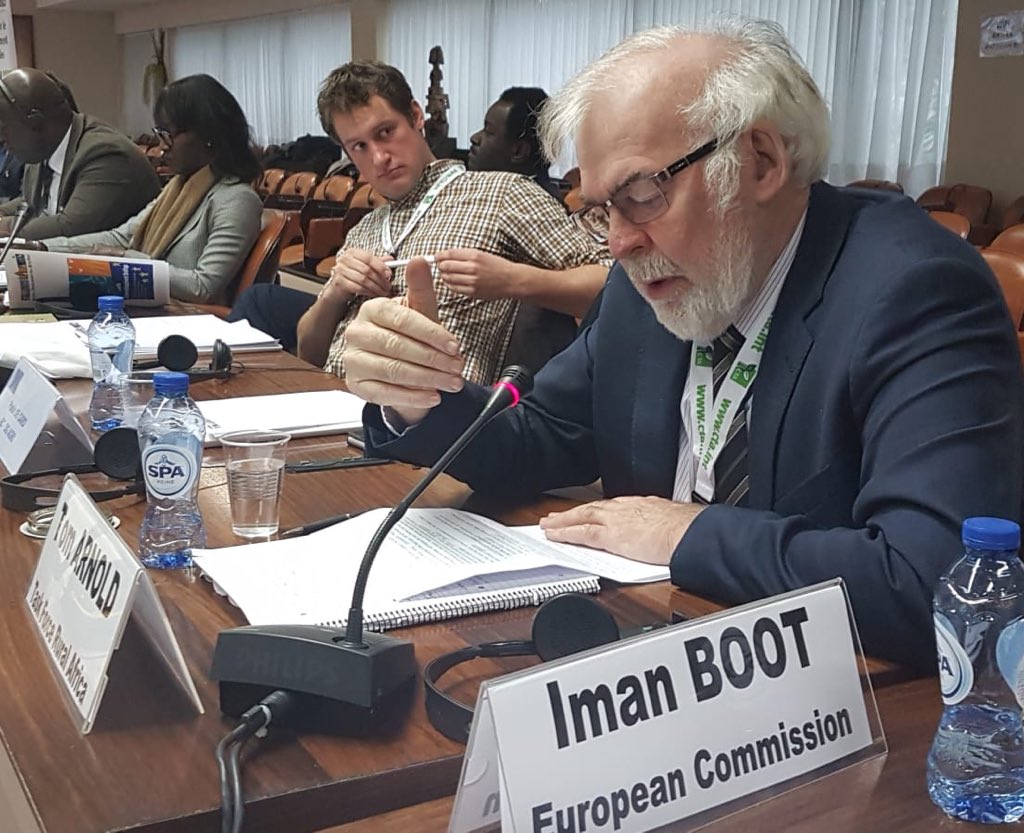
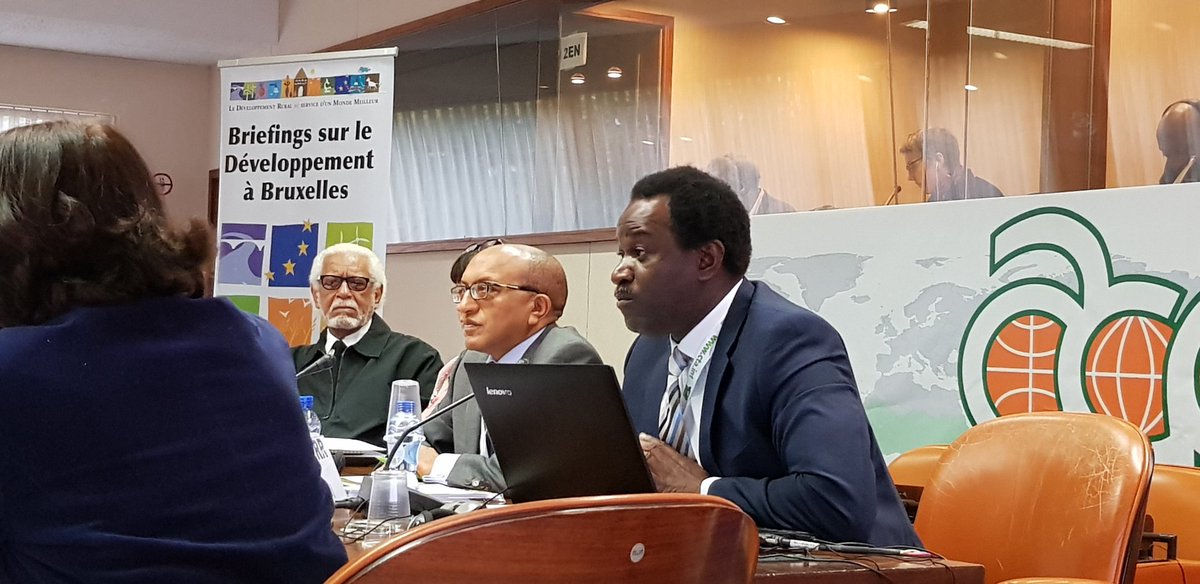
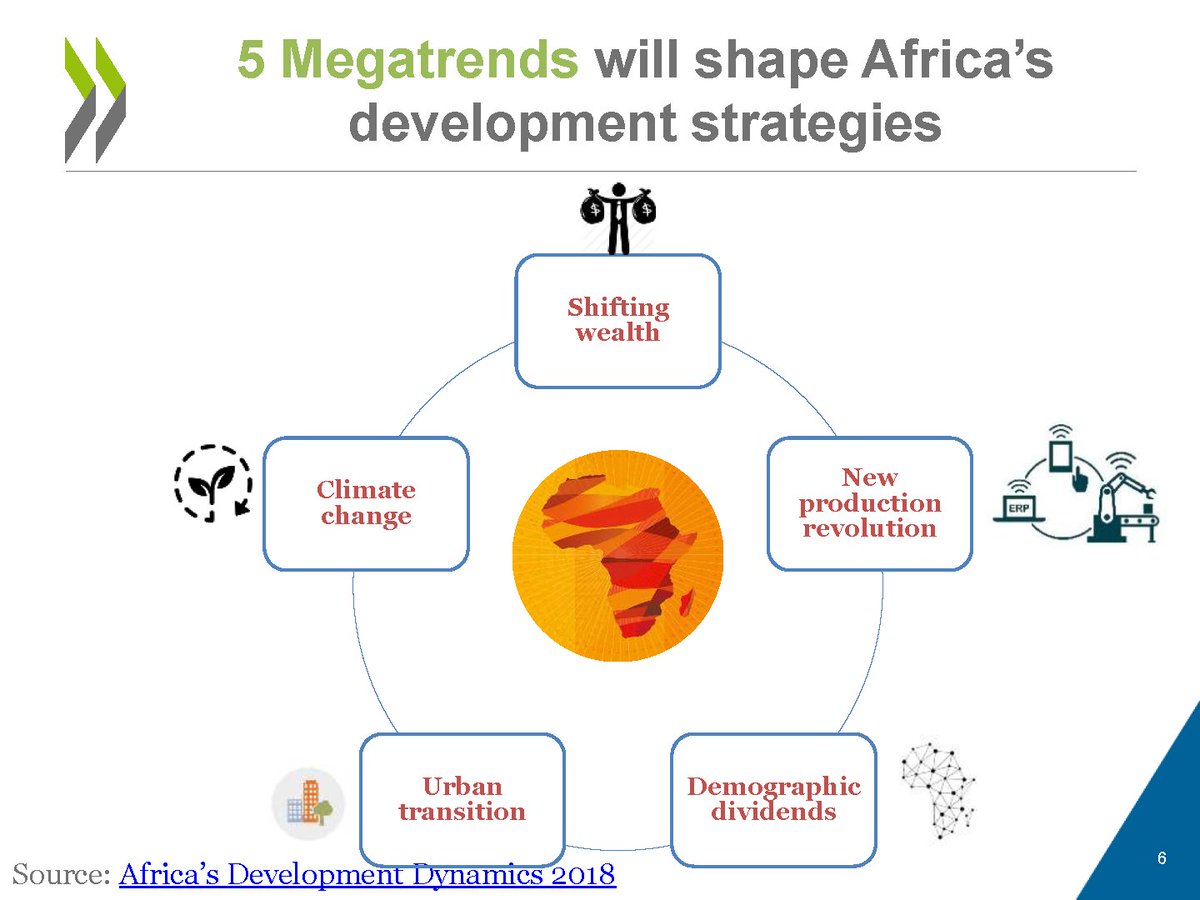 Panel 1: What is required to support the next generation of farmers?This panel provided an overview of what policies and actions are required to support the next generation of farmers to increase productivity, better access to remunerative markets and increased use of technology.