Platform for African – European Partnership in Agricultural Research for Development

Friday, February 13, 2015

The Competitive African Rice Initiative (CARI) project

11 February 2015Nigeria, Burkina Faso, Ghana and Tanzania – are set to benefit from a $3.3 millionCompetitive African Rice Initiative (CARI) project.
grant provided by Bill and Melinda Gates (BMGF) and the German Development Cooperation (BMZ), under their

The initiative focuses on intervention areas to achieve the following objectives:
  • Improved productivity and quality of paddy rice based on sustainable and competitive rice production systems;
  • Increased sourcing capacity through structured producer-processor-linkages as well as improved storage capacity and processing efficiency;
  • Improved access to and adapted financial services for all value chain actors;
  • Shaping and strengthening the enabling environment at national and regional level including policy framework and market linkages between producers, processors and traders.
The implementing institutions of the grant are led by GIZ, Technoserve, the John A. Kufuor (JAK) and Kili Trust (KT).

Speaking on the establishment of the Nigeria/ECOWAS Rice Sector Policy and Regulation Advocacy Platform in Abuja, CARI’s project coordinator, Mr. Stefan Kachelriess-Matthess, said: “The projects are implemented at two levels of support, we support up to 40 percent of implementation cost and our Nigerian partners in the private sector have to provide 60 per cent of the implementation cost.”

ECOWAS Commissioner of Agriculture, Environment and Water Resources, Dr. Lapodini Marc Atouga, represented by a Director at the Commission, also spoke at the event, saying that rice consumption in the last two years in the sub-region had increased from 7 to 7.7 million tons.
“I will like to commend GIZ/CARI for this timely initiative. The need to have a permanent and functional platform to promote rice development cannot be overemphasized. With the current interventions on rice in the West Africa region we must all endeavor to build sustainable rice value chains with access to finance, technology and knowledge to move the region from a rice deficit to a rice surplus one,” he said.
The project, which will end in 2017 is targeting about 120,000 small scale rice producers, while secondary beneficiaries are the rural service providers and rice millers. The initiative is geared towards improving their sourcing capacity of quality supply.

Grow Africa is a partnership platform that exists to help catalyse sustainable investment and growth in African agriculture. Grow Africa was founded by the African Union Commission, the NEPAD Agency and the World Economic Forum.

Third International Conference on Natural Resource Management for Food and Rural Livelihoods

10-13 February 2015. New Delhi. Organized by the Soil Conservation Society of India in collaboration with the Indian Council of Agricultural Research, this conference addressed ways to boost agricultural productivity for food security and economic development, while conserving and restoring the natural resource base. 

Topics covered included: 
  • assessment, development and management of natural and human resources for livelihood and food security; 
  • integrated management of water and land resources to prevent land degradation and salinity related desertification; 
  • conservation agriculture systems for drylands, rainfed and irrigated areas; 
  • climate change mitigation and adaptation strategies including carbon sequestration in soils for different land use systems; 
  • and policy frameworks for capacity building to mitigate emerging problems in natural resource management. 
This was a 2015 International Year of Soils event. 

Feeding the World 2015

12 February 2015. Amsterdam. Feeding the World 2015. Quality vs quantity: food and nutrition security for 9 billion.

The Economist Event assembled the most respected names from agribusiness, policy, international agencies, science and the NGO community to discuss the measures that need to be taken to achieve food and nutrition security.

Feeding the World 2015 examined the implications of the tremendous increase in food demand and changing food patterns, as well as the measures that need to be taken to achieve food and nutrition security.

From human factors such as supply chains, nutrition and Western food waste, to geographical and environmental influences like climate change and water supply. Expert speakers from across the globe unpicked this complex topic, seeking explanations and solutions in light of the fact that, according to the FAO, we do actually produce enough to feed the world.

Extracts:
PANEL DISCUSSION - Smallholders and the supply chain.
Enabling smallholder farmers to truly make the move from subsistence farming to market integration can deliver real steps towards food and nutrition security and sustainable improvements in livelihoods.
  • Samantha Newport, Senior Advisor, UNDP Green Commodities Programme
  • Mike Frank, Vice-president, Global Commercial, Monsanto Company 
  • Tim Gutteridge, Chief Operating Officer, Fairtrade Foundation
  • Ate Oostra, Chairman, Metropolitan Food Security
  • Sam Say, Chief Executive, Bolaven Farms Coffee
SNAPSHOT SESSION - Entrepreneurship in food processing and producing: inspiration, empowerment and development
  • Josephine Okot, is the Founder and Managing Director of Victoria Seeds Ltd, established in 2004 for
    disseminating quality seed to small holder farmers with the aim of improving crop yields and nutrition. She has steered it from a struggling start up to Uganda’s leading seed house with strong corporate social investment in the empowerment of rural women. Ms Okot’s outstanding work has been recognized through numerous national and international accolades, including the prestigious 2007 YARA Prize for a Green Revolution in Africa; the 2009 Oslo Business for Peace Award; and in 2011, African Woman of the Year.

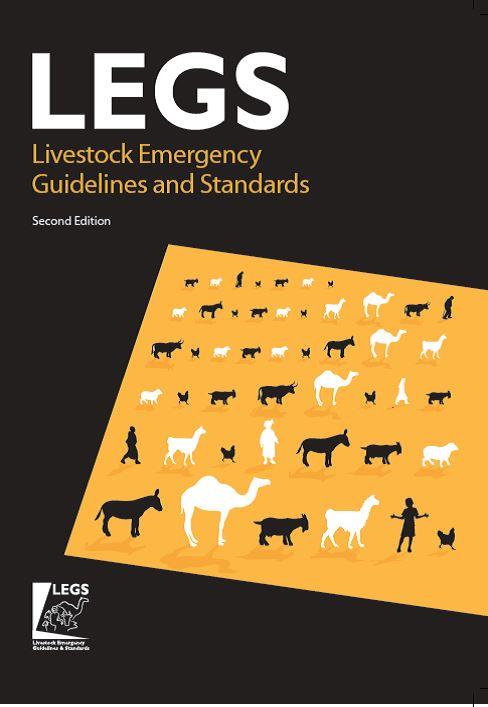
LEGS Handbook launch

9 February 2015. London. The LEGS Handbook 2nd edition was launched at the Overseas Development Institute. This event marked the publication of the second edition of LEGS and provides an opportunity to learn more about the LEGS approach and to discuss wider issues surrounding livelihoods-based support to livestock keepers in emergencies.

The Livestock Emergency Guidelines and Standards (LEGS) provide a set of international guidelines and standards for the design, implementation and assessment of livestock interventions to assist people affected by humanitarian crises. LEGS aims to improve the quality of emergency response by increasing the appropriateness, timeliness and feasibility of livelihoods-based interventions.
​Speakers:
  • Andy Catley - Feinstein International Center, Tufts University, and Chair of LEGS Steering Group
  • Emma Jowett - Training Specialist, and member of the LEGS Training Team
  • Tim Waites - Senior Disaster, Resilience and Livelihoods Advisor, UK Department for International Development
  • Philippe Ankers - FAO Rome, and member of LEGS Steering Group
  • Chair: Wendy Fenton - Coordinator, Humanitarian Practice Network
The Livestock Emergency Guidelines and Standards (LEGS) are the international guidelines and standards for the design, implementation and assessment of livestock interventions to assist people affected by humanitarian crises. The LEGS Handbook was first published in 2009 following a broad consultation process, and is structured around a set of human livelihoods objectives. LEGS is a companion standard to Sphere.

The LEGS Handbook has now been fully revised and redesigned, with updated sections on key topics including cash and voucher transfers, climate change, support to livestock in camps, gender and animal welfare.


Related:

  • There will be another event to mark the publication of the LEGS Handbook 2nd edition in Washington DC on 26th February 2015, hosted by OFDA – click here to find out more and to register to attend the event in person or to watch on-line.
  • The LEGS Project is planning an event in Nairobi on 10th March to mark the launch of the 2nd edition of the LEGS Handbook. Further details will be provided in due course.
  • Copies can be ordered direct from the publisher Practical Action Publishing.

EU supports food security programmes in Zimbabwe

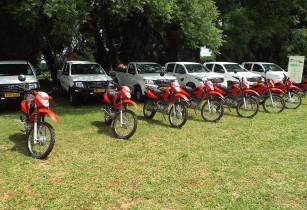
5 February 2015. The European Union (EU) has donated motor vehicles and equipment worth US$600,000 to the Zimbabwean government to support four on-going EU funded projects coordinated by FAO and jointly implemented by the government of Zimbabwe and its partners.

Philippe Van Damme, EU ambassador to Zimbabwe revealed that the total budget of the projects for which the new equipment will be used exceeds US$20mn. The new equipment, which was purchased through four EU-funded and FAO implemented projects, includes cars, motorbikes and surveying and office equipment, stated the EU ambassador.
"The EU is confident about the potential of the agricultural sector and the willingness and capacity of all relevant stakeholders to support the efforts towards turning the agricultural sector into a main driver of economic growth," said Van Damme.
The Smallholder Irrigation Support Project will assist with the rehabilitation of 20 schemes on 1000ha in Manicaland and Matebeleland South of Zimbabwe, while the livestock programme will support 40,000 farmers who practice mixed crop and livestock production in Matebeleland North province.

The EU has also funded the forest forces project implemented in four provinces across Zimbabwe, seeking to improve food security and income of vulnerable rural communities through participatory and sustainable forest management, Van Damme said. Another project being rolled out is the contribution to the implementation of the Food and Nutrition Security policy through the set-up of a centralized Food and Nutrition security information management system.

Third meeting of the EU-Africa High Level Policy Dialogue Expert Working Group

9 - 11 February 2015. The HLPD Expert Working Group was set up after the EU-Africa Summit 2014
and is working on an input to a roadmap towards a jointly funded EU-Africa Research and Innovation Partnership with a first focus on food and nutrition security and sustainable agriculture.

The final input is expected in April 2015 and this meeting served to make progress on the input and discuss remaining questions with the policy-makers. For this reason, a meeting was held back-to-back with a meeting of the EU-Africa HLPD Bureau of policy-makers, potential funders as well as the FP7/Horizon 2020 funded support projects.

Related PAEPARD blog posts:


ProMusa, a global knowledge platform on banana

12 February 2015. ProMusa is a knowledge-sharing platform on bananas managed by Bioversity International through funding from the CGIAR Research Program on Roots, Tubers and Bananas.

It brings together scientists and other stakeholders working on banana, with the ultimate goal of helping banana farmers make a better living and ensuring that bananas – in all their diversity – continue to thrive in a healthy environment.

Through ProMusa, scientists and stakeholder can interact and access a variety of online resources and tools, such as an electronic newsletter, an online compendium of banana knowledge, a bibliographic database, an image bank and a contacts database. Discussions are encouraged through an online discussion forum, a community blog, and mailing lists.

ProMusa also organizes a biennial scientific symposium to help its members stay up-to-date on the latest Musa research, encourage exchange of ideas and facilitate collaboration between scientists and across disciplines.

In 2013, a study was undertaken to assess the nature and effectiveness of ProMusa from the point of view of its members and subscribers, what outputs are produced and how these are translated into outcomes and disseminated outside the network. The results of the study are now being disseminated.

Read the full study The effectiveness of knowledge sharing: The case of ProMusa
“According to the respondents of the study, the unique added value of ProMusa is that it provides reliable, well-respected and updated information on banana production and research in one place, and that it connects different people worldwide with the same goal”, says Inge van den Bergh, Bioversity International Senior Scientist and ProMusa coordinator.
Members also appreciate that ProMusa provides a space where information or views that don’t reach journals can be shared, which gives a valuable feel of hot topics and research needs with a variety of opinions.

Thursday, February 12, 2015

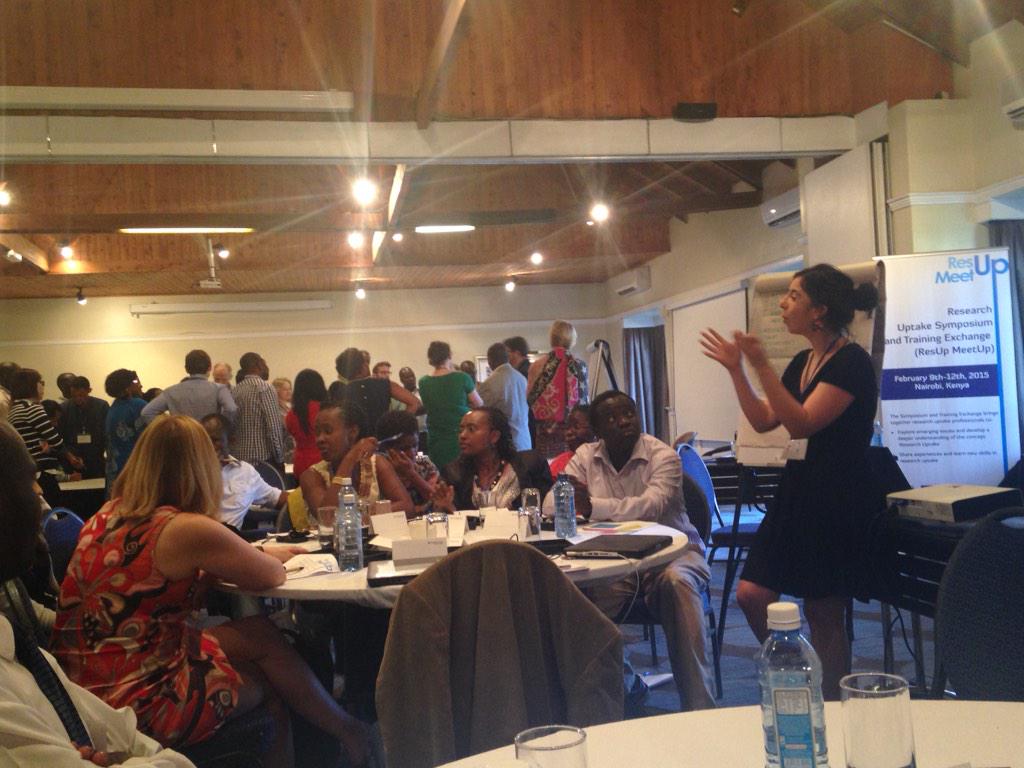
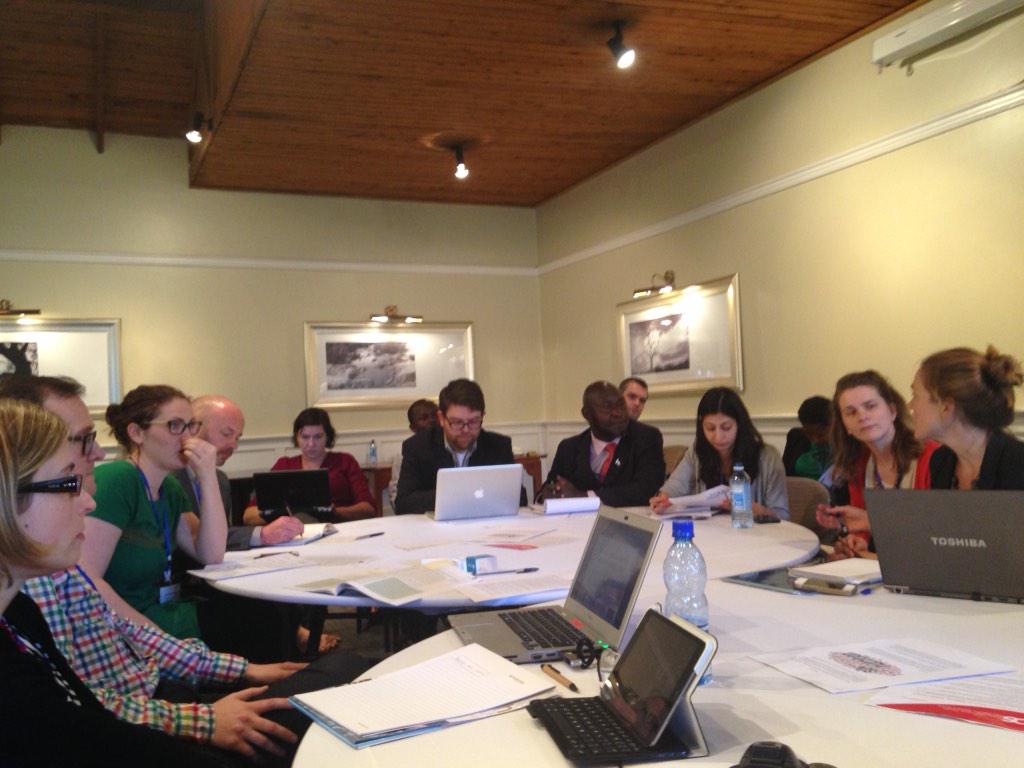
Research Uptake Symposium and Training Exchange

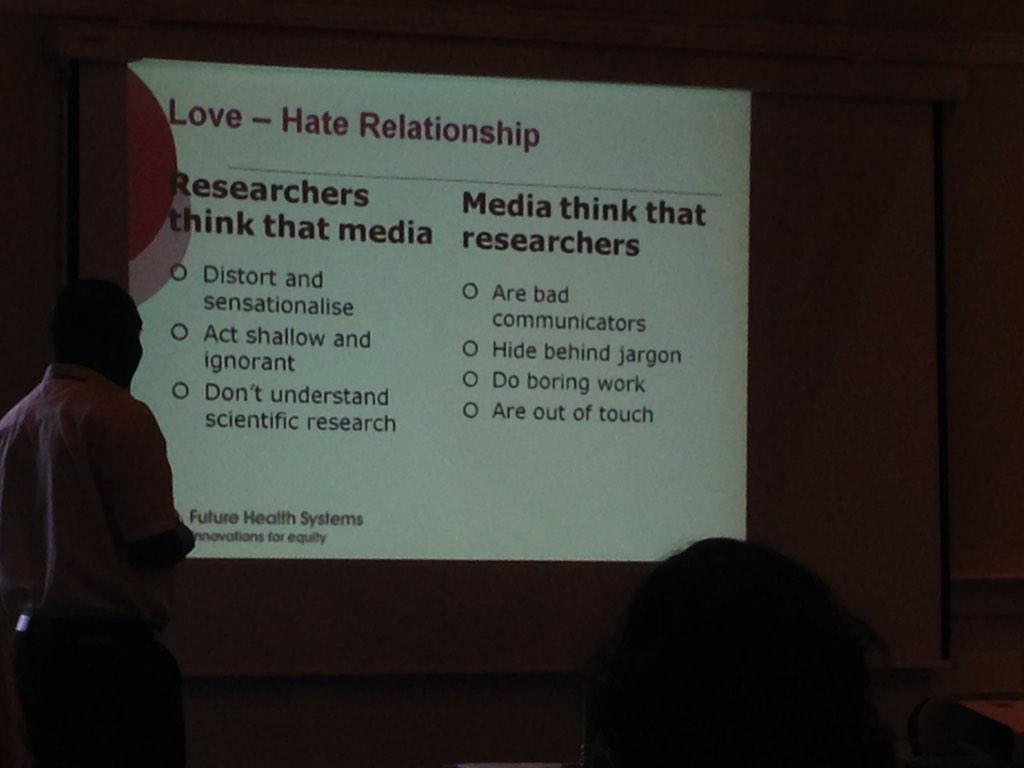
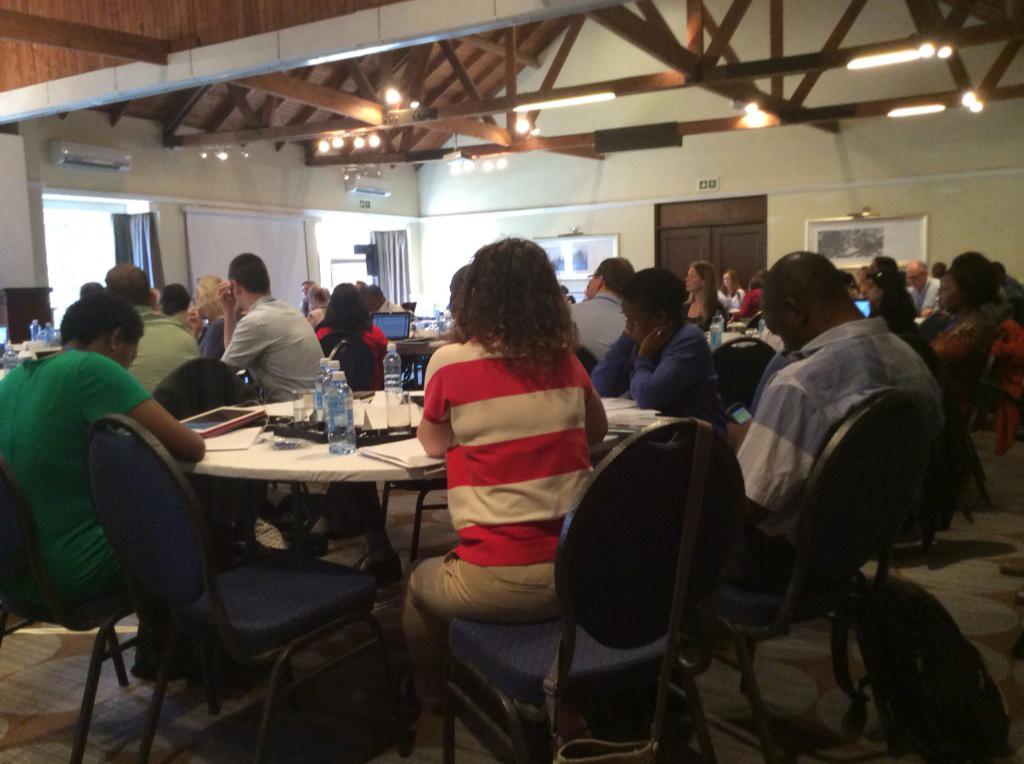
9-10 February 2015. Research Uptake Symposium and Training Exchange 
The Institute of Development Studies (IDS) and the African Institute for Development Policy (AFIDEP) convened a two-day Symposium covering following thematic areas:
  • Exploration of barriers to research uptake
  • Innovative approaches to research uptake
  • Understanding and measuring impact
  • Country-level explorations (case studies highlighting best practices ad notable failures).
Resources:
Upcoming events:

Livestock and Climate Change


2 - 3 February 2015
. Nairobi, Kenya. The consortium of the EU Animal Change project organised a workshop on “Livestock and Climate Change”.

This event included presentations and in-depth discussion on:
  1. Climate predictions for East Africa under different scenarios and implications on the livestock sector
  2. Mitigation and adaptation strategies that are relevant to East Africa.
  3. Socio Economic, Inventory and Policy perspectives
  4. Future implementation strategies for livestock systems that will adapt to climate change, will reduce emissions of greenhouse gases and increase efficiency of production.
Programme 

Wednesday, February 11, 2015

Amélioration des processus de compostage grâce à l'introduction des micro-organismes

5 February 2015. Montpellier, France. Quarante ans de travaux de Recherche et de Developement en agronomie des pays subsahariens menés par l’IRD et les organismes de R et D nationaux, indiquent une accélération des dégradations des sols sous l’effet de la désertification et d’une densité humaine croissante.

Il en découle des situations critiques en matière de production végétale, base essentielle de l’alimentation dans ces pays. Pour inverser cette tendance, il est nécessaire d'identifier de nouvelles pratiques agricoles qui vont permettre une restauration rapide de terres dégradées.

Les matières organiques sont essentielles dans le maintien de la fertilité des sols (contribution à la CEC, structuration des sols, etc…). Par ailleurs, elles sont le vecteur des principaux nutriments nécessaires à la production végétale.

Olivier Besnard, B2B - BIOPHYTECH, France
Les transformations des matières organiques sont déterminées par les organismes vivants dans le sol (faune du sol, micro-organismes). Pour gérer ces transformations pour que soit intensifiée la production végétale on peut agir par les ressources organiques qui seront apportées mais également en
agissant sur les micro-organismes transformateurs. Le compostage est une technique utilisée depuis longtemps pour améliorer la qualité des intrants organiques.

Cependant, il est possible d'optimiser ou d'améliorer les processus de compostage grâce à l'introduction des micro-organismes qui vont favoriser les transformations au cours du processus, voire l'assimilation de minéraux non directement utilisables par les plantes comme le phosphore contenu dans les roches phosphatées. Le développement de l’emploi des micro-organismes peut rendre des services très appréciables pour obtenir ces objectifs de production.

Parmi les nombreux travaux concernant les composts améliorés, ceux conduits par l'Association pour la Recherche et la Formation en Agro-écologie (ARFA) ont donné des résultats préliminaires intéressants en 2012 et 2013.
  • ARFA est une ONG  du Burkina Faso qui existe depuis 18 ans, qui vulgarise les méthodes innovantes de fertilisation organique des sols (installation et gestion des fosses fumières) et de protection biologique des cultures (extraits de plantes locales). 
  • Elle dispose d’une solide expérience en matière de promotion, et de formation à ces techniques de production par un centre dédié à cela.
  • Elle centralise, coordonne et organise les activités de recherche action en milieu paysan. Il a e.a. en charge la production de certains amendements organiques enrichis au Trichoderma, la promotion, la sensibilisation, la formation, et la vulgarisation de l’utilisation de ces produits auprès des bénéficiaires et des utilisateurs finaux.
  • C’est notamment par des tests en milieu paysan, que l’on confirme la supériorité des composts enrichis en Trichoderma et que l’on conforte l’hypothèse d’une meilleure biodisponibilité des nutriments en leur présence. 
  • Leur utilisation a permis de réduire de moitié le délai du compostage, en permettant donc d’augmenter sensiblement les quantités produites et d’en réduire les coûts d’obtention. Les meilleurs rendements agronomiques obtenus, démontrent que les producteurs sont en mesure de satisfaire leurs besoins alimentaires et d’en dégager un surplus commercialisables, source de revenus pour les ménages ruraux.
Deux consultants seniors Mr René BILLAZ (Ancien Directeur Scientifique du CIRAD basé en France), et Mr Paul Kleen (ancien Ingénieur de Recherche au CIRAD, basé au Burkina) agissent en temps que conseillés techniques au développement du projet : Effets des amendements organiques enrichis aux Trichoderma sp. appliqués aux productions maraîchères de la zone sub-saharienne.

Interview avec Mr René BILLAZ (Ancien Directeur Scientifique du CIRAD). Il répond aux questions suivantes:
  1. Quel est le mérite de l'Association pour la Recherche et la Formation en Agro-écologie (ARFA)
  2. Quel est la tache de l'ONG ARFA dans le projet: Effets des amendements organiques enrichis aux Trichoderma?
  3. Quel peut etre l'impact du projet Trichoderma?


Interview with Dr Olivier BESNARD of the France based SME Biophytech. Dr Olivier BESNARD is the European partner of the PAEPARD supported consortium: Burkina Faso - BIOPROTECT-B, un groupement d'intérêt économique pour la protection biologique des cultures et la fertilisation organique des sols pour une agriculture saine et durable au Sahel.

Liens:
40 auteurs “vétérans”, répartis entre 22 anglophones et 18 francophones, ont été invités à répondre à trois questions :
  1. Pourquoi avons-nous été si peu performants dans nos activités en faveur du développement agricole en Afrique ? 
  2. Quels sont les facteurs de changement (sociaux, politiques, techniques) les plus déterminants pour qu’une agriculture plus productive et rentable puisse se développer? 
  3. Dans quelle mesure des réorientations de la politique internationale et de l’aide au développement pourraient-elles améliorer la situation ?
Les 39 articles des vétérans: citations 

  1. « Finalement, la R-D agricole privée va jouer un rôle important en Afrique sub-saharienne, mais en attendant, les pays devront se contenter des institutions publiques » (Jock Anderson
  2. “Au lieu que l’argent du pétrole soit utilisé pour l’achat d’armes ou disparaisse dans la corruption, une partie importante devrait aller au développement agricole et social et éviter ainsi qu’il soit détourné » Facho Balaam). 
  3. "Comment expliquer [ces résultats abominables], malgré les milliards de francs CFA dépensés, les multiples théories économiques expérimentées, les nombreux projets de développement engagés?" (Hervé Bichat
  4. "Les paradis fiscaux abritent des sommes considérables, issues des détournements illicites et de pratiques comptables courantes dans le monde des grandes entreprises» (René Billaz
  5. “Les opportunités de marché devrait avoir la prépondérance sur les facteurs d'offre" (Dirk Bol
  6. "L'agriculture africaine aurait été mieux sans les fonds d'aide et des vagues interminables d'experts étrangers en train d’identifier sans relâche des mauvaises causes pour des mauvais effets» (Peter Bolt
  7. «Le recours à des méthodes endogènes d'apprentissage, basées sur l’échange d’expérience entre paysans et l’expérimentation, est trop limité” (Alain Bonnassieux
  8. «Le développement agricole ne doit pas se concentrer sur les plus pauvres parmi les pauvres; on ne gagne pas la guerre avec des handicapés de guerre» (Henk Breman
  9. “L’agriculture n’est pas la seulement l’affaire des paysans et des agronomes!” (Dominique de la Croix
  10. "Il me semble que la vraie question est : pourquoi les résultats obtenus ont été aussi rapidement gommés et pourquoi cette stagnation voire ce repli dans le domaine économique et social?” (Jean Pierre Derlon)
  11. «Que d'autres organisations se chargent de ce qu'elles savent bien faire" (Peter van Doren
  12. «J'ai vu de nombreux petits exploitants individuellement ou collectivement tirer le meilleur parti des ressources et des opportunités dans leur environnement" (Adri van den Dries
  13. “Avec la forte hausse du coût des intrants chimiques dans ces dernières années, l'augmentation de l'accès des paysans à la fumure organique apparaît en fait comme un enjeu de toute première importance"(Marc Dufumier
  14. "Un véritable changement de mentalité prend une ou deux générations”» (Harry Franssen
  15. «L'Afrique est parsemée de fermes modèles qui ont échoué» (David Gibbon
  16. "[en raison de facteurs en dehors de l’exploitation] les professionnels de l’encadrement agricole, ceux si proches des chercheurs et techniciens, ont rarement réussi leurs propres projets personnels d'intensification de l’élevage" (Hubert Guérin
  17. "Résumer l'agriculture africaine comme figée et arriérée est encourager l'aliénation de vastes étendues de terres africaines à des propriétaires étrangers, sous la rubrique des investissements étrangers» (Jane Guyer
  18. “Nous avons mis longtemps pour nous rendre compte que le développement est beaucoup plus complexe et peu sensible à nos méthodes d’ingénierie socio-économique et technique » (Paul Kleene
  19. "En ce qui concerne l'approche de vulgarisation, il faut reconnaître qu’une exploitation agricole est tout un ensemble" (Youba Koné
  20. "Ce thème de durabilité des systèmes mixtes, combinant productions animales et végétales, reste d’actualité et je continue de m’y intéresser fortement” (Philippe Lhoste
  21. Des approches de développement qui ont échouées, comme les colonisations paysannes dirigées, restent non publiées, et, si leur logique est séduisante, ont tendance à se répéter après 25 ans» (Richard Lowe
  22. "En Tanzanie, l’émergence d’organisations paysannes devrait être encouragée, avec peu d’intervention de l’Etat" (Sizya Lugeye
  23. «L'aide au développement a perpétué le syndrome de dépendance» (Dejene Makkonen) 
  24. "En situation d’accès égal aux ressources et marchés, les petits agriculteurs sont presque toujours compétitifs" (Peter Matlon
  25. "L'agriculture traditionnelle de subsistance, courante dans une grande partie de l'Afrique subsaharienne, ne peut pas nourrir la génération actuelle, ni, à plus forte raison, celles à venir» (Fred Muchena
  26. "Le changement culturel ne peut se réaliser que par la population elle-même et de ses dirigeants, qui trouvent leur satisfaction dans l'avancement de leurs propres communautés» (Henk Mutsaers
  27. "L'exportation de miel en provenance d'Afrique est poussée par des commerçants, dans leur ambition de rejoindre le marché mondial, alors qu'il y a une pénurie de miel en Afrique même» (Marieke Mutsaers)
  28. "L’agriculture à grande échelle pourrait accroître la production agricole, mais elle ne contribuera pas beaucoup au développement» (David Norman
  29. "La question de savoir pourquoi l'agriculture africaine reste sous-développé [...] fait partie d'une question plus large, celle de savoir pourquoi l'Afrique est sous-développée» (Félix Nweke
  30. «Des taux élevés et croissants de l'exode rurale vers les villes, laissant l'agriculture à des hommes âgés et des femmes, devient un problème de plus en plus important pour le développement agricole» (Bède Okigbo
  31. «L'introduction et l'utilisation généralisée de la traction animale a permis d’augmenter les superficies cultivées, les rendements et les revenus» (Amadou Sow et Abdoulaye Traoré
  32. "Il y aura partout des changements dans l'agriculture africaine, mais souvent pas selon les modèles et aux rythmes programmés par les agents de développement occidentaux" (Willem Stoop
  33.  «Aucune ONG, aucune structure ne m’a fabriqué; on ne peut pas me donner des leçons. On ne peut pas me forcer à dire quelque chose” (François Traoré
  34. «De nombreux projets sont basés sur des solutions pour trouver des problèmes - et non l'inverse» (Brian Van Arkadie
  35. "Je proposerai d’attribuer au moins 2% du budget de tout projet à des fins culturelles" (Jos Verdurmen)
  36. «Ce fut une grave erreur de déployer tant de la main-d'Å“uvre rare dans la vulgarisation, au lieu d'attribuer plus de ressources à la formation des jeunes ruraux» (Ed Verheij
  37. «Pour moi, le développement agricole ne démarre que lorsque les agriculteurs disposent de moyens de transport, ce qui coïncide souvent avec la possession de quelques bovins» (Frits Wegerif
  38. «La formation, les réunions et autres palabres inutiles font partie des actions les plus populaires du personnel de vulgarisation, mais ont très peu d'impact" (Jan de Wolff
  39. "Ce n'est que lorsque l'éthique du travail joue un rôle majeur, que les connaissances, les pratiques, les services d'appui et même les coopératives fleuriront" (Dirk Zoebl

Community Seedbanks in South Africa

February 2015: Bioversity International has released two reports on missions supporting the development of community seed banks in two South African communities. The reports provide the results of an analysis of current seed systems and management practices and outline criteria for sound management of community seed banks.

  1. The report of the first mission, titled 'Embracing Diversity: Inputs for a Strategy to Support Community Seedbanks in South Africa's Smallholder Farming Areas,' outlines results of a follow-up mission to communities in the Limpopo and Eastern Cape Provinces of South Africa that had been selected as sites for establishing pilot community seed banks. Prior to this it was determined whether farmers in the selected communities were still using landraces and applying traditional practices of seed management, such as saving and exchanging seeds. The report recommends recognizing farmer's efforts to maintain traditional crop diversity; improving access to seeds and planting materials at the village and municipal levels through seed fairs and community seed banks; and increasing the availability of seeds through improved management and seed production.
  2. The second mission aimed to: understand existing household and community seed storage practices and identify their strengths, weaknesses and opportunities for improvement; discuss with farmers how to organize an effective community seedbank; organize a food fair; and identify an appropriate physical structure for a community seedbank in one site. The report, titled 'Savouring Diversity: First Steps in Implementing a Strategy to Support Community Seedbanks in South Africa's Smallholder Farming Areas,' summarizes the results of participatory research conducted to investigate these questions.

Tuesday, February 10, 2015

Engaging African rural farmers via mobile surveys

4 February 2015. GeoPoll, the world’s largest real-time mobile survey platform, is announcing a strategic partnership with Control Union, global leader in agricultural certifications, food safety, and sustainability, to link rural farmers across Africa to a global marketplace. This is in a bid to be able reach 1 million farmers via SMS and voice messaging by 2020.
“Control Union is excited to focus its expertise and better support smallholder farmers. GeoPoll’s team and platform provides us practical tools to connect with rural farming communities to educate, certify and link them to a global marketplace,” said Johan Maris, Managing Director, Control Union.
The partnership will initially focus on countries in Africa including Ghana, Kenya, Nigeria, Ethiopia, Tanzania, and Uganda, expanding to key markets in Asia including Indonesia and the Philippines. With consumers demanding increased transparency, target value chains include coffee, cocoa, cotton, palm oil, rice, tea, tobacco, and fresh fruits and vegetables.

Together GeoPoll and Control Union will launch several mobile products aimed at non-profits, commercial organizations, exporters and suppliers, such as Certification Surveys - Mobile survey instruments which will monitor farmers’ compliance with programs such as Global GAP and Organic certifications; Value Chain Monitoring – Mobile survey instruments that will serve as a tool for sustainable value chain design and monitor social, economic and ecological impact; Compliance Messages – One-way push content messages promoting agricultural compliance, and Custom Surveys - Mobile survey instruments with customized questions and design, allowing clients to collect mobile data which will inform and enhance their operations in local markets.

FRUIT LOGISTICA 2015

4 – 6 February 2015. Berlin, Germany.  FRUIT LOGISTICA 2015 underlined its role as the world's leading trade fair for the fresh produce industry. Offering a comprehensive market overview of the fresh produce trade, the event was attended by key decision makers with a record number of exhibitors and trade visitors.

65,000 high-level trade visitors from more than 135 countries – 2,785 exhibitors from 83 countries presented a complete market overview of the fresh produce industry.
Amos Orr (Marketing Manager from Aviv), Assaf Avizohar
(breeder of Aurora) and Rachel Roman
(Assistant of Assaf Avizohar)

The trade visitors at FRUIT LOGISTICA in Berlin chose the "Aurora Seedless Papaya" produced by Aviv Flowers Packing House Ltd. in Israel as the winner of the FRUIT LOGISTICA Innovation Award 2015. 

Along with the remarkable fact that it is completely seedless, this unique papaya is characterised by its delicate fragrance and firm, full-flavoured pulp. Even after it is sliced, the fruit maintains its excellent consistency for a long time. The Aurora Papaya is the product of natural selection and crossing different varieties. Target markets include the European Union, Switzerland and Canada. The weight of the fruit ranges from 200 to 1000 grams.

FRUIT LOGISTICA 2015 was organised by Messe Berlin GmbH in cooperation with Fruchthandel Magazine (Düsseldorf). The next FRUIT LOGISTICA will take place on 3-5 February 2016.


Related:
CBI (Centre for the Promotion of Imports from developing countries - the Netherlands) contributes to sustainable economic development in developing countries through the expansion of exports from these countries. The CBI created an Export Coaching Programme (ECP) for West African companies from Benin, Burkina Faso, Ghana, Mali and Senegal in fresh fruit and vegetables that want to export to the EU and EFTA markets. Many opportunities exist for these companies in the fresh fruit and vegetable sector for the export to Europe. The demand for tropical products, exotics and ethnic products is growing. With increasing professionalism, food safety certification and being relatively close to Europe there are growing opportunities for exporter from West Africa.

Exhibitors from Africa:
Related:
COLEACP AT FRUIT LOGISTICA 2015.

Representatives from the ColeACP Association, as well as from the PIP and EDES programmes, met a total of 215 delegates involved in ACP production and export, as well as European/international importers. The main topics raised in these meetings addressed competitiveness, sustainability, and innovation in agricultural practices – all increasingly important to meet the current challenges faced by ACP suppliers.

A highlight of Fruit Logistica 2015 was a workshop hosted by COLEACP for the numerous professional associations representing the ACP fruit and vegetable sector. The 15 associations shared their experiences, challenges and expectations, and proposed a number of future joint actions for an ACP association network. This workshop was the first time that these associations had a chance to meet and exchange ideas. It led to a proposal for the development of a communication platform as a first step towards greater coordination, which will be launched in the coming weeks by COLEACP.

COLEACP also accompanied CaFAN (Caribbean Farmers Network) representative, Chief Coordinator Jethro Greene, to help progress their marketing in the EU. Activities included identifying and meeting potential buyers, co-editing a communication brochure, and conducting a marketing analysis of roots, tubers, sweet potato and passion fruit.

Fruit Logistica also created the opportunity for his Excellency Mr Roy Mickey Joy, Ambassador of Vanuatu to the European Union and President of the ACP Committee of Ambassadors, together with Mr Yao Kouman Adingra from the General Secretariat of the ACP Group of States, to meet and talk with ACP producers, exporters and associations. It showcased the value of ACP-EU cooperation and the results so far achieved in the fruit and vegetable industry, and highlighted the importance of EU support towards fair and sustainable production and trade in ACP countries.

World Food Security Summit of Dubai

9 February 2015. Dubai. A top-level platform to build coherent global governance on food security policy the World Food Security Summit brought together ministers, key global policy-makers and senior industry professionals from the private sector to discuss and debate sustainable global agriculture industry, policy reforms, international farmland acquisition strategies and domestic agriculture initiatives, amongst others.

Download World Food Security Summit Agenda

With much of the Summit's opening session - titled Building Coherent Global Governance for Food Security - focusing on the largely nascent African agriculture industry, Her Excellency Tumusiime Rhoda Peace, Commissioner for Rural Economy and Agriculture of the African Union, revealed Africa offers rich investment potential for strategic public-private sector partnerships to increase agricultural yields: 
"At present, the African agriculture industry is predominantly green-field and 95 per cent of agricultural land in Sub-Saharan Africa is rain-fed, not irrigated. As a continent, Africa is utilising only three per cent of its irrigation potential - there are significant investment opportunities."
His Excellency Felix Koskei, Cabinet Secretary for Agriculture, Livestock and Fisheries, Kenya, added: 
"Sub-Saharan Africa is a place where agriculture underperforms - yet it is a region of undisputed potential. The Middle East is perfectly positioned to capitalise on the engine of prosperity that is African agriculture by exploring and exploiting opportunities to invest in food security solutions which benefit both producers and exporters."
With sustainable policies and strategies top of the Summit agenda, Quintin Gray, Agricultural Counsellor, Office of Agriculture Affairs, USDA, revealed five factors he believes should form the foundation of any international food security strategy.
"By 2050, the global population will be over nine billion strong and food demand will increase by 60 per cent," said Gray. "To tackle this critical issue, we need a sufficient agriculture workforce to incentivise our youth to stay on the farm; we must maximise production on arable land; we must invest in new technologies to increase production; we must explore feasible and sustainable solutions to climate change-related issues, such as water supply; and we must improve the value chain to reduce post-harvest crop losses and waste. These five areas are of paramount importance when exploring food security policy."
Extract of the programme:
INVESTMENT HUB - Building a roadmap to transfer African agro-investments into a profitable enterprise
How can Africa balance between Gulf agro-investments needs and obligations towards the environment and their people?
  • What are the challenges for foreign investors in Africa and how can they be resolved? 
  • How to get big projects off the ground in places where infrastructure is a major challenge
Speaker(s): 
  • Sanjay Sethi, Managing Director and CEO, Signature Agri Ventures Ltd., Africa
  • Dr. Kamel Abdullah, Chief Executive Officer, Exeed Industries
  • Ravi Pokhriyal, President and Regional Head – West Africa & MENA Region, Olam International Ltd.

Monday, February 9, 2015

The Climate-Smart Agriculture Sourcebook of FAO

CLIMATE-SMART AGRICULTURE Sourcebook FAO 2013, 557 pages There has been a rapid uptake of the term Climate-Smart Agriculture (CSA) by the international community, national entities and local institutions, in the past years. Climate-smart agriculture (CSA) is an integrative approach to address the interlinked challenges of food security and climate change, that explicitly aims for three objectives:
  1. sustainably increasing agricultural productivity, to support equitable increases in farm incomes, food security and development; 
  2. adapting and building resilience of agricultural and food security systems to climate change at multiple levels; and 
  3. reducing greenhouse gas emissions from agriculture (including crops, livestock and fishery).
However, implementing this approach is challenging, partly due to a lack of tools and experience. Climate-smart interventions are highly location-specific and knowledge-intensive. Considerable efforts are required to develop the knowledge and capacities to make CSA a reality.

The purpose of the sourcebook is to further elaborate the concept of CSA and demonstrate its potential, as well as its limitations. This sourcebook is a reference tool for planners, practitioners and policy makers working in agriculture, forestry and fisheries at national and subnational levels, dealing with the effects of climate change.
Read the publication here (8 Mb)
Executive summary

This sourcebook is divided into three main sections, which addresses the main following topics:
Section A
The Case for Climate-Smart Agriculture consists of two modules establishing a conceptual framework and is targeted to a broad audience. Module 1 explains the rationale for CSA and module 2 focuses on the adoption of a landscape approach.
Section B
Improved Technologies and Approaches for Sustainable Farm Management is divided in nine Modules. It is targeted primarily to the needs of planners and practitioners and analyzes what issues need to be addressed in the different sectors, in terms of water (Module 3), soils (Module 4), energy (Module 5) and genetic resources (Module 6) for up-scaling of practices of crop production (Module 7), livestock (Module 8), forestry (Module 9) and fisheries and aquaculture (Module 10) along sustainable and inclusive food value chains (Module 11).
Section C
Enabling frameworks encompasses seven Modules, targeted to policy makers, providing guidance on what institutional (Module 12), policy (Module 13) and finance (Module 14) options are available. It further provides information on links with disaster risk reduction (Module 15) and utilization of safety nets (Module 16) and also illustrates the key role of capacity development (Module 17) and assessments and monitoring (Module 18).
The sourcebook is also available through a web platform that facilitates stakeholders’ access to additional information, case studies, manuals, practices and systems. The platform is dynamic and updated on a regular basis.www.climatesmartagriculture.org/72611/en

Related:
Published on 26 Feb 2014
Wendy Mann of FAO was among delegates who attended a workshop on African Agriculture in a changing climate organized by CCAFS and partners. Here, she shares insights on African Agriculture with a focus on the CSA and the UNFCCC negotiations.


Related: 
Global Science Conference on Climate-Smart Agriculture
CIRAD, FAO
16 March 2015 - 18 March 2015
France, Montpellier

Tuesday, February 3, 2015

The Climate change vulnerability Sourcebook

The Vulnerability Sourcebook is targeted at governmental and non-governmental organisations and aims to support their efforts to substantiate and enhance adaptation and development planning. The document is of interest to institutions that are engaged in activities at the intersection of climate change and sustainable development.

The Vulnerability Sourcebook should be of particular interest to technical and adaptation experts looking for an effective tool which, at various spatial and administrative levels, can:
  • provide a sound assessment of vulnerability to climate change, 
  • improve adaptation and development planning,
  • enhance the development of adaptation measures, and
  • support M&E of adaptation.
Users of the Vulnerability Sourcebook are likely be familiar with issues of climate change and adaptation. The document, however, does not presuppose advanced scientific expertise in developing and conducting vulnerability assessments. It is written for users with a basic understanding of the concept of vulnerability and methods for dealing with it.

It is particularly concerned with providing readily understandable, user-friendly guidance in the development and implementation of vulnerability assessments. It acknowledges the specific conditions which prevail in developing countries – requirements as well as constraints.

SNV's new reports on Sustainable Development and Agroforestry Systems

SNV funded a research to examine the impact of forest canopy and forest tree diversity on cocoa agroforestry systems and the implications for REDD+. The objectives of this study were to quantify the baseline carbon stocks in different smallholder cocoa farming systems, identify land and tree tenure challenges, analyse farmers’ perceptions of trees in cocoa farms and assess the feasibility of implementing REDD+ interventions in cocoa landscapes. This document presents the approach of this study and the findings and outcomes from the field.

Cocoa is one of the most widely cultivated tree crops in tropical West and Central Africa. Traditional cultivation systems whereby cocoa farms are established under the native forest canopy offer better opportunities to store carbon and mitigate climate change than agricultural land uses whereby large timber species are removed. Unfortunately, cocoa farmers are increasingly shifting to no-shade production systems, posing a threat to the sustainability of the sector.

Friday, January 30, 2015

Capacity Development of Cashew Value Chain Actors in West Africa

26 to 30 January 2015, Bouaké, Abidjan. Launching the project "Capacity Development of Cashew Value Chain Actors in West Africa".

Un atelier international de quatre jours portant sur la finalisation et le lancement d’un projet de "Renforcement des capacités des acteurs de la chaîne des valeurs de la filière anacarde en Afrique de l’Ouest" s’est tenu, à l’intention des experts du Benin, du Burkina Faso, de la Côte d’Ivoire, du Sénégal et du Ghana.
L’atelier a permis de procéder à la planification participative, pour une meilleure compréhension des objectifs, des résultats attendus, ainsi que la méthodologie et le plan de mise en Å“uvre des activités du projet qui a pour objectif de booster le développement de la filière anacarde dans la sous-région, en particulier dans ces pays. M. Ousmane N’Doye, gestionnaire du programme, CORAF
Financé par le Conseil ouest et centre-africain pour la recherche et le développement agricole (CORAF/WECARD), le projet a pour ambition de mieux organiser les acteurs de la filière, d’améliorer le matériel végétal pour avoir des noix de cajou de qualité et d’appuyer les femmes intervenant dans la filière.

Dans le cadre de ce projet qui finance la recherche agricole des différents pays, la Côte d’Ivoire bénéficiera de moyens financiers pour la mise au point d’une variété d’anacarde à haut rendement, résistant aux maladies et pour fabriquer des équipements adaptés à l’environnement ivoirien pour la transformation de la noix de cajou.

Related:
Published on 31 Dec 2014

Event on the Global Nutrition Report 2014

28 January 2015. Geneva, Switserland. The World Health Organization (WHO), the Food and Agriculture Organization of the United Nations (FAO), the UN System Standing Committee on Nutrition (UNSCN) and the Global Health Programme of the Graduate Institute, held an event on the Global Nutrition Report 2014, whose global launch took place during the 2nd International Conference of Nutrition (ICN2) in Rome last November.

This side-event to the 136th session of the WHO Executive Board consisted of:
  • Keynote presentation on the Global Nutrition Report by Prof. Lawrence Haddad (Senior Research Fellow, IFPRI)
  • Panel discussion with nutrition stakeholders moderated by Prof. Ilona Kickbusch (Director of the Global Health Programme at the Graduate Institute of International and Development Studies, Geneva)
  • Presentation of the WHO policy briefs and the nutrition target tracking tool by Dr. Francesco Branca (Director of Nutrition for Health and Development, WHO and UNSCN Executive Secretary)

Inception workshop Capacity Development for Agricultural Innovation Systems (CDAIS)

29-30 January 2105. Paris, France. An inception workshop was organised to start up a newly EC funded project on Capacity Development for Agricultural Innovation Systems (CDAIS). This project will run for a period of 48 months. It involves 44 International and National Agricultural Research and Innovation Organisations that comprise the Partners of the Tropical Agriculture Platform.

The Tropical Agriculture Platform (TAP) has been initiated by the G20 to promote agricultural innovation in tropical countries. To achieve this goal, TAP acts as a multilateral and dynamic facilitation mechanism that enables more effective and streamlined capacity development interventions in agricultural innovation systems.

The objective of this initiative is to establish a global partnership on Capacity Development in Agricultural Innovation Systems. The main activities will be:
  • Coordinate and harmonize global efforts on CD for AIS through TAP mechanisms. 
  • Analyse, synthesise and document the diversity of CD for AIS definitions, approaches and methodologies 
  • Develop a Common Framework on CD for AIS 
  • Develop a shared vision of CD for AIS among partners in 8 countries 
  • Assess and develop country-led AIS-CD action plans in 8 pilot countries 
  • Establish/strengthen mechanisms/ platforms for advocacy, dialogue and action on AIS CD in 8 countries 
  • Improve capacity for strengthening capacity in AIS 
  • Improve capacity for joint innovation by local/national value chain partnerships 
  • Improve the organisational culture, practices and procedures of key stakeholder organisations 3.4 Review, analyze, document, synthesize and compare lessons learned across 8 pilot countries and share them at global level
The partners are AGRINATURA-EEIG, the FAO, and the National Research and Development Agencies in Ethiopia, Rwanda, Niger, Angola, Bangladesh, Laos, Guatemala, Honduras and regional organisations in the regions of these countries.