Platform for African – European Partnership in Agricultural Research for Development

Saturday, October 28, 2017

Life Science Universities deliver impact in Addressing the SDGs

19-20 October 2017. Leuven, Belgium. Association for European Life Science Universities (ICA)
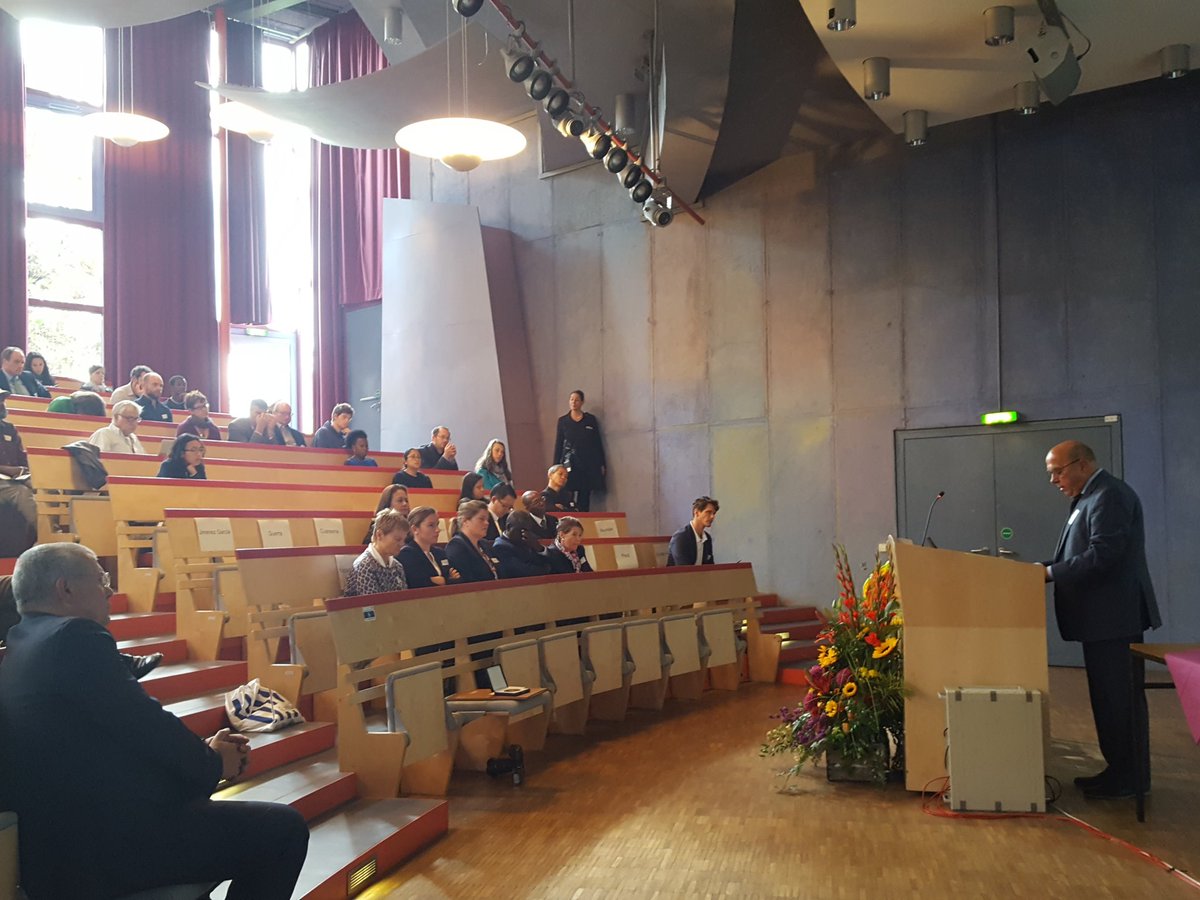
 ICA Rectors and Deans Forum.

This annual Forum  provided university decision makers from ICA's member universities with the opportunity to meet, to discuss current issues in life science universities and to exchange views on these issues with relevant stakeholders in industry, government and NGOs. This Forum follows the successful Forums from 2011 to 2016.
The Forum discussed how life science universities should respond to the global drivers for change exemplified by the sustainable development goals (SDGs) in agriculture, and the food and non food value chains through the development of the education programmes, the application of science in a social context in support of governance in the region and globally.
The three Forum themes were:
  • How should Life Science Universities address the challenge of the SDGs to support the provision of a healthy diet with enough food for everyone – the social, economic and environmental imperatives?
  • What is the impact of the SDGs on the Life Science Universities' education programmes in a sustainable university – to meet the expectations of national, international students, and life long learners?
  • How can Life Science Universities provide leadership in the delivery of the SDGs through engagement in policy development and governance, at the national, regional and global levels?
Extracts of the programme:

Session 1: How should Life Science Universities address the challenge of the SDGs to support the provision of a healthy diet with enough food for everyone – the social, economic and environmental imperatives?

Session 2: What is the impact of the SDGs on the Life Science Universities' education programmes – reflection to meet the expectations of national, international students, and life long learners?
Session 3: How should Life Science Universities provide leadership in the delivery of the SDGs through the governance of the university and engagement in policy development at national, regional and global levels?
Upcoming:
28 to 30 October 2017. Nanjing, PR China. GCHERA World Conference 2017 Global Food Security and Food Safety: The Role of Universities will be held at Nanjing Agricultural University,  See the programme and register.
6 to 9 June 2018. 9th CASEE Conference Research Based Education at Life Science Universities in the Danube Region: towards a sustainable future to be held from at the University of Agronomic Sciences and Veterinary Medicine in Bucharest
3 to 5 July 2018, in Stuttgart, Germany. 5th International ISEKI Food Conference

Can digitalization feed the world?

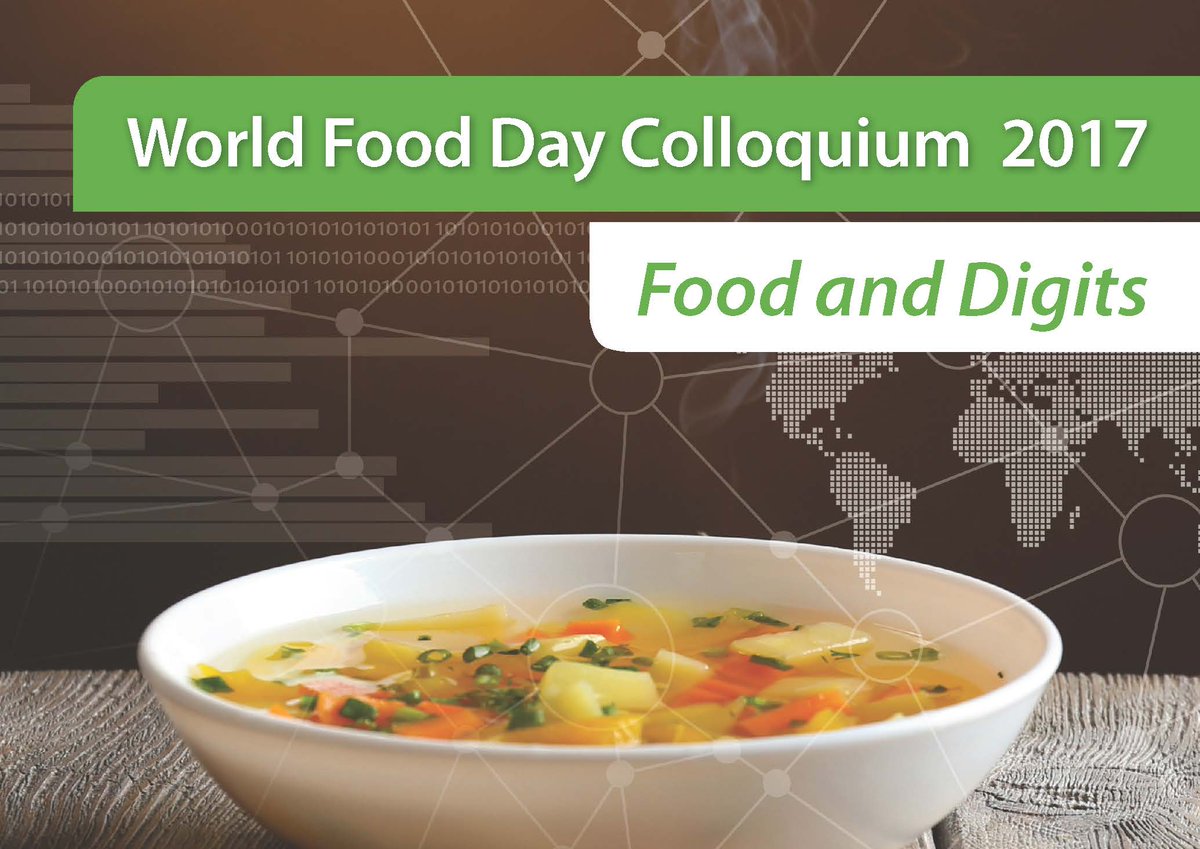
19 October 2017. Stuttgart, Germany. University of Hohenheim. World Food Day Colloquium 2017 “Food and Digits”.

The World Food Day Colloquium offered a platform to learn more about the digitalization with regard to global food security. 

The potential to innovate food security problems in developing countries is there but can big data and ICT revolutionize the fight against hunger and malnutrition? 

The Colloquium resulted in a panel discussion with experts on the question: Can digitalization feed the world? Special highlights were the “Justus von Liebig Award for World Nutrition 2017” and the presentation of the new Global Hunger Index 2017.


Can digitalization feed the world? Panel discussion at #WFDC17


One of the Hidden Hunger champions Prof Biesalski had been awarded the Justus von Liebig Award at the #wfdc17 by the foundation Fiat Panis.

The Foundation fiat panis awarded for the fifth time the Justus von Liebig Award for World Nutrition for outstanding performance in the fight against hunger and rural poverty. Prof. Dr. med. Hans Konrad Biesalski, the former president of the Food Security Center, received 25,000 Euro, on the occasion of the World Food Day Colloquium 2017 at the University of Hohenheim in Stuttgart.
He is one of the world's most renowned researchers in vitamin A research and has made ground-breaking discoveries in basic research on the metabolism of vitamin A. He has also used his expertise to carry out applied research in developing countries covering a wide range of nutritional issues. His scientific achievements are well documented by his impressive publication list. Biesalski has 249 publications in PubMed which were quoted 16,000 times. Prof. Biesalski has organized three international “Hidden Hunger” conferences (2013, 2015, 2017) that brought together the leading scientists as well as the new generation of young scientists, especially from Africa and Asia, on the subject of micronutrient deficiency.


Related:
October 19th, 2017. The 2017 Global Hunger Index was presented during the World Food Day Colloquium 2017 - Food and Digits.

The 2017 Global Hunger Index (GHI) - jointly published (October 2017) by the International Food Policy Research Institute (IFPRI), Concern Worldwide, and Welthungerhilfe - tracks the state of hunger in 119 countries worldwide, spotlighting those places where action to address hunger is most urgently needed.

CONTENT [ 50 pages ] :
  1. Chapter 1 The concept of the global hunger index [download]
  2. Chapter 2 Global, regional, and national trends [download]
  3. Chapter 3 Inequality, hunger, and malnutrition: Power matters [download]
  4. Chapter 4 Policy recommendations [download]
To capture the multidimensional nature of hunger, GHI scores are based on four component indicators - (1) undernourishment, (2) child wasting, (3) child stunting, and (3) child mortality.

According to 2017 GHI scores, the level of hunger in the world has decreased by 27 percent from the 2000 level. The 27 percent improvement noted reflects progress in each of these four indicators according to the latest data from 2012–2016 for countries in the GHI.

The advances have been uneven, however, with millions of people still experiencing chronic hunger and many places suffering acute food crises and even famine.

Of the 119 countries assessed in this year’s report, one falls in the extremely alarming range on the GHI Severity Scale; 7 - - fall in the alarming range; 44 - - in the serious range; and 24 - - in the moderate range. Only 43 countries have scores in the low range.

In addition, 9 of the 13 countries that lack sufficient data for calculating 2017 GHI score - including Somalia, South Sudan, and Syria - raise significant concern (p.19) , and in fact may have some of the highest levels of hunger.
Spaces for Change Power

Both geography and ethnicity can impact a person’s nutritional status. Moreover, the uneven distribution of hunger and malnutrition reflects wider inequalities of power in society. Power in the global food system is now so concentrated in the hands of these corporations that they largely determine how and which food moves from producers to consumers.

Spaces for Change Power is not monolithic and immovable. It is exercised in a range of forms (from consumption to advertising to policy making), at various levels (global, national, and local), in multiple spaces (from farmers’ unions to UN committees). The vast inequalities in the food system have generated a similarly wide range of efforts to resist and redistribute power.A necessarily selective sample of these efforts highlights both their potential to redress imbalances of power as well as the challenges such efforts face.

Power analysis can help equalize change in the food system ... if:
  1. Researchers and analysts use its conceptual tools to name all forms of power that keep people hungry and malnourished, helping draw attention to forms of power that are hard to see because they are exercised, for example, in complex webs of supply chains and distribution networks or through the “soft power” of marketing, advertising, and research funding;
  2. Intervention design focuses more strategically on where power is exerted, highlighting how and when policies and interventions aimed at changing people’s eating habits should be accompanied by actions to address influences on those habits that operate higher up the system
  3. Activists, practitioners, policy makers, and all champions of eradicating hunger and malnutrition can identify and exploit spaces for change in the food system, highlighting obstacles to reform, build coalitions for changing the rules by which decisions get made, devising sanctions with the “teeth” to hold the powerful to account, and empowering the hungry and malnourished to challenge and resist loss of control over the food they eat ..

Friday, October 27, 2017

2017 Borlaug Dialogue International Symposium

18-20 October 2017. Des Moines. The World Food prize, 2017 Borlaug Dialogue International Symposium

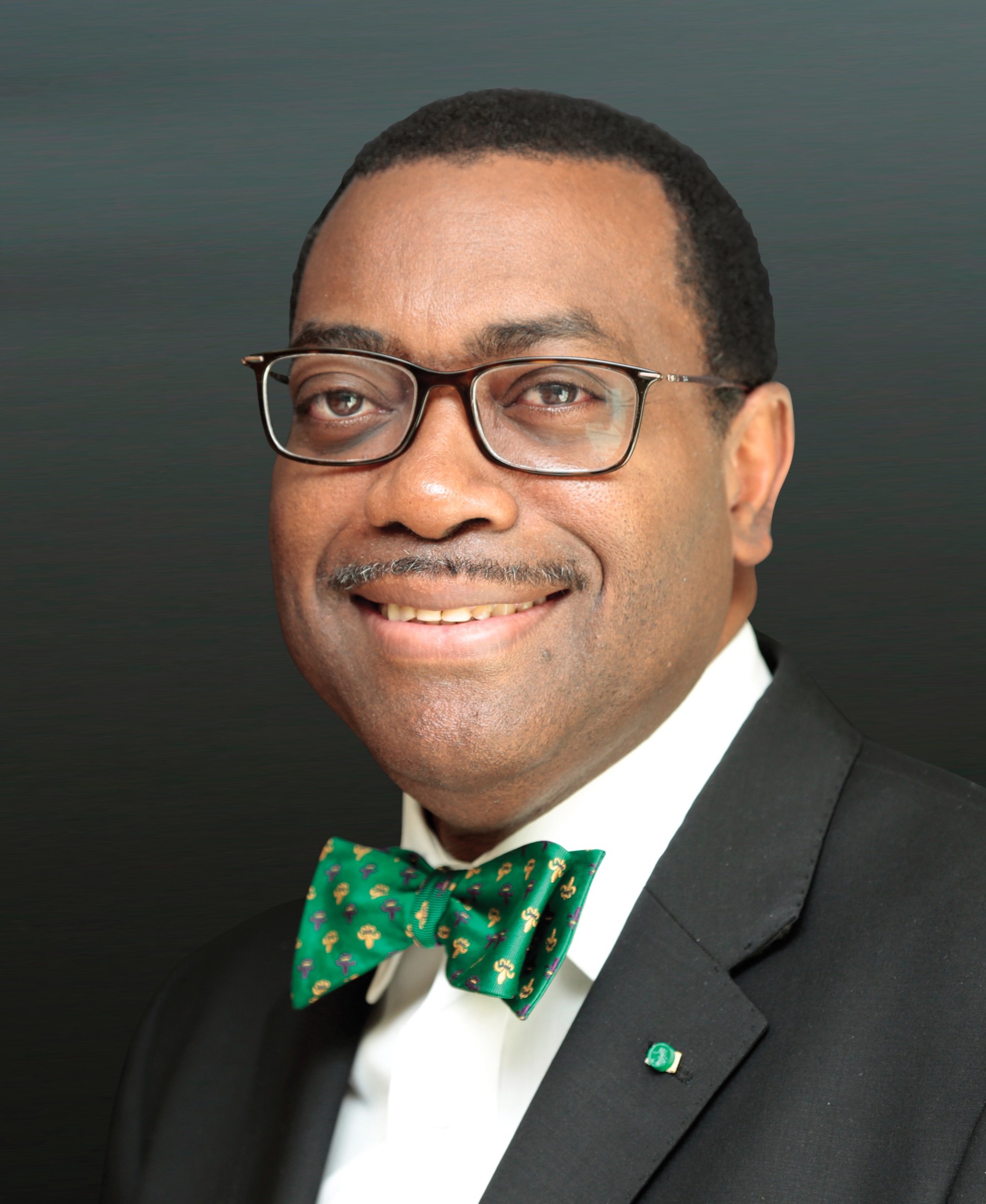
The 2017 Symposium theme, "The Road out of Poverty" encapsulated the power of treating agriculture as a business, and the impact of truly “bringing it to the farmer”, as Norman Borlaug taught. The theme is drawn from “Africa’s Norman Borlaug”, the 2017 Laureate President Akinwumi Adesina (picture left) of the African Development Bank who has made it his life’s mission to promote agriculture, good nutrition, and education as the keys to “uplifting millions out of poverty.”
“As someone who grew out of poverty, I know that poverty is not pretty. My life mission is to lift up millions of people out of poverty, especially farmers in rural areas...We must give hope and turn agriculture into a business.” AFDB President Adesina
Discussion Topics and Highlights included:
  • Relationships among conservation, trade, and agricultural productivity in Latin America;
  • Roles of dairy in encouraging global economic development;
  • A global snapshot of fertilizer use and impact around the globe;
  • Biotech research and knowledge transfer in specialty crops;
  • Securing Africa's farming future by fostering young African farmers;
  • New methods for climate-proofing smallholder farms in Sub-Saharan Africa;
  • The transformation of Eurasian and Russian agriculture from famine to feast.
Extracts of the programme

18 October. Launch of the Global Panel's New Policy
Brief
The brief looks at the challenge of providing healthy diets in urban environments in low- and middle-income countries, presenting eight recommendations directed primarily at policymakers especially those working at the sub-national level.
The brief gives particular focus to the growing threat of diet-related non-communicable disease. The greater wealth in urban centres, relative to rural areas, does not necessarily lead to healthier diets, with excessive consumption of highly-processed foods that are high in calories but low in nutrients.

The eight recommendations in the brief call for a wider policy approach which integrates actions from food, agriculture and nutrition into urban planning, education, health, sanitation, water and infrastructure development. It will also require a shift in attitudes towards the informal food sector and the collection of better data on urban diets.

The brief shows how policymakers at the local level need to champion better diets and nutrition, but this requires them to be both mandated and empowered to act
Downloads

Hosted by: African Development Bank, Initiative for Global Development, Association of African Agricultural Professionals in the Diaspora, Michigan State University, Iowa State University and International Institute for Tropical Agriculture.

18 October. Transformation of African Savannah Initiative Launch
Hosted by: African Development Bank

Hosted by: Alliance for African Partnership/ Michigan State University

18 October. African Development Bank and Global Panel on Agriculture and Food Systems for Nutrition: Public Reception
Hosted by: African Development Bank and Global Panel on Agriculture and Food Systems for Nutrition

19 October. Securing Africa's Farming Future - Where Are the Youth?

19 October.  African Development Bank Announcement | Technologies for African Agricultural Transformation (TAAT)
19 October.  European-African Collaboration on Food Security: Voices from the G-20, German Marshal Fund for Africa, and the Malabo Montpellier Panel.
19 October.  Fall Army Worm: a Clear and Present Danger to African Food Security
Hosted by: Dr. Pedro Sanchez

19 October.  Going from Science to Scale - Commercializing Aflasafe™ in 11 African Countries
Hosted by: Chemonics International
  • Eric Reading, Executive Vice President, Chemonics International
  • Abdou Konlambigue, Managing Director ATTC, IITA
  • Mario Kerby, Director, Chemonics
  • Orin Hasson, Senior Program Officer, The Gates Foundation
  • Angela Hansen, Advisor, Dalberg Global Development Advisors
  • Kenton Dashiell, Deputy Director General, Partnerships for Delivery, IITA
Hosted by: Foundation for A Smoke-Free World

Hosted by: Alliance to End Hunger and The Food and Agricultural Organization of the United Nations

20 October. Dance of the Lions and Dragons: How are Africa and China Engaging, and How Will the Partnership Evolve?
20 October. The African Fertilizer Summit - 10 Years Later
2017 Laureate
DR. AKINWUMI AYODEJI ADESINA, the President of the African Development Bank (AfDB), was recognized as the 2017 World Food Prize Laureate. Through his roles over the past two decades with the Rockefeller Foundation, at the Alliance for a Green Revolution in Africa (AGRA), and as Minister of Agriculture of Nigeria, Dr. Adesina has been at the forefront of galvanizing political will to transform African agriculture through initiatives to: expand agricultural production, thwart corruption in the Nigerian fertilizer industry and exponentially increase the availability of credit for smallholder farmers across the African continent.

Ethiopia: Global Green Growth Week 2017

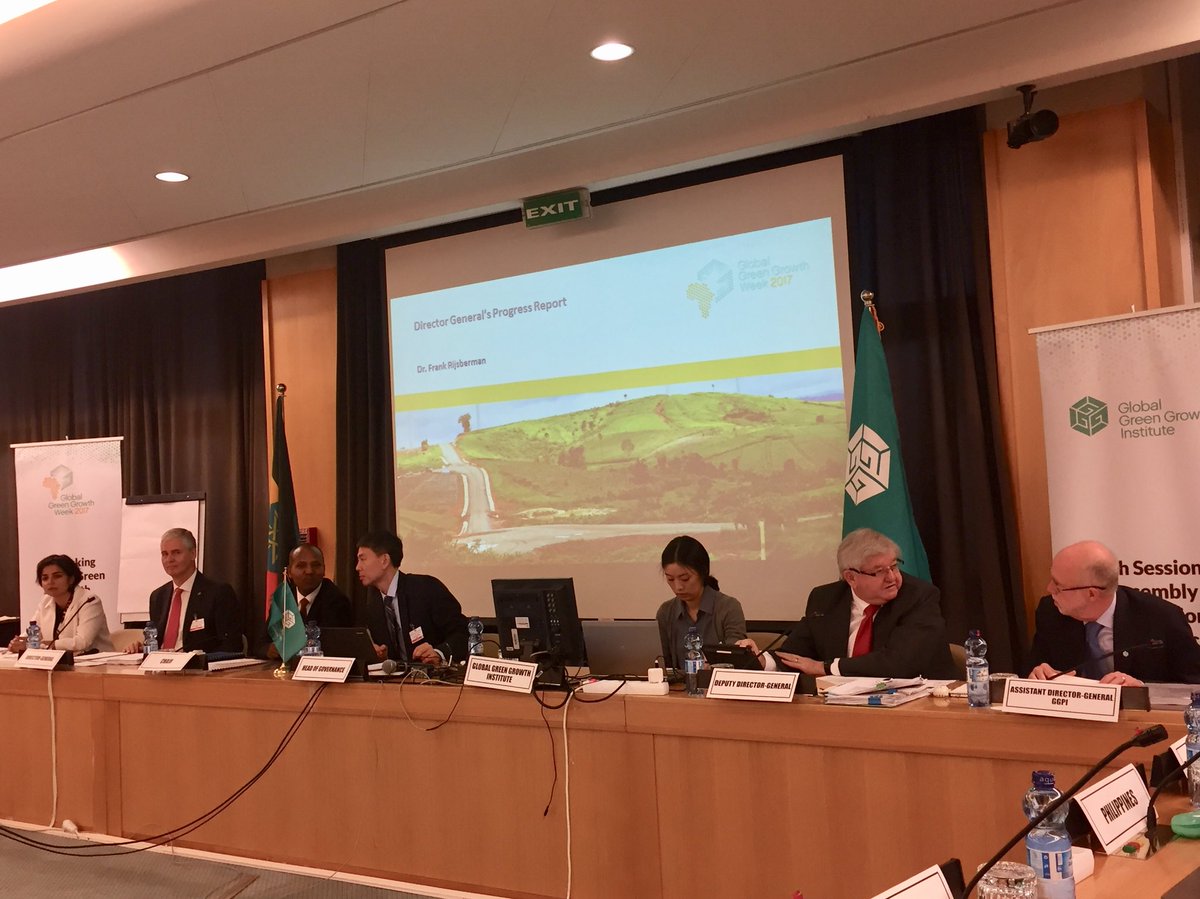
17-20 October 2017. Addis Ababa. United Nations Conference Centre. Global Green Growth Week 2017.  The GGGWeek2017 addressed a number of key topics, including:
  • Mobilizing green/climate finance to bankable projects in developing countries; 
  • Sustainably managing resources to address water and food security challenges; 
  • and Developing and adopting policies that drive environmentally sustainable and socially inclusive economic growth.
Together with partners such as the Green Climate Fund (GCF), the African Development Bank (AfDB), other multilateral development banks, UN regional, economic and social commissions, GGGI is working globally to leverage private as well as public sector investment in inclusive green growth. An example is the establishment of the Federal Democratic Republic of Ethiopia’s Climate Resilient Green Economy (CRGE) Facility, the financing channel for a USD50 million project to enhance critical irrigation systems in the country’s drought-prone regions. 


Established by the Ministry of Finance and Economic Cooperation (MOFEC) with the close support of GGGI, the Facility will receive and channel the recently approved USD 45 million from the GCF for the project, developed by MOFEC in cooperation with the Ministry of Environment, Forest and Climate (MEFCC). With co-financing from the Ethiopian government of USD 5 million, the project is set to directly benefit 330 000 people directly and nearly 1 million people indirectly.

About GGGI 
Founded to support and promote the mainstreaming of green growth, GGGI programs and projects target economic growth that is environmentally sustainable and socially inclusive. Headquartered in Seoul, Republic of Korea, GGGI has 27 members with operations in 26 countries. 
Member Countries 
Australia, Cambodia, Costa Rica, Denmark, Ethiopia, Fiji, Guyana, Hungary, Indonesia, Jordan, Kiribati, Republic of Korea, Mexico, Mongolia, Norway, Papua New Guinea, Paraguay, Peru, Philippines, Qatar, Rwanda, Senegal, Thailand, United Arab Emirates, United Kingdom, Vanuatu, Viet Nam 
Operations 
Cambodia, China, Colombia, Ethiopia, Fiji, India, Indonesia, Jordan, Kiribati, Lao PDR, Mexico, Mongolia, Morocco, Mozambique, Myanmar, Nepal, Peru, Philippines, Rwanda, Senegal, Thailand, Uganda, United Arab Emirates, Vanuatu, Viet Nam
High-level Panel: Unlocking Africa's Green Growth Potential
Recent economic growth and increasing foreign direct investment in Africa, focused primarily on extractive sectors and agricultural commodities, has not always uniformly benefited African livelihoods, nor delivered significant poverty reduction. Further, growth has come at a cost to the environment, and at a time when the impact of climate change is increasing.
  • H.E. Dr. Gemedo Dalle, Minister of Environment, Forest and Climate Change, Federal Democratic Republic of Ethiopia
  • H.E. Jofesa Leonel Correia Sacka, Commissioner for Rural Economy and Agriculture, African Union
  • H.E. Vera Songwe, Executive Secretary, United Nations Economic Commission for Africa (TBC)
  • Dr. Frank Rijsberman, Director-General, Global Green Growth Institute
  • Elion Resources Group 
  • Moderator: Robert Mukiza, Country Representative, Global Green Growth Institute
Innovating Agriculture for Climate and Food Security in Africa 
The session brought together diverse stakeholders to build a common vision and foster collaboration in shaping innovative business models in agriculture to meet climate and food security goals
  • Know more about this session by downloading the brochure. 
  • Co-organizers: CGIAR Research Program on Climate Change, Agriculture and Food Security, Green Climate Fund, Global Green Growth Institute
  • Panel Discussion I Innovative digital solutions to advance new forms of climate resilient and low emissions agriculture
  • Panel Discussion II Financial innovations for new forms of agriculture that reduces costs, increases productivity and provides social and environmental returns
Transforming African Agriculture Public-Private Sector Roundtable (Closed event) 
The CGIAR Research Program on Climate Change, Agriculture and Food Security (CCAFS) in collaboration with the Green Climate Fund (GCF), the Global Green Growth Institute (GGGI) and the Department of Plant and Environmental Sciences, University of Copenhagen will hold a roundtable session for Public-Private sector on the topic of Transforming African Agriculture.
  • Co-organizers: CGIAR Research Program on Climate Change, Agriculture and Food Security (CCAFS), Green Climate Fund (GCF), Global Green Growth Institute (GGGI), University of Copenhagen
18 October 2017. CCAFS, together with the Global Green Growth Institute (GGGI) and the Green Climate Fund (GCF), produced this video highlighting the 10 “best bet” options for climate adaptation in agriculture. The video was presented at the Global Green Growt Week 2017 conference in Addis Ababa, Ethiopia on 18 October 2017.