Join us tomorrow, 📅December 4, 2024, for the #INTERFACES#KnowledgeCafe to discuss and validate Knowledge Briefs & Manuals produced by #KM4AgD Fellows from this year's #KM4AgD24 Challenge.
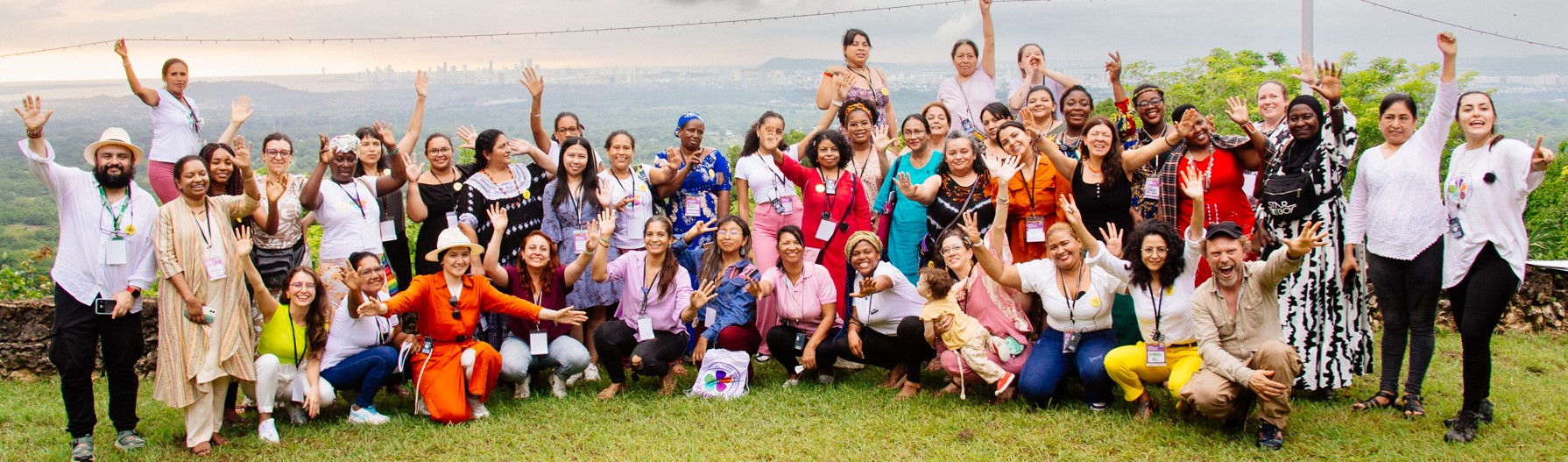
28 November 2024. During this meeting leaders from Latin America, Asia, Africa, and EMENA, broke down the successes and challenges of practical initiatives in their advocacy efforts to achieving women land rights in order to overcome obstacles in their territories.
Recording available
Women Land Rights Defenders are crucial to protect land and territories, but doing so expose them to gender specific threats and challenges. There is a global need to engage with women defenders to support them, document their struggles and facilitate their voices to be heard in the public sphere.
Moderated by Elisabetta Cangelosi, Gender Justice Advisor, International Land Coalition
Etienne Coyette, Policy Officer, INTPA F3
Michel Forst, UN Special Rapporteur Environmental defenders
Marusia Lopez,IM-Defensoras- Mesoamerican Initiative of Women Human Rights Defenders
PlantwisePlus supports countries to predict, prevent, and prepare for plant health threats, helping farmers to produce safer, higher-quality food through sustainable crop production. PlantwisePlus addresses three critical challenges for smallholder production: preparing for pest and invasive species outbreaks, reducing pesticide risks, and improving access to farmer advisory services. With a target to reach 75 million smallholder farmers in 27 countries around the world, the role of PlantwisePlus in supporting agricultural resilience, food security, and environmental sustainability will be key focus areas of this InfoPoint.
The session featured speakers from CABI, who offered an overview of the programme’s achievements and vision, as well as two programme partners from Zambia and Pakistan who are involved in on-the-ground implementation. These partners shared how PlantwisePlus supports their national strategies for sustainable agricultural development, demonstrating the vital role of partnerships in achieving lasting impact.
Leonard Mizzi – Head of Unit INTPA F3- Sustainable Agri-Food systems and Fisheries
Dr Daniel Elger – CEO, CABI
Dr Janny Vos – Partnerships Development Director, CABI
Zombe Sikazwe - Senior Seeds Officer, Seed Control and Certification Institute (SCCI), Zambia
Dr Imtiaz Hussain - Member Plant Sciences, Pakistan Agricultural Research Council (PARC), Pakistan
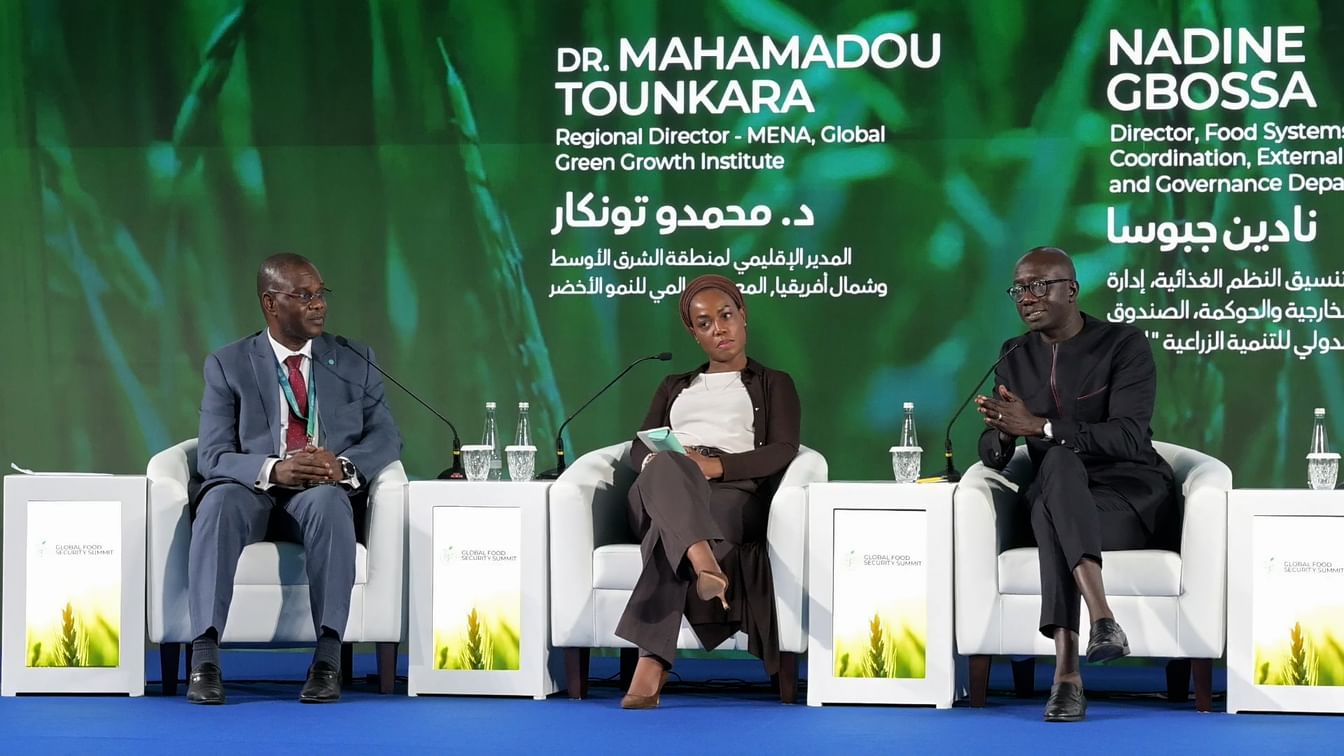
26-27 November 2024. Abu Dhabi. The Global Food Security Summit (GFSS) is one of the largest scientific gatherings in the MENA region. It explored innovative, sustainable, and profitable approaches, including the use of Artificial Intelligence in agriculture.
Held under the theme “Together, for Humanity,” GFSS is part of the 3rd Global Food Week (GFW) and promotes global collaboration and innovation to create sustainable solutions for food security. The Summit brought together high-ranking officials, experts and scientists from around the world, and representatives from more than 70 countries, including 21 ministers.
Africa, where one in five people is affected by hunger, remains particularly vulnerable and requires intensified efforts to combat food insecurity. The inaugural Global Food Security Summit in Abu Dhabi provides a platform for the international community to discuss these challenges and identify opportunities to enhance food security.Kayan Akram Jaff, Head of Mission of the FAO Subregional Office for GCC states and Yemen
The Global Food Security Summit in Abu Dhabi is an important platform for all Member States to coordinate their efforts to develop plans and pathways for sustainable food production that will benefit not only Africa, but the entire world. Berik Aryn, Director General of the Islamic Organization for Food Security
Adj. Prof. Dr. Hildegard Lingnau, Executive Secretary of GFAR, emphasized the vital role of global cooperation in addressing agricultural challenges at the Global Food Security Summit. Her insights on fostering cross-sector collaboration, learning from diverse experiences, and drawing inspiration from innovative food producers underscore the importance of shared efforts in building sustainable and resilient food systems.
Global Hunger: Over 733 million people suffer from hunger worldwide, posing a threat to peace, stability, and human dignity.
Islamic World’s Progress: The Islamic Organisation for Food Security highlighted governance, sustainability, and resource mobilisation initiatives across its 41 member countries, emphasising the significance of a dedicated Food Security Day for the Organisation of Islamic Cooperation (OIC).
Focus on Africa: The summit discussed sustainable agri-food systems and highlighted progress in West Africa, where 73 percent of farming households improved their resilience to climate shocks.
Key Themes and Recommendations:
Sustainability as a Cornerstone: Participants emphasised sustainability as essential for achieving food security, advocating for efficient resource use, renewable energy in agriculture, and fostering value-added food production.
Women's Empowerment: The importance of enhancing women's roles in agriculture was highlighted, recognising their contributions to economic growth and sustainability.
Clean Energy Transition: Despite the challenges posed by greenhouse gas emissions, the summit called for adopting clean energy solutions, proposing a six-pillar framework encompassing inclusivity, incentives, data, investments, institutions, and innovation.
Innovative Solutions for a Growing Population: The summit stressed the need to invest in advanced agricultural technologies and sustainable practices to ensure reliable food supplies and a better future for coming generations. It called for enhanced cooperation along food value chains to address global crises effectively.
Global Call to Action: The summit urged immediate and unified international efforts to create a resilient, equitable global food system, ensuring access to healthy and sustainable food for all.
Spotlight on the UAE: The UAE National Food Security Strategy 2051 was praised for its alignment with global goals, supported by initiatives like the "Nema" platform, which combats food waste and promotes sustainable consumption practices. The summit also acknowledged the UAE’s leadership role at COP28, where the nation advanced its vision of eliminating food waste and transforming traditional food systems.
26/11 Panel Discussion: UAE’s High-Impact Projects for a Resilient Food System
Fatima Al Dhaheri, Head of the AGWA Cluster - Abu Dhabi Investment Office (ADIO)
Seifallah Rabie, Partner and UAE Managing Partner - LOGIC Consulting
Suresh Vaidyanathan, CEO Special Projects - Ghassan Aboud Group & CEO -Abu Dhabi Food Hub
Hassan Halawy, General Manager - Elite Agro Projects
Mohamed Al Breiki, Executive Director, Sustainable Development - Masdar City
The Abu Dhabi International Food Exhibition
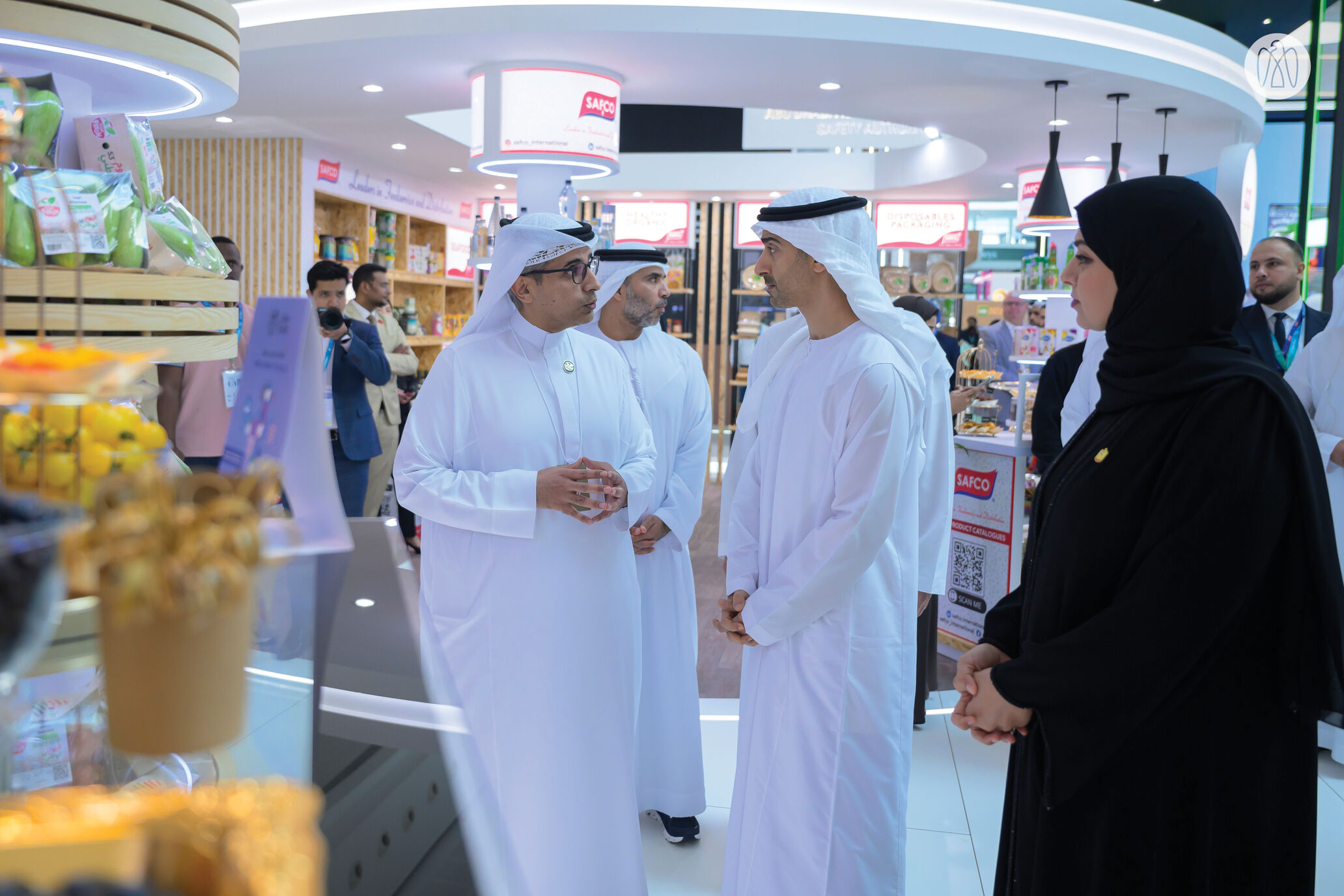
In addition to the Global Food Security Summit, Global Food Week features various internationalevents and exhibitions highlighting the latest innovations and technologies. The Abu Dhabi International Food Exhibition (ADIFE) marked a 49 per cent growth in its 3rd edition compared to the previous year, attracting over 660 exhibitors and 1,900 companies and brands from 70 countries. The event also hosted around 270 key hosted buyers from local and international markets. The event also included the launch of the Abu Dhabi Coffee Hub, a signature feature of Global Food Week. The platform brings together specialists, traders, and coffee enthusiasts from around the world, reflecting the growing global interest in food security and sustainability.
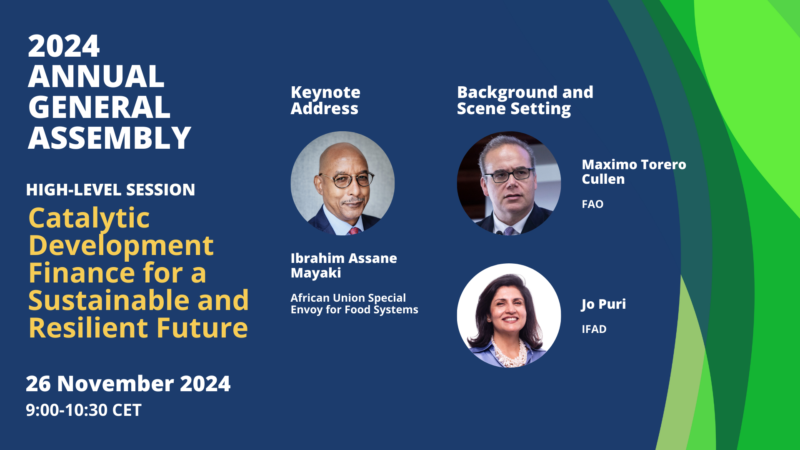
The Global Donor Platform for Rural Development’s Annual General Assembly discussed how the international community can optimize limited official development assistance in food and nutrition, building on the recommendations of the 2024 State of Food Security and Nutrition in the World report
The two days provided opportunities for knowledge exchange and timely discussions on rural development. It will include reflections on the implications of innovative financing for rural youth employment and land governance.
Background and Scene Setting
Jim Woodhill, Senior Advisor, Global Donor Platform for Rural Development
Maximo Torero Cullen, Chief Economist, Food and Agriculture Organization of the United Nations (FAO)
Jo Puri, Special Adviser, Strategic Initiatives, Office of the President and Vice President, International Fund for Agricultural Development (IFAD)
Catalytic Development Finance for a Sustainable and Resilient Future
Agnes Johan, Head of Blended Finance, Rabo Partnerships
Attiya Waris, Professor of Fiscal Law at the Faculty of Law,
University of Nairobi in Kenya and UN Independent Expert on
Foreign Debt and Human Rights in 2021
Georgia Apson
Coordinator of the World Food Forum Tanzania Chapter, on
behalf of
Hon. Neema Lugangira, Member of Parliament Tanzania and
Board Member of the Global Parliamentary Network on the
World Bank and IMF and Member of the Executive Committee
of the UN Scaling Up Nutrition Movement
Ines Rocha, Regional Director Europe, International Finance
Corporation (IFC)
Chris Isaac, Chief Investment Officer, AgDevCo
Breakout Sessions
Theme 1: Climate finance and vertical funds
Savis Sadeghian, Senior Technical Specialist, Environment
and Climate, IFAD
Moderator:
Henry Bonsu, Journalist and Broadcaster
Theme 2: Unlocking private capital for food systems transformation
Christopher Brett, Lead Agribusiness Specialist, World Bank
Moderator:
Jim Woodhill, Senior Advisor, Global Donor Platform for Rural
Development
Theme 3: Improving financing approaches for agri-food SMEs
John Robert Okware, Country Director, Uganda, Aceli Africa
Moderator:
Mandakini Surie, Senior Consultant, Global Donor Platform
for Rural Development
Theme 4: Innovative financing in fragile contexts
Tuleen Alkhoffash, Senior Portfolio Manager, IFAD
Kais Zuhaika, Head of Financial Institutions, Quds Bank
Moderator:
Maurizio Navarra, GDPRD Secretariat Coordinator,
International Fund for Agricultural Development (IFAD)
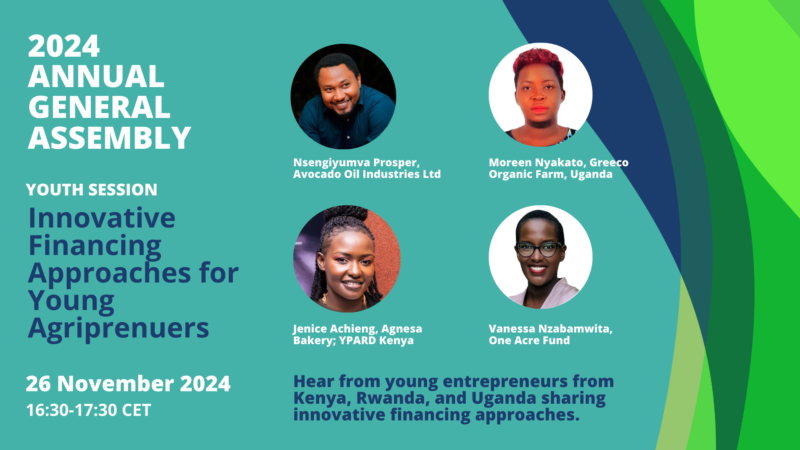
Innovative financing approaches are emerging as a solution to address the unique challenges faced by rural young entrepreneurs and the agrifood system. Approaches such as blended finance, impact investing, and results-based financing are gaining traction in the agrifood sector. They mobilize private capital, development finance, and philanthropic funding to support sustainable agricultural practices and agrifood system innovations. For these mechanisms to be effective, they need to be youth-sensitive.
In rethinking how the international community can optimize limited official development assistance (ODA) for the revitalization of rural and food systems transformation, such an exercise cannot be done without rethinking, redefining, and enhancing the quality of finance and ODA. The key issue is not only the amount of finance and aid provided but also how effectively and inclusively it is delivered.
Download the 2024 Stakeholders Conference Booklet here
Download the Concept Note and Programme at a Glance here
The conference theme, "From Policy to Practice: Strengthening Local Institutions for
Sustainable Food Systems Transformation in Africa", underscored the need for prioritizing localization in the post-2025 development agenda.
ANAPRI recognizes that policy implementation, particularly in the context of rural economic
growth and transformation, primarily occurs at the local level. It is local institutions that
drive the implementation of domestic and national policy frameworks and action plans. The
focus of the Annual Stakeholder Conference was on how governments, the private sector,
and international development partners can effectively support African-led and local
research institutions, think tanks, and other non-state actors in implementing policies,
programmes, projects, and scaling up new adaptive technologies that can enhance
productivity, climate resilience, adaptation, and sustainable food system transformation.
Session 1
Driving Localization for Policy Action through Investment in
Institutional Capacity Building: Lessons from the Innovation Lab
for Policy Research, Capacity and Inluence (PRCI)
This session shared findings and insights from a
survey of ANAPRI think tanks across sub-Saharan Africa. The purpose
of the survey was to assess the institutional capacity of think tanks,
including gaps, approaches, and partnerships that have enhanced the
ability of policy research centers to effectively deliver on their
mandate.
Development Partners and
Donors
Dr. Biniam Iyob, USAID
Dr. David Phiri, FAO
Mr. Alan Rennison, BMGF
ANAPRI Centers
Dr. Astou Diao
Dr. Adegbenga Adekoya
Dr. Nalishebo Meebelo
Session 2
Promoting Adaptation and Resilience to Climate Change in Africa
– Lessons Learnt from the Comprehensive Action for Climate
Change Initiative (CACCI) in Africa.
This session highlighted lessons from the Comprehensive
Action for Climate Change Initiative (CACCI).
CACCI Technical Implementers
Richard Ayisi (ISSER)
John Heermans (Abt Global)
Mouhamed Ly Centre de Suivi
Ecologique (CSE)
Dhanani, Qahir – (Boston
Consulting Group)
Government Reps
Harrick Mwewa (Ministry of
Green Economy and Environment
Zambia)
Jonghikaya Witi (South Africa)
Session 3: High-Level Panel Discussion
Domestication and Implementation of the Fertilizer and Soil
Health Action Plan
This session discussed and share experiences on how to strengthen the role of African research and
training institutions in spearheading the implementation of policies, programmes, and initiatives to address soil health challenges, enhance the use of fertilizers and efficiency in fertilizer use.
Prof. Richard Mkandawire (AAP)
H.E. Josefa Leonel Correia Sacko, Commissioner, Africa Union, Department for Agriculture, Rural Development, Blue Economy, and Sustainable Environment
Dr. Tinashe Kapuya : The
role of pan-African and locally led
institutions in the domestication and
implementation of the Fertilizer and
Soil Health Action Plan
Michael Sudarkasa (President,
AFAP) Role of the private sector in partnering
with Government and African Research
Institutions in Strengthening Input
Value Chains and Soil Health
Dr. Shamie Zingore, (RD, APNI) Innovative approaches of implemented
to improve nutrient management and
soil health
Mr. Larry Umunna, (Acting
Executive Director, CIFSH) Emerging partnerships, work
programme and the role of the
Coalition of Implementors for
Fertilizers and Soil Health
Session 4
Status Quo of Africa’s Food Systems and the Post-2025 Agenda:
What Happens Post-CAADP?
This session provided a stock-take of the Comprehensive African
Agricultural Development Programme (CAADP), and the extent to
which the continent has been successful in meeting goals such as: (a)
halving poverty through agriculture by 2025, (b) ending hunger by
2025, and (c) eliminating child malnutrition.
H.E. Josefa Leonel Correia Sacko, Commissioner, Africa Union, Department for Agriculture, Rural Development, Blue Economy, and Sustainable Environment
Dr. Ousmane Badiane,
AKADEMIYA2063 - Driving Africa's
Agricultural Future: Lessons from CAADP
and the Road Beyond 2025
Session 5
Finding Solutions for Dwindling Funding Towards Policy
Research. How Can think tanks bridge the divide between Policy
and Action?
This session discussed how the funding
space has changed, and whether the lack of resources available to
think tanks and policy research is due to misaligned objectives with
donors and development partners, or a lack of ability to adapt to these
new demands.
Session 6
Food Sovereignty in Africa: Where is the Balance, and how do
Governments Walk the line between Regional Integration under
the AfCFTA and attaining Food Self -Sufficiency?
Governments are implementing a range of
policies to stabilize prices, strengthen the resilience of food systems,
and promote sustainable resource management. However, food sufficiency policies and programmes are generally being implemented
at the expense of regional integration, particularly the African
Continental Free Trade Area (AfCFTA).
Session 7
Prioritizing Policies and Investments to Drive Inclusive
Agricultural Transformation: Key Findings from Zambia, Ghana,
Malawi, Tanzania, and Kenya.
Policy Prioritization through Value Chain Analysis (PPVC) is an
approach to identifying policies, investments, and value chains that
can drive inclusive transformation relatively more cost-effectively.
The framework was piloted in Tanzania and then scaled out to several
other countries like Kenya, Ethiopia, Nigeria, Malawi, Ghana, and Zambia.
Government Reps
Mr David Ombalo Otieno,
Government Rep Kenya
Mr. Simon Omollo John, Government
Rep Tanzania
Dr. Dirk Troskie, - Western Cape
Government, South Africa
Technical Partners
Dr. Mmtlaou kalaba - BFAP
Dr. Henry Kankwamba - IFPRI
Session 8
The 2024 OECD-FAO Agricultural Outlook and FAO’s Support
to the AUC in Promoting Agribusiness Development towards
Enhancing Implementation of the African Continental Free
Trade Area (AfCFTA)
This session explored the findings of the 2024 OECD-FAO
Agricultural Outlook, shedding light on global and regional
agricultural trends and their implications for Africa’s trade, food
security, and investment landscape.
Government Representatives
Mr. David Ombalo Otieno, Ministry of
Agriculture, Kenya
Ms.Gamuchirai M Kapembeza, Ministry of
Lands, Agriculture, Fisheries and Rural
Development
Private Sector
Mr Yotam Mkandawire, GTAZ, Zambia
Session 9
Unlocking the Power of Public-Private Partnerships:
Strategies for Effective Private Sector Engagement in Policy
Implementation
This session provided some key perspectives on
how think tanks, development partners, and governments can
effectively engage the private sector as a means of grounding policy
through evidence. The session explores the role of the private
sector in policy implementation, and how to foster public-private
partnerships that can drive deeper cooperation.
Dr. Maria Wanzala, AFAP - private
sector’s role in policy
implementation, focusing on
agriculture and value chain
development.
Government policies
fostering private sector
engagement, impact of these
measures
Dr. Dirk Troskie,
Western Cape
Government, South
Africa
Ms. Alisa Shidhika,
Namibia
Simon Omollo John,
Government of
Tanzania
Lessons from private sector
alignment with policy
objectives; two audience
questions
Mr. Bagoré Bathily –
Senega
Mr. Aimable
Twagirayezu Pan
African Farmer
Organization, Rwanda
Dr. Cheickh Sadibou
Fall, IFDC
Bruce Kasitu, IsDA
Role of think tanks in
bridging government and
private sector engagement
6 December 2024 at 2:00 pm Kigali time, 3:00 pm EAT and 12:00 pm WAT, Seed systems webinar
The Pan African Farmers Organization (PAFO) and AgriCord co-organize a webinar to explore innovative seed initiatives implemented by farmers' organizations (FOs).
This webinar aims to highlight best practices, share insights from various regions, and discuss the evolving role of FOs in seed production and management as well as how policies can better support Farmer Managed Seed Systems (FMSS) and Community-Based Seed Systems (CBSS).
The Digital Agri Hub and the FAO Office of Innovation organise this eConversation
Hosted on the Digitalisation for Agriculture or D4Ag dGroup, this eConversation is run by the Digital Agri Hub in partnership with the FAO Office of Innovation. The Hub is hosted and maintained as an independent entity by the Wageningen University and Research (WUR).
Hosted by Knowledge Management Austria, in cooperation with the global Knowledge for Development Partnership (K4DP), the KM Award is given once a year to an outstanding person and an International Organisation.
Recognition is given to their work, efforts and achievements in promoting KM for sustainable development.
Event by CGIAR Accelerate for Impact Platform (A4IP)
This event celebrates the journey of 15 agri-tech innovation teams selected from a pool of over 900 global applicants, who have successfully completed an intensive 5-month acceleration program, combining business training and technical assistance.
Since the Bootcamp in June, the teams have been diligently working to develop on their go-to-market strategies, focusing on areas such as advanced business modelling, market research, internal process optimization, and investment readiness. They have made strategic connections with industry players, unlocked potential pilot testing opportunities, and refined the technical components of their solutions to address some of Egypt’s most pressing agricultural challenges.
At the Demo Day, these teams will pitch their innovations to the Selection Committee and an audience of investors, industry leaders, and research experts. The Demo Day is an opportunity to witness firsthand how research and entrepreneurship converge to drive impactful solutions for agriculture in Egypt and the broader Middle East and North Africa.
Here is the agenda: https://app.sessionlab.com/sessions/ThBQdp/?t=SR2EfiwyOPC6jrkCKZX5CA
The Open Doors Fellowship Programme (ODFP) is designed to support post-doctoral and mid-career women researchers working in agricultural research at African (inter)national research centers.
The speakers are: Dr. Hewan Demissie (from Ethiopia), Dr. Anique Godjo (from Benin), Dr. Hadiza Lawal (from Nigeria), Dr. Laura Cortada Gonzalez (from Spain/Belgium)
This seminar will explore what a genuinely participatory approach looks like from the perspectives of researchers, governments, and NGOs. It will discuss how epistemic justice can be achieved in development processes and agricultural research.
This symposium will cover six topics and their interrelationships:
Food fermentation: processing and product functionality
Microbial ecology of the environment and fermented foods
Food environment, diets and health
Personal entrepreneurial context
Value chains and institutions
Consumer needs and preference
15 - 17 January 2025 - Lesotho 2nd APPSA Scientific Conference - The CCARDESA Secretariat, in collaboration with the Ministry of Agriculture, Food Security and Nutrition of Lesotho
25 February 2025. Inclusive Digital Tools Project: Scaling climate-informed agroecological outcomes
Day 1 (March 11) will feature the different EU R&I programmes and focus on results and lessons from EU -funded interventions and other international interventions aiming at supporting innovation in agri-food systems
Day 2 (March 12) morning will broaden the reflection and discussion by focusing on how to support innovation at scale by making use of R&I outcomes (policies for enabling environment, market and public/private funding, capacities including education)
Day 2 (March 12) afternoon will be dedicated to the high-level discussions on on-going and future EU policies for R&I cooperation with partner countries
Day 3 (March 13) will be dedicated to special sessions proposed by organisations participating in the conference, including launch of the International Research Consortium, SCAR-ARCH meeting, AU/EU Working group on the Food and Nutrition Security and Sustainable Agriculture, DeSIRA+.
Centre for Rural Development/Humboldt University Berlin
This training will delve into the unique challenges and opportunities of transforming food systems in the Global South, offering practical insights and strategic guidance.
Aim: Highlight the main challenges in the current food system(s), and co-develop practical solutions and action plans based on the objectives and local realities of the participants.
Target group : Urban planners, Project Manager in International Development NGOs, Food Value Chain Experts.
The goal of the webinar was to highlight the potential role that knowledge-sharing platforms play in advancing evidence-based policymaking and project implementation within the digital agriculture space, with a special focus on the newly launched DAS Digital Agriculture Resource Library.
Summary
Webinar Purpose: Discuss the role of knowledge sharing platforms in enhancing evidence-based policies for digital agriculture.
IFAD's Impact: Highlight digital agriculture's benefits, especially for women and youth, bridging the digital divide through initiatives like DAS.
Knowledge Library Introduction: Present DAS Digital Library focused on capacity building and the application of developed knowledge products in agriculture.
Collaboration Importance: Emphasize the need for collaboration among platforms to improve data sharing and avoid redundancy in initiatives.
Next Steps: Share platform links, demonstrate the DAS Digital Library, and explore collaboration opportunities to strengthen knowledge utilization.
Development Gateway: An IREX Venture (DG), with a grant from the International Fund for Agricultural Development (IFAD), is leading the implementation of the The Digital Advisory Support Services for Accelerated Rural Transformation (DAS) Program to address the gap in digital tools and information access for smallholder farmers. DG has partnered with digital development experts, JengaLab, and training experts,TechChange, to provide a holistic approach to advisory support within the DAS Program.
The program offers the following on-demand services to countries:
Ecosystem assessment and mapping for country strategies, development plans, supply chains, or specific sectors;
Digital tool appraisal to map user journeys, user experience, scalability, and sustainability;
ICT4Ag trainings to provide introductory training that complements ICT4D initiatives. The ICT4Ag training is intended to be transferable to various contexts and will consist of open enrollment courses: Principles for Digital Development (PDD), Interoperability (how-to guide for AgTech tools), and Digital Finance;
Customized training to promote capacity and awareness building of target institutions, government, and implementing partners on ICT topics;
Customized training to promote capacity and awareness building of target institutions, government, and implementing partners on ICT topics;
Establishment and documentation of data governance procedures to support digital tool management;
Integration of ICT technology indicators into the
project, program, or strategy M&E results frameworks;
Support in the development of a Request for Proposal/Terms of Reference/Scope of Work to engage an ICT service provider; and
Research brief on specific ICT topics (e.g., SMS for extension services, digital finance platforms, data protection factors, etc.).