Platform for African – European Partnership in Agricultural Research for Development

Friday, June 19, 2015

Powering Agrifood Value Chains Portfolio

18 June 2015. Vienna, Austria. The Renewable Energy and Energy Efficiency Partnership (REEEP) announced the participants of the 2015-2017 Powering Agrifood Value Chains during its 10th financing round at the 2015 Vienna Energy Forum.

The portfolio, titled Powering Agrifood Value Chains, includes nine ventures working to bring clean energy solutions to local agrifood value chains in developing countries. 

The participants of Powering Agrifood Value Chains are creating prosperity and alleviating climate change by utilising renewable energy or energy efficient upgrades in critical links of local value chains, from farm to table. With innovative business models geared toward burgeoning markets in Kenya, Uganda, Tanzania, Cambodia, Nepal and Nicaragua, Powering Agrifood Value Chains will help jump-start investment and create long-term, sustainable market growth for clean energy.

Ventures related to Africa:
  • SOLAR POWERED IRRIGATION IN KENYA – PART I 
  • SOLAR POWERED IRRIGATION IN KENYA – PART II
  • SOLAR POWERED MULTIUSE COLD STORAGE IN UGANDA
    Station Energy has developed an innovative concept for a solarpowered cold room that would provide refrigeration and freezing for fresh products of any type in isolated areas. This solution is especially adapted for agricultural cooperatives, fishermen associations, sanitary usages (conservation of vaccines) or for ensuring cold chain integrity in food processing and distribution.
  • SOLAR POWERED AGRIFOOD PROCESSING IN TANZANIA
    Redavia is a pioneer in multipurpose solar-diesel hybrid farms, standalone high-output solar PV systsems that can be employed in a variety of end uses in frontier markets, and paid for via an innovative Pay As You Go model. Redavia will be focusing initially on coffee, tea, oilseeds and cashews processing firms, which suffer from frequent power outages and high costs of back-up-generator power. This project is currently under consideration.
Powering Agrifood Value Chains is made possible by the support of the Government of Austria and the OPEC Fund for International Development (OFID).

To see the Powering Agrifood Value Chains Portfolio booklet go to www.reeep.org/powering_agrifood

Thursday, June 18, 2015

Innovations in Climate-Smart Agriculture for Small-Scale Producers

14-17 June 2015. Montego Bay, Jamaica. This immersion symposium on innovative solutions for sustainable, small-scale food production addressed: Food Security, Nutrition and Health, Climate Change and iIncome Generation.

It explored aquaponics and other intensive, climate-smart interventions, as well as renewable energy and water harvesting solutions, and how they can be scaled up in a wide variety of development settings and grassroots production and vanguard adaptations among smallholder farmers, fisherfolk, schools, youth groups, women-led cooperatives, groups of disabled farmers, and within a juvenile detention center. 

Video: 5 good reasons for aquaponics.

9th European Organic Congress: Designing our Future

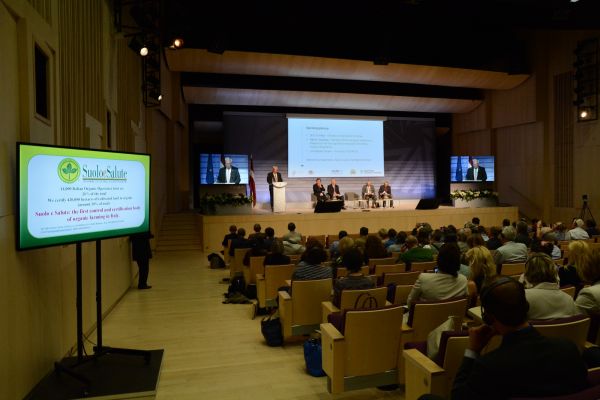
11-12 June 2015. Latvia. During the Latvian Presidency of the EU Council, the Ministry of Agriculture, in cooperation with the International Federation of Organic Agriculture Movements (IFOAM), organised the 9th European Organic Congress: Designing our Future.

There were discussions on the development of Latvia's organic agriculture with a view to the
emerging EU organic farming regulation and new opportunities for the development of organic farming after the introduction of the new Rural Development Programme. During the congress, there were visits to innovative organic farms engaged in the production of new products as well as to research institutions involved in organic agriculture innovation projects.

The organic agriculture congress brought together representatives of the European Commission, the respective Member State Ministries, EU research institutions, monitoring authorities, public organisations and lobbies interested in the development of organic agriculture.

Programme of the event
Media programme
More information on the event

Stakeholder meeting on innovation platform for aflatoxin management in Ghana

17th June, 2015. Accra,Ghana. FARA Secretariat. This meeting purposed to form a national platform for aflatoxin management and control in Ghana. This will help raise the consciousness of participants on the subject of aflatoxin contamination of crops in Ghana and brainstorm on possible mitigation strategies.

The main objectives included:
  • Discuss key issues relating to aflatoxin contamination in Ghana 
  • Develop aflatoxin mitigation strategies with potential of adoption by farmers and other stakeholders
  • Table and discuss the formation of Ghana Aflatoxin and Aflasafe Platform (GAAP) 
  • Plan aflatoxin/aflasafe awareness campaigns nationwide
  • Discuss the way forward
Keynote speakers:
  • Prof. Awuah Richard Tuyee, Kwame Nkrumah University of Science and Technology (KNUST): Situational Analysis of the Aflatoxin Problem in Ghana
  • Ms. Winta Sintayenu, PACA: Perspectives and Continental Activities on Aflatoxin
Documents:
Background:
The Partnership for Aflatoxin Control in Africa (PACA)has elaborated a 10-year Strategy (2013-2022) to guide its actions. Currently, five pilot countries (Gambia, Malawi, Senegal, Tanzania and Uganda) have been selected for three early actions areas:
  1. establish Africa Aflatoxin Information Management System (AfricaAIMS); 
  2. support country‐led aflatoxin situation analysis and action plan (C‐SAP); and 
  3. mainstream food safety and aflatoxin control through the PACA initiative in CAADP National Agriculture and Food Security Investment Plans. 
However, awareness on the deleterious effects of aflatoxin is fast rising and there is increasing demand by country stakeholders for action. Due to resource constraints and limitations in terms of operational scope, PACA may not be able to meet all the demand emanating from countries for imminent solutions to the aflatoxin problem. 

A group of Ghanaian agricultural sector stakeholders led by Farmers Organization Network of Ghana (FONG) approached FARA to assist in instigating collaborative action to help local farmers address the problem of aflatoxin.

Healthy Animals, Healthy Food, a Healthy Future

11 June 2015. Brussels.  Healthy Animals, Healthy Food, a Healthy Future conference. Responsible use of veterinary medicines and sustainable animal production play a crucial role in securing animal health and provisioning a safe, secure and sustainable food supply. That was the conclusion of the ‘Healthy Animals, Healthy Food, a Healthy Future’ conference organised by the International Federation for Animal Health - Europe (IFAH-Europe).

The event attracted an audience of over 100 European animal health and agrifood-chain stakeholders, policy makers, and other experts to Hotel Bloom in Brussels and explored Europe’s role in animal health and global food challenges as well as the role of innovation and consumer acceptance in animal production.

Animal health products are a key contributor to sustainable development and a healthier planet. Food products from sick animals cannot be sold for human consumption, so pan-European access to a wide range of veterinary medicines to keep animals healthy is essential to address global food security challenges as well as to the economic viability of farming in Europe.

Jimmy Smith, director general of the International Livestock Research Institute (ILRI), gave a keynote presentation with four key messages:
  1. Demand for animal source foods is increasing rapidly—almost all the increase is in developing countries
  2. Despite this, food and nutritional challenges remain
  3. Small producers dominate the food economy in the developing world and can respond to the demand pull and do so in environmentally sustainable and healthy ways
  4. New markets for European agriculture and agri-food industry are emerging

France-Kenya livestock research projects in Africa

9-10 June 2015. Nairobi, Kenya. A delegation from CIRAD, the French agricultural research and international cooperation organization, visited the International Livestock Research Institute (ILRI) in Nairobi.

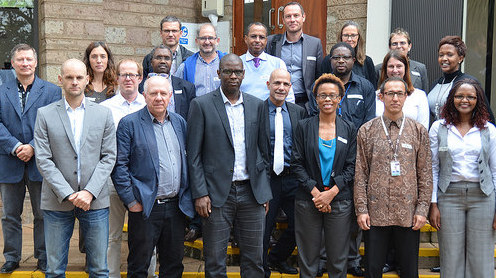
Led by Jacques Lançon, the CIRAD regional representative for East and Southern Africa, a team of eight scientists from CIRAD research units linked to livestock research in France, Kenya and Mozambique worked with a team of ILRI scientists to develop concrete ideas for collaboration between the two organizations.

CIRAD research units in animal and integrated risk management, emerging and exotic animal disease control, InterTryp (host-vector-parasite-environment interactions in neglected tropical diseases due to trypanosomatids) and Mediterranean and tropical livestock systems were represented at the meeting by Alexandre Caron, Thierry Lefrançois, François Thiaucourt, Sophie Thévenon, Alexandre Ickowicz, Denis Bastianelli and Philippe Vernier.

The meeting concluded with an open seminar by CIRAD’s Alexandre Caron, who gave a presentation on ‘Disease ecology in multi-host systems at the wildlife and domestic interface: Concepts and application’.

Tuesday, June 16, 2015

The future of sensors and geospatial analytics in international development

3 June 2015. Washington. At the ICTforAg conference, sponsored by FHI 360’s TechLab, DAI and Abt Associates, the “New tools for remote sensing and geospatial data” breakout session featured four leading thinkers on how to use sensors in ICTforAg interventions:

  • Valerie Oliphant of the Social Impact Lab presented a solar-powered Arduino-based sensor to detect air pollutants that will be installed in Sao Paolo bus stations, which sends the data it collects to a central database by SMS using FrontlineSMS. The data generated by the sensor could help the municipal government issue air quality alerts and make policy changes to improve air quality, such as requiring more energy efficient buses.
  • Greg Austic of MSU works on PhotosynQ, an open research project whose goal is to create a network of low cost, hand-held measurement devices which researchers, educators, and citizen scientists can use to build a global database of plant health. Greg demonstrated the MultispeQ leaf thickness detector and a soil tester that are some of the first products to come out of the PhotosynQ collaboration.
  • Jawoo Koo presented Mappr, a spatial visualization and analysis tool offering easy access to over four hundred layers of spatially explicit, agricultural-related data for sub-Saharan Africa. Mappr allows researchers and any other interested parties to select from its 400+ indicators, such as rural poverty density or child mortality, to create customized maps.
  • Ryan Whitley of Spatial Development presented an array of free and open source tools which support the entire process of map-making, from the simple act of gathering data, to the creation of complex, layered maps for analysis and decision-making. The tools presented include:
  • Open Data Kit (ODK) – a free and open-source set of tools which help organizations author, field, and manage mobile data collection solutions
  • Qgis – a FOSS alternative to ESRI, a popular commercial Geographic Information System software tool, that can be used to load and manipulate data before loading into mapping software
  • Open Street Map – a collaborative world map based on open data
  • MapBox – a FOSS “vector rendering framework for highly customizable and responsive client-side maps”
  • PostGIS – “a spatial database extender for PostgreSQL object-relational database”
  • Whitley is currently building his own tool, PGrestAPI, which incorporates the functionality of some of tools listed above.
Each noted that sensors are radically cheaper and more robust, while platforms for taking advantage of the power of sensors have matured. That combination makes it possible for enterprising people with great ideas to build their own sensor systems without the trouble of coding the platform from scratch.

These sensors may not be as accurate as high-end commercial sensors, but their extreme low cost (approximately $30 for Oliphant’s air quality sensor) allow many more to be deployed than would be possible when working with high-end sensing equipment. And the greater number of data points generated by an array of low-cost sensors allow them to approach the accuracy of high-end sensors via statistical sampling.

What does the future hold? Smaller. Better. Cheaper
  • Today, experimenting “makers” cobble together parts in order to create simple sensors that gather data and send it to a specified location. In the near future, users will buy complete units and, for instance, snap them into the chassis of their modular cell phone, obviating the need for a specialized sensing instrument.
  • Google’s Advanced Technology and Projects (ATAP) group, in fact, is leading Project Ara, an effort to make such a device, which would allow users to purchase components from an App store-like entity and plug them into a basic mobile phone so that users can create their own cell phones, with the features they care most about. Many of those components could be highly refined sensing devices.
  • We’re living in the age of the electronic sensor. Sensors will continue to improve, while both proprietary and FOSS software will help to make sense of all the data that the sensors generate. As FOSS platforms become more mature, however, users will not need specialized skills to use the technology. Sensors will be more accessible to people in the developing world , who will be able to lead their own sensor driven development programs.

Transition agroécologique du Maraîchage en Afrique de l’Ouest

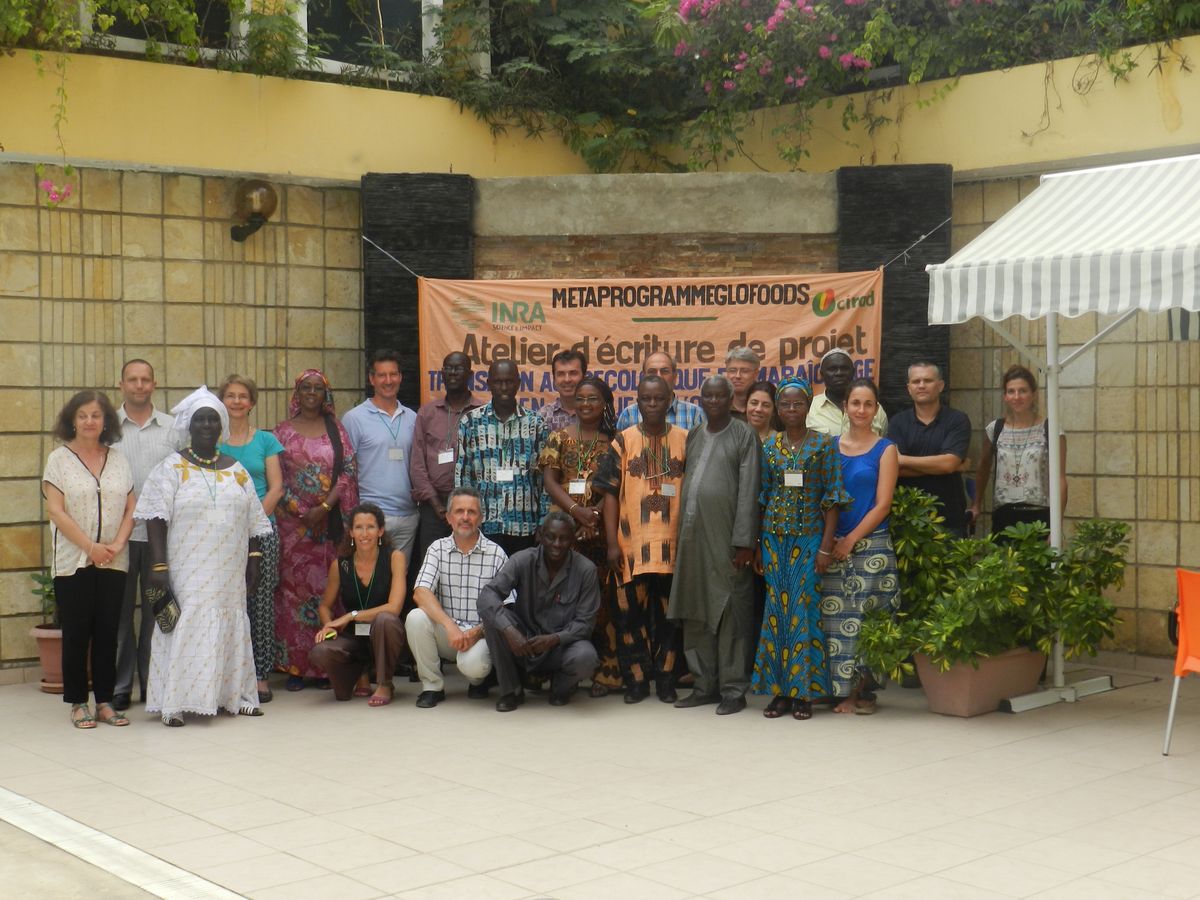
8 au 10 juin 2015. Atelier d’écriture de projet sur le thème de la «Transition agroécologique du
Maraîchage en Afrique de l’Ouest».

Cet atelier coordonné par S. Simon (UPR HortSys) et animé par M.M. Bertrand (Service Valorisation du Département Persyst) et P. Fernandès (UPR HortSys) a réuni pendant 3 jours divers partenaires de la filière maraîchère du Sénégal et du Bénin.

Ce collectif était composé de représentants d’instituts de recherche (ISRA, INRAB, INRA et Cirad), d’Universités (UCAD, UGB et UAC), d’opérateurs du Développement (Enda-Pronat, GIPD-FAO) et de groupements de producteurs (FPMN et FENAB).

La démarche adoptée a permis de définir collectivement l’objectif du projet, d’en décrire les résultats attendus et d’ébaucher la définition des activités qui seront conduites par chacun.

L’acronyme du projet, TAMA (pour Transition Agroécologique du Maraîchage en Afrique de l’ouest), correspond à un petit tambour de sonorité forte, aussi appelé « tambour parlant ».

Nutrition for Development

11 June 2015. Berlin, Germany. This Nutrition for Development event was co-hosted by BMZ, the Global Alliance for Improved Nutrition (GAIN) and CARE Germany-Luxemburg. The high-ranking representatives, included Prof. Joachim von Braun, Director of the Center of Development Research, Thomas Silberhorn, Parliamentary State Secretary at BMZ and Dr. Wolfgang Jamann, Secretary General of CARE International were present.

The first Global Nutrition Report on “Nutrition for Development: Evidence – Policies – Partnerships”, International Food Policy Research Institute (IFPRI) a presents a clear picture of the entire spectrum of global malnutrition, the cost benefit ratios of scaling up nutrition interventions and the importance to integrate nutrition goals in the new Sustainable Development Framework. The Report identifies the enormous data gap, when it comes to global malnutrition prevalence and insists on better empirical knowledge and accountability for nutrition.
  • Mathias Mogge, Executive Director Programmes at Deutsche Welthungerhilfe e.V. sees the need for better policy coherence, the growing demand to clarify the role of different actors and an engagement with Private sector. Welthungerhilfe e.V. therefore suggests a better coordination and cooperation across sectors, awareness raising and capacity building and an improved cooperation with research institutes. 
  • Since 2010, the Scaling Up Nutrition (SUN) Movement has brought all stakeholders together under one roof to support developing governments’ own efforts to address undernutrition. The Interim Coordinator of SUN Tom Arnold started the Panel Discussion to explore current approaches towards nutrition. Fifty-five countries have now joined the SUN Movement and the number increases, but “some networks are still not as strong as others”, said Tom Arnold. 
  • “How can we engage small enterprises to produce more nutritious food for a wider population and what are the incentives for nutrition investment?”. These are questions raised by the Executive Director of GAIN, Marc Van Ameringen during the discussion. 

Monday, June 8, 2015

Boosting smallholder farming in Uganda through agri-tools and technology

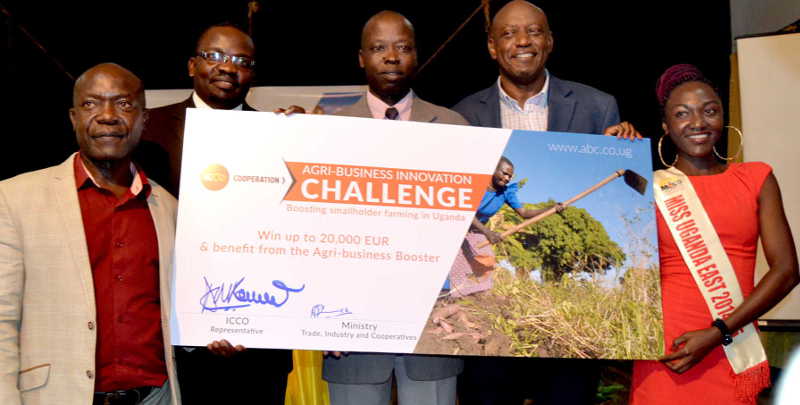
29 May  2015. ICCO Cooperation, an international Dutch development organization launched its Agri-Business Innovation Challenge in both Kampala and The Hague, Netherlands, to kick-start and boost the businesses of innovative agri-entrepreneurs in Uganda. There will be cash prizes up to 20,000 euros for the three most promising businesses to roll out their business models, and a chance to qualify for investment by the ICCO Investment Fund.

Froukje Zwaga, Regional Manager of ICCO states:
“It’s important that these entrepreneurs come up with business models that reflect an understanding of the local context. Our aim is to find agri-businesses that can substantially improve the profitability of smallholder farmers.”
The business models need to make use of technically validated tools or technologies, be in their first 3 years of existence and put the social purpose of the business at the same level as profit g ains. The concepts need to be quickly scalable or replicable and environmentally sustainable.

Up to 10 enterprises will be supported to develop their business concepts further with experts and mentors, and the top 3 most promising businesses among them will win cash prizes of between 5,000 and 20,000 EURO and receive business incubation support through the ICCO Agri-business Booster for a period of up to 6 months. Eventually, they could qualify for investment by the ICCO Investment Fund.

Throughout its 50 years of existence, ICCO has come to believe that real change requires joint effort
involving governments, civil society and the private sector. ICCO’s main focus for the future is on “Economic growth with responsibility”. This challenge also aims to enhance competitiveness in Uganda’s Agribusiness sector which is in line with The Uganda National Development Plan 2010/11 to 2014/15 which aims to address structural bottlenecks in the economy to accelerate socio economic transformation and bring a large population of Ugandans out of poverty.

The Challenge, graced by Miss Uganda Leah Kalanguka, and officially launched by the Honorable Minister for Trade, Industry and Cooperatives, was launched at Kati Kati, Lugoogo in Kampala and will run until September 2015.

For more information please contact:
Communications Officer ICCO Central and Eastern Africa
Consodyne Buzabo
E consodyne.buzabo@icco-cooperation.org
T +256 (0) 787 697771

Project Manager, Uganda
Enoth Mbeine
T +256 (0)414 532393 ugandachallenge@icco-cooperation.org
Project Manager, The Netherlands
Erik ten Berge

Related:
Published on 26 May 2015
Fifty years ago ICCO started as Dutch non-governmental organization with efforts to eradicate poverty and injustice worldwide. Nowadays ICCO has become an international organization with regional offices worldwide.


Related:
The small Agribusiness Development Fund of the EC delegation in Kampala.
this fund is a joint initiative of the European Commission and the Government of Uganda to contribute to the development of Uganda's agriculture and to the improvement of rural livelihoods, incomes and food security. The project purpose is to support the development of Small and Medium Enterprises (SME) engaged in agribusiness by improving their access to Business Development Services and to long-term finance.

It foresees two main components:
  • Establishment of a Small and Medium Agribusiness Development Fund (SMADF), to invest, with equity and other medium term financing tools, in small and medium agribusinesses based in Uganda having viable investment plans:. The expected total amount of the SMADF is USD 30 million, with a duration of each investment between 3-8 years
  • A matching grant facility, entirely funded by the EU/GoU project, to support the development of capacity of targeted agribusinesses or businesses upstream/downstream the value chain, by co-funding consultancies for the provision of Business Development Services (BDS)
Implementation:
  • Contacts with prospective investors, on the other hand, will start already during the first half of 2015, with confirmation of commitments in the second half of 2015
  • Investees should expect to preliminarily submit their investment plans/ideas to the Fund Manager tentatively in the second half of 2015, and receive first funding in 2016.
Related:
European Commission (EC) -- Agribusiness and Smallholder Agriculture in Malawi
With support by the European Development Fund, the EC announces grants under the Farm Income Diversification Programme Phase II (FIDP II) - Agribusiness. The goals of the program are to strengthen and diversify smallholder agriculture; develop viable opportunities for agribusiness and agricultural processing; strengthen farmers groups; and enhance group social dynamics. Grants will range from €2.5 million to €4.0 million, varying by regions and cost shares. Eligibility for funding extends to legally registered organizations in EU and ACP countries (including Malawi), as well as to international organizations. Applicants must have an operational presence in Malawi or in Eastern or Southern Africa. Reference EuropeAid/137204/ID/ACT/MW. The deadline for concept notes is 27 July 2015. Link

European Commission (EC) -- Nutrition and Agriculture in Malawi
With support by the European Development Fund, the EC announces grants under the Farm Income Diversification Programme Phase II (FIDP II) - Scaling Up Nutrition (SUN). The goal of the program is to aid governments and civil society to better understand and manage nutritional issues related to agriculture, i.e., taking the six food groups and providing training on how these six food groups translate into cultivated crops and livestock. Eligibility for funding extends to legally registered organizations in the EU and its candidate countries; the European Economic Area; ACP countries (including Malawi); least-developed countries; and qualified international organizations. Grants will range from €1.5 million to €2.0 million, varying by regions and cost shares. Reference EuropeAid/137113/ID/ACT/MW. The deadline for concept notes is 20 July 2015. Link

Related:
U.S. Agency for International Development (USAID) -- Strengthening Agricultural Producer Organizations in Uganda. USAID-Kampala will make grants to strengthen the governance, management and service delivery capacity of agricultural producer organizations in Uganda. The focus should be producer organizations for coffee, maize, and beans. Eligibility to apply for funding is unrestricted. Funding Opportunity RFA-617-15-00007. The closing date for applications is 10 July 2015. Link

Creating the African Landscapes Action Plan

Published on 28 May 2015. The African Landscapes Action Plan, an ambitious yet practical agenda for advancing sustainable land and water management on the continent, has been endorsed by the NEPAD Agency and TerrAfrica. It has already inspired new projects and programs, and work continues to be organized, by national governments, regional bodies, bilateral and multilateral development partners, and international NGOs, under its compelling logic and theory of change.

A gathering in Nairobi, organized by the Landscapes for People, Food and Nature Initiative with the support of the Dutch Ministry of Economic Affairs, convened nearly 200 African experts, from policy, business, development, research and conservation. Through working sessions these experts focused in on the critical priorities for advancing integrated landscape management.

The plan is a major outcome of the Landscapes for People, Food and Nature in Africa Conference which was hosted by the World Agroforestry Centre in Nairobi, Kenya in 1-3 July 2014.

Related PAEPARD blog post:
September 27, 2014 The African Landscapes Action Plan

Friday, June 5, 2015

Innovation in mechanisation of maize shelling

5 June 2015. Prolinnova-Nigeria recently published in the Journal of of Agricultural Extension and Rural Development, on the role of local innovation in the mechanization of maize shelling.
This study assessed the benefits of a mechanical maize sheller made by a local artisan Sule Magaji, based on data from 90 farmers selected randomly and equally from Igabi, Chikun and Kajuru Local Government Areas of Kaduna State, Nigeria.

  • Results of the study showed that 76.7% of the respondents adopted the maize sheller made by the local artisan as compared to 23.3% still engaged in hand-shelling of maize. 
  • Regarding performance of the maize sheller, 93.3% of the respondents indicated that they were very satisfied, while 3.3% stated that they were satisfied. 
  • Farmers agreed that the maize sheller was beneficial to them in ‘terms of time saving, ease of operation, availability of the sheller in the community, local arrangement for maintenance, reduction in wastage of grains, creation of employment for youth and access to the equipment by female farmers. 
  • However, most of them felt it was not affordable. 

The results of the study have shown that it is possible for local artisans, and farmers to play a significant role in the process of developing innovations that will enhance agricultural productions. Hence, convergence of ideas and expertise from both formal and non-formal institutions in a multistakeholder framework is likely to be more beneficial to farmers.

Related:

The Innovation platform of productive chickens for Africa’s smallholders

18–19 May 2015 in Addis Ababa, Ethiopia. The African Chicken Genetic Gains project’s first management team meeting.

This is a new four-year African Chicken Genetic Gains (ACGG) project funded by the Bill and Melinda Gates Foundation.
  • The project involves several institutions and will run from 2015 to 2019. It will work to genetically improve Africa’s chickens and to better deliver the superior chickens to small-scale farmers. It has four main aims: reduce poverty, raise productivity, increase consumption of animal protein in poor households and empower rural women. 
  • Beyond the project’s three target countries—Ethiopia, Nigeria and Tanzania—the germplasm, data and knowledge generated should also benefit millions of poor households in other countries where backyard chicken production remains a mainstay of rural and peri-urban livelihoods.
The African Chicken Genetic Gains project plans to leverage existing research and innovative approaches to develop and supply improved chicken genetics for the poultry value chains of the three target countries. The project will emphasize:
  1. High-producing birds well-adapted to low-input production systems
  2. Farmer preferred breeds
  3. Innovation platforms to help develop and spread solutions across value chains
  4. Public-private partnerships to advance the breeding, multiplication and delivery work
  5. Targetting poor women
The project will work to achieve all of the following:
  • Data-driven and culturally relevant understanding of the types of chickens poor farmers, especially women, prefer
  • A productive multi-country network of public-private partnerships for long-term chicken genetic improvement that employs modern tools to drive accelerated genetic gains and to deliver more productive, farmer-preferred breeds
  • Smallholders access to their preferred local breeds that have been pre-vaccinated and genetically enhanced so as to be at least 200% more productive
  • Evidence that adoption of the improved chicken genotypes indeed leads to significantly increased production, productivity, income, and household consumption of animal-source foods among smallholders
  • Evidence of increased empowerment of women smallholder farmers in chicken value chains

What African smallholders want from research

4 June 2015. Most of the food produced in Africa is supplied by small-scale farmers, many of whom are struggling. New knowledge could help to boost these micro-operations and their contribution to food security, but smallholders are rarely consulted when research agendas are set. An EU-funded project focused on stimulating the necessary dialogue.

The aim of the INSARD project was to get smallholders, scientists and policymakers to talk to each other. “A lot of the agricultural research and development being done is coming up with solutions that aren’t very well suited to smallholder farmers,” says Ann Waters-Bayer of ETC, the Dutch non-governmental organisation (NGO) that led the project consortium.

INSARD involved a number of African farmer organisations and NGOs as well as partners in the EU. It encouraged smallholder farmers and researchers in Senegal, Tanzania and Zambia to explore research needs, capacities and opportunities together. Farmers in all three countries seized this opportunity to identify research activities addressing their priority topics.

The prevailing disconnect between agricultural research and smallholder farming means that the scientists and farmers involved aren’t necessarily aware of their complementary skills and expertise, says Waters-Bayer. INSARD, which ended in December 2013, helped these groups become more aware of the ways in which they can help each other, she reports.

The “research outlines” (43 pages) that the participating farmers and scientists jointly developed in Senegal, Tanzania and Zambia reflect this willingness to engage with each other. They focus on challenges specific to the individual countries and highlight aspects that could be addressed through research. Priority topics notably include optimising local seed systems, improving low-input methods to boost soil fertility and shedding new light on various issues regarding land tenure.
  • Identification, evaluation and characterization of local/indigenous maize seeds in the Southern Highlands of Tanzania
  • Soil fertility improvement through processed animal manure application in Zambia
  • Involving small scale farmers in marketing models that can effectively guarantee improved incomes for their produce in Zambia
  • Securing family farms in the context of increasing private investments (agriculture, mining, tourism and real estate) in Senegal
  • Land, pastoralism and pastoral mobility in Senegal: securing pastoral areas and resources.
  • Land Governance in Senegal: promoting a participatory approach, building local sustainable alternative land tenure security of family farms and vulnerable groups
Implementing these research outlines was, however, not part of the project’s remit. The INSARD partners have submitted proposals for new projects building on these outlines to a number of national and international institutions funding this type of research.

2015 Grow Africa Investment Forum Event

2 - 4 June 2015. Cape Town, South Africa. Grow Africa partners convened for the annual Grow Africa Investment Forum from to feed into the 2015 World Economic Forum on Africa. 

The Grow Africa Partnership comprises over 200 companies and governments in 12 countries. These companies have made formal commitments with the government in the respective country to invest in agriculture. Ten of these countries are part of the New Alliance for Food Security and Nutrition, a partnership in which stakeholders – public and private sectors, and donors - commit to specific policy reforms and investments, outlined in Cooperation Frameworks that accelerate implementation of African country food security strategies.
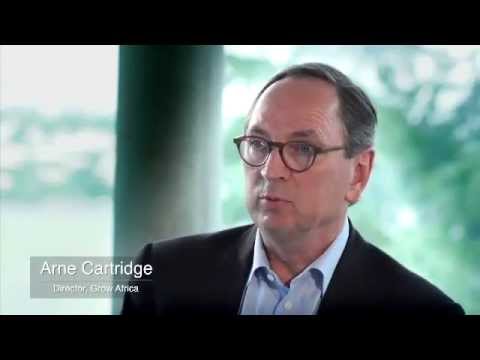
“Both the public and private sectors have made strides in identifying effective models of engaging that encourage investment. African governments are developing skills, capacity and organizational structures to develop investment plans with the private sector in support of the national agricultural agenda. Public and private sector organizations have worked with donors to generate considerable innovation in financial and risk mitigation instruments. Yet progress is too incremental to enable real transformation. Much of this innovation is not reaching Africa’s small to medium-sized agribusinesses and smallholder farmers, without whom the long-term economic growth of the sector is not tenable” Arne Cartridge, Chief Executive Officer of Grow Africa
As part of the annual stock-taking of progress against investment commitments, 81 companies in 12 countries from the Grow Africa Partnership rated the importance and effectiveness of 14 aspects of the enabling environment. The results point to an urgent need for strengthening cross-sector collaboration, infrastructure and access to finance to ensure the conversion of investment potential to investment on the ground.
  • Only 31% of respondents feel that their country’s enabling environment is conducive to their investment and 58% said it is “very important” that the enabling environment improves for them to successfully implement their investment commitment.
  • Dissatisfaction with the quality of physical infrastructure was higher than for any other aspect of the enabling environment, with 54% of respondents saying their needs are not being met.
  • The most urgent call for improvement is in access to finance. Only 25% of the companies surveyed said they could access appropriate finance for their investment, and more respondents (69%) cited the urgent need for improvement in this area over any other aspect of the enabling environment. This is also the area in which least improvement was reported. Only 14% of respondents said access to finance has improved over the last 12 months.
  • Only 36% of companies feel their investment is supported by effective national policies for trade, agriculture and investment, with only 16% of respondents reporting an improvement in the situation over 2013.
The survey revealed an urgent need for cross-sector collaboration. Sixty-six per cent of respondents called for improvements in this area. Yet private-sector companies also reported the most progress in areas of the enabling environment that call for multistakeholder partnerships:
  • Forty-six per cent reported an improvement in the extent to which their investment is able to benefit from their country’s priority initiatives to strengthen the agricultural sector
  • Forty-six per cent percent reported improvements in their ability to operate within a well-structured and stable value chain
  • Forty-one per cent percent reported improvement in their ability to find the commercial partners they need to advance their investment
  • Forty per cent reported improvement in access to skilled labour

Related:

New $15 Million Lending Facility to Finance African Agricultural Enterprises - KfW, AgDevCo and Root Capital Partner to Deliver Much-Needed Capital

CAPE TOWN (June 3, 2015) — KfW, the German Development Bank on behalf of the German Ministry of Economic Cooperation and Development (BMZ), along with AgDevCo and Root Capital, today announced the launch of the Lending for African Farming Company (LAFCo). The company will finance agricultural enterprises throughout sub-Saharan Africa to enhance local food security and stimulate inclusive economic growth in the region.

Announced at the 2015 Grow Africa Investment Forum during the World Economic Forum on Africa, LAFCo aims to increase smallholder farmer productivity and incomes through better integration in local and regional agricultural value chains, and improved access to formal markets. With an anchor commitment from KfW, using funds from the German government, and additional investment by AgDevCo, which initiated the project with the support of UKAid, LAFCo will accommodate the working capital needs of agricultural enterprises. It will be managed by Root Capital and will provide lines of credit and other flexible debt products in amounts of up to $4 million, denominated in both U.S. dollars and local currencies.

Countries: Ethiopia ; Ghana ; Kenya ; Malawi ; Mozambique ; Nigeria ; Rwanda ; Tanzania ; Burkina Faso ; Cote dIvoire ; Benin ; Senegal

European Development Days

3 - 4 June 2015. Launched in 2006 by the Council of the European Union, European Development Days, fosters knowledge sharing, creative thinking and real innovation by facilitating meetings, networking and brainstorming for key players in development. The event represents an unparalleled opportunity to share ideas, benchmark best practices and learn from latest innovations that improve the impact and effectiveness of international aid.

This year the agenda, included over 130 sessions on 12 topics with a variety of debates, brainstormings and project or report presentations which are in line with the EYD motto: 'our world, our dignity, our future'.

Extract of the programme:

Small-scale farming and sustainable food systems

Moderator: Seb Dance, Member of the European Parliament (SandD)
Seb Dance, Parliament
Speakers:
  • Dr Shenggen Fan, Director General, International Food Policy Research Institute
  • Jima Gobena, Project coordinator, Vicariate of Meki, Ethiopia
  • Jean-Pierre Halkin, Head of Unit for Rural Development, Food Security, Nutrition, Directorate-General for Development and Cooperation – EuropeAid
  • Adriana Opromolla, International Advocacy Officer, Caritas Internationalis
  • Abdelghani Sourji, Senior Consultant, Agriculture and Rural Development, Caritas
Key points:
  • Small-scale farming should be protected and supported and considered as a key model for improving food security in the developing world.
  • Local communities must be given training and support so they learn how to manage themselves.
  • The cooperative system has to be strengthened to organise, teach and support the local farming community.
  • Women must have equal access to and control over resources underpinning food production.
  • Agriculture must change to a nutrition-based system, with fewer inputs.
  • In response to a question from PAEPARD on the IFPRI efforts to combat aflatoxin,  Dr Shenggen Fan estimated that the number of deaths due to agricultural generated diseases is 2 million persons every year. 
Moderator: Bernard Rey, Deputy Head of Unit, Rural Development, Food Security, Nutrition, Directorate-General for International Cooperation and Development, European Commission

Speakers:
  • Chris Addison, Senior Coordinator on Knowledge Management, Technical Centre for Agriculture and Rural Development (CTA)
  • Barthélemy Boika Mahambi Yela, Natural Resources Network (RRN)
  • Luc Christiaensen, Senior Economist, Office of the Chief Economist, Africa Region, The World Bank Group - Moderator
  • Michael Hailu, Director, Technical Centre for Agricultural and Rural Cooperation (CTA)
  • Fleur Wouterse, Regional Farmers Organisations Project
Key points:
  • African agriculture is changing rapidly and this tests the relevance and accuracy of data collection. Rising investments and policy interest in Africa’s agriculture demands an up-to-date picture of the reality on the ground.
  • The possibilities are immense. But regular checking and fine-tuning facts is critical to ensure that renewed investments and policies supporting Africa’s agriculture and food security are well directed.
  • Big data – information from different sources ranging from high-tech connected devices to sensors and GPS to community-based knowledge gathering and management tools – offers enormous potential for developing innovative products and services.
  • Using big data and blending it with community-generated information is the key. New insights gleaned from collating such data should complement official statistics, survey data and information generated by early warning systems.

Joining forces to make undernutrition history

Moderator: David Nabarro United Nations Secretary-General's Special Envoy on Ebola and Special Representative for Food Security and Nutrition

Speakers:
  • Melinda Gates, Founder and Co-Chair, Bill and Melinda Gates Foundation
  • Neven Mimica, EU Commissioner for International Cooperation and Development
  • Thomas Silberhorn, Parliamentary State Secretary to the Federal Minister for Economic Cooperation and Development, Germany
  • Zouera Youssoufou, Chief Executive Officer, Dangote Foundation


Key Points:
  • With top billing at European Development Days, nutrition is finally getting the attention it deserves.
  • Malnutrition, in addition to the personal tragedies it engenders, weakens the entire society, as people are unable to live up to their potential.
  • The EU as well as many individual countries and many leading donors are backing up their rhetoric with hard cash.
  • Women’s empowerment must be a leading component of the drive.
  • Linkages need to be made among agriculture, health, sanitation and other areas to tackle malnutrition.

Value chains for value gains: Multi-stakeholder partnerships to boost agricultural growth

Moderator: Isolina Boto, Manager, CTA
Speakers:
  • Viwanou Gnassounou, Assistant Secretary General - ACP Secretariat
  • Jean-Pierre Halkin, Head of Unit for Rural Development, Food Security, Nutrition, Directorate-General for Development and Cooperation – EuropeAid
  • Apollo Owuor, Director for Agriculture and Corporate Affairs, Europe-Africa-Caribbean-Pacific Liaison Committee
Key points:
  • The Small Farmers Big Business (SFBB) partnership’s common vision is that sustainable development must go hand in hand with the engagement of the private sector, especially when it comes to achieving food and nutrition security in African Carribean and Pacific (ACP) countries.
  • SFBB was founded in 2012 by the Deutsche Gesellschaft für Internationale Zusammenarbeit GmbH, COLE-ACP (Europe-Africa-Caribbean-Pacific Liaison Committee), the SNV Netherlands Development Organization, and the United Nations Industrial Development Organization. SFBB and the Technical Centre for Agriculture and Rural Development are working together to reach this goal.

Smallholder farmers powering global development

Moderator: Janny Vos, CABI Strategic Partnerships Director
Speakers:
  • Martin Busobozi, Agricultural Officer and Plant Doctor, Rwandan Agricultural Board
  • Jean-Pierre Halkin, Head of Unit for Rural Development, Food Security, Nutrition, Directorate-General for Development and Cooperation – EuropeAid
  • Paulus Verschuren, Founder of WorldFed; Formerly Special Envoy for Food and Nutrition Security for the Dutch government
Key points:
This session debated the missing links to sustainable agricultural knowledge and explored how programmes, such as the CABI-led Plantwise initiative, are empowering countries to build networks of smallholder support in policy and practice. These networks are putting knowledge into the hands of farmers to improve their food security.

Food security, resilience and structural change in West Africa

Moderator: Jean-Pierre Elong-Mbassi, Secretary General, United Cities and Local Governments of Africa (UCLGA)

Speakers:
  • Thomas Allen, Economist, Organisation for Economic Cooperation and Development (OECD)
  • Issa Martin Bikienga, Coordinator, AGIR Technical Unit, Sahel and West Africa Club,
    Organisation for Economic Cooperation and Development (OECD)
  • Philipp Heinrigs, Senior Economist, SWAC/OECD
  • Maryam Soumaré, Principal Programme Officer, Food Security Analyst, NEPAD Agency (excused)
  • Philippe Thomas, Head of Sector, Food Crisis, DG DEVCO
  • Alain Sy Traoré, Director of Agriculture and Rural Development, ECOWAS Commission  (excused)
Key points:
Organised by the Sahel and West Africa Club (SWAC/OECD), this session engaged the audience in an interactive presentation and give a voice to African institutions working on food security and resilience, in particular within the framework of the Global Alliance for Resilience (AGIR) - Sahel and West Africa. At this occassion, SWAC presented the 2010 update of Africapolis, an harmonised and comprehensive dataset on urbanisation in West Africa.

Addressing food security: The power of collaboration

Speakers:
  • Taryn Barclay, Corporate Responsibility Manager, Cargill
  • Priyanka Gouthaman, Senior Corporate Partnerships Executive at CARE
  • Adolfo Pacheco, Project Manager at CARE Honduras
Key points:
This session focused on how NGO-private partnerships can help find sustainable solutions to alleviate hunger and ensure safe, nutritious and affordable food for all. The session will explain how CARE and Cargill teamed together in 2008 in their quest to fight global poverty, which is the primary cause of food insecurity.

Land tenure in Africa: Lessons learnt and the road ahead

Moderator: Gavin Adlington, Former Global Lead for Land and Geospatial, The World Bank Group
Speakers:
  • Felicity Buckle, Land and Gender Specialist, DAI
  • Clive English, Land tenure and resettlement expert
  • John Leckie, Systematic Registration Advisor on the DFID-funded Land Investment for Transformation (LIFT) programme in Ethiopia
Key points:
Development actors are intensifying their support for land-related programmes around the world and the international community has increased efforts to promote responsible behaviour with regard to land tenure.

Mobile agriculture for development: Enhancing agricultural productivity and farmers welfare through ICT

Moderator: Catherine Flouvat, Head of CSR AMEA, Orange, France
Speakers:
  • Amadou Brah Adamou, Project Manager, mAgri, Orange
  • Jean-Pierre Halkin, Head of Unit for Rural Development, Food Security, Nutrition, Directorate-General for Development and Cooperation – EuropeAid
  • François Laureys, Country programme manager for Mali and Burkina Faso, mFarm project manager, International Institute for Communication and Development (IICD)
  • Ken Gemma Brice Lohento, Programme Coordinator, ICT for Agriculture, Centre Technique de Coopération Agricole et Rurale (CTA)
  • Tegan Palmer, mAgri Business Intelligence Manager
Key points:
  • Focusing on Africa, speakers draw on concrete examples of services for farmers developed through multisector partnerships. Two main challenges weree debated with the audience: how to adapt solutions to local farmers’ needs and how to make them sustainable.
  • It’s been more than three years since the GSMA mAgri Programme launched the mFarmer Initiative in 2011 with the ambition to support the development and launch of Agri Value Added Services (VAS) at scale.

Growing agriculture, growing jobs: The private sector on the spot


Moderator: Veronica Rubio, Senior Strategic Issues Manager, Business Social Compliance Initiative

(BSCI)

Speakers:

  • Céline Charveriat, Director of Advocacy and Campaigns, Oxfam International
  • Patrick I. Gomes, Secretary General of the African, Caribbean and Pacific group of States (ACP Group of States)
  • Roberto Ridolfi, Director for Sustainable Growth and Development, Directorate-General for International Cooperation and Development, European Commission
  • Victor Rodriguez, Future Leader
  • Akin Sawyerr, Executive Secretary, Agricultural Fresh Produce Growers and Exporters Association of Nigeria (AFGEAN)
  • Bert Sercu, Chief Sustainability Officer and Director, Durabilis
  • Thomas Silberhorn, Parliamentary State Secretary to the Federal Minister for Economic Cooperation and Development, Germany
Key points:
  • Numberous challenges standing in the way of creating decent jobs in agriculture.
  • Triangular cooperation gives developing countries the chance to access another country’s expertise.
  • Through ‘conscious capitalism’, businesses can be vehicles for societal improvement.
  • Job prospects for the young generation should include processing of agricultural goods, thereby adding value.


Feeding the planet together session

Speakers
  • Patrick Caron, Director General for Research and Strategy, Agricultural Research for Development (CIRAD)
  • John Alistair Clarke, Director for International Affairs, Directorate-General for Agriculture and
    Rural Development, European Commission
  • Nouhon Coulibaly, Director, Ministry of Agriculture, Ivory Coast
  • Phil Hogan, EU Commissioner for Agriculture and Rural Development
  • Dr Agnes Kalibata, President, The Alliance for a Green Revolution in Africa (AGRA
  • Catherine Mloza Banda, Future Leader
  • Barbara Noseworthy
Key points:
  • The private sector has an important role to play in boosting the world’s food supply.
  • Climate-smart interventions will be needed to meet the challenge of assuring food security while not damaging the environment; such interventions must take account of local needs.
  • Information and technological innovation and, to a lesser degree, mechanisation can play a part in boosting food production.
  • The EU is promoting food security through its development and trade policies and through its Common Agricultural Policy (CAP).


World Economic Forum on Africa 2015

3-5 June 2015. Cape Town, South Africa. Under the theme, Then and Now: Reimagining Africa’s Future, the 25th World Economic Forum on Africa will convene regional and global leaders from business, government and civil society to take stock of progress over the last 25 years, share insights on the present landscape and identify innovative approaches to accelerate inclusive growth while bringing about sustainable development in the future.


Meeting the Food Challenge 
Africa possesses 60% of the world's arable land and 70% of its population relies on agriculture for its livelihood, yet the continent is a net importer of food. What are the challenges and opportunities as Africa accelerates agricultural production? Dimensions to be addressed: 
  • Strengthening land-use reforms 
  • Connecting stakeholders across the value chain 
  • Liberalizing regional markets 
This session was developed in partnership with Le Monde.


Launching the Blue Economy 
Africa's bodies of water, comprising its blue economy, are three times the size of its land mass. What actions are needed to drive the sustainable management of the oceans, seas and lakes? Dimensions to be addressed: 
  • Unlocking growth and employment opportunities 
  • Managing maritime trade and security - Ensuring environmental sustainability and integrity
The Future of Water
Over 358 million people in Africa live without access to water, and climate change is exacerbating the crisis. How can Africa' s leaders mitigate this risk? Dimensions to be addressed: 
  • Protecting watersheds and aquifers 
  • Abating water-related conflicts 
  • Promoting efficient use of water technologies
Data Revolution 
How will Africa's countries bridge data gaps to achieve the sustainable development goals?
  • Facilitating public-private cooperation for open data 
  • Increasing real-time access to accurate data - Strengthening national and regional statistical systems

The report by Kofi Annan’s Africa Progress Panel demands that we rethink the relationship between energy, climate and development, as the window of opportunity for avoiding climate catastrophe is closing fast. Actions taken by African leaders are essential, and so are actions by the world.
Africa Progress Report 2015, Power People Planet: Seizing Africa’s Energy and Climate Opportunities. 
Demand for modern energy is set to surge, fuelled by economic growth, demographic change and urbanisation. As the costs of low-carbon energy fall, Africa could leapfrog into a new era of power generation. Utility reform, new technologies and new business models could be as transformative in energy as the mobile phone has been in telecommunications.

Renewable energy is at the forefront of the changes sweeping Africa, which is registering some of the most remarkable advances in solar, geothermal and wind power. With world leaders due to meet in Paris in December to settle on a new global climate change deal, Africa has a chance to show the way to a low-carbon future – while putting in place the policies needed to reduce its vulnerability to the effects of climate change.

A “triple win” is within the region’s grasp, as renewable technologies create opportunities to increase agricultural productivity, improve resilience to climate change, and contribute to long-term reductions in dangerous carbon emissions.

The Africa Progress Report 2015 explains the bold steps that leaders globally and in Africa must take to achieve this vision. Above all, the report shows that the global climate moment is also Africa’s moment – Africa’s moment to lead the world.
The Africa Competitiveness Report 2015 The Africa Competitiveness Report was first published in 1998 and has, since 2007, been a biennial project highlighting areas that require policy action and investment to ensure Africa’s sustained growth. As the result of a longstanding collaboration, the report incorporates the knowledge and expertise of the African Development Bank, the Organisation for Economic Co-operation and Development (OECD), the World Bank Group and the World Economic Forum, presenting a joint vision that can inform policies and help Africa transform its economies. Chapter 2.1 Transforming Africa’s Agriculture to Improve Competitiveness

Expo Milan 2015: Healthy diet, healthy environment within a fruitful economy


3 - 5 June 2015. Milan, Italy. As partner of France Pavilion at the Universal Exhibition 2015 in Milan, Aprifel organized its 7th edition of Egea conference. EGEA conferences aim to translate science into action on public health issues related to fruit and vegetable consumption.

The EGEA initiative has been recognized by the World Health Organization, in 2008 for the promotion of the consumption of F&V. At the crossroads of research, market and public policy, EGEA mobilizes decision-makers across frontiers and sectors to promote a diet rich in fruit and vegetables, healthy for individuals and for their environment.

Prominent speakers (from diverse backgrounds) explored integrated options to increase fruit and vegetables consumption, taking into account the latest developments in the fields of Nutrition, Health, Marketing, Sociology, Environment, Economics and Legislation.

Download the Programme
Extract of the programme:

SESSION 5 - Co-organized with DG-JRC Food safety and nutrition towards 2050 - opportunities and challenges

Chair: AK. Bock - DG JRC
  • EC EU Food production and consumption in 2050. Alternative scenarios S. Caldeira, F. Ulberth - DG JRC 
  • EC Scenario implications: different perspectives H. Daniel - DE, HCJ. Godfray - UK Our future food 
  • Panel discussion Moderator: E. Anklam - DG JRC - EC Participants: H. Daniel - DE, D. Jacobs - BE, P. Roux - DG SANTE - EC, P. Verhelst - BE

From EXPO 2015 and Beyond: Agriculture to Feed the Planet


3-4 June 2015.  Milan, Italy. Over 50 ministers of agriculture and 370 delegates from 115 countries and international organisations participated in the International Forum on Agriculture at the Expo.

The event was titled "From EXPO 2015 and Beyond: Agriculture to Feed the Planet," and had various speakers, including: 
  • the Director-General of the Food and Agriculture Organization (FAO), Jose' Graziano da Silva; 
  • the European Commissioner for Agriculture, Phil Hogan; 
  • and former Brazilian president and President of the Lula Institute, Luiz Inacio Lula da Silva.
This event at the Expo is preceding the FAO assembly, the G7 and G20 summits, and in the next Millenium Goals to be defined by the UN in September. The Charter of Milan, which documents and preserves the spirit and achievements of the Expo, was presented during the Forum.

Related:
The European Commission has launched on 13 April 2015 an online consultation on how science and innovation can help the EU ensuring safe, nutritious, sufficient and sustainable food globally.

The discussion is linked to the theme of this year's Universal Exhibition (Expo Milano 2015) "Feeding the Planet, Energy for Life", which aims to go beyond cultural activities and open a real political debate on global food security and sustainability.

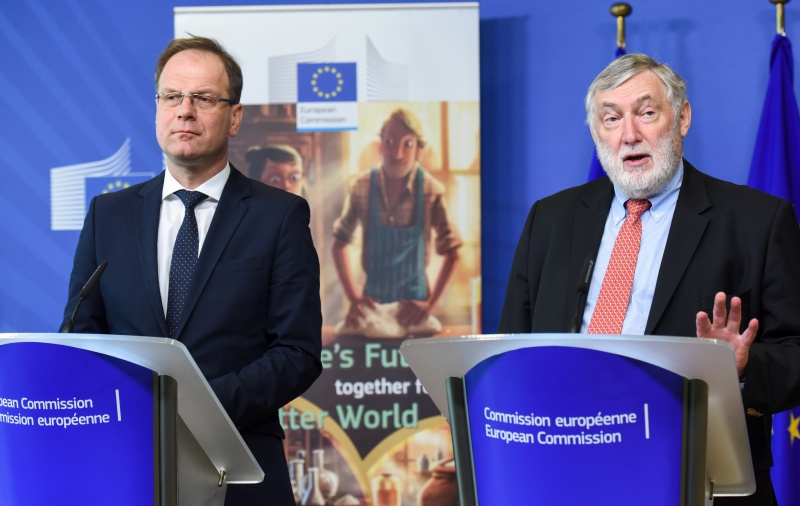
The paper was presented by Tibor Navracsics (left), Commissioner for Education, Culture, Youth and Sport, and responsible for the Joint Research Centre, together with Franz Fischler (right), Chairman of the Expo 2015 EU Scientific Steering Committee.

The consultation will underpin the debate on a future research agenda to help tackle global food and nutrition security challenges. It will focus on the areas where the EU's research efforts can have the strongest impact, such as how to improve public health through nutrition, increase food safety and quality, reduce food loss and waste, make rural development more sustainable, increase agricultural yields through sustainable intensification, as well as how to better understand food markets and increase access to food for people around the world.

The consultation is available online for input by all interested stakeholders until 1 September. The results of the consultation will be published on 15 October, ahead of World Food Day, and will contribute to shape the EU's legacy for Expo 2015. They will complement the scientific programme taking place at the EU's Expo Pavillion, which will bring together experts and decision makers from around the world.