Platform for African – European Partnership in Agricultural Research for Development

Wednesday, February 28, 2024

Toolkit for Inclusive AgriTech Digital Solution Design

USAID (2024) Toolkit for Inclusive AgriTech Digital Solution Design #107 p.

  • This toolkit provides guidance to USAID staff and implementing partners on how to design inclusive digital technology interventions in Feed the Future activities. It emphasizes support for marginalized groups, intersectionality, and robust local engagement. By prioritizing these factors, the toolkit guides users in fostering positive outcomes in alignment with USAID’s locally led development vision.
Where, and how digital technologies that are deployed in Feed the Future (FTF) activities are designed, developed, and tested – and by whom – significantly impacts how relevant, accessible, usable, and valuable they might be for participants, from agricultural producers to input suppliers. If the people they are designed for do not have a stake in how they are developed or how they are governed and deployed, there is a greater chance that the tools will not be used as intended. 

There are myriad ways in which factors related to, for example, accessibility, usability, and real life usage, affect both users and digital technologies. This inevitably results in a situation where certain groups of farmers are more likely to benefit from digital tools than others
  • For instance, landowning men who are digitally literate are likely to be better placed to benefit from the multiplying potential of digital tools than, say, a landless woman with minimal literacy and little access to, or experience with, digital tools. 
  • Thus, some people are in a more advantaged position than others. Without adequate planning and mitigation, digital tools can perpetuate and even worsen existing inequities and inequalities. 
  • In short, without due care and consideration for digital inclusion, digital tools may multiply benefits for those already in privileged positions. Simultaneously, the adverse effects for those left behind may multiply. 

Planning on using existing digital technology:

  1. Understand that potential users have complex realities that alter their ability to use, engage with, and benefit from digital tools. 
  2. Overcome the digital divides of access, digital literacy, and offline benefit1 through inclusive digital design and program activities. 
  3. Utilize a Digital Inclusion Framework to assess and iteratively improve digital inclusion efforts.

Content

  1. New to digital inclusion? Start with Module 1 and move through the toolkit in sequence to build your depth of understanding and practice. 
  2. Eager to understand intersectionality? Familiarize yourself with the key terms and definitions that make up intersectionality and then learn how to bring an intersectional lens to digital development work. Familiar with social inclusion but new to technological design processes? Start with Module 2 to learn about how digital solutions get made from ideation to testing.
  3. Want to incorporate a digital intervention into a current or upcoming activity? Head to Module 3 to learn how to incorporate inclusive programming. 
  4. Learn best from examples? Head to Module 4 where you can see digital inclusion in action. 
  5. Only have a few minutes? Check out the key takeaways at the end of Modules 1, 2, 3 and then use the jump

Resources February 2024

Food Systems

FSEC (2024) The Economics of the Food System Transformation Global Policy Report. The Food System Economics Commission, 117 pages
  • The economic and planetary case for transforming our food systems is compelling. But negotiating change across a multitude of diverse stakeholders with unequal power and varying prospects from the transformation is an enormous challenge.
  • The report confronts this challenge head on, highlighting practical ways to dismantle barriers to change and develop achievable transformation strategies.
  • Evidence shows that embracing equity and inclusion is key to making a transformation politically viable and thus essential for success. The report summarizes the findings of a four-year investigation by the Food System Economics Commission (FSEC), an independent commission expressly created to assess options for comprehensive food system transformation. FSEC findings are based on rigorous economic modeling, in-depth literature reviews, and case studies.
  • Synopsis in Nature Food systems transformation requires strategic attention to political economy - Published: 15 November 2023
  • PAEPARD blog post with many key extracts of the report
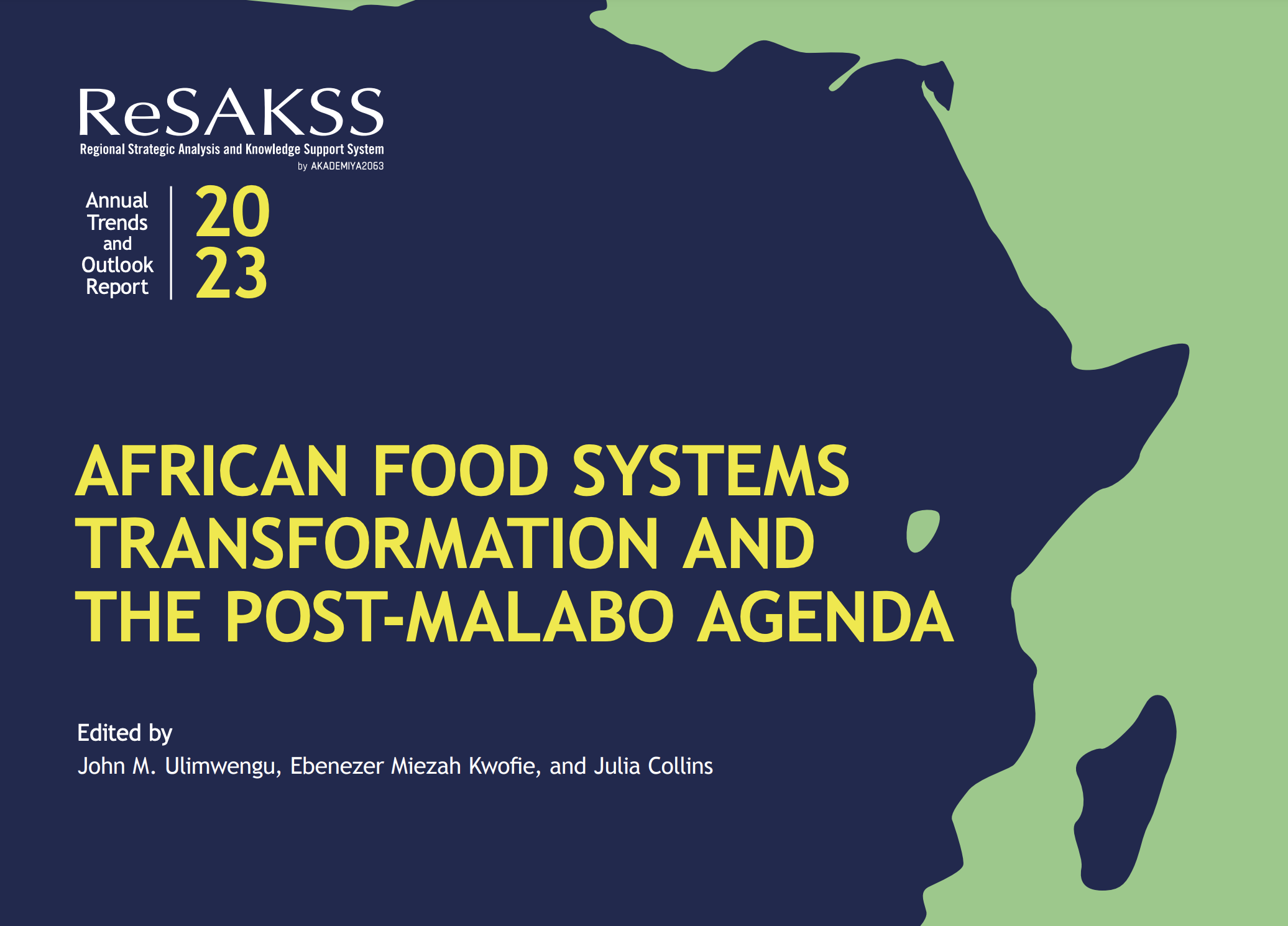
Ulimwengu, J. M., Kwofie, E.M., and Collins, J. (Eds.) (2023). African Food Systems Transformation and the Post-Malabo Agenda. ReSAKSS 2023 Annual Trends and Outlook Report. Kigali and Washington, DC: AKADEMIYA2063 and International Food Policy Research Institute (IFPRI). # 356 p.
  • The report assesses the current state of Africa's food systems, explores strategic issues related to food systems transformation, and reflects on necessary methodologies and approaches to provide a better understanding of key challenges and necessary actions to accelerate transformation.
  • PAEPARD blog post: 5 February 2024. A Hybrid High-Level Public Panel Discussion on the Future of the Malabo Declaration Beyond 2025 – What next? Recorded Webinar
  • Upcoming: 8 March 2024 Official Launch of the 4th BR Report and Post Malabo Agenda Roadmap 

FACCE-JPI and HDHL (20213) The (im)possible coherence? –Science-Policy, Blockages and Transformation. Summary report Workshop on Science Advice to Policy Coherence for Sustainable Food Systems # 16 p.

RUAF (2024) Pathways towards resilient urban food systems # 28 p.
  • This issue of Urban Agriculture Magazine showcases innovative approaches, actions, and initiatives for strengthening all aspects of urban and city region food systems.
  • The articles are drawn from across research priorities of the Resilient Cities initiative and supplemented by selected experiences from RUAF Global Partnership and other strategically-aligned organisations.

AgriTech


USAID (2024) Toolkit for Inclusive AgriTech Digital Solution Design #107 p.
  • This toolkit provides guidance to USAID staff and implementing partners on how to design inclusive digital technology interventions in Feed the Future activities. It emphasizes support for marginalized groups, intersectionality, and robust local engagement. 
  • By prioritizing these factors, the toolkit guides users in fostering positive outcomes in alignment with USAID’s locally led development vision.
Africa Disrupt (2023) The African Tech Startups Funding Report #57 p
  • The African Tech Startups Funding Report 2023 is based on data gathered by the Disrupt Africa team over the course of 2023. The information contained herein is an accurate work of journalism - the compilation of its list of funding rounds, as well as all analysis within the report, has been conducted in-house.
  • For the most part, the startups included in this report are at least Africa-based and Africa-focused, and Disrupt Africa has applied thinking around the economic impact of a company - and where that impact is most felt - in the event of a startup diverging from this.
  • The agri-tech space has been a staple of the startup ecosystem in Africa since its early days, and while the number of funded startups remained consistent, 2023 marked the first year on record that funding into the sector declined - a true sign of the times. Twenty-four (24) startups (5.9 per cent of Africa’s total) raised funding in 2023, up slightly on the 23 (3.6%) in the preceding year; which in turn was up on the 22 startups (3.9%) of 2021. Baby steps over the past couple of years then, but slow and steady growth.(page 41)
  • See: PAEPARD blog post: 14 - 15 February 2024. Africa Tech Summit Nairobi

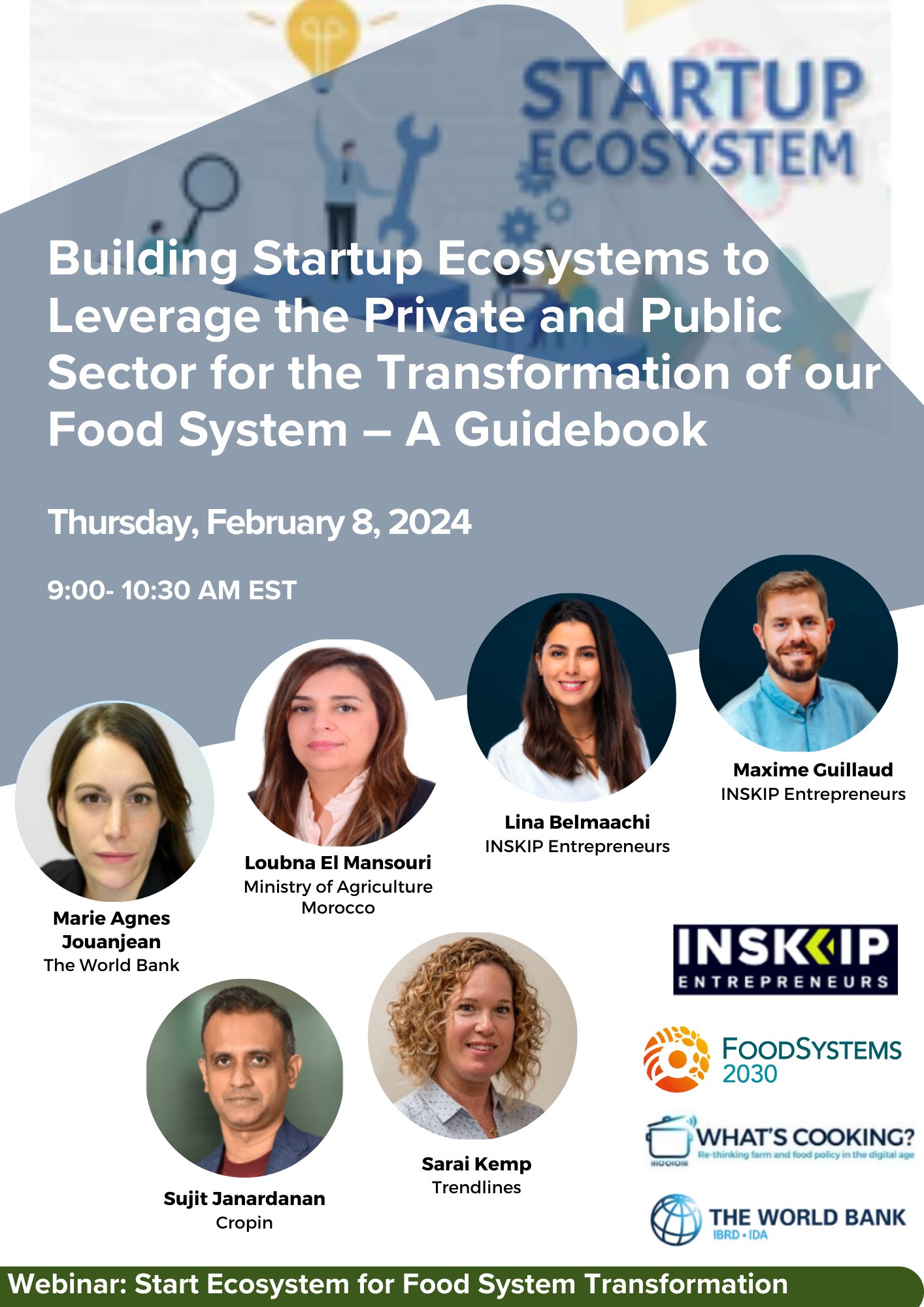
World Bank, INSKIP (2024) Guidebook for the development of a
startup ecosystem in Agriculture & Food # 108 p.
  • The objective is: (a) to facilitate the development and growth of AgTech startup ecosystems for harnessing innovative technologies and boosting private and public sector capabilities to provide access to farmers to innovative services in World Bank client countries. (b) It also provides an assessment of the relevance of the various models developed around the world based on different levels of maturity of core features of the economy. 
  • See PAEPARD blog post 8 February 2024. Building startup ecosystems to leverage the private and public sector for the transformation of our food system – A guidebook Recorded Webinar

Catalyst Fund, GEF, FSD, UNIDO (2023) Investing in Climate Innovation in Africa: Challenges and Opportunities # 51 p.
  • The comprehensive report, a result of a partnership between Catalyst Fund and Africa: The Big Deal, provides an in-depth dive into the sector, offering crucial insights for investors, innovators, and stakeholders in the African climate ecosystem.

Trade


IndexBox (2023) Africa - Grain - Market Analysis, Forecast, Size, Trends and Insights
  • The grain industry in Africa is marked by contrasting scenarios of production capacities and import dependencies. While countries like Ethiopia and Nigeria showcase substantial production volumes, others continue to rely heavily on imports to feed their populations. The complex interplay of factors contributing to market growth and limitations underscores the need for strategic policy development aimed at enhancing self-sufficiency and mitigating the potential risks associated with import reliance. Efforts to build robust agricultural systems in Africa are essential to ensure the long-term sustainability and security of the continent's grain supply. 
  • See also PAEPARD blog post

U.S.-Africa Business Center (2023) Enabling Ecosystems: Fostering environments that support agriculture development for smallholder farmers in Africa # 43 p.
  • In this paper, the U.S.-Africa Business Center puts forth a series of policy recommendations to support smallholder farmers in Africa, showing how sustainable agriculture development can help bolster global food security efforts while also yielding additional benefits to employment, national security, and intra-Africa agricultural trade. The intention of this paper is to advance policy recommendations for consideration by U.S. and African governments that will create more opportunities for investments and partnerships with the private sector and multinational organizations.
  • See PAEPARD blog post

Agroecology


Falconnier et all (2023) The input reduction principle of agroecology is wrong when it comes tomineral fertilizer use in sub-Saharan Africa #16 p.
  • More mineral fertilizer is needed in SSA for five reasons: (1) the starting point in SSA is that agricultural production is “agroecological” by default, that is, very low mineral fertilizer use, widespread mixed crop-livestock systems and large crop diversity including legumes, but leading to poor soil fertility as a result of widespread soil nutrient mining, (2) the nitrogen needs of crops cannot be adequately met solely through biological nitrogen fixation by legumes and recycling of animal manure, (3) other nutrients like phosphorus and potassium need to be replaced continuously, (4) mineral fertilizers, if used appropriately, cause little harm to the environment, and (5) reducing the use of mineral fertilizers would hamper productivity gains and contribute indirectly to agricultural expansion and to deforestation.
  • See PAEPARD blog post 27 + 28 + 29 February Recorded CIRAD Webinars
    Related: 28/02 La Grande Muraille verte face aux défis de la diversité des terroirs sahéliens

AFSA (2024) The Costs to Smallholders of AfDB's Feed Africa Initiative A Closer Look at the 40 Country Compacts #29 p.

  • The Alliance for Food Sovereignty in Africa (AFSA) unveiled a comprehensive report critically examining the African Development Bank’s ambitious Dakar II initiative, part of the broader Feed Africa program. This initiative, titled ‘Feed Africa: Food Sovereignty and Resilience’, aims to revolutionize African agriculture with a focus on turning the continent into a global breadbasket. 
  • However, AFSA's analysis raises significant concerns about its approach and implications for small-scale farmers across the continent.

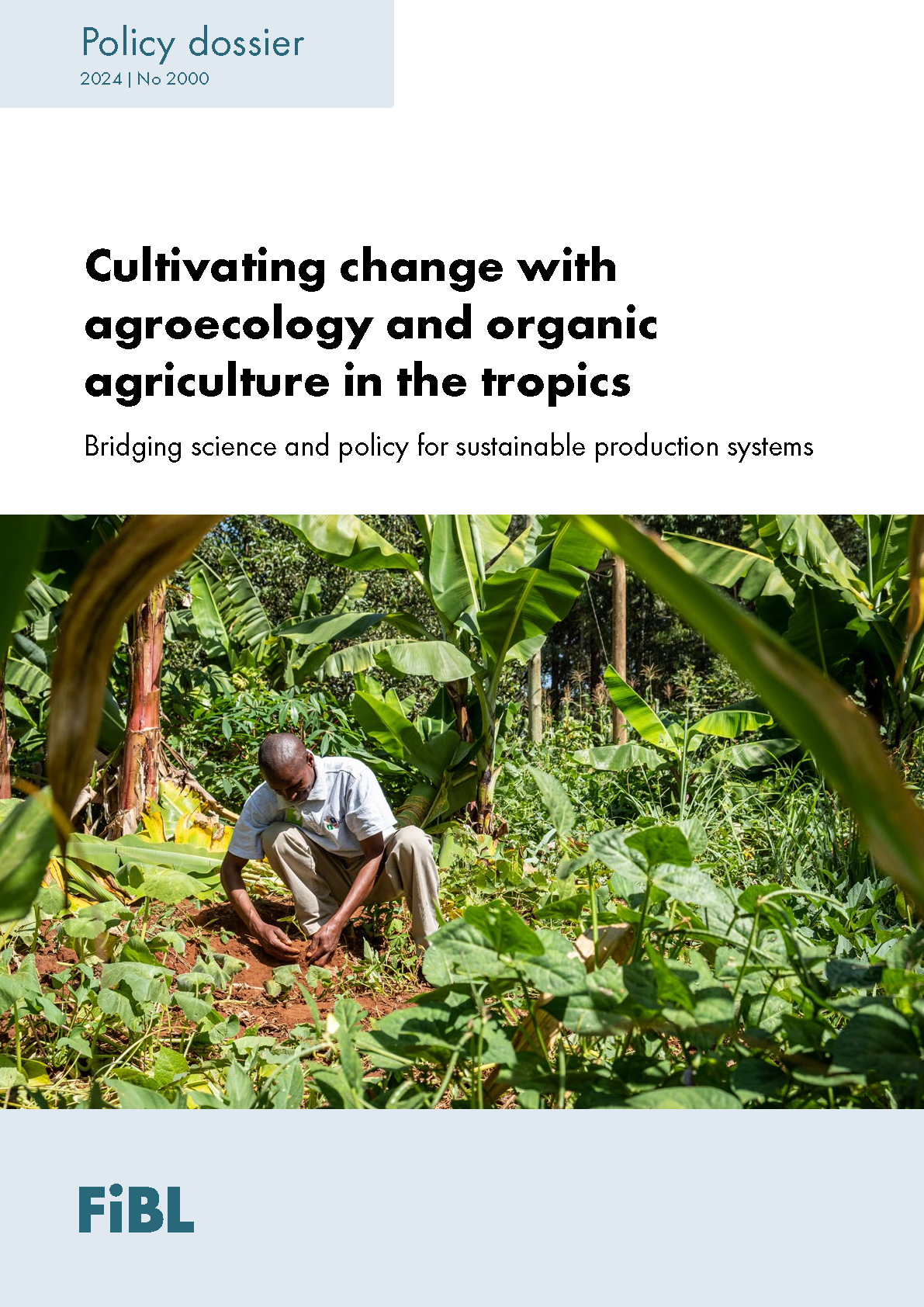
FIBL (2024) Cultivating change with agroecology and organic agriculture in the tropics #48 p.

  • This policy dossier aims to present decision and policymakers and experts in the context of international cooperation with scientific evidence on how Agroecology/Organic approaches can contribute to a beneficial transformation of production systems in the Tropics.

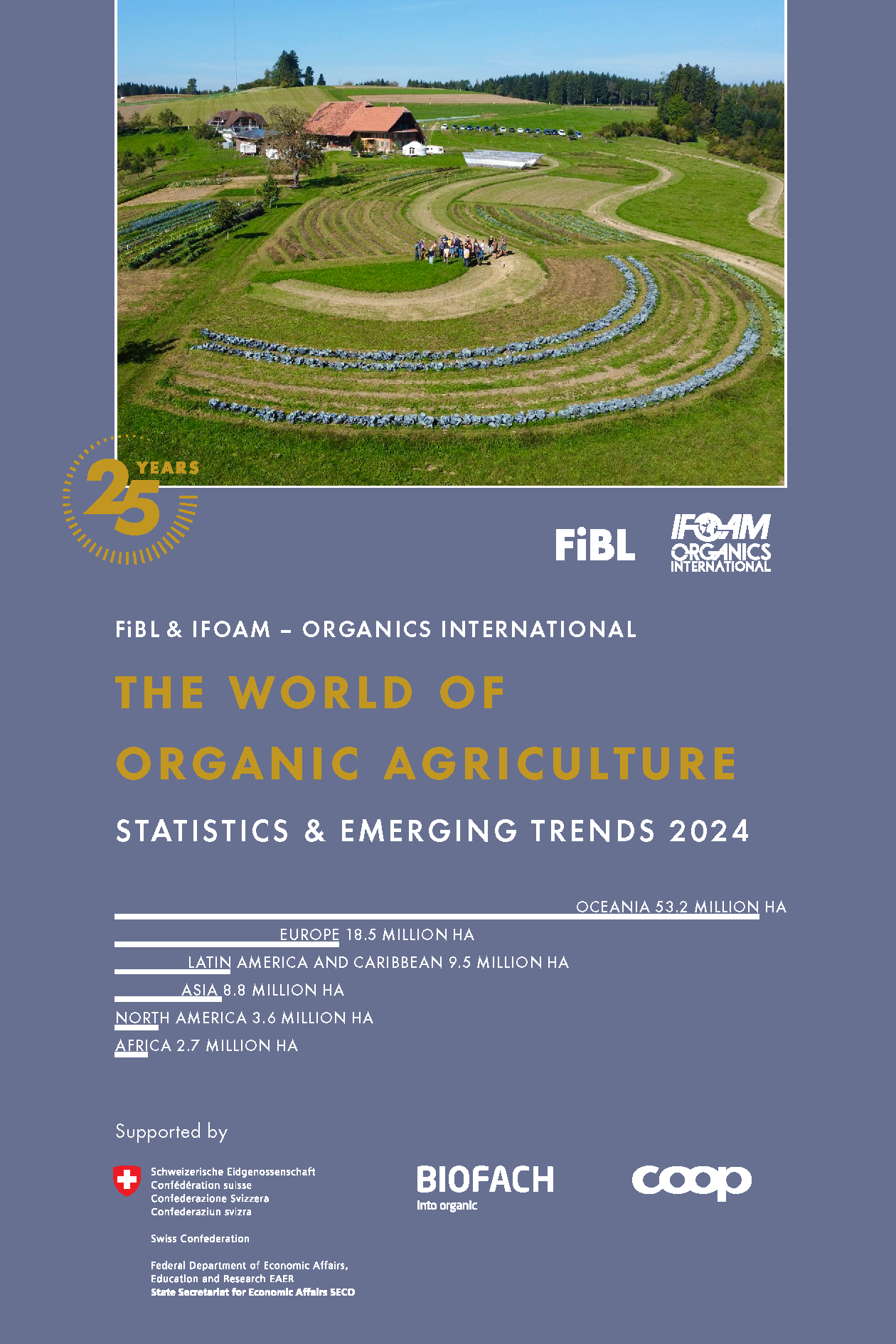
  • This book offers a comprehensive review of recent developments in global organic agriculture. 
  • It presents detailed statistics on organic farming that relate to area under organic management, land use and crops, the number of farms and other operator types, retail sales and international trade data. 
  • It offers insights into current and emerging trends in organic agriculture in Africa.
  • See PAEPARD blog post Recorded Webinar of 29 February 2024. Knowledge Hub for Organic Agriculture and Agroecology in Eastern Africa (KHEA) PELUM Kenya webinar

Youth


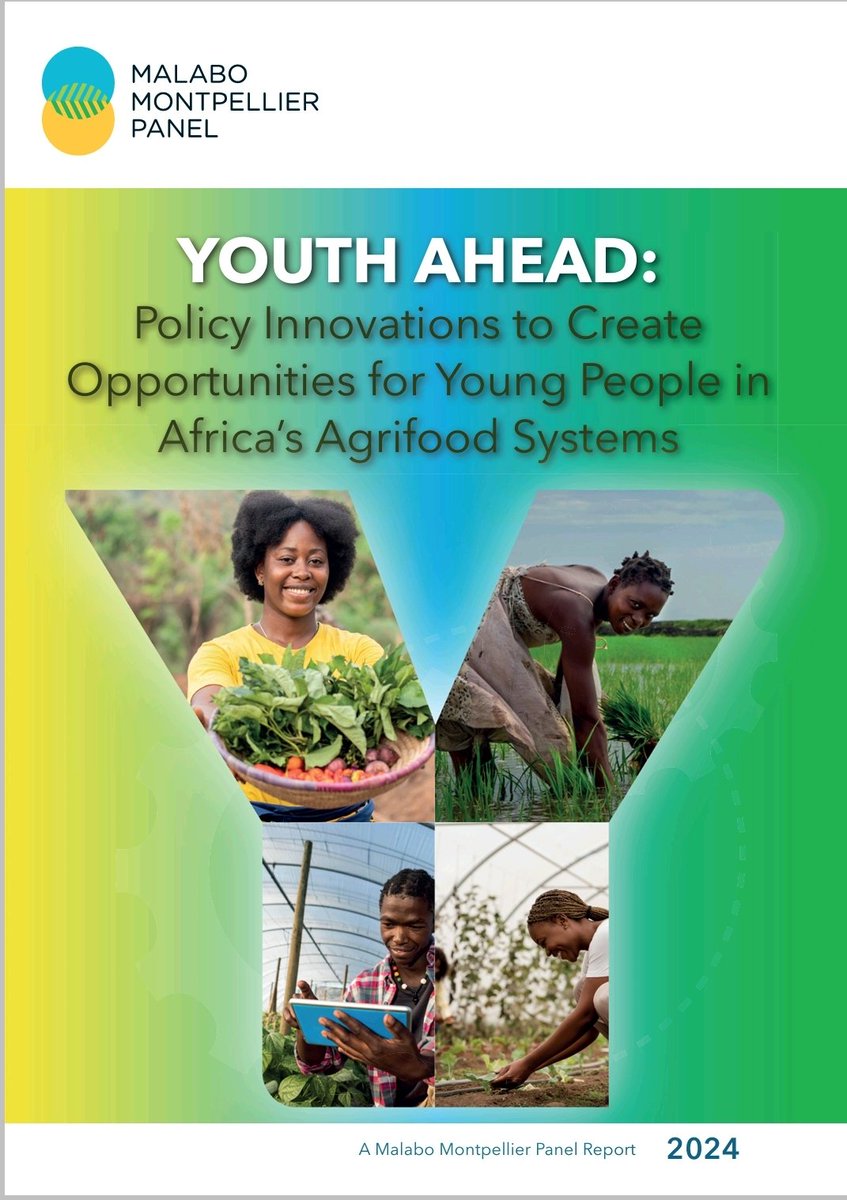
Montpellier Panel (2024) YOUTH AHEAD: Policy Innovations to Create Opportunities for Young People in Africa’s Agrifood Systems #158 p.

Montpellier Panel (2024) EXECUTIVE SUMMARY - YOUTH AHEAD: Policy Innovations to Create Opportunities for Young People in Africa’s Agrifood Systems #3 p.
  • This report reviews the challenges limiting young people’s engagement in agrifood systems and demonstrates opportunities to empower Africa’s youth in agrifood systems. 
  • The report highlights the successful strategies implemented by various countries in Africa and summarizes the key findings of four systematically selected countries: Ghana, Uganda, Zambia, and Zimbabwe
  • These countries are at the forefront of empowering youth in their agrifood systems. The report reviews these countries’ policy and institutional innovations as well as their programmatic interventions targeting youth in the transformation of food systems. Their experiences are noteworthy for other African countries.
  • See PAEPARD blog post: 14 February 2024. Recorded Webinar
  • See extracts of tis report in following PAEPARD blog post

Nutrition


ACB (2023) Part 4: Multi-pronged capture of consumer markets in Africa by UPF companies #15 p.ACB (2023) Part 3: Dictatorship of UPF food companies over African diets and food markets #17 p.
ACB (2023) Part 2: Consumption of ultra-processed food (UPF) in Africa #15 p.
ACB (2023) Part 1: Introduction to ultra-processed food (UPF) in Africa #14 p.

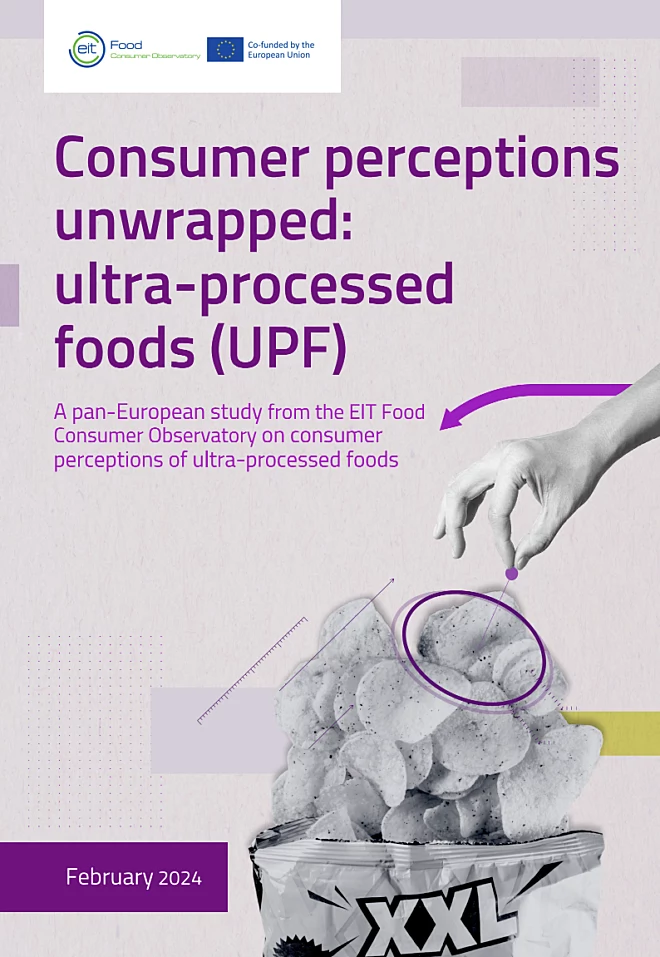
EAT (2024) Consumer perceptions unwrapped: ultra-processed foods. A pan-European study from the EIT Food Consumer Observatory on consumer perceptions of ultra-processed foods. #72 p.
  • A new pan-European study from the EIT Food Consumer Observatory reveals that consumers across Europe are concerned about the impact of ultra-processed foods on their health. Yet, a lack of awareness, understanding and means are preventing people from making informed, healthy choices.
  • The research, combining a survey of 10,000 consumers from 17 European countries alongside a follow-up qualitative study, found that the majority (65%) of European consumers believe that ultra-processed foods are unhealthy, and that they will cause health issues later in life. For example, 67% believe that ultra-processed foods contribute to obesity, diabetes and other lifestyle-related health issues.
Food Planet, GAIN (2024) Regenerative Aquatic Foods: A Roadmap to Action # 18 p.
  • By collating top strategies from leading global experts, this roadmap provides a structure for advancing regenerative aquatic foods within sustainable and nutritious food systems across five high-level thematic areas.
  • See PAEPARD blog post 1 February

Energy


IRENA (2023) Scaling up renewable energy investments in West Africa # 12 p.

Africa - Grain - Market Analysis, Forecast, Size, Trends and Insights


The grain industry is a cornerstone of food security in Africa, serving as a staple for millions across the continent. Maize (corn), wheat, and rice are among the most popular grains cultivated and consumed on the African continent. 

With a burgeoning population and socioeconomic transformations, understanding the volume of grain production and consumption is pivotal for ensuring the resilience of food systems in Africa. The data obtained from IndexBox shows that:
  • the largest countries in terms of grain consumption in Africa in 2022 were Egypt (38.117 M tons), Nigeria (32.168 M tons), Ethiopia (31.605 M tons), Algeria (22.505 M tons), and South Africa (16.769 M tons).
  • Africa's reliance on grain imports is significant. In 2022, Algeria was the largest grain importer with 18.916 M tons, followed by Egypt (15.737 M tons), Morocco (8.779 M tons), Libya (3.484 M tons), and Tunisia (3.443 M tons). These import volumes highlight a substantial dependence on foreign grain supplies, due in part to insufficient domestic production to meet the demand. Regarding the financial aspect of imports, in 2022, Egypt spent the most on grain imports, reaching a total of 6.308 billion USD. Algeria's import value amounted to 4.606 billion USD, Morocco's to 3.638 billion USD, Nigeria's to 2.276 billion USD, and Tunisia's to 1.469 billion USD.
Poor infrastructure, fluctuating climatic conditions, and limited access to technology hinder production capabilities. Policies aiming at improving agricultural practices, investment in storage and transport infrastructure, and the development of more climate-resistant crop varieties can potentially mitigate some of these challenges. 

The grain industry in Africa is marked by contrasting scenarios of production capacities and import dependencies. While countries like Ethiopia and Nigeria showcase substantial production volumes, others continue to rely heavily on imports to feed their populations. The complex interplay of factors contributing to market growth and limitations underscores the need for strategic policy development aimed at enhancing self-sufficiency and mitigating the potential risks associated with import reliance. Efforts to build robust agricultural systems in Africa are essential to ensure the long-term sustainability and security of the continent's grain supply. 

26 - 27 February 20242024 Australian Grain Research Development Corporation  (GRDC) Grains
Research Update
. Perth Australia

This two-day program showcased the latest research, technology, market development and innovations to improve the productivity and profitability of the Western Australia grains industry. See program.

26/02 Looking ahead to the African opportunity? 


by Chris Carter, Australian Export Grains Innovation Centre (AEGIC)

By 2035 the population in Africa is tipped to increase by nearly 400 million people, responsible for about half of the world’s population growth. These developments position Africa as a robust source of new grain demand, necessitating increased local crop production, enhanced grain supply chains and dependable new grain import sources.

Rapid population growth, urbanisation and economic development in Africa offer opportunities for theAustralian grain industry in the years ahead. While these opportunities should not be under-estimated, serving existing valuable markets in North and South East Asia are expected to provide the best returns to Australian growers in coming decades.

This is the message from Australian Export Grains Innovation Centre (AEGIC) Market Insights Acting
Manager Chris Carter to the Grains Research Update in Perth, hosted by the Grains Research and Development Corporation (GRDC). Dr Carter’s findings are from an ‘Africa 2035 Insights’ project delivered by AEGIC through investment from Grains Australia. Grains Australia, an initiative of the GRDC, is responsible for vital industry services and functions that improve the industry’s competitiveness and profitability.

Tuesday, February 27, 2024

Taxes on Food and Beverages high in fat, sugar, and salt

27 February 2024. Policy Fix Series: Taxes on HFSS Food and Beverages
HFSS: high in fat, sugar, and salt, by ATNI

How can taxes on HFSS foods and beverages be effectively designed to drive healthier diets?

Taxes on unhealthy products are a well-established tool for policymakers to drive healthier diets, particularly in regard to SSB taxes, which already cover more than half of the world's population. In view of the growing interest in more varied forms of HFSS taxes, this webinar seeks to explore the need for such taxes, and the key factors that ensure successful design and implementation of such policies. These include how designing taxes suited to specific contexts, and learning from successes and failures of previous taxes.

With Jessica Fanzo, Professor of Global Food & Agricultural Policy and Ethics, John Hopkins.  University


How can we manage soil fertility to boost food sovereignty in Africa

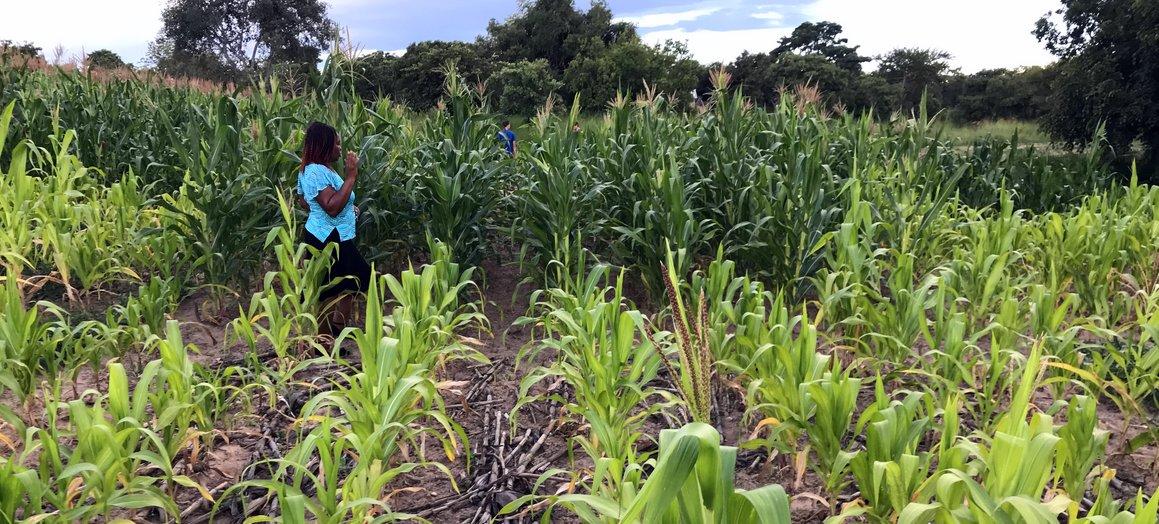
Nitrogen-deficient maize in a sandy soil of Zimbabwe (forefront) - a combination of manure and mineral fertiliser solves the deficiency (background) © R. Cardinael, CIRAD24 February - 03 March 2024. Paris. International Agricultural Show 2024


27 February 2024Conference: "How can we manage soil fertility to boost food sovereignty in Africa?"

  • By means of three presentations and a round table, the conference will highlight the global issues surrounding soil fertility maintenance. 
  • In particular, it will examine the use of mineral fertilizers in addition to agroecological practices to boost food production in Africa.

Part 1: Global issues and soil fertility

  • Presentation 1: Food security in Africa remains an important issue - by Alain Sy Traoré, Director of Agriculture and Rural Development, ECOWAS;
  • Presentation 2: Soil fertility is the backbone of agricultural production by Tantely M. Razafimbelo, University of Antananarivo, Madagascar.

Part 2: Is using fertilizers compatible with agroecology?

Presentation 3: Use of mineral fertilizers in addition to agroecological practices to boost
agricultural production in Africa - by Gatien Falconnier, CIRAD researcher based in Harare, Zimbabwe

He presented his research: Falconnier et all (2023) The input reduction principle of agroecology is wrong when it comes tomineral fertilizer use in sub-SaharanAfrica #16 p.

More mineral fertilizer is needed in SSA for five reasons
  1. the starting point in SSA is that agricultural production is “agroecological” by default, that is, very low mineral fertilizer use, widespread mixed crop-livestock systems and large crop diversity including legumes, but leading to poor soil fertility as a result of widespread soil nutrient mining
  2. the nitrogen needs of crops cannot be adequately met solely through biological nitrogen fixation by legumes and recycling of animal manure, 
  3. other nutrients like phosphorus and potassium need to be replaced continuously, 
  4. mineral fertilizers, if used appropriately, cause little harm to the environment, and 
  5. reducing the use of mineral fertilizers would hamper productivity gains and contribute indirectly to agricultural expansion and to deforestation. 
Yet, the agroecological principles directly related to soil fertility—recycling, efficiency, diversity—remain key in improving soil health and nutrient-use efficiency, and are critical to sustaining crop productivity in the long run. The paper argues for a nuanced position that acknowledges the critical need for more mineral fertilizers in SSA, in combination with the use of agroecological practices and adequate policy support.

Round table

  • Mehdi Filali Senior Vice president West Africa OCP Morocco

    "In Ethiopia the soil fertility map has allowed us to fine tune the fertilizer use"

  • Nathalie Bogui Ivory Coast,  Member Conseil d'Administration @West and Central Africa Network of Agricultural and Rural Advisory Services (RESCAR-AOC), Conseiller Technique @ National Agency for Rural Development (ANADER)
  • Guy Faure INTPA, F.3

    He referred among others to ProSoil (2014 to 2027): A Global Soil Conservation and Rehabilitation Programme to Promote Food Security Selected partner countries are assisted in the widespread implementation of agroecological approaches that conserve soil and rehabilitate infertile soil in climate-smart, environmentally friendly ways.
    (EC invests 10 million Euro in soil fertility in East Africa)

    "Bio waste (including urine and faecalis) from cities can contribute up to 30 % of bio fertilizer needs"

All presentations and discussions were in French only.


Related: 28/02 La Grande Muraille verte face aux défis de la diversité des terroirs sahéliens

Alors que la Grande Muraille Verte a fixé des objectifs ambitieux à horizon 2030 – restaurer 100 millions d’hectares de terres dégradées, séquestrer 250 de tonnes de CO2 et créer 10 millions d'emplois dans les zones rurales – ce side event a demontré  la complémentarité de l’ensemble des acteurs pour y parvenir et l’importance de créer des conditions favorables à leur coopération. Il a rassemblé  plusieurs expertises et exemples opérationnels en donnant la parole à différents acteurs (institution publique, recherche, ONG, collectivité territoriale).
  • Oumarou Malam Issa IRD Coordinateur Recherche, Expertises Scientifique et savoir pour la Gestion Durable des Terres et des Territoires de la Grande Muraille Verte (IRN RESET-GMV, 2023 - 2026)
  • Maxime Thibon IFAD, Spécialiste Climat et Environnement, Division environnement, climat, genre et inclusion social
  • Remi Hemeryck, Delegué general SOS Sahel Sénégal
  • Sandra Rulliere, Responsable adjointe de la Division Agriculture Développement rural et Biodiversité, AFD
  • Philippine Dutailly Rédactrice désertification et dégradation des terres, Sous-direction de l'environnement et du climat, Direction des Affaires globales, Ministere de l'Europe et des Affaires Etrangeres, France.
Related PAEPARD blogpost: 
25 May 2023. Accelerating the Great Green Wall: fostering the Africa-Europe partnership for a just rural transformation in the Sahel


29/02 Manure for maintaining soil fertility and sequestering carbon


Manure is an essential organic resource for maintaining soil fertility and sequestering carbon. In tropical conditions, this resource is increasingly commercialized. The agroecological transition must make it possible to promote these complementarities between crops and livestock. This side-event illustrated this theme through concrete cases drawn from the activities and partnerships of AFD and CIRAD.


5th All Africa Horticulture Congress (AAHC)

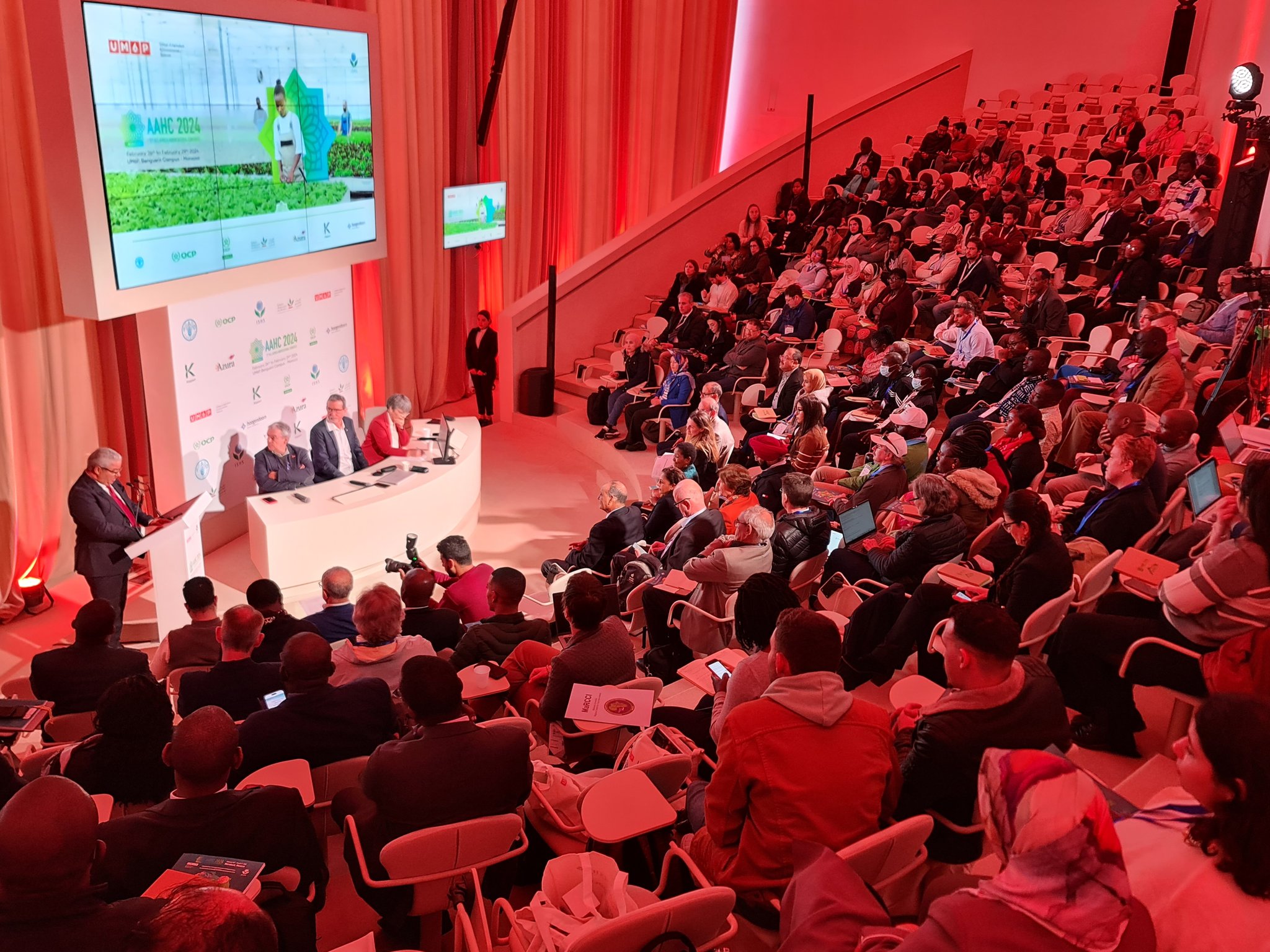
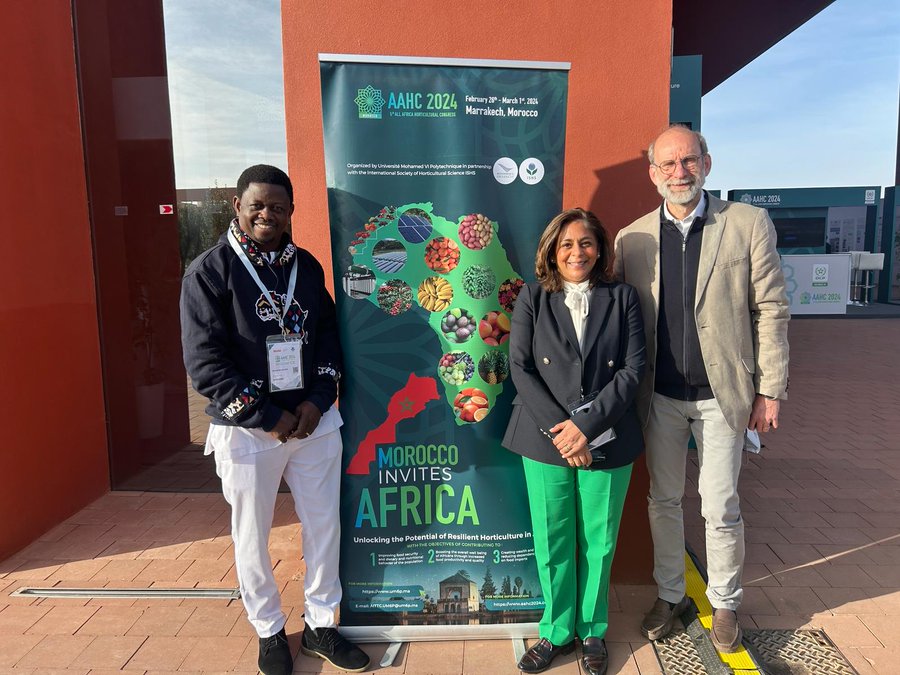
 26 February to 1 March 20245th All Africa Horticulture Congress (AAHC)

  • This fifth edition of the AAHC, initiated in 2009 by GlobalHort, complements the African sub-regions hosting the event.
  • The event strengthens scientific relations and partnerships between North Africa and sub-Saharan Africa, and highlights the place and role of horticulture in meeting the continent's global challenges: food and nutritional security, youth employment, and sustainable management of natural resources (water and biodiversity).
  • DOWNLOAD CONGRESS PROGRAM + CGIAR @ the 5th All Africa Horticultural Congress (AAHC)

26/02 Workshop 1 Digital Innovation for small scale farming in horticulture (FARA, CIRAD, FAO)

Knowledge Management Cluster Leader at FARA, Benjamin Abugri was one of 4 panelists of Workshop 1. He presented FARA's experience with knowledge platforms and distance information exchange between farmers and the other actors of the horticulture value chain, i.e. benefits and constraints of the various digital tools to manage information .The other panelists were Yvonne Pinto, recently appointed DG of IRRI, Nicolas Paget of CIRAD and Leone Magliochetti of FAO

  • 27/02 Workshop 2 New technologies for urban vegetable production
  • 28/02 Workshop 3 Food sovereignty through seed and planting material
  • 26/02 Session 1 Innovation technologies and production strategies for sustainable controlled environment
  • 26/02 Session 2 Horticulture for food and nutrition security in Africa
  • 27/02 Session 3 Best Agricultural Practices for smart horticulture
  • 27/02 Session 4 - 7 Efficient Use of water and nutrients in horticulture
  • 27/02 Session 8 Adapted Horticulture to marginal environments
  • 28/02 Session 9 - 11 Integrated Pest Management for safe horticultural produce
  • 28/02 Session 12 - 14  Harvest and Post-harvest Technologies in Horticulture

Sunday, February 25, 2024

Science Transforming Food Systems for a Better Future

12 - 14 February 2024. ARC/DALRRD 2024 Conference. The Agricultural Research Council (ARC) in partnership with the Department of Agriculture, Land Reform, and Rural Development (DALRRD) of South Africa hosted their first-ever joint annual conference.

The conference was hosted at the ARC-Vegetable, Industrial and Medicinal Plants (ARC-VIMP) Roodeplaat Campus under the theme "Science Transforming Food Systems for a Better Future." 

It brought together over 1000 delegates, including scientists, farmers, and various stakeholders within the agricultural sector. 

Additionally, the conference was live streamed for virtual participation by those unable to attend in person. Several exhibitors from different parts of South Africa participated, offering an opportunity for substantial discussions on the crucial role of agriculture, science, technology, and innovation in shaping a sustainable future.

With over 70 sessions covering various subthemes, the conference focused on the insights and expertise of South Africa's leading scientists and thought leaders. These sessions facilitated discussions on topics crucial to the advancement of agricultural practices and technologies.

Extract: 13/02 Session 4:

Responding to Sector Challenges Through a Food Systems Transformation Lens: Opportunities & Implications - An Expert View - Prof F Swanepoel (UP) & Dr A Stroebel (UMP) 

Panel Session on Farmer Development & MEL 
  • Mr P Hlatshwayo (DPME), 
  • Mr C Mojapelo (LDARD), 
  • Dr M Roefs (WUR), 
  • Dr A Mwangwela (LUANAR), 
  • Mr G Desibelew (FAO), 
  • Dr N Nengovhela (DALRRD) 
  • Facilitator - Dr J Jaftha (DALRRD) 

Panel Session on Seed Security & Seed Systems Development 
  • Mr F Hale (FANRPAN), 
  • Dr N Netnou-Nkoana (DALRRD), 
  • Mr E Goldshagg (SANSOR), 
  • Mr J Mahlabe (DALRRD) 
  • Facilitator - Dr M Bairu (ARC)

Recordings


Focus on: Prof Umezuruike Linus Opara


University World News looks at a chair that is being wound up this year – that of Professor Umezuruike Linus Opara, who was awarded the South African Research Chair in Postharvest Technology in 2009.

Umezuruike Linus Opara grew up in a farming village in rural Nigeria and nearly didn’t make it to secondary school because of financial constraints. 

Yet, he went on to perform so well at university that his bachelor’s degree earned him a scholarship to do his PhD in New Zealand. 

Later, in 2009, he sacrificed a comfortable teaching and research job in Oman in order to relocate with his family to South Africa — a country he hardly knew at the time — to take up a prestigious DSI-NRF South African Research Chairs Initiative (SARChI) Chair in Postharvest Technology at Stellenbosch University (SU).

Read moreA call answered — an international scholar returned home to help leverage Africa’s potential


Career highlights


Some of Opara’s achievements during his time as SARChI Chair in Postharvest Technology include the following:
  • He has established a state-of-the-art research laboratory as a multidisciplinary and inter-faculty research entity, and has developed significant continental and international research networks and partnerships.
  • He has (co-)supervised 62 SU master’s and doctoral students, both from South Africa and elsewhere on the continent.
  • With more than 381 peer-reviewed journal articles, conference proceedings, and book chapters to his name, he has a B1-rating from the NRF. This is awarded to researchers who enjoy considerable international peer recognition for the high quality and impact of their recent research outputs.
  • In 2015, the Regional Universities Forum for Capacity Building in Agriculture (RUFORUM) honoured him with its Impact Research and Science in Africa Award, which recognises outstanding scientists making significant contributions to agricultural research for development in Africa.
  • Also in 2015, he was a continental laureate of the African Union’s Kwame Nkrumah Scientific Awards for Scientific Excellence, which honours senior researchers who distinguish themselves through their contribution to African development.
  • In 2019 and again in 2021, Clarivate’s Web of Science platform included Opara as a “highly cited researcher”, an accolade reserved for scientists who produced multiple papers ranking in the top 1% by citations within their field and year of publication.

Tanzania leverages AI to speed up development of climate-proof bean varieties


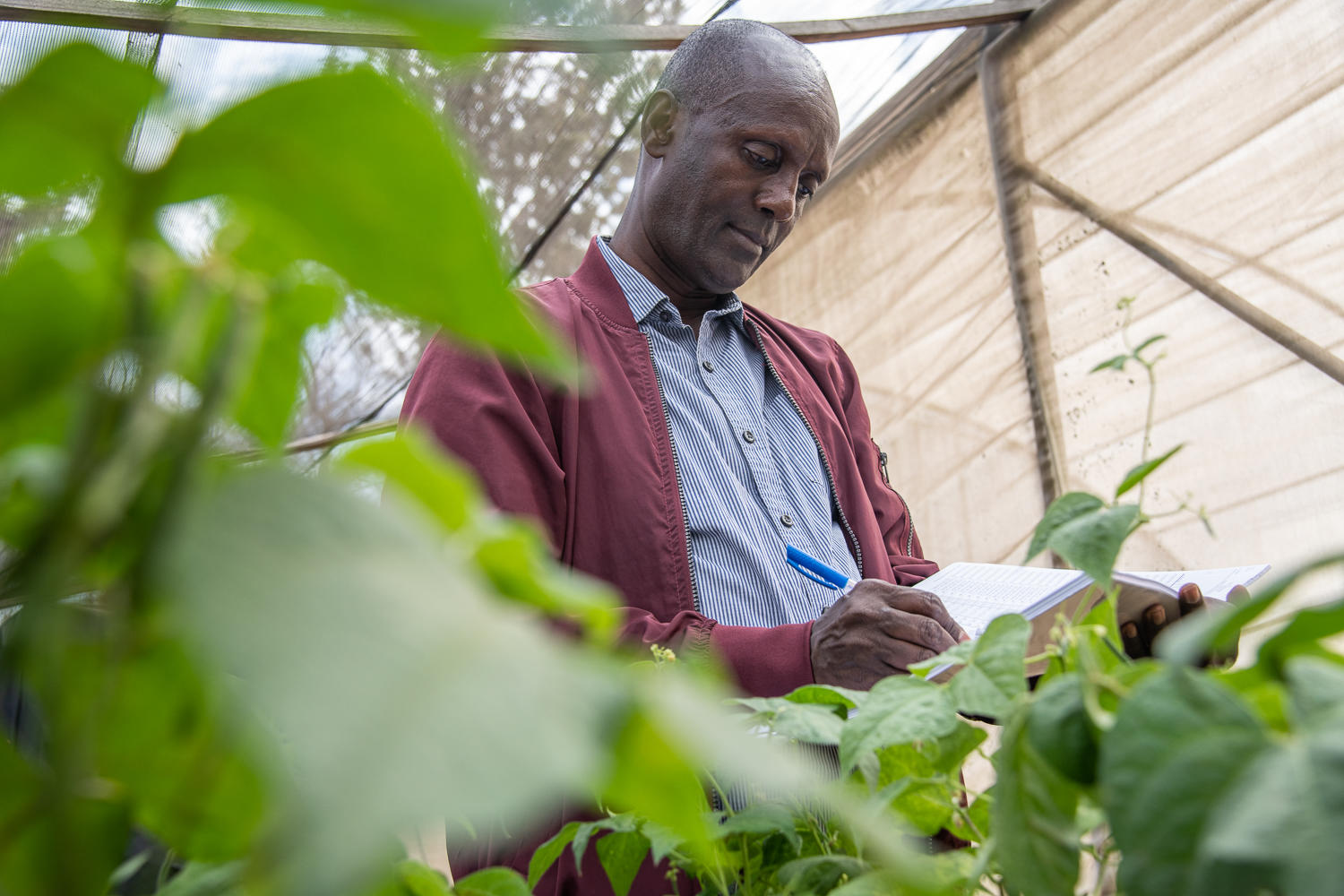
In the trial farm of the Tanzania Agriculture Research Institute (TARI) in partnership with the Alliance of Bioversity International and the International Center for Tropical Agriculture (CIAT), researchers are working on a project called Artemis, which is using Artificial Intelligence (AI) to speed up breeding.

For the last three years, CGIAR researcher Dr. Teshale Mamo has been cross-breeding the popular yellow beans with higher yielding, disease-tolerant varieties from Colombia – where the Alliance of Bioversity International and CIAT operates the largest genebank for beans. The new varieties will be tested in different locations and made available to National Research Stations across Africa.

The cross-breeding process took three years because “phenotyping,” identifying traits like how many flowers plants have, was done manually. Generally, to collect enough data to understand how plants respond to the environment, breeding takes five years or more.

Artificial Intelligence-based phenotyping can speed-up the breeding cycle by 50%. “With food security pressures, speeding up the breeding processes will help us get new varieties to increase productivity on farms,” says Dr. Mamo.

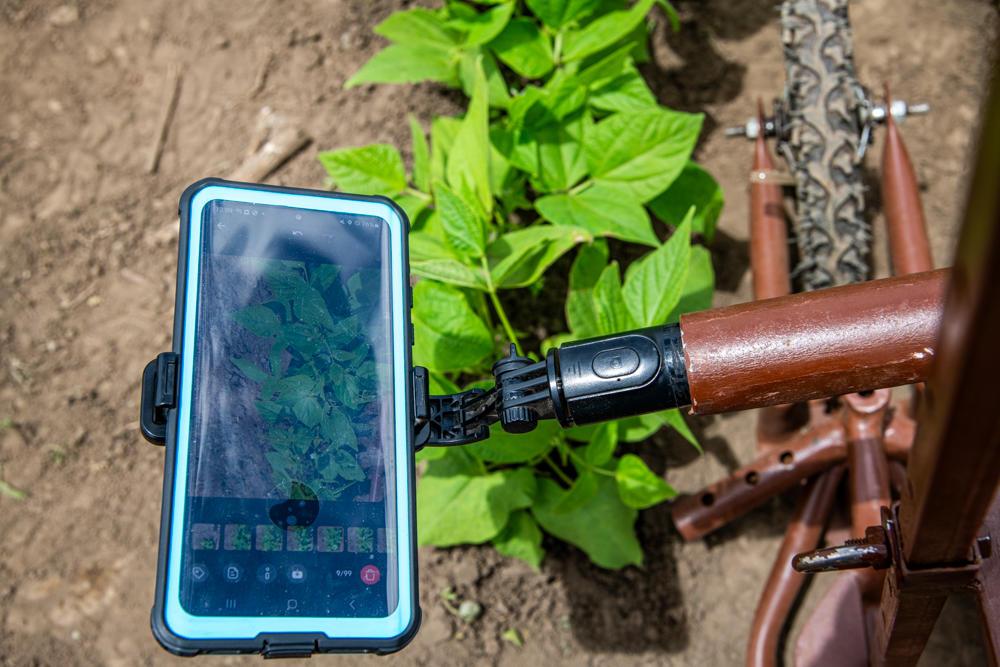
Meet Bruno: a digital tool made from bicycle parts and selfie sticks, and other easily accessible local materials that could fix a bike, microwave or radio. With two android phones strapped to its sides, it can quickly capture data like number of pods in seconds.

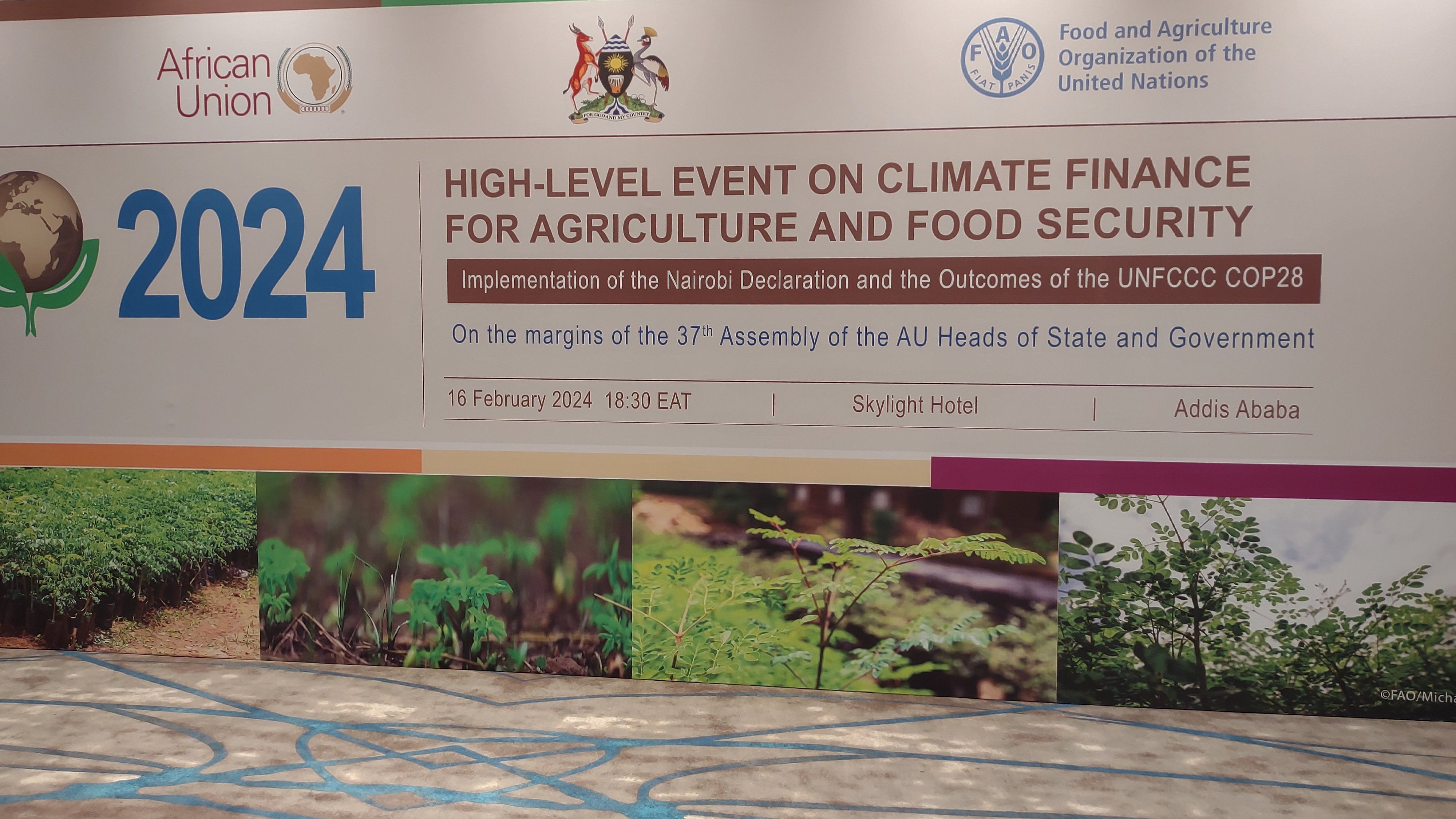
AU-FAO High-Level Side Event on Climate Finance for Agriculture and Food Security

16 February 2023. AU-FAO High-Level Side Event on Climate Finance for Agriculture and Food
Security
  - Side event at the 37th Ordinary Session of the AU Assembly (Heads of State and Government Session)  17 - 18 February 2023. 

Low global ambitions and lack of decisions on means of implementation leave African countries that are most vulnerable to climate change at unprecedented risk. 

Africa is projected to need between USD 290 billion to USD 440 billion from 2020 to 2030 to address loss and damage, underscoring a substantial disparity between promised commitments and the practical funding requirements. 

Despite sub-Saharan Africa being the largest recipient of climate-related development finance in the region in 2021, a recent FAO report shows that the current share of climate-related development finance is inadequate to support the necessary agrifood system transformation. Overall, contributions to agrifood systems plummeted to US$19 billion in 2021, marking a 12 percent decrease from 2020.

With this in perspective, African leaders and relevant stakeholders deliberated and made a call for action on key financial avenues, as well as policy, innovation and knowledge interventions that would enhance climate resilience and adaptation in agrifood systems in Africa.

Agrifood system transformation in Africa, which takes into consideration climate change, and is aimed at adapting to it, is anchored in the Comprehensive Africa Agriculture Development Programme (CAADP) as reinforced in the Malabo Commitments. The Malabo Commitments, however, have an end period of 2025, merely two years away. The African Union Specialized Technical Committee on Agriculture, Rural Development, Water and Environment has agreed on a road map for the post-Malabo process. The side event served as an opportunity to launch the structures for elaborating the post-Malabo framework.
"The cost of climate adaptation measures in Africa amounts to approximately USD 15 billion - a fraction of the potential costs associated with inaction, which could soar to over USD 201 billion, equivalent to 12% of GDP, by 2050" @JosefaSacko 
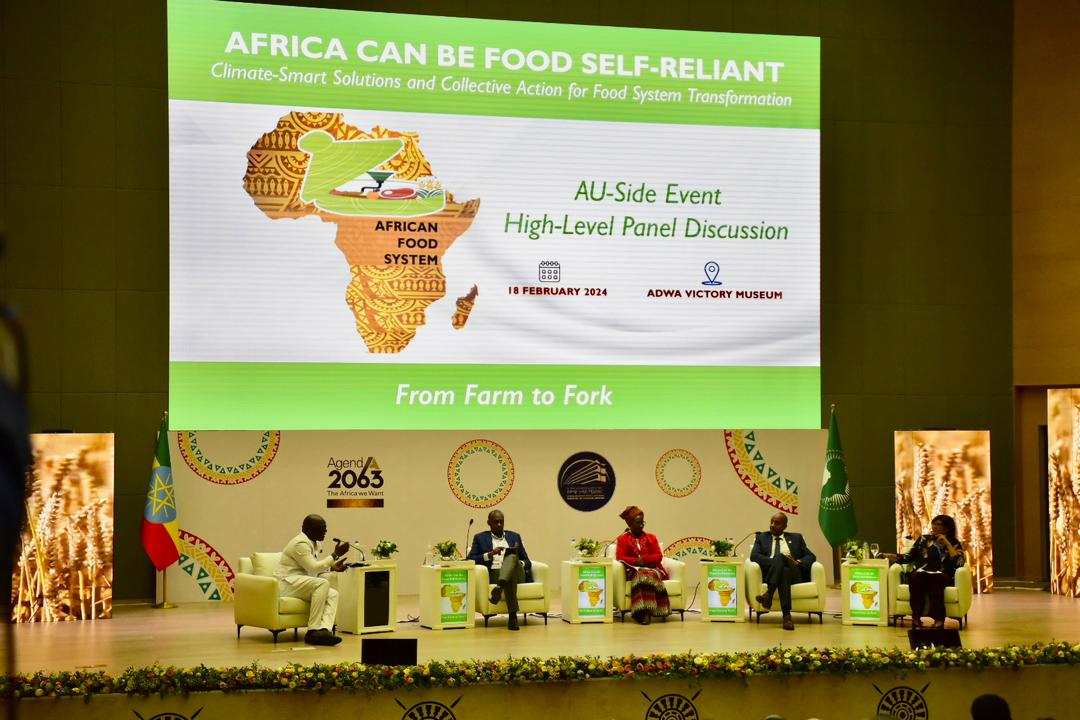
18 February 2024 African Union high-level round table: Addressing Malnutrition, Catalysing Africa’s
Transformation through Enhanced Multi-sectoral Investments”
  - Side event at the 37th Ordinary Session of the AU Assembly (Heads of State and Government Session)  17 - 18 February 2023. 

Ministers, development partners and other speakers reviewed the progress made toward achieving nutrition targets for the Comprehensive Africa Agricultural Development Programme-CAADP, the Malabo Declaration, the World Health Assembly, and the United Nations Sustainable Development Goals through sustained and increased investment in nutrition.

Food Systems as a Solution to the Climate Agenda

21 February 2024. Co-sponsored by the CUNY Urban Food Policy Institute, this Grand Rounds lecture featured Dr. Jess Fanzo.

She provided a global to local overview of how fragile, yet important food systems are to climate change and action. Food systems involve a complex set of activities and actors, and everyone, every day, engages with food systems. While they are contributors and victims of climate change, there are transformative paths we can take to ensure food systems, in all their various forms, are resilient.


Jessica Fanzo, Ph.D., is a Professor of Climate and the Food for Humanity Initiative Director at
Columbia University’s Climate School in New York City. She also serves as the Interim Director for the International Research Institute for Climate and Society. 
  • She held positions at Johns Hopkins University, the Food and Agriculture Organization (FAO) of the UN, the UN World Food Programme, Bioversity International, the Earth Institute, and the Millennium Development Goal Centre at the World Agroforestry Center in Kenya. 
  • She was the Co-Chair of the Global Nutrition Report and Team Leader for the UN High-Level Panel of Experts on Food Systems and Nutrition. 
  • She has been involved in various collective endeavors, including the Food Systems Economic Commission, the Lancet Commission on Anaemia, and the EAT-Lancet Commission. 
  • She currently leads the development of the Food Systems Dashboard and the Food Systems Countdown to 2030 Initiative in collaboration with the Global Alliance of Improved Nutrition and FAO. 
  • Jessica's research focuses on the transdisciplinary field of food systems and the linkages between agriculture, health, and the environment in climate-impacted countries with limited resources. 
  • She has twenty years of experience working in sub-Saharan Africa, South Asia, and East Asia on the diversity and quality of diets, nutrition and health outcomes, environmental sustainability, and climate adaptation.

YOUTH AHEAD: Policy Innovations to Create Opportunities for Young People in Africa’s Agrifood Systems

14 February 2024
. Themed "YOUTH AHEAD: Policy Innovations to Create Opportunities for Young People in Africa’s Agrifood Systems", the Panel’s latest report was launched at the 13th Malabo Montpellier Forum
The report focuses on successful institutional and policy innovations and programmatic interventions in African countries to empower Africa's youth in transforming agrifood systems. Many youths in Africa face high unemployment and lack the necessary knowledge and skills to tap into these opportunities, largely due to a lack of access to land and finance. The panel aims to provide practical actions to enable environments that support young people in creating or taking on employment opportunities in the agrifood system, highlighting areas of progress and potential entry points for youths.

The Forum was conducted in three parts: 
  1. a technical part drawing on the findings and recommendations from the Panel’s report and Youth Issue Paper, 
  2. Reflections on the outcomes and lessons from the report and issue paper, 
  3. and a high-level policy roundtable, composed of senior representatives from African governments, development partner agencies, youth organizations, and the private sector.
Speakers: 
  • Dr. Ousmane Badiane Executive Chairperson, AKADEMIYA2063; Co-Chair, Malabo Montpellier Panel 
“Africa’s agrifood sector offers extraordinary potential for attractive, profitable, and sustainable jobs for our rising youth population, that will in turn help address the continent’s food security challenges. Innovative strategies to attract and support Africa’s youth to succeed with the right skills, technology, and policy environment would boost the pace of employment creation to meet the growing labor demands in the decades ahead. Our report recommends policies to help create these opportunities, including targeted education, training, enterprise creation and growth support, and technology infrastructure.”
  • H.E. Amb. Josefa Sacko Commissioner for Agriculture, Rural Development, Blue Economy and Sustainable Environment, African Union Commission (AUC-DARBE) 
  • Hon. Hellen Adoa Minister of State for Fisheries, Uganda
Launch of the Malabo Montpellier Panel’s Report and Youth Issue paper 
  • H.E. Rhoda Peace Tumusiime Former Commissioner for Rural Economy and Agriculture at the African Union Commission (AUC), Chairperson HOPE; Malabo Montpellier Panel Member
Reflections on the outcomes of the report by the Forum Co-Chairs 
  • H.E. Hailemariam Dessalegn, Former Prime Minister of Ethiopia 
  • H.E. Dr. Assia Ben Salah Alaoui, Ambassador at Large to His Majesty Mohamed VI, the King of Morocco 
Moderator: Prof. Sheryl Hendriks, Director, Natural Resources Institute, University of Greenwich; Malabo Montpellier Panel Member

A. Research and science 
  • Prof. Bernard Bashaasha, Professor and former Principal of the College of Agriculture and Environmental Sciences, Makerere University 
  • Prof. Rosemary Isoto, Head of the Department of Agribusiness and Natural Resource Economics (DANRE) at Makerere University 
B. Skilling
  • Prof. Charles Kwesiga, Executive Director, Uganda Industrial Research Institute 
C. Agribusiness opportunities and skills 
  • Dr. Emma Naluyima, Founder and CEO, One Acre Unlimited Farm 
  • Dr. Ashok Gulati, Infosys Chair Professor for Agriculture at Indian Council for Research on International Economic Relations (ICRIER); Malabo Montpellier Panel Member 
D. Digitalization/technology
  • Eng. Dr. Dorothy Okello, Dean, School of Engineering, Makerere University; Malabo Montpellier Panel Member 
“Attracting youth to the agrifood sector and enabling them to play an active role in shaping African food systems must go hand-in-hand with leveraging the potential of new technologies for the industry, Harnessing the entrepreneurial spirit of Africa’s youth alongside developments such as AI and emerging technologies while investing in transferable skills training in areas such as computer programming and embedded systems, data science, and business studies, will maximize the potential of young people to advance Africa’s agrifood and economic transformation”

E. Youth in Leadership/polic
  • Ms. Nono Dimakatso Sekhoto, Sector Lead - AL for Agribusiness Network African Leadership Academy
Moderated roundtable with Senior Country Representatives 
  • Chair: Ms. Nachilala Nkombo, Former Country Director, World Wide Fund for Nature, Zambia; Malabo Montpellier Panel Member 
  • Mr. Innocent Togla, Deputy Secretary General, Ministry of Agriculture, Livestock and Fisheries Benin
  • Hon. Dr. Bryan Acheampong, Minister of Food and Agriculture Ghana
  • Mrs. Priscilla W. Muiruri, Technical Advisor to the Cabinet Secretary, Ministry of Agriculture and Livestock Development Kenya 
  • Hon. Abubakar Kyari, Minister of Agriculture and Food Security Nigeria 
  • Hon. Angela Thokozile Didiza, Minister of Agriculture, Land Reform and Rural Development South Africa 
  • Hon. Hussein Mohamed Bashe, Minister of Agriculture Tanzania
  • Hon. Hellen Adoa, Minister of State for Fisheries, Uganda » Hon. Nyirabashitsi Sarah Mateke, Minister of State for Youth and Children Affairs, Uganda » Hon. Dr. Monica M. Musenero, Science, Technology and Innovation Secretariat at the Office of the President Uganda
  • Hon. Reuben Mtolo Phiri, Minister of Agriculture Zambia
  • Hon. Vangelis Peter Haritatos, Deputy Minister of Lands, Agriculture, Fisheries, Water, and Rural Development Zimbabwe
Invited reactions 
  • Dr. Fregene Martin, Director of Agriculture and Agro-Industry, African Development Bank (AfDB) 
  • Mr. Hoppe Martin, Head of Division Food and Nutrition Security, Global Food Policy, Fisheries, German Federal Ministry for Economic Cooperation and Development (BMZ) 
  • Ms. Jeannette Wijnants, Country Director, Welthungerhilfe (WHH) Uganda 
  • Dr. Agnes Kalibata, President - Alliance for a Green Revolution in Africa (AGRA); Malabo Montpellier Panel Member 
  • Dr. Debisi Araba, Visiting Researcher, Imperial College London; Malabo Montpellier Panel Member
Vote of thanks 
  • Eng. Dr. Dorothy Okello, Dean, School of Engineering at Makerere University; Malabo Montpellier Panel Member 
  • H.E. Hailemariam Dessalegn, Former Prime Minister of Ethiopia; Co-Chair, Malabo Montpellier Forum 
  • H.E. Dr. Assia Ben Salah Alaoui, Ambassador at Large to His Majesty Mohamed VI, the King of Morocco; Co-Chair, Malabo Montpellier Forum
Concluding Remarks and Way Forward 
  • Prof. Joachim von Braun, Distinguished Professor, Center for Development Research (ZEF), University of Bonn; Co-Chair, Malabo Montpellier Panel
“The active involvement of young people in Africa’s agrifood systems is essential for the continent’s economic development and peace. Reaping the full benefits of the enterprising spirit of Africa’s youth will require access to finance, skills and land, and respect for youth voice in political decision-making processes”.


Resource:

Montpellier Panel (2024)  YOUTH AHEAD: Policy Innovations to Create Opportunities for Young People in Africa’s Agrifood Systems #158 p.

Montpellier Panel (2024) EXECUTIVE SUMMARY - YOUTH AHEAD: Policy Innovations to Create Opportunities for Young People in Africa’s Agrifood Systems #3 p.

See extracts of this report in following PAEPARD blog post

Thursday, February 22, 2024

The Potential of African regional markets: Successes from SMEs and Smallholders

21 February2024. Colead, Innovation Series -Session 17.  The Potential of African regional markets: Successes from SMEs and Smallholders

  • Program Links: English + French + Portuguese
  • Biodata Links: English + French 
  • More information is available on Agrinnovators.org, the website recently created by PAFO and COLEAD, brings together all the information relating to the Innovations Sessions, including company profiles and impact stories. The site also includes a forum for exchange and networking.

One of the key drivers of food systems transformation in Africa lies in the potential of African regional markets, where Small and Medium-sized Enterprises (SMEs) and smallholders can play an important role.

While there have been notable successes, challenges persist in unlocking the full potential of African
regional markets. A greater emphasis on deeper intraregional trade, cross-border investments in infrastructure and fostering “made in Africa” trade and industrialisation policies is key to the continent’s future prosperity and resilience to global financial, food-related, climatic and pandemic-related shocks.

Infrastructure deficits, regulatory complexities, and access to finance remain significant obstacles for SMEs and smallholders. Addressing these challenges requires a collaborative effort from governments, international organisations, and the private sector. Transformation can be achieved through improvements in farm-level productivity, inputs, mechanisation and post-harvest management driven by investment, innovation and technology within a coordinated and effectively executed policy framework.

  • Andrew Ahiaku, Director and Head of Financial Sector, Aceli Africa

    Aceli Africa envisions SMEs leading the transformation towards a thriving, inclusive, and sustainable agriculture sector. Aceli's mission is to unlock the growth and impact of agricultural SMEs by bridging the gap between capital supply and demand. Building the market for agricultural SME finance in Africa will contribute to several of the UN's Sustainable Development Goals through improved livelihoods for farmers and workers, climate-smart and resilient agriculture, gender inclusion, and food security and nutrition. Agricultural SMEs need reliable access to finance to realize their growth and impact potential. However, Aceli’s original data confirms that risk in agri-SME lending is twice as high as other sectors while returns are 4-5% lower, limiting capital flows to  agricultural SMEs today.

Recording forthcoming


PRESS RELEASE: The Costs to Smallholders of AfDB’s Feed Africa Initiative

AFSA (2024) The Costs to Smallholders of AfDB's Feed Africa Initiative A Closer Look at the 40 Country Compacts #29 p.

21 February 2024 – The Alliance for Food Sovereignty in Africa (AFSA) unveiled a comprehensive report critically examining the African Development Bank’s ambitious Dakar II initiative, part of the broader Feed Africa program. This initiative, titled ‘Feed Africa: Food Sovereignty and Resilience’, aims to revolutionize African agriculture with a focus on turning the continent into a global breadbasket. However, AFSA's analysis raises significant concerns about its approach and implications for small-scale farmers across the continent.

AFSA’s in-depth review of the 40 “country compacts” under the Dakar II initiative reveals a strategy heavily reliant on industrializing food systems with a proposed $61 billion budget. This strategy, critics argue, risks marginalizing small-scale farmers, compromising biodiversity, and increasing dependency on multinational corporations for seeds and agrochemicals. 

The President of Ireland and other voices have highlighted the initiative’s one-size-fits-all methodology, emphasizing large-scale monocropping and high-tech solutions that may be inaccessible to small-scale farmers due to their cost and environmental risks.

DOWNLOAD THE FULL REPORT HERE