Platform for African – European Partnership in Agricultural Research for Development

Wednesday, November 27, 2024

AR4D Funding Opportunities for Africa - December 2024


Agriculture Fisheries Forestry

Food-System Transformation

2024-12-01

ProVeg Grants provides funding to diet-change organizations and projects that align with ProVeg‘s mission to reduce the global consumption of animals by 50%. The ProVeg Grants program offers expertise and support to organizations. ProVeg provides both financial support and assistance with capacity-building. Financial support is between US$5,000 and US$50 thousand per year. Applicants must be individuals or organizations focused on food-system transformation. ProVeg has four application deadlines per year: 01 March, 01 June, 01 September, and 01 December.

Ocean Stewardship Fund

2024-12-02

The Marine Stewardship Council invites fisheries, scientists, NGOs and postgraduates to apply for grants from the Ocean Stewardship Fund. The fund supports best practices in sustainable fishing with the aim to increase the number of sustainable fisheries around the world. Grants are also available to support small-scale fisheries and fisheries in the developing world. Furthermore, the Student Research Grant awards funding to support postgraduate students who are carrying out research with fisheries engaged or working towards the MSC program. Awards of between £5 thousand to £50 thousand are available across five different strands. The application deadline is 02 December 2024.

Mediterranean Forestry and Natural Resources Management

2024-12-31

The Master's Degree in Mediterranean Forestry and Natural Resources Management (MEDfOR) is a two-year international program in the field of Forestry and Sustainability. The MEDfOR Consortium includes seven European universities with expertise in Mediterranean forestry. The master course is open to EU and non-EU students. Scholarships to cover participation costs, travel costs, and a monthly subsistence allowance will be offered by different funding agencies according to specific eligibility requirements. The program is open to candidates from all over the world, who have a bachelor's degree in Biological Sciences, Environmental and Earth Sciences, Mathematics, Economics, Engineering, Chemistry, Biochemistry, or similar areas. The closing date for applications is 31 December 2024 (non-EU students) and 01 March 2025 (EU students).

Seed Grants for Women's Micro-Credit Projects

2024-12-31

Right Sharing of World Resources (RSWR) makes seed grants to support income-generating projects led by women. RSWR's current priorities are grassroots organizations selected states and districts of India; and Quaker groups in Kenya and Sierra Leone. Projects include many in the production and sale of fruits and vegetables; meat and milk; grain crops; fish; fuelwood; and other enterprises associated with small-scale agriculture and rural livelihoods. Grants are usually US$5,500 (but many are considerably smaller) for a one-year project. The application deadline is 31 December each year. (However, RSWR recommends earlier submissions of at least a month prior to the deadline to allow time for revisions.)

Biodiversity Conservation Wildlife

Student Grants

2024-12-01

The British Herpetological Society (BHS) offers small grants to current students in support of herpetological fieldwork and other research costs. Projects which benefit species of conservation concern are likely to be favored. The scheme is open to students and research projects in any country, but applications from countries where funds are relatively easy to obtain may be at a disadvantage. Applicants do not have to be BHS members, though this is encouraged. Small grants are up to £300. The remaining application deadlines are 01 June and 01 December 2024.

Wild Bird Health Fund 2025

2024-12-01

The Association of Avian Veterinarians seeks research projects addressing wild bird health. Projects of interest include epidemiology of disease in wild populations, ecotoxicology, diagnostic testing and treatment of wild birds, and conservation medicine. Grants are limited to US$5 thousand per project. Pre-proposals must be submitted by 01 December 2024.

Research and Conservation of Tortoises and Freshwater Turtles

2024-12-01

The Turtle Conservation Fund (TCF) makes grants to organizations and individuals worldwide for the conservation and research of endangered and critically endangered tortoises and freshwater turtles. TCF lists priority species. Most regular grants are US$2 thousand to US$5 thousand per project. The Fund also makes seed grants of US$1 thousand or less. Application deadlines for both programs are 01 June and 01 December of each year.

Environmental Conservation Grants 2025

2024-12-02

The Japan Fund for Global Environment makes grants to non-profit organizations in Japan and developing countries for field projects in environmental conservation. Grants are for grass-roots projects and range from 500 thousand to 3 million JPY. Each non-Japanese applicant needs to have an agent in Japan to communicate and apply in the Japanese language on behalf of the applicant. The application deadline is 02 December 2024.

Masters in Conservation Leadership

2024-12-03

The Cambridge Masters in Conservation Leadership invites applications for entry in 2025. The full-time master's program during one year is aimed at graduates of leadership potential with at least three to five years of experience relevant to biodiversity conservation. Scholarship programs offer support to students from developing countries. The application deadline for program admission is 03 December 2024.

Nominations 2025

2024-12-11

The Earthshot Prize searches the globe for game-changing innovations that will help repair our planet. The best five solutions receive £1 million to scale their work. The categories are: Protect and Restore Nature; Clean our Air; Revive our Oceans; Build a Waste-Free World; and Fix our Climate. The Earthshot Prize has a network of official nominators. Some nominators are happy to accept proposals from the public for consideration. Nominations for the 2025 prize year will close on 11 December 2024.

Zoological Medicine and Wildlife Health Research Grant

2024-12-15

The American Association of Zoo Veterinarians (AAZV) awards the Zoological Medicine and Wildlife Health Research Grant to professionals in zoological medicine for the care and conservation of captive and free-ranging wildlife. Two categories of funding are available: standard grants (maximum US$20 thousand) and small grants (maximum US$7,500). The application deadline is 15 December 2024.

Grants in Herpetology

2024-12-15

The Society for the Study of Amphibians and Reptiles (SSAR) makes 12 grants of US$500 each for herpetological field research, education, and conservation. Applications are submitted by individuals. Some grant categories are restricted to SSAR members and students, while others are open to everyone. The application deadline is 15 December 2024.

Faculty Fellowship 2024

2024-12-18

The World Wildlife Fund (WWF), through the Russell E. Train Education for Nature Program (EFN), offers fellowship opportunities to support university faculty members who are affiliated with or currently employed at African, Asian, and Latin American universities. The fellowship is offered to enable faculty members to pursue their PhD. Applicants from eligible countries can apply for three years of study, with funding of up to US$30 thousand per year. The application deadline is 18 December 2024.

Rainforest Investigations Network

2024-12-31

The Pulitzer Center accepts applications for the Rainforest Investigations Network (RIN). The RIN Fellowship fosters collaboration among journalists to investigate the financial incentives, illegal activities, and global supply chains driving industrial-scale deforestation. RIN Fellows will pursue both individual and joint investigative projects, examining the root causes and structural drivers of deforestation across the three main tropical rainforest regions: the Amazon, the Congo Basin, and Southeast Asia. The Pulitzer Center seeks seasoned investigative journalists who are from the tropical rainforest regions. The application deadline is 31 December 2024.

Small Grants for Conservation in Africa

2024-12-31

The Jana Robeyst Trust Fund provides financial resources to small non-profit organizations and individuals to carry out conservation research in Sub-Saharan Africa. Priority will be given to projects related to the conservation of forest elephants. Applicants can be based anywhere in the world. Funding is €1,500 per applicant. Application deadlines for small conservation grants are 30 April, 31 August and 31 December each year.

Crosscutting

Youth Design Challenge

2024-12-01

The Learning Planet Youth Design Challenge is an annual global initiative encouraging young individuals aged 15-26 to pitch their ideas for innovative learning programs for their dream university. Participants can pitch programs on one of the following themes: Community Engagement, Socio-emotional Development, and Sustainability (planetary health and regenerative economy). The 12 finalists will receive regular mentorship from a global network of industries with the goal of implementing their programs. The winner receives US$1000. The deadline for submissions is 01 December 2024.

Research on Solid Waste

2024-12-01

The Environmental Research and Education Foundation (EREF) offers research grants on the management of solid wastes. Topics include waste minimization; recycling; waste conversion to energy, biofuels, chemicals, and other products; waste diversion to other uses; and landfills. There are no geographical restrictions on institutions that can apply. Previously awarded grants have ranged from US$15 thousand to over US$500 thousand (with an average grant amount of US$160 thousand). The deadlines for pre-proposals are 01 May and 01 December 2024.

Annual Photo Contest 2024

2024-12-02

Smithsonian.com accepts submissions from photographers worldwide in the theme of “Natural World,” among other categories. The Grand Prize is US$2,500 and the winners in each category will receive US$500 each. The deadline for submissions is 02 December 2024.

Swiss Postdoctoral Fellowships

2024-12-02

SNSF Swiss Postdoctoral Fellowships are open to applicants of any nationality with destination Switzerland who intend to apply for a Marie Sklodowska-Curie Actions individual postdoctoral fellowship. This funding scheme will offer applicants with a PhD a position at a non-commercial research institution in Switzerland for 12-24 months. The grant includes a salary with social security contributions, financial contributions to research, and conference costs. The scheme is open to all research disciplines and topics. The deadline for submissions is 02 December 2024.

Critical Conservation Challenges

2024-12-03

In support of the United Nations agenda on sustainable development, the Science for People and Nature Partnership (SNAPP) aims to find solutions for problems at the interface of economic development, nature conservation, and human well-being. SNAPP operates through working groups that represent 200 institutions from more than 30 countries. SNAPP provides up to US$1 million total across 4-6 working groups. Proposals are invited from researchers and practitioners of any nationality affiliated with an academic, governmental, multilateral, or non-profit institution. Individuals operating independently are also eligible to apply. Proposals from low- and middle-income countries are especially welcome. The deadline for proposals is 03 December 2024.

Mentorship for Emerging Leaders

2024-12-03

The Dalai Lama Fellowship offers emerging leaders from all around the world mentorship and coaching to design and implement their own original field projects addressing a global challenge. Project areas include environmental sustainability, among others. The fellowship does not offer funding for projects, instead, it offers coaching and a global community. This program is open to next-generation leaders (20-35 years old). The deadline for applications is 03 December 2024.

Associateship Scheme for Research Collaboration

2024-12-05

In collaboration with UNESCO, TWAS enables researchers from developing countries to visit research centers. Selected associates are appointed for three years during which they can visit one of 300 participating centers twice for research collaboration. TWAS provides travel support and a contribution towards subsistence costs up to US$300. Living expenses are covered by the host centers. The deadline for submission is 05 December 2024.

Research Professorships in Least-Developed Countries

2024-12-05

TWAS funds selected TWAS members to assist with building research capacity in the least-developed countries (LDCs). During a period of five years, each funded professor will be expected to make three visits to a host institution in a partner LDC, for a minimum stay of one month each visit. TWAS will provide travel support while living expenses are covered by the host institution. Requests need to be submitted by research groups and scientific institutions in the LDCs. The application deadline is 05 December 2024.

TechGirls 2025

2024-12-06

TechGirls is an international summer exchange program designed to empower and inspire young women from around the world to pursue careers in science and technology. The program is open to teenage girls (ages 15-17) from eligible countries in Sub-Saharan Africa, East Asia and Pacific, Europe and Eurasia, the Middle East and North Africa, South and Central Asia, and Latin America. TechGirls covers the costs of travel, accommodation, and meals for participation in the technology camp hosted by Virginia Tech University. The application will close on 06 December 2024.

Digital Transformation to Save our Planet

2024-12-09

The Box Impact Fund will award a total of US$150 thousand to six different non-profit organizations pursuing digital transformation projects. Each selected organization will receive a US$25 thousand grant to put their idea into action. The project category “Protecting the Planet” covers areas such as environmental protection, energy conservation, renewable energy, nature conservation, and biodiversity. The application deadline is 09 December 2024.

Residency Program

2024-12-09

The Humboldt Residency Program offers participants the opportunity to cooperate on a common topic, generate new ideas, and communicate them to a broad audience. The topic for 2025 is “The Future of Food". During the six-week residency in Brandenburg/Berlin, participants meet daily in shared working spaces and have the unique opportunity of extensive time and freedom to gain an in-depth understanding of each other’s work. Funding for participation in the Humboldt Residency Program includes a monthly allowance, travel allowance, accommodation, and a budget for arranging public event formats. The deadline for applications is 09 December 2024.

Commonwealth Shared Scholarships 2025

2024-12-12

With funding from the UK's Department for International Development, the Commonwealth Shared Scholarships are available to citizens of Commonwealth countries for master's studies at UK universities, usually for one year. The participating academic programs include several subject areas such as environmental science and management, agroforestry, livestock management, remote sensing, disaster management, wetlands science, etc. The CSC lists the participating universities and their eligible courses. Potential applicants must check with the relevant UK university regarding their admission requirements and guidelines for applying. The deadline for scholarship applications is 12 December 2024.

Visiting Research Fellow Program

2024-12-13

The Research Institute for Humanity and Nature (RIHN) Visiting Research Fellow Program brings overseas researchers to the Institute for periods of two to six months to engage in research collaboration. Each visiting fellow must work with a RIHN host researcher who acts as the main point of contact with the Institute. Applicants must have a PhD and be employed in an overseas research institute. Travel, accommodation, and daily expenses are covered by RIHN. The application deadline is 13 December 2024.

Global Citizenship Learning Program

2024-12-15

The Global Citizenship Learning Program is a 1.5-year learning program with virtual and in-person activities, and interdisciplinary community projects furthering the Sustainable Development Goals (SDGs). The program is open to university students aged 18- 25 who are currently enrolled at one of our partner universities (China, India, Chile, Ghana, Germany, United States). The program offers financial aid for deserving participants. Applications close on 15 December 2024.

Global Solvers Accelerator

2024-12-15

The Global Solvers Accelerator is an eight-month project-based collaborative learning workshop furthering the Sustainable Development Goals (SDGs). Up to 20 participants will be invited to attend the fully sponsored week-long in-person retreat, the Global Solvers Co-Lab (July 2025). Eligibility extends to young community development practitioners aged between 20 – 35 years from all around the world. Applicants must have an existing social impact project. The program offers financial aid for deserving participants. Applications close on 15 December 2024.

MSc in Geography of Environmental Risks and Human Security

2024-12-15

The United Nations University (UNU) and the University of Bonn welcome applicants for the international joint MSc program, “Geography of Environmental Risks and Human Security.” The ideal candidate has a strong interest or experience in human-nature relations and risk governance in the Global South. Women and applicants from developing countries are strongly encouraged to apply. The German Academic Exchange Service (DAAD) offers scholarships to financially support successful applicants from developing countries. The application deadline is 15 December 2024.

Scholars Program at Columbia University

2024-12-16

The Obama Foundation Scholars Program at Columbia University (USA) is a one-year training program for leaders who have demonstrated a commitment to finding solutions to challenges in their communities or countries. Scholars attend courses and participate in leadership development training. Participants receive a furnished studio apartment during their stay, a monthly stipend to assist with living expenses, as well as travel and tuition fees paid. The program is open to applicants from all around the world. Applications for the 2025-2026 program have to be submitted until 16 December 2024.

Postgraduate Fellowship Program

2024-12-16

The TWAS-TÜBİTAK Postgraduate Fellowship Program is a fellowship for foreign scholars from developing countries in the South who wish to pursue research toward a PhD in a field of the natural and related applied sciences. TWAS provides a list of suitable host institutions and a list of public and private universities in Turkey for candidates to choose from. TWAS will provide travel support, TÜBİTAK will provide a monthly allowance to cover accommodation and living expenses. Applicants must be residents and nationals of a developing country and have a maximum age of 35 years. The call for applications is open until 16 December 2024.

Food Systems Fellowship

2024-12-18

The WWF Russell E. Train Education for Nature Program (EFN) invites applications from researchers to pursue graduate-level studies geared towards research that cultivates a better understanding of the place-based nature of food systems and transformation. The fellowship is open to nationals of Belize, Bhutan, Bolivia, Brazil, Cambodia, Cameroon, Central African Republic, Chile, Colombia, Dem. Republic of Congo, Ecuador, Fiji, French Guiana, Gabon, Guatemala, Guyana, Honduras, Indonesia, Kenya, Laos, Madagascar, Malaysia, Mozambique, Myanmar, Namibia, Nepal, Paraguay, Peru, Republic of Congo, Suriname, Tanzania, Uganda, Vietnam, and Zambia. The deadline to submit an application is 18 December 2024.

Global Citizen Prize: Cisco Youth Leadership Award

2024-12-18

Cisco and Global Citizen invites applications for the Global Citizen Prize: Cisco Youth Leadership Award. The Award is made to a young individual (18-30 years) who has contributed meaningfully towards the goal of ending global poverty. Global Citizen accepts applications from individuals who have, or contribute to, a registered legal entity such as a non-profit, for-profit, or social enterprise. The award includes a US$250 thousand prize paid to the organization to which the individual contributes. Submissions will close on 18 December 2024.

Clinton Global Initiative University

2024-12-20

The Clinton Global Initiative University seeks student leaders from around the world who are committed to taking action in their community to address a pressing challenge such as the environment, climate change, poverty alleviation, or public health. Fellows receive an all-expenses-paid trip to attend the Clinton Global Initiative 2025 Annual Meeting in New York City in September 2025. Applicants have to be at least 18 years of age and be currently enrolled in an institution of higher learning. The application deadline is 20 December 2024.

Leadership Training Program

2024-12-31

The United People Global (UPG) Sustainability Leadership training program offers young leaders from all over the world the opportunity to participate in an immersive 1-week experience on an island in the USA. UPG seeks young people (18-35 years) who want to take positive action that helps the world tackle a sustainability challenge to achieve any of the UN's Sustainable Development Goals (SDGs). 500 young leaders will be selected to participate in an online program and receive a certification after successful completion of the online training. 60 participants will have the chance to attend the complimentary 1-week training in the USA (all costs of the program will be covered). Applications should be received by 31 December 2024 for the Class of 2025.


OTHER OPPORTUNITIES:

Request for Consultancy


Consulting Service: Support the establishment of the Postharvest Incubation Program and Agribusiness Accelerator in Mali aimed at promoting technologies and innovations in postharvest management of indigenous fruits and vegetables under the Feed the Future Innovation Lab for Horticulture project. 

Project Name:  Enhancing the production and consumption of African Indigenous Fruits and Vegetables to improve diets in Ghana and Mali (Eco-Inveg)

Submission Deadline: Tuesday, December 03, 2024


Thursday, November 21, 2024

Engaging Research and Innovation to Build Digital and Climate-Resilient Agri-Food Systems


By: Irene Annor-Frempong,  Aggrey Agumya & Benjamin Abugri


The African Union-European Union (AU-EU) Research and Innovation Partnership on Food and Nutrition Security and Sustainable Agriculture (FNSSA) is making significant strides in building digital and climate-resilient agri-food systems. This initiative, under CAADP’s (Comprehensive Africa Agriculture Development Programme) Sub-theme 3, emphasizes the need for research and innovation to foster sustainable agriculture and food security across Africa.

Achievements and Lessons from the AU-EU FNSSA Partnership

The achievements of the AU-EU partnership on FNSSA from 2016 to date highlight the impact of international cooperation on agricultural development. With over 1 billion Euros mobilized and invested in line with the AU-EU FNSSA Roadmap (2016-2026), more than 500 projects have been implemented across four thematic areas. These areas align with the CAADP Malabo priority themes, as outlined in the Science Agenda for Agriculture in Africa (S3A).

The four thematic areas are:

  • Sustainable Intensification
  • Agriculture and Food Systems for Nutrition
  • Expansion and Improvement of Agricultural Markets and Trade
  • Crosscutting Issues, including improved coordination between European and African FNSSA R&I projects. 


Through these projects, the AU-EU partnership has delivered tangible benefits to farmers, small and medium enterprises (SMEs), and research and innovation institutions across Africa. Additionally, the partnership has strengthened science-policy linkages and enhanced institutional and individual capacities within participating regions.

Key Challenges and Proposed Solutions

While the partnership has achieved significant success, certain gaps remain, particularly in the areas of coordination and leveraging resources. Over the past eight years, stakeholders identified two critical levers for enhancing the impact of international cooperation: the partnership model and the financing model. Addressing these areas will further streamline the implementation of the CAADP Agenda and amplify the benefits of research and innovation for sustainable agriculture.

Two solutions were proposed to harness international cooperation for the implementation of CAADP:
  • Developing a strategy for leveraging international cooperation
  • Coordinating cooperation programs like the AU-EU FNSSA partnership to show its contribution on the implementation of CAADP

Read full article HERE... 

Tuesday, November 19, 2024

Productivity effects of agroecological practices in Africa: insights from a systematic review and meta-analysis


Miriam E. Romero Antonio, Amy Faye, Bibiana Betancur-Corredor, Heike Baumüller & Joachim von Braun have published a first comprehensive analysis on "Productivity effects of agroecological practices in Africa: insights from a systematic review and meta-analysis".

Scholars have proposed agroecology as a promising method for promoting sustainable and socially just agricultural production systems. However, the extent to which agroecological practices will generate the yields required to ensure sufficient food globally remains unclear. This notion is particularly true in the context of Africa, where agricultural productivity is low but levels of hunger and malnutrition are high. To address this knowledge gap, this article undertakes a systematic review of empirical studies to assess the overall status of agroecology-related research in Africa. Using descriptive and meta-analytical methods, we evaluate empirical evidence on the effect of agroecological practices on land and labour productivity.

The meta-analysis indicates that agroecological practices are associated with a positive and significant difference in land productivity, compared to that for monocrop systems especially so when monocrops are grown without inputs. However, the size and direction of yield differs by practice, crop, climatic factor, soil property and type of control.

Read the full article HERE

Monday, November 18, 2024

Request for Proposals: Grand Challenges Nigeria

18 November 2024. State House, Abuja. Grand Challenges Nigeria (GCNg) : Official Launch & Request for Proposals (RFP) Announcement.

The Office of the Vice President of the Federal Republic of Nigeria Senator Kashim Shettima, the Nigerian Federal Ministry of Innovation, Science and Technology (FMIST) and the Nutrition Society of Nigeria (NSN) launched the Grand Challenges Nigeria (GCNg) and the first Request for Proposals towards funding. This announcement was made in partnership with the Nigerian Institute of Medical Research (NIMR), the Nigerian Stored Products Research Institute (NSPRI), FHI360, Dalberg Global Development Advisory, and the Aliko Dangote Foundation. These government, non-
governmental, industry and private sector partnerships ensure that GCNg aligns with national priorities and builds on Nigeria's existing capabilities in science and innovation.

Nigeria is seventh African country to join the Grand Challenges family — after Botswana, Ethiopia, Malawi, Rwanda, Senegal and South Africa.

  • The GCNg Project is a vehicle to fund and advance impactful research and innovations in health, food security and development while building capacity for locally developed innovation solutions. Implemented by the Nutrition Society of Nigeria (NSN), GCNg aims to integrate innovative solutions into the fabric of Nigeria’s national strategy to address critical health and development issues.
  • Starting in 2010, partners in many countries began to establish Grand Challenges initiatives – including in Brazil, India, South Africa and a pan-African programme, among many others
  • the GC Network seeks to intentionally build and strengthen communities of innovation funders, and support and connect grantees to a global network that boosts their potential. 
  • Grand Challenges also offers a model that other funders and governments - particularly those in low-middle-income countries can use to dedicate more resources to scientific discovery and innovation in health and development
  • This approach fosters scientific collaboration at local, regional, and global levels, supporting an ecosystem of interconnected researchers and innovators.
Resource shared by Dr. Moses Alobo, Head of programmes at Science for Africa Foundation
Research priorities in maternal and neonatal health in Africa: results using the Child Health and Nutrition Research Initiative method involving over 900 experts across the continent

Grand Challenges Nigeria l funding call for maternal & and child health

  • This Request for Proposals (RFP)  will provide seed grant funding up to Nigerian Naira 60 million per grant (360,000 USD) for a 12 to 15-month project implementation period. 
  • Deadline: 31st Jan 2025
    March 2025 Proposal Review completed
    April 30, 2025 Selection Award Announcement
    May 30, 2025 Due Diligence and Contracting
  • GCNg seeks to identify and support innovative, scalable ideas and interventions that leverage local contexts to address critical challenges in maternal, newborn, and child health, ultimately prioritizing human health and development. 
  • The final grant amount awarded will be determined based on the specific needs, scope, and proposed budget of the project. 
  • Applicants are encouraged to submit realistic budget proposals that reflect the actual costs required to achieve their project goals. A maximum of ten (10) projects will be funded.
“At the heart of this project is our commitment to ensuring that the solutions we develop are inclusive and equitable, bringing together public and private sectors, academia, community stakeholders, and other key players. We look forward to working closely with the community of Grand Challenges national programs in Africa including GC South Africa, GC Rwanda, GC Ethiopia, the pan-Africa GC program, and other GC programs around the world to support our community of grantees and accelerate scientific progress,” Professor Salisu Maiwada Abubakar, FNSN, President, Nutrition Society of Nigeria
“We recognise that incremental change is not enough; Nigeria requires transformative, science-driven solutions capable of achieving meaningful impact at scale. We aim to create opportunities for locally grounded, multidisciplinary solutions, ensuring that investments not only address critical gaps but also build upon and amplify the successes of ongoing initiatives,”
 Professor Folake Samuel PhD (Ib), FNSN, FPMA-UK, Program Director and Technical Lead, Grand Challenges Nigeria. University of Ibadan · Department of Human Nutrition and Dietetics


2nd APPSA Scientific Conference - January 15 - 17, 2025 - Lesotho


Overview of the Conference

The 2nd APPSA Regional Scientific Conference is set to take place from April 2 to 4, 2025, in the city of Maseru, nestled in the Mountain Kingdom of Lesotho. This event promises to be a vibrant gathering of agricultural researchers, practitioners, and policymakers who share a common passion for advancing food and nutrition security in the region.

Importance of Agricultural Research

Agricultural research isn't just a field of study; it’s the backbone of food security. As we face growing challenges such as climate change and population growth, innovative research becomes essential. This conference serves as a platform to showcase the latest findings, tools, and methods aimed at improving agricultural practices and enhancing food production. By coming together, attendees will explore how science can solve real problems in everyday farming.

Network and Collaboration Opportunities

Imagine sitting in a room filled with experts from various agricultural backgrounds, all eager to share their success stories and learn from one another. That’s the magic of the APPSA conference! It’s not only about presentations and lectures; it’s about making connections. Collaborating with like-minded individuals can lead to new partnerships and creative solutions that can ripple out into farming communities across the region.

By participating, you will have the opportunity to:

  • Engage with leading scientists and practitioners.
  • Share and learn about best practices and research findings.
  • Collaborate on solutions to improve food security and agricultural sustainability.

Find out MORE and REGISTER HERE to be part of this impactful gathering and contribute to shaping the future of agriculture in our region.


Thursday, November 14, 2024

Africa Regional Launch of IFPRI’s 2024 Global Food Policy Report

14 November 2024. Food Systems for Healthy Diets and Nutrition: Africa Regional Launch of IFPRI’s 2024 Global Food Policy ReportIn collaboration with University of Nairobi and part of the CGIAR Initiative on National Policies and Strategies (NPS) Seminar Series.

IFPRI’s 2024 Global Food Policy Report on Food Systems for Healthy Diets, presents evidence-based policy and governance solutions to strengthen diet quality and nutrition in low- and middle-income countries, and examines priorities for future research on food systems for better nutrition. Reflecting on a long history of research on diets, agriculture and food systems by IFPRI and the CGIAR, in partnership with many around the world, the report emphasizes the critical need to focus our attention on diets that promote health and well-being for both people and the planet. It examines how demand- and supply-side approaches can support healthy dietary choices, how critical it is to invest in efforts to improve affordability, and to strengthen food environments in ways that can improve diets. The report also highlights ways to increase consumption of fruits and vegetables, explores the role of animal-sourced foods, and discusses the role of effective governance in achieving change. Last, but not least, the report highlights critical challenges for several regions around the world – where contextually-relevant actions must come together to deliver impact.

Following opening remarks and presentations of the report’s key findings and recommendations by IFPRI’s researchers, a distinguished panel of partners and experts discussed the report. Expert remarks focused on challenges and opportunities to transform food systems so that everyone everywhere can reap the benefits of sustainable healthy diets. This was followed by a question-and-answer session .

  • Moderator and Welcome Remarks Sally Kimathi, Research Officer, IFPRI
  • Opening Remarks Jonathan Nzuma, Chairman, Department of Agricultural Economics, University of Nairobi
  • Moses Nyangito, Dean, Faculty of Agriculture, University of Nairobi
Selected Findings from the 2024 GFPR 
  • Clemens Breisinger, Lead, CGIAR Initiative on National Policies and Strategies and Country Program Leader, Kenya, IFPRI
  • Oliver Kiptoo Kirui, Research Fellow, Development Strategies and Governance, IFPRI

Panel Reflections
  • Rose Nyikal, Associate Professor, Department of Agricultural Economics, University of Nairobi
  • Zachary Kinyua, Assistant Director, Crop Health Research, Crops, Kenya Agricultural and Livestock Research Organization
  • Boniface Munene, Vice Executive Director, 254 Youth Policy Café
  • Celine Termote, Senior Scientist, Food Environment & Consumer Behavior, Alliance Bioversity-CIAT

Closing Reflections 


ADAF 2024: The Gamaal dynamic homecooked food app

ADAF 2024: Spotlight on The Gamaal dynamic homecooked food app  - presented 8 November 2024 at the African Diaspora Agrofood Forum

Gamaal - The journey to empowering the Communities


GAMAAL is a dynamic homecooked food app dedicated to connecting cultures through the universal language of food. 

Gamaal is a Social entrepreneur. 

The Gamaal App developed in the UK connects talented home cooks with food lovers who long for healthy authentic, home-cooked meals. 

This app can promote the consumption of forgotten foods in the Global South by showcasing traditional, nutrient-rich ingredients that have fallen out of favor. 

By featuring these foods in their recipes, cooks – overwhelmingly women - can educate users on the historical and health benefits of indigenous crops like millet, amaranth, and native legumes. 

This increased visibility can spark renewed interest and demand for these crops, encouraging local farmers to grow them, which also enhances agricultural biodiversity. 

Furthermore, by offering healthier, culturally authentic meal options, the app can promote dietary alternatives that may improve health outcomes among the urban youth accustomed to more processed foods.

The app also supports the preservation of culinary heritage by documenting and sharing traditional recipes and food stories, making it a valuable resource for cultural preservation. 

Additionally, it could help bolster local economies by creating demand for ingredients grown by small farmers, who often use sustainable methods. 

Features like recipe tagging for heritage ingredients, educational content, and social sharing could transform the app into a network for food advocacy, highlighting the environmental and social benefits of forgotten foods

Through these efforts, the app can help reconnect users with their culinary heritage while supporting sustainable food systems in the Global South.

When women’s incomes rise, they tend to invest more in the nutrition, education, and health of their family, causing a ripple effect that can benefit entire communities in their long-term economic growth.


Gamaal’s Progress

The founder, Fatoumata Diallo of African descent, saw a gap in modern city life where people were losing touch with traditional flavours and the cultural connections that come with them. She was driven to bridge that gap, and she founded Gamaal in February, 2023. This is not just a food tech business but a platform for culinary enthusiasts to revive thousands of lost recipes and share their talents with the communities to earn income. The foodies too nourish their bodies.

"This year, Gamaal made a significant step forward with our official launch in Camden on 8th June, 2024. The event was graced by the Mayor of Camden, Rt. Clr. Samatha Khatoon, who not only celebrated our mission but pledged her support to help us empower local culinary talents. 
This support strengthens our commitment to bring traditional recipes back into modern kitchens and communities. We were also honoured to cater for the luncheon for the World Summit on Women and Girls, celebrating the United Nations International Day of the Girl World Day in London. Being chosen for such a meaningful event showcased the trust in our brand’s quality and our alignment with values of community, empowerment, and sustainability. 
Gamaal is on a mission to empower communities through reviving, cooking and eating authentic healthy home-cooked meals with traditional recipes. We will empower millions of culinary enthusiasts and revive thousands of lost traditional recipes worldwide."

ADAF 2024: Spotlight on Hordesia

ADAF 2024: Spotlight on Hordesia- presented 8 November 2024 at the African Diaspora Agrofood Forum

Founded in 2005, HORDESIA originally began as a consultancy firm specializing in horticulture and plant protection in tropical environments. Through this work, the founders noticed a lack of value placed on certain neglected crops, with some even at risk of disappearing. In 2018, to address this issue and revive interest in these forgotten ingredients, HORDESIA launched a catering service called Sekayi, dedicated to introducing consumers to unique and creative recipes featuring these products.

HORDESIA aims to promote forgotten or lesser-known ingredients through innovative, original recipes, offering consumers new culinary experiences. With a constant focus on research and development, the founders strive to create high-quality products by transforming sustainably produced raw materials.

HORDESIA’s catering service, Sekayi, offers a variety of unique products that bring the flavors of the DRC to Belgium. Their main offerings include Sauce Mbika (pumpkin seed sauce), Mbika and  vegetable patties, red currant coulis, and baobab powder. These products cater primarily to niche markets in Belgium and neighboring countries, with the aim of showcasing the culinary diversity of the DRC. The company operates within a niche market, introducing customers to rare ingredients and fusion cuisine.

HORDESIA collaborates with the AES, a non-governmental organisation, based in the Lomami Province of the DRC. This partnership focuses on the conservation of endangered plants by multiplying species and promoting sustainable transformation and preservation techniques. AES plays a critical role in ensuring that the company’s efforts are aligned with local needs and support the broader goal of protecting and promoting local biodiversity.

HORDESIA plans to expand their activities by developing similar operations in the DRC. They also aim to increase the distribution of their products to larger retail outlets in Belgium, thereby growing their market and reaching a broader audience with their unique offerings.

CONTACT

Mukadi Mujinga Marie and Delhove Gilles
Rue du Bois, N° 11, 7090 Hennuyères, Belgium

ADAF 2024: Spotlight on Glim Africa

ADAF 2024: Spotlight on Glim Africa - presented 8 November 2024 at the African Diaspora Agrofood Forum

Founded in 2020 in France and 2021 in Cameroon, Glim Africa was created to provide local alternatives to the massive imports of wheat and rice in Cameroon and across Africa. Glim Africa focused on promoting local agriculture by developing products from indigenous crops such as cowpea (niébé), recognized by WWF as one of the 50 foods of the future.

Winner of Meet Africa 2 (Cameroon), Laureate of AgroParisTech Foundation, Winner of the African
Diaspora Forum.

In Cameroon, Glim Africa promotes the consumption of niébé (cowpea) to diversify diets, creating new market opportunities and improving nutrition. By partnering with local producers, Glim Africa encourages sustainable agricultural practices, reduce reliance on imports, and foster economic growth. Its efforts create jobs across the value chain, from farming to processing, contributing to the resilience of local communities and supporting environmentally friendly production methods.

Glim Africa  specializes in the production of cowpea-based products, including cowpea flour, cowpea porridge, and fine and medium cowpea couscous. These products cater to both local and international markets. Locally, the company operates in Cameroon, primarily in Douala and Yaoundé, while internationally, the focus is on the ÃŽle-de-France region in France. Glim Africa is a pioneering company in this market, offering innovative, nutritious food products and promoting their use as alternatives to common imported goods.

"Highlighting the potential of African agricultural resources is my vocation. We source from farmers in the Far North region of Cameroon, a fertile land for cowpeas. It is a food crop; those who harvest it consume the seeds. We carry out the entire processing process in our workshop located in Douala, following strict hygiene and control standards."  Annie ADIOGO, founder of Glim Africa 

Committed to her mission since 2017, Annie ADIOGO food innovation expert, is a graduate of AgroParisTech and Ferrandi Paris. She began her activity in France before setting up a production workshop in Cameroon. In her home country, she also teaches and supervises students in their projects to promote local products.


Cowpea - the seed with super powers

Nicknamed the magic bean of Africa and ranked among the 50 foods of the future by the WWF, cowpea is a basic ingredient in Afro-ancestral cuisines and Soul Food. It is naturally gluten-free and contains twice as much protein as traditional cereals (wheat, corn, rice). Its production requires little water and promotes crop rotations thanks to its ability to fix nitrogen in the soil.

CONTACT

Annie Estelle Adiogo | BP 11 162 Douala, Cameroon
annie.adiogo@glimafrica.com | www.glimafrica.com

ADAF 2024: Spotlight on Virunga origins

ADAF 2024: Spotlight on Virunga origins - presented 8 November 2024 at the African Diaspora Agrofood Forum

Virunga Origins is a social enterprise located in the Democratic Republic of Congo. Its mission is to produce delicious, superior quality goods and create lasting societal change through sustainable agriculture, working practices, training, and employment opportunities. As part of the larger Virunga National Park family, Virunga Origins also helps to conserve rainforests, biodiversity, and endangered species, such as mountain gorillas, through sales of its locally produced chocolate and other delicacies.

As a social enterprise, Virunga Origins manufactures products locally where the bean grows. This goes for its other products too, like chia seeds, coffee and vanilla. Virunga Origins help families to generate more income, which enables them to send more kids to school. Through the use of green energy, its production process has little environmental impact, and through our traceability process, we ensure our farmers are treated fairly.

Virunga Origins factories are based on the outskirts of Virunga National Park in the east of the Democratic Republic of Congo, home to some of the world’s last remaining mountain gorillas.

A CHOCOLATE MASTER IN THE MAKING


Originally From Lubero, North Kivu, Roger MUHINDO MARORA studied chemistry and agricultural industries at UNIGOM University in Goma. Roger's fascination with cocoa began in childhood, marveling at the transformation of cocoa into exquisite chocolate right outside his home. His self-taught chocolate-making skills, fostered through online resources, marked the beginning of an extraordinary path. During the challenging times of the 2019 Ebola epidemic in DRC, Roger's commitment to community health led him to Médecins Sans Frontières in Butembo. It was here that he discovered the Mutwanga chocolate factory.

Eager to contribute, Roger journeyed from Goma to Butembo, by his own means, to attend the factory’s launch. His tenacity paid off, and he began as a trainee under the guidance of Dominique and other experts. With his incredible motivation and energy, Roger quickly took the lead of the team to become the production manager of the factory, honing his skills and emerging as a true Congolese master chocolatier.


EXPERT BELGIUM CHOCOLATIER


Dominique PERSOONE
has trained the Virunga Origins team in the fine art of chocolate making with his singular focus on quality and taste. When it comes to flavours, textures and attitude, Dominique has a reputation of thinking outside the chocolate box. For a passionate chocolatier like Dominique, making chocolate where cacao actually grows is a dream come true. With Virunga Origins, Dominique and the team receive the beans right off the cocoa tree before transforming them into our amazing chocolate.


Tuesday, November 12, 2024

ADAF 2024: Spotlight on Vyakulani Africa Project

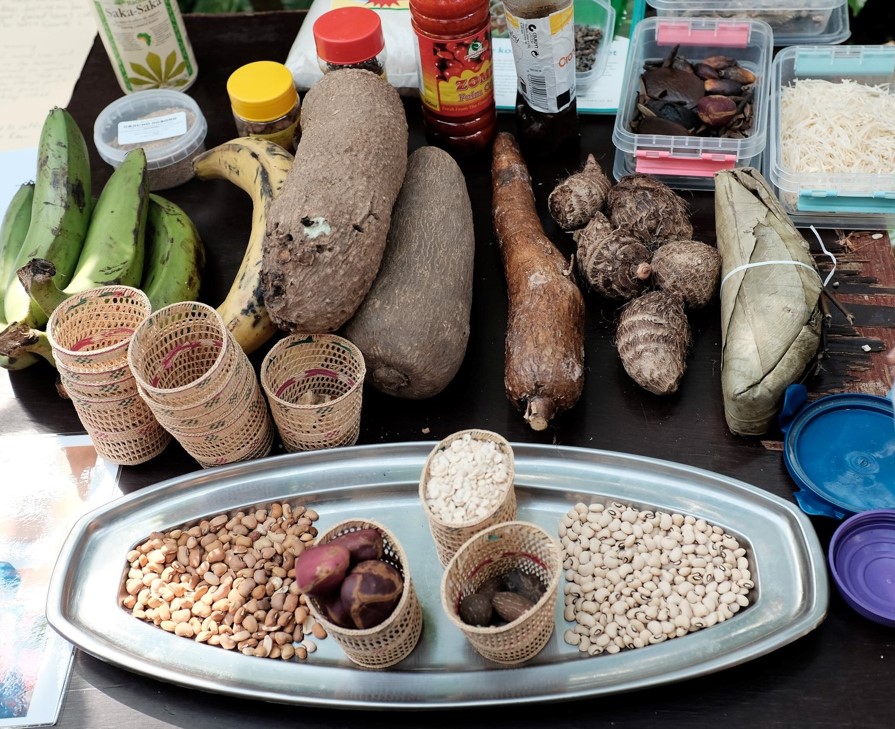
Vyakulani Africa Project (June 2024 – January 2025) The aim of the project is to document African diaspora foodways in Belgium. 

Vyakulani is Swahili for “in the foods” or “which foods”, which embodies our intention to explore and celebrate the rich and diverse food traditions of the African diasporas.

There is increasing interest in consuming nutritious plant-based diets in Europe. However, the consumption and trade of nutritious African foods, has not gained as much acceptance as it should in the public domain, in view of the historical link between both continents. 

Interest in nutritious plant-based diets is on the rise, yet African foods have not gained the recognition they deserve in Europe despite efforts to promote fair-trade food systems. For African diasporas in Europe, cooking with traditional ingredients remains a key part of their identity and heritage. However, the influence of Western lifestyles and biases against African food often echo colonial attitudes, limiting the acceptance and awareness of nutritious African foods like millet, fonio, and sorghum.

While other exotic dishes like kimchi, lemongrass, and quinoa are widely accepted, African superfoods and the role of African agrofood entrepreneurship in biodiversity conservation are not well-known. The project aims to:
  1. Highlight the importance and potential of African food systems.
  2. Encourage Africans in Europe to reconnect with their culinary traditions.
  3. Promote healthy African foods to the wider public.
Among the African diasporas in Europe the desire to cook home foods with indigenous ingredients persists. Within families, food is one of the strong identity markers. Thus, the sustainability of home recipes and diets, including their transmission across generations and potential benefits for larger society (European citizens) need further exploration.

Links 

Monday, November 11, 2024

The fifth edition of the Global Access to Nutrition Index


This report assesses 30 of the world’s largest food and beverage (F&B) manufacturers – 23% of the global F&B market – on their performance to improve access to nutritious foods. The Index presents companies’ relative progress across a range of nutrition-related topics, areas for improvement, and offers a roadmap for change.

This is the fifth Global Access to Nutrition Index. It assesses how the world’s largest food and beverage (F&B) manufacturers are contributing to addressing malnutrition in all its forms. The world faces more challenges than at any point in recent memory. Since 2021, the obesity epidemic has accelerated, with a concurrent slowing of progress in addressing undernutrition. The food sector – particularly the modern food retail segment – is growing. This growth is fastest in emerging markets, with processed foods becoming more available.
Key questions include:
  • What does ‘good’ look like for a company? 
  • What 2030 targets should companies aim for in terms of responsible marketing and portfolio healthiness?
  • Is there a difference between the healthiness of food products available in high income markets versus emerging markets?
  • Are any companies making healthy foods core to their business strategies?
  • What policies are shaping healthier markets, especially in emerging markets?
  • How can responsible investors use this Global Index to exert influence in driving better nutrition practices?
  • What perverse market incentives need to be addressed through policy?

Policy Innovations to Advance Africa's Food Processing Sector

1 November 2024Africa balances policy needs with food processing growth

Opportunities ramp up in the continent’s food processing industry, yet a lack of policy progression threatens to stall progress.

Local entrepreneurs are increasingly entering value-added processing, creating products that cater to both local tastes and international markets. There has also been a notable rise in innovative products using local foods, appealing to niche markets and shifting Africa from a raw commodity net exporter to a value-added foods producer.

“This progress positions African food processors as key players in driving both economic growth and food security across the continent,” Vivian Maduekeh, programme director, Partners in Food Solutions. For the past 16 years, Partners in Food Solutions (PFS) has been working with over 2,000 food processors in over 12 countries.


This article refers to the 


The increased demand for processed foods provides an opportunity for Africa's food processing sector to
grow and contribute to economic growth; however, the continent remains a net and growing importer of processed foods. Africa now has an opportunity to benefit from its growing urban markets and accelerate its transition from primarily producing and exporting raw agricultural commodities by increasing production in its growing food processing sector, The Malabo Montpellier Panel report finds.
  • In the face of demographic shifts and evolving food preferences, Africa stands at a pivotal moment in its agricultural and economic evolution. The past few decades have seen remarkable strides in agricultural productivity across the continent and food systems transformation. Traditional home based and local food processing has declined and opportunities of expansion of food processing industries are growing in the continent. 
  • The dynamic interplay between population growth, rapid urbanization, rising incomes, women’s roles in the labor markets, as well as changes in dietary patterns presents both a challenge and unique opportunity for Africa. 
  • The dietary shift among urban and rural populations towards processed foods, uniquely positions the continent to leverage these trends for economic development but also include challenges for nutrition quality. The expansion of Africa’s food processing sector offers a strategic path to reduce dependency on imported processed food products and enhance the region’s food system development. 
  • This report by the — VALUE-UP: Policy innovations to advance Africa’s food processing sector for growth, jobs, and health— reviews the current situation in Africa and draws lessons from African countries: Ghana, Kenya and Senegal. It focuses on their policy and institutional innovations, as well as programmatic interventions to transform food systems and enhance economic development. The report delves into the various opportunities and challenges faced by food processors in Africa and provided valuable insights and actionable recommendations for stakeholders committed to advancing the continent’s food processing industry.


Resources


Presentation Streamed live on 27 Aug 2024


Related: 


FAO and WHO (2024) What are healthy diets? 12 pp.

Healthy diets promote health, growth and development, support active lifestyles, prevent nutrient deficiencies and excesses, communicable and noncommunicable diseases, foodborne diseases and promote wellbeing. The exact make-up of a diet will vary depending on individual characteristics, preferences and beliefs, cultural context, locally available foods and dietary customs. However, the basic principles of what constitutes healthy diets remain the same. 

In this document the Food and Agriculture Organization of the United Nations (FAO) and the World Health Organization (WHO) have formulated principles of what constitute healthy diets, underpinned by guidelines and other normative elements developed by the two Organizations. The principles provide the basis for the design of policies aimed at improving diet and for the assessment of the healthiness of diets.