Platform for African – European Partnership in Agricultural Research for Development

Monday, June 20, 2016

7th Africa Agriculture Science Week (AASW)

13-16 June 2016, Kigali, Rwanda. The four day Forum and Exhibition attracted over 1,500 participants, including Ministers of State and Policy makers, experts in Agriculture and stakeholders engaged in African agricultural research and development to discuss how research can be used to improve agriculture on the continent.
FARA co-organized this event jointly with the:
  • Sub-regional Agricultural Research Organisations: (ASARECA, CCARDESA and CORAF/WECARD)
  • African Union Commission and NEPAD Planning and Coordinating Agency
  • CGIAR centres (AfricaRice, IITA, ILRI, IFPRI, ICRISAT, ICRAF, CIAT)
  • Education networks (ANAFE, RUFORUM, AAU)
  • Continental AR&D organisations (AFAAS, AGRA, PAFO, AAIN and AATF)
  • Dr. Akinwumi Adesina, President of the African
    Development Bank, during his opening speech
  • The Technical Centre for Agriculture and Rural Cooperation (CTA), FAO, the Global Forum on Agricultural Research (GFAR) and the Global Forum for Innovations in Agriculture.
In his keynote address, President Akinwumi Adesina of the African Development Bank, stressed on investing in science and technologies to transform the agricultural sector in Africa not just to manage rural poverty but for creating wealth. “Today, Africa spends $35 billion on importing food. This is projected to grow to $110 billion by 2025. Africa is importing what it should be producing” he said. He urged ministers of Finances to consider agriculture as a commercial activity and thus, it requires “comprehensive investments in rural infrastructure, market development, transforming the financial sector to lend more to agriculture and greater investments by the private sector in the agricultural value chain. He further expressed excitement for the adoption of the new agricultural transformation strategy of the AfDB at the recent Annual General Meeting of the African Development Bank held in Lusaka, Zambia. He pledges the support of his institution towards NEPAD’s and FARA’s initiatives. In order to guarantee food security in Africa, AfDB adopted an ambitious programme: Technologies for African Agricultural Transformation (TAAT). Its objective is to scale up agricultural technologies to reach millions of farmers in Africa within ten years.
The event focused on the operationalization of the Science Agenda for Agriculture in Africa at country level. Thus its overall theme was “Apply Science, Impact Livelihoods”. The content was organized around the following five sub-themes:
  1. Institutional systems and policies for making science work for African agriculture
  2. Sustainable productivity growth, value chains and profitable agribusinesses
  3. Human capital development and the Youth
  4. Sustainable financing of Science, Technology and Innovation for African agriculture
  5. Megatrends in African Agriculture
Extract of the programme: Report back on outcomes of plenary and parallel sessions
  1. Theme 1: Sustainable productivity growth and intensification; Dr. Kwesi Atta-Krah (Director Humidtropics CRP, IITA)
  2. Theme 2: Value chains, agribusiness and the Youth, Dr. Robin Buruchara (Africa Director, CIAT),
  3. Theme 3: Data, Information and Knowledge Systems for African agriculture; Judith Francis, CTA)
  4. Theme 4: Sustainable financing of STI for African Agriculture; Dr. Chiji Ojukwu (Director, Agriculture and Agroindustry, AfDB)
  5. Theme 5: Human Capital Development, Dr. Moses Osiru (Deputy Executive Secretary, RUFORUM)
Plenary Panel discussion: Reflections on necessary actions for improving and sustaining the
application of science to improve African livelihoods

  • Dr. Bukar Tijani, Assistant Director-General and Regional Representative for Africa, FAO
  • Ms. Elizabeth Atangana, PROPAC
  • Ms. Ténemba Anna Samaké, CEO NBC-Africa
  • Dr. Janet Edeme, Acting Director, African Union Commission Department for Rural Economy and Agriculture
  • Hon. Tony Nsanganira, Minister of State for Agriculture and Animal Resources (Rwanda)
  • Dr. Shadrack Moephuli, President and CEO, ARC-South Africa
  • Dr. Frank Rijsberman, CEO CGIAR Consortium
Inaugural speech by the new FARA Chairperson : Dr. Ephraim A. Mukisira
(this is not the person displayed on the snapshot of the video below!)

A special feature of the conference and exhibition was a day dedicated to showcasing Rwanda and its advancements in agriculture and research.

Saturday, June 18, 2016

GACSA Annual Forum: Climate-Smart Agriculture in Action


14 - 17 June 2016. Rome. GACSA Annual Forum: Climate-Smart Agriculture in Action. GACSA’s
ambitious future is based upon supporting and inspiring action. Farmers, fishers, foresters, and ranchers are at the center of this action, and therefore GACSA is devoting its Annual Forum to showcasing climate-smart agriculture in action.

GACSA was launched in 2014 at the UN Climate Summit, and is a voluntary alliance of partners addressing the challenges facing food security and agriculture under a changing climate. The GACSA Facilitation Unit is hosted by the Food and Agriculture Organization of the UN (FAO).
Extract of the agenda:
  • GACSA Country Case Studies - Interactive exchange among multiple stakeholders from each country (Costa Rica, France, Ireland, Malawi, Tanzania and Vietnam). 
  • Climate Finance and Investment - Take stock of how private and public investors are mainstreaming climate change into their agriculture projects and programmes. 
  • CSA Knowledge in Action -Highlight progress and results across the five priority work areas of the KAG.
  • Regional CSA Alliances -Showcase the work of the regional alliances and platforms focused on CSA. 
  • CSA Innovators Pitch- 3 ‘Innovators’ will pitch their new idea/innovation on CSA.
Opportunities Ahead for CSA - Current gaps in scaling up CSA and opportunities for engagement.

The Agribusiness Innovation and Trade Fair

27 May 2016. Nairobi. The Agribusiness Innovation and Trade Fair was be the climax of the “Young Innovators in Agribusiness Competition.”

The Top 30 Startups and SMEs showcased viable businesses that can attract direct investments and pitch their ideas to a carefully selected audience. The Agribusiness Innovation and Trade Fair featured Pitch for Funds or Partner Session (Dragons Den); Poster Sessions (Bus Station Pitching); financial services and Product Sourcing Stations; discussions with potential mentors and grant giving organizations.

The youth specialize in processing, finance, software and apps development, agro-mechanization, packaging and export services. The top 30 entrepreneurs showcased their business and pitch to potential investors and stakeholders. The climax of the AITF was the recognition of the top Six finalists and one best female entrepreneur who will be awarded with seed capital amounting to USD 20 000.

Noah Ssempijja from Uganda was the overall winner. Other winners are Mercy Kitomari from Tanzania, Ethiopia’s Abrhame Endrias of Green Agro Mechanisation, and Anzazi Kiti (Taste Afrique) from Kenya.

The contest was sponsored by USAID-supported East Africa Trade and Investment Hub, Syngenta, Inter Region Economic Network, and Toyota Kenya Academy.

The Global Nutrition Report 2016

14 June 2016. The Global Nutrition Report 2016 was launched at venues around the world, with further events to follow.

The only independent and comprehensive annual review of the state of the world’s nutrition, the Global Nutrition Report is a multipartner initiative that holds a mirror up to our successes and failures at meeting intergovernmental nutrition targets. It documents progress on commitments made on the global stage, and it recommends actions to accelerate that progress.

The Global Nutrition Report aims to be a beacon, providing examples of change and identifying opportunities for action. This year’s report focuses on the theme of making—and measuring— SMART commitments to nutrition and identifying what it will take to end malnutrition in all its forms by 2030.
  • Click here to download the report and the executive summary.
  • Click here for additional resources related to the report, including infographics, press information, and toolkits.

Thursday, June 16, 2016

Tenth edition of the European Development Days


15-16 June 2016. Brussels. The tenth edition of the European Development Days. Key players from across the world come together for the 10th anniversary of European Development Days. The European Development Days is a two day event to generate new ideas, take action and shape the future with world leaders, young leaders and hundreds of speakers, civil society organisations and international organisations.

This edition is of particular importance, since it marks 10 years of European Development Days. Often referred to as the ''Davos for Development'', the EDDs comes at a crucial time for the future of international development, shortly after the ''Agenda for Sustainable Development'', which is a universal framework to eradicate poverty and achieve sustainable development by 2030, was adopted in September 2015.

The European Development Days focused on implementing the 17 Sustainable Development Goals, building upon 5 vital ''P''s for sustainable development: Partnership, Peace, Prosperity, Planet and People.

The European Development Days 2016 draws over 500 speakers and prominent decision makers, including representatives of international organisations such as Ban Ki-moon, the United Nations Secretary-General, Jim Yong Kim, the President of the World Bank Group, Phumzile Mlambo-Ngcuka, Executive Director of UN Women and numerous Heads of State, including Uhuru Kenyatta, President and Commander-in-Chief of the Defence Forces of the Republic of Kenya, Bibi Ameenah Firdaus Gurib-Fakim, President of the Republic of Mauritius, Roch Marc Christian Kaboré, President of Burkina Faso, Faustin-Archange Touadéra, President of the Central African Republic, Tuilaepa Lupesoliai Sailele Malielegaoi, Prime Minister of Samoa, Hailemariam Desalegn, Prime Minister of Ethiopia and Rui Maria de Araújo, Prime Minister of Timor-Leste, along with many others.


Events related to agriculture: 
Extracts of the programme
15 June
Recent Global Developments in Agricultural Trade and ACP SDG Pursuits
Consensus among panel experts on solutions needed to bring small-scale farmers out of poverty once again ran into examples of the manifold practical difficulties of making them happen on the ground. No doubt, more practical problems would have been discussed had there been adequate time for questions from the floor.
Assessing Sustainable Development in Global Value Chains


EU support to research and innovation for development
Seniors experts presented recent evaluation work findings of EU co-operation for Research and Innovation in partner countries, with specific insights on lessons learned within four sectors: 1) Food security, nutrition and agriculture, 2) Health, 3) Environment and climate change, 4) Science, information society and Space.


- 45% of the DevCo budget for research and innovation for development was spent on food security.
- The needs of the researchers are often different from the programme cycle of DevCo

The contribution of Paul Engel (ECDPM) on agricultural research can be listened at 17:20 to 32:50
  • European partners are mainly in the lead of research projects
  • We took a large sample of 115 projects
  • We checked the likeliness of policy uptake
  • Local researchers managed to make the research with their European partner very relevant for their local needs
  • Limited institutional strengthening
  • Working in least development countries is a specific problem for research
4 Lessons:
  1. Development countries need a minimal research infrastructure and capacity to be able to scale up 
  2. Opportunity for more collaboration between different cooperation instruments
  3. For science and community to meet the needs several intermediate organisations are needed (and often lacking)
  4. Essential to define and invest in the innovation system of a country
Recommendations:
  • DevCo and the EC delegation need jointly to prioritize researh
  • EU should have a more differentiate approach towards LDCs as it has fundamentally another impact (including the private actor)
  • EU is doing too little to document it's experiences, systematizing it and share if with the wider public (how did it work /did not work / do it differently the next time : CAPITALISATION)
At 32:50 Nienke Buisman of DG Research:
  • impact depends heavily on the national innovation system
  • need for a more strategic and differentiated approach 
  • start with 3 to 6 countries and adapt the support to the type of countries
  • documentation: DG Research and Development have to coordinate on results of research
  • some 300 researchers from developing countries participate in Horizon 2020 research projects
  • We have started to set up the partnership of the AU + EC Road map on food and nutrition security. It will be entirely co-financed by a minimum of 10 countries on both sides."If you manage to collect 20 million we will top up with 10 million".
16 June
Forest and Farm Producer Organisations: Operating Systems for the SDGs


Making Coffee the First Sustainable Agricultural Product


Gender and agricultural entrepreneurship

Le Fonds Bêkou : agriculture et résilience dans le contexte de la Centrafrique


Agribusiness alliances in support of local and sustainable food in the ACP
At the moment, Caribbean countries export jams, jellies, snacks, juice, both alcoholic and non-alcoholic drinks, and condiments. Saint Lucia, Jamaica, the Dominican Republic, Trinidad and Tobago and Belize are witnessing the biggest growth in the food sectorsin the region. One key area for the food sector in the future is organic food production. The challenge is that there is no support from the governments and the farmers are not willing to take high risks or pay for expensive insurance.

The Africa Strategic Grain Reserve Conference

14 - 15 June 2016. Nairobi, Kenya. The Africa Strategic Grain Reserve Conference. 

The 2016 first Africa Strategic Grain Reserve Conference was an opportunity to discuss large-scale storage and national grain reserves from the perspective of users, experts, and policy makers in the field, and introduce innovative storage strategies and solutions to strengthen Africa’s food security and food safety. The prevalence and growth of aflatoxin in stored grain continues to be a leading food safety issue on the continent.

Conference Sponsors include the Africa Union’s Partnership for Aflatoxin Control (PACA), Abt Associates, the Schooner Africa Fund, AGCO/GSI and GrainPro.

Partners include the Kenyan Ministry of Agriculture, the Alliance for a Green Revolution in Africa (AGRA), Farm Concern International, Purdue Improved Crop Storage (PICS), and the World Food Preservation Center.

Extract of the programme:

Session 3:
  • Aflatoxin small holder storage
  • Aflatoxin large scale storage
  • Post harvest storage for small holder farmers in South Sudan
Session 4:
  • Hermetic storage
  • Grains silos
  • Purdue Improved Crop Storage
  • Grain storage
Q and A Session 3 and 4: Breakout group 3: Aflatoxin
  • How should the Strategic Grain Reserve (SGR) address aflatoxin issues?
  • Will they commit to testing for aflatoxin?
  • Impact of aflatoxin in nutrition?
The conference also noted that sometimes, due to early harvest, the maize is affected by aflatoxin and thus becomes unsuitable for the market.

Tuesday, June 14, 2016

Climate Change Mitigation and Poverty Reduction

14 June 2016. Brussels. The aim of this policy workshop “CLIMATE CHANGE MITIGATION AND POVERTY REDUCTION: TRADE-OFFS OR WIN-WIN SITUATIONS?” was to present and discuss the main findings of the CliMiP project and its policy implications.

In the aftermath of the Paris COP, the synergies and challenges linking climate change and development are becoming increasingly relevant. To date, this issue has been the most divisive within the UNFCCC, with struggles along a rift centring on ‘historical responsibilities’, the ‘right to emit’ and ‘fair global carbon shares’. More recently, however, both developed and developing countries have become aware of the need to jointly work for the implementation of effective strategies to tackle climate change without compromising future economic growth and poverty reduction priorities.

Extract of the agenda:

  • Jann Lay, GIGA and University of Göttingen Insights from the CLiMiP Project on Mitigation Efforts in Developing Countries
  • Kevin Urama, Senior Advisor to the President of the African Development Bank Opportunities and Barriers of Reconciling Climate Change Mitigation policy and Economic Development 

Going the Last Mile: Accelerating Progress in Food Security and Nutrition

organisers last mile

14 June 2016. The International Food Policy Research Institute (IFPRI), the Technical Centre for Agricultural and Rural Cooperation (CTA), the Directorate General for International Cooperation and Development of the European Commission (DG DEVCO), HarvestPlus and the Joint Research Centre of the European Commission (JRC) hosted an all-day workshop on Going the Last Mile: Accelerating Progress in Food Security and Nutrition.

Michael Hailu, CTA's Director, chaired the event together with Shenggen Fan, IFPRI's director, Roberto Ridolfi, Director for Sustainable growth and development at the DG DEVCO of the European Commission, and Vladimir Šucha, JRC's Director-General.

The event took place on the eve of the European Development Days and focused on translating investments into action. Leading thinkers and stakeholders came together to share experiences and support critical dialogue for advancing progress in the achievement of necessarily ambitious food security and nutrition goals.

The day's programme included a multisectoral panel discussion and thematic sessions on:
Translating analysis into action
  1. Scaling up technologies
  2. Delivering from data
  3. Enhancing policy performance
  4. Going the last mile
Complete Agenda (377.59 KB)
Presenter Bios (914.3 KB)

Extract of the programme:
  • Prioritizing EU Interventions in Food Insecure Regions: The role of IPC: Thierry Nègre, Head, Food Security Group, Monitoring Agricultural Resources Unit, JRC and Philippe Thomas, Team Leader Food and Agricultural Systems, Crisis and Resilience, EuropeAid
  • Improving Data Collection and Management for Farmers Organizations Norbert Tuyishima, Programme Officer, Eastern Africa Farmers Federation (EAFF)
Panel discussion: Accelerating Progress to End Hunger and Undernutrition 
  • Moderator Rajul Pandya-Lorch, Chief of Staff and Head of 2020 Initiative, IFPRI Panel Members 
  • Jean-Pierre Halkin, Head of Unit, Rural Development, Food and Nutrition Security, EuropeAid
  • Danielle Resnick, Senior Research Fellow, IFPRI 
  • Johan Swinnen, Professor of Development Economics and Director of LICOS Center for Institutions and Economic Performance, University of Leuven (KUL)


Africa Agribusiness Insights Survey 2016

14 June 2016. Africa Agribusiness Insights Survey 2016. Including Nigeria, Tanzania, Kenya, Zambia, Ethiopia, South Africa, Botswana, Zimbabwe and Malawi – the publication provides insight on a range of issues, including risk management, cross-border expansion and technological innovation.

While the majority of respondents (70.6%) had not invested in African countries other than their own, 58.8% of participating company bosses see investment in other African territories as an opportunity for expansion. Zambia, Botswana, Tanzania and South Africa are the top four countries in which they are planning to invest.

The single greatest challenge to cross-border expansion, according to the CEOs, is inefficient and bureaucratic governments. Other challenges include high employee turnover (a challenge first cited this year), policy instability, cross-border regulatory requirements and corruption, crime and theft.

Technology: a challenge and an opportunity

The greatest opportunity for technological innovation, according to respondents, is the availability of real-time data, with others including systems integration, forecasting demand and managing inventory, and the ability to manage budgets despite high and fluctuating costs.

The report notes that,
“The agriculture industry is reaching a level of precision that was almost unimaginable just a decade ago. With the existing technologies in place, the availability of real-time data could provide more efficient decision-making and a proactive farming approach that can be tremendously valuable.”
Despite most agribusinesses struggling to finance new technology and find solutions designed to fit their specific needs, just over 88% of those surveyed expect to implement a technology-related project in the next year. The survey focusses on three key technologies: the use of drones for agricultural purposes, artificial intelligence (AI) farming and software packages.

Only 47.1% of respondents would invest (35.3%), or had already invested (11.8%) in AI farming capabilities. The report notes that this may be due to prohibitive costs, misperceptions and a limited knowledge among farmers. However, more than three-quarters of the respondents expect AI farming will make a major contribution to increasing capacity in Africa in the next decade.
The best way to maintain a competitive edge and stay ahead of your peers is to embrace technological innovation. We recognise the importance of seizing the opportunity to create new technologies through innovation. Technology should contribute to creating an enabling environment in which businesses can reach their strategic goals faster and more efficiently. Through this publication, we endeavour to share information on technological innovation that could impact the world in which agribusinesses operate, enabling them to make smart decisions that will position them properly for the future.
The use of unmanned aerial vehicles (UAVs) or drones for management of crops, livestock, fisheries, forests and other natural resource-based activities represents a new technological frontier and opens up a range of exciting opportunities. The latest issue of ICT Update is dedicated to the use of this technology and associated systems in different parts of the world. This issue - available online and in print format in both English and French has been published in collaboration with Esri. It includes 12 articles, one interview and a section featuring selected online resources on the topic. Articles range from the use of UAVs to design an irrigation scheme in Nigeria, to feeding a locust monitoring scheme, from documenting illegal land occupancy in Panama to assisting smallholder farmers in monitoring their crops in Eastern Africa, and more.
French: ICT4Ag (ICT Update) 82 : Les drones au ...

Thursday, June 9, 2016

Benin : Soyabean processing

12 June 2016. Kigali. PAEPARD side event at the 7th AASW and FARA General Assembly

Presentation by:
L’Association SOJAGNON du Bénin est une Organisation Non Gouvernementale. Elle est Leader du Consortium Soja du Bénin (CSB) et Coordonne le Projet CRF du Bénin qui porte sur l’amélioration de transformation du soja au Bénin le cas de Lait et de Afitin de Soja.

Le Projet Soja Afitin- Milk (ProSAM) du CRF/PAEPARD-FARA sous financement de la Commission Européenne.

D’une durée de 36 mois, le Projet ProSAM du Fonds Compétitif de Recherche (CRF) du PAEPARD a démarré ses activités de recherche développement en Octobre 2014. Actuellement ce projet vient de boucler vingt et un mois (21 mois) dans sa phase d’exécution par les partenaires du Consortium.
  • Les activités menées et résultats obtenus par les partenaires du projet sont capitaliser et publier à travers les posters. Ces outils de publication sont réalisés par les partenaires ci-après :
  • La Faculté des Sciences Agronomique de l’Université d’Abomey-Calavi à travers le Laboratoire des Sciences des Aliments (LSA) du Professeur D. Joseph HOUNHOUIGAN, Doyen de la FSA/UAC et de l’Université de Wageningen au Pays-Bas;
  • L’Institut National des Recherches Agricoles du Bénin (INRAB) à travers le Programme Technologie Agricole et Alimentaire (PTAA) du Centre de Recherches Agricoles d’Agonkanmey. Le Programme est sous la responsabilité du Docteur Paul HOUSSOU et de l’Université de Lisbonne au Portugal (ISA-Lisboa) ;
  • L’Association pour le Développement du Soja au Bénin (SOJAGNON-ONG) à travers la coordination du Projet Soja Afitin-Milk ProSAM du CRF-PAEPARD du Bénin, dirigé par Monsieur Patrice Lagnon SEWADE.


International Floriculture Trade Fair (IFTEX) 2016

8 - 10 June 2016. Nairobi, Kenya. 5th edition of the International Flower Trade Expo IFTEX.

Well over 200 companies are exhibiting and more than 4,000 national and international trade visitors are expected to attend, a 15% increase, bringing the number of participating countries this year to at least 50. Exhibiting companies will include growers, exporters, brokers, breeders, propagators, and other suppliers of the flower industry. Visitors will include especially flower buyers that will fly in from all over the world, and is the prime target group on the attendance part of the fair. The exhibition itself has grown
another 10% in size and will for this reason accommodate about 10% more exhibitors.

The special focus of exhibitors this year will be on finding new customers in order to increase exports. Many first time buyers are expected to attend this year from especially China, Russia, USA, Japan, Middle East and South East Asia, all new big potential flower consuming countries and regions that are looking more and more especially for Kenyan grown flowers. With a high number of pre-registered attending buyers, exhibitor’s expectations are set high on a good turn out this year. And because of the presence of nearly all Kenyan flowers growers at this year’s IFTEX, the fair should be able to present an almost complete showcase to its attending buyers of what Kenya has to offer in terms of flowers.

Wednesday, June 8, 2016

The involvement of European corporate and financial entities in land grabbing

Land grabbing and human rights: The involvement of European corporate and financial entities in land grabbing outside the European Union.
Saturnino M. BORRAS Jr. (International Institute of Social Studies, Netherlands), Philip SEUFERT (FIAN International, Germany), Stephan BACKES (FIAN International, Belgium), Daniel FYFE (FIAN International, Switzerland), Roman HERRE (FIAN Germany, Germany), Laura MICHELE (FIAN International, Germany) and Elyse MILLS (International Institute of Social Studies, Netherlands)

In early research on land grabbing, the initial focus was on foreign companies investing abroad, with a particular focus on those based in countries such as China, Gulf States, South Korea, and India. In recent years, it has become evident that the range of countries land investors originate in is far broader, and includes both North Atlantic - and EU-based actors. In this study, we offer both quantitative and qualitative data illustrating the involvement of EU-based corporate and financial entities in land deals occurring outside of the EU.

This study also analyses the global land rush within a human rights framework, examining the implications of particular land deals involving EU-based investors and their impact on communities living in areas where the investments are taking place. The research presented here builds partly on Cotula’s 2014 study on the drivers and human rights implications of land grabbing, but differs in that it focuses explicitly on particular cases of possible, actual or potential human rights abuses and violations, in the context of activities involving European corporate and financial entities. In our conclusions, we offer a series of recommendations on how the EU can more effectively address these issues.

Extracts:
During the earliest wave of research on land grabbing, the initial focus was on foreign companies, with emphasis on a set of foreign players (China, Gulf States, South Korea, India, and others). (page 12)
The reality is more fluid and complex than what available databases tell us partly because: (a) land grabbing cannot be understood in a static, technical and restrictive way; (b) land grabs are multi-layered and complex processes, in which a land deal involves many actors via investment webs implicating diverse types of public and private actors (which cannot be clearly separated), and “nationality” of land deals is never a straightforward issue; and (c) EU actors are involved in land grabs and related human rights violations at different points in investment webs. (page 7)
There has been comparatively less examination of the role that EU Member States play in the global land grab (19), likely partly because many EU-based investors and companies have multiple foreign subsidiaries that make it difficult to trace their roots directly to the EU. However, companies registered in the EU are engaging in numerous land deals, that, when aggregated, add up to vast amounts of land in developing countries. Companies registered in France and the United Kingdom have been involved in 40 to 124 land deals, respectively – as a result, gaining control of 629 953 to 1 972 010 hectares of land in various countries outside the EU. Corporations registered in Belgium, the Netherlands and Italy are not far behind, with 20 to 21 deals each, involving a total of 251 808 to 615 674 hectares of land. (page 14)
It is more adequate to talk about investment webs rather than investment chains. As a result, attributing responsibilities for human rights violations to each of the countries involved becomes a substantive challenge for those in charge of determining accountability and providing remedies (including parliamentary, quasi-judicial and judicial mechanisms). It also hampers the advocacy work of CSOs, grass roots communities and their advocates seeking justice. (page 20)

Major financial capital company players with regard to land grabbing are pension funds. At the end of 2014, total private pension assets in the 34 OECD countries were valued at 38 trillion USD and managed mainly by pension funds (OECD. (...) 29). As for private pension funds or funds that are of a more embroiled construction, EU Member States have the obligation to regulate them in order to avoid that their funding contributes to human rights abuses abroad, and ensuring effective remedy in case of abuses. The Dutch private pension fund ABP is an illustrative case. (page 22)
In recent years, the EU has increasingly shifted towards a private sector-led approach to development, arguing that private sector engagement and funding is an indispensable complement to EU development assistance (EC, 2014). However, so-called partnerships” with the corporate sector carry major risks, in particular when conflicts of interest are not adequately addressed. (...)A study conducted by family farmers’ organizations in Africa concluded that resources are targeted towards industrial agriculture and that PPPs are not an appropriate instrument for supporting the family farms that are the foundation of African food security and sovereignty (EAFF, ROPPA and PROPAC, 2013). (page 30).
At a Hearing on the New Alliance in the Committee for Development (DEVE) in the European Parliament in December 2015, De Schutter presented an expert study, which raises six major concerns regarding the New Alliance, including the fact that within the New Alliance, “speculation over land increases, and so does land concentration: foreign investors are mostly interested in developing large-scale plantations, that are relatively non-labour-intensive and contribute relatively little to rural development; and conflicts over land increase as land becomes a valuable asset” (De Schutter, 2015). (page 30)
In many cases, the number of jobs created in the context of land deals has been considerably below what was promised and communities frequently complain about low wages, long working days, temporary or seasonal employment contracts and poor working conditions in general. (..) Instead of contributing to development – as claimed by many promoters and defenders of large-scale land acquisitions – land deals thus often lead to adverse incorporation of people and communities into increasingly globalised value chains. In many cases, they end up in situations of dependency from one company and complete loss of autonomy, or even infringements against their right to self-determination. (page 37)
Indeed, in cases where human rights abuses and violations have occurred, communities face major difficulties in obtaining adequate and just reparation. Damage done by the respective project and adverse human rights impacts often continue to affect people even after the end of a project and projects usually do not foresee redress and reparation for abuses and violations suffered. (page 38)
One step to avoid harm in other countries is the conduct of prior human rights impact assessments (HRIAs) and the monitoring of the extraterritorial human rights impacts of policies, laws and practices, in particular where the risk of adverse impacts is high. Such assessments must be conducted under public participation, and their results be made public and inform measures to prevent, cease, and remedy the harm (page 42)
Health and Climate Colloquium

8 - 10 June 2016. Columbia’s Lamont-Doherty Earth Observatory campus. The International Research Institute for Climate and Society and Mailman hosted a Health and Climate Colloquium

The purpose of the three-day event was to help build a global community of health practitioners and policymakers that understand and can use climate information to support health delivery and improved outcomes in the context of a changing climate. The meeting focused on infectious diseases, nutrition and the public health outcomes of meteorological disasters.

Extract of the programme:

Wednesday, June 8, 2016 (Day 1) – Climate Information to Serve the Health Community
Climate information needs of the Agriculture and Nutrition Community: John McDermott, CGIAR Research Program on Agriculture for Nutrition and Health (A4NH)
See video @ 1:26


Thursday, June 9, 2016 (Day 2) – Case Studies and Tools
11:25am – 11:45am Delia Grace, International Livestock Research Institute (ILRI)

World Mycotoxin Forum

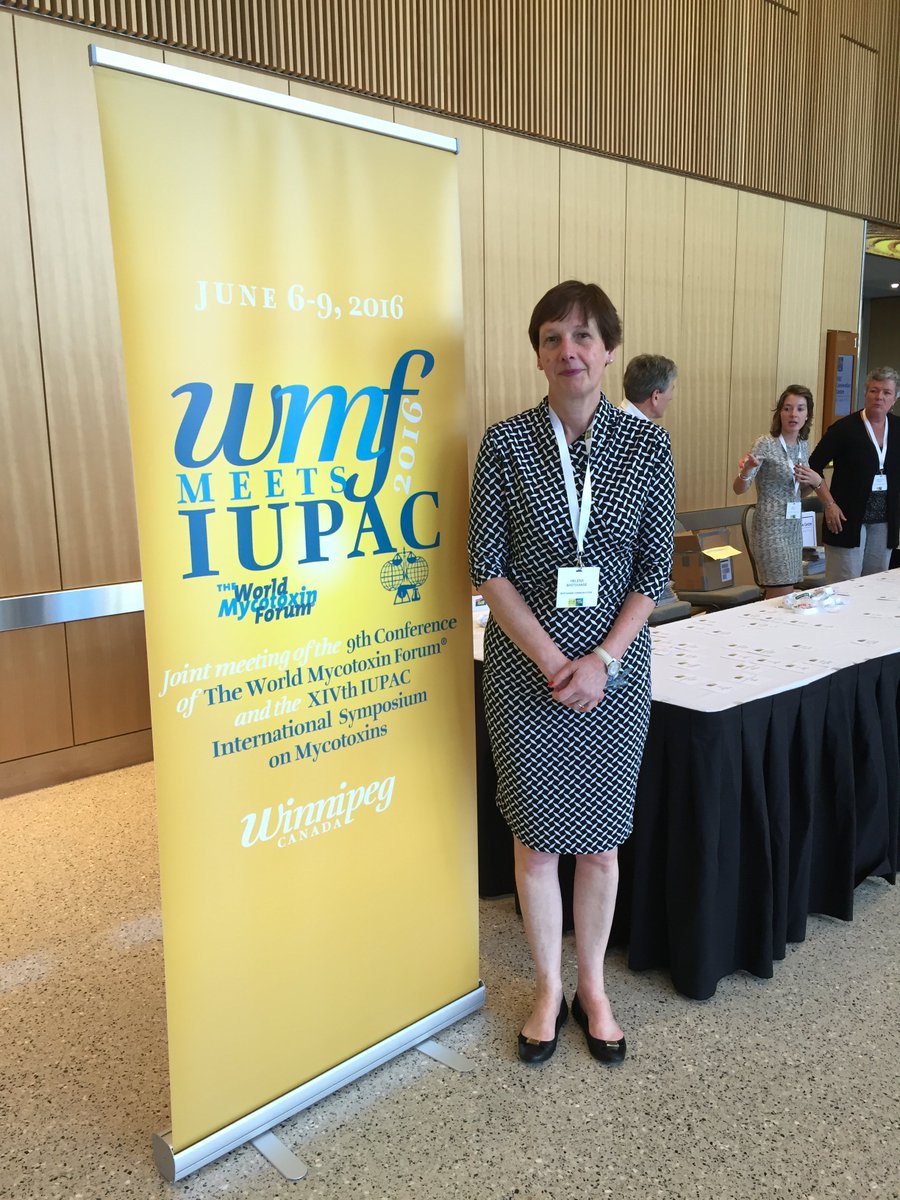
6 - 9 June 2016. Winnipeg, Canada. This event with over 400 delegates from 31 countries, combines the 9th Conference of The World Mycotoxin Forum and the XIVth IUPAC International Symposium on Mycotoxins. The conference builds on the success of the previous edition held in Rotterdam, the Netherlands (2012).

The aim of WMFmeetsIUPAC – the world's largest mycotoxin event – is to increase the awareness of human and animal health risks due to mycotoxin contamination. It offers a platform for the food and feed industry, science and regulatory authorities to exchange current knowledge, to promote harmonization of food and feed safety regulations and control procedures, and to make recommendations for integrated strategies ensuring the safety and security of food and feed supply chains.

  •  Perspectives on FAO’s work on mycotoxins in a changing world Dr. Vittorio Fattori, Food and Agriculture Organization of the United Nations (FAO), Joint FAO/WHO Expert Committee on Food Additives (JECFA), Italy
  • Economic impact of aflatoxins – situational analysis in six African countries Dr. Ranajit Bandyopadhyay, International Institute of Tropical Agriculture, Nigeria
  • EU regulations and mycotoxins in the food chain: more than a drop in the ocean? Frans Verstraete, M.Sc., European Commission-Directorate General Health and Food Safety, Belgium
  • MyToolBox – Safe food and feed through an integrated (e-)ToolBox for mycotoxin
    management Prof.dr. Rudolf Krska, Department IFA-Tulln, BOKU Vienna, Austria
  • Dr. Andreia Bianchini, University of Nebraska-Lincoln, USA
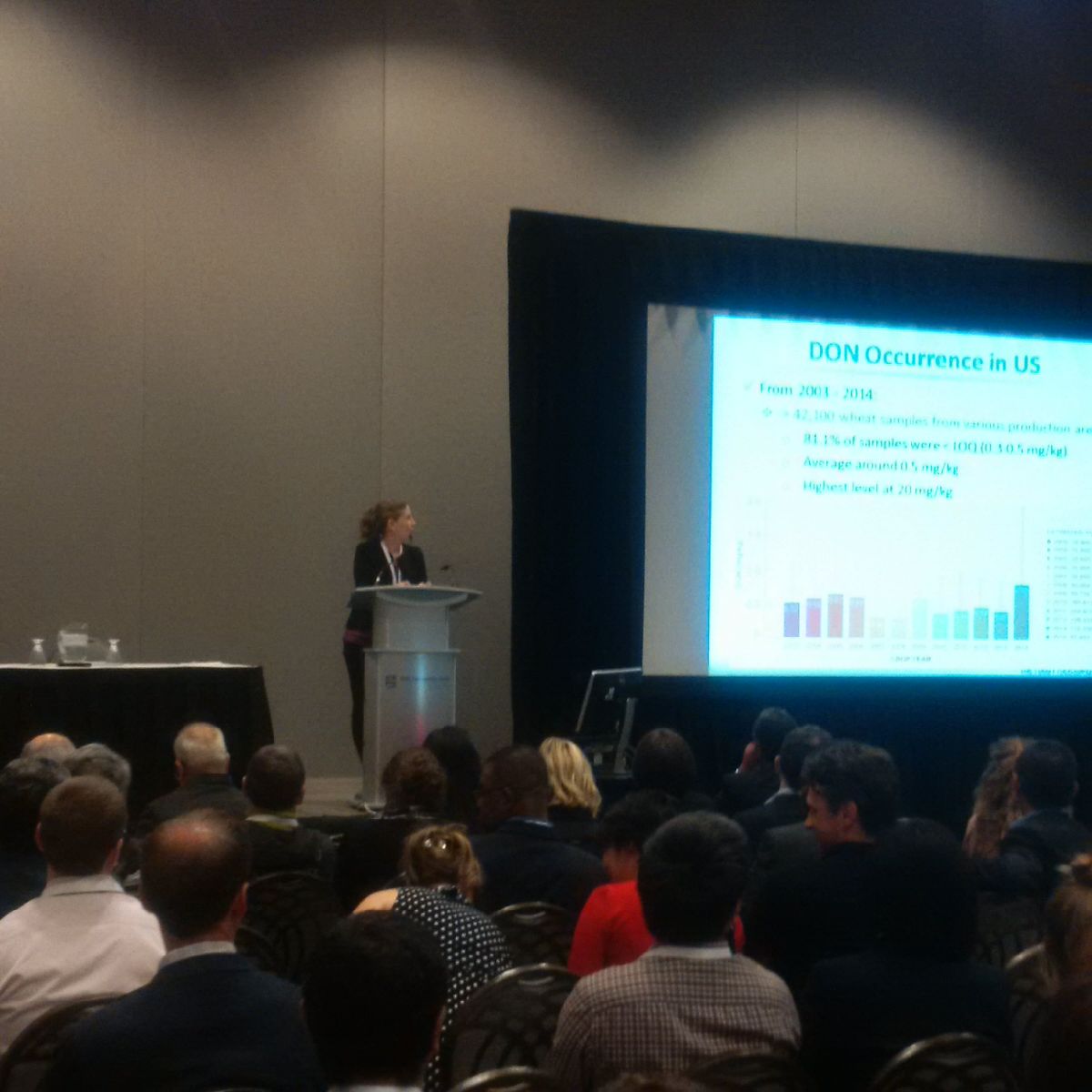
    A North American perspective on deoxynivalenol
    management in grains considering new Codex guidelines
  • From MycoRed to MycoKey: integrated and innovative key actions for mycotoxin management in the food and feed chain Dr. Antonio Logrieco, Institute of Sciences of Food Production, Italy
  • Best practices for rapid mycotoxin testing Kyle Donovan, EnviroLogix, USA 
  • Development of an online FAO mycotoxin sampling tool and its application to aflatoxin sampling protocol for corn and groundnuts in Africa Dr. Sheryl Tittlemier, on behalf of Dr. Andy Slate, NC State University, USA 
  • Recent advances in adoption of aflatoxin biocontrol by farmers in Africa Dr. Ranajit Bandyopadhyay, International Institute of Tropical Agriculture, Nigeria
  • The effect of corn plant density and water availability on fumonisin-producing Fusarium spp. infection and fumonisin synthesis Dr. Belinda Janse van Rensburg, Agricultural Research Council, South Africa 
  • Is organic farming a suitable approach to reduce mycotoxins in agricultural crops? Dr. Ingerd S. Hofgaard, Norwegian Institute of Bioeconomy Research, Norway, on behalf of Dr. Gunnar S. Eriksen, Norwegian Veterinary Institute, Norway
  •  Decontamination and detoxification of mycotoxins in grain to improve feed quality and animal health Dr. Natacha Hogan, University of Saskatchewan, Canada
  • Avoiding the unavoidable: regional impact and human counter measures to control mycotoxins Dr. Ranajit Bandyopadhyay, International Institute of Tropical Agriculture, Nigeria
  • Mycotoxin binders for the reduction of aflatoxins in animals and humans Dr. Sarah Elmore, Texas A and M University, USA
  • After 125 years of mycotoxin research, what is expected from researchers now? Prof.dr. David Miller, Carleton University, Canada

Launch of the 3GF Partnership “Food Loss & Waste Protocol”

6 - 7 June 2016. Copenhagen. The 3GF 2016 Summit, has made a global commitment to advancing green transformation at speed and at scale. Hosted by the Government of Denmark, representatives from 3GF partner countries; China, Ethiopia, Kenya, The Republic of, Korea and Mexico attended the 3GF Summit along with representatives from new partner countries Chile and Vietnam .

The Summit also welcomed decision makers from 37 different countries across the public and private sectors along with civil society. Over 450 high level delegates attended the event including representatives from 68 private companies.

Extract of the programme:
Delivering Smarter Food Systems
As we think about our food supply, how can new partnerships help increase efficiency working through such deeply embedded and existing supply chains? How can food waste be reduced at both the production and consumption ends of our food systems? How can we achieve scale in markets where smallholder farmers can play a significant role? See: Session note: Delivering Smarter Food Systems 

Panel:
  • HE Mr Espen Lunde Larsen, Minister of Environment and Food, Denmark 
  • Khalid Bomba, CEO, Ethiopian Agricultural Transformation Agency, (ATA)
  • Liz Goodwin, CEO, WRAP
  • Michiel Kernkamp, CEO, Nestlé Nordic Region
  • Toine Timmermans, Wageningen University
A Call to Action: An In Conversation on Enabling Solutions at Speed and Scale in Ethiopia
This session explored green growth in Ethiopia - the experience of climate solutions in the context of
mitigation and climate changes in the country. One of the key strategic priorities for the Ethiopian government has been the development of industrial parks to attract investment, to both build up infrastructure and create employment opportunities. According to the UNDP, it’s estimated that building the green economy in Ethiopia would require over US$150 billion over 20 years from 2011 to 2030. A green path of development would allow Ethiopia to tap into streams of climate finance as well as traditional investment, whilst providing future-proof jobs in emerging sectors.
Session note: A Call to Action: An In Conversation on Enabling Solutions at Speed and Scale in Ethiopia

Launch of the 3GF Partnership “Food Loss and Waste Protocol”
What gets measured can be managed: Presentation of the 3GF partnership that has developed a global
standard for measuring food loss and waste in a consistent, credible and transparent manner.

Press RELEASE 06/06/2016: First-Ever Global Standard to Measure Food Loss and Waste Introduced by International Partnership

Panel:
  • HE Mr Kristian Jensen, Minister for Foreign Affairs, Denmark 
  • Liz Goodwin, CEO, WRAP
  • Michiel Kernkamp, CEO, Nestlé Nordic Region 
  • Andrew Steer, President and CEO, World Resources Institute, (WRI) 
  • Ren Wang, Assistant Director General, Agriculture and Consumer Protection Department, Food and Agriculture Organization of the United Nations (FAO)
“This standard is a real breakthrough. For the first time, armed with the standard,
countries and companies will be able to quantify how much food is lost and wasted, where it occurs, and report on it in a highly credible and consistent manner. There’s simply no reason that so much food should be lost and wasted. Now, we have a powerful new tool that will help governments and businesses save money, protect resources and ensure more people get the food they need.” Andrew Steer, President and CEO, World Resources Institute. “
“WRAP’s work to help reduce household waste in the UK by 21 percent was only possible through our ground-breaking analysis to quantify how much and where it was wasted. Food waste is not confined by borders, so WRAP is delighted to have helped develop the Food Loss and Waste Standard. I am confident it will empower businesses, governments, and other organisations to take action on an international scale, an outcome that WRAP will strongly support.” Dr. Liz Goodwin, Chief Executive Officer, WRAP (The Waste and Resources Action Programme)
“Measuring the level of food waste in a structured way is critical for developing effective
strategies that focus on reducing food waste and monitoring progress at the business, national and EU level, as well as contributing to the achievement of SDG Target 12.3. The EU-FUSIONS' Food Waste Framework and Quantification Manual is fully synchronized with the Food Loss and Waste Protocol's FLW Standard. This enables users of the FUSIONS manual which are monitoring and reporting on food waste amounts and trends over time to be harmonized with the requirements of the global accounting and reporting standard.” Toine Timmermans, Project Coordinator for EU-FUSIONS
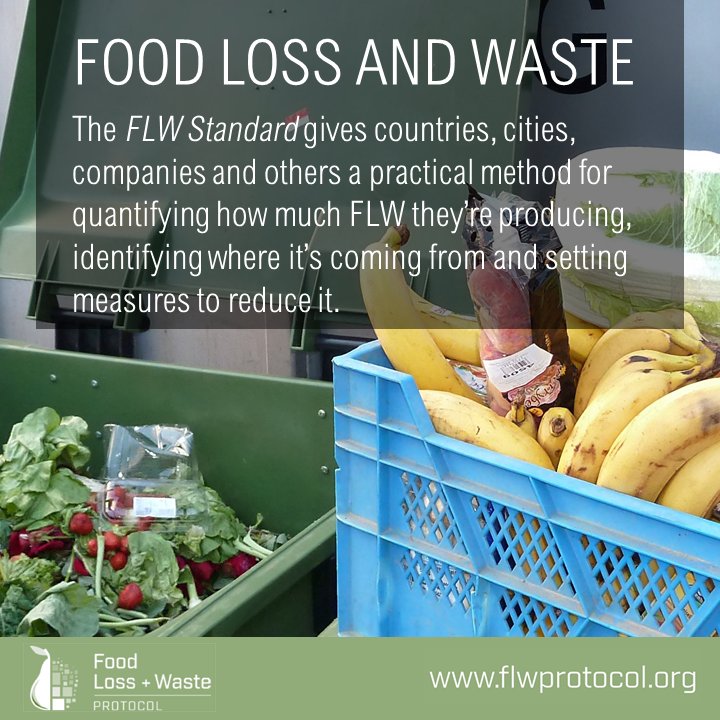
The Food Loss and Waste (FLW) Standard (160 pages)
  • provides a set of global definitions and reporting requirements for companies, countries and others to consistently and credibly measure, report on and manage food loss and waste. The Standard will help governments and businesses save money, protect resources and ensure more people get the food they need.
  • The FLW Standard was developed over the past three years by a partnership of leading international organizations, led by the World Resources Group (WRI). More than 200 external stakeholders representing companies, national governments, intergovernmental organizations, non-governmental organizations, and academic institutions from around the world provided feedback on the Standard.
Food loss and waste facts:
  • An estimated one-third of all food is lost or wasted worldwide as it moves from where it is produced to where it is eaten, even as more than 800 million people are undernourished.
  • Food loss and waste globally costs up to US$940 billion per year.
  • Food loss and waste generates about 8 percent of global greenhouse gas emissions. If it were a country, food loss and waste would be the third-largest greenhouse gas emitter behind China and the United States.
Resources:
The new FLW Protocol website, where you can access the Standard: www.FLWProtocol.org
A short 3GF film on food loss and waste and the Standard:


Related:
Interview with Vimal Shah, Chairman, Kenya Private Sector Alliance / Bidco Oil Refineries. Why is green growth important for the African region and how can public private partnerships drive green growth?

Green and growth must go together. Without green, growth cannot be sustainable and green cannot thrive without growth. A rapid, large-sale industrial transition is needed if global economic growth is to continue while reducing greenhouse gas emissions, adapting societies to climate change and promoting a sustainable use of resources.

Comic book and School/Community & Camps on Why Farm?

WHYFARM means We Help Youth Farm. It is a not-for-profit organization from Trinidad and Tobago that was developed to help young men and women capitalize on the opportunities and overcome the challenges in the agriculture industry by becoming stronger leaders and more dynamic voices in their local communities.

WhyFarm has created a simple, attractive, convenient, reader friendly fun method in teaching agriculture to youths.
  • WhyFarm has introduced a powerful Food Provider "AgriMan" in the form of a comic book series. He is on a quest to grow future feeders from the ground up.
  • AgriVenture takes on an intense course structure to introduce an Agricultural Adventure for children to be educated about food and nutrition security. With its unique outline it allows for the participants of the course to have fun while simultaneously learning the role in which they can adopt to contribute towards food security. 


Tuesday, June 7, 2016

Brazil, China roles in African farming explained

A special issue of World Development, examines the real roles that China and Brazil are playing in African agriculture, moving beyond what the authors consider as “simplistic narratives of South-South collaboration or neo-imperial expansion”.

Eight papers culled from an input of 20 research collaborators detail how Brazil and China are impacting the African economy. The work, organised via the Future Agricultures Consortium, was supported with roughly US$ 934,000 in UK Economic and Social Research Council funding.

The project set out to explore what is actually going on in Ethiopia, Ghana, Mozambique and Zimbabwe, where Brazil and China have made investments, says Ian Scoones, fellow at the Institute of Development Studies, University of Sussex, the UK, and editor of the issue.

Through 16 different case studies, the project revealed a complex set of engagements, which contrast with existing patterns of western-led development and investment.

World Development Open Access Special Issue Volume 81, 2016
Editors: Ian Scoones, Kojo Amanor, Arilson Favareto and Qi Gubo
  1. A new politics of development cooperation? Chinese and Brazilian engagements in African agriculture by Ian Scoones, Kojo Amanor, Arilson Favareto and Qi Gubo
  2. South-South cooperation, agribusiness and African agricultural development: Brazil and China in Ghana and Mozambique by Kojo Amanor and Sérgio Chichava
  3. Chinese state capitalism? Rethinking the role of the state and business in Chinese development cooperation in Africa by Jing Gu, Zhang Chuanhong, Alcides Vaz and Langton Mukwereza
  4. Imagining agricultural development in South-South Cooperation: the contestation and transformation of ProSAVANA by Alex Shankland and Euclides Gonçalves
  5. Brazil’s agricultural politics in Africa: More Food International and the disputed meanings of ‘family farming' by Lídia Cabral, Arilson Favareto, Langton Mukwereza and Kojo Amanor
  6. Chinese migrants in Africa: Facts and fictions from the agri-food sector in Ethiopia and Ghana by Seth Cook, Jixia Lu, Henry Tugendhat and Dawit Alemu
  7. Chinese agricultural training courses for African officials: between power and partnerships by Henry Tugendhat and Dawit Alemu
  8. Science, technology and the politics of knowledge: the case of China’s Agricultural Technology Demonstration Centres in Africa  by Xiuli Xu, Xiaoyun Li, Gubo Qi, Lixia Tang and Langton Mukwereza

UNEP Science-Policy Forum

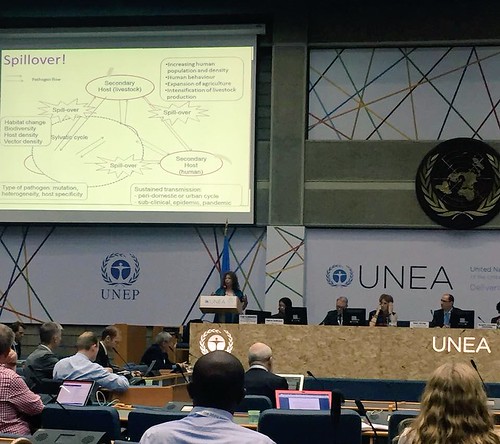
19-20 May 2016. Nairobi, Kenya. The United Nations Environment Programme (UNEP) held its first global Science-Policy Forum in as part of the overall programme of the second session of the United Nations Environment Assembly (UNEA-2) held on 23-27 May 2016.
  1. Session 1: Official opening of Science-Policy Forum
  2. Session 2: SCP/Resources + Marine (Parallel tracks)
  3. Session 3: Food-Energy-Water Nexus + Natural Capital (Parallel tracks)
  4. Session 4: Impact of Extractives Sector + Climate Change, Air Quality, Sand and Dust Storms (Parallel tracks)
  5. Session 5: Frontier issues including Environment and Displacement
  6. Session 6: SDG's and the multi-level, multi-thematic, multi-sectoral data landscape – panel debate
  7. Session 7: Highlights of the GEO-6 Regional Assessments and the Global Gender and Environment Outlook (GGEO)
  8. Session 8: The Science-Policy Interface - Going Forward
The forum offered a platform to the science community to engage with policymakers and civil
Abdelkader Bensada, an officer responsible for UNEP’s
work on sustainable pastoralism and rangeland conservation
and UNEP’s focal point for the International Land Coalition,
talks with Fiona Flintan, a rangelands governance scientist
on joint appointment with ILRI and the International Land
Coalition, at the rangelands side event at UNEA-2
(Global Rangelands Initiative)
(photo credit: ILRI/Dorine Odongo).
society stakeholders on the science and knowledge needed to support informed decision-making to deliver on the environmental dimension of the 2030 Agenda for Sustainable Development.

Extracts of the programme
Side event on sustainable pastoralism
  • A new resolution on Combating desertification, land degradation and drought and promoting sustainable pastoralism and rangelands was presented and adopted at the second session of the United Nations Environment Assembly (UNEA-2) held 23–27 May 2016 at the United Nations Environment Programme (UNEP), in Nairobi, Kenya.
  • At a UNEA-2 side event on sustainable pastoralism, high-level discussions among key players in the livestock sector highlighted pastoralism’s ability to promote healthy ecosystems in the face of climate change, showing that common pastures are potential reservoirs of greenhouse gases.

Launch of the UNEP Frontiers 2016 report 
  • Delia Grace, a veterinary epidemiologist at the International Livestock Research Institute (ILRI), took part in the forum as a panellist for the launch of the UNEP Frontiers 2016 report on emerging issues of environmental concern.
  • Her presentation on zoonotic and emerging infectious diseases focused on the global burden of zoonotic diseases (diseases that can be transmitted between animals and people), the drivers of disease (among them, land use change, environmental degradation and climate change) and how the multidisciplinary One Health approach can be used to support timely response to the threat of zoonotic diseases.


Science Policy Framework Session 3 Track 1 Food-Energy-Water Nexus (Crosscutting SDGs 2, 6 and 7)

Monday, June 6, 2016

L'alliance régionale de la mangue d'Afrique de l'Ouest

3 June 2016. Dakar. L'alliance régionale de la mangue d'Afrique de l'Ouest  (Armao) a été mise sur pied par les acteurs de la chaine de valeur mangue de l'Afrique de l'Ouest. Ces professionnels de la filière mangue ouest africaine prenaient part à la semaine régionale de la mangue organisée par le gouvernement du Sénégal en partenariat avec l'‪USAID‬ à travers le programme Trade Africa.

Dans une déclaration rendue publique, les acteurs de la mangue appellent les pays concernés "à s’approprier l’initiative et à s’engager dans la mise en place et le renforcement des interprofessions" de la filière mangue.

Ils sollicitent également l’accompagnement des Etats, des Institutions régionales et des partenaires techniques et financiers "pour la mise en œuvre effective des missions assignées" à la nouvelle structure.

Le gouvernement du Sénégal, à travers les ministères sénégalais en charge du Commerce et de l’Agriculture, a été chargé de porter le plaidoyer visant à faire la promotion de cette Alliance régionale auprès des autres pays membres de la Communauté économique des Etats de l’Afrique de l’Ouest (CEDEAO).
"Cette décision part du principe de l’importance que revêt la filière mangue de l’Afrique de l’Ouest dans la diversification, la création de richesses, la contribution à la sécurité alimentaire et au développement économique et sociale. Le potentiel "insuffisamment exploité" de la mangue dans l’espace ouest-africain, ainsi que "le faible niveau de structuration des acteurs de la chaîne de valeur dans la sous-région", ont poussé les pays à s’organiser pour exporter la mangue pendant toute l’année. Il y a nécessité, pour les acteurs, d’adopter et de veiller au respect des politiques et de normes favorables à la fluidité du commerce interrégional des produits de la mangue en Afrique de l’Ouest. Malick Diop.directeur de l’Agence sénégalaise pour la promotion des exportations (ASEPEX)
Related:
31 mai - 3 juin 2016. Dakar. "Le délicieux trésor d’Afrique de l’Ouest’’. C’est le thème qui a servi de
base à la journée de réflexion tenue ce mardi 31 mai à Dakar par les Etats de l’Afrique de l’Ouest pour engager les acteurs du Burkina Faso, du Ghana, de la Gambie, de la Guinée Bissau, du Mali, de la Cote d’Ivoire et du Sénégal intervenant à différents maillons de la chaine de valeur à s’accorder sur les bases d’une Alliance Régionale Mangue.

Les drapeaux des pays engagés dans l'Alliance Mangue (Armao)
La semaine de la mangue était articulée autour de 3 journées thématiques organisées selon les maillons de la chaine de valeur Production-Transformation et Commercialisation.

Voir agenda: Exposition Semaine regionale de la Mangue du 31 Mai au 02 Juin 2016

Mardi 31 Mars 2016 : ouverture au grand public :
  • Expositions PME et Institutionnelle
  • Dégustation et ateliers culinaires
  • Projection de vidéo sur la mangue
  • Espace de démonstration
Mercredi 01 Juin 2016 : Partage thématique
  • Présentation de la filière mangue au Sénégal Acteurs et opportunités, PACMS
  • Mise en place d'une plantation de mangue, ANIDA
  • Approche de la DPV dans la promotion de la filière mangue
  • Les normes sénégalaises en vigueur tout le long de la filière mangue, ASN
Jeudi 02 Juin 2016 : Partage thématique
  • Les différents produits de transformation de la mangue, ITA
  • Amélioration de la valorisation de la mangue en produits frais prêt à l’emploi, Dr Kassé
  • Les opportunités offertes à l’exportation à la filière mangue, ASEPEX.


Published on 3 Jun 2016. 
La filière mangue est un secteur porteur dont les potentialités ne sont plus à démontrer. Son développement entre bien dans les priorités de la majorité des États de l’Afrique de l’Ouest, à travers la politique agricole commune dénommée ECOWAP et la mise en œuvre d’autres projets. Les pertes post récoltes peuvent atteindre entre 40% et 50% du volume de production. 

Par ailleurs, la transformation qui est le maillon faible permet, à peine, de valoriser 1% de la production de mangue. Dans ce contexte, nous pouvons admettre que les Etats de l’Afrique de l’Ouest nourrissent et portent l’ambition légitime d’améliorer la compétitivité de la chaine de valeur, en s’inspirant d’autres dynamiques sous régionales réussies, en vue d’établir une véritable alliance ou partenariat autour de la mangue dans la région ouest africaine. 

2nd generation of National Agricultural Investment Plans

30 May - 2 June 2016. Abidjan. ECOWAS, in partnership with the African Union and NEPAD 2nd generation of National Agricultural Investment Plans (NAIP) and Regional Agricultural Investment Programme (RAIP) drafting process.
Agency organized a regional workshop for launching the

The Abidjan workshop is a fundamental stage in launching the 2nd generation NAIPs and RAIP drafting process as part of the Zero Hunger by 2025 objective. Given the various processes currently underway (SDGs, Malabo, COP 21, AGIR, etc.), this ECOWAS-led process is intended as a framework that facilitates the integration of all these converging initiatives, both at national and regional level, so as to simplify its governance and thereby improve its efficiency.

This regional workshop brought together representatives from the fifteen Member States of ECOWAS (5 representatives per country).