Platform for African – European Partnership in Agricultural Research for Development

Wednesday, October 29, 2025

AfriFOODlinks: transforming urban food systems across Africa and Europe

The AfriFOODlinks project is a four-year initiative (2023–2027) funded by the European Union’s Horizon Europe programme, designed to transform urban food systems across Africa and Europe to be more sustainable, resilient, and equitable. Coordinated by ICLEI – Local Governments for Sustainability Africa, it connects 65 partners—including 15 African and 5 European cities—to foster collaboration, policy innovation, and city-to-city learning. The project aims to enhance food governance, promote healthy and sustainable diets, strengthen local value chains, and scale up circular economy approaches to reduce food loss and waste. By linking science, policy, and practice, AfriFOODlinks supports the implementation of the AU–EU Innovation Agenda and the UN Food Systems Transformation Pathways, positioning African cities as key drivers of systemic food change.


African Hub City under the AfriFOODlinks initiative


Cape Town, South Africa

Cape Town is one of the project’s hub cities: a highly unequal metropolitan region with deep-rooted structural legacies from apartheid, where food insecurity and infrastructure deficits intersect with informal trading and market systems. Under AfriFOODlinks the city is undergoing a “State of the City Food System” review which maps how food, infrastructure, governance, and urban services interplay in the metropolitan context. The intervention aims to reposition food on the urban planning agenda, strengthen multi-stakeholder governance around the food system, and pilot innovation in infrastructure, business models and food access in deprived areas. 


Mbale, Uganda
https://cdn.prod.website-files.com/61ead08b2c86682de733dbf0/65144cbfc9f55ad0a6d3801f_Mbale%20central%20market%20%2810%29.png

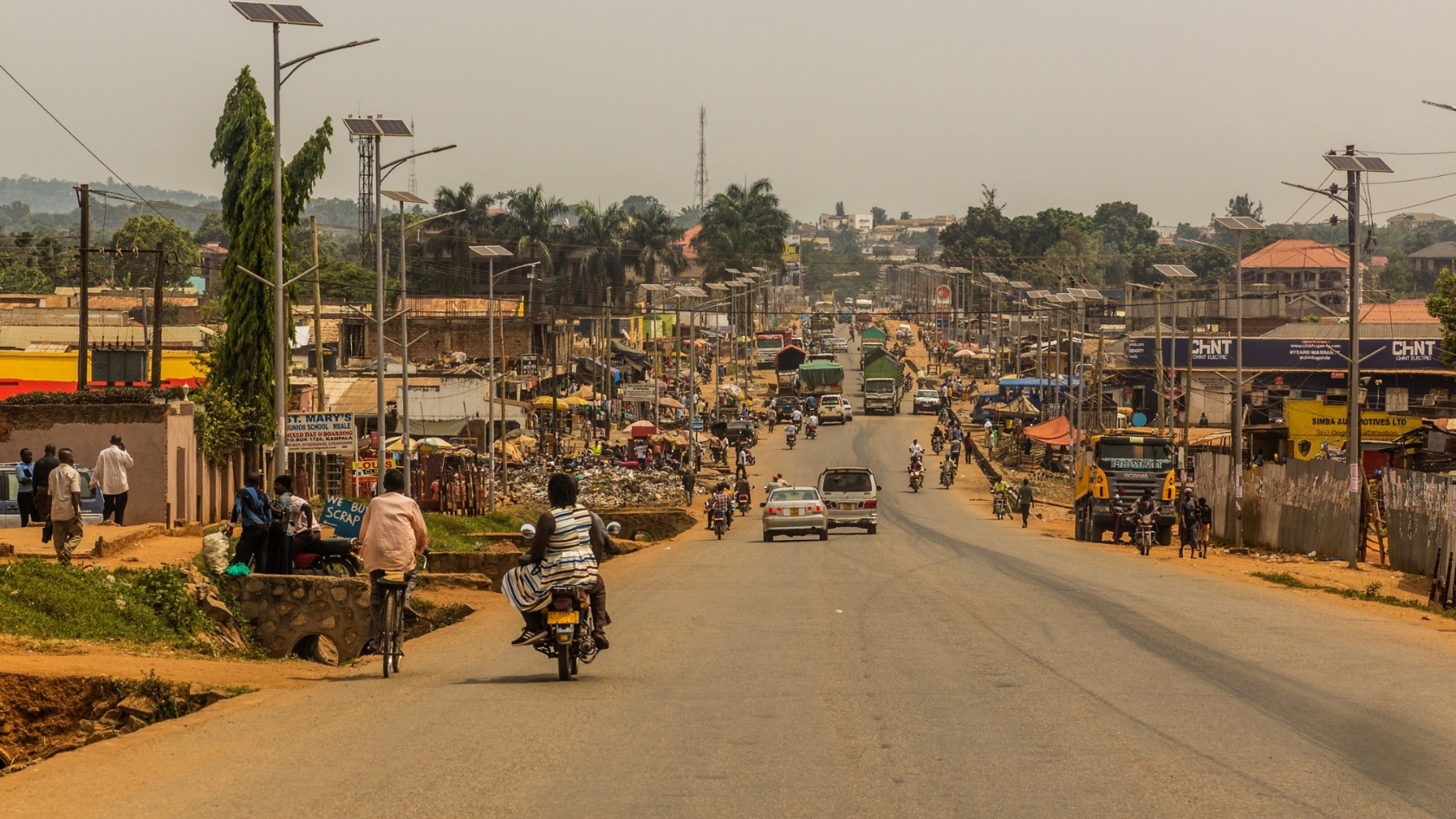
Mbale, situated in the eastern region of Uganda, serves as an agricultural trade centre for the surrounding region but faces substantial challenges in food governance, infrastructure, waste management and food safety. Through AfriFOODlinks the city is focusing on transforming the urban food environment by upgrading the central market stalls to meet food safety standards, deploying waste-recovery innovations (e.g., black soldier fly composting) and engaging schools and vendors in nutrition and safe food practice programmes.  This approach integrates physical infrastructure upgrades with governance and behavioural interventions to enhance both food access and environmental sustainability.


Ouagadougou, Burkina Faso

Ouagadougou, the capital of Burkina Faso, is challenged by high levels of food and nutrition insecurity and a large proportion of the population eating outside the home at least once daily.  Under AfriFOODlinks, pilot interventions are being implemented in schools, markets and street-food settings to raise standards of hygiene and nutrition, support safe food provision, and promote inclusive governance of food systems. This reflects a dual focus on immediate food access and safety concerns as well as the structural governance arrangements that influence them.


Tunis, Tunisia

https://i.ytimg.com/vi/2t0sFOnRAlw/maxresdefault.jpg

Tunis, as Tunisia’s capital and largest city, acts as a policy and governance centre in the Mediterranean region. As one of the hub cities for AfriFOODlinks, the focus in Tunis is on reshaping urban food environments—such as introducing regulations (e.g., sodium levels in bread) and strengthening policy-business-citizen linkages to support healthy, sustainable diets in the urban setting. The city thus serves as a model for integrating nutrition and health considerations into urban food systems within a Mediterranean-African context.


Kisumu, Kenya


Kisumu, located on the shores of Lake Victoria in western Kenya, presents a dynamic food-systems context combining fishing, urban agriculture and informal market systems. Through AfriFOODlinks, interventions in Kisumu are focused on upgrading market infrastructure, strengthening local business innovation, and linking urban food supply chains to healthier, more sustainable diets.  These efforts aim to reduce waste, improve food access, and support the city’s role as a hub for regional food flows and economic activity.


 10 African “Sharing Cities” 


1. Arusha, Tanzania

Arusha is a rapidly growing urban centre in northern Tanzania, located on the southern slopes of Mount Meru, with a population of about 617,631 (2022).  The city’s economy is built on tourism, transport, manufacturing and informal trade, but its food system is showing signs of vulnerability — with issues around food and nutrition insecurity, limited fresh food availability and informal-sector dominance of markets.  Under AfriFOODlinks, Arusha is pursuing multi-stakeholder governance of the food system, promoting market-vendor linkages, youth agrifood entrepreneurship and improved infrastructure and food-safety practices. 


2. Niamey, Niger

Niamey is the capital city of Niger, situated on the Niger River and with a population around 1.4 million.  Its urban food system faces multiple pressures: seasonal rainfall, recurrent floods, weak infrastructure and limited local agricultural supply chains, especially for fresh vegetables.  AfriFOODlinks supports Niamey in strengthening urban agriculture (including seed-nursery development), boosting local vegetable production, improving food-safety infrastructure, and enhancing policies and capacities for healthier food environments.


3. Quelimane, Mozambique

Quelimane is a coastal city in Mozambique, identified within the AfriFOODlinks city-list of sharing cities.  Although detailed public profile is less extensive, the project identifies Quelimane as a city where pilot interventions will target market infrastructure, urban agriculture and inclusive governance of food systems. The aim is to strengthen the city’s resilience by improving fresh-food access, reducing food loss and integrating youth and women into agrifood innovation.


4. Tamale, Ghana

Tamale (Northern Ghana) appears in AfriFOODlinks’ “State of the City Food System” reports list.  The city presents a dynamic food environment: rapid urban growth, a strong informal sector, reliance on local agriculture and significant nutrition and access challenges. Under the project Tamale is engaged in piloting innovations that strengthen food-system governance, enhance market and vendor systems, reduce waste and improve diet quality for urban residents.


5. Windhoek, Namibia

Windhoek, the capital of Namibia, is also a sharing city in the AfriFOODlinks network.  While specific details of the pilot are still emerging, the city’s intervention focuses on enhancing urban agriculture (e.g., urban farms), strengthening fresh-food supply chains and reducing dependence on long-distance food flows — thus improving local food resilience and enabling more inclusive agrifood enterprise.


6. Bukavu, Democratic Republic of the Congo

Bukavu, in eastern DRC, is part of the AfriFOODlinks sharing-city list.  Its food system is challenged by conflict-sensitive logistics, weak market infrastructure, food-waste issues, and limited formal agri-business activity. The project’s work there aims to pilot circular economy approaches (e.g., composting, waste-to-value), empower youth and women agripreneurs, and improve governance of informal markets.


7. Dakar, Senegal

Dakar appears as one of the pilot target sharing cities in Africa for AfriFOODlinks.The city is working on school-feeding programmes with local supply of millet, beans, moringa and fruits, demonstrating how urban food security interventions can be anchored in schools. It is also focusing on healthier diets, better market environments and inclusive local governance of food.


8. Antananarivo, Madagascar

Antananarivo is included in the city-exchange and sharing-city programme of AfriFOODlinks.  The city’s food system is under pressure from climate hazards, urban expansion and low resilience of peri-urban agriculture. The project focuses on enabling youth-led food-system innovation, strengthening urban agriculture and waste management, and connecting local value creation to markets.


9. Lusaka, Zambia

Lusaka is listed among the sharing-city cohort of AfriFOODlinks, with pilot project infographics referenced.  The city is engaged in developing a local “Food Systems Office” to bring together governance, youth entrepreneurship and informal-sector market actors. The focus is on strengthening local supply chains, reducing loss, enabling women and youth agripreneurs and integrating food-system thinking into urban planning.


10. Chefchaouen, Morocco

Chefchaouen appears on the list of project cities under AfriFOODlinks (sharing city) although much less information is currently publicly summarised.  The intervention is expected to focus on Mediterranean-African interface issues: small-scale agriculture, market integration, cultural food heritage and inclusive local governance, leveraging the city’s rural-urban food-system linkages and tourism economy.

EU Research, Innovation and Development projects in the last 10 years

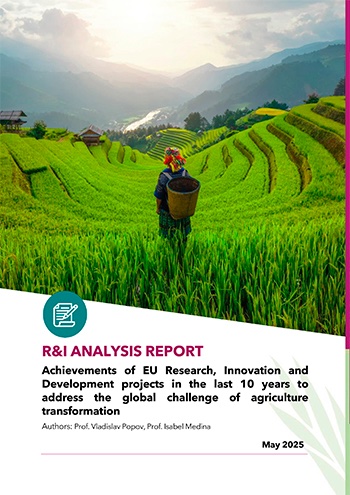
SCAR/ARCH (2025) EU Research, Innovation and Development projects in the last 10 years to address the global challenge of agriculture transformation 133 pp.

The SCAR Strategic Working Group on European Agricultural Research towards greater impact on Global Challenges (SWG ARCH) commissioned a Portfolio Analysis (PA) to evaluate the achievements of European Union (EU) funded research, innovation, and development projects aimed at transforming the agri-food systems towards sustainability in low- and middle-income countries (LMIC).

The analysis focused on projects funded by the European Commission through various funding instruments, such as Horizon 2020 or Horizon Europe (DG RTD, DG AGRI, DG ENV) , joint Funding Schemes between the European Commission and AU or EU Member States or Associated Countries, and DG INTPA, such as DeSIRA often in collaboration with international organisations such as the FAO and national research agencies. The evaluation criteria have included project scope, consortium structure, geographical intervention areas outside the EU, and the expected outcomes and impacts on local food security and nutrition.

Highlights: 

InnoFoodAfrica - Locally-driven co-development of plant-based value chains towards more sustainable African food system with healthier diets and export potential

  • InnoFoodAfrica focused on climate-resilient crops like sorghum and cowpeas.
  • InnoFoodAfrica has improved seed varieties to enhanced yield and productivity, along with comprehensive training on best practices in farming and seed management.
  • The African innovation platform (https://africainnovationplatform.com/) developed by InnoFoodAfrica addresses the promotion of innovative solutions in Africa by engaging local, national and international stakeholders for widespread technology and knowledge transfer has been developed. 
  • The platform aims to provide peer support for small farmers and SMEs, to enable compliance market and supply chain demands and maintenance of quality control parameters.  
  • The platform is a key exchange point to share best practices and innovative solutions among African stakeholders, contributing to the wider objective of the EU/Africa FNSSA partnership. 
  • A networking map with information on potential stakeholders is available to facilitate future collaborations. Viable solutions for the long-term operation of the innovation platform will help ensure the developed technologies and products reach markets in both Africa and Europe.

UnicARSSA - University-based Community Action Research for increasing viability of cereal-legume value chains towards improved nutrition and livelihoods in sub-Sahara Africa (UnicARSSA)


  • EU Horizon 2020 ERA-Net Cofund LEAP-Agri / 1 September 2018 – 31 August 2022 
  • UniCARSSA links smallholders and rural entrepreneurs directly with universities in platforms for action to share currently available technologies, adapt them to local conditions and encourage new research for key constraints. It built on 2 established community action research platforms (CARPS) at two universities (University of Eldoret, Kenya and Makerere University, Uganda) to address constraints in improving productivity and consumption of under-researched cereals and legumes in Kenya and Uganda to increase food and security nutrition.
  • UniCARSSA used an already established Community Action Research Platform - CARP  (UoE, BUSSFFO, SMEs e.g EASTCOM Foods, County Governments, Input Suppliers such as MEA, ICRISAT) for participatory action and academic research. 
  • The Community Action Research Platform of Eldoret brought together researchers and farmers
    with stakeholders along the value chain, such as input suppliers, wholesalers, market off-takers, agricultural insurance companies, and importantly, county governments. Over 500 smallholders trained in the project produced more, and some farmer groups started supplying cereals and legumes to small and medium-sized companies such as EASTCOM Foods. This company, which was a partner in the project, lacked a steady supply of raw materials for value added products made from sorghum and millet.  
  • UniCARSSA has supported farmers and value chain actors in cereals and legumes to access appropriate technologies, specifically, access to information, access to markets of the four study crops (sorghum, millet, soybeans and groundnuts), linkages of farmers to relevant stakeholders e.g markets, microfinance, access to ICT for agriculture, i.e. the designed artificial intelligent-based approach to deter birds from infesting cereals in cereal crop fields. 

  • EU Horizon 2020 ERA-Net Cofund LEAP-Agri / 1 September 2018 – 29 November 2022 
  • NUTRIFOODS seeked solutions on how to increase the use of Climate Smart Food Crops (CSFC) in baked products to provide nutritionally-rich food that meets consumer needs while favouring local economies.
  • Crops are considered to be climate resilient when they are better able to withstand the climate change affecting weather patterns, like higher temperatures and more frequent and severe droughts in Africa. CRCs with such properties can be classified as cereals (e.g. maize, sorghum, fonio, teff and finger millet), pseudocereals (amaranth), roots and tubers (cassava and sweet potato), pulses (phaseolus beans, cowpeas, chickpeas, pigeon peas and bambara groundnuts) and oilseed legumes (soya beans and peanuts). 
  • All these crops are widely grown across sub Saharan Africa. However, CRCs are underutilized and undervalued, primarily for technical reasons, but also lack attention in research, development and commercialization throughout their value chains. 
  • Download the report: Breads from African Climate-Resilient Crops for Improving Diets and Food Security

Bridging Continents through Innovation: Africa–Europe Innovation Dialogues

22 October 2025
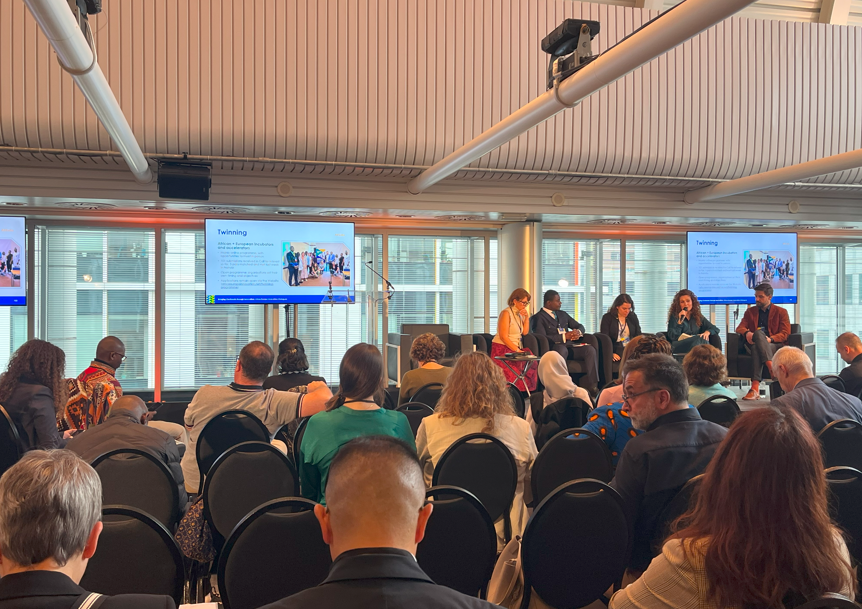
. This event was the first occasion for the Africa-Europe Innovation Platform (AEIP) in which actors along the innovation value chain – from policy makers, academia, start-ups and SMEs, investors and corporates, business support organisations and civil society – discussed the latest innovation developments and cooperation between Africa and Europe. 

By providing a “network of networks” and creating improved linkages across the innovation value-chain (from idea generation to implementation) the platform helps overcome fragmentation of research efforts and supports the translation of scientific results into applications in agricultural and food systems

AEIP supports the goals of major initiatives like the AU–EU Innovation Agenda and the continent-wide agenda for food security, sustainable agriculture and climate resilience. For example, the platform helps promote cross-continental R&I cooperation in domains such as crop-resilience, value-chain innovation, and sustainable intensification — areas where both Africa and Europe share interests. Through this, it has the potential to improve knowledge-exchange, build capacity, support innovation uptake by smallholders, and help scale solutions that have been stuck at pilot stage.

The Association of African Universities (AAU), through the Africa–Europe Innovation Platform (AEIP) Project, was represented at this flagship event by Ms. Jemima Deladem Dotsey (AEIP – AAU Communication Officer) and Dr. Agyemang Okyere Darko, both of whom are actively engaged in the AEIP Project’s communication, coordination, and stakeholder engagement activities.

Extracts of the programme


Opening

  • Francesca Doria (Head of Unit, European Innovation Council and SMEs Executive Agency, EISMEA)
  • Brando Okolo (Head of Science, Technology and Innovation, AUDA-NEPAD)
Keynote: “Latest developments in the AU-EU Innovation Agenda”
  • Vincenzo Lorusso (Policy Officer for Science, Technology, and Innovation Cooperation with the AU and bilateral cooperation with Rwanda, Nigeria and South Africa, European Commission DG Research and Innovation) See video @ 36:40
  • Lukovi Seke (Principal Programme Officer for African Science, Technology, and Innovation Indicators, AUDA-NEPAD), Co-Chairs AU-EU Innovation Agenda Working Group

PANEL 1: Unveiling the Africa-Europe Innovation Platform: Features, activities and next steps


This presentation of the Africa-Europe Innovation Platform (AEIP) included the first demo of the digital
component of the Platform, its objectives, and an onboarding of stakeholders, presented by Tendai Pasipamire (EiAC). A panel of AEIP Project team members briefly presented their activities and through a panel, answered questions about key components of the AEIP. Activities that were addressed included: 
  • Moderated by Silvi Serreqi (Project Adviser, EISMEA).
  • Tendai Pasipamire (EiAC) – Demonstrated the AEIP digital platform and outlined its core objectives: to facilitate collaboration along the innovation value chain, strengthen Africa–Europe R&I partnerships, and streamline access to funding, capacity-building and community resources.
  • Stephan Kreutzer (Technopolis Germany) – Presented the Thematic Challenges component, explaining how multi-stakeholder challenge calls will link policy priorities to market-driven solutions in sectors such as climate-smart agriculture, digitalisation, and sustainable energy.
  • Covadonga Rayon (EBN) – Outlined the Capacity-Building and Training track, aimed at
    strengthening innovation management skills among entrepreneurs, researchers, and intermediaries through workshops, mentoring and online courses.
  • Tegan George (VC4A) – Introduced the De-risking Support for SMEs, detailing how AEIP will work with investors and accelerators to bridge early-stage financing gaps, offer investment readiness support, and reduce perceived risks in African innovation ventures.
    Tegan George is a Project Manager at VC4A (Venture Capital for Africa), where she leads initiatives focused on de-risking support and investment readiness for African start-ups and SMEs within innovation ecosystems. In the context of the Africa–Europe Innovation Platform (AEIP), her work is centred on helping entrepreneurs bridge the critical “valley of death” between innovation and investment by improving access to finance, mentoring, and investor networks.
     See video @ 1:49:33
    Baluku Dounnah is a Senior Programmes Officer at AfriLabs (Abuja, Nigeria)
    , a leading pan-African network of innovation hubs supporting over 400 technology and entrepreneurship centres across more than 50 African countries. His work focuses on strengthening innovation ecosystems through capacity building, hub-to-hub collaboration, and cross-regional partnerships. Within the Africa–Europe Innovation Platform (AEIP), Baluku Dounnah is responsible for the Twinning component, which connects African and European incubators, accelerators, and research organisations. This initiative promotes peer learning, joint innovation projects, and mutual capacity enhancement between ecosystem actors on both continents.
  • Covadonga Rayon (EBN) on behalf of Baluku Dounnah (AfriLabs) – Presented the Twinning Programme, which will pair African and European incubators, accelerators, and research organisations to promote peer learning, co-creation, and network expansion.
  • Dr Agyemang Okyere Darko (AAU) – Discussed the Communities of Practice (CoPs), which will serve as ongoing, thematic knowledge-exchange groups connecting academia, private sector, and civil society to foster continuous collaboration beyond project cycles.

PANEL 4: Diaspora's contribution to innovation at the Africa-Europe interface


The panel highlighted the strategic role of African diasporas as connectors, investors, mentors, and
knowledge brokers driving innovation between Africa and Europe. It emphasised that diaspora networks are not only sources of remittances but key enablers of technology transfer, business incubation, and cross-continental collaboration. Participants underscored the need for policy frameworks and investment instruments that formally recognise and support diaspora-led innovation ecosystems.
  • Moderated by Abu Cassim (Acceleration Team Lead, VC4A). 
  • Ninon Duval (Bond’Innov) – Shared experiences of facilitating diaspora entrepreneurship through
    innovation hubs and support services that bridge African start-ups with European partners and investors, stressing the value of institutional partnerships for sustainability.
  • Maureen Duru (The Food Bridge) – Highlighted how diaspora-led food initiatives foster innovation in agri-food systems, linking cultural food heritage with business development, nutrition awareness, and sustainable value chains across both continents. See video @ 6:11:03
  • Michelle Amoakoh (AiDiA) – Presented AiDiA’s work in creating digital and financial tools that empower African innovators abroad to invest and collaborate effectively with local ecosystems, advocating for stronger investment pipelines connecting diaspora capital to African start-ups.
  • Mirana Rajoharison (ALEFA Diaspora) – Illustrated how diaspora associations can mobilise expertise, mentorship, and collective action to address systemic barriers in education, research, and enterprise creation in Africa, especially for youth and women innovators.

Tuesday, October 28, 2025

AR4D Funding Opportunities for Africa : December 2025


Agriculture Fisheries Forestry

Ocean Stewardship Fund

2025-12-01

The Marine Stewardship Council invites fisheries, scientists, NGOs and postgraduates to apply for grants from the Ocean Stewardship Fund. The fund supports best practices in sustainable fishing with the aim to increase the number of sustainable fisheries around the world. Grants are also available to support small-scale fisheries and fisheries in the developing world. Furthermore, the Student Research Grant awards funding to support postgraduate students who are carrying out research with fisheries engaged or working towards the MSC program. Awards of between £5 thousand to £50 thousand are available across five different strands. The application deadline is 01 December 2025.

Food & Agritech

2025-12-07

Startupbootcamp provides access to funding, supporting the development of innovative solutions across sectors such as vertical farming, regenerative agriculture, food supply chain optimization, agritech hardware, sustainable packaging, alternative proteins, precision agriculture, food waste reduction, and agri-fintech. The accelerator supports startups developing solutions with the potential to address some of the world’s most pressing challenges. Participants have access to a 3-month in-person accelerator designed to enable growth at speed, and €25 thousand cash investment per startup to cover expenses during the program, plus €100 thousand in-kind services. Applications close on 07 December 2025.

Seeding The Future Global Food System Challenge

2025-12-15

The Seeding The Future Global Food System Challenge seeks game-changing innovations that will help transform the food system to be more sustainable and empower consumers to make choices that benefit both personal and planetary health. The Challenge will award up to eight US$25 thousand grants. Nonprofits or academic or research institutions located in any country and early-stage U.S.-based for-profit companies are eligible to apply. Individuals are not eligible to apply. However, teams of students or researchers may participate as part of an organization’s submission. Applications are due on 15 December 2025.

Mediterranean Forestry and Natural Resources Management

2025-12-31

The Master's Degree in Mediterranean Forestry and Natural Resources Management (MEDfOR) is a two-year international program in the field of Forestry and Sustainability. The MEDfOR Consortium includes seven European universities with expertise in Mediterranean forestry. The master course is open to EU and non-EU students. Scholarships to cover participation costs, travel costs, and a monthly subsistence allowance will be offered by different funding agencies according to specific eligibility requirements. The program is open to candidates from all over the world, who have a bachelor's degree in Biological Sciences, Environmental and Earth Sciences, Mathematics, Economics, Engineering, Chemistry, Biochemistry, or similar areas. The closing date for applications is 31 December 2025.


Biodiversity Conservation Wildlife

Student Grants

2025-12-01

The British Herpetological Society (BHS) offers small grants to current students in support of herpetological fieldwork and other research costs. Projects which benefit species of conservation concern are likely to be favored. The scheme is open to students and research projects in any country, but applications from countries where funds are relatively easy to obtain may be at a disadvantage. Applicants do not have to be BHS members, though this is encouraged. Small grants are up to £300. The remaining application deadlines are 01 June and 01 December 2025.

Research and Conservation of Tortoises and Freshwater Turtles

2025-12-01

The Turtle Conservation Fund (TCF) makes grants to organizations and individuals worldwide for the conservation and research of endangered and critically endangered tortoises and freshwater turtles. TCF lists priority species. Most regular grants are US$2 thousand to US$5 thousand per project. The Fund also makes seed grants of US$1 thousand or less. Application deadlines for both programs are 01 June and 01 December of each year.

Masters in Conservation Leadership

2025-12-02

The Cambridge Masters in Conservation Leadership invites applications for entry in 2025. The full-time master's program during one year is aimed at graduates of leadership potential with at least three to five years of experience relevant to biodiversity conservation. Scholarship programs offer support to students from developing countries. The application deadline for program admission is 02 December 2025.

Tourism Innovation Challenge

2025-12-08

The UN Tourism Social Innovation Challenge calls on startups, scaleups, and entrepreneurs globally to propose tech-driven solutions in three categories—Community-based Tourism, Inclusivity & Accessibility, and Green Projects. Selected finalists receive benefits including scholarships from Sommet Education Foundation (for hospitality programs at Les Roches), mentorship via the UN Tourism Innovation Network, opportunities to pitch at UN Tourism Demo Day, access to investors and corporate networks. Applications close 08 December 2025.

Conservation Grants 2026

2025-12-12

The Oklahoma City Zoo and Botanical Garden (USA) manages the "Conservation Action Now" program. The program awards small grants for conservation education, scientific research, and species preservation anywhere in the world. Grants are up to US$2,500. The application deadline is 12 December 2025.

Zoological Medicine and Wildlife Health Research Grant

2025-12-15

The American Association of Zoo Veterinarians (AAZV) awards the Zoological Medicine and Wildlife Health Research Grant to professionals in zoological medicine for the care and conservation of captive and free-ranging wildlife. Two categories of funding are available: standard grants (maximum US$20 thousand) and small grants (maximum US$7,500). The application deadline is 15 December 2025.

Grants in Herpetology

2025-12-15

The Society for the Study of Amphibians and Reptiles (SSAR) makes 12 grants of US$500 each for herpetological field research, education, and conservation. Applications are submitted by individuals. Some grant categories are restricted to SSAR members and students, while others are open to everyone. The application deadline is 15 December 2025.

Faculty Fellowship Program

2025-12-18

The Russell E. Train Education for Nature Program provides funding support to current and aspiring university faculty that are affiliated with or currently employed at African, Asian, and Latin American and Caribbean universities. Applicants may apply for up to three years of funding and request up to US$30 thousand per year. The deadline to apply is 18 December 2025.

Small Grants for Conservation in Africa

2025-12-31

The Jana Robeyst Trust Fund provides financial resources to small non-profit organizations and individuals to carry out conservation research in Sub-Saharan Africa. Priority will be given to projects related to the conservation of forest elephants. Applicants can be based anywhere in the world. Funding is €1,500 per applicant. Application deadlines for small conservation grants are 30 April, 31 August, and 31 December each year.


Crosscutting

Global Solvers Accelerator

2025-12-01

The Global Solvers Accelerator is an eight-month project-based collaborative learning workshop furthering the Sustainable Development Goals (SDGs). Up to 20 participants will be invited to attend the fully sponsored week-long in-person retreat, the Global Solvers Co-Lab (July 2026). Eligibility extends to young community development practitioners aged between 20 – 35 years from all around the world. Applicants must have an existing social impact project. The program offers financial aid for deserving participants. Applications close on 01 December 2025.

Excellence Scholarships

2025-12-01

TU Delft offers the Justus & Louise Van Effen Excellence Scholarships to study at the Delft University of Technology. The scholarship offers €30 thousand per year to international applicants admitted to one of the 2-year regular MSc programs. The programs include sustainable energy, environmental engineering, water management, and many others. The application deadline is 01 December 2025.

Research on Solid Waste

2025-12-01

The Environmental Research and Education Foundation (EREF) offers research grants on the management of solid wastes. Topics include waste minimization; recycling; waste conversion to energy, biofuels, chemicals, and other products; waste diversion to other uses; and landfills. There are no geographical restrictions on institutions that can apply. Previously awarded grants have ranged from US$15 thousand to over US$500 thousand (with an average grant amount of US$160 thousand). The deadlines for pre-proposals are 01 May and 01 December 2025.

TechGirls 2026

2025-12-04

TechGirls is an international summer exchange program designed to empower and inspire young women from around the world to pursue careers in science and technology. The program is open to teenage girls (ages 15-17) from eligible countries in Sub-Saharan Africa, East Asia and Pacific, Europe and Eurasia, the Middle East and North Africa, South and Central Asia, and Latin America. TechGirls covers the costs of travel, accommodation, and meals for participation in the technology camp hosted by Virginia Tech University. The application will close on 04 December 2025.

Visiting Research Fellow Program

2025-12-12

The Research Institute for Humanity and Nature (RIHN) Visiting Research Fellow Program brings overseas researchers to the Institute for periods of two to six months to engage in research collaboration. Each visiting fellow must work with a RIHN host researcher who acts as the main point of contact with the Institute. Applicants must have a PhD and be employed in an overseas research institute. Travel, accommodation, and daily expenses are covered by RIHN. The application deadline is 12 December 2025.

MSc in Geography of Environmental Risks and Human Security

2025-12-15

The United Nations University (UNU) and the University of Bonn welcome applicants for the international joint MSc program, “Geography of Environmental Risks and Human Security.” The ideal candidate has a strong interest or experience in human-nature relations and risk governance in the Global South. Women and applicants from developing countries are strongly encouraged to apply. The German Academic Exchange Service (DAAD) offers scholarships to financially support successful applicants from developing countries. The application deadline is 15 December 2025.

Leadership Training Program

2025-12-31

The United People Global (UPG) Sustainability Leadership training program offers young leaders from all over the world the opportunity to participate in an immersive 1-week experience on an island in the USA. UPG seeks young people (18-35 years) who want to take positive action that helps the world tackle a sustainability challenge to achieve any of the UN's Sustainable Development Goals (SDGs). 500 young leaders will be selected to participate in an online program and receive a certification after successful completion of the online training. 60 participants will have the chance to attend the complimentary 1-week training in the USA (all costs of the program will be covered). Applications should be received by 31 December 2025 for the Class of 2026.

Thursday, October 23, 2025

Innovation Fair 2025

23 October 2025
, Brussels. Innovation Fair 2025

Organised in the framework of the EU’s Research and Innovation (R&I) cooperation with Africa and the Mediterranean region, the event was a key milestone supporting the implementation of the AU–EU Innovation Agenda (2023–2033) and the New Pact for the Mediterranean, alongside the Union for the Mediterranean (UfM) R&I Roadmaps.

With the theme of “Enabling that step forward”, the Innovation Fair showcased the vibrancy of cooperation among European, African and Mediterranean innovation ecosystems, while supporting the scale up and de-risking of their most promising innovative solutions. 

Building on the successful previous editions held in Nairobi (2022), Cape Town (2023) and Cairo (2024), the Fair featured innovative projects, start-ups, SMEs, business support organisations and ecosystems from across Europe, Africa and the Mediterranean. 

The event brought together innovators, researchers, entrepreneurs, and investors to highlight transformative solutions with real potential for market and societal impact, foster collaboration, leverage funding opportunities and contribute to socio-economic growth.

Extract of the programme


Setting the Scene

  • Ms Nienke Buisman (Head of International Cooperation – Asia, Africa, Middle East & Pacific,  European Commission, DG Research & Innovation), co-moderator – Opened the Fair by underlining the importance of inclusive and sustainable innovation partnerships between Europe, Africa, and the Mediterranean.

  • H.E. Amb. Joan Borrell (Deputy Secretary-General, Union for the Mediterranean), co-moderator – Highlighted regional cooperation as a cornerstone for translating innovation into tangible socio-economic impact.


The 10-Year AU–EU Innovation Agenda (2023–2033)


  • Dr Vincenzo Lorusso (European Commission) – Presented the joint roadmap for implementing the AU–EU Innovation Agenda and its flagship initiatives for technology transfer and capacity building.
  • Mr Lukovi Seke (AUDA-NEPAD) – Emphasised Africa’s innovation priorities and the mechanisms to align them with continental frameworks for sustainable development.

Union for the Mediterranean (UfM) Scalability Action Plan


  • Mr Alessandro Calabrò (European Commission) – Introduced the UfM’s approach to supporting the scalability of successful innovations through policy and financing synergies.
  • Ms Heba Gaber (EU Delegation to Egypt) – Illustrated country-level experiences in enabling innovation ecosystems and partnerships under the UfM Action Plan.


Pitching Session: Food & Nutrition Security & Sustainable Agriculture (FNSSA)


  • Reham Yehia (Baramouda Sustainable Solutions, Egypt) – Showcased circular biofertilizer solutions converting agricultural waste into high-value compost.
  • Guadaluna Chaer (LUXEED Robotics, Netherlands) – Presented autonomous robotic systems enhancing precision farming and reducing environmental footprints.
  • Joseph Simukoko (Green Giraffe Zambia Limited, Zambia) – Introduced affordable solar irrigation and water management solutions for smallholder farmers.
  • Krystel Khalil (Berytech, Lebanon) – Highlighted innovation and entrepreneurship programmes accelerating agri-tech start-ups in Lebanon and the wider MENA region.
  • Aïcha Dosso (Village des Technologies de l’Information et de la Biotechnologie, Côte d’Ivoire) – Presented digital platforms empowering youth and women entrepreneurs in agribusiness.
  • Tom Lismonde (Ovation SRL, Belgium) – Showcased circular economy packaging innovations to reduce plastic waste in the food value chain.
  • Luke Metelerkamp (AfriFOODlinks, South Africa) – Shared models of city-to-city collaboration to foster inclusive, sustainable urban food systems.
  • Prof. Emily Poppenborg (UPSCALE, Germany) – Presented research on scaling agroecological push–pull farming technologies to strengthen climate resilience.
  • Christoph Stahl (TECHONEY, Luxembourg) – Introduced digital monitoring and AI-based management tools for sustainable beekeeping and pollination services.
  • Prof. Lotfi Baghli (MG-FARM, France) – Demonstrated AI-powered farm management solutions improving yields and resource efficiency in precision agriculture.


Highlights

Boot Foodbridge on GFAiR's Collective Action on Forgotten Foods


The GFAiR (Global Forum on Agricultural Research & Innovation) Collective Action on Forgotten Foods focuses on revitalising “forgotten” or under-utilised crops (often called Neglected and Underutilised Species, NUS) and the foods derived from them. 

These crops are typically rich in nutrients, adapted to local and marginal environments, culturally embedded, and resilient to climate stresses, yet they have been marginalized in mainstream research, development, value-chains and markets. It builds on earlier work by GFAR and reflects a broader, longer-term transformation agenda. The action aims to:
  • give farmers (especially women and youth) agency and recognition as custodians of these species and their related knowledge; 
  • transform research, innovation and policy systems to integrate neglected foods (including upstream seed/variety development, agronomy, processing, markets, value-chains); 
  • knowledge4policy.ec.europa.eu
  • stimulate demand, market opportunities and better incomes linked to these crops; 
  • preserve and leverage agricultural biodiversity, cultural heritage and nutrition outcomes in a food system that is too heavily focused on just a few staple crops. 

AfriFOODlinks

The AfriFOODlinks project is a four-year initiative (2023–2027) funded by the European Union’s Horizon Europe programme, designed to transform urban food systems across Africa and Europe to be more sustainable, resilient, and equitable. 
  • Coordinated by ICLEI – Local Governments for Sustainability Africa, it connects 65 partners—including 15 African and 5 European cities—to foster collaboration, policy innovation, and city-to-city learning. The project aims to enhance food governance, promote healthy and sustainable diets, strengthen local value chains, and scale up circular economy approaches to reduce food loss and waste. 
  • By linking science, policy, and practice, AfriFOODlinks supports the implementation of the AU–EU Innovation Agenda and the UN Food Systems Transformation Pathways, positioning African cities as key drivers of systemic food change. 
  • See the dedicated blogpost

Boot of the Accelerate for Impact Platform (A4IP)


The Accelerate for Impact Platform (A4IP) is a venture-space incubator launched by CGIAR and its partner institutions, designed to bridge the gap between agri-food research and market deployment by supporting both incremental and transformational innovations in agriculture, environment and health. It brings together researchers, start-ups, investors and industry actors to refine and scale innovations, pivoting research outputs toward real-world impact in a fast-changing food system landscape. 


Tuesday, October 21, 2025

2025 International Forum on Agroecosystem Living Labs


15 - 17 October 2025. INRAE and Agriculture and Agri-Food Canada (AAFC) organised the second International Forum on Agroecosystem Living Labs (IF-ALL 2025). 

It was an update on this new approach around the world.

Building on the success of the first forum held in Montreal in 2023, which brought together the international community of Living Labs in agroecology, the aim of this second edition was to take stock of research, actions and lessons learned in the use of this new approach around the world.

Over three days, the event featured discussion panels and parallel sessions of scientific papers to establish state-of-the-art practices, share success stories from case studies, and address the challenges facing the international agroecology Living-Lab community. 

The Forum also featured networking events and field tours aiming to generate dialogue and create an inspiring space for collaboration and action.

Extracts of the programmme

15/10 Virtual Posters

  • The Agroecology Partnership, an EC-funded initiative valuing living labs to drive engagement in the agroecological transition - Le Gall Olivier ANR. 72 partners across 26 Member States, Associated Countries, and Third Countries support an agriculture sector that is fit to meet the targets and challenges of climate change, biodiversity loss, food security and sovereignty, and the environment, while ensuring a profitable and attractive activity for farmers.
  • Agroecology Partnership: Living labs and the monitoring of agroecology transitions as part of a nested socio-ecological system - Mark Caulfield, Wageningen University & Research
  • Participatory rural innovation lab: towards a sustainable agrifood system in the context of climate change - Vanegas Cubillos + Martha Cristina, Alliance Bioversity and CIAT
  • Explicit engagement principles support the performance of agroecological living landscapes (ALLs) in terms of fostering transdisciplinary research and the co-design of solutions - Lisa Elena Fuchs Alliance Bioversity-CIAT
  • Co-designing and Implementing Biomass Circularity at the Territorial Level through Rural Living Labs: Insights from a Transdisciplinary and Participatory Approach in Madagascar - Tiago Teixeira + da Silva Siqueira Cirad
  • A Circular Bioeconomy Living Lab for Agro-Ecological and Energy Transitions: The Case of the Tropical Territory of Réunion island Tiago - Tiago Teixeira + da Silva Siqueira Cirad
  • An Agroecological living lab (ALL) as a factory of agroecological trade-offs in favor of sustainable food systems in two terroirs of Niger - Sophia Alami CIRAD
  • Participatory innovations for low emissions food systems: lessons from living labs in China, Colombia, Kenya and Vietnam - Ryan Nehring, International Food Policy Research Institute, IFPRI
  • Engaging in global policy discourse for effective transition of smallholder farming into agroecological systems with the Rio Conventions’ lens - Cargele Masso One CGIAR
  • Innovating together for sustainable solutions: The WasiLab Living Labs initiative - Marie Agarrat IRD. WasiLab/Ecuador is the first interdisciplinary centre for sustainability sciences in Latin America, and stands out for its innovative scientific approach. Using living labs – a method in which citizens, residents and users are considered key players in the research and innovation process, to encourage participative and committed research – WasiLab encourages transformative and collaborative research while investing in local development.

16/10 Key European initiatives on Living Labs approaches

  • EU Partnership and Mission: AGROECOLOGY Partnership & A Soil Deal for Europe, Luis Sánchez Álvarez (European Commission, DG Agriculture and Rural Development)
  • EU and beyond: A Global Mapping of Living Labs in Agroecology - Audrey N’gom (INRAE, AGROECOLOGY Partnership, IF-ALL Organizing Committee)

17/10 How can we leverage agroecosystem living labs to establish sound science–society–policy interfaces for evidence co-creation, management and brokerage?

  • Chair : Allison Loconto (INRAE, IF-ALL Scientific Committee, Chair)
  • Katharina Helming (ZALF, IF-ALL Scientific Committee)
  • Lisa Elena Fuchs (CGIAR, Alliance of Bioversity International and CIAT)
  • Heather McKhann (INRAE, Representative in Brussels)
  • Luis Sánchez Álvarez (European Commission, DG AGRI)


Parallel sessions - extracts

Theme 1 - Fostering transitions

  • From Living Labs to the Living Landscape: Thinking transition through a culture of experimentation in rural spaces. - Marc Piraux (CIRAD)
  • NATAE: Fostering agroecological transitions in North Africa through Living Labs - Mark Caulfield (Wageningen University & Research)
  • From Living Labs to the Living Landscape: Thinking transition through a culture of experimentation in rural spaces. Marc Piraux (CIRAD)
  • Multi-stakeholder platforms for the governance of agroecological transitions: A typology and lessons from seven Agroecological Living Landscapes Angela Navarrete-Cruz (Alliance Biodiversity & CIAT)

Theme 2 - Empowering participation

  • Supporting community-driven and evidenced-based innovations in investment projects: lessons learnt from IFAD and implications for agroecosystem Living Labs in development - Myrtille Lacoste (IFAD)
  • Methods for fostering transdisciplinary research and co-design of agroecological solutions through structured Vision-to-Action (V2A) processes in multi-stakeholder spaces - Lisa Elena Fuchs (Alliance Biodiversity-CIAT)
  • Putting co-design to the test: a Living Lab in Kenya Birgit Habermann (ILRI)
  • Lost in Navigation? Ensuring Living Lab Frameworks Stay on Course with Local Needs - Etienne Delay (CIRAD)

Theme 3 - Monitoring and Evaluating success

  • Agricultural Living Labs: Bridging Transformative Learning Michelle Bonatti (ZALF)
  • Applying Utilization Focused and Developmental Evaluation: a Case Study in a Living Lab in Keur Moma Sarr, Senegal. - Marie-Danielle Sarr (ISRA BAME)
  • Developmental evaluation to track progress and learn from Living Labs - Erwan Sachet (CIRAD)
  • Navigating co-creation processes to build sustainable agroecological systems - Mireille Matt (INRAE)

Theme 4 - Promoting Innovation

  • Are organic amendments useful only for soil fertility management? A co-innovative study case from Central Argentina's peri-urban horticultural systems - Gaona Flores Maria Amparo (INTA)
  • Co-designing technical Innovations in the context of Agroecological Living Landscapes. Approaches, results, and cross-country learnings - Bernard Triomphe (CIRAD)
  • The living lab as a tool to support farmers in the agroecological transition in Sub-Saharan Africa: case of Lac de Guiers in Sénégal - Rahim Ouedraogo (CIRAD)

Theme 5 - Integrating Policy

  • The Multistakeholder collaboration framework, the agency and stakeholder theories intertwine in setting up an agroecology living lab for international Agricultural development – Case of Cocoa in Cameroon - Precilia Tata Ngome (IRAD) Institute of Agricultural Research for Development Yaounde, Cameroon 
  • Governance Structures of Agroecological Living Landscapes in Five Countries, Angela Navarrete-Cruz (Alliance Biodiversity & CIAT)

Theme 6 - Enabling research

  • Siliana Living Lab: a platform for agroecological transition in cereal plains - Inès Zouari (National Institute of Agronomy of Tunisia)


Resources

REPORT ON THE FIRST IF-ALL, CANADA, 2023